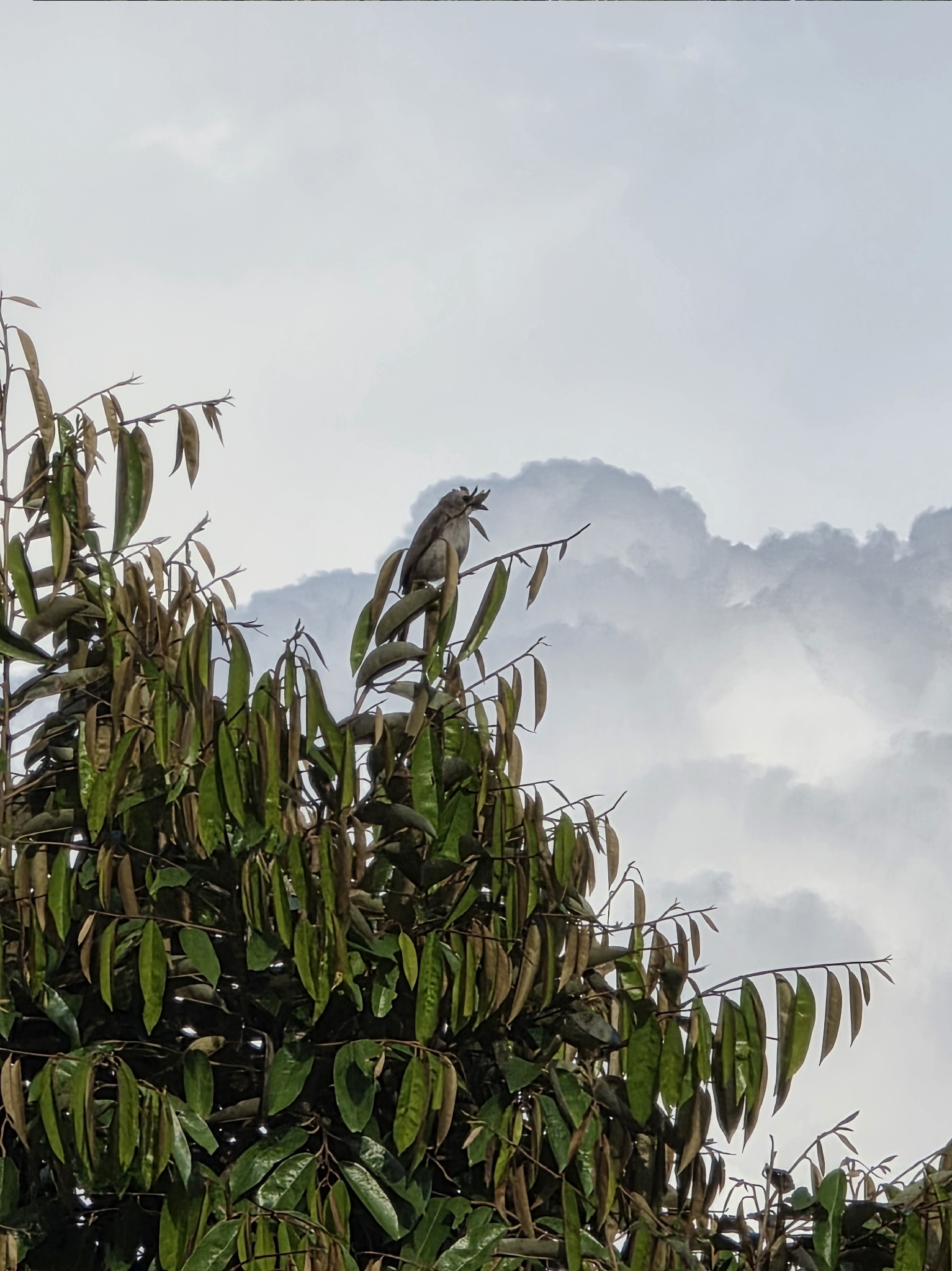
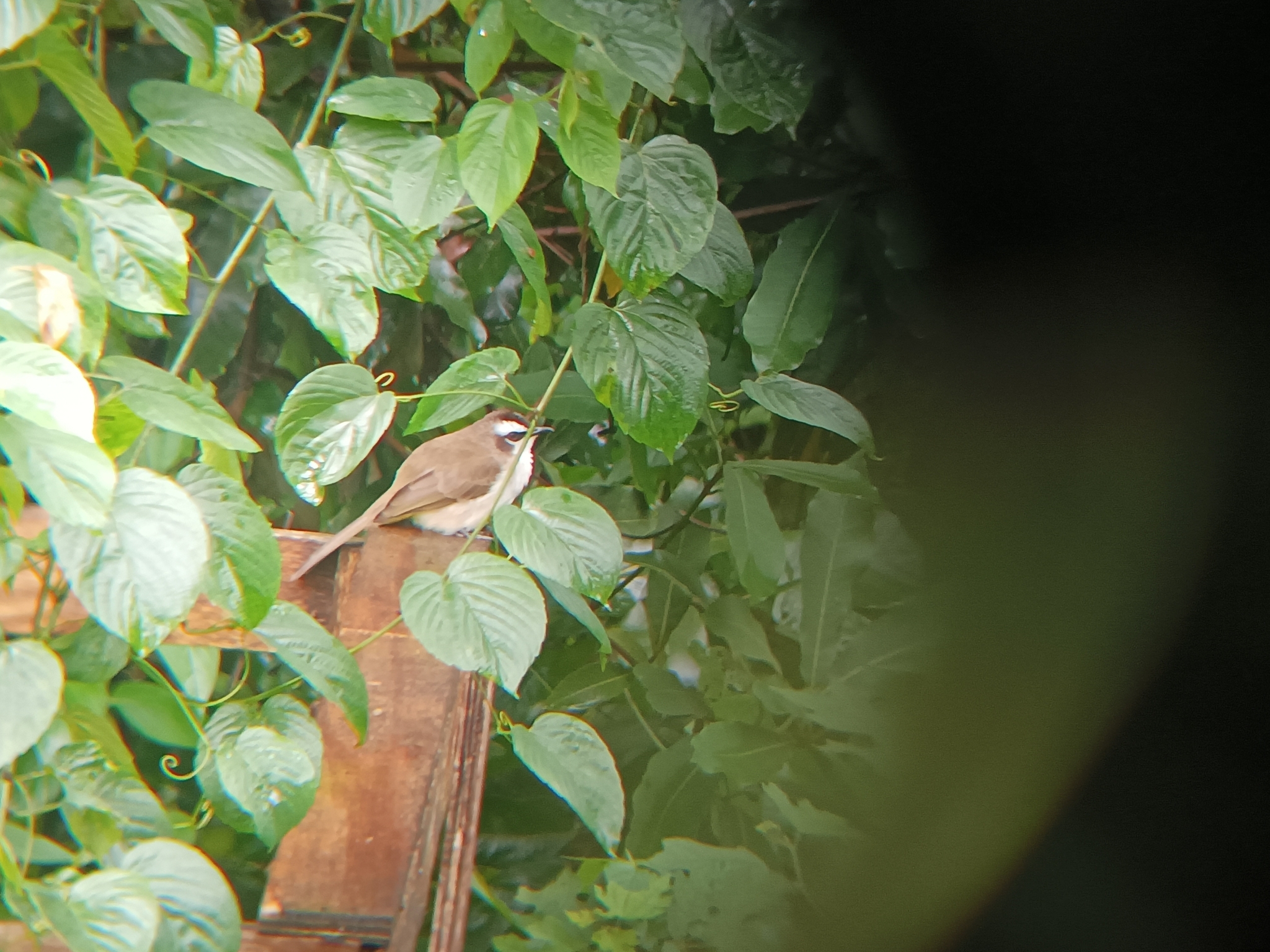
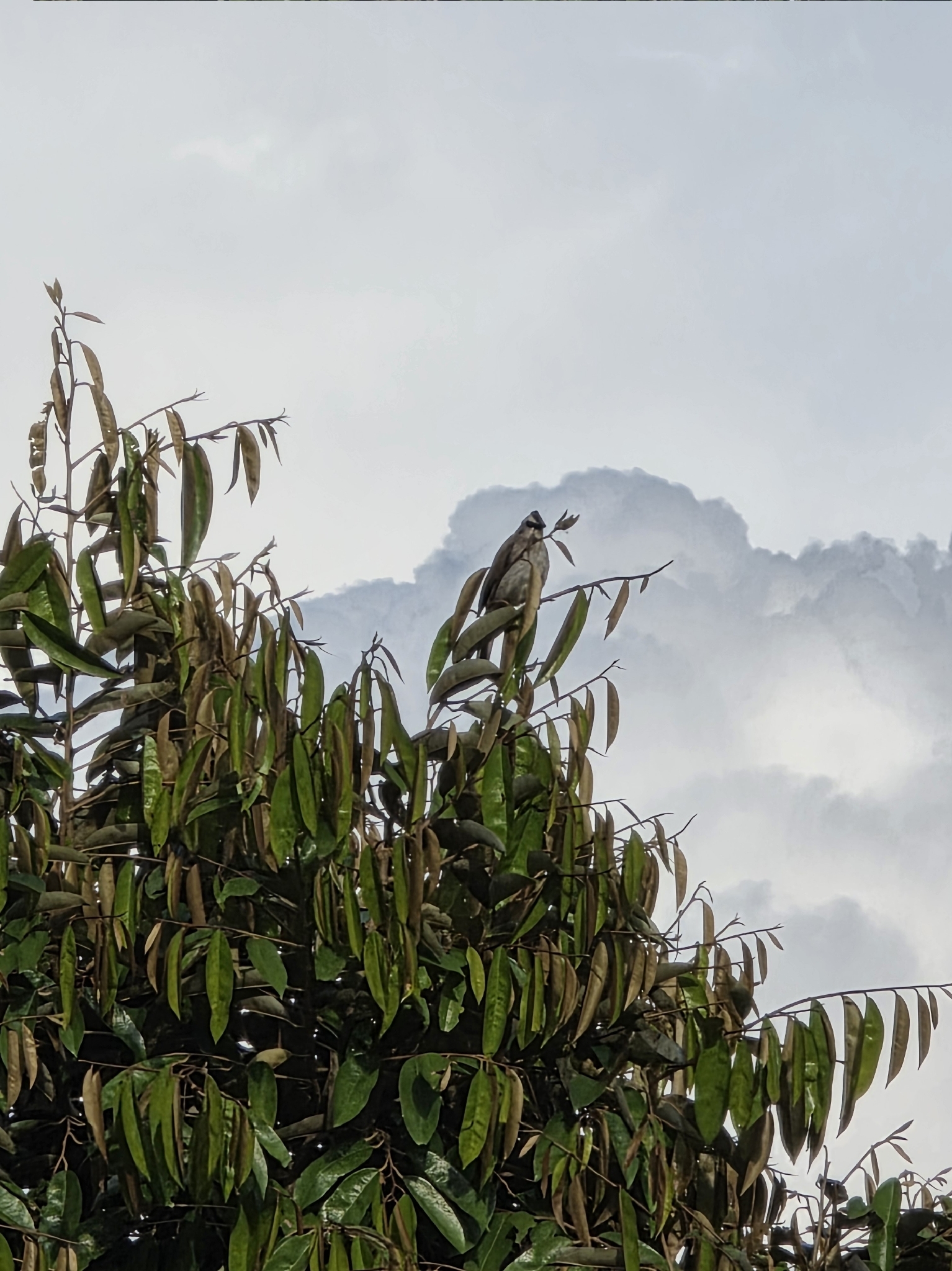
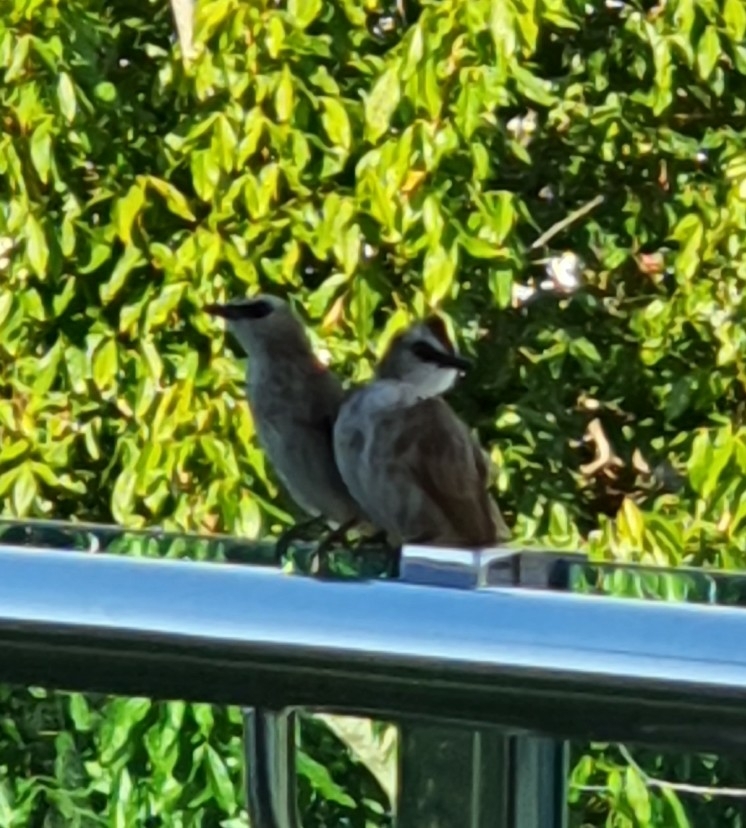

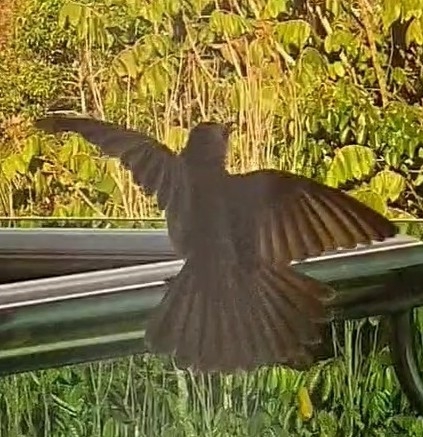

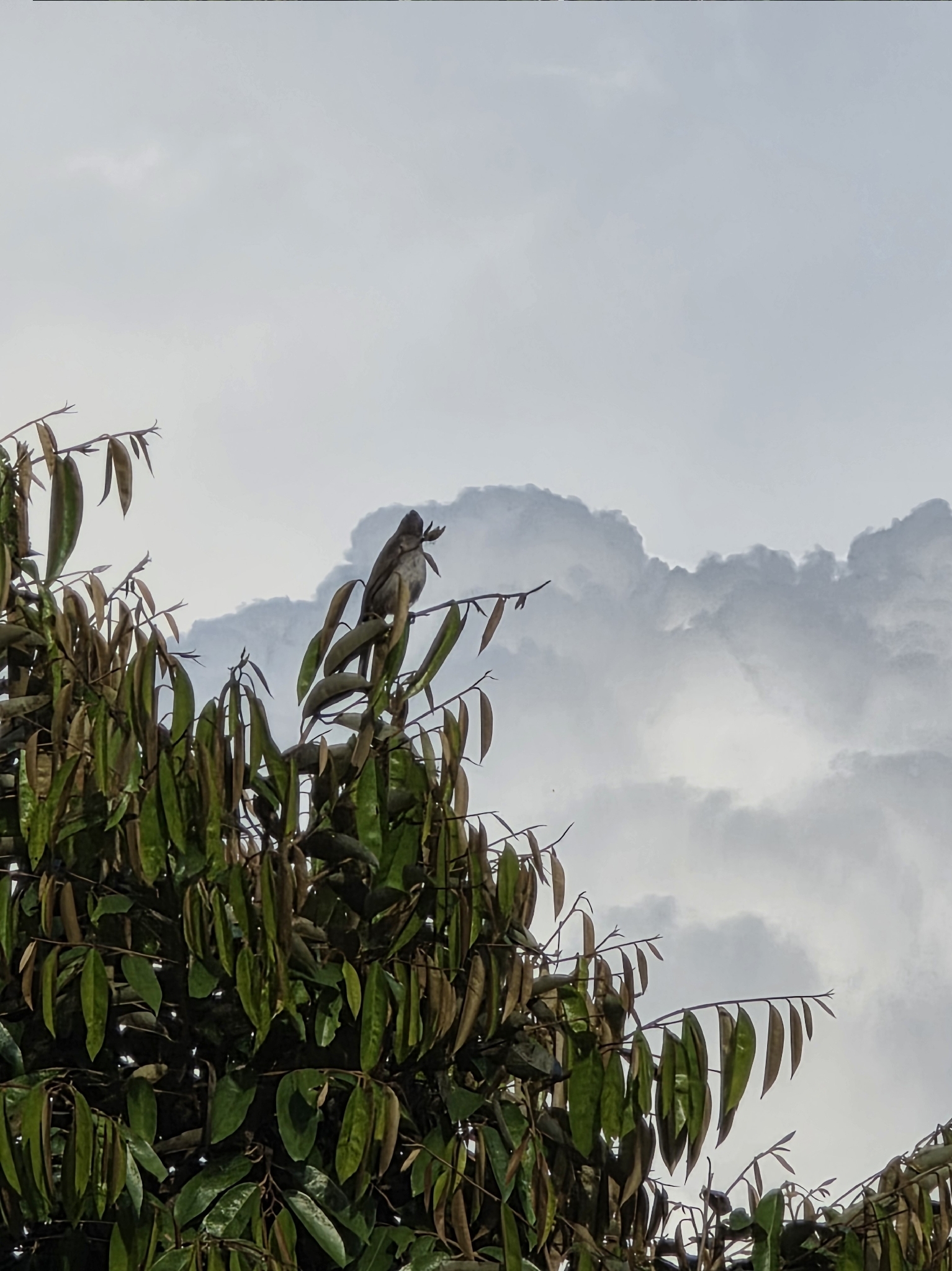
Yellow-vented Bulbul
Pycnonotus goiavier
白眉黄臀鹎
Introduction
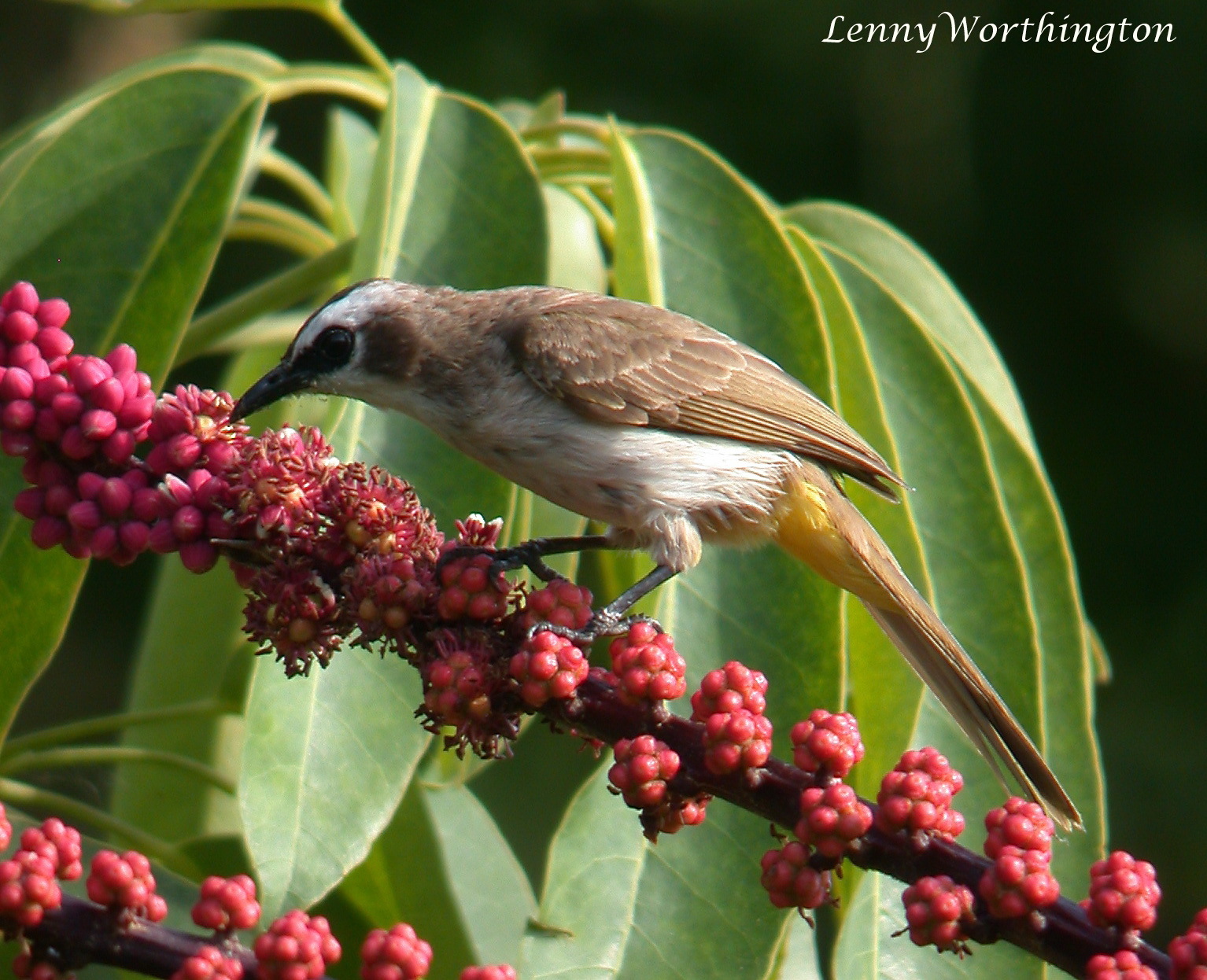
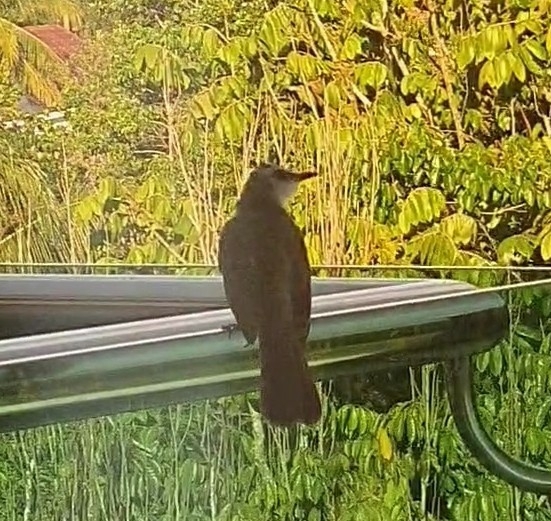
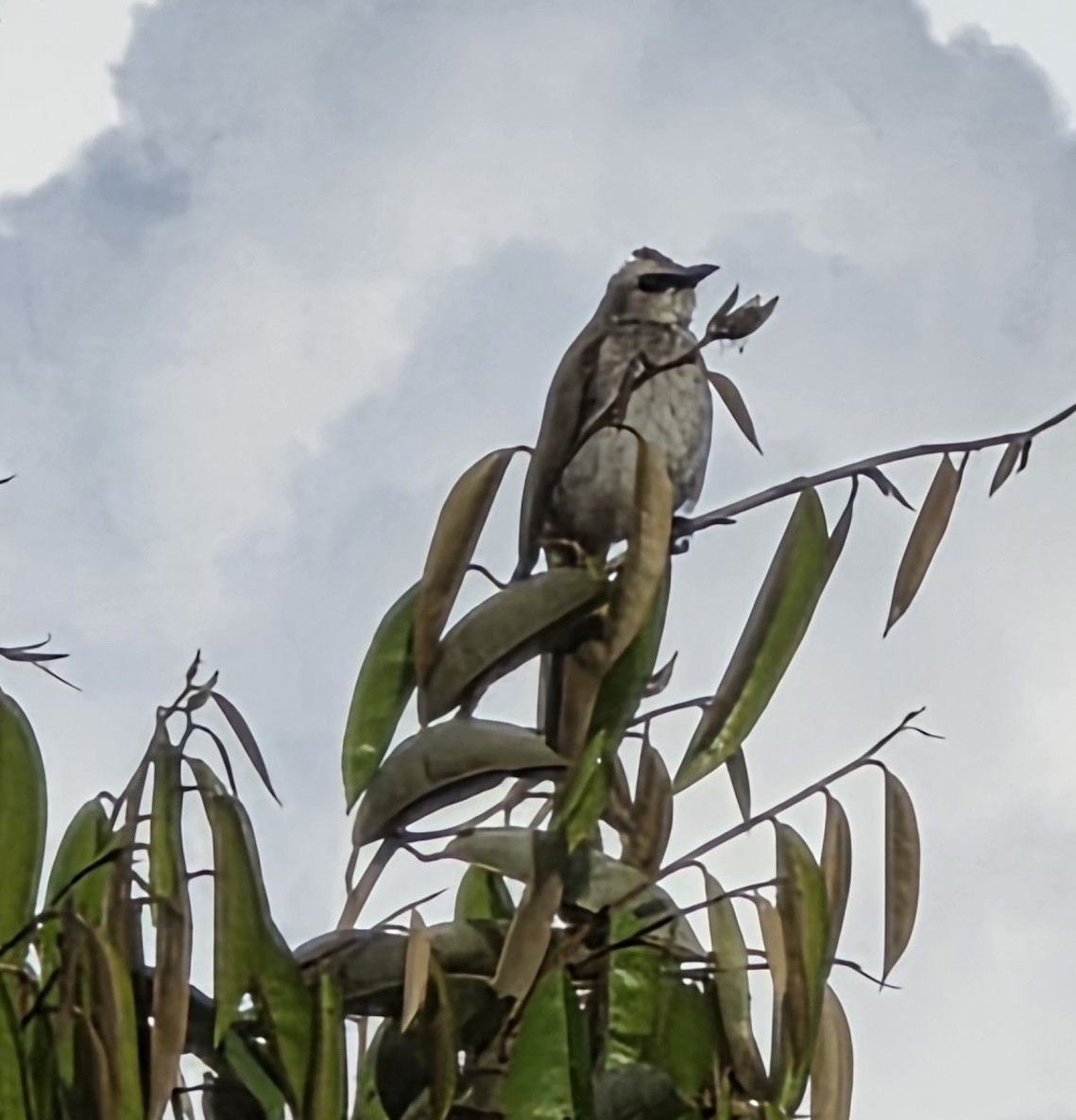
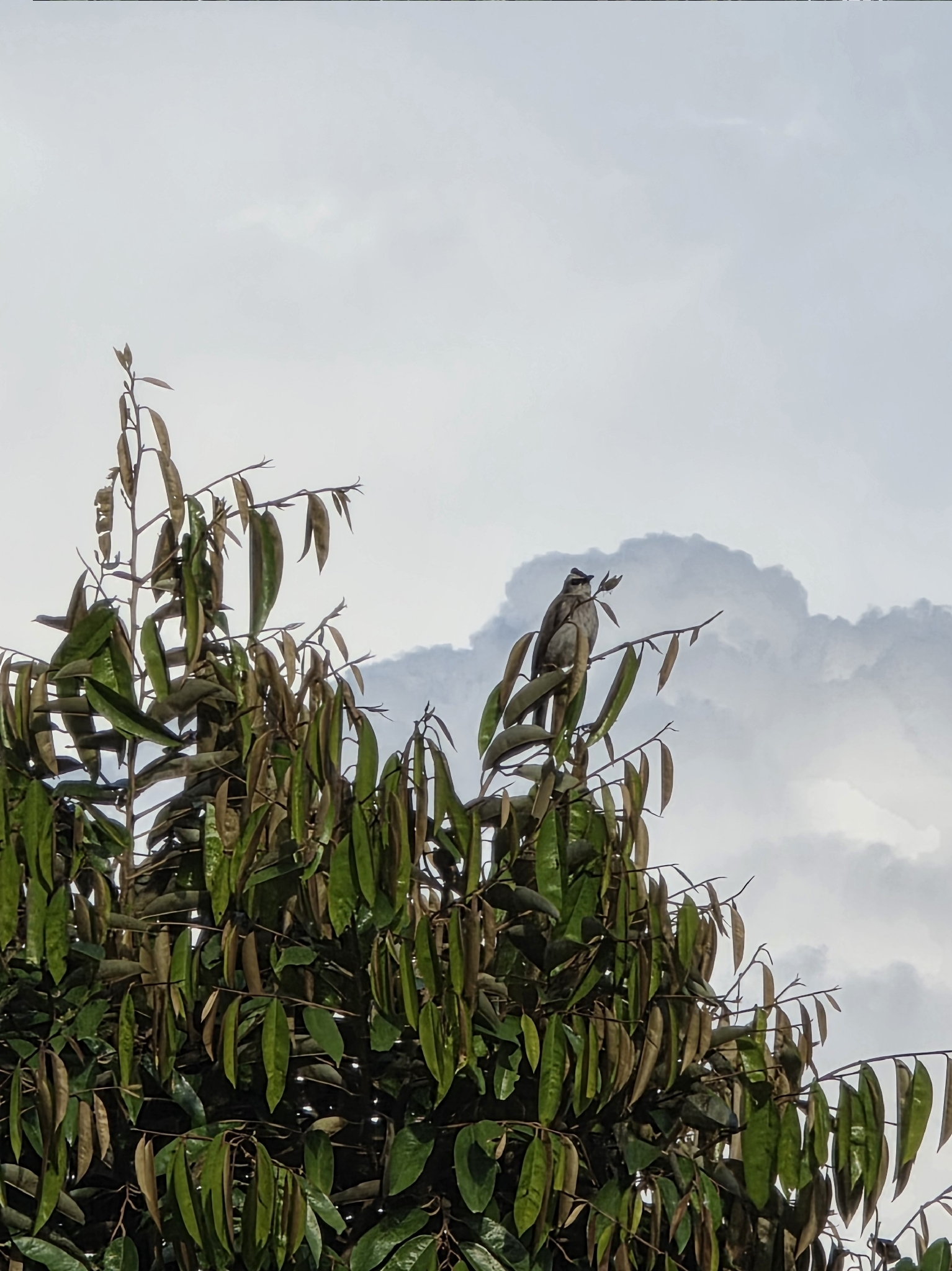
A member of the bulbul family (Passerine). It is a resident breeder across southeastern Asia from Indochina to the Philippines. Inhabits a wide variety of open habitats but avoids deep forests. It is one of the most common birds in cultivated areas and shows nomadic behavior, regularly roaming from place to place.
Distribution & Habitat
Southeastern Asia from Indochina to the Philippines. Six subspecies recognized: P.g. jambu from southern Myanmar to southern Indochina; P.g. analis across the Malay Peninsula, Sumatra, Java, Bali, Lombok, and Sumbawa; P.g. gourdini on Borneo and nearby islands; P.g. goiavier in northern and north-central Philippines; P.g. samarensis in central Philippines; P.g. suluensis in southern Philippines. Inhabits open habitats including cultivated areas but avoids deep forests. Resident species but appears nomadic, regularly moving between locations.
Behavior & Ecology
Diet consists of berries, small fruit, nectar, young plant shoots, and some insects. Breeding season runs from February to June. Builds a well-camouflaged but fragile, loose, deep cup-shaped nest constructed from grass, leaves, roots, vine stems, and twigs. Nest is untidy on the exterior but neatly lined with plant fibres. Nests are constructed at various heights from low bushes to high trees. This species is highly adaptable to human-modified environments and frequently nests in gardens. Clutch size is 2-5 eggs.
Source: Wikipedia · CC BY-SA 3.0
Taxonomy
- Order
- Passeriformes
- Family
- Pycnonotidae
- Genus
- Pycnonotus
- eBird Code
- yevbul1
Vocalizations
Subspecies (6)
-
Pycnonotus goiavier analis
Malay Peninsula, Sumatra and nearby islands, Java, Bali, Lombok, and Sumbawa (western Lesser Sundas)
-
Pycnonotus goiavier goiavier
northern and central Philippines
-
Pycnonotus goiavier gourdini
Borneo and Maratua Islands
-
Pycnonotus goiavier jambu
lowlands of southeastern Thailand to southern Indochina
-
Pycnonotus goiavier samarensis
Philippines (Bohol, Cebu, Leyte, Samar, Ticao, and Biliran)
-
Pycnonotus goiavier suluensis
southern Philippines (Mindanao, Basilan, Camiguin Sur, and Sulu Archipelago)
Data Sources
Species description from Wikipedia, licensed under CC BY-SA 3.0.
Bird images and sounds sourced from GBIF, contributed by citizen scientists worldwide under Creative Commons licenses.
Taxonomy data from AviList 2025.