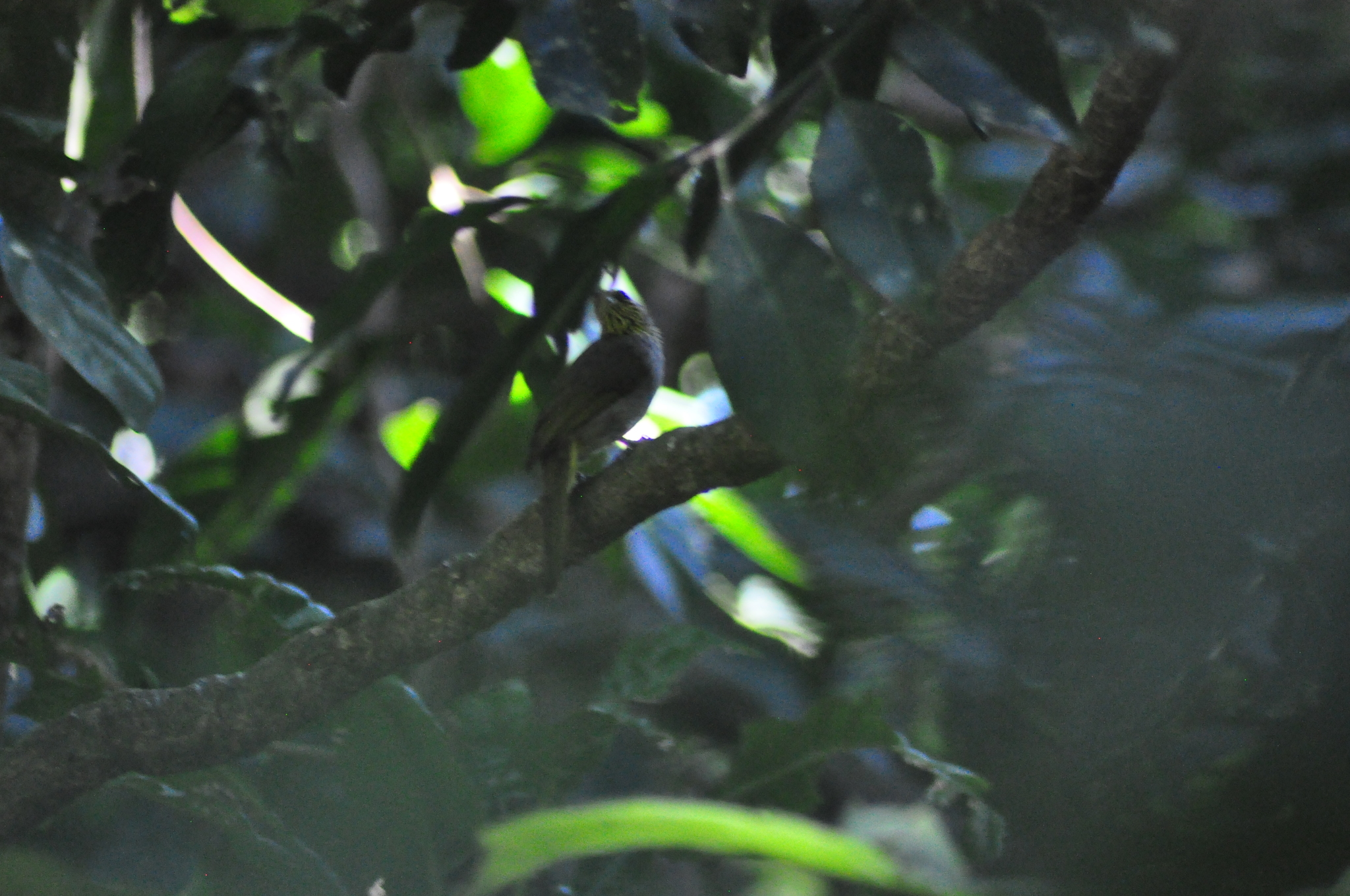
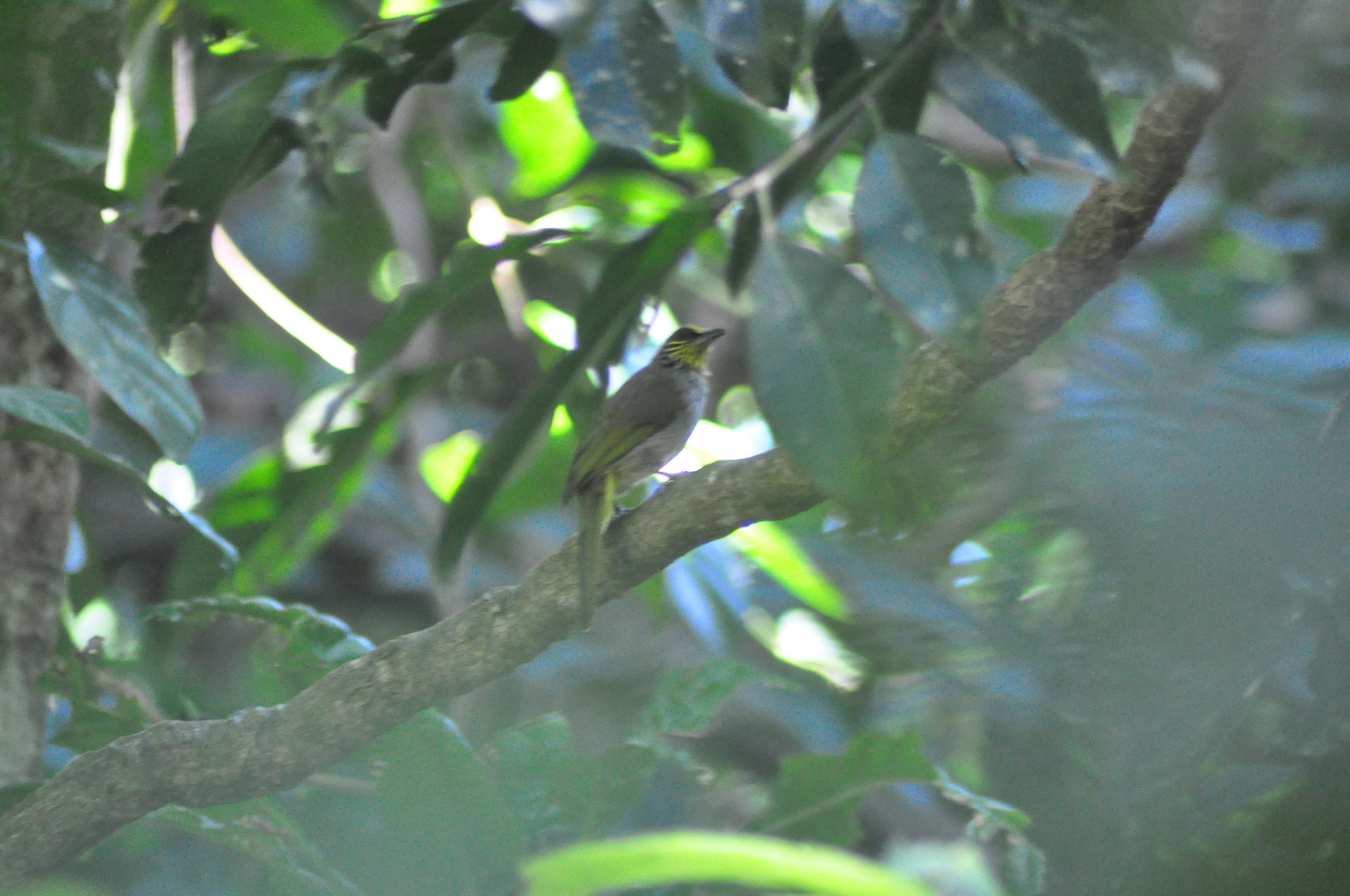
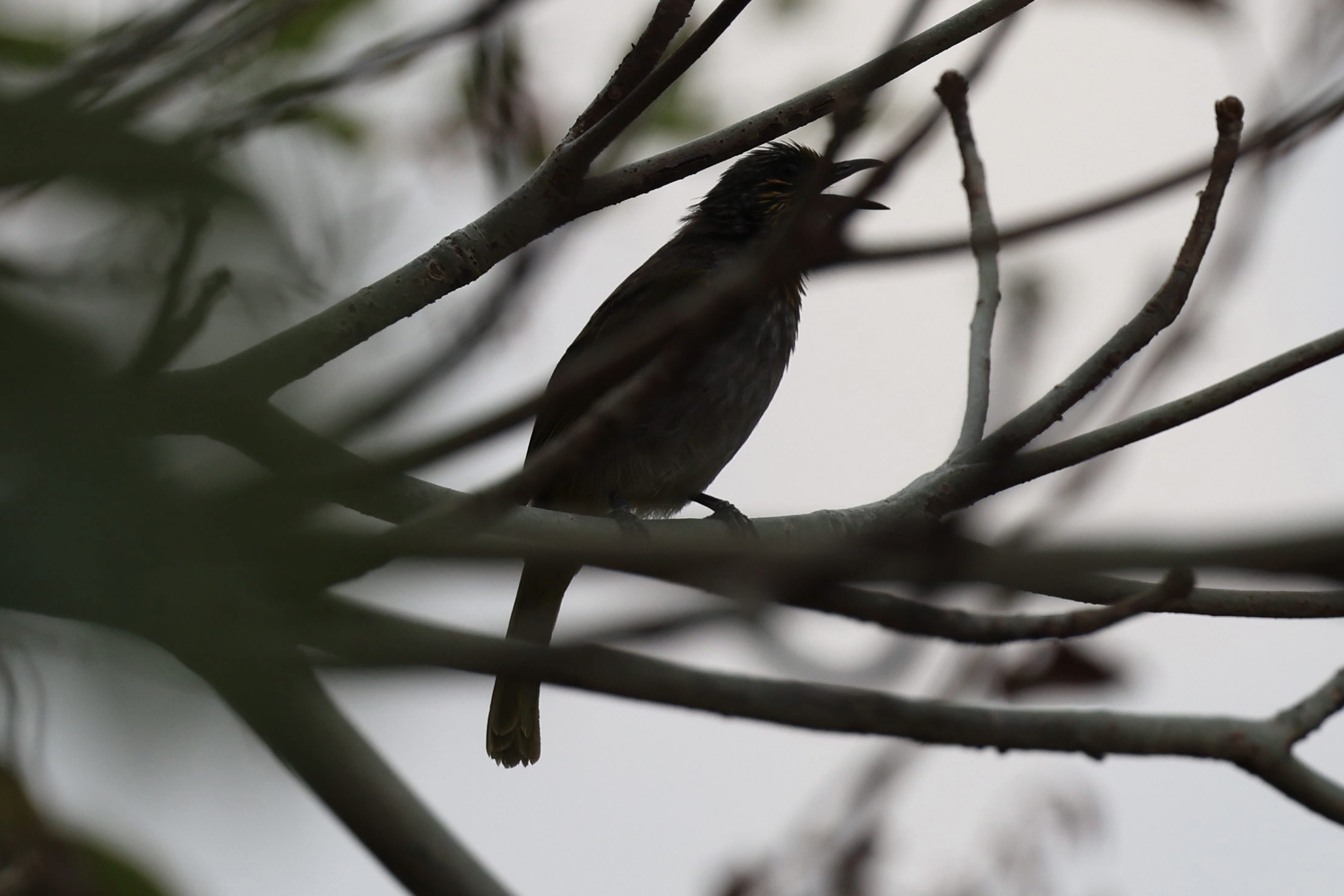
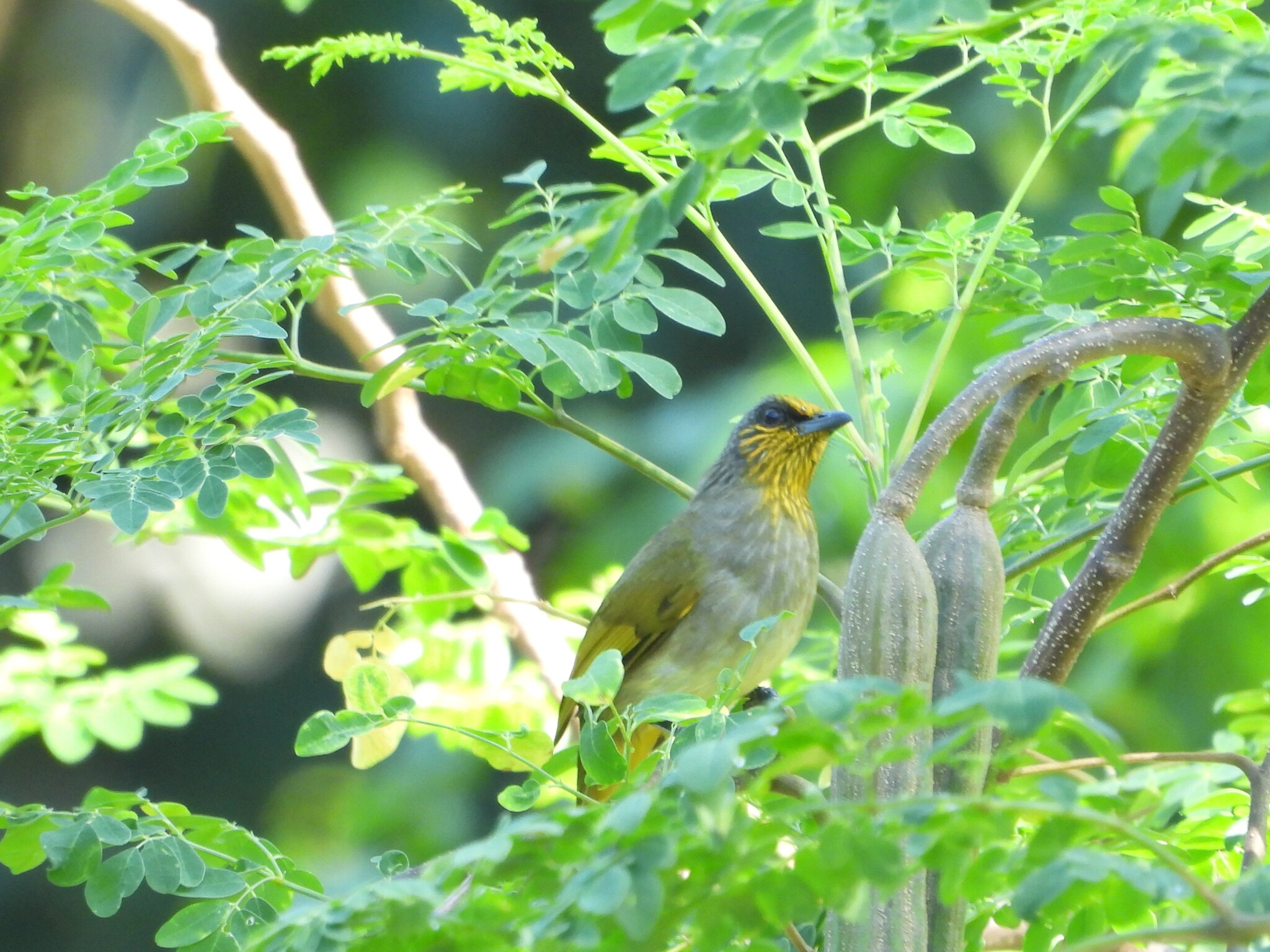
Stripe-throated Bulbul
Pycnonotus finlaysoni
纹喉鹎
Introduction
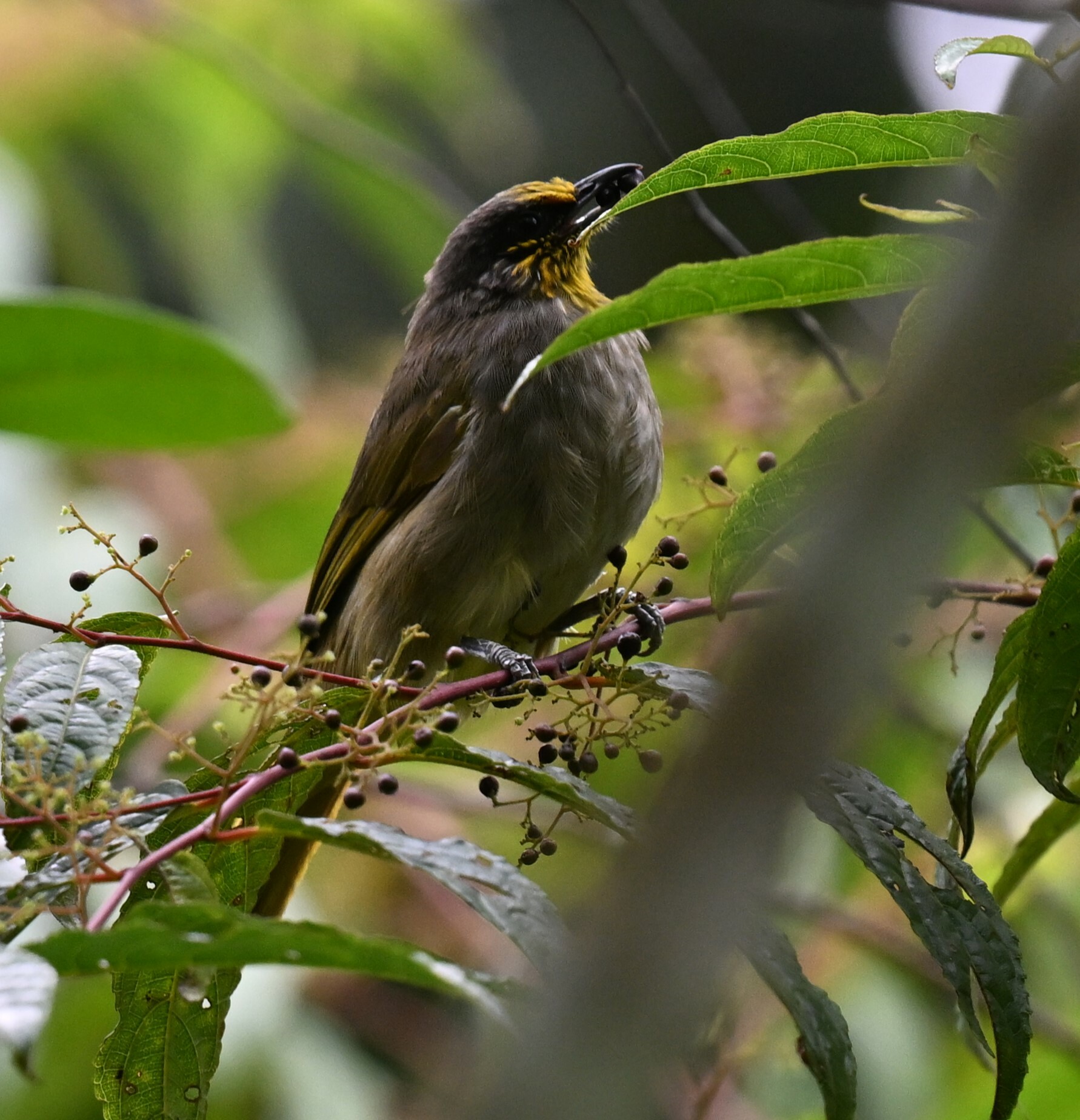
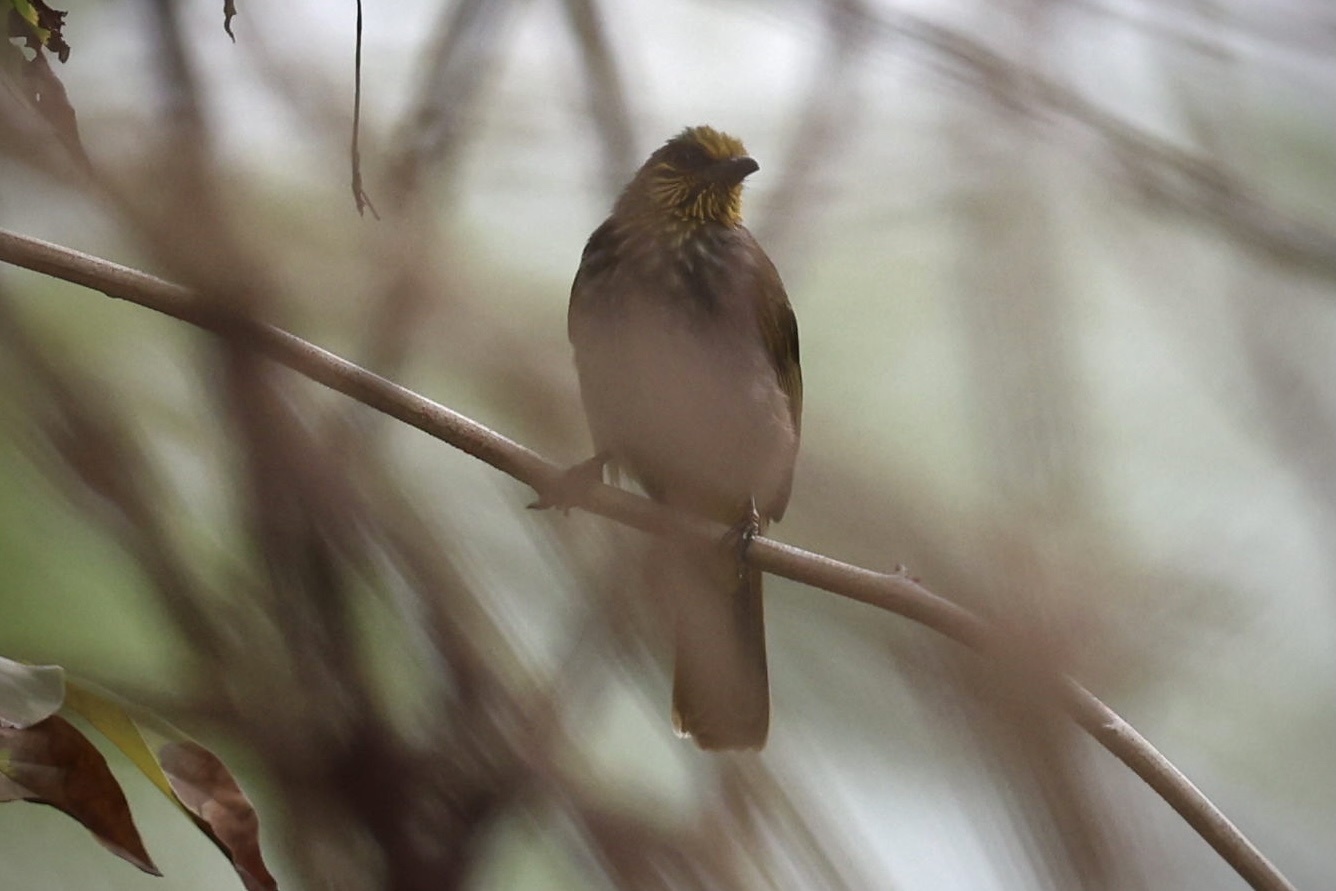
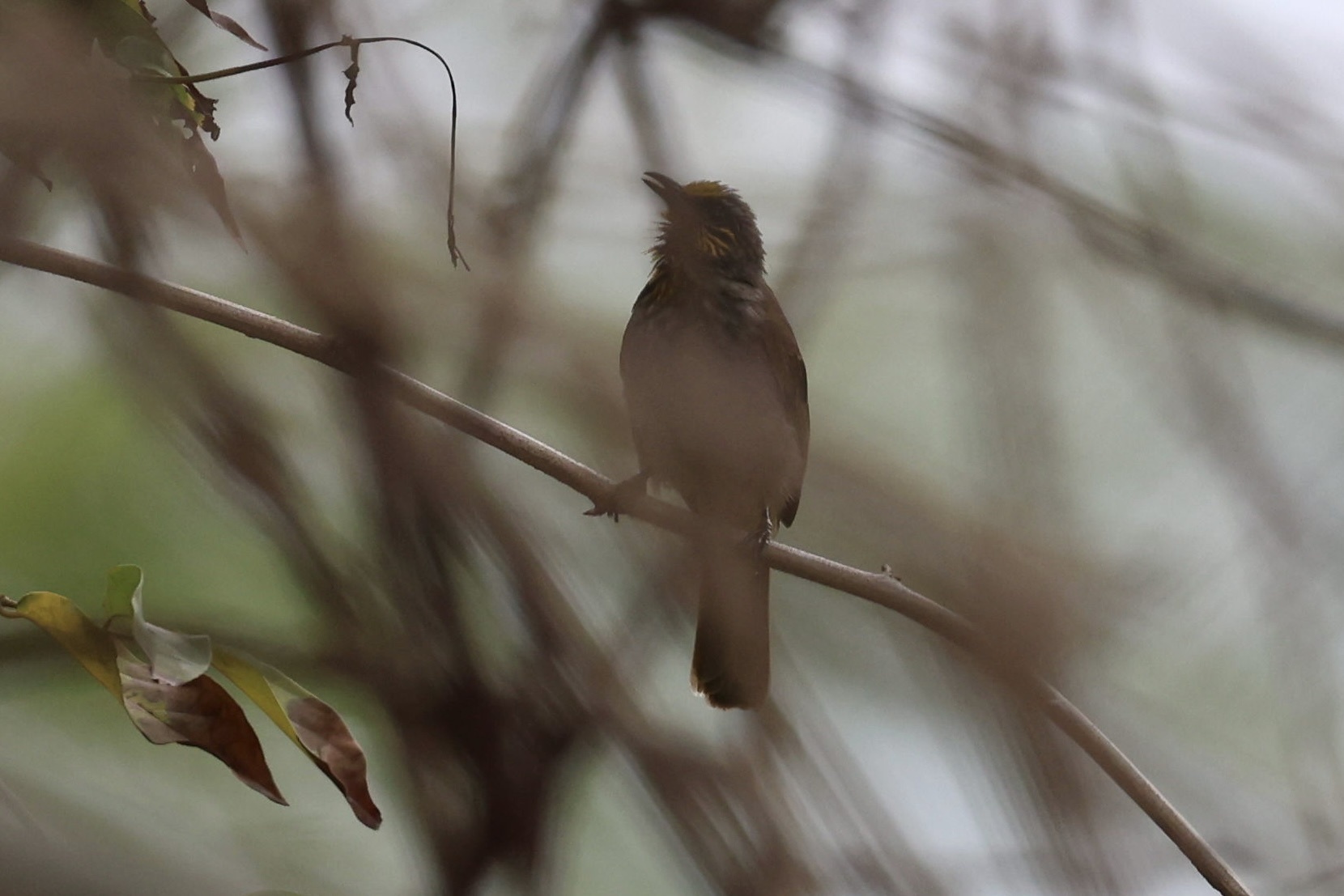
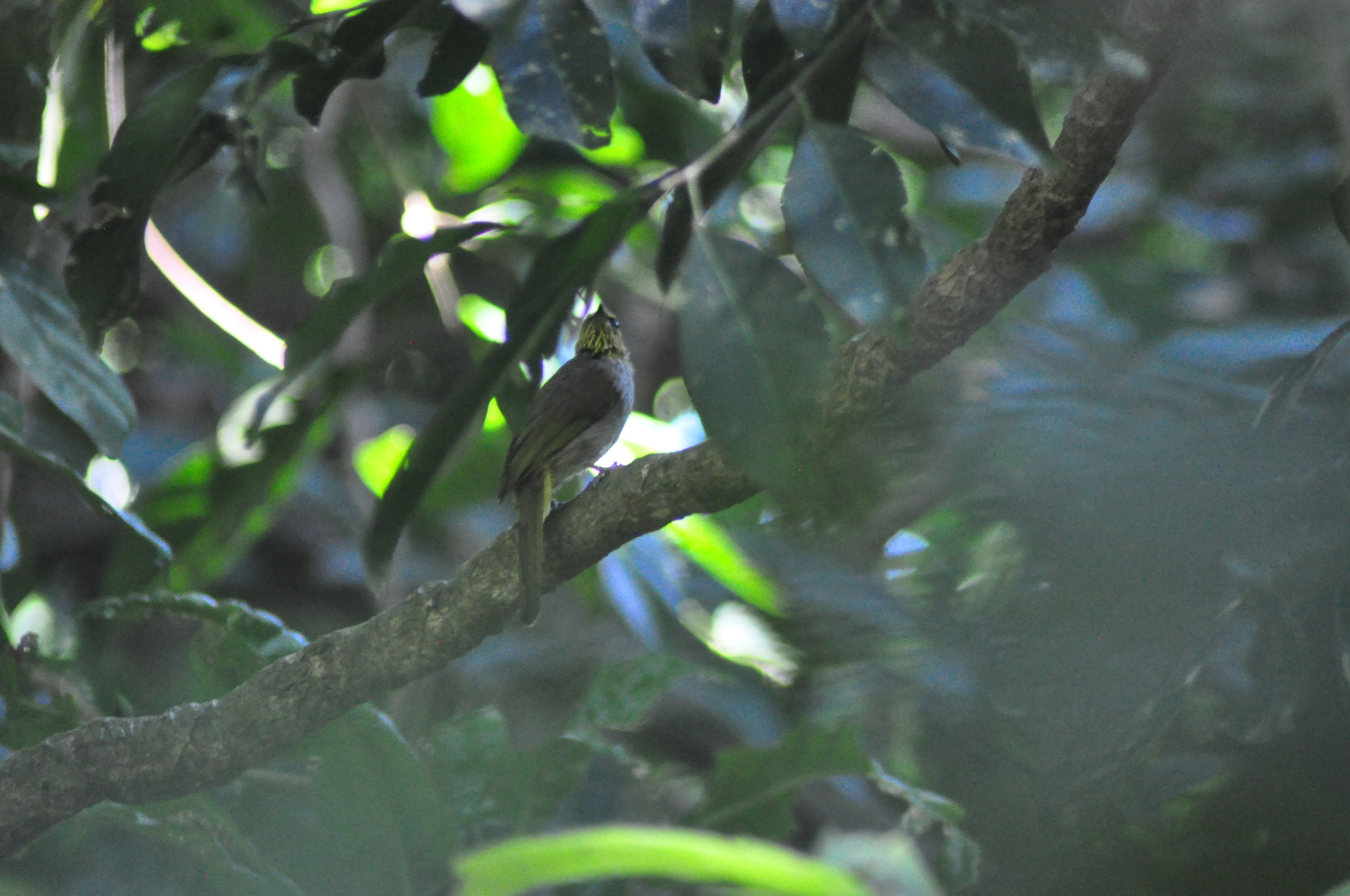
A songbird in the bulbul family (Pycnonotidae) found in south-eastern Asia. Natural habitats include tropical moist lowland forest and tropical moist montane forest, as well as secondary forests, thickets, scrubland, clearings and gardens up to 1,300 m elevation. Two subspecies are recognized: P. f. eous in southern China, Thailand and southern Indochina, and P. f. finlaysoni on the Malay Peninsula. The species is characterized by bold yellow streaking on the forehead, ear coverts, throat and upper breast against predominantly dull brown plumage. The International Union for Conservation of Nature assesses it as least concern due to its very wide range (over 2,000,000 km²) and stable population.
Description
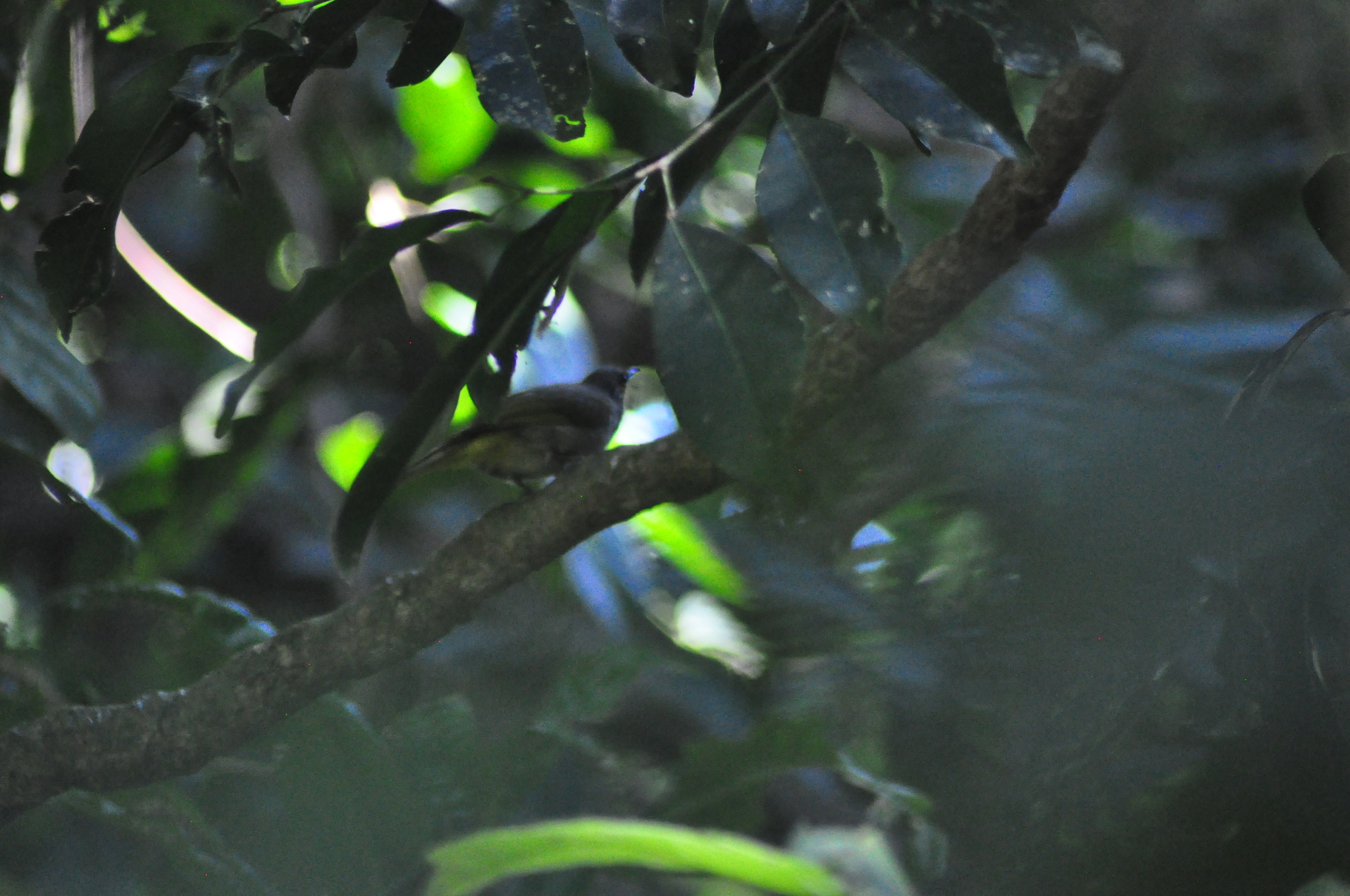
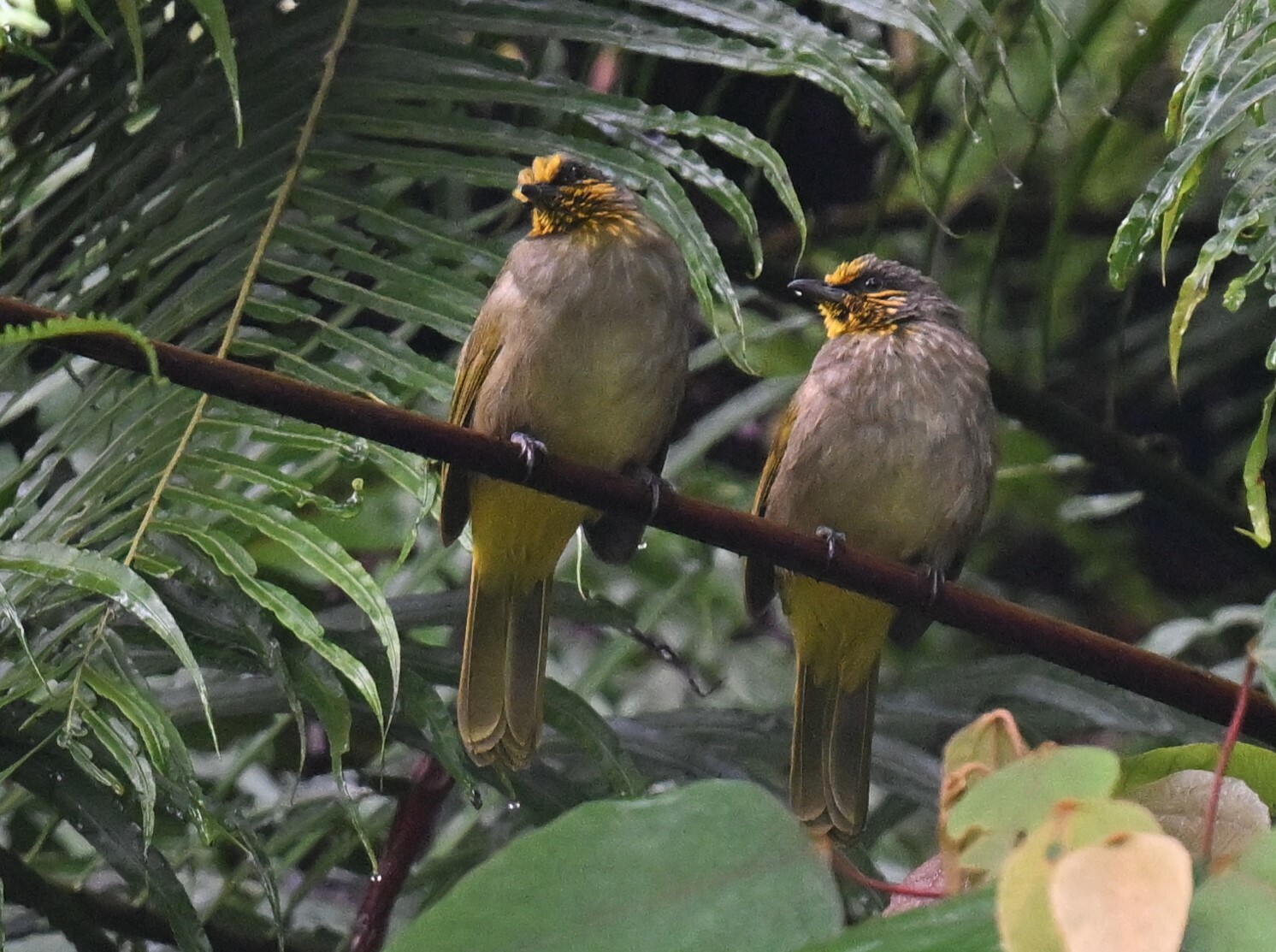
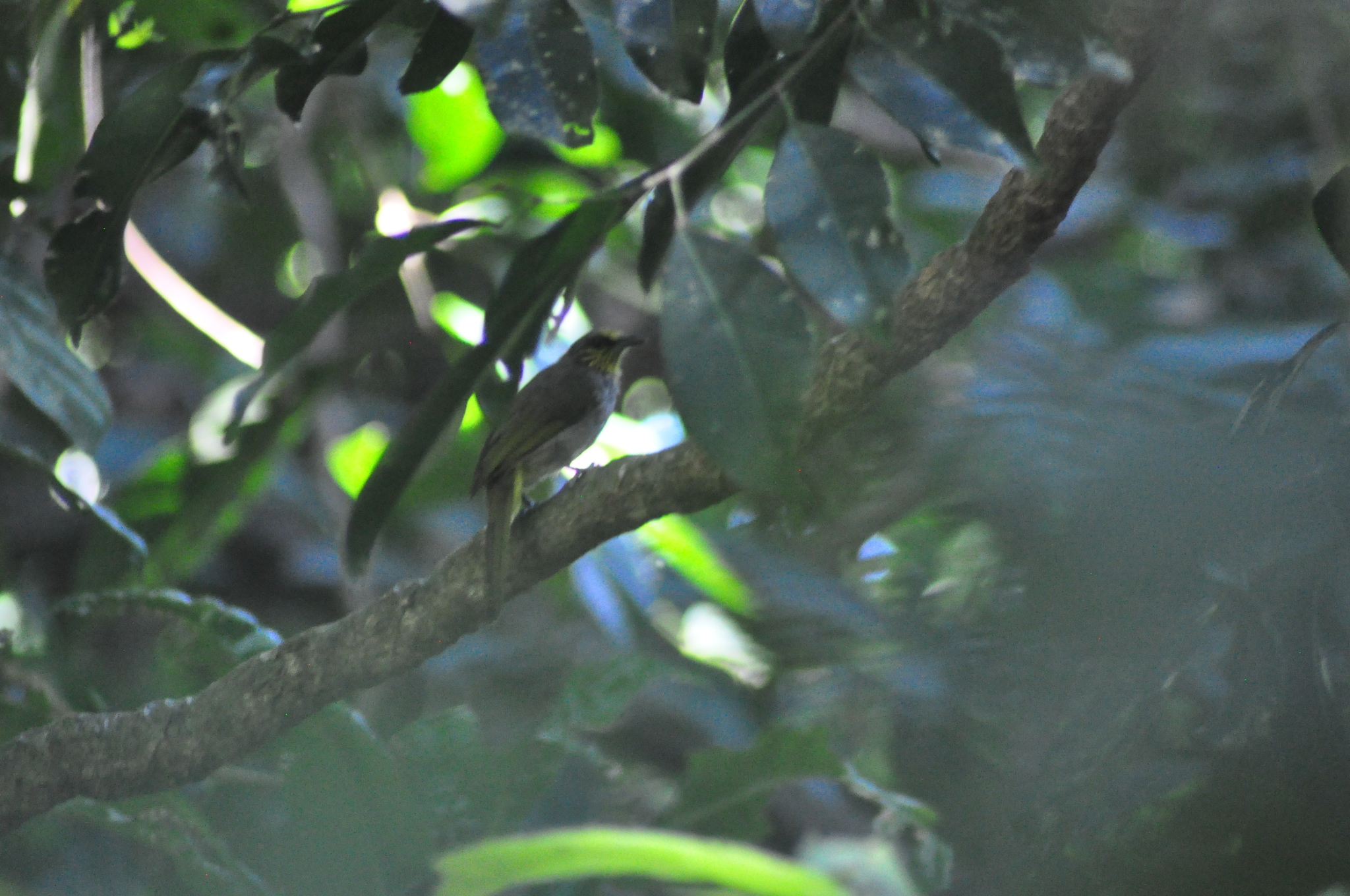
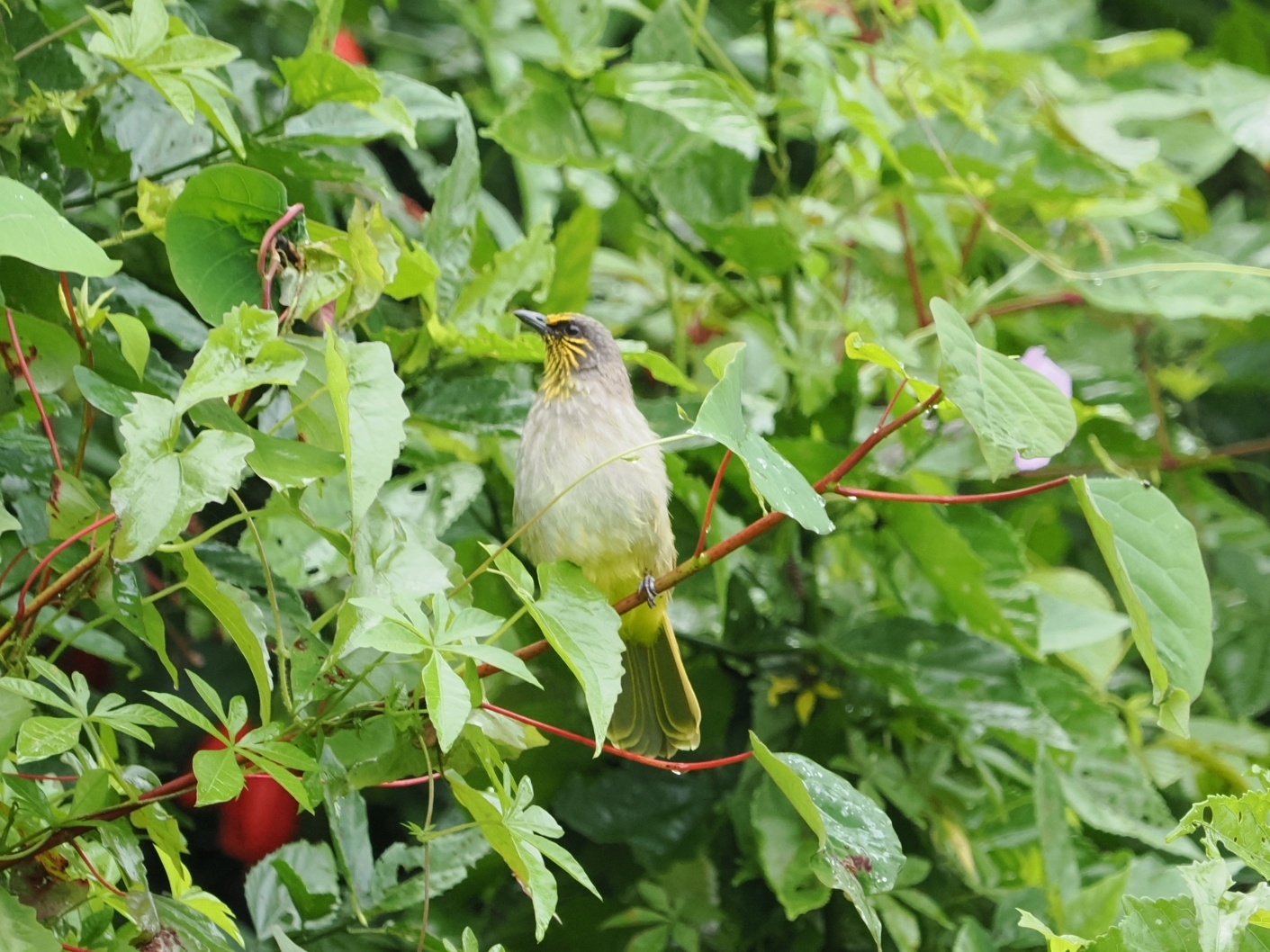
A small passerine measuring approximately 20 cm in length. Both sexes have predominantly dull brown plumage, with distinctive bold yellow streaking on the forehead, ear coverts, throat and upper breast. The leading edges of the wings and outer tail feathers show yellow coloration. The lower breast and belly are streaked with white, and the area around the vent is yellow. Juveniles resemble adults but display more muted yellow coloring. The song consists of a variable loud, clear sequence of throaty notes.
Distribution & Habitat
Native to tropical southeastern Asia, including peninsular Malaysia, Thailand, Vietnam, southern China, southern Indochina and the Malay Peninsula. Inhabits secondary forests, thickets, scrubland, clearings and gardens at elevations up to 1,300 m (4,300 ft). No migratory movements are documented for this species.
Behavior & Ecology
Omnivorous diet consisting of berries and fruits, particularly banyans and Ficus triangularis, supplemented by insects captured on the wing or from the ground. Breeding occurs between February and September in Malaysia. The nest is cup-shaped, deep and carefully constructed.
Conservation
Assessed as least concern by the International Union for Conservation of Nature. The species has a very wide range exceeding 2,000,000 km² (770,000 mi²), is described as common throughout its range, faces no particular threats, and maintains a stable population.
Source: Wikipedia · CC BY-SA 3.0
Taxonomy
- Order
- Passeriformes
- Family
- Pycnonotidae
- Genus
- Pycnonotus
- eBird Code
- sttbul3
Vocalizations
Subspecies (2)
-
Pycnonotus finlaysoni eous
southeastern Myanmar to southwestern China (southern Yunnan), Thailand, and southern Indochina
-
Pycnonotus finlaysoni finlaysoni
Malay Peninsula (southern Myanmar and Isthmus of Kra to Malacca)
Data Sources
Species description from Wikipedia, licensed under CC BY-SA 3.0.
Bird images and sounds sourced from GBIF, contributed by citizen scientists worldwide under Creative Commons licenses.
Taxonomy data from AviList 2025.