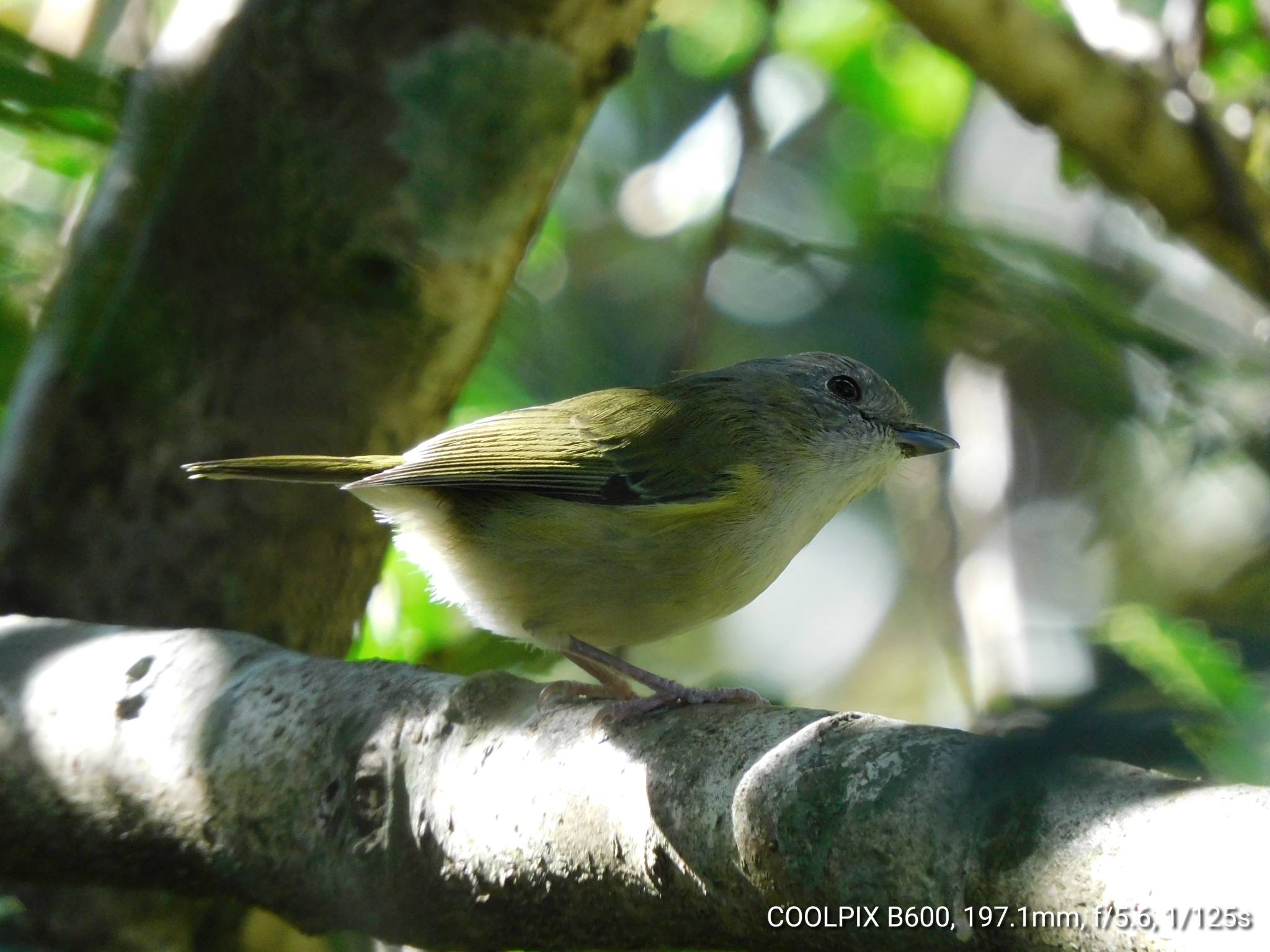
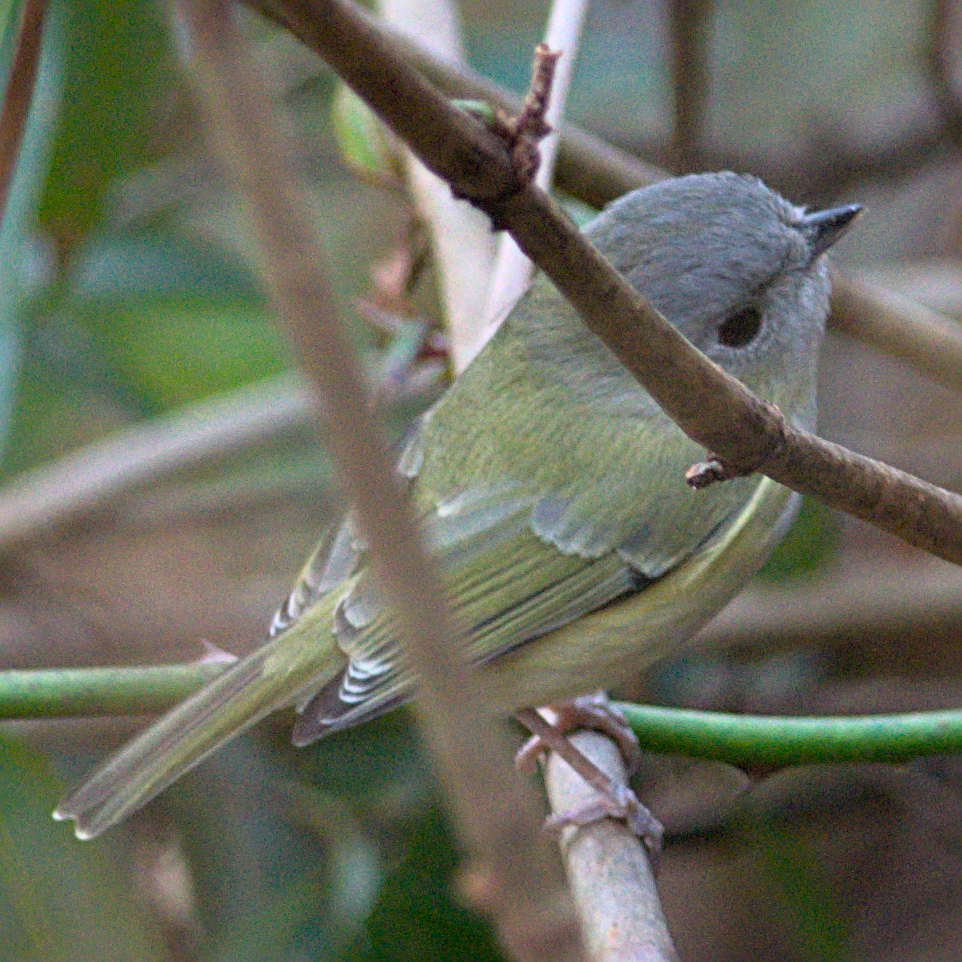
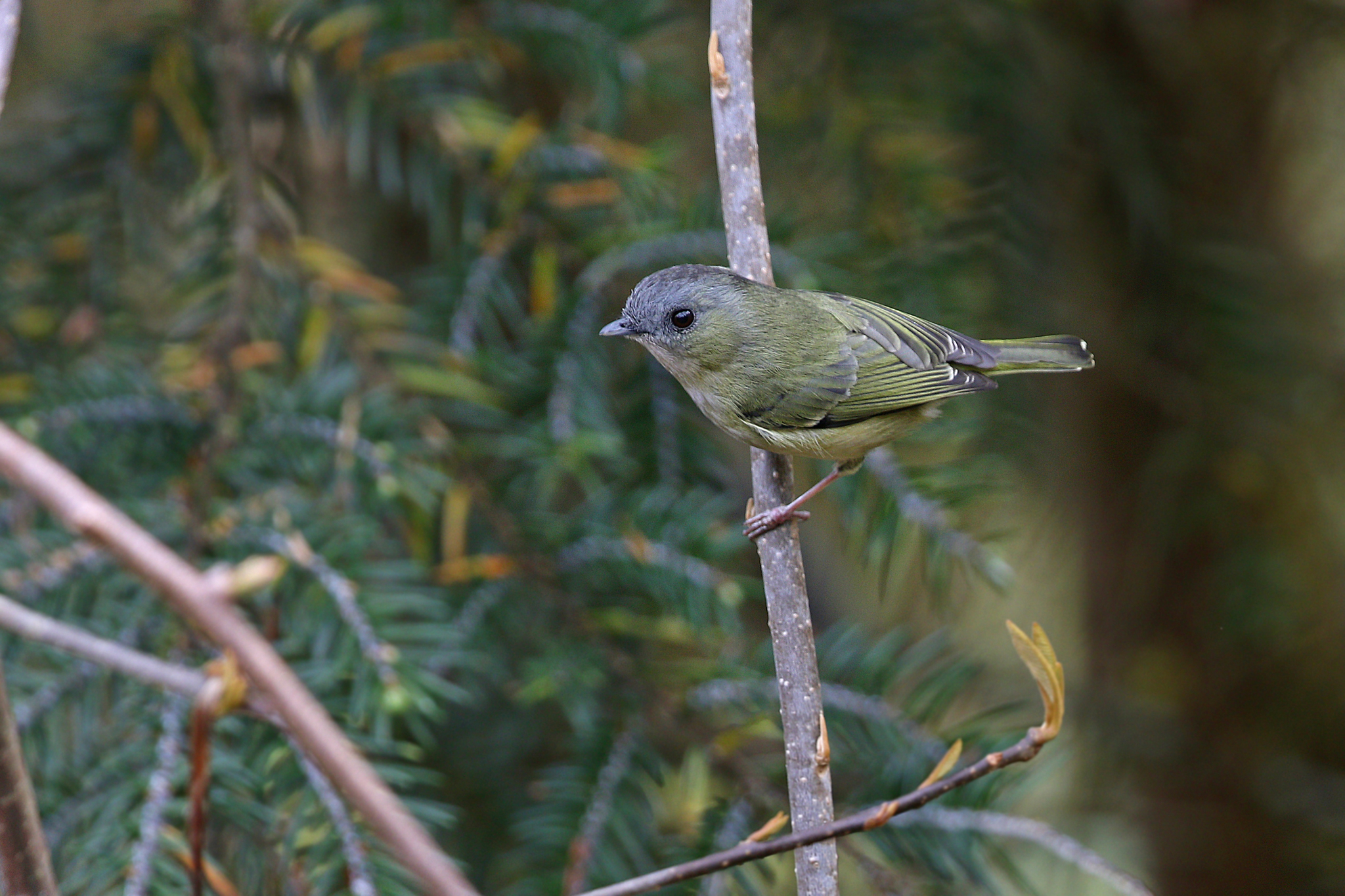
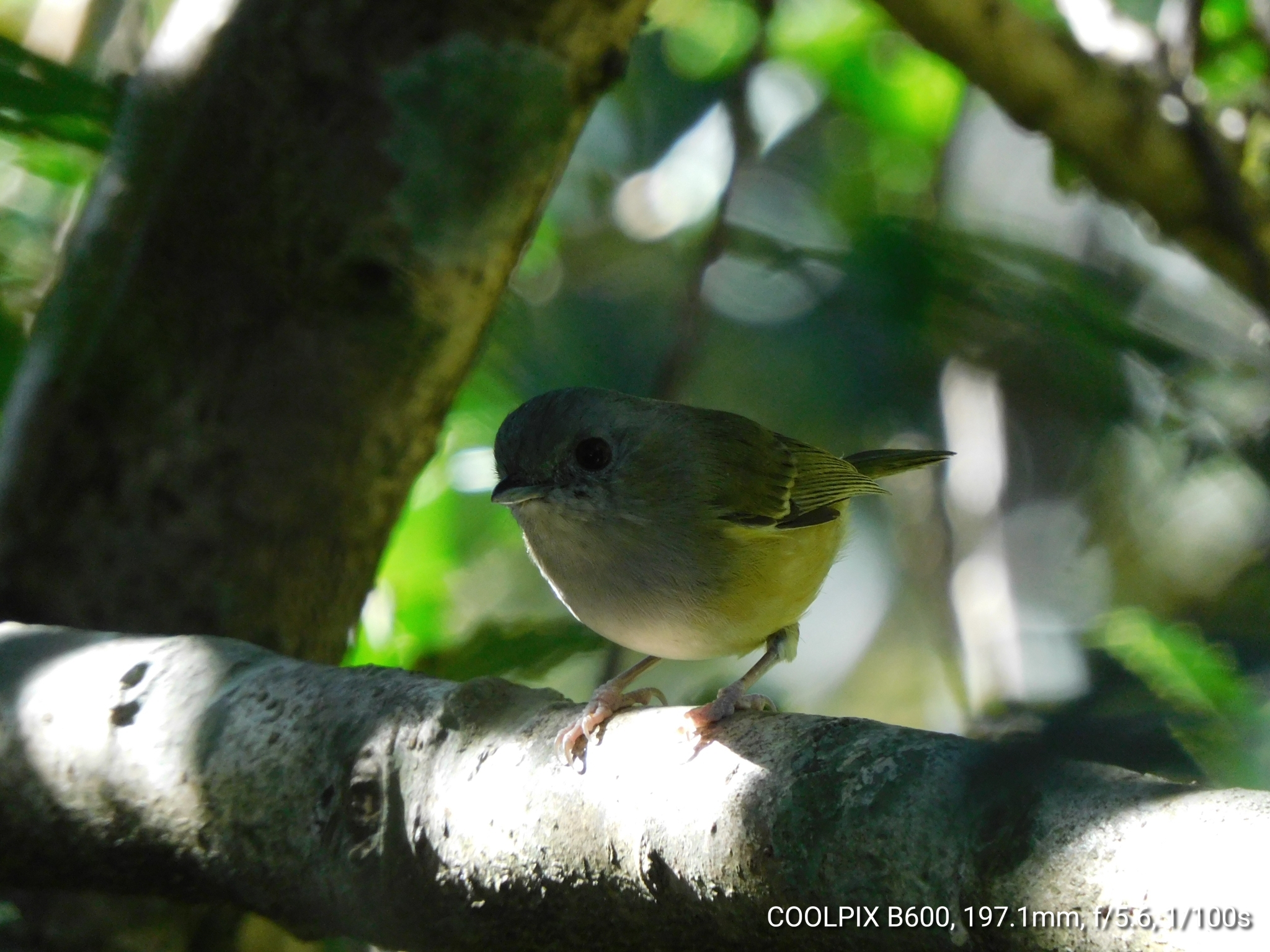
Green Shrike-babbler
Pteruthius xanthochlorus
淡绿鵙鹛
Introduction
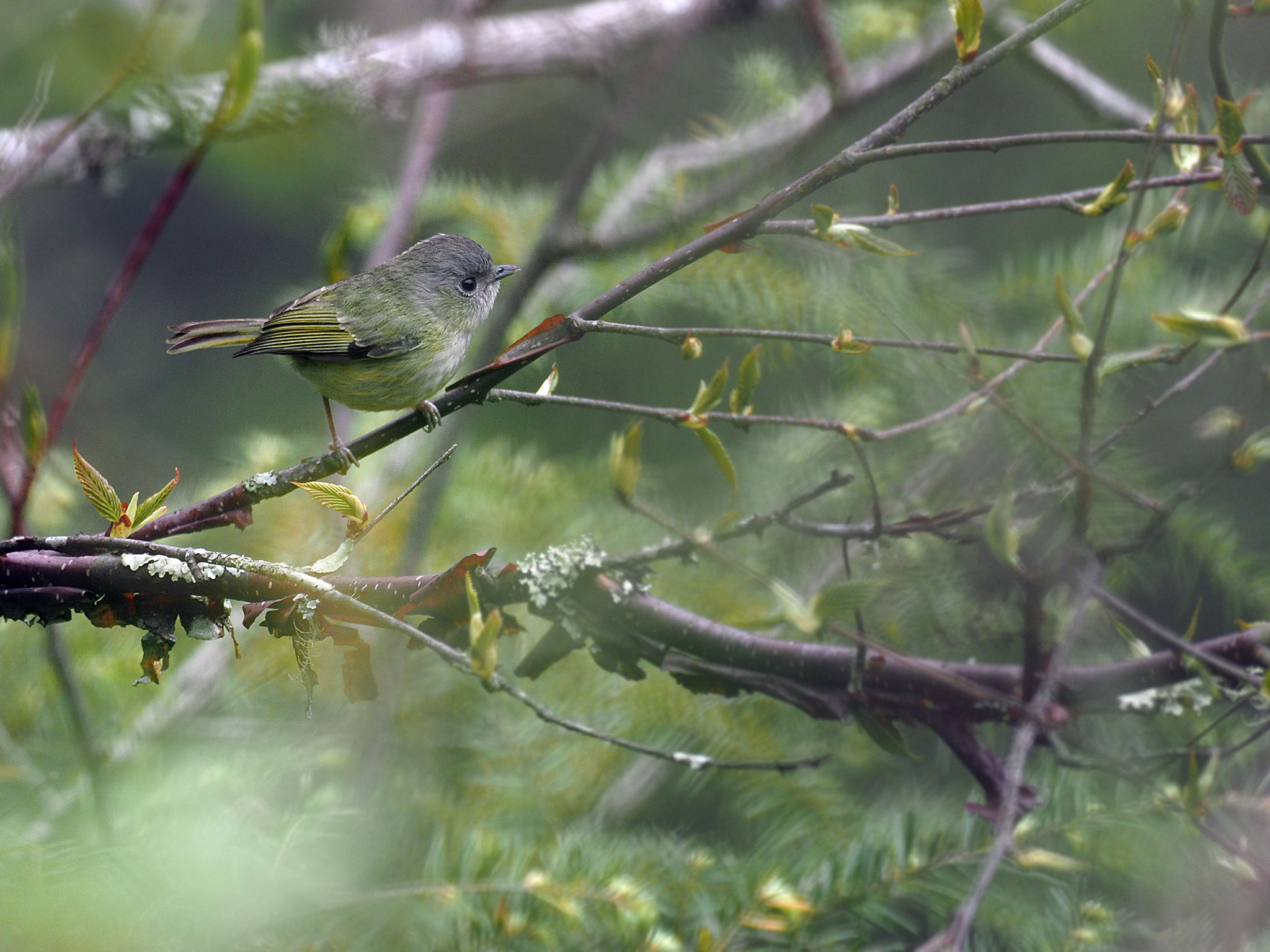
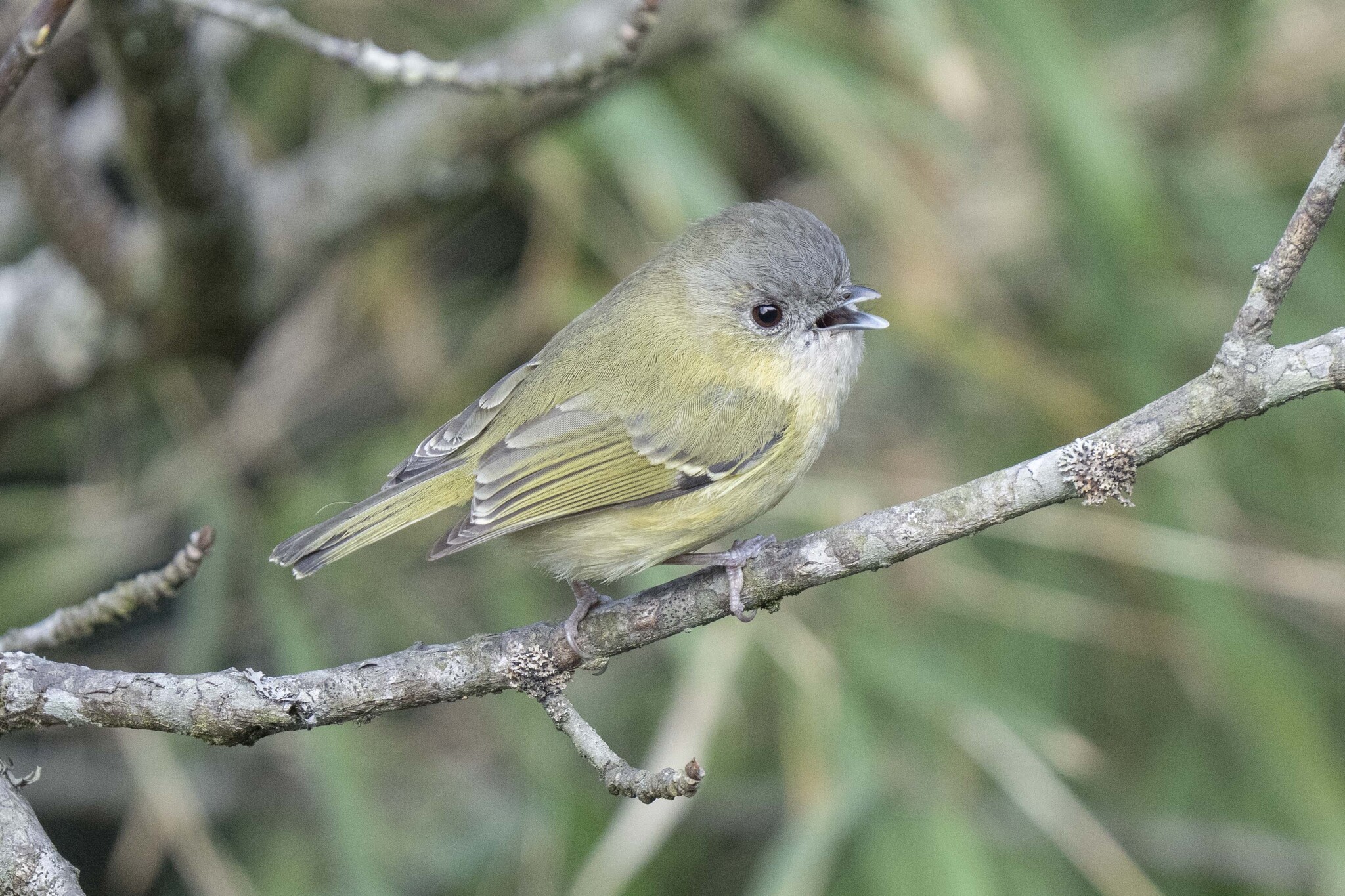
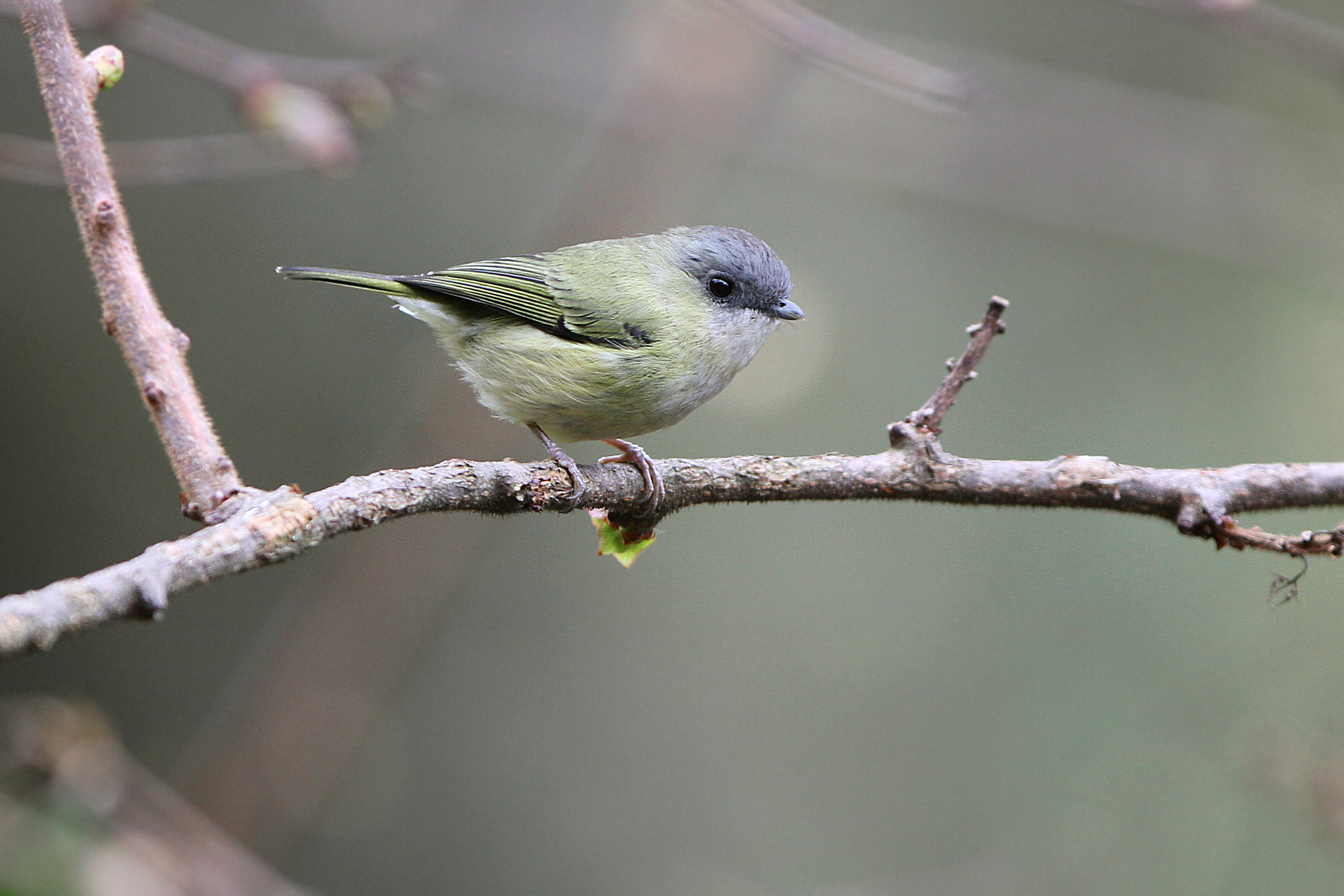
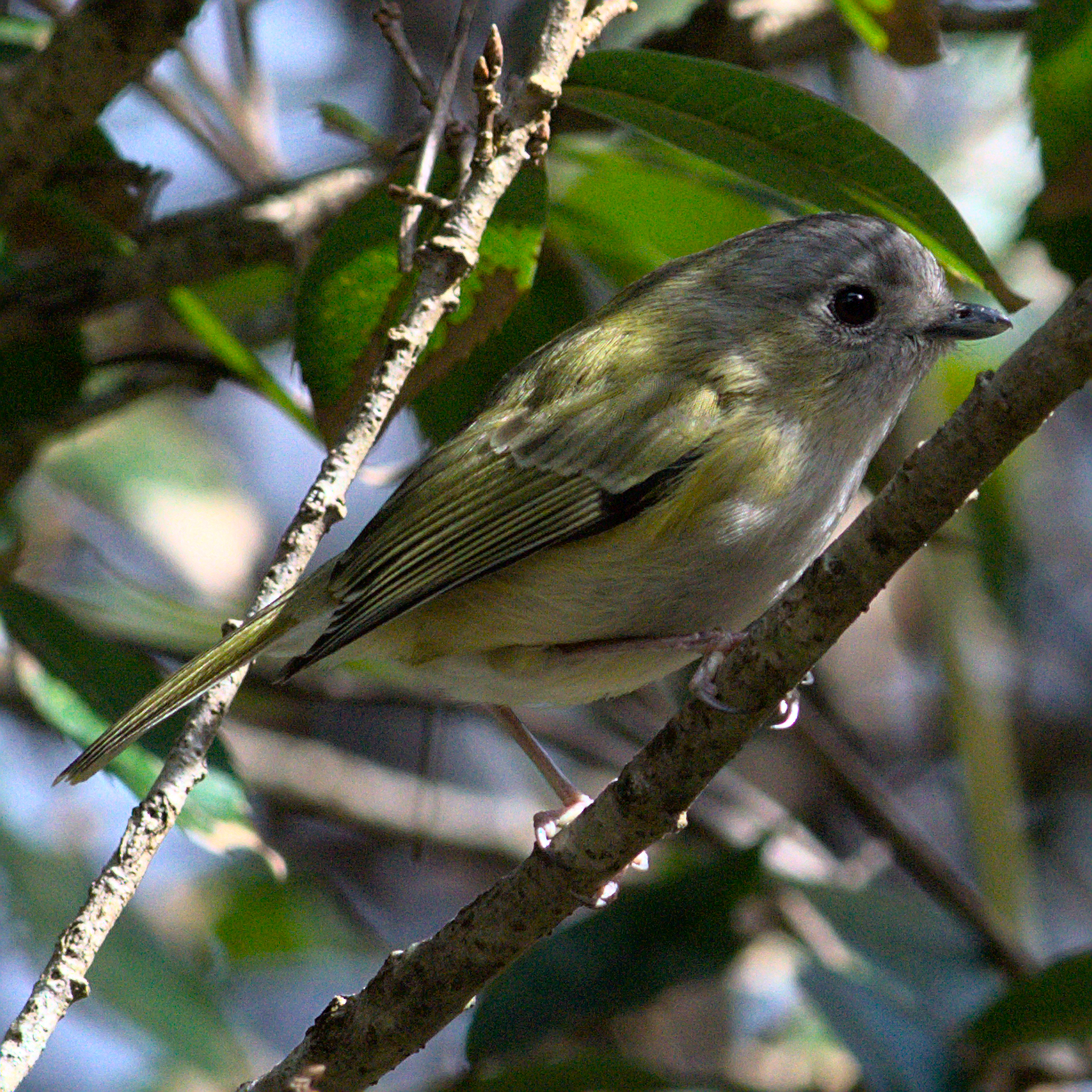
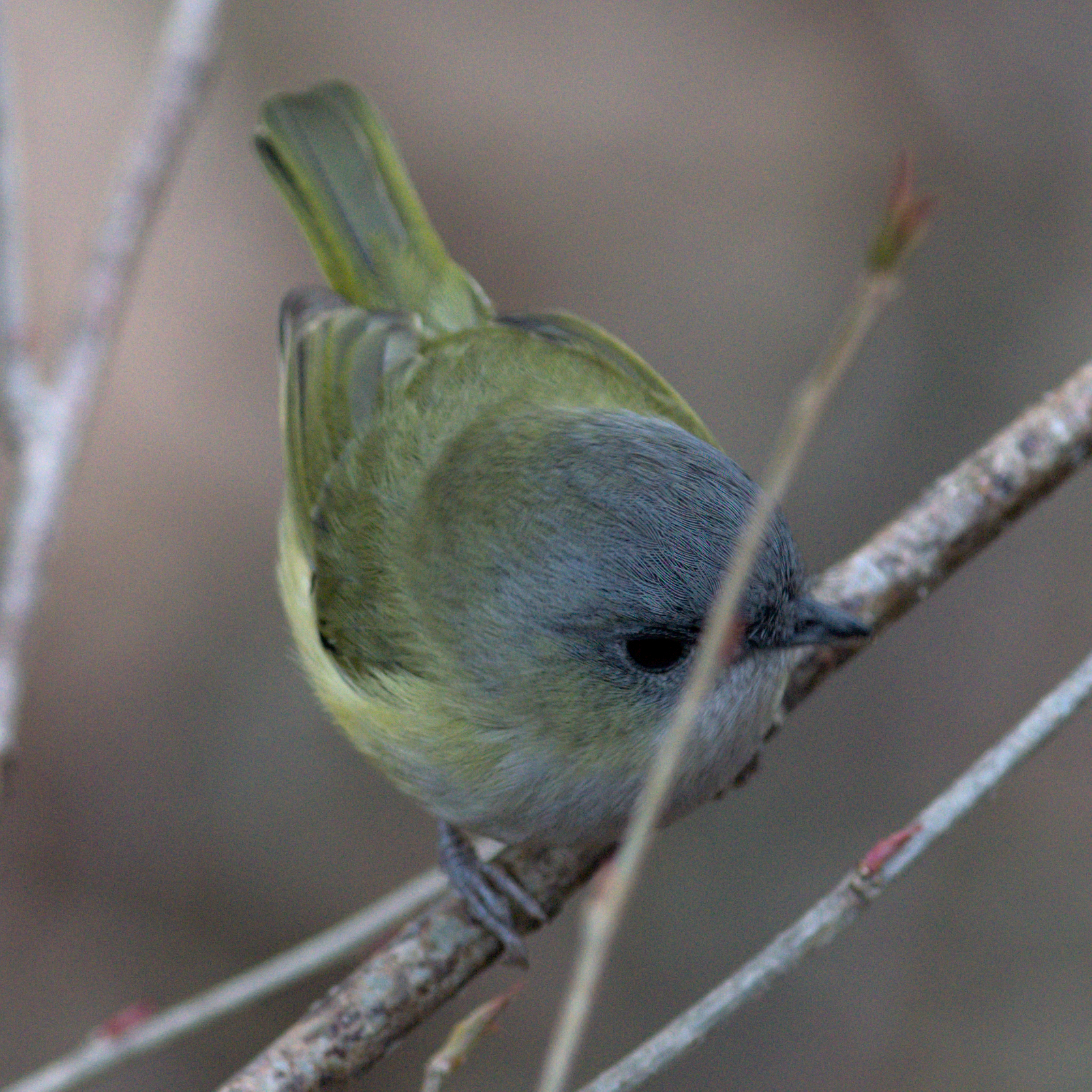
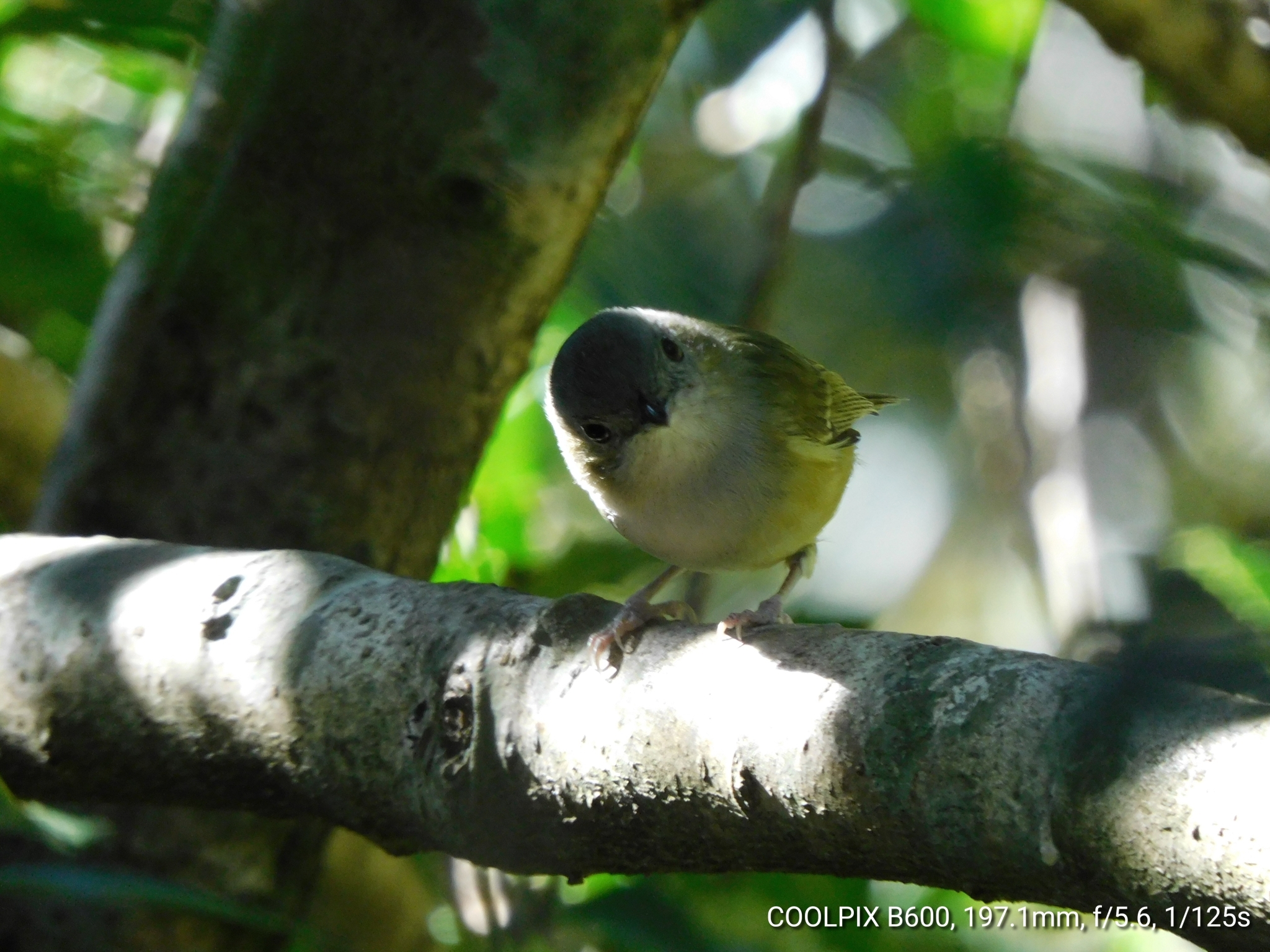
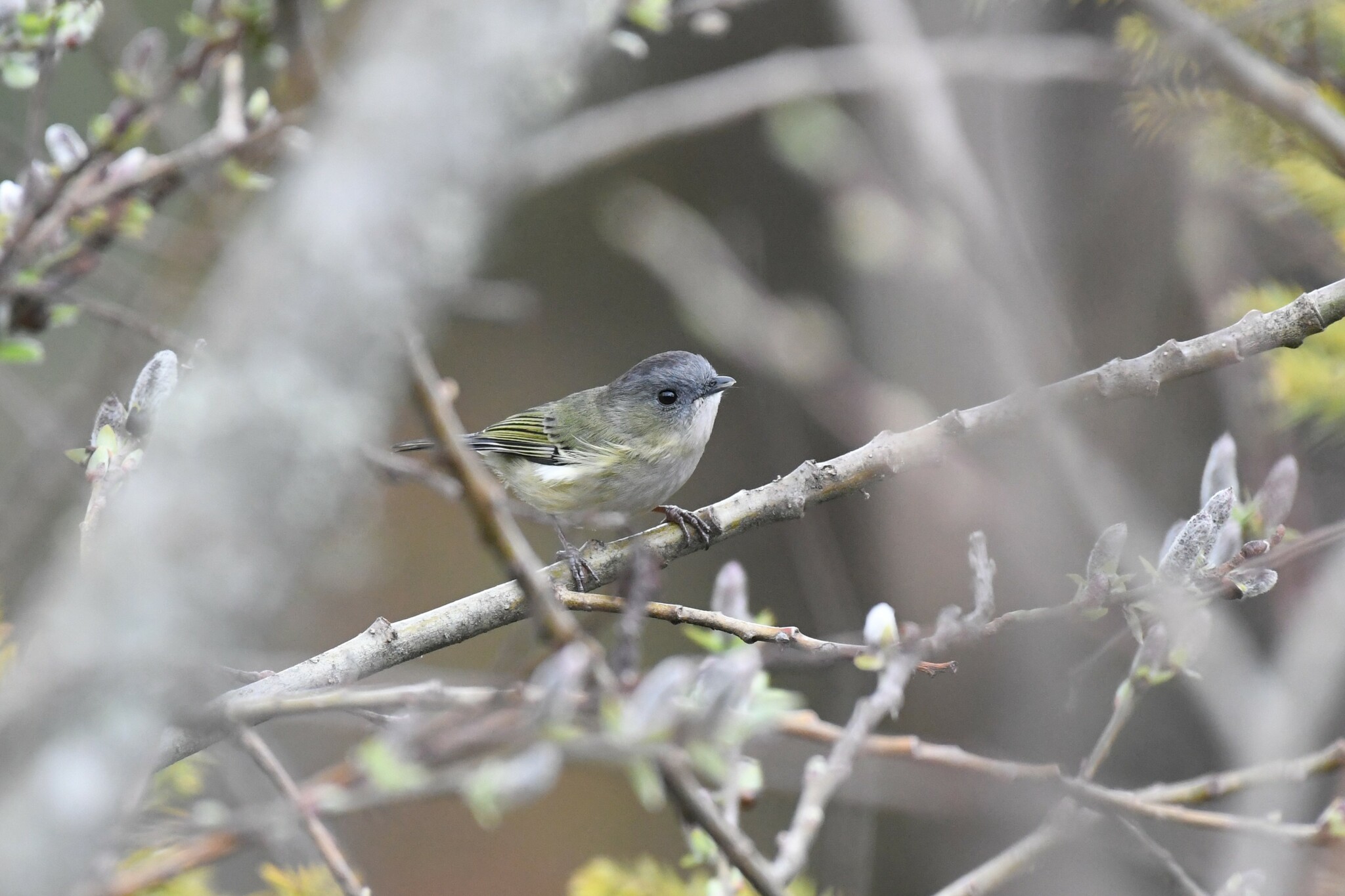
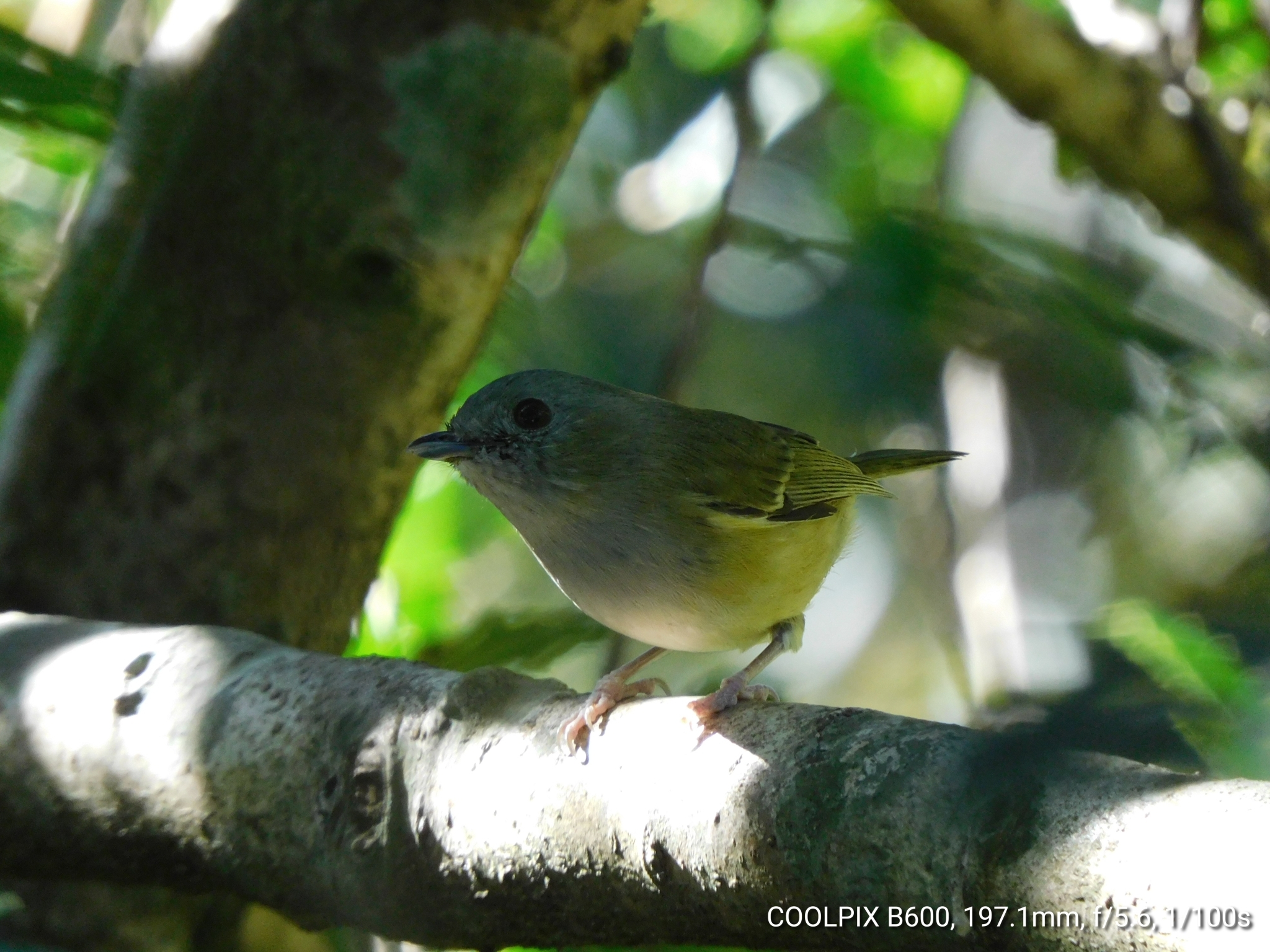
A small passerine bird in the family Vireonidae. Previously classified in Timaliidae, this species is now recognized as an Asian offshoot of American vireos. It occupies subtropical and tropical moist montane forests across Bhutan, China, India, Myanmar, Nepal, Pakistan, and Vietnam. The species typically inhabits deciduous and coniferous forests at elevations of 2100–3000 meters, though it may descend to lower altitudes during winter.
Description
A compact bird measuring approximately 13 centimeters in length. The male displays a grey head with an olive-green mantle, a blackish crown, pale ashy grey throat and breast, and a contrasting yellow belly. The female resembles the male but appears somewhat duller overall with a greyish crown rather than blackish.
Distribution & Habitat
Found across Bhutan, China, India, Myanmar, Nepal, Pakistan, and Vietnam. Inhabits subtropical and tropical moist montane forests, favoring both deciduous and coniferous woodland. Typically occurs at elevations between 2100 and 3000 meters above sea level during most seasons. Undergoes altitudinal migration, descending to lower elevations during winter months. In India, populations occur in Darjeeling, Sikkim, Uttarakhand, and Arunachal Pradesh.
Behavior & Ecology
Forages opportunistically on insects including ants and beetles, supplementing its diet with berries and seeds. The breeding season spans May through June. Nests are constructed at heights of three to eight meters above ground level.
Source: Wikipedia · CC BY-SA 3.0
Taxonomy
- Order
- Passeriformes
- Family
- Vireonidae
- Genus
- Pteruthius
- eBird Code
- grsbab1
Subspecies (4)
-
Pteruthius xanthochlorus hybrida
Assam (Mizo and Naga hills) to western Myanmar (Chin Hills)
-
Pteruthius xanthochlorus occidentalis
Himalayas (Kashmir to western Nepal)
-
Pteruthius xanthochlorus pallidus
northeastern Myanmar to southwestern Qinghai, western Sichuan, Yunnan, and northwestern Fujian
-
Pteruthius xanthochlorus xanthochlorus
central Nepal to Sikkim, Bhutan, northern Assam, southeastern Tibet, and western Sichuan
Data Sources
Species description from Wikipedia, licensed under CC BY-SA 3.0.
Bird images and sounds sourced from GBIF, contributed by citizen scientists worldwide under Creative Commons licenses.
Taxonomy data from AviList 2025.