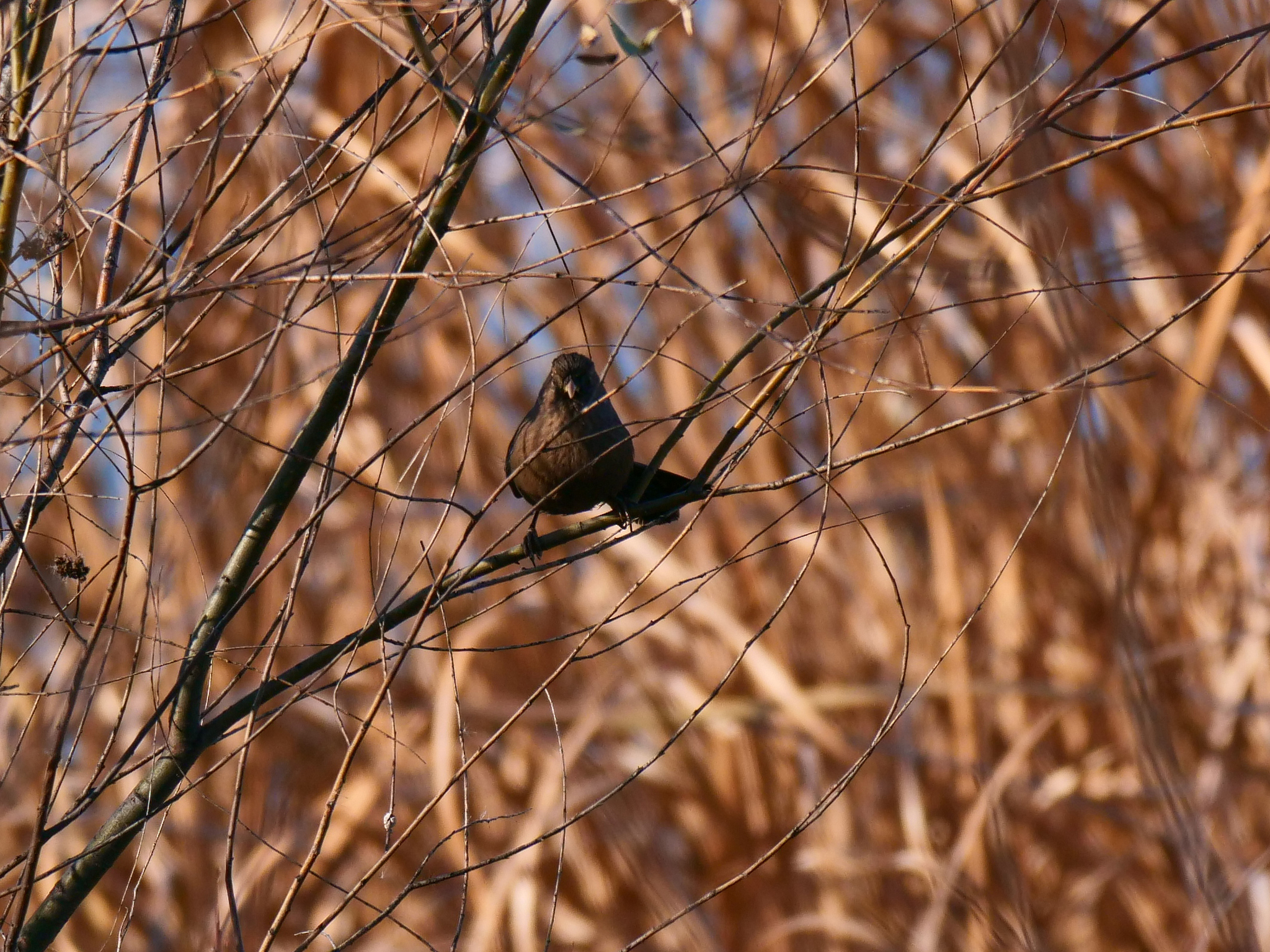
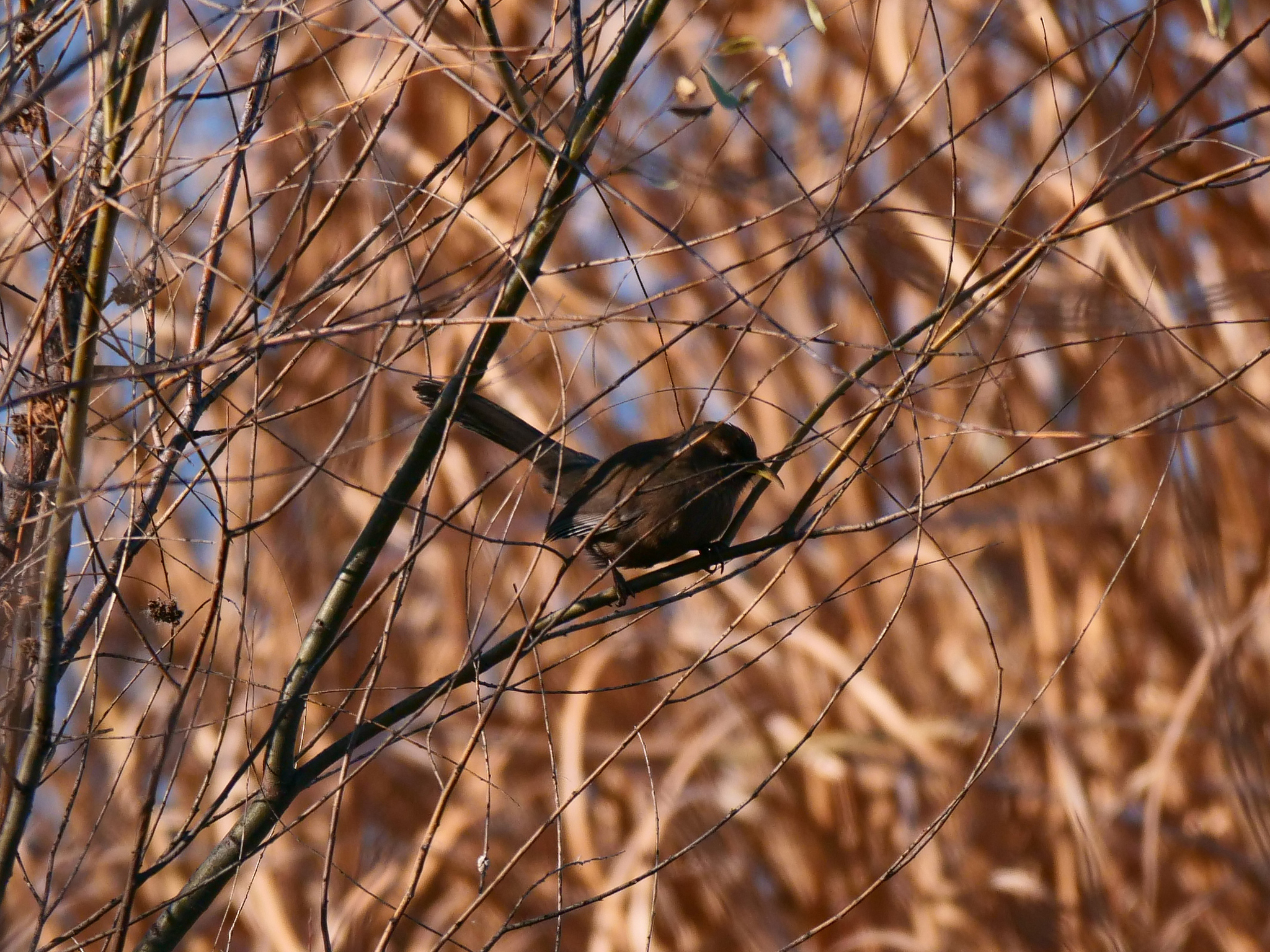
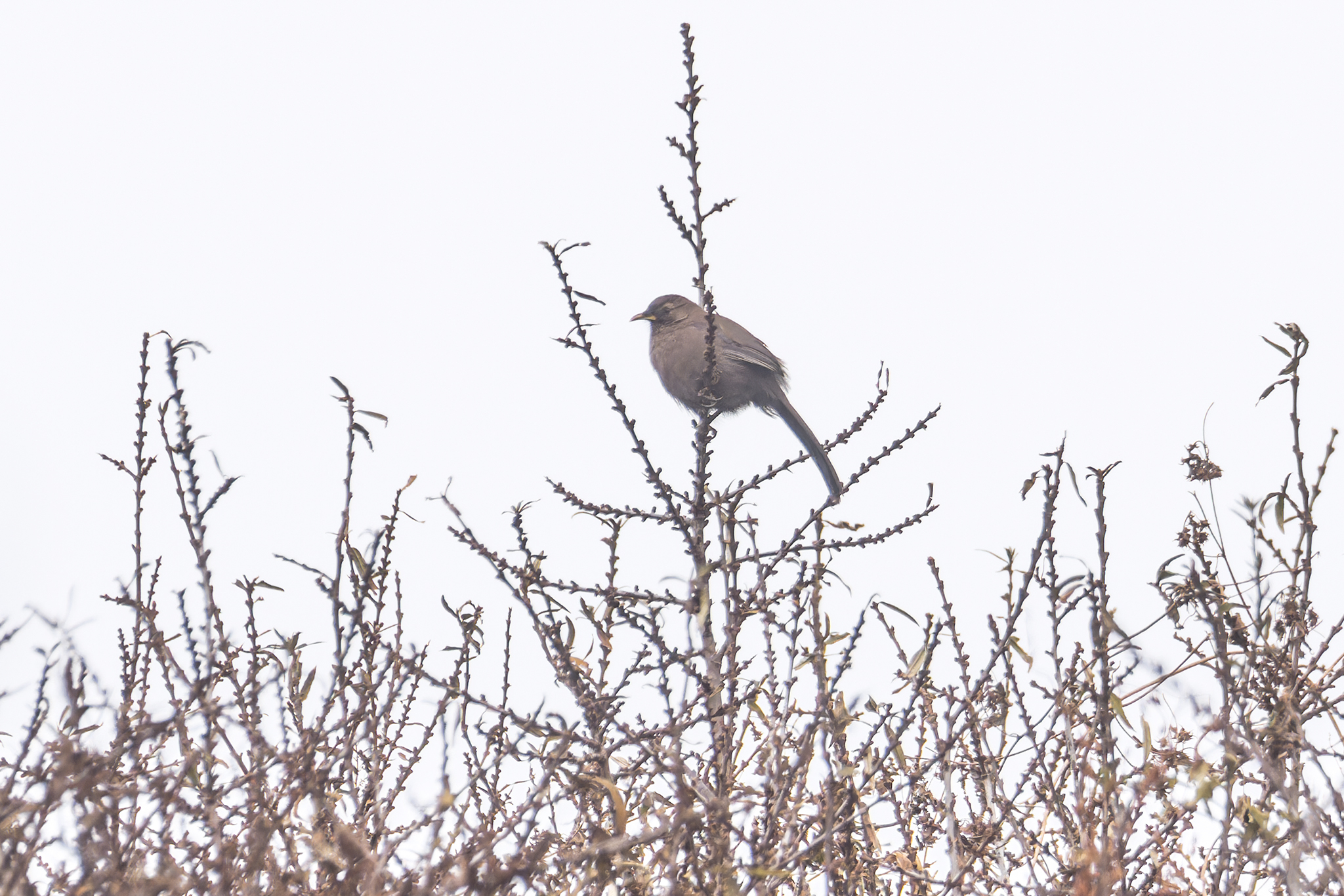
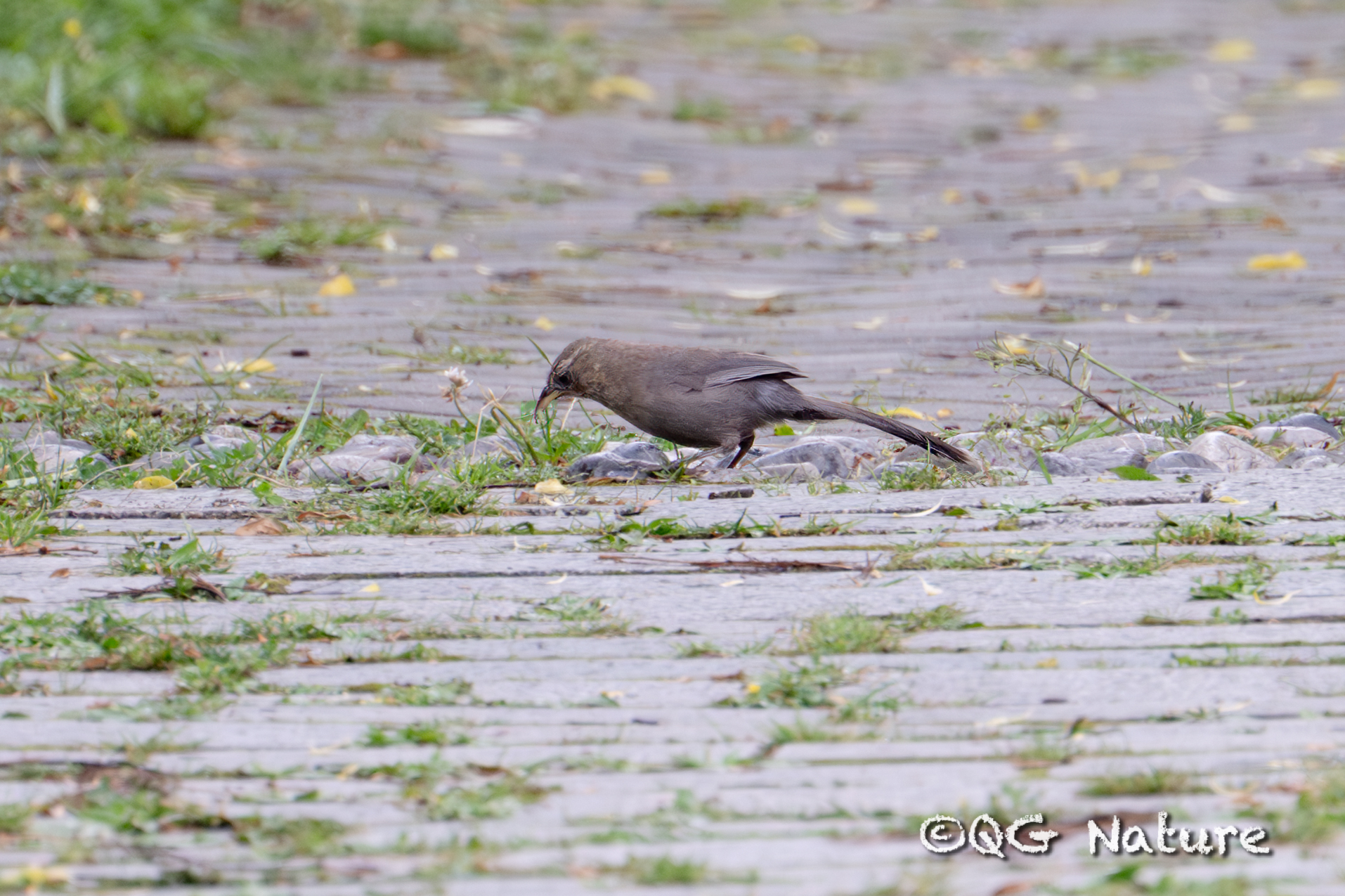
Plain Laughingthrush
Pterorhinus davidi
山噪鹛
Introduction
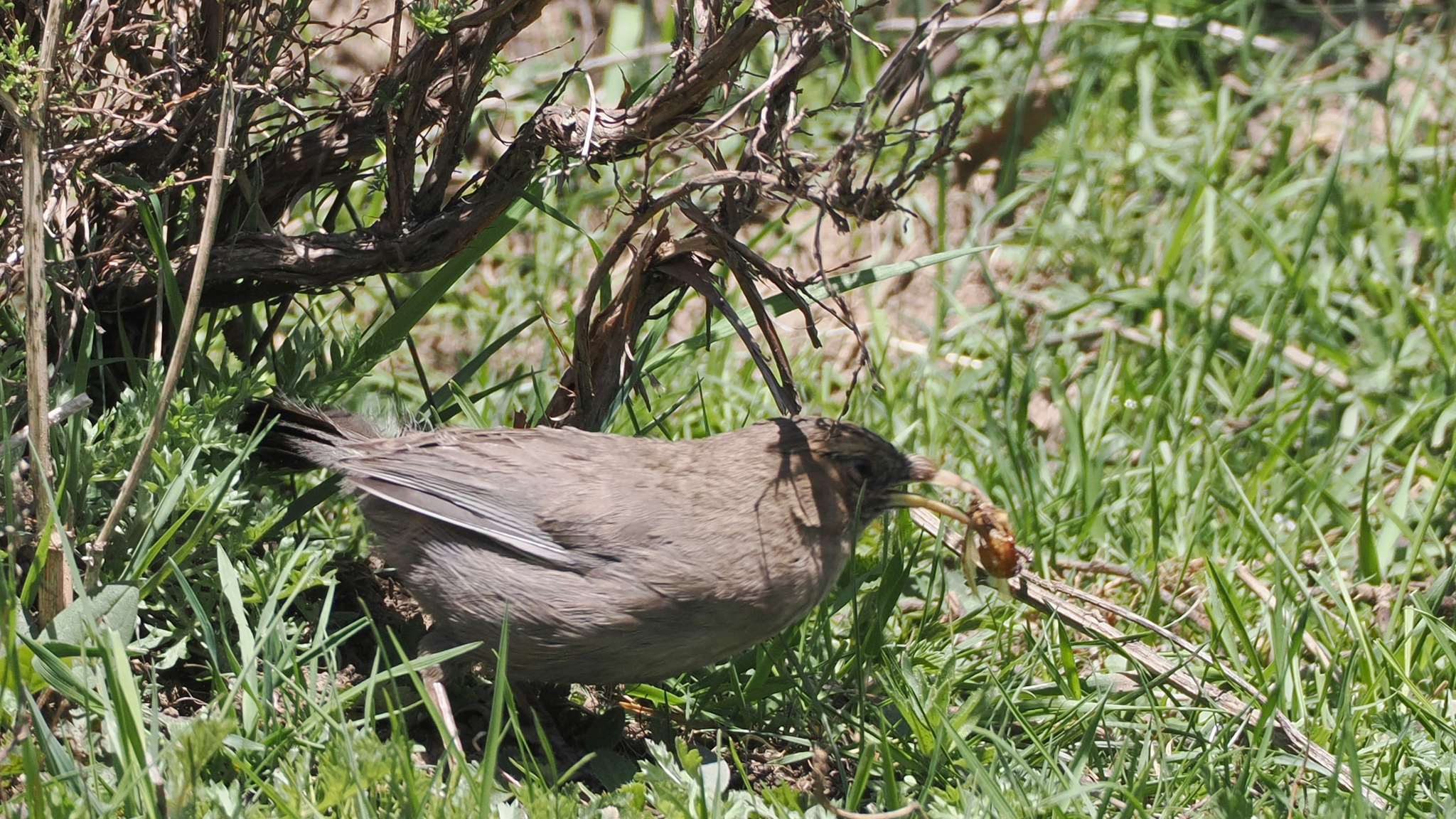
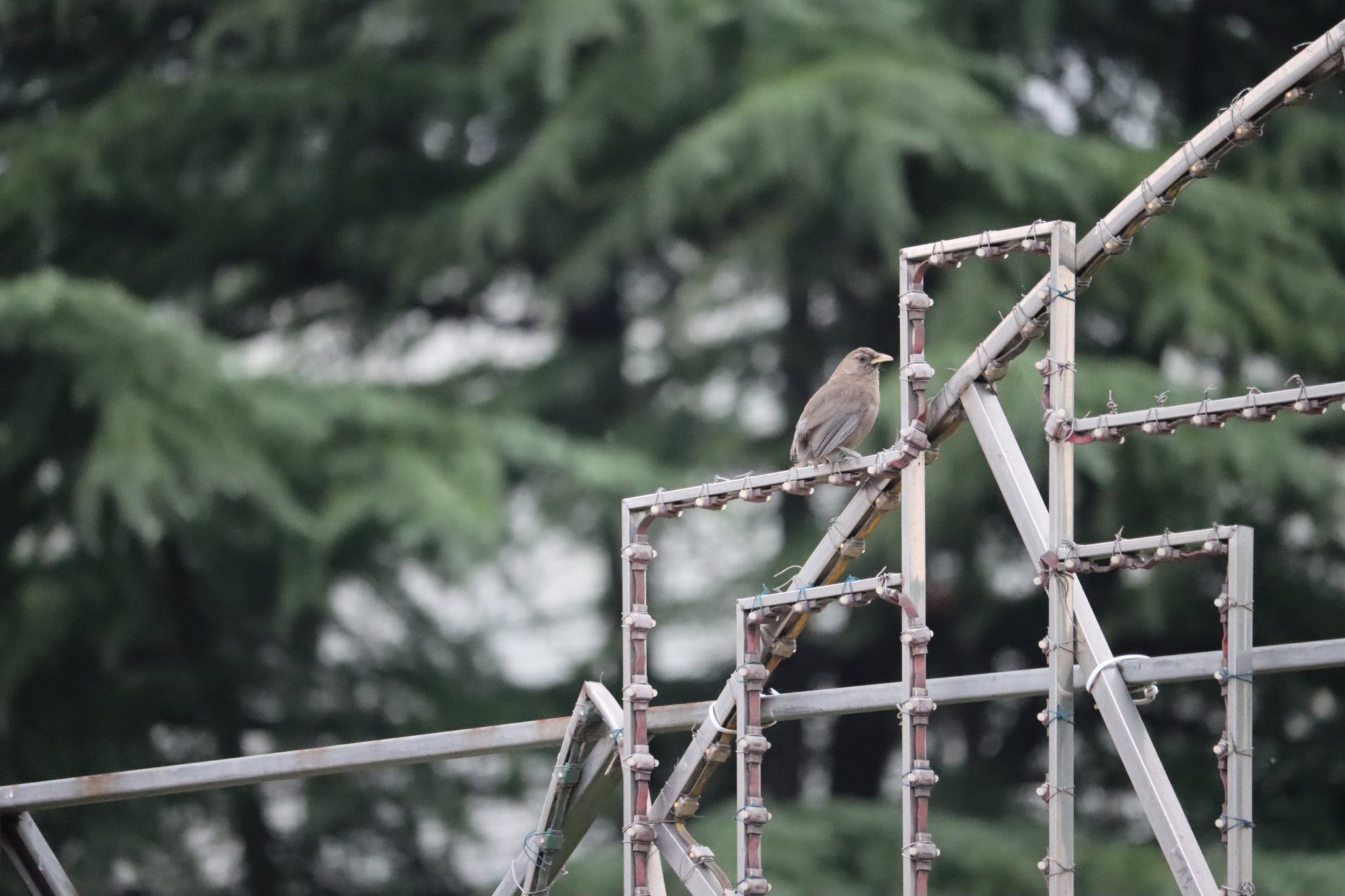
A passerine bird in the family Leiothrichidae. Endemic to central and northeastern China where it inhabits temperate forests. Distinguished by its curved bill and unstreaked greyish-brown plumage with only faint mottling on the underparts. It represents the most northerly species of laughingthrush and the only member of its family across much of its Chinese range. Exhibits convergent evolution with New World thrashers in both appearance and vocal behavior, including the ability to imitate the calls of other bird species. Sedentary by nature.
Description
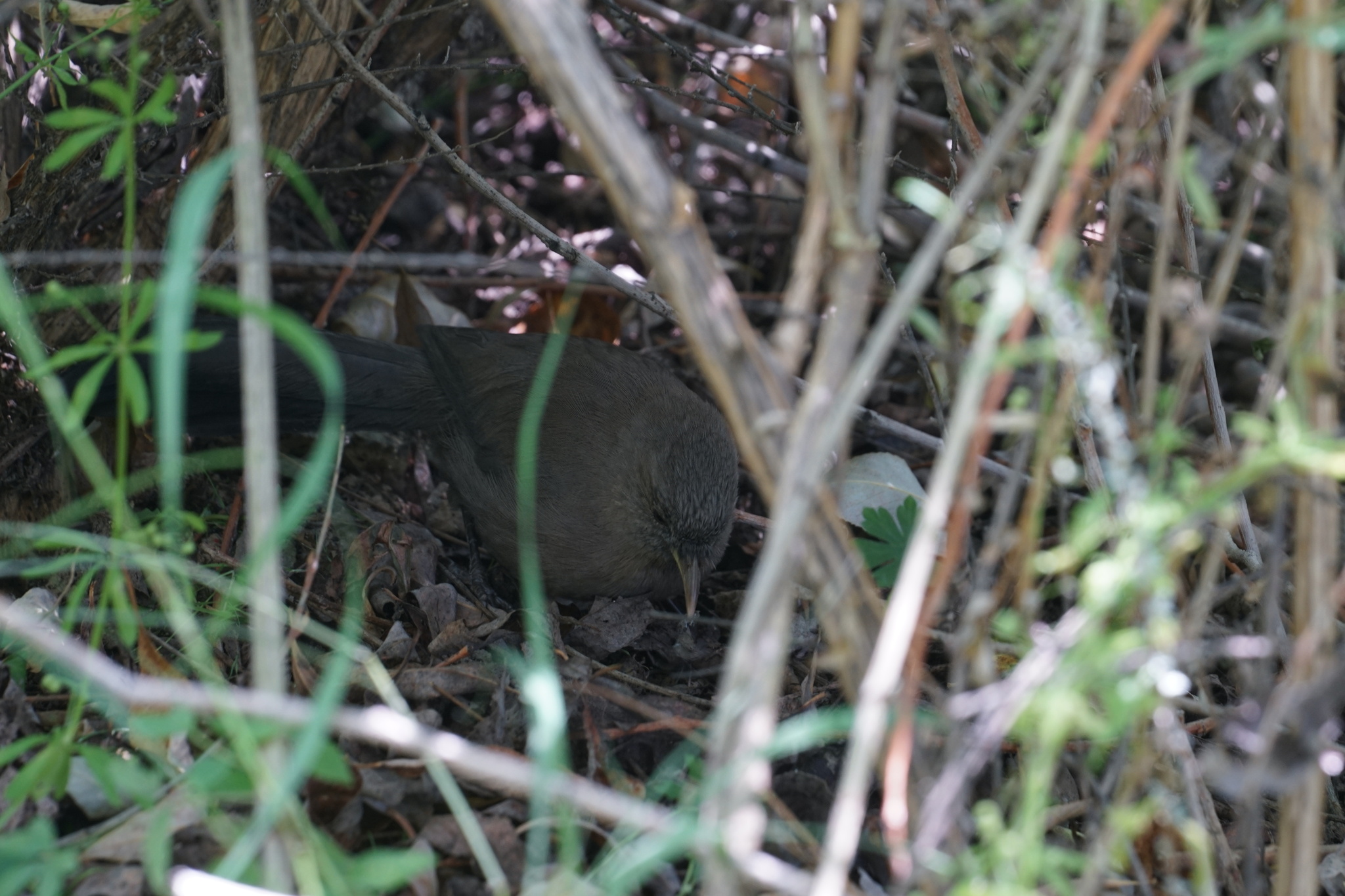
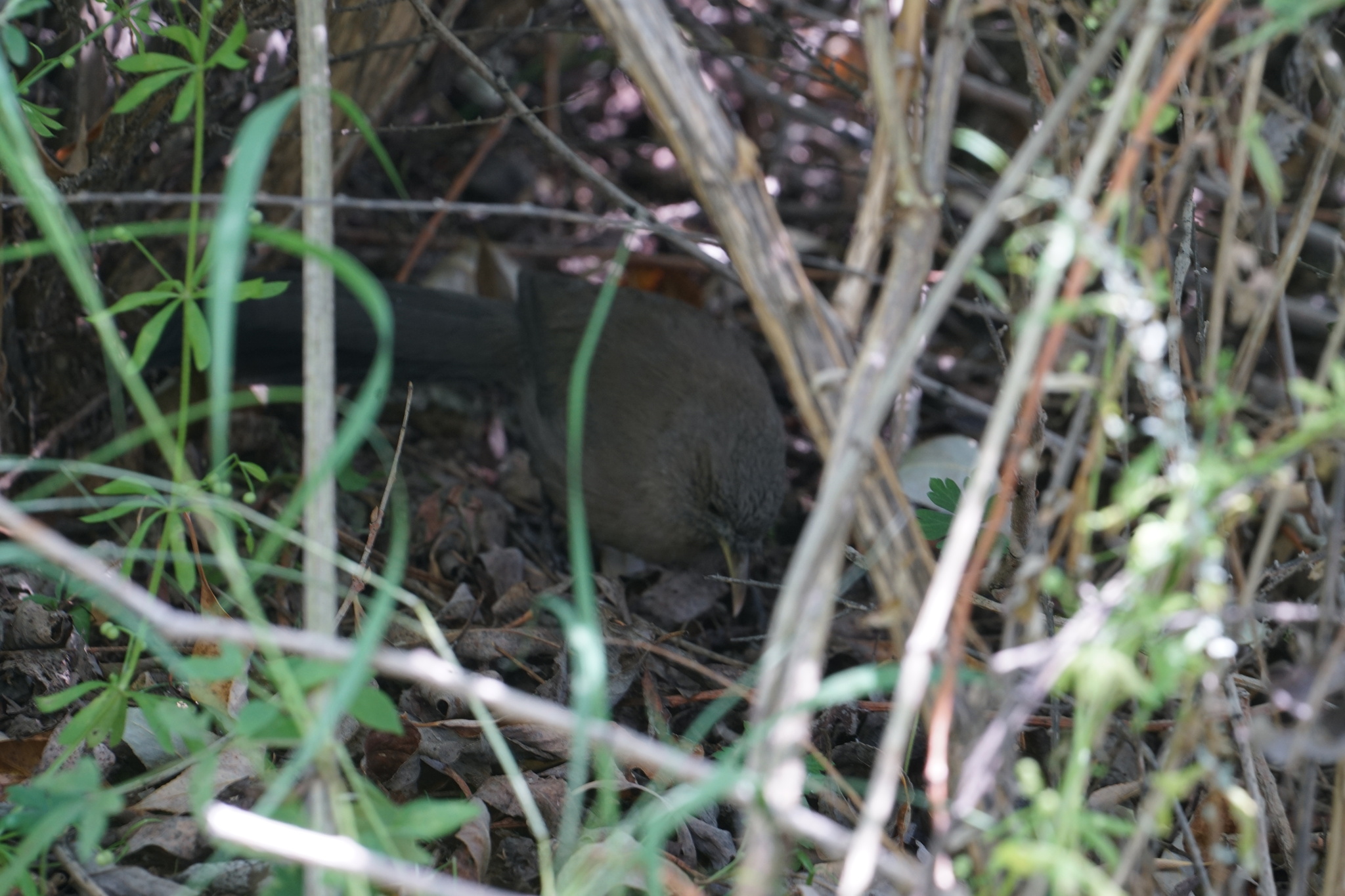
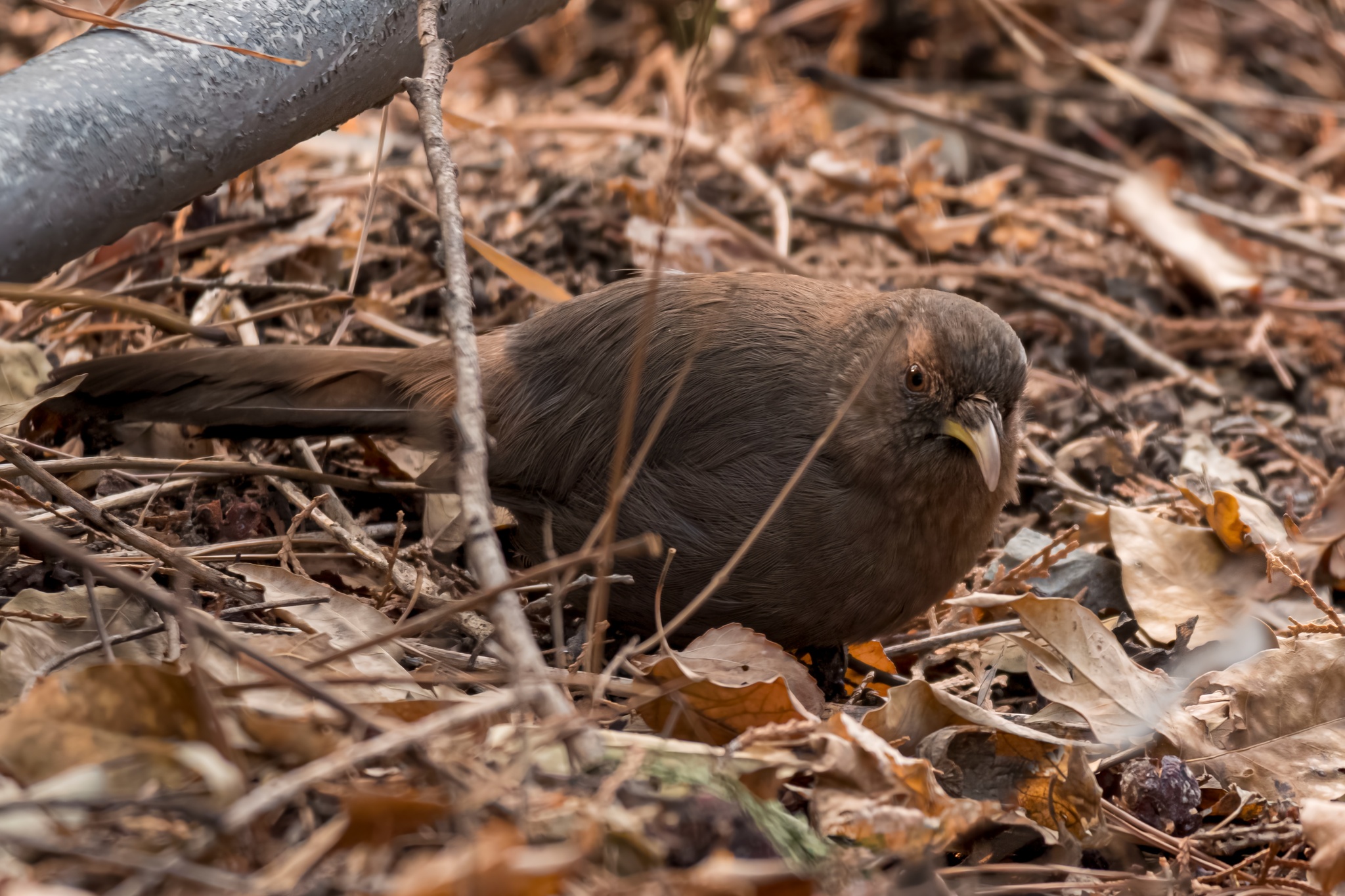
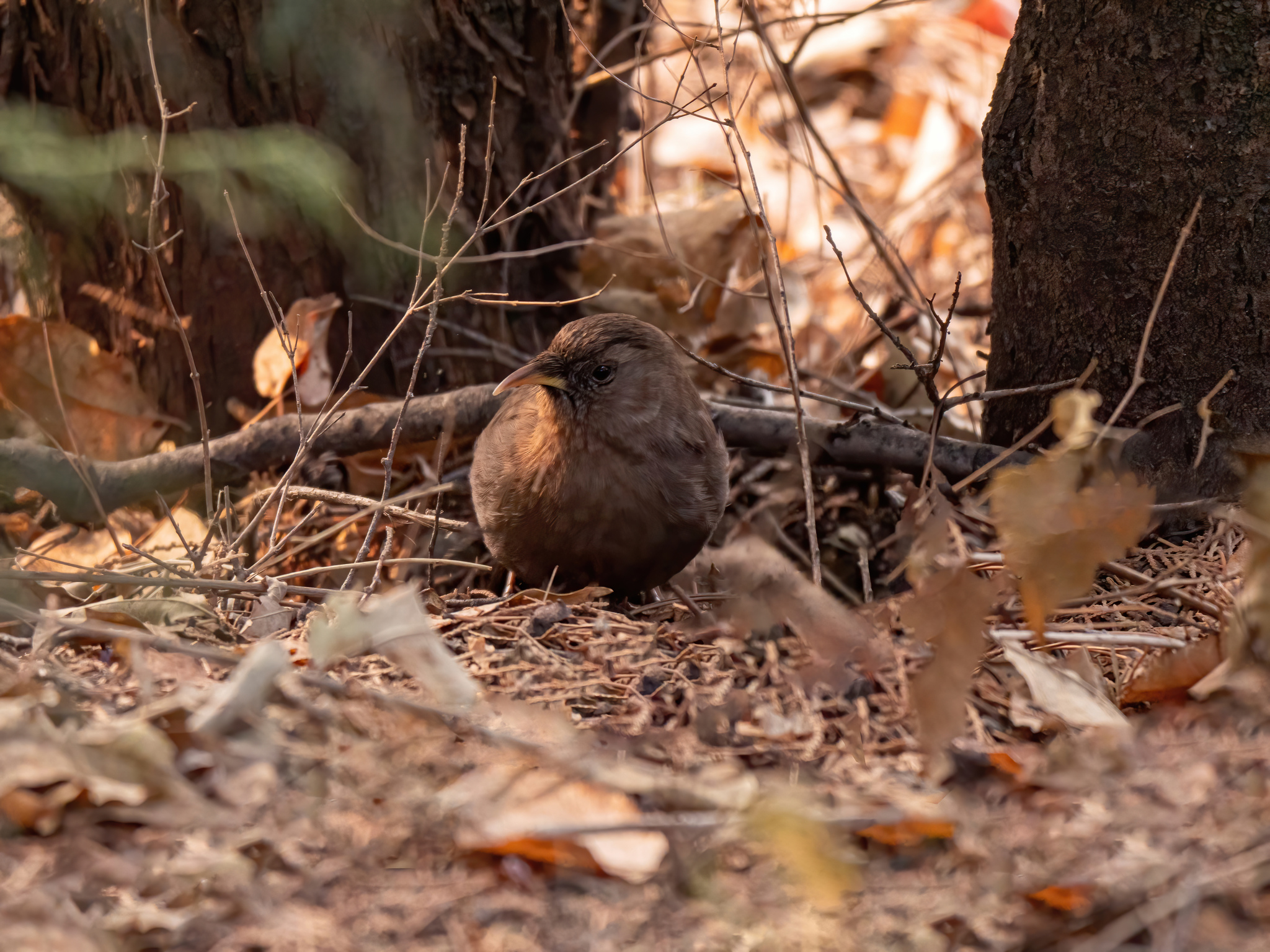
A medium-sized laughingthrush with a distinctive curved bill. The plumage is uniformly greyish-brown with no prominent markings, distinguished only by faint mottling on the front. The overall coloration lacks the streaking or distinctive patterns found in many related species. The bird's appearance, combined with its behavior, notably its vocal mimicry, has evolved to resemble New World thrashers through convergent evolution.
Identification
The most northerly laughingthrush species and the only representative of the family Leiothrichidae across much of its range in northeastern China. Its unstreaked greyish-brown plumage and curved bill help distinguish it from other laughingthrushes. The ability to imitate other bird species' calls is a notable identification feature, as is its varied whistled song repertoire similar to true thrushes.
Distribution & Habitat
Endemic to central and northeastern China, where it occupies temperate forest habitats. Historically reported as common in the mountains around Beijing. A sedentary species that remains in the same areas year-round and typically shares its habitat with the Beijing babbler. No migratory movements documented.
Behavior & Ecology
Primarily known for its vocal abilities, including buzzing calls and a varied repertoire of whistled songs reminiscent of true thrushes. Exhibits vocal mimicry, imitating the calls of other bird species. Males use quieter songs as signals of aggressive intent. The species is sedentary, maintaining territories throughout the year.
Conservation
Information not available in the source article.
Source: Wikipedia · CC BY-SA 3.0
Taxonomy
- Order
- Passeriformes
- Family
- Leiothrichidae
- Genus
- Pterorhinus
- eBird Code
- pedlau1
Subspecies (2)
-
Pterorhinus davidi concolor
Sungpan region of northern Sichuan (south-central China)
-
Pterorhinus davidi davidi
eastern Qinghai eastward to Inner Mongolia (northern China)
Data Sources
Species description from Wikipedia, licensed under CC BY-SA 3.0.
Bird images and sounds sourced from GBIF, contributed by citizen scientists worldwide under Creative Commons licenses.
Taxonomy data from AviList 2025.