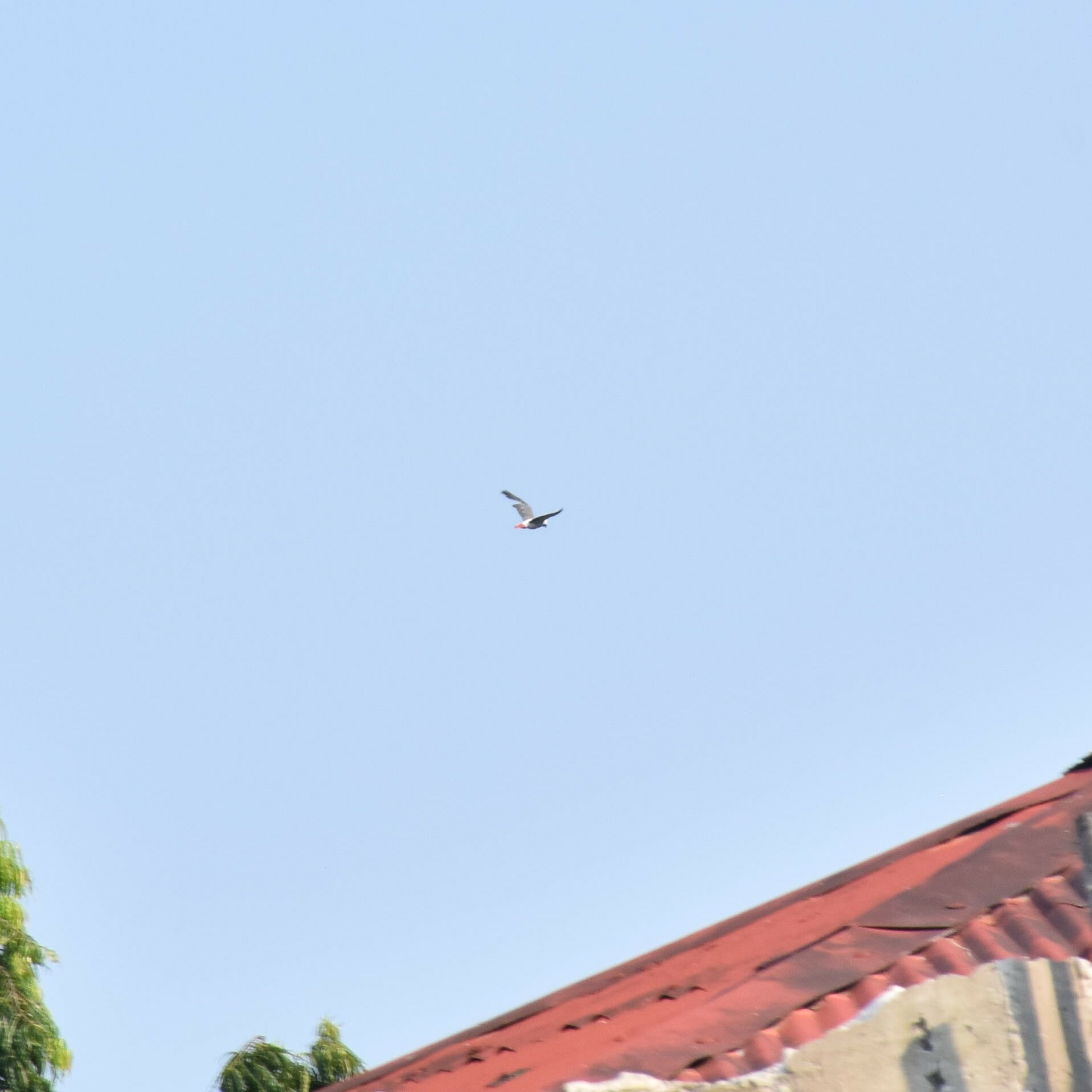
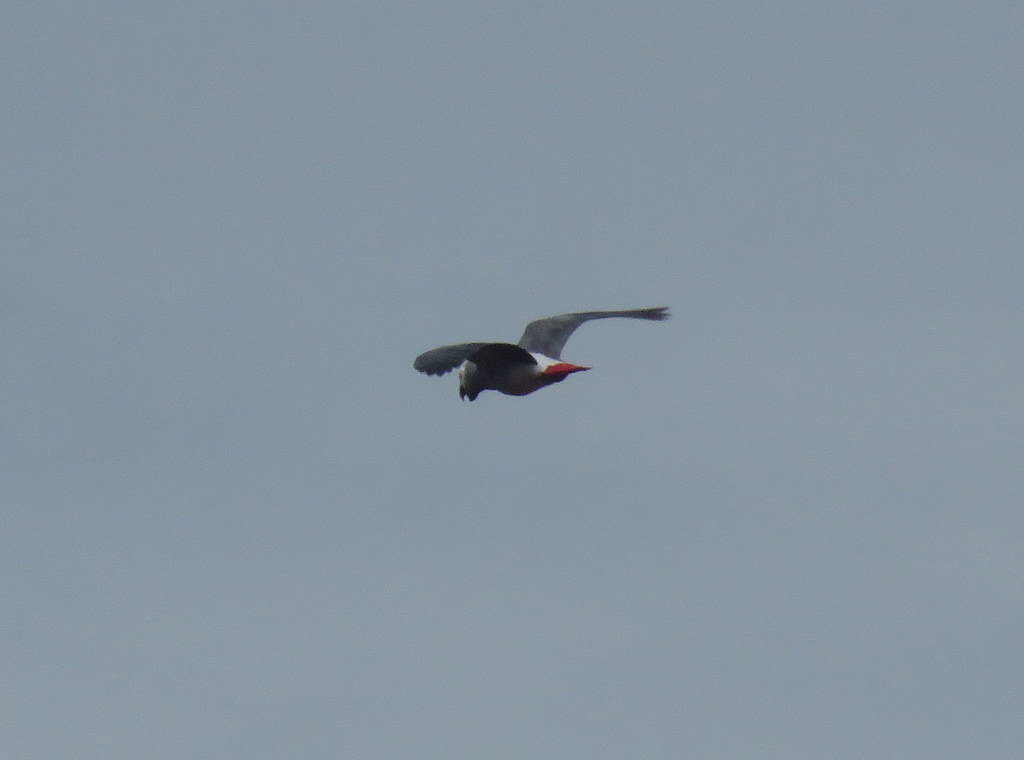
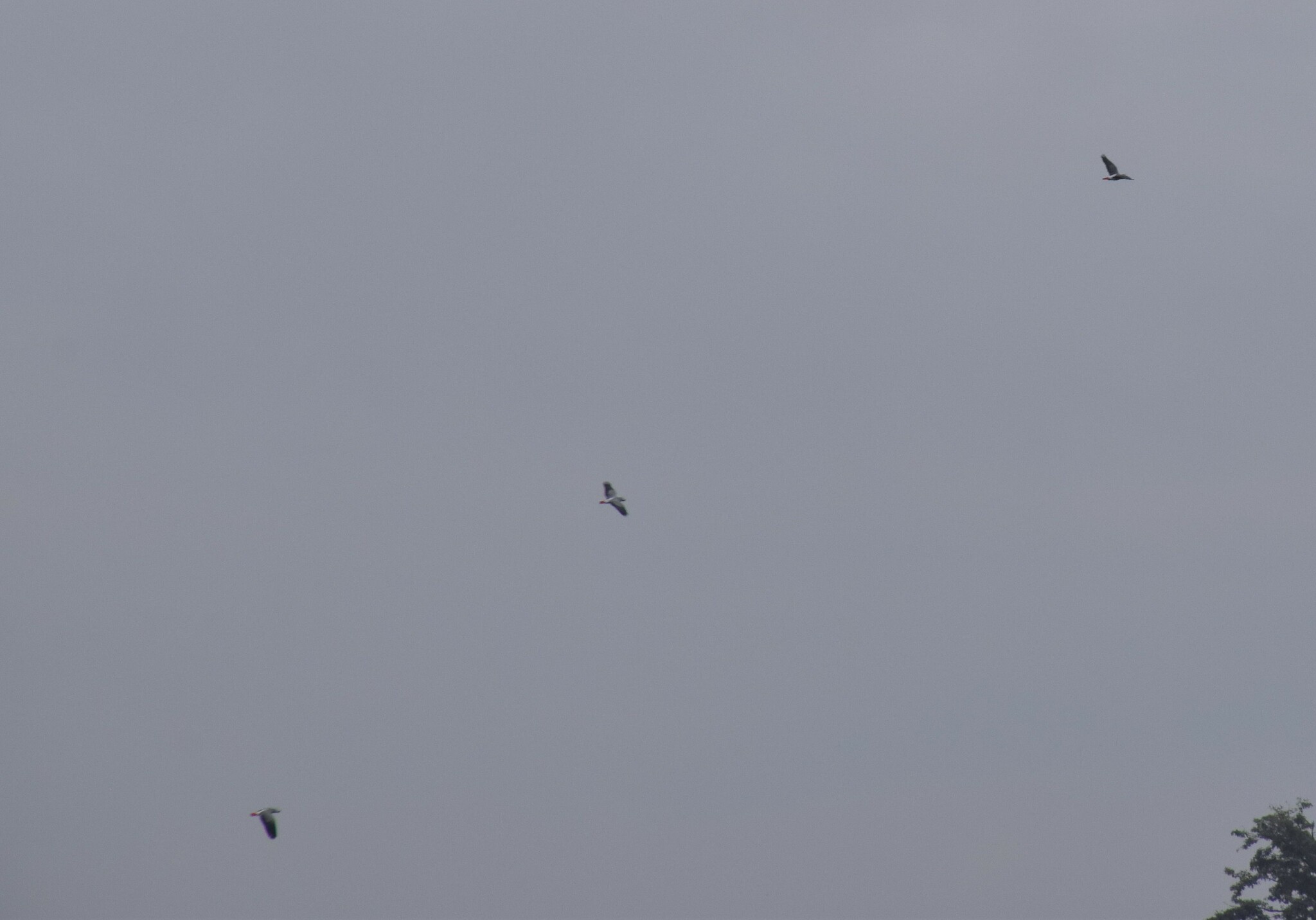
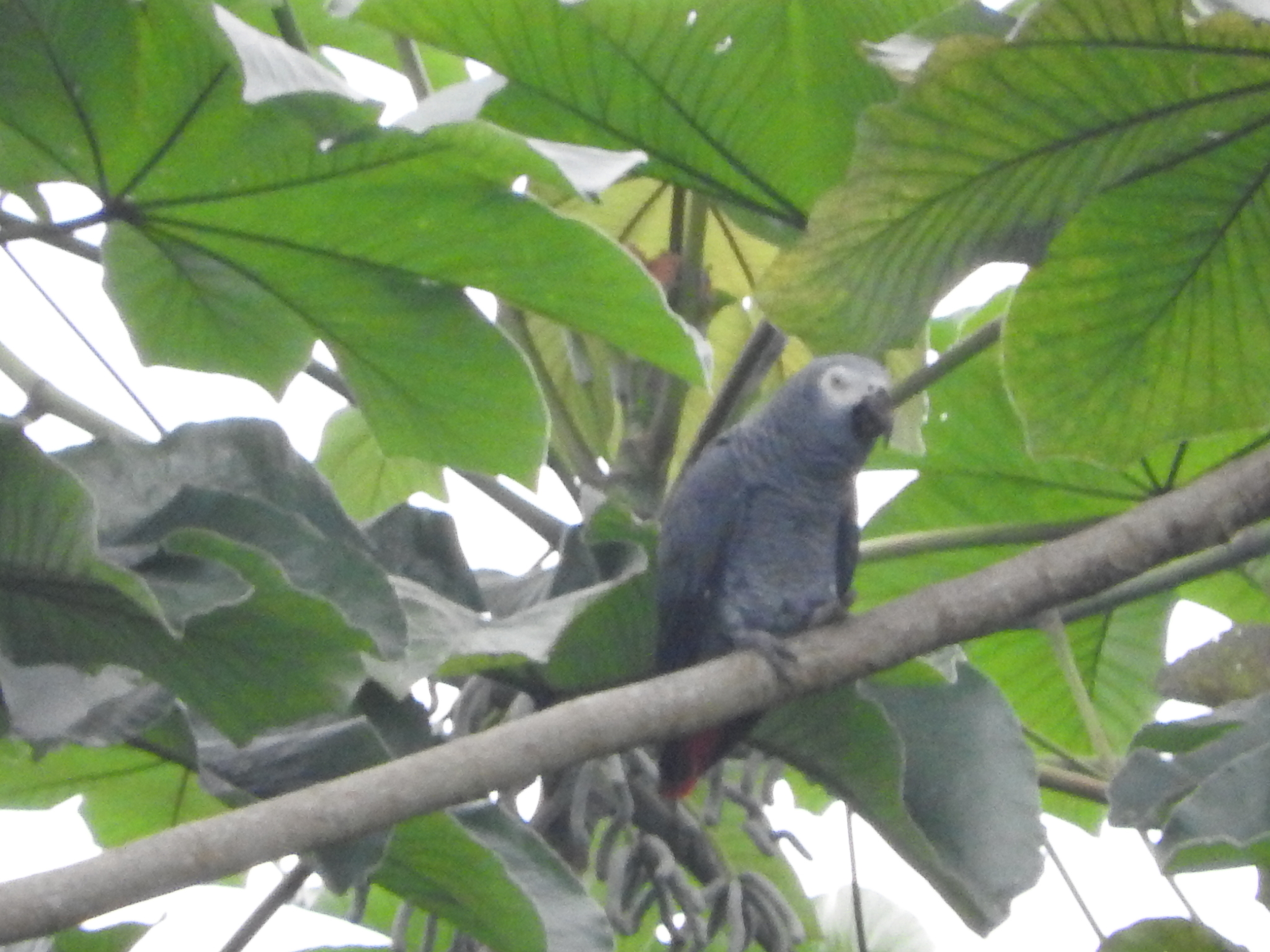
Grey Parrot
Psittacus erithacus
非洲灰鹦鹉
Introduction
Medium to large African parrot (Psittacus erithacus, family Psittacidae). Native to equatorial Africa: Angola, Cameroon, Congo, Gabon, Ivory Coast, Ghana, Kenya, and Uganda. Favours dense forests but also found at forest edges, gallery and savanna forests. Highly intelligent species known for exceptional vocal mimicry, including human speech and environmental sounds—one wild individual recorded with repertoire of over 200 calls. Longevity: 40-60 years in captivity, approximately 23 years in wild. Sexual maturity at 3-5 years; clutch size 3-5 eggs. Rated Endangered by IUCN due to rapid population decline from illegal pet trade and habitat loss. Global population estimates range from 630,000 to 13 million individuals, decreasing worldwide. Listed on CITES Appendix I since October 2016.
Description
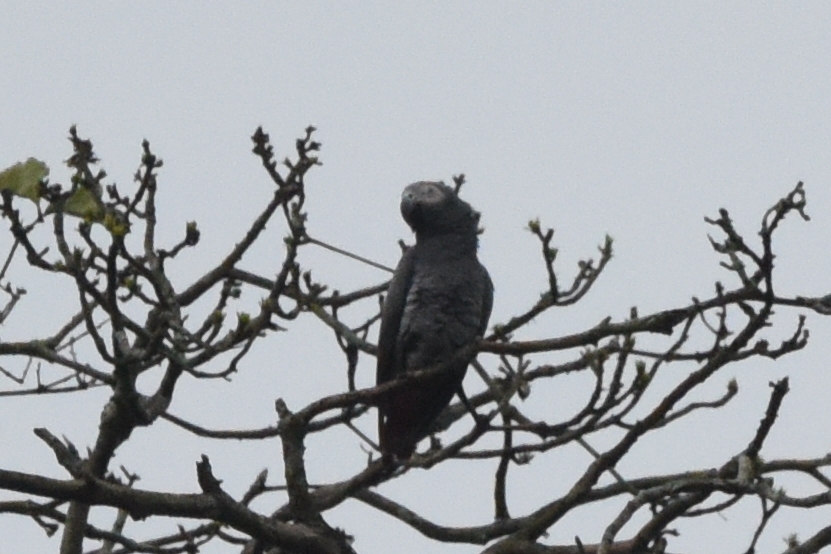
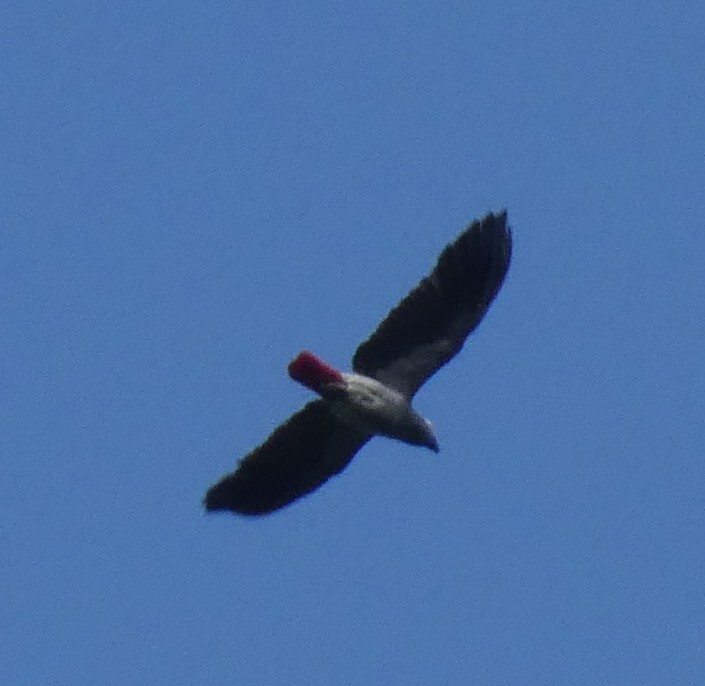
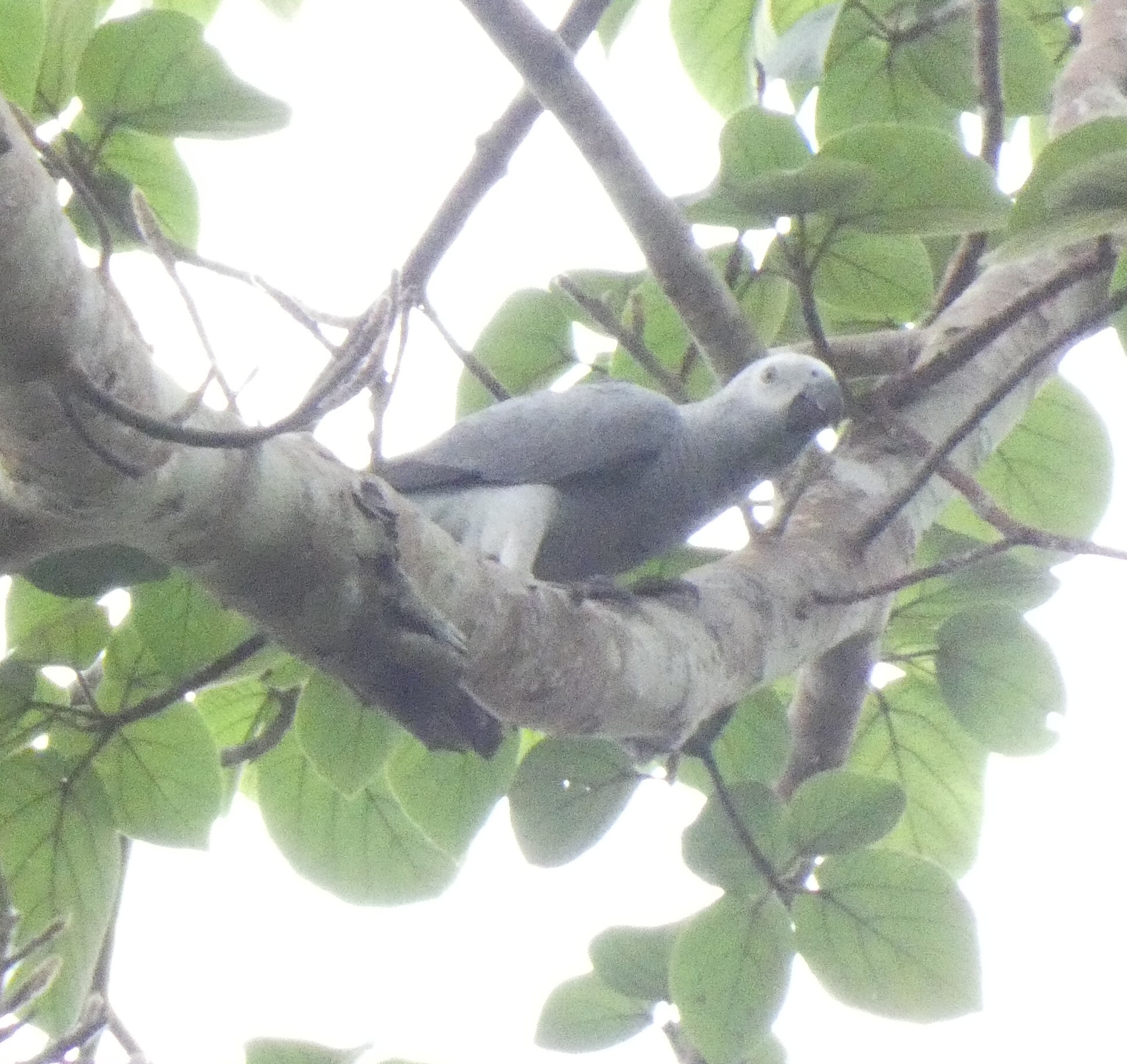
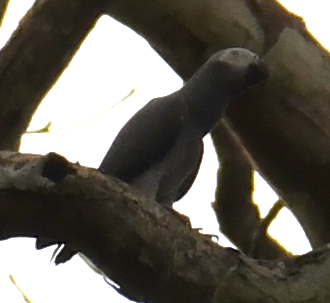
Predominantly grey parrot with black bill. Typical weight 400g (14oz), adults 418-526g; length 33cm; wingspan 46-52cm. Head and wings darker than body; head and body feathers have slight white edges. Tail feathers are red. Both sexes appear similar. Juveniles resemble adults but have dark grey to black eyes (versus adults' yellow irises around dark pupils) and grey-tinged undertail coverts. Monotypic species; Clements Checklist recognizes two subspecies including Príncipe grey parrot.
Identification
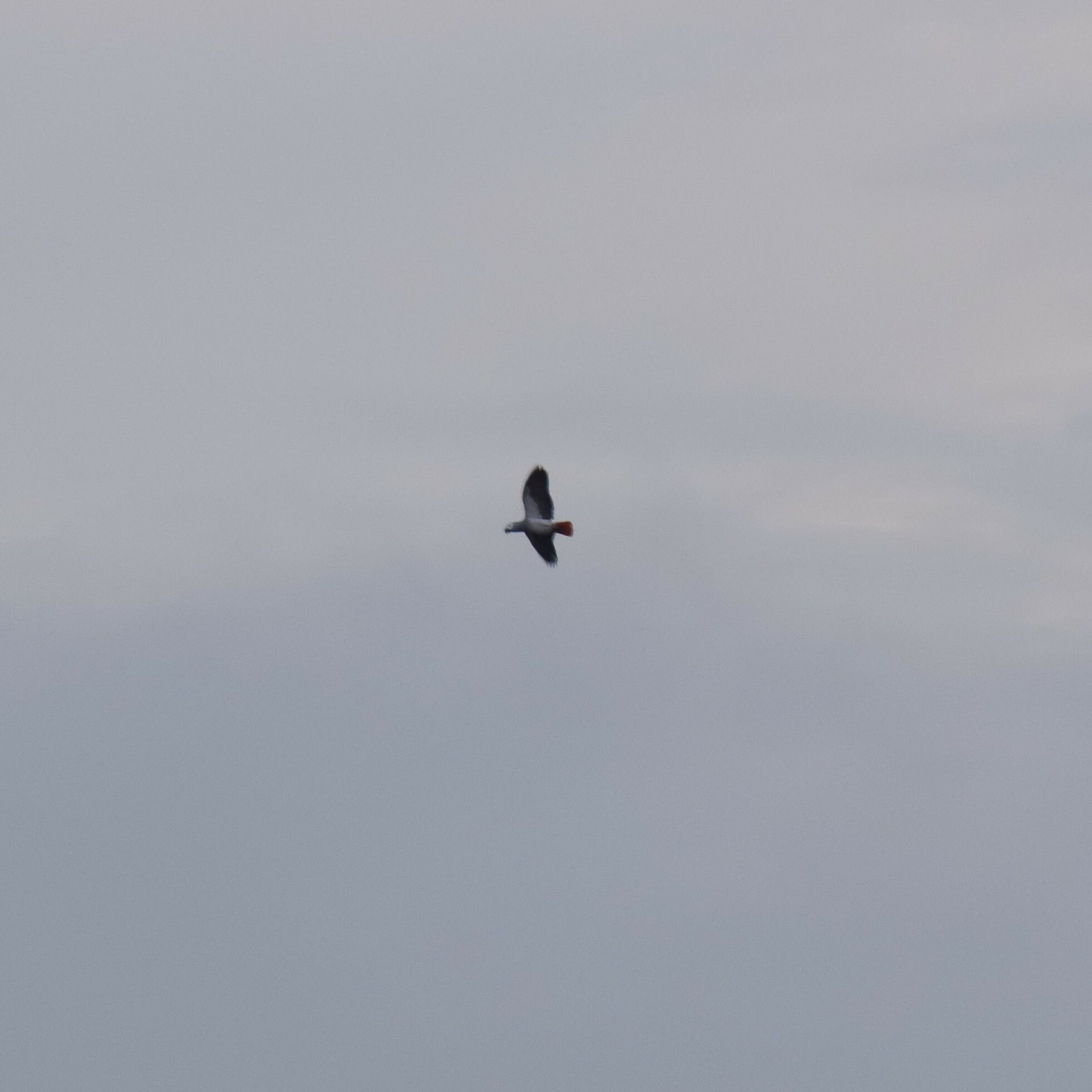
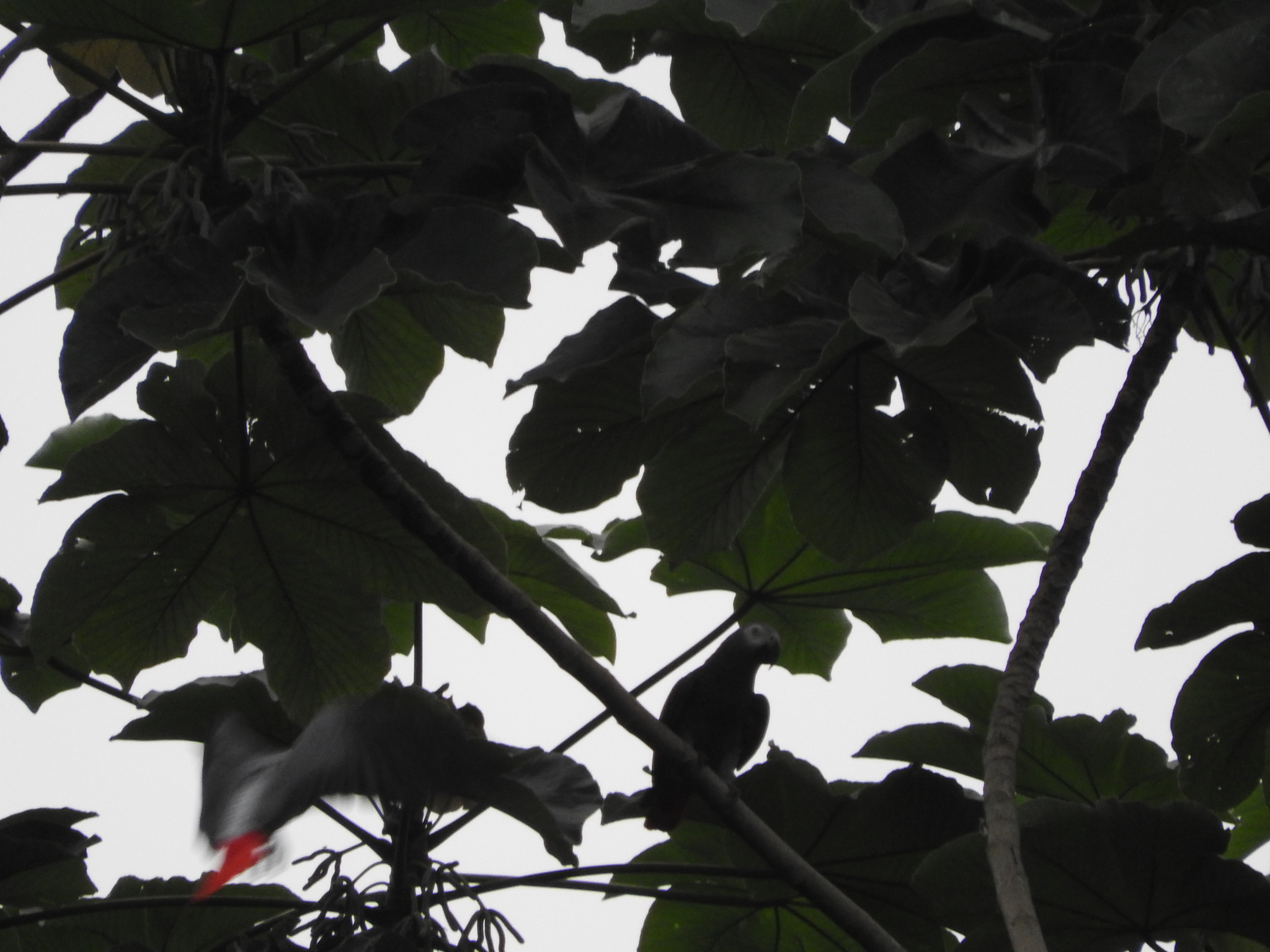
Medium-sized grey parrot with all-grey plumage, black bill, and red tail feathers (visible in flight). Yellow irises around dark pupils in adults distinguish from dark-eyed juveniles. Cannot be reliably distinguished from Timneh parrot by external characteristics; Timneh was previously treated as subspecies. Prefers dense forest habitats. The combination of grey plumage, red tail, black bill, and yellow eye is diagnostic within its range.
Distribution & Habitat
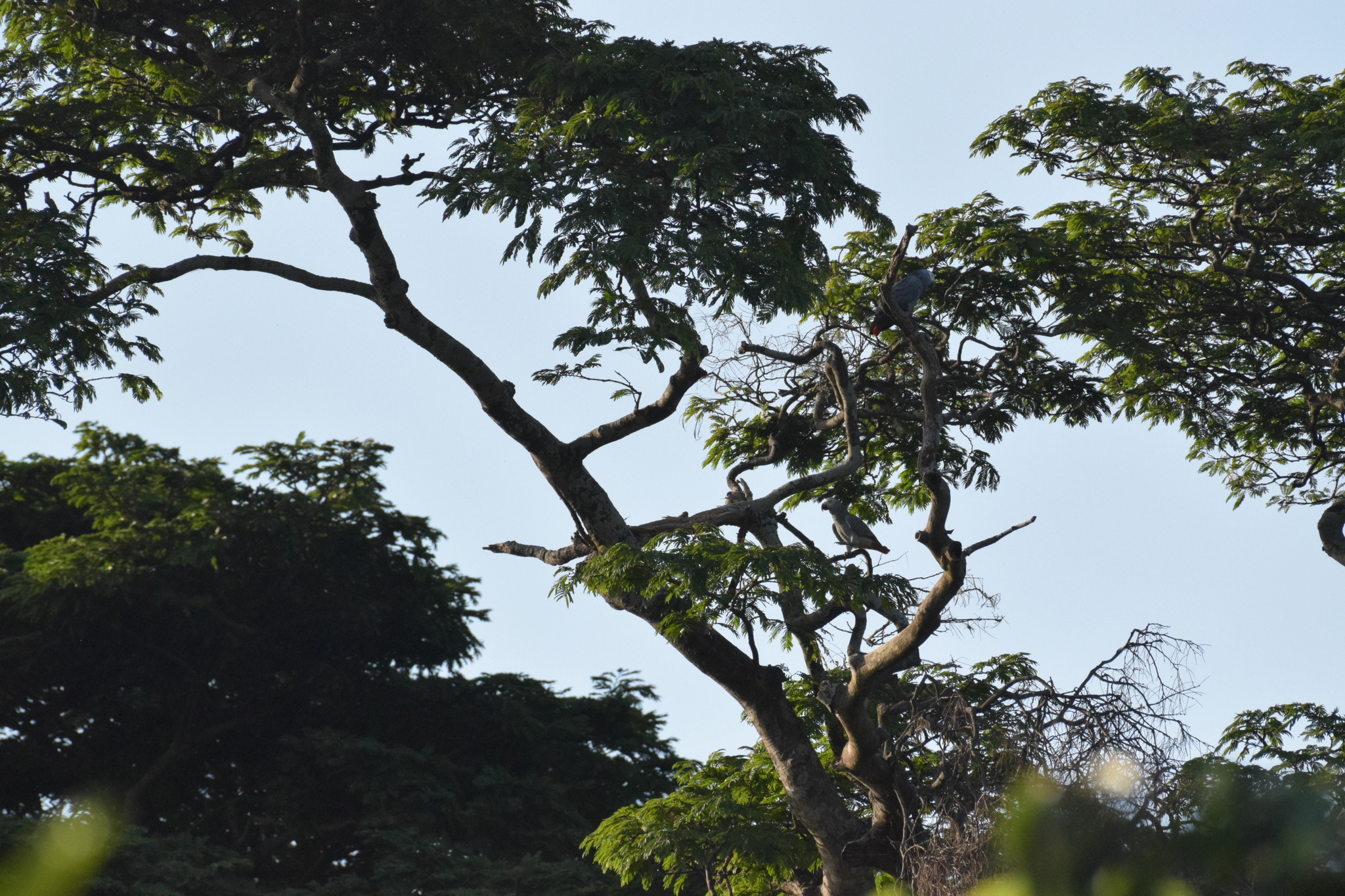
Native to equatorial Africa from Kenya east to Ivory Coast, including Angola, Cameroon, Congo, Gabon, Ghana, Kenya, and Uganda. Also occurs on Príncipe, São Tomé, and Bioko islands. Favours dense forests but uses forest edges, gallery forests, and savanna woodlands. Populations decreasing worldwide, with Ghana declining 90-99% since 1992. Stable populations in Cameroon. Feral populations observed in South Florida since 1984 but no breeding evidence. Estimated 15,000 birds taken annually from eastern Congo for pet trade despite 5,000 quota.
Behavior & Ecology
Mainly frugivorous diet: fruit, nuts, seeds including oil palm fruit. Also consumes flowers, tree bark, insects, and snails. Partly ground feeder. Monogamous breeders using tree cavities; each pair requires own nest tree. Female incubates 3-5 eggs for 30 days while fed by mate. Chicks fledge at 12 weeks, remain with parents until 4-5 weeks post-fledging. Highly social species using contact calls to communicate location, food availability, and predator presence. Can learn over 100 words, perform cognitive tasks at 4-6-year-old human level, demonstrate altruism and reciprocity.
Conservation
Rated Endangered by IUCN due to rapid population decline. Between 1994-2003, over 359,000 traded internationally; approximately 21% of wild population harvested annually. Mortality rates 60-66% between capture and market. Threats include habitat loss, illegal pet trade, hunting for meat and traditional medicine. Ghana population virtually eliminated (90-99% decline since 1992). Listed on CITES Appendix I (highest protection) since October 2016. Kenyan ownership requires permit following 2021 amnesty. Population trend decreasing globally; stable in Cameroon.
Culture
Domesticated since 2000 B.C., depicted in Egyptian hieroglyphics as pets. Valued by Greeks and Romans who kept them in cages. Modern popularity as companion parrot due to speech-mimicking ability. One escaped pet in Japan returned to owner after repeating owner's name and address. In murder trials (1993 and 2017), grey parrots' repetition of victims' last words considered as potential evidence. 2024: group of 'swearing parrots' moved to larger aviary to dilute profane mimicry.
Source: Wikipedia · CC BY-SA 3.0
Taxonomy
- Order
- Psittaciformes
- Family
- Psittacidae
- Genus
- Psittacus
- eBird Code
- grepar
Subspecies (2)
-
Psittacus erithacus erithacus
Ivory Coast to Kenya, Tanzania, Príncipe, São Tomé, and Bioko
-
Psittacus erithacus princeps
Príncipe Island (Gulf of Guinea)
Data Sources
Species description from Wikipedia, licensed under CC BY-SA 3.0.
Bird images and sounds sourced from GBIF, contributed by citizen scientists worldwide under Creative Commons licenses.
Taxonomy data from AviList 2025.