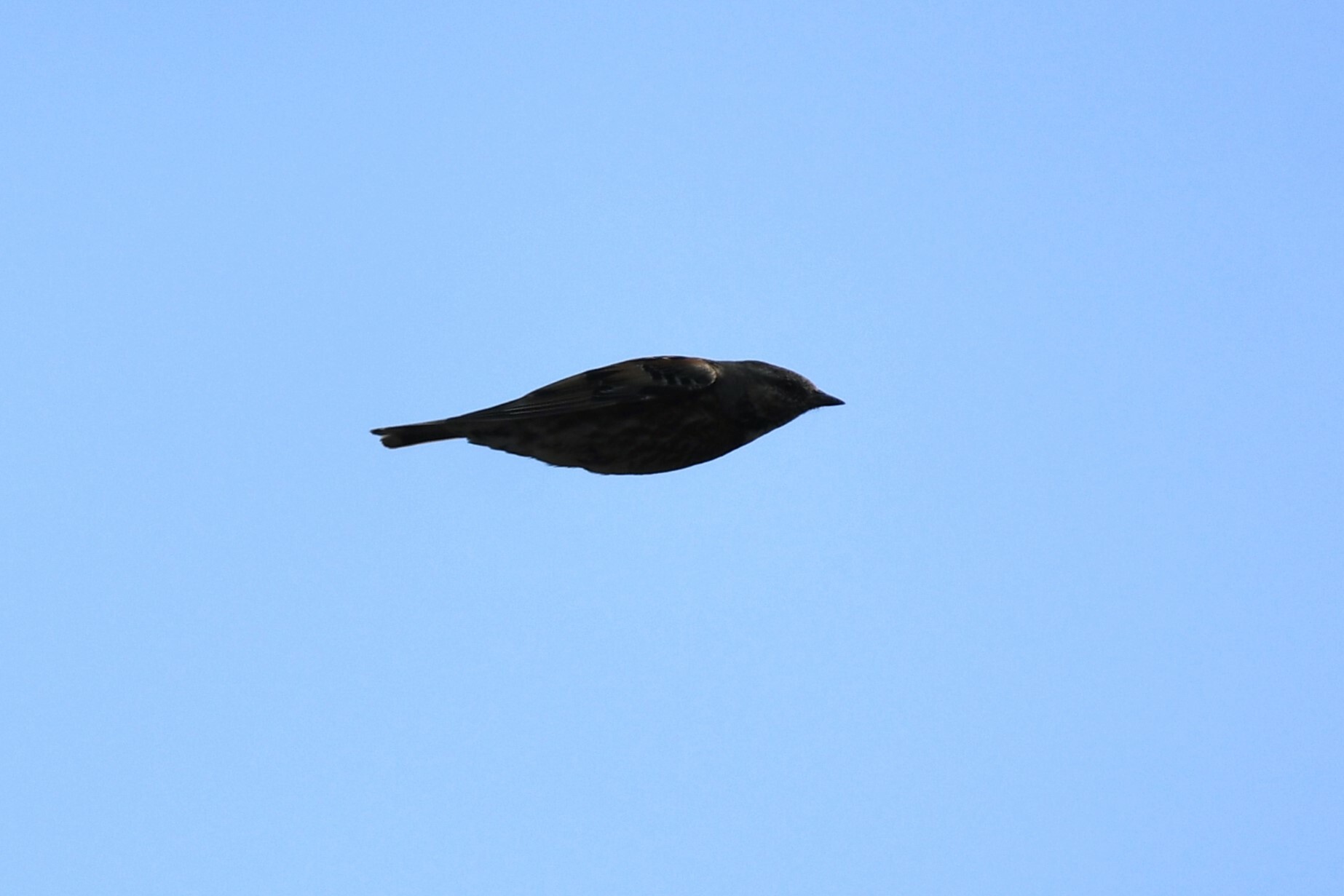
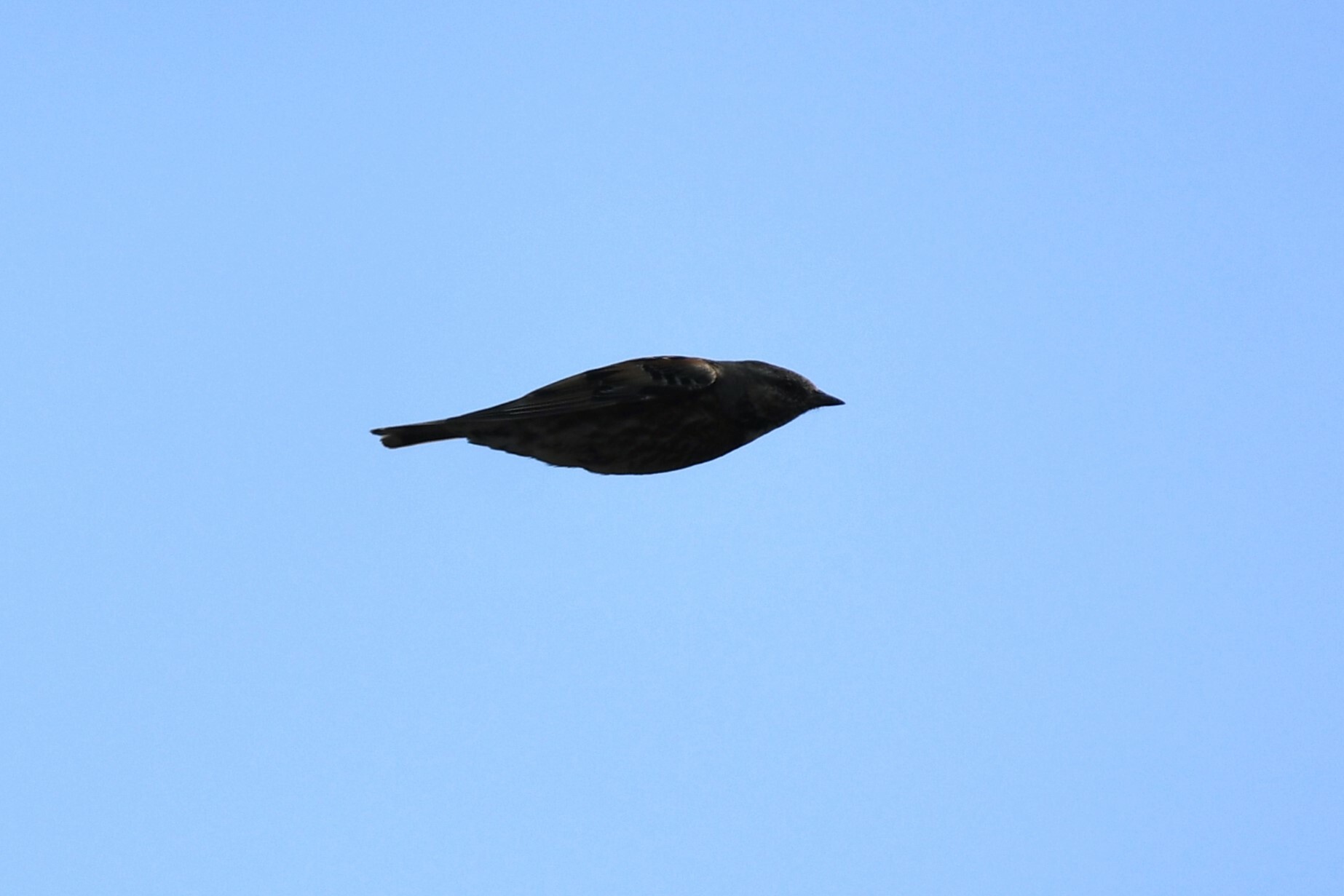
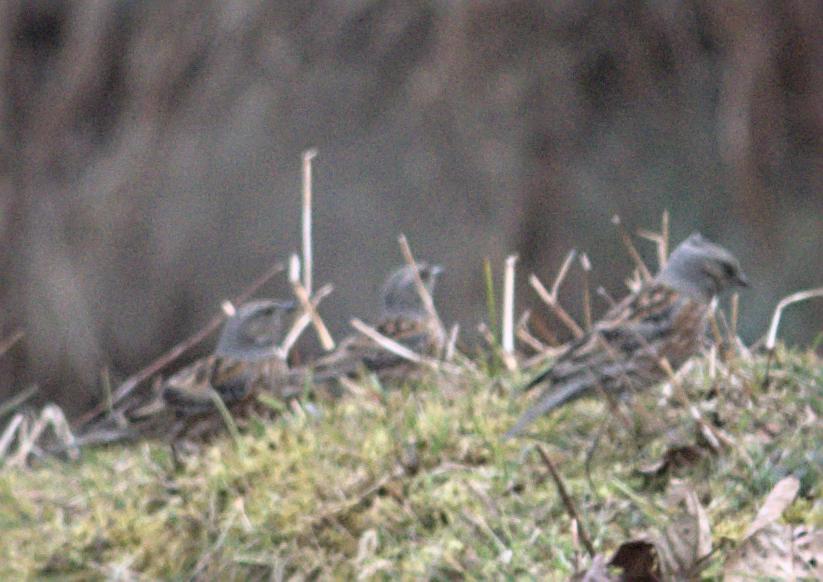
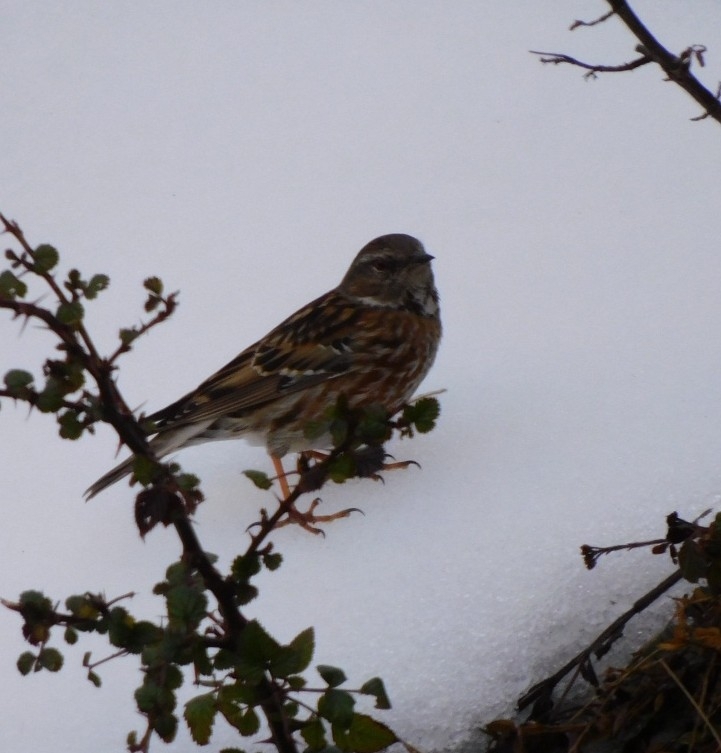

Altai Accentor
Prunella himalayana
高原岩鹨
Introduction
A species of bird in the Prunellidae family. It breeds in the Altai Mountains of western Mongolia and winters in the southern Tian Shan and Himalayan ranges. This high-altitude species inhabits rocky alpine meadows at elevations ranging from 2800 to 5000 meters. It is evaluated as Least Concern by the IUCN Red List due to its extensive range and stable population trend.
Description
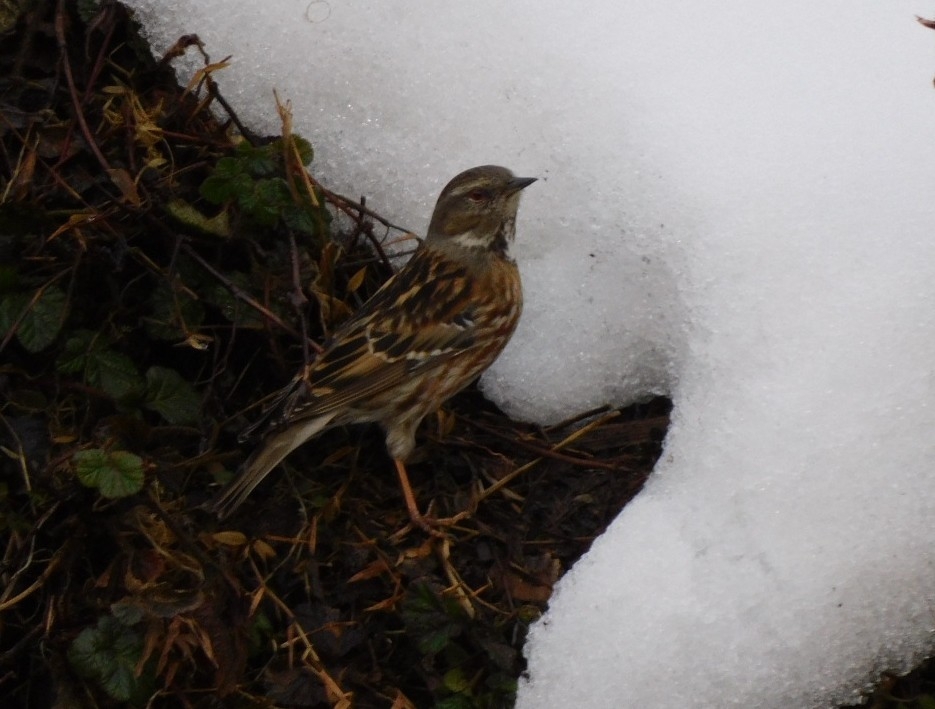
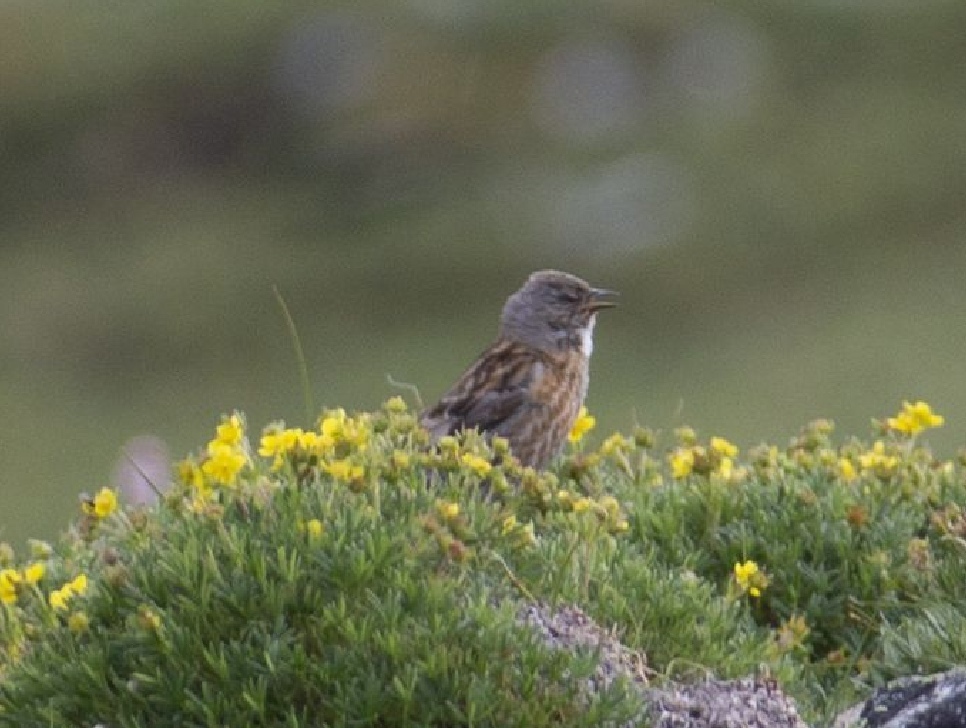
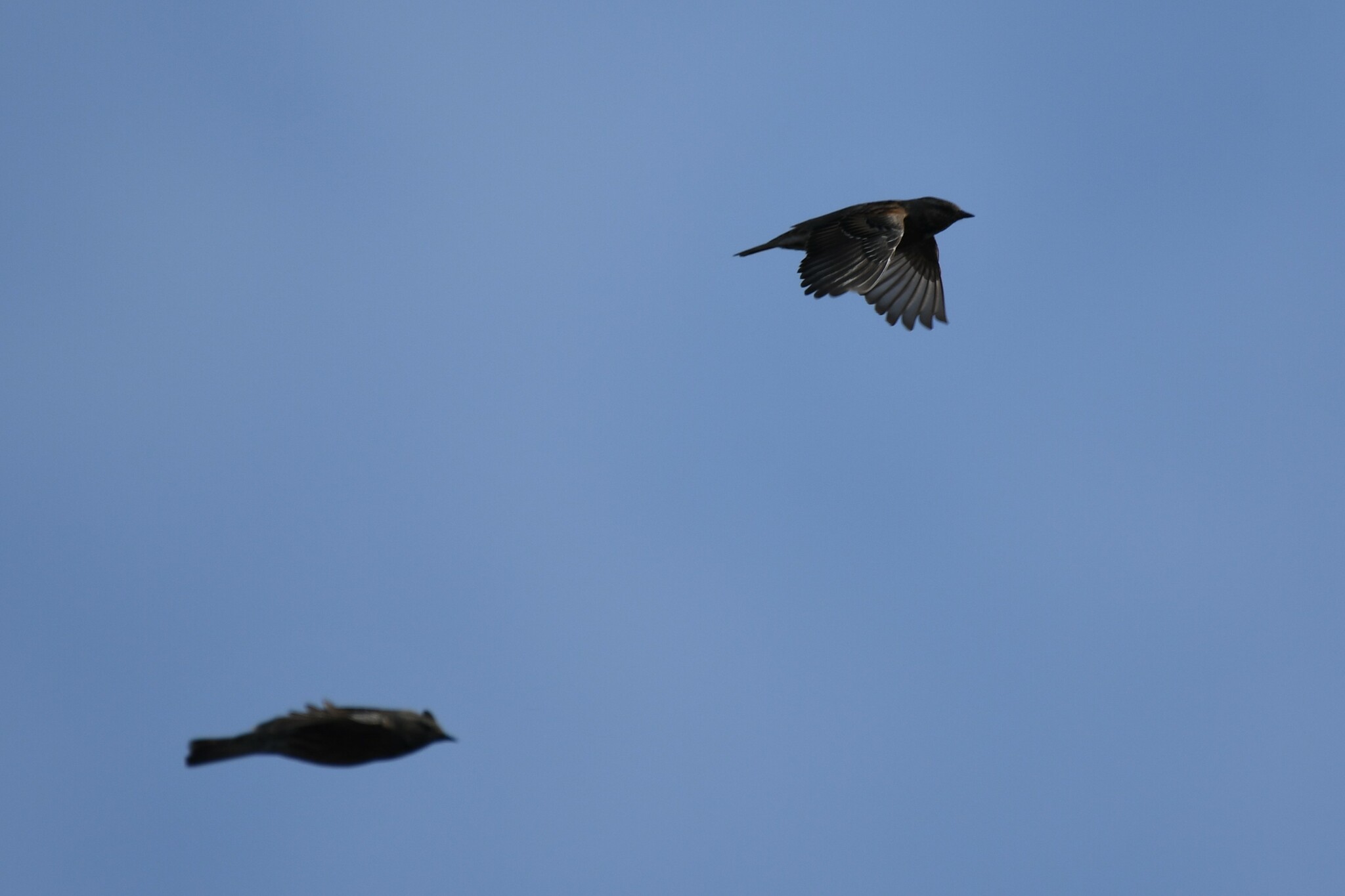
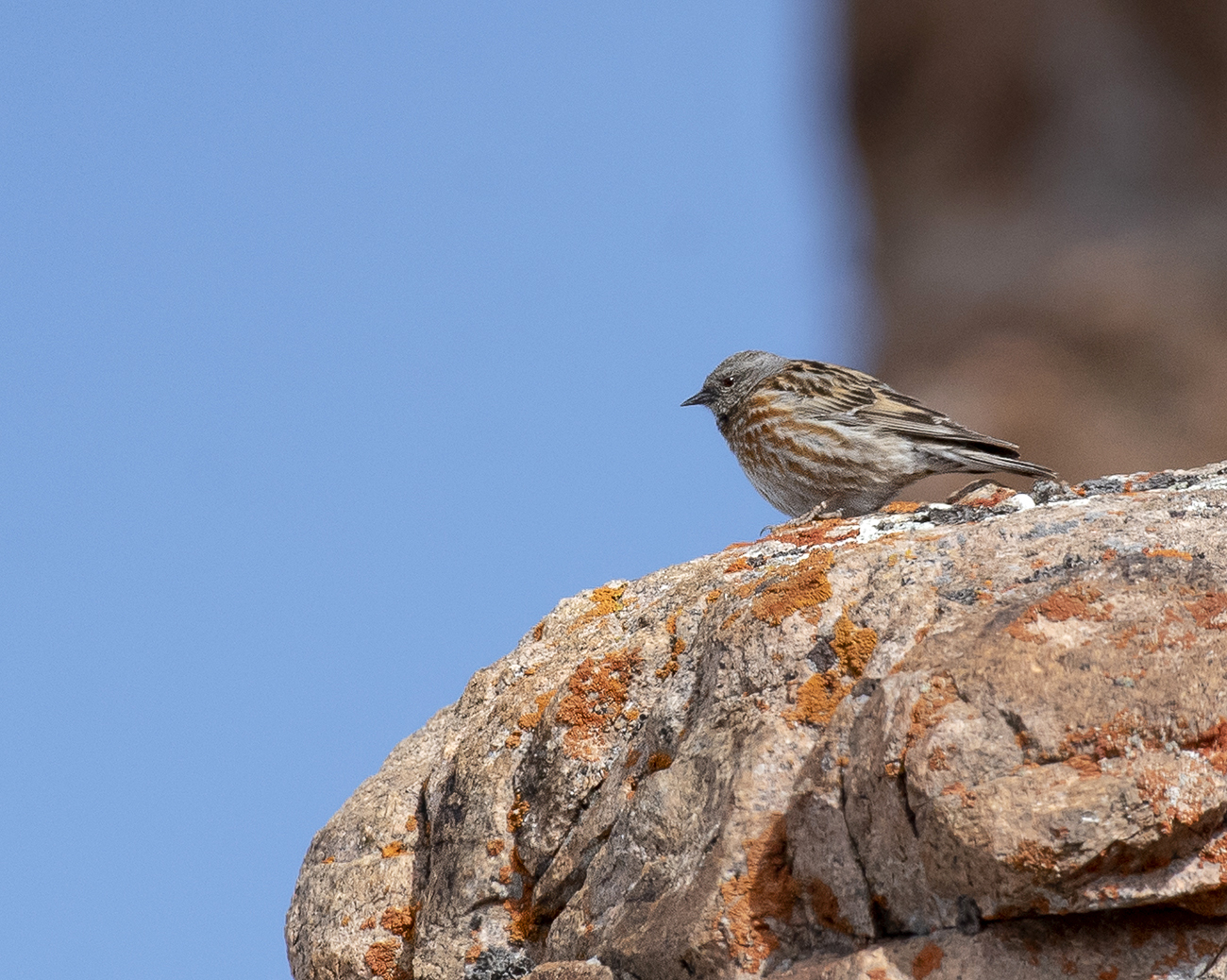
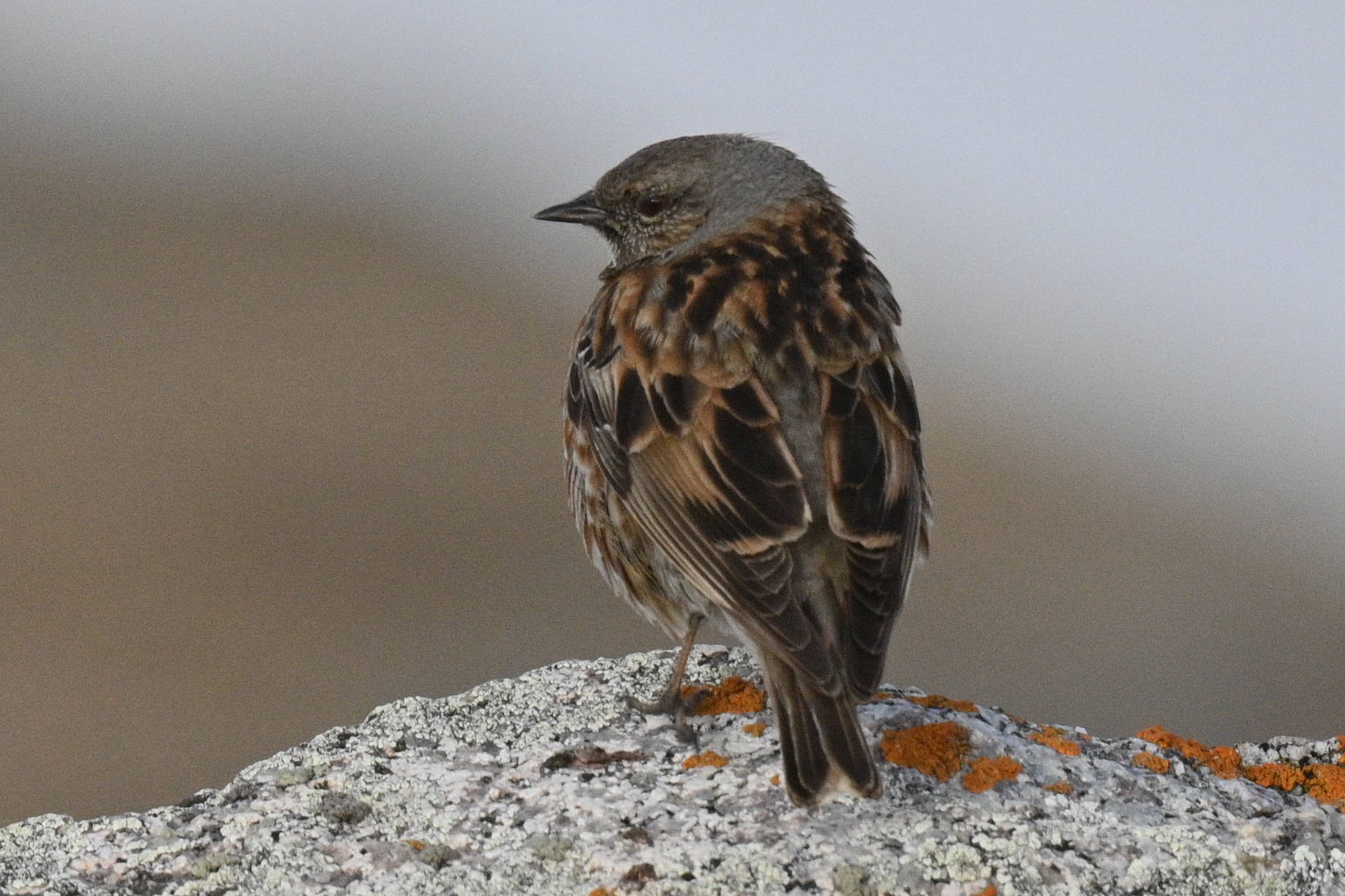
A relatively large accentor measuring 15-15.5 cm in length. It has a gray head with a white throat framed by black spots. The back and mantle are chestnut-brown with dark streaks, while the upperparts are a paler shade of brown. The wings are rusty brown with two distinct white wing bars. The underside is white with rusty red spots on the breast and flanks.
Distribution & Habitat
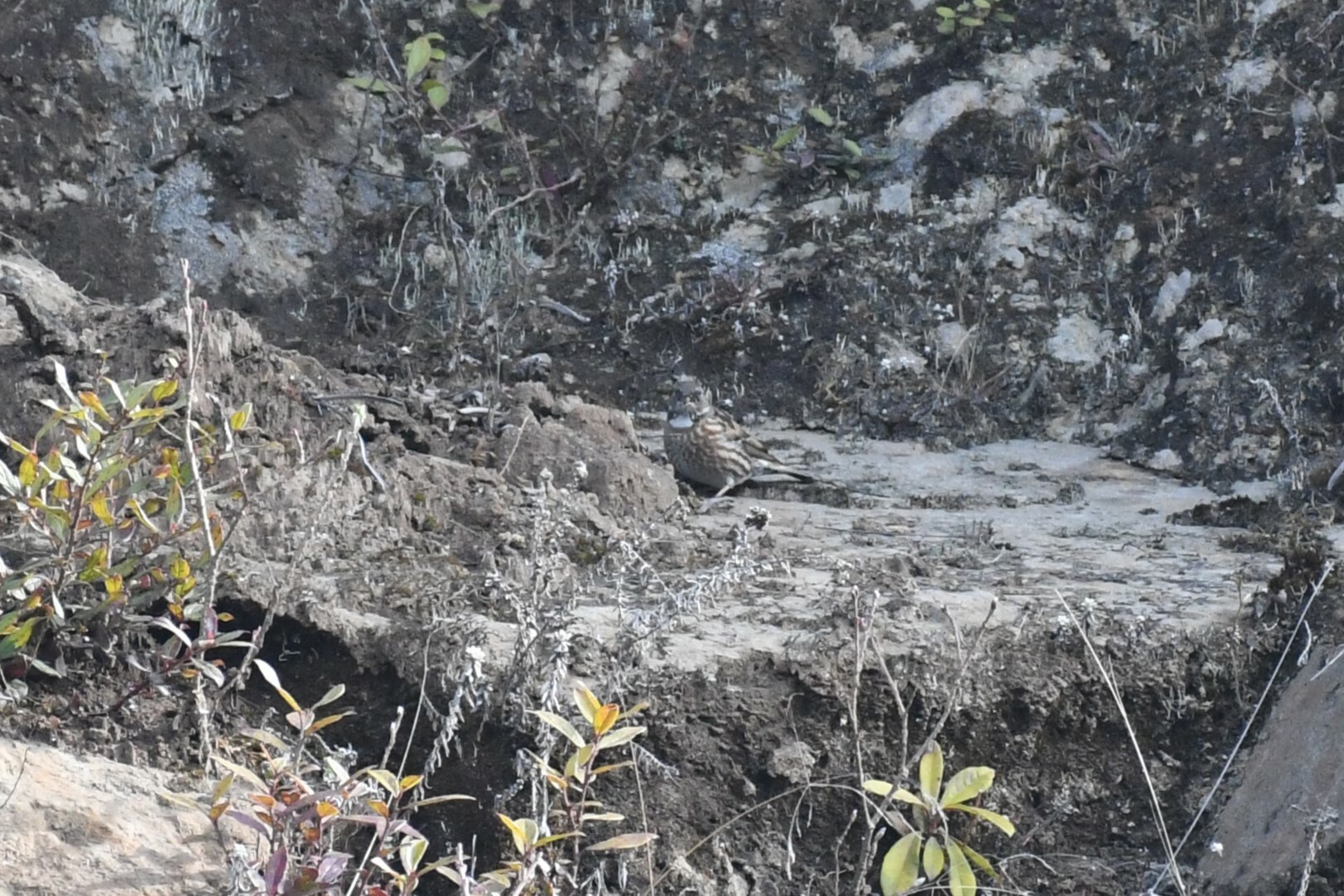
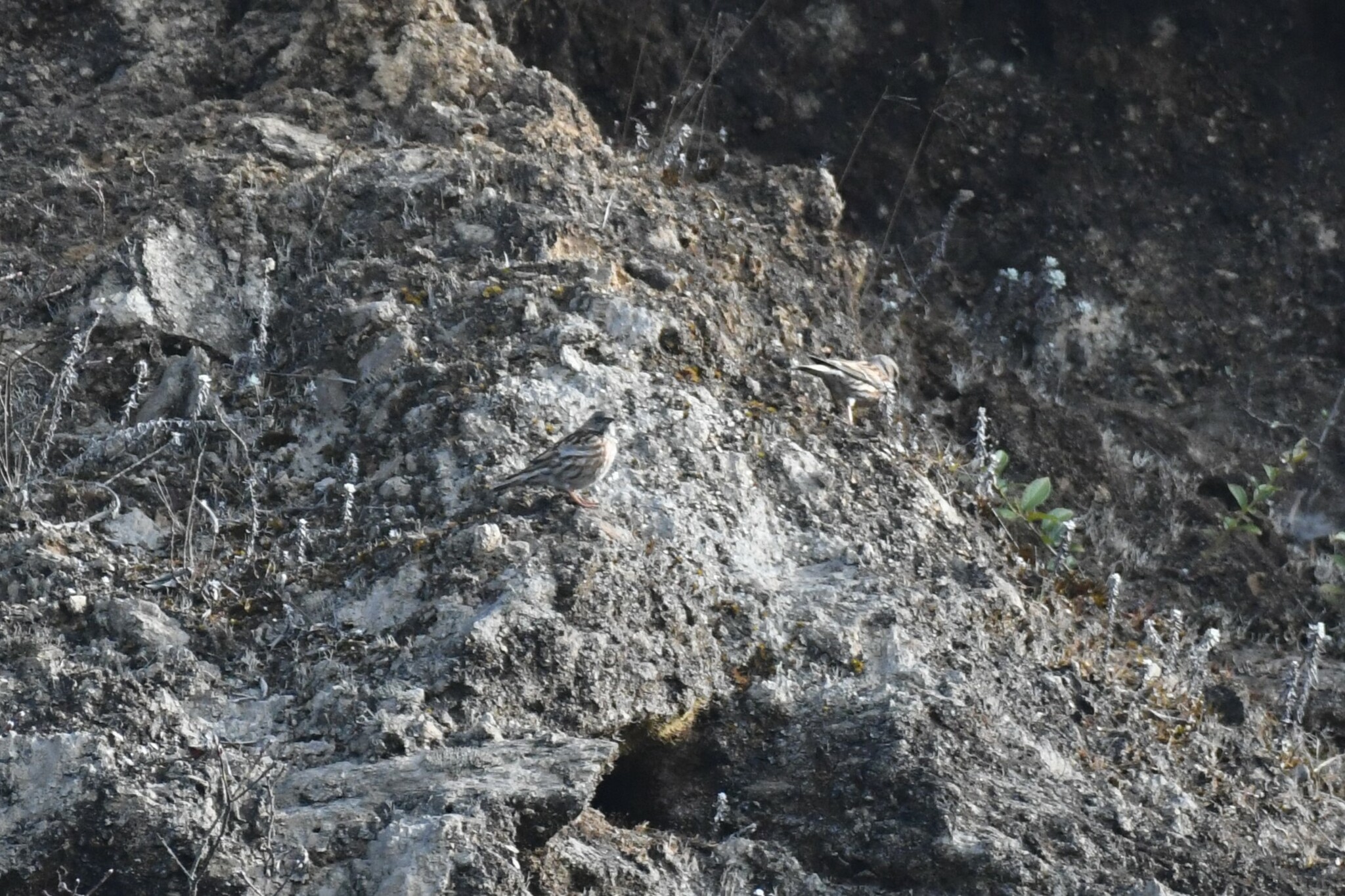
Breeds in mountainous regions from southern Russia (Altai eastward to mountains east of Lake Baikal) and northwestern Mongolia southward to the Tien Shan, Pamir, and northeastern Afghanistan. Outside the breeding season, it occurs in the Himalayan range with records extending eastward at least to Bhutan. Inhabits rocky alpine meadows at elevations from 2800 to 5000 meters.
Behavior & Ecology
During the breeding season (May to August), it primarily feeds on invertebrates and supplements its diet with berries in winter. It likely produces two broods annually. The article does not provide specific information about vocalizations or social behavior.
Conservation
Evaluated as Least Concern on the IUCN Red List. The species has an extensive range, a stable population trend, and a population size that is not believed to approach threatened levels.
Culture
No cultural significance or folklore information is provided in this article.
Source: Wikipedia · CC BY-SA 3.0
Taxonomy
- Order
- Passeriformes
- Family
- Prunellidae
- Genus
- Prunella
- eBird Code
- himacc1
Distribution
mountains of central Asia to Afghanistan, southern Tibet, and northwestern India
Data Sources
Species description from Wikipedia, licensed under CC BY-SA 3.0.
Bird images and sounds sourced from GBIF, contributed by citizen scientists worldwide under Creative Commons licenses.
Taxonomy data from AviList 2025.