Alpine Accentor
Prunella collaris
领岩鹨
Introduction
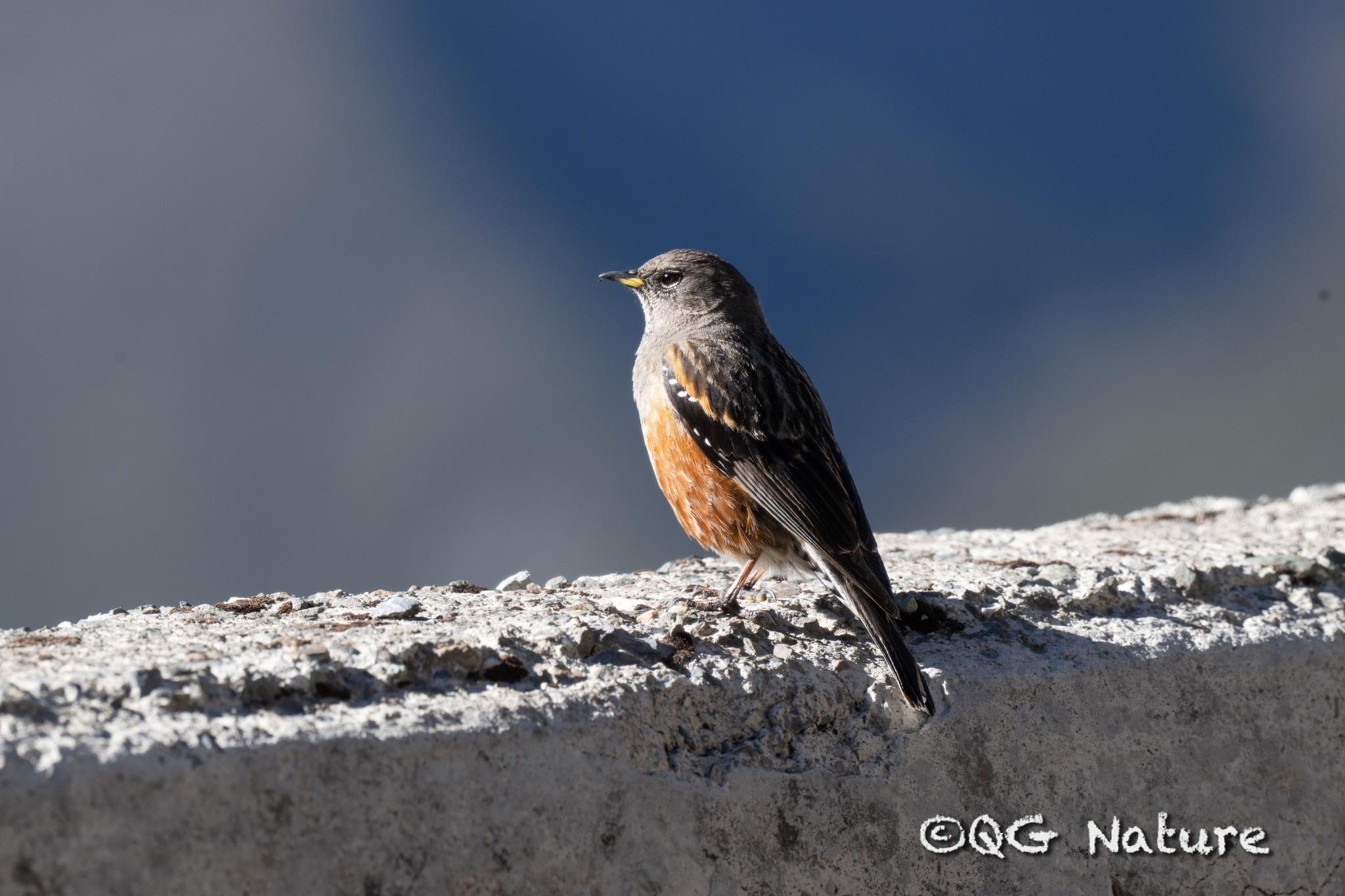
A passerine bird in the family Prunellidae, native to the mountains of Eurasia and North Africa. Inhabits bare mountain areas at elevations above 2,000 meters (6,600 feet) across southern temperate Europe, Lebanon, and Asia. Most distinctive for its socially polygynandrous mating system, where breeding groups consist of 3-4 unrelated males with 3-4 females, all mating promiscuously. The alpha male defends females from lower-ranking males, while DNA fingerprinting studies reveal mixed paternity within broods despite the female being the true mother.
Description
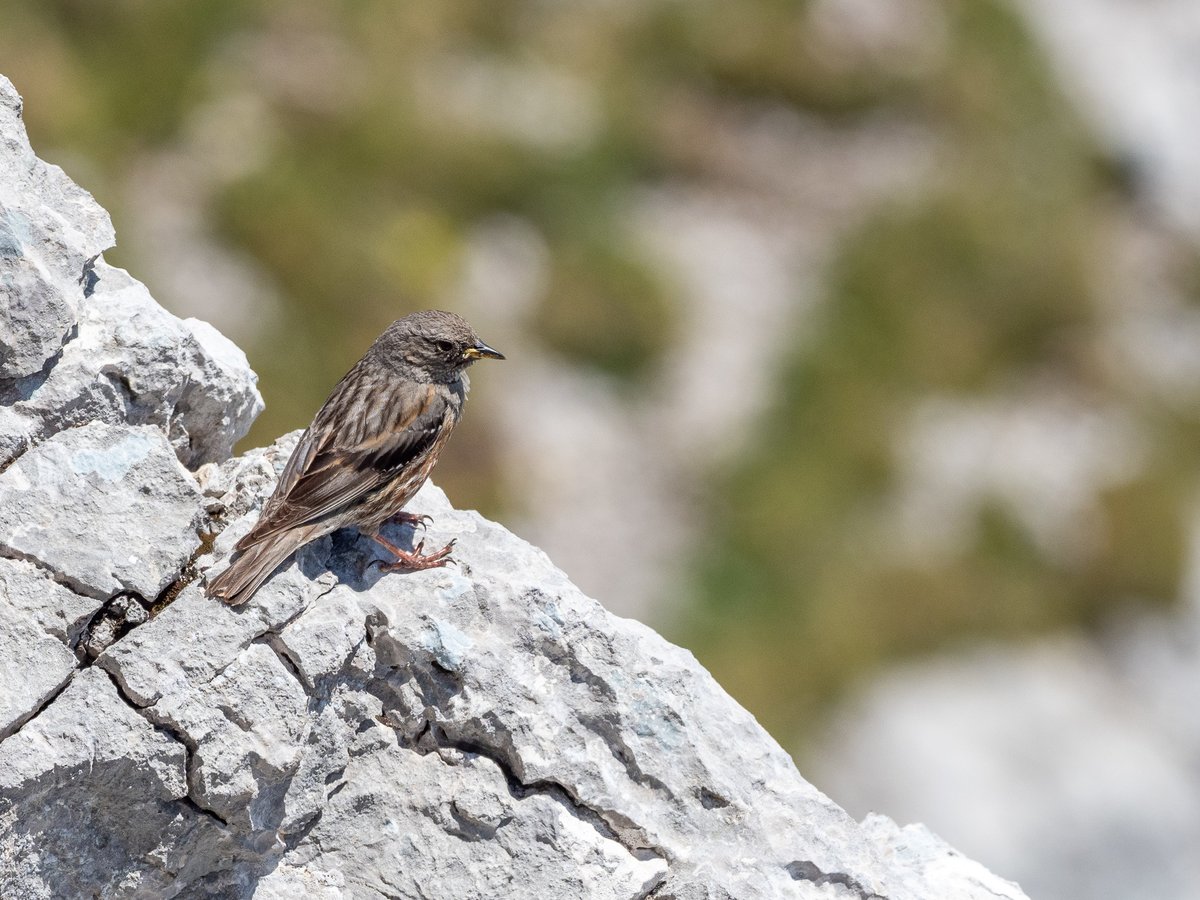
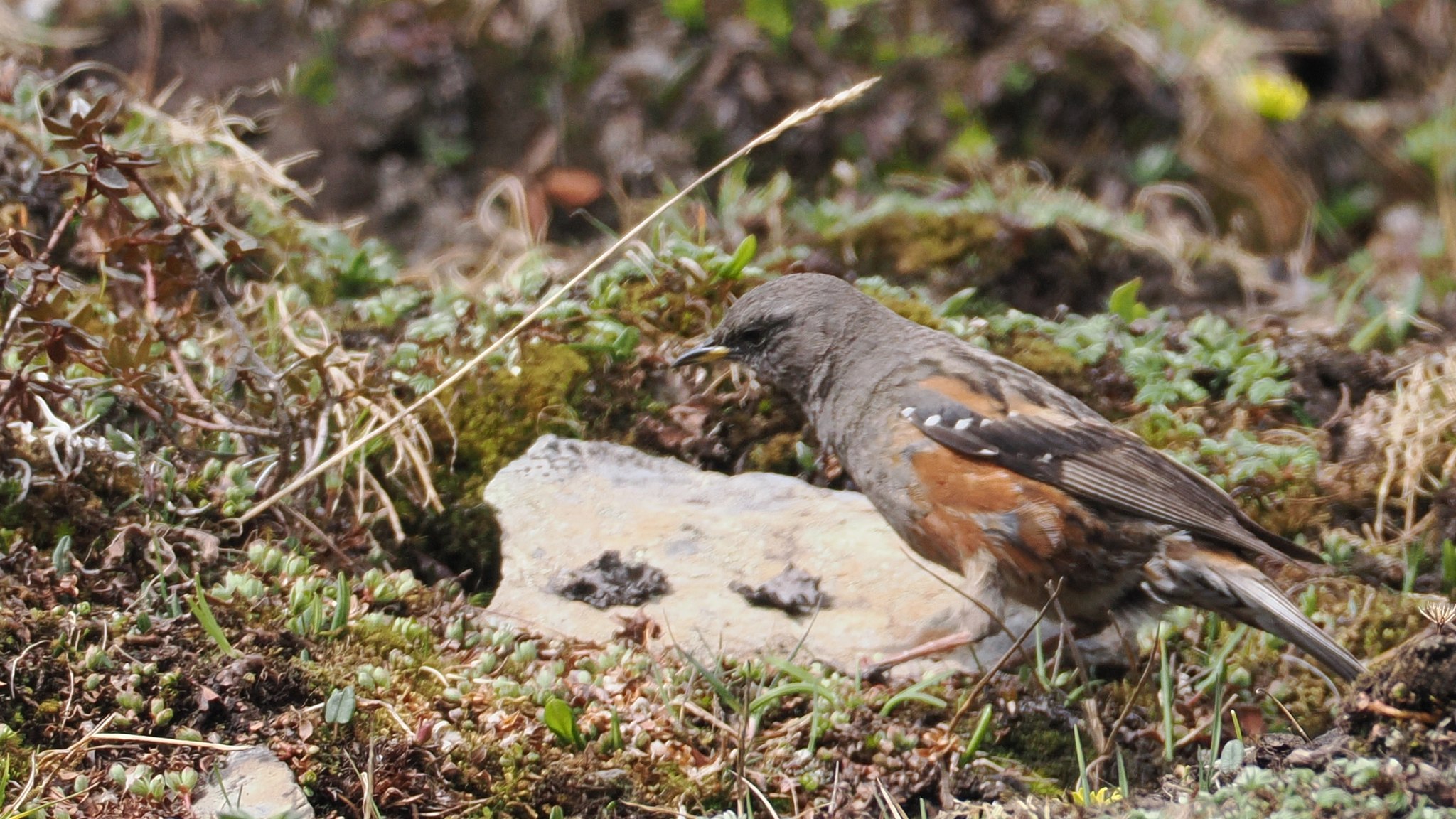
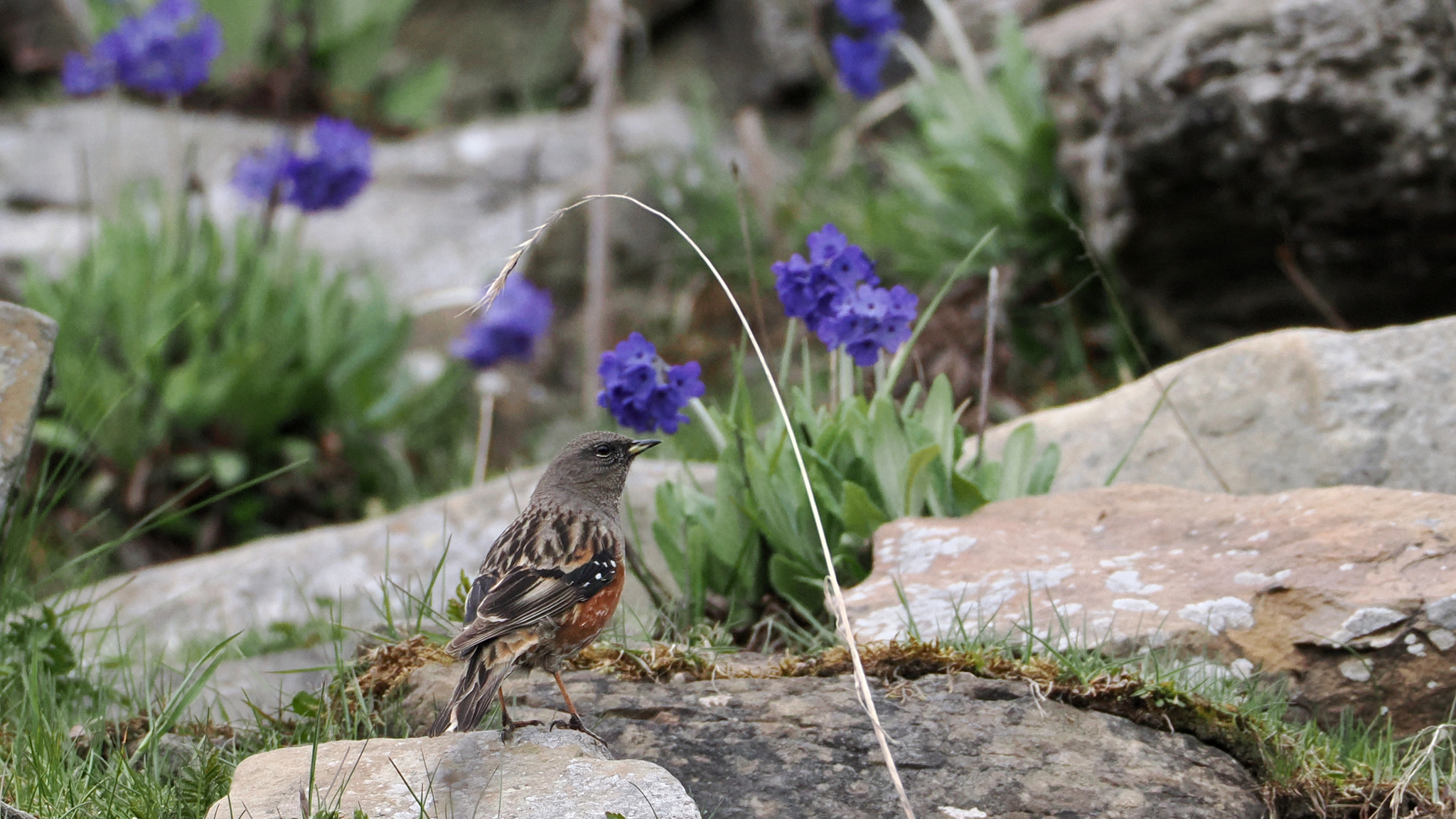
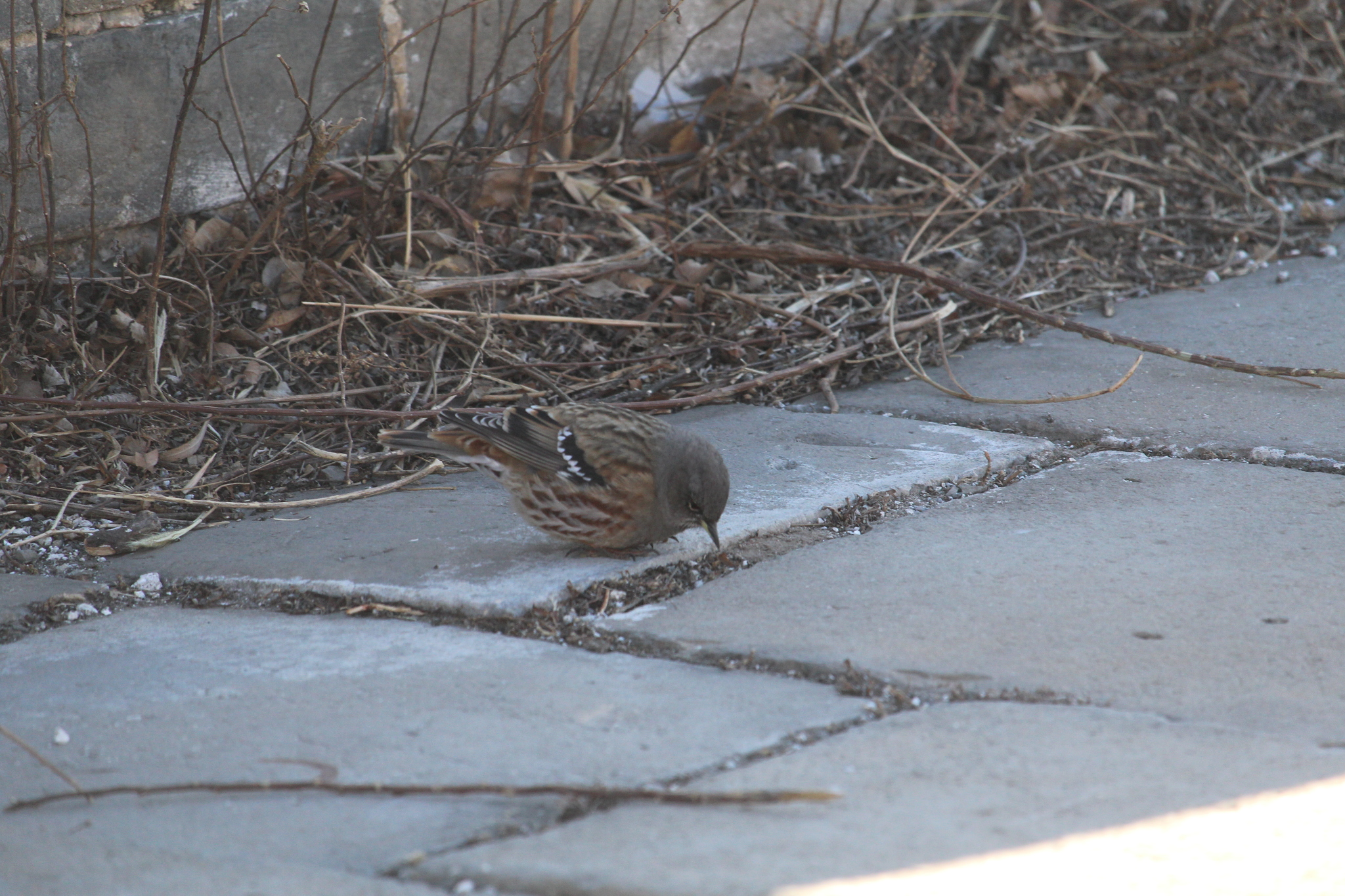
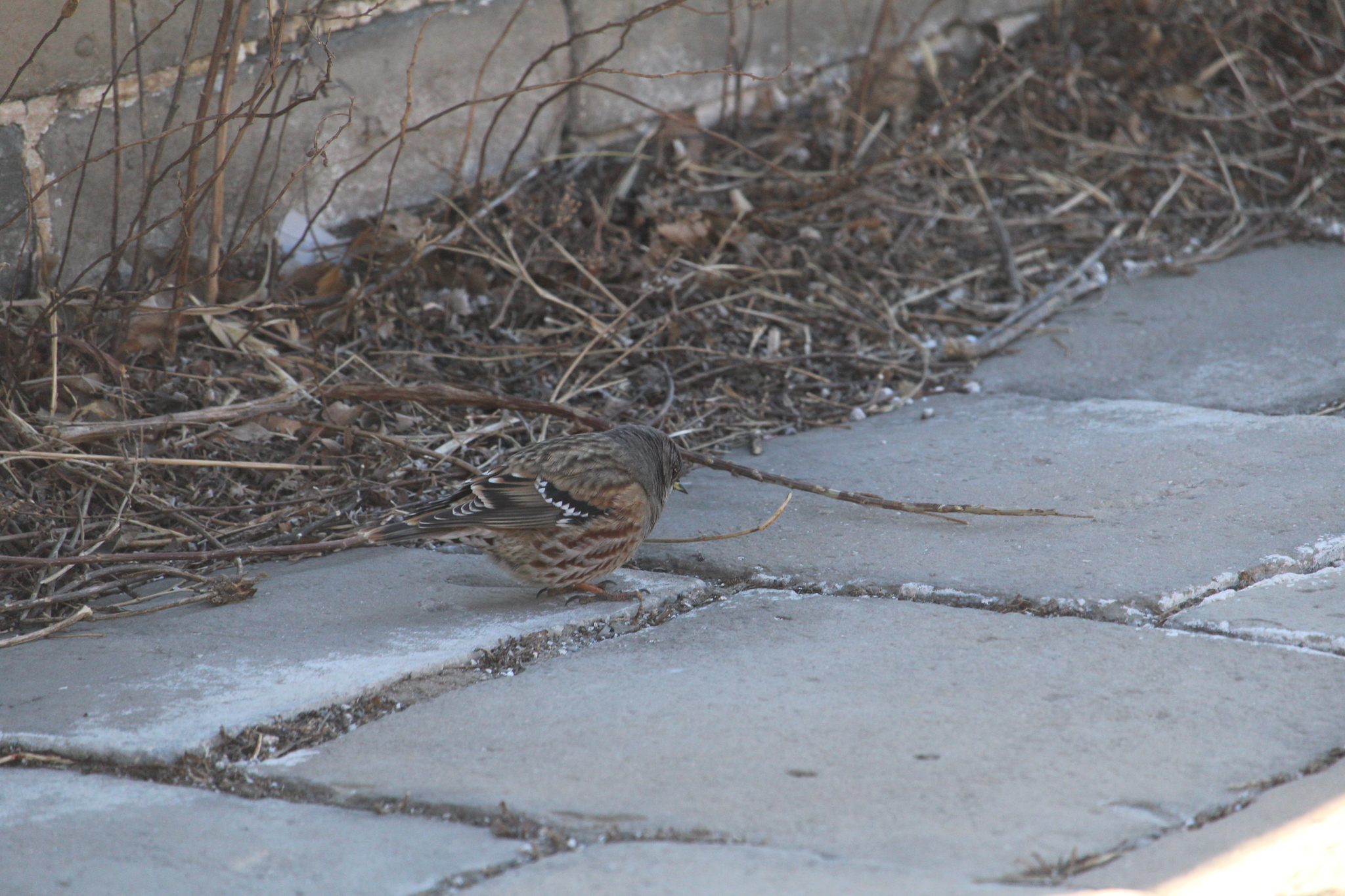
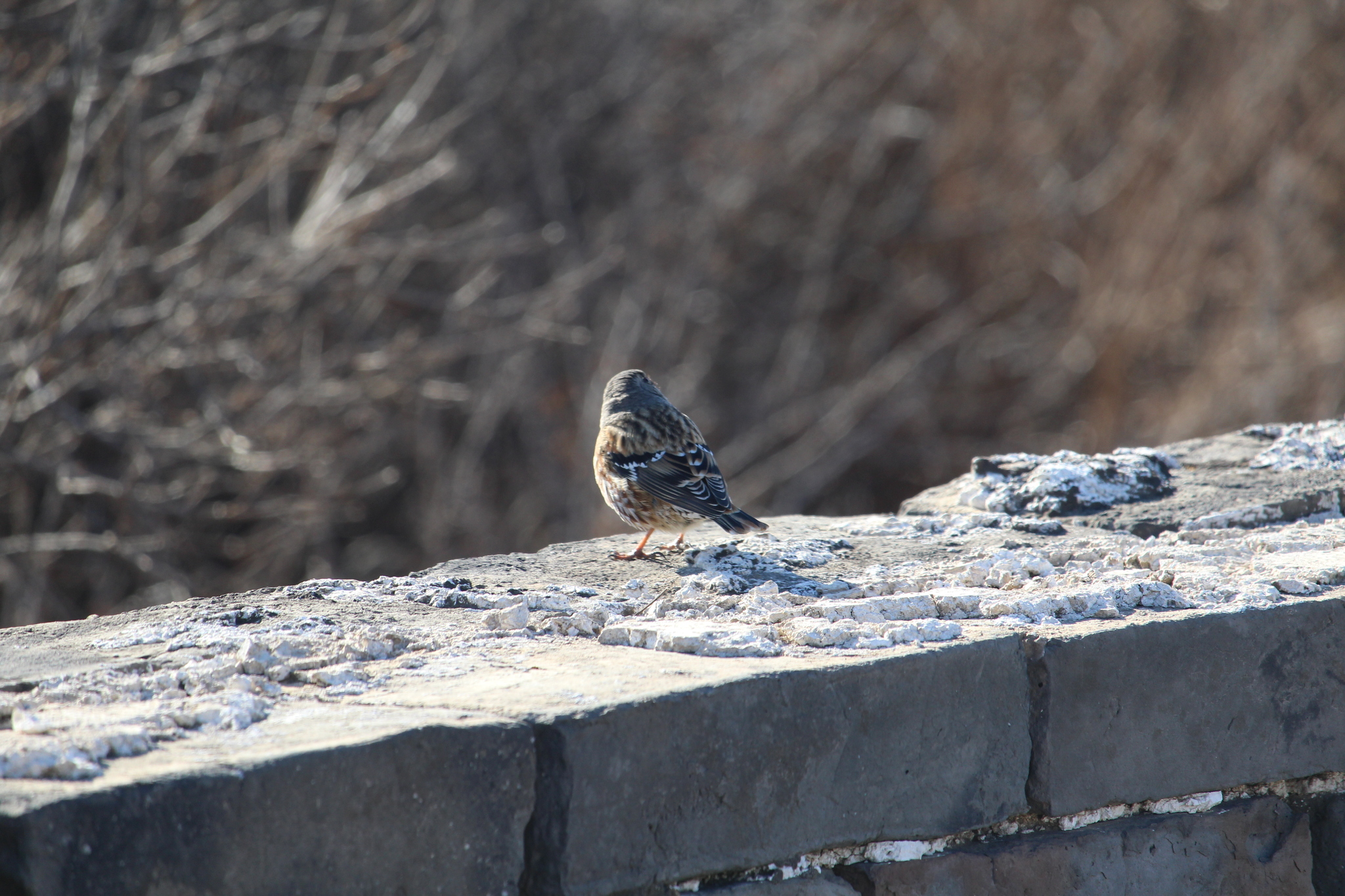
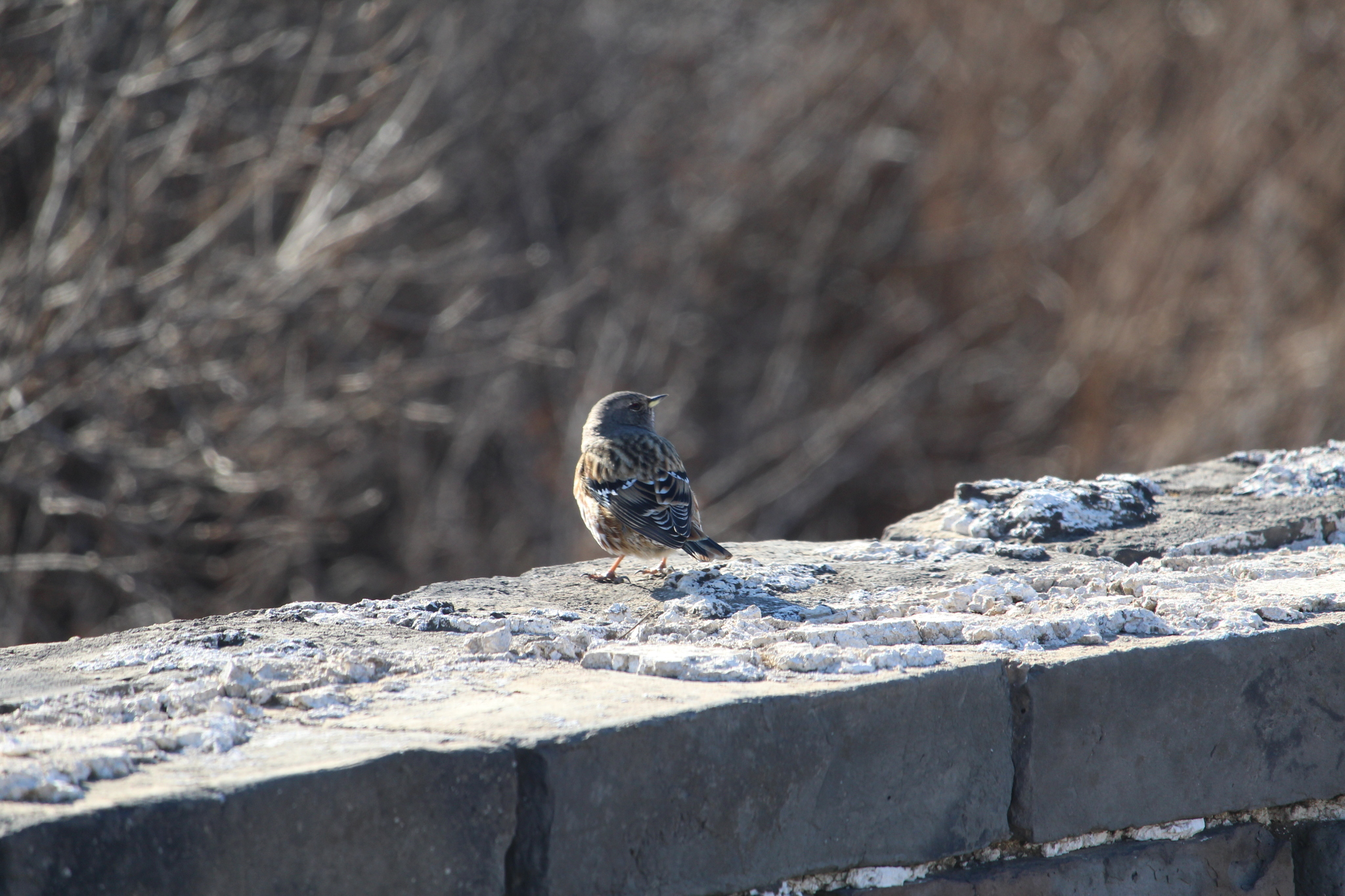
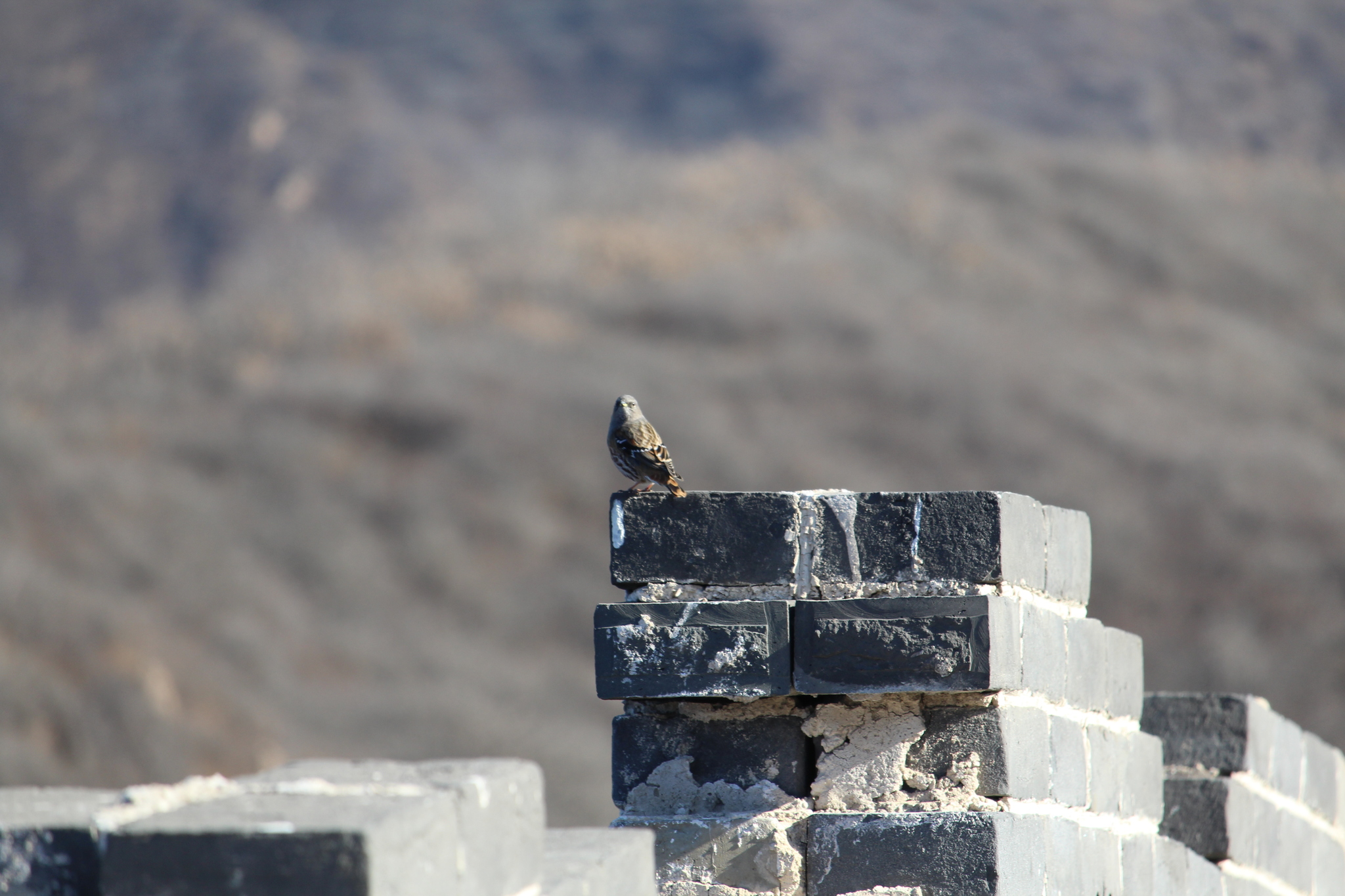
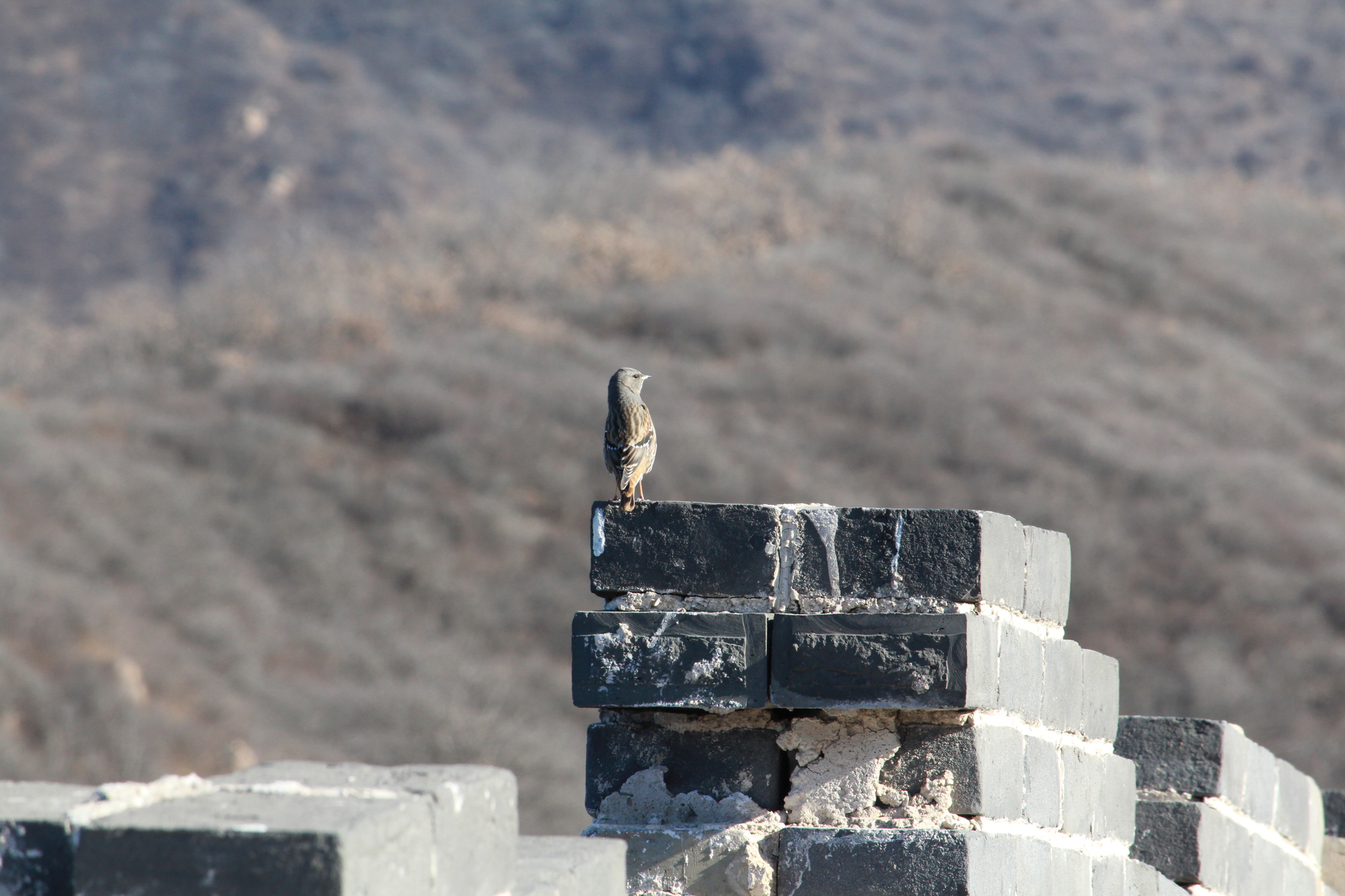
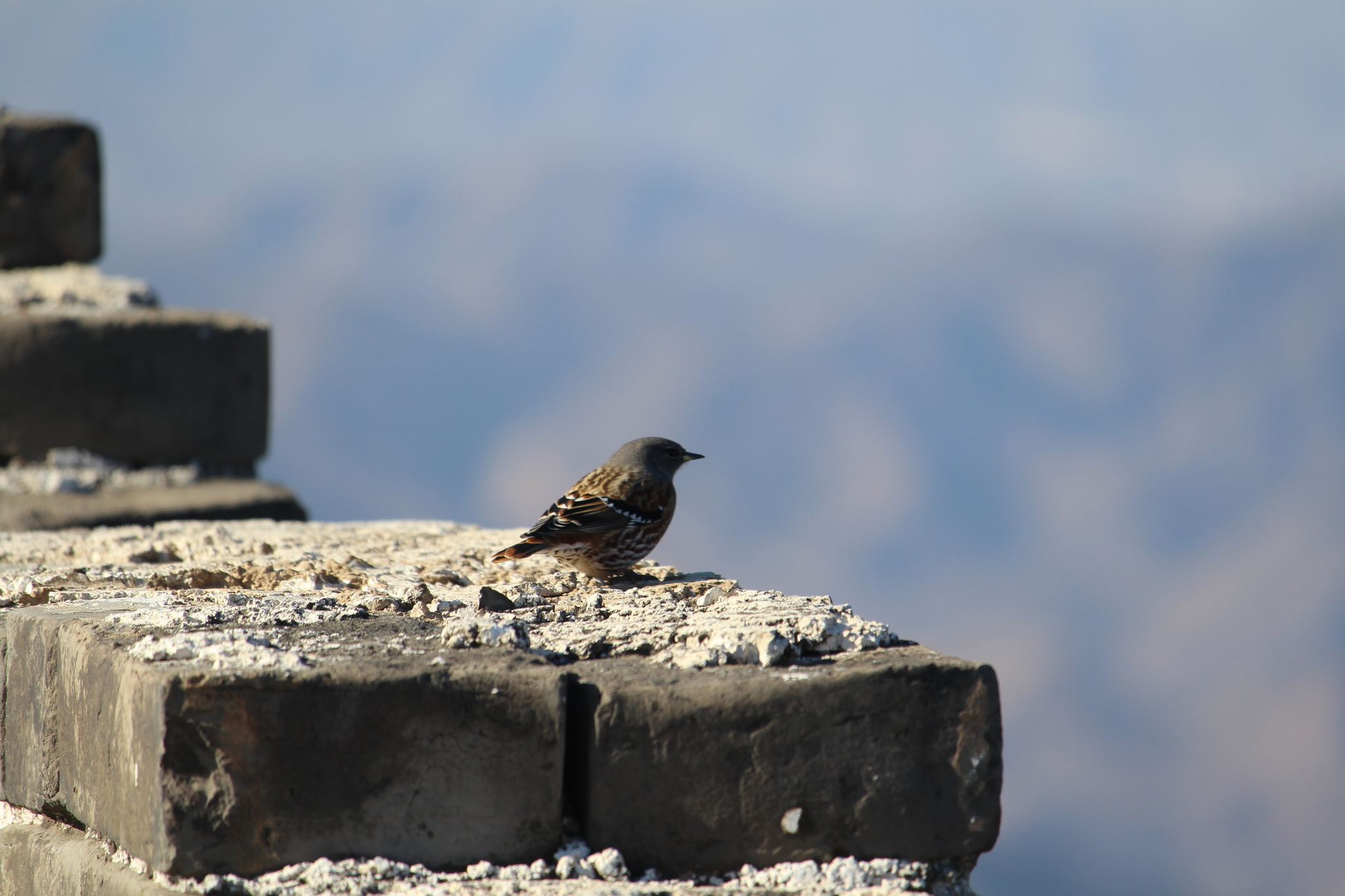
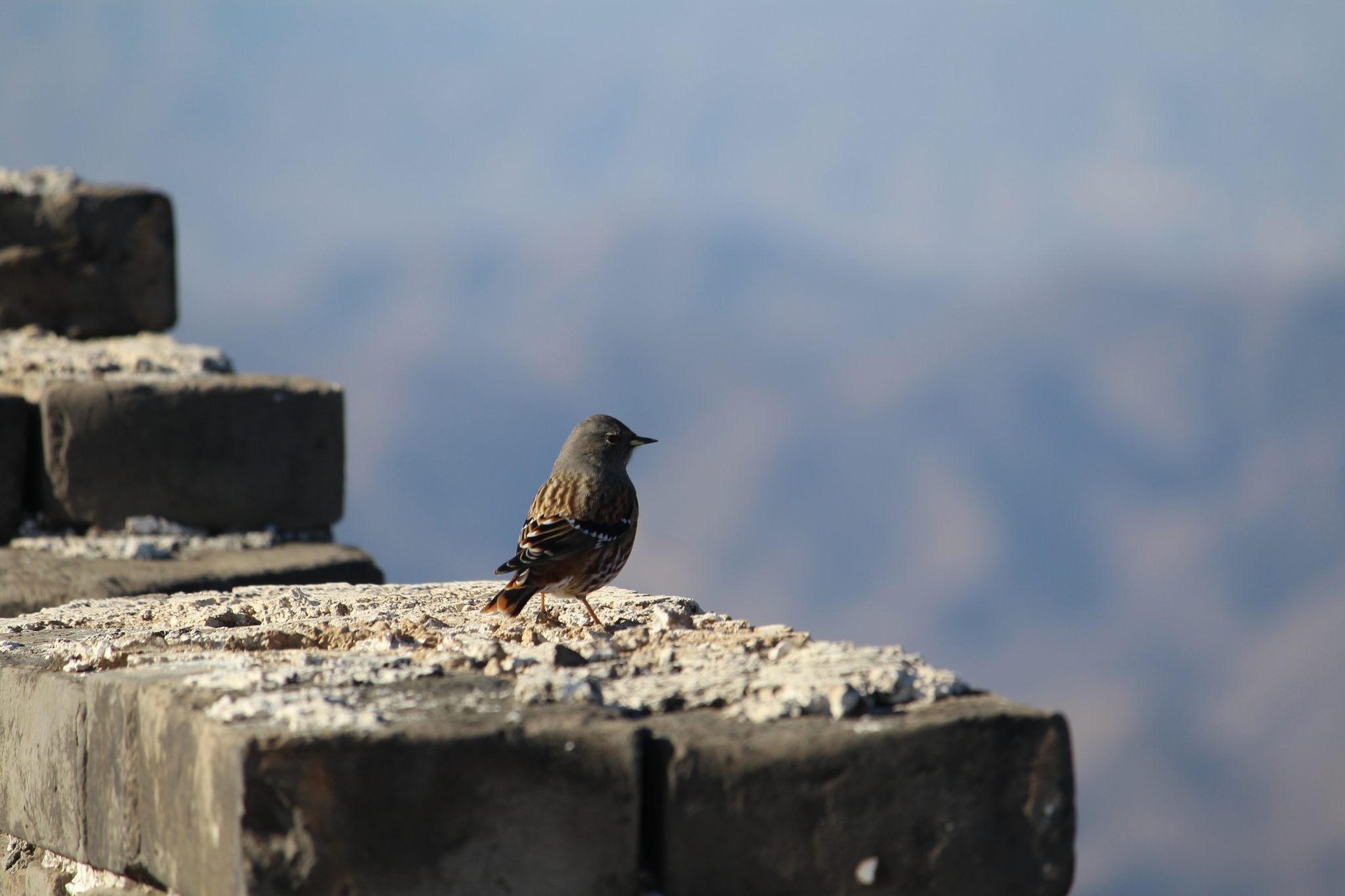
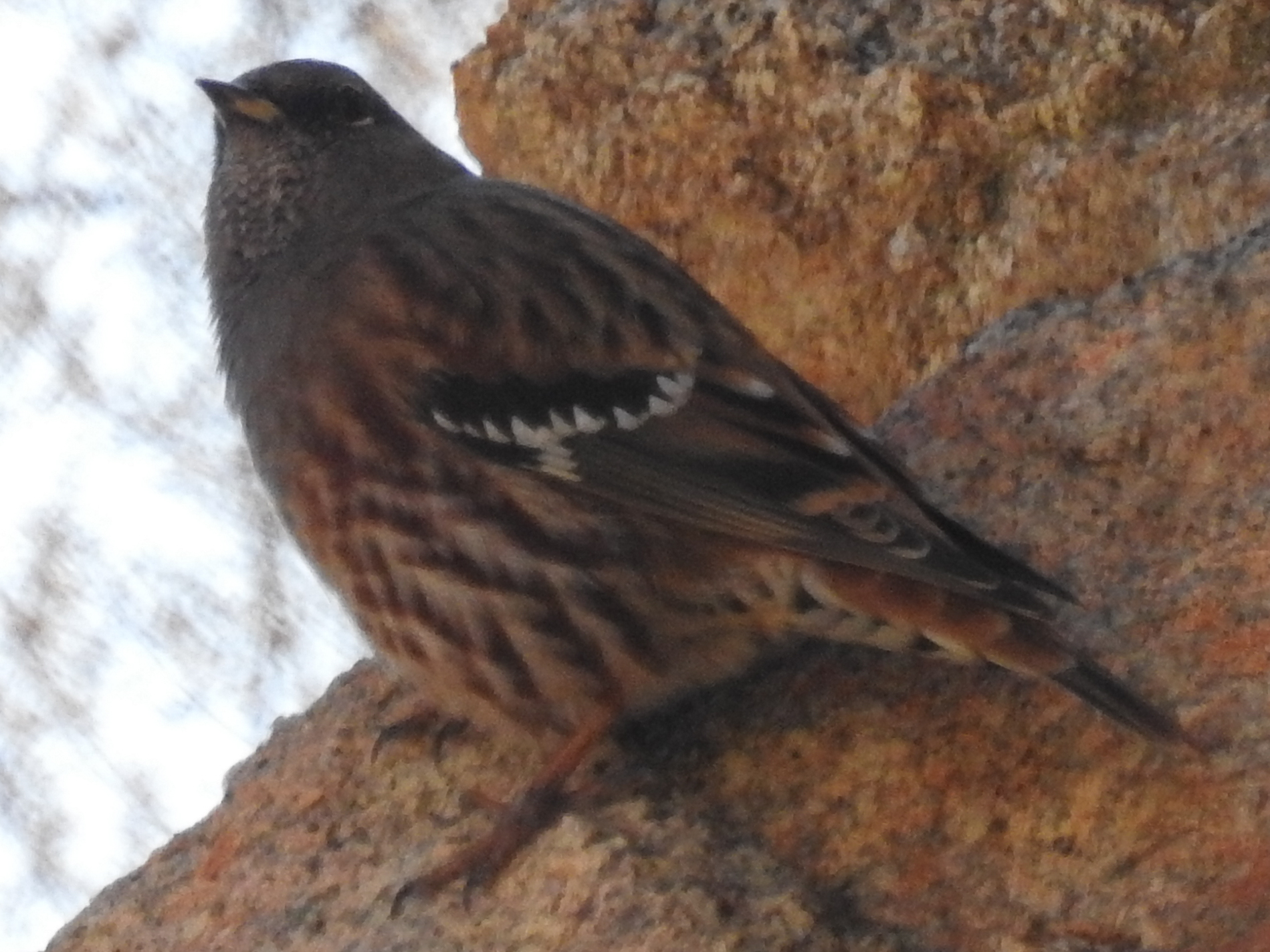
A robin-sized bird measuring 15-17.5 cm (5.9-6.9 inches) in length, slightly larger than the dunnock. The upperparts feature a streaked brown back reminiscent of a house sparrow, while adults possess an entirely grey head and red-brown spotting on the underparts. The bill is fine and pointed, typical of insectivores. Sexes appear similar, though males may show more contrasted plumage. Juveniles display browner coloration on the head and underparts compared to adults.
Identification
The streaked brown upperparts may initially suggest a house sparrow, but the all-grey head is diagnostic. Larger than the dunnock with which it shares its family. The combination of grey head, streaked brown back, and red-brown spotted underparts distinguishes it from similar species in mountain habitats. The fine pointed bill identifies it as an insectivore.
Distribution & Habitat
Occurs throughout the mountains of southern temperate Europe, Lebanon, and Asia at elevations above 2,000 meters (6,600 feet). Inhabits bare mountain terrain with scattered low vegetation. The species is mainly resident but winters at lower latitudes. Some individuals wander as rare vagrants, with records as far west as Great Britain. Nine subspecies are recognized across its range, from southwest Europe and northwest Africa east through Central Asia to Japan and Taiwan.
Behavior & Ecology
Feeds on insects and seeds foraging on the ground or in vegetation. Builds a neat nest low in bushes or rock crevices, laying 3-5 unspotted sky-blue eggs. The mating system is highly unusual: home ranges contain breeding groups of 3-4 males with 3-4 unrelated females in a socially polygynandrous arrangement. Males follow a dominance hierarchy, with alpha males typically older. Females mate with all males, while males provide food to chicks only at nests where they likely sired the offspring. Vocalizations include thin, high-pitched calls typical of accentors.
Conservation
No specific conservation assessment or population data is provided in the source material.
Culture
The genus name Prunella derives from the German Braunelle, meaning dunnock, a diminutive of braun (brown). The word 'accentor' comes from post-classical Latin, meaning a person who sings with another. No additional cultural significance or folklore is documented in the source.
Source: Wikipedia · CC BY-SA 3.0
Taxonomy
- Order
- Passeriformes
- Family
- Prunellidae
- Genus
- Prunella
- eBird Code
- alpacc1
Vocalizations
Subspecies (9)
-
Prunella collaris collaris
northwestern Africa; mountains of western and central Europe, southward to Italy, Slovenia, and northeastern Serbia and eastward to the Carpathian Mountains
-
Prunella collaris erythropygia
Altai Mountains to northern China, Sea of Okhotsk, Korea, and Japan
-
Prunella collaris fennelli
mountains of Taiwan
-
Prunella collaris montana
Caucasus Mountains to northern Iraq and southern Iran
-
Prunella collaris nipalensis
eastern Himalayas to southwestern China (eastern Xinjiang to northern Yunnan) and southeastern Tibet
-
Prunella collaris rufilata
Tajikistan to northern Afghanistan, western China (western Xinjiang), and southeastern Tibet
-
Prunella collaris subalpina
mountains of southeastern Europe to Crete and western Türkiye
-
Prunella collaris tibetana
northwestern China (northern Xinjiang, southern Qinghai, and Gansu) to eastern Tibet
-
Prunella collaris whymperi
western Himalayas (Kashmir to Garhwal and Kumaon)
Data Sources
Species description from Wikipedia, licensed under CC BY-SA 3.0.
Bird images and sounds sourced from GBIF, contributed by citizen scientists worldwide under Creative Commons licenses.
Taxonomy data from AviList 2025.