Black-throated Accentor
Prunella atrogularis
黑喉岩鹨
Introduction
A small passerine bird belonging to the genus Prunella. Found in the Ural, Tian Shan and Altai Mountains. Migratory species that winters in Afghanistan and neighboring countries. A rare vagrant in western Europe. Characterized by its black crown, face patch and throat in adults, and its dunnock-like size. Builds nests low in spruce thickets. Currently assessed as Least Concern by the IUCN Red List due to its extensive range and stable population.
Description
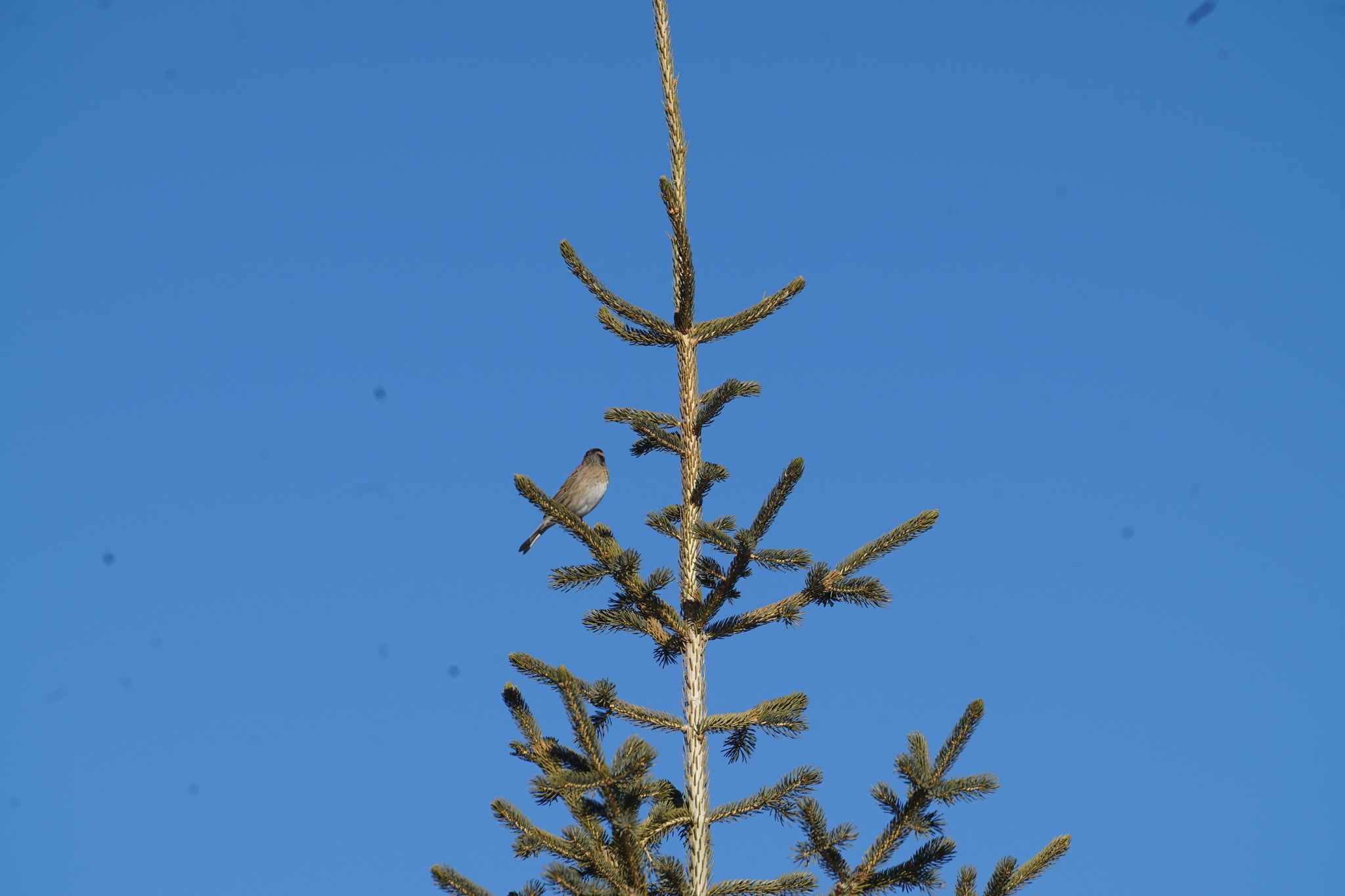
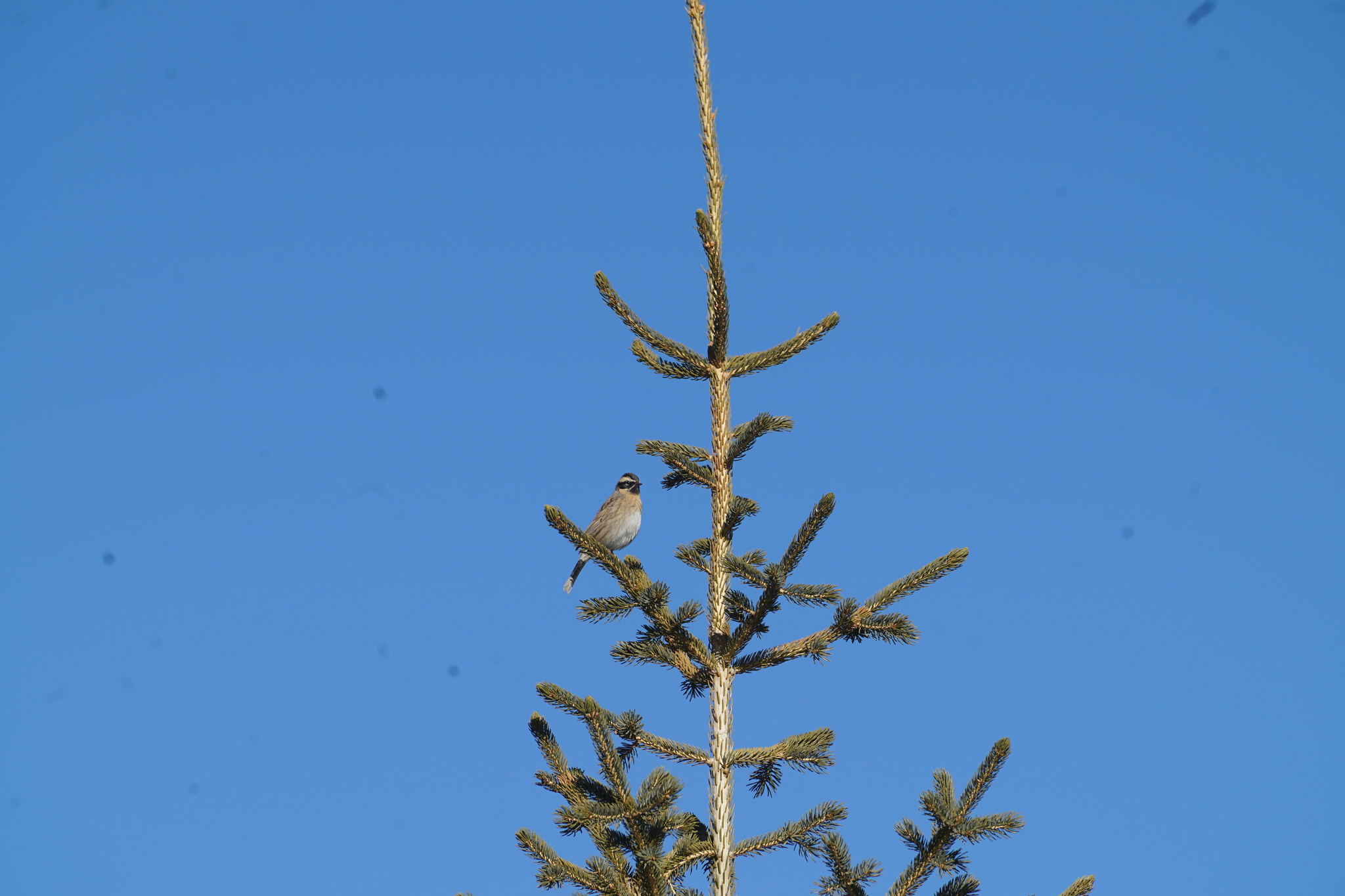
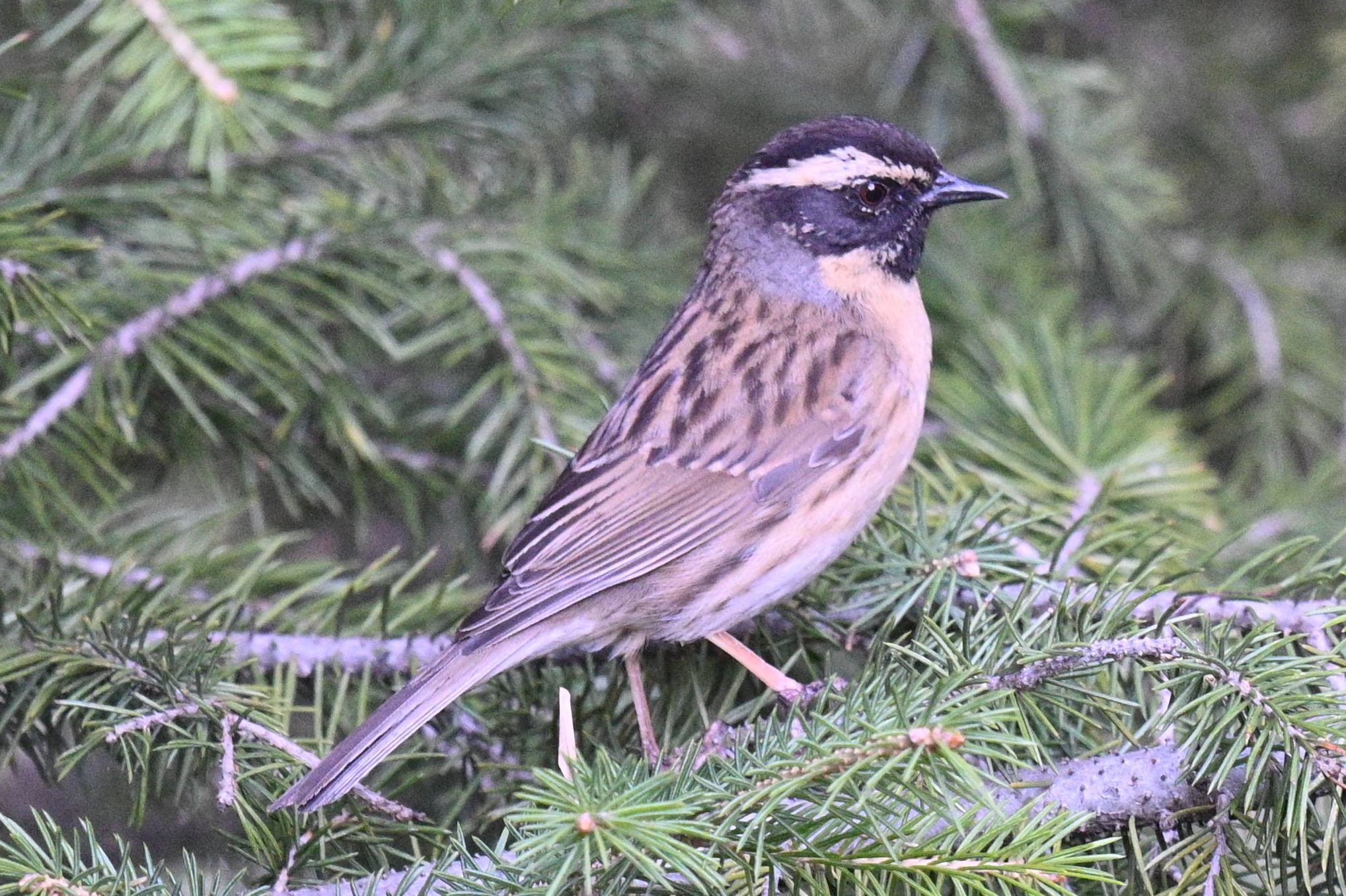
A small bird measuring 13.5-14 centimetres in length, similar in size to a dunnock. Has a streaked dark brown back resembling a house sparrow. Adults display a distinctive black crown, face patch and throat, with a white supercilium above the eye. The breast is orange, while the belly is white with orange stripes. Possesses the fine pointed bill typical of insectivores. Sexes are similar in appearance, though winter birds and juveniles show less contrast, with the dark throat potentially almost absent in young individuals.
Identification
Dunnock-sized bird with distinctive adult plumage featuring black crown, face patch and throat. The streaked dark brown upperparts may suggest a house sparrow at first glance, but the black facial and throat markings are diagnostic. The white supercilium and orange breast and belly stripes provide additional identification clues. Juveniles and winter birds are less contrasted, with the dark throat reduced or almost absent. Call is a fine ti-ti-ti, and the song resembles the dunnock's pleasant twittering.
Distribution & Habitat
Breeds in the Ural, Tian Shan and Altai Mountains across Russia and Central Asia. The subspecies P. a. atrogularis breeds in the northern and central Ural Mountains and winters in eastern Iran, Turkmenistan, Uzbekistan, Afghanistan and the southwestern Indian subcontinent. The subspecies P. a. huttoni breeds from the Altai Mountains south to the Tian Shan and Pamir Mountains, migrating southwest to south Asia in winter. Habitat includes spruce thickets for breeding and scrub or cultivation areas in winter.
Behavior & Ecology
Insectivore with a fine pointed bill. Breeding season involves building a neat nest positioned low in spruce thickets. Lays 3-5 unspotted blue eggs. Social behavior includes wintering in scrub or cultivation areas. Vocalizations consist of a fine ti-ti-ti call and a pleasant twittering song similar to that of the dunnock.
Conservation
Assessed as Least Concern on the IUCN Red List. This assessment is based on the species' extensive geographic range, stable population trend, and population size that does not approach threatened thresholds. No significant population declines or major threats have been identified that would warrant a higher conservation concern category.
Culture
No cultural significance or folklore information documented for this species.
Source: Wikipedia · CC BY-SA 3.0
Taxonomy
- Order
- Passeriformes
- Family
- Prunellidae
- Genus
- Prunella
- eBird Code
- bltacc1
Subspecies (2)
-
Prunella atrogularis atrogularis
breeds northern Ural Mountains; winters to Afghanistan and Iran
-
Prunella atrogularis huttoni
breeds central Asia, from south-central Russia (Altai Mountains) and western China to Tajakistan; winters to Pakistan and northeastern India
Data Sources
Species description from Wikipedia, licensed under CC BY-SA 3.0.
Bird images and sounds sourced from GBIF, contributed by citizen scientists worldwide under Creative Commons licenses.
Taxonomy data from AviList 2025.