Spotted Crake
Porzana porzana
斑胸田鸡
Introduction
Small waterbird of the family Rallidae. Breeds in marshes and sedge beds across temperate Europe into western Asia, nesting in dry locations within marsh vegetation. Migratory species wintering in Africa and Pakistan. The Western European population has declined significantly in recent decades, making it a very rare breeding bird in Great Britain. Protected under the Agreement on the Conservation of African-Eurasian Migratory Waterbirds (AEWA).
Description
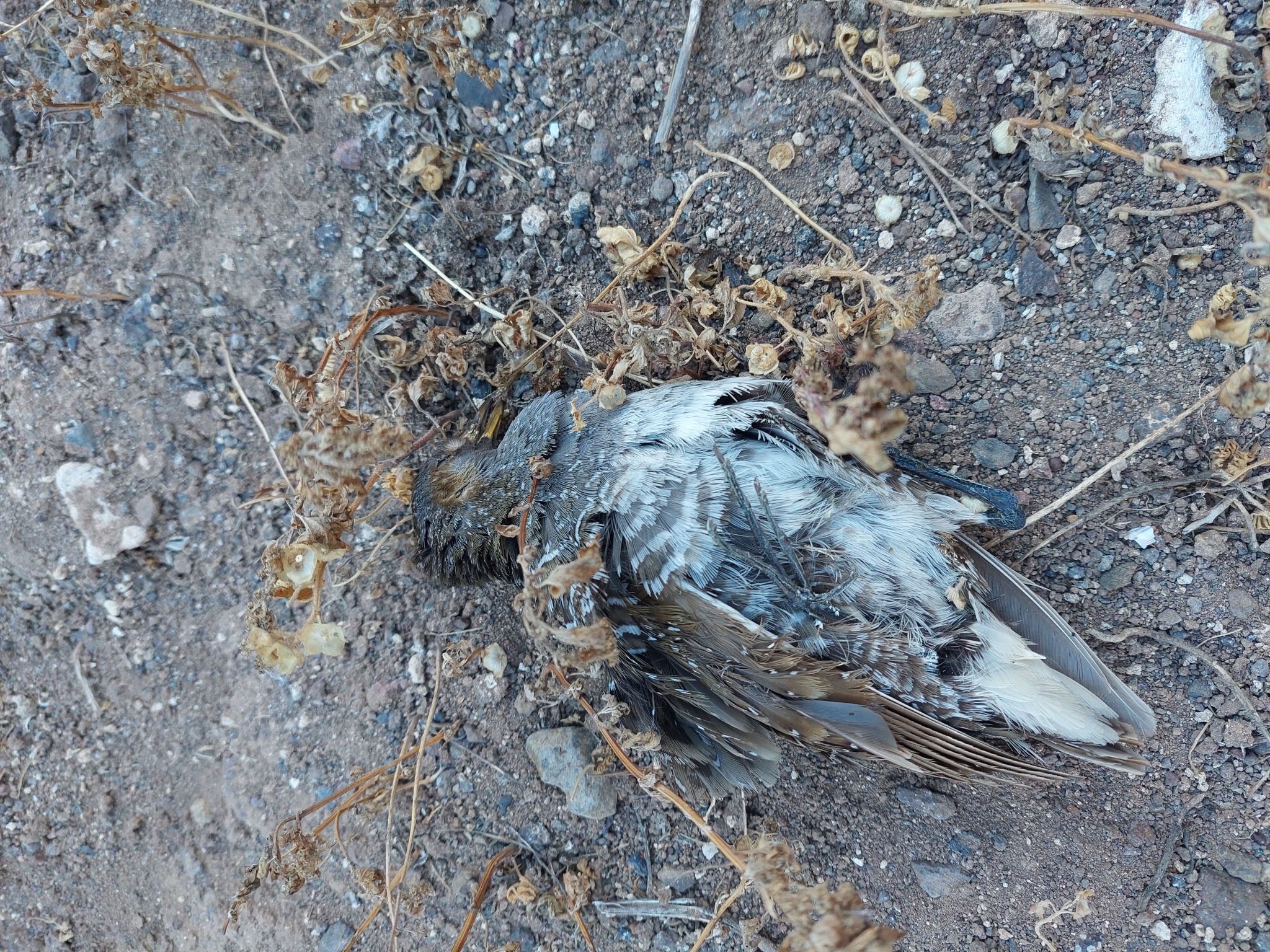
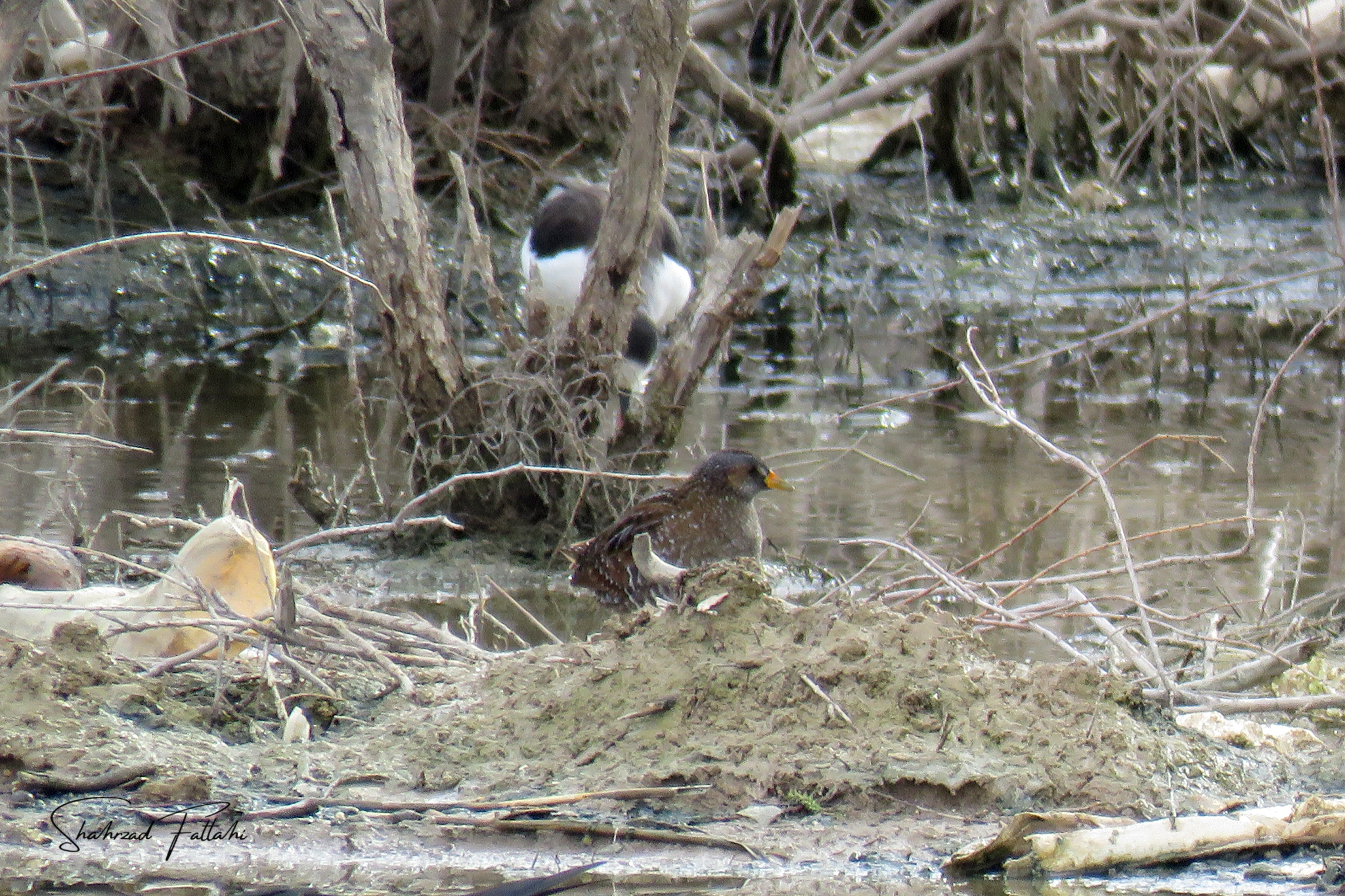
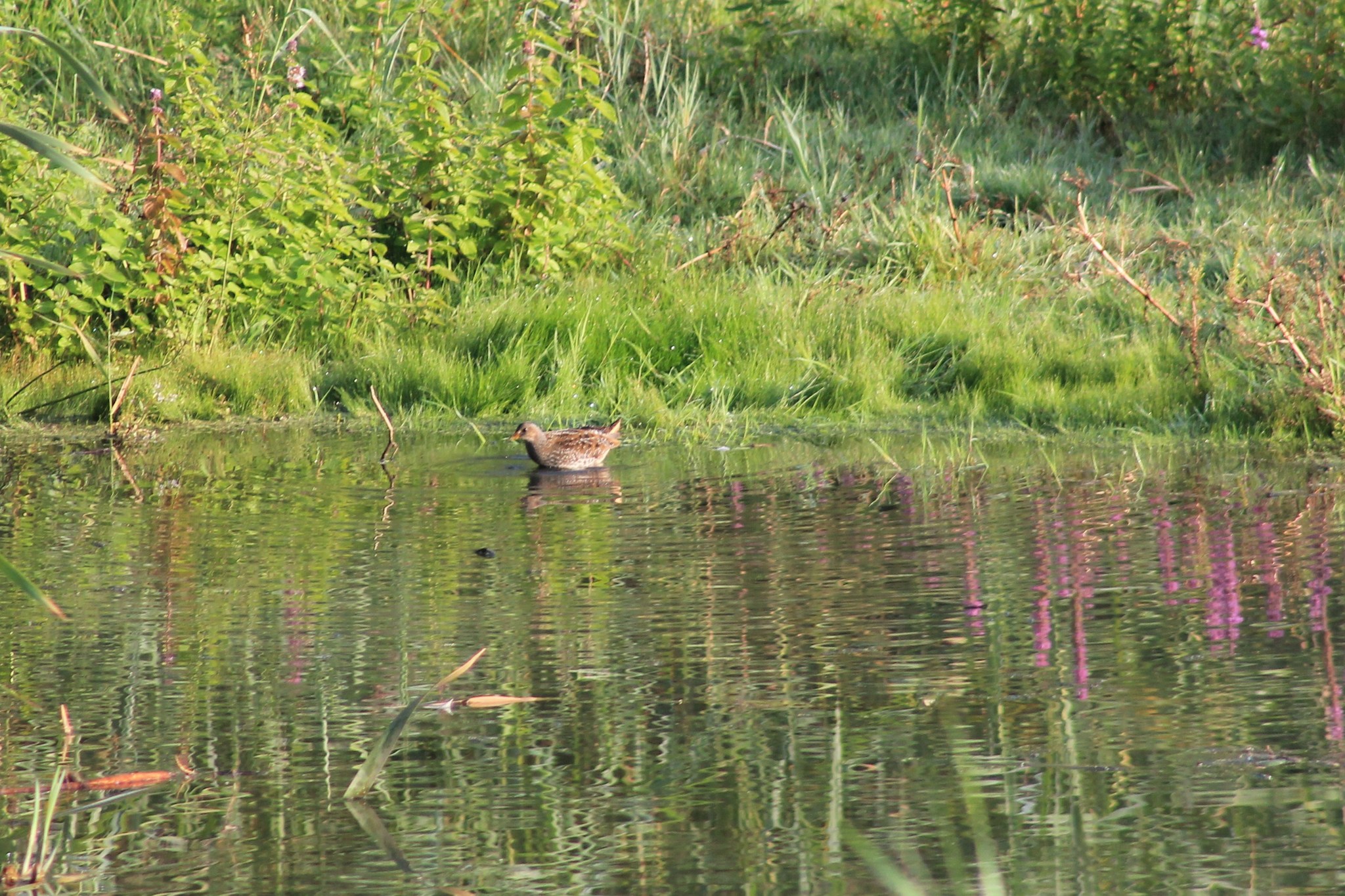
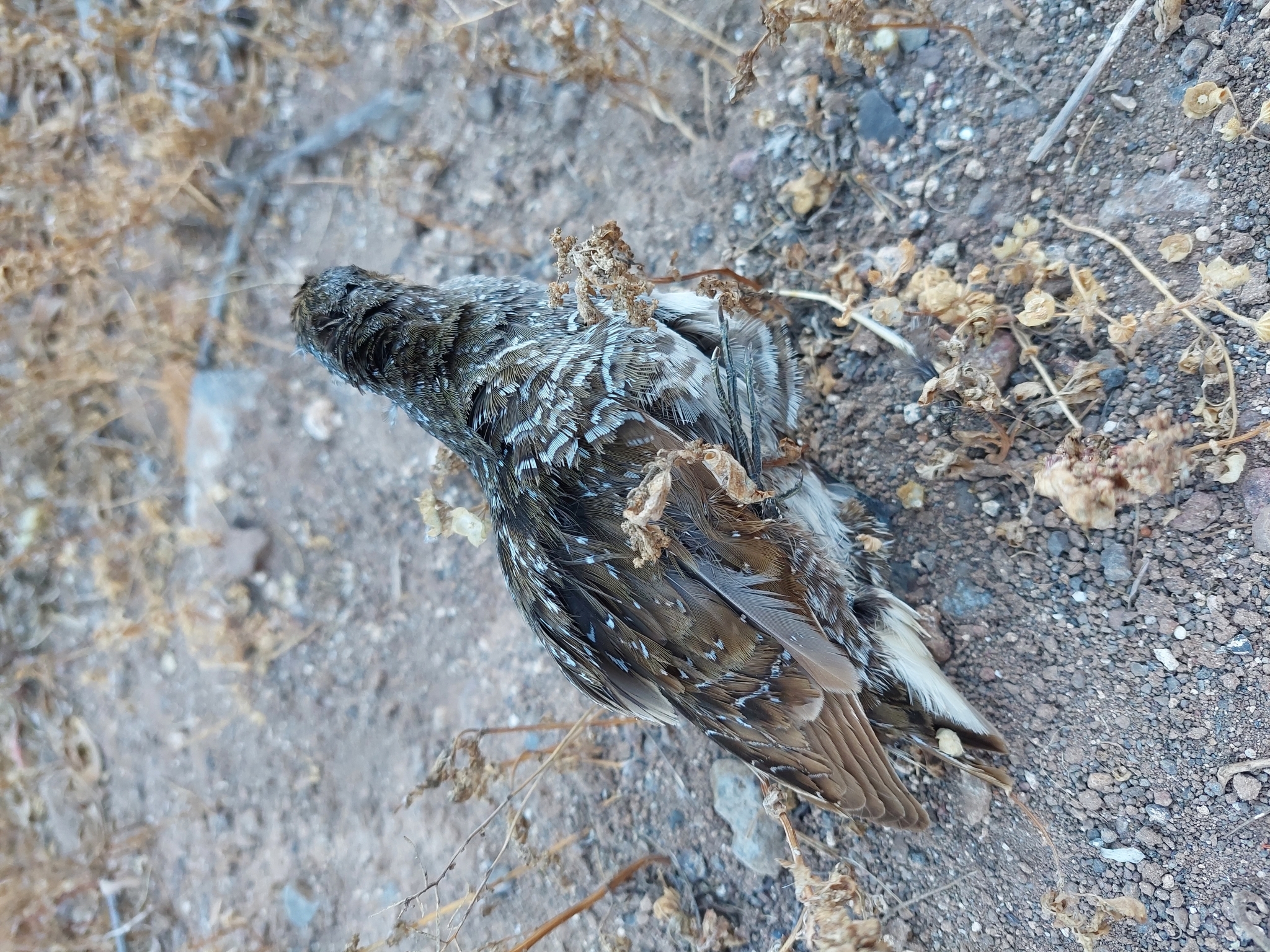
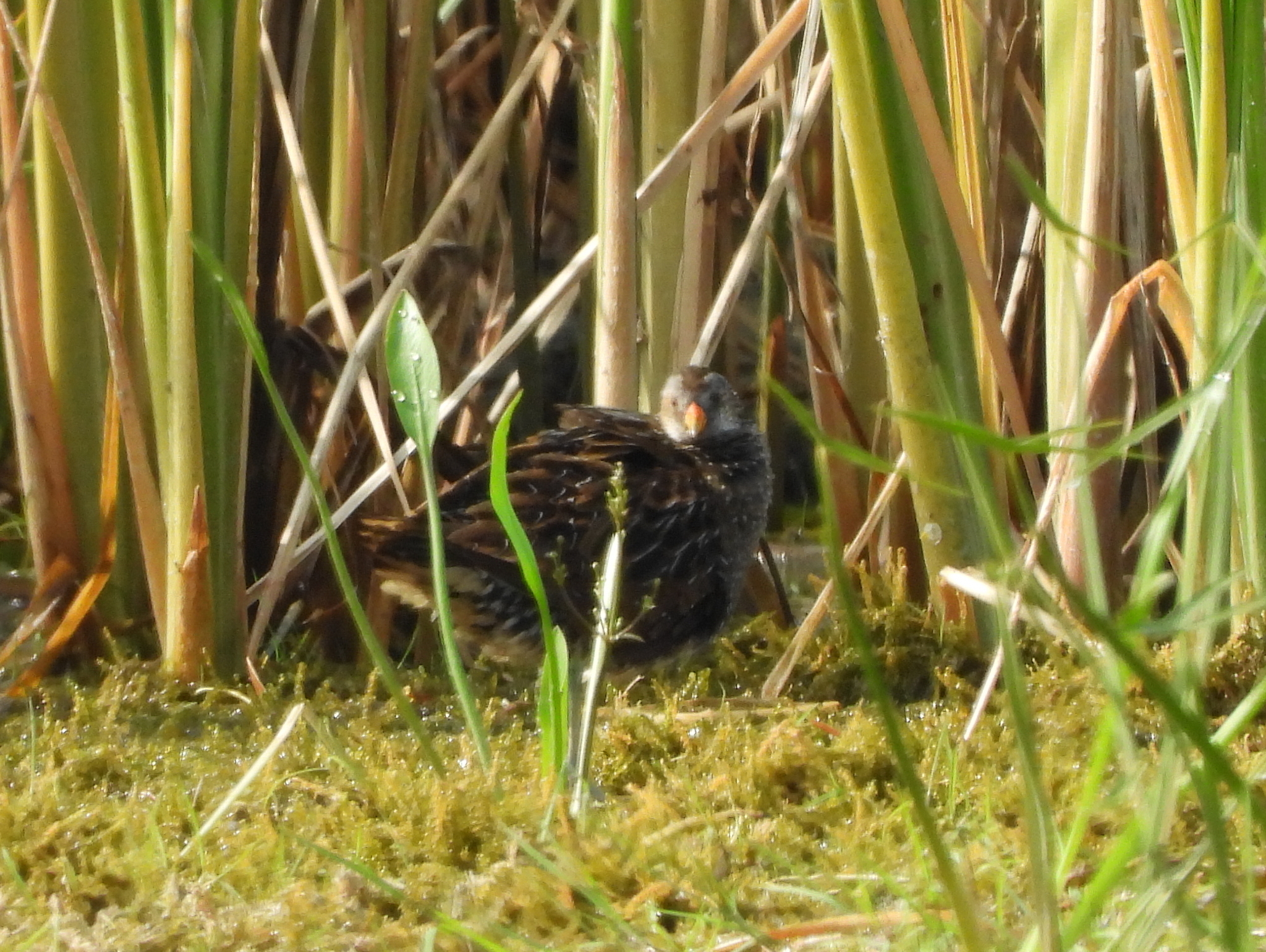
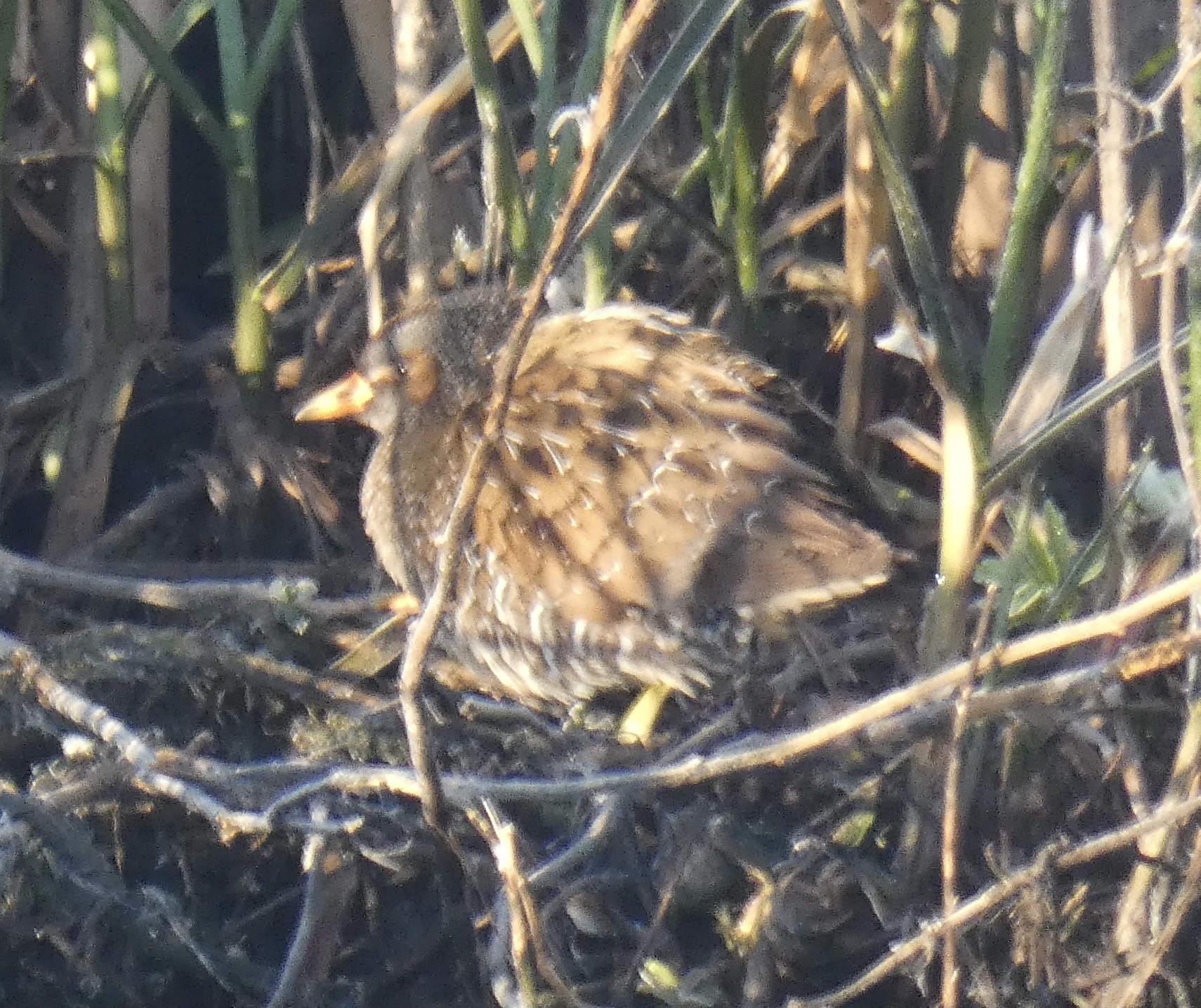
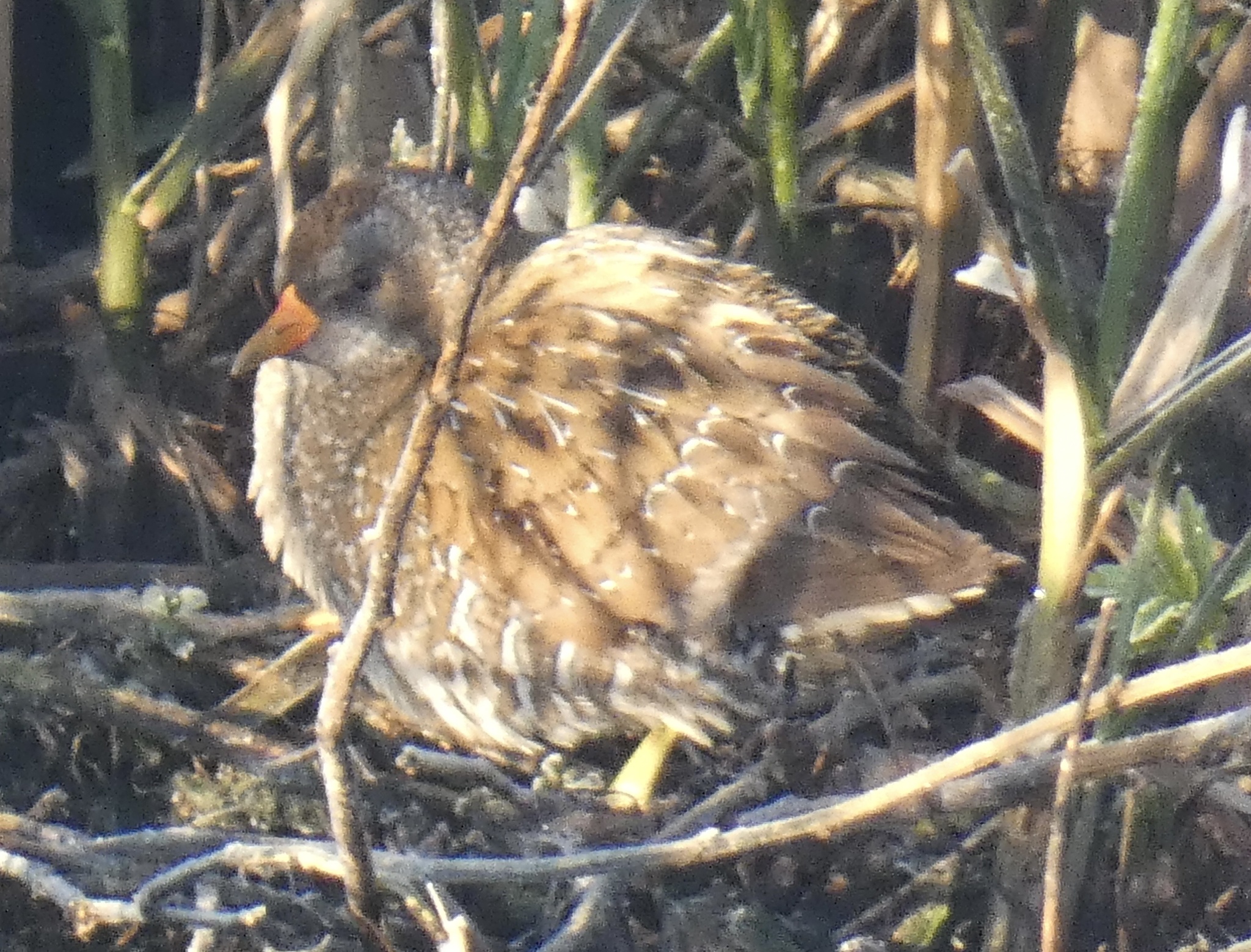
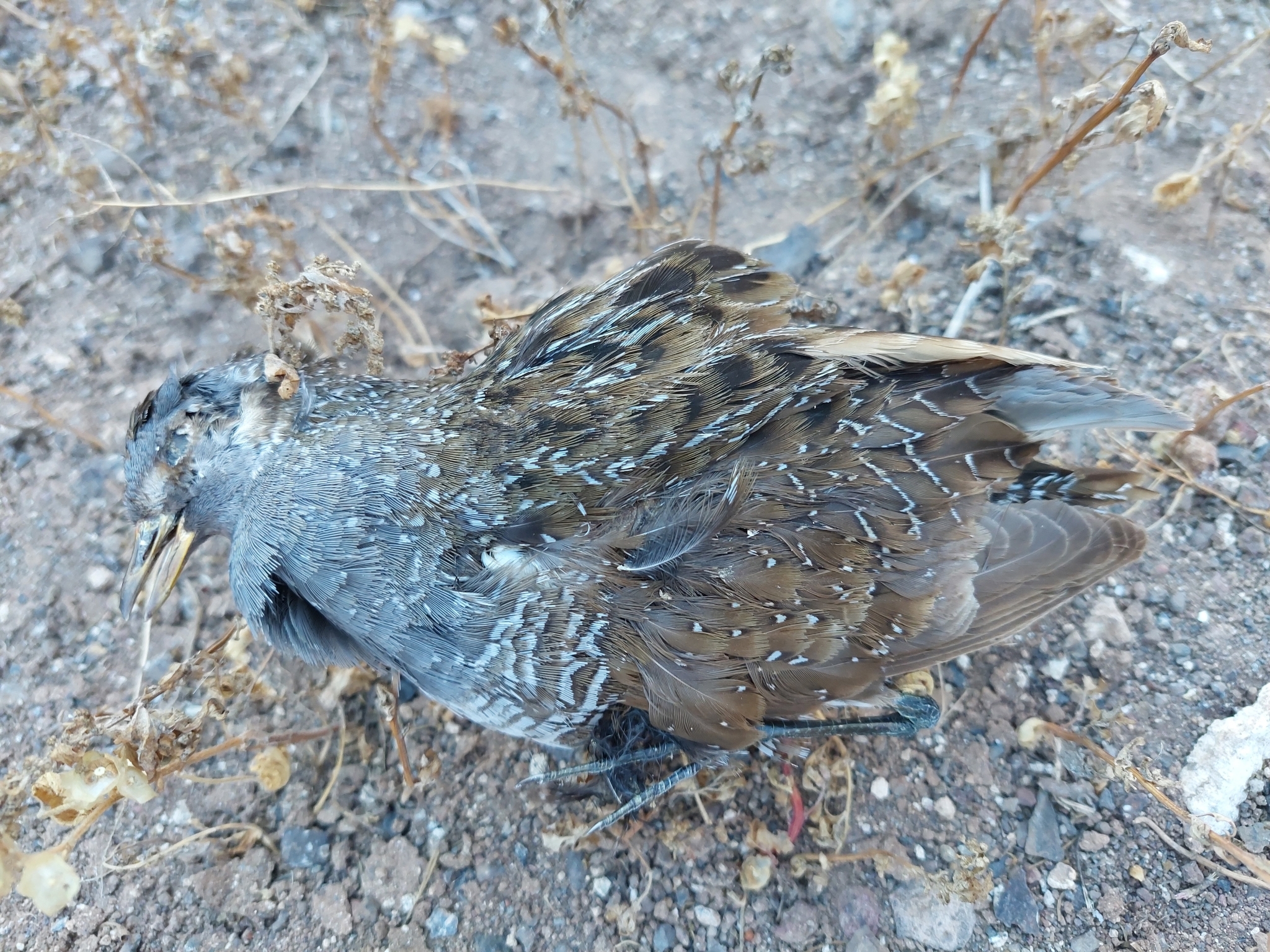
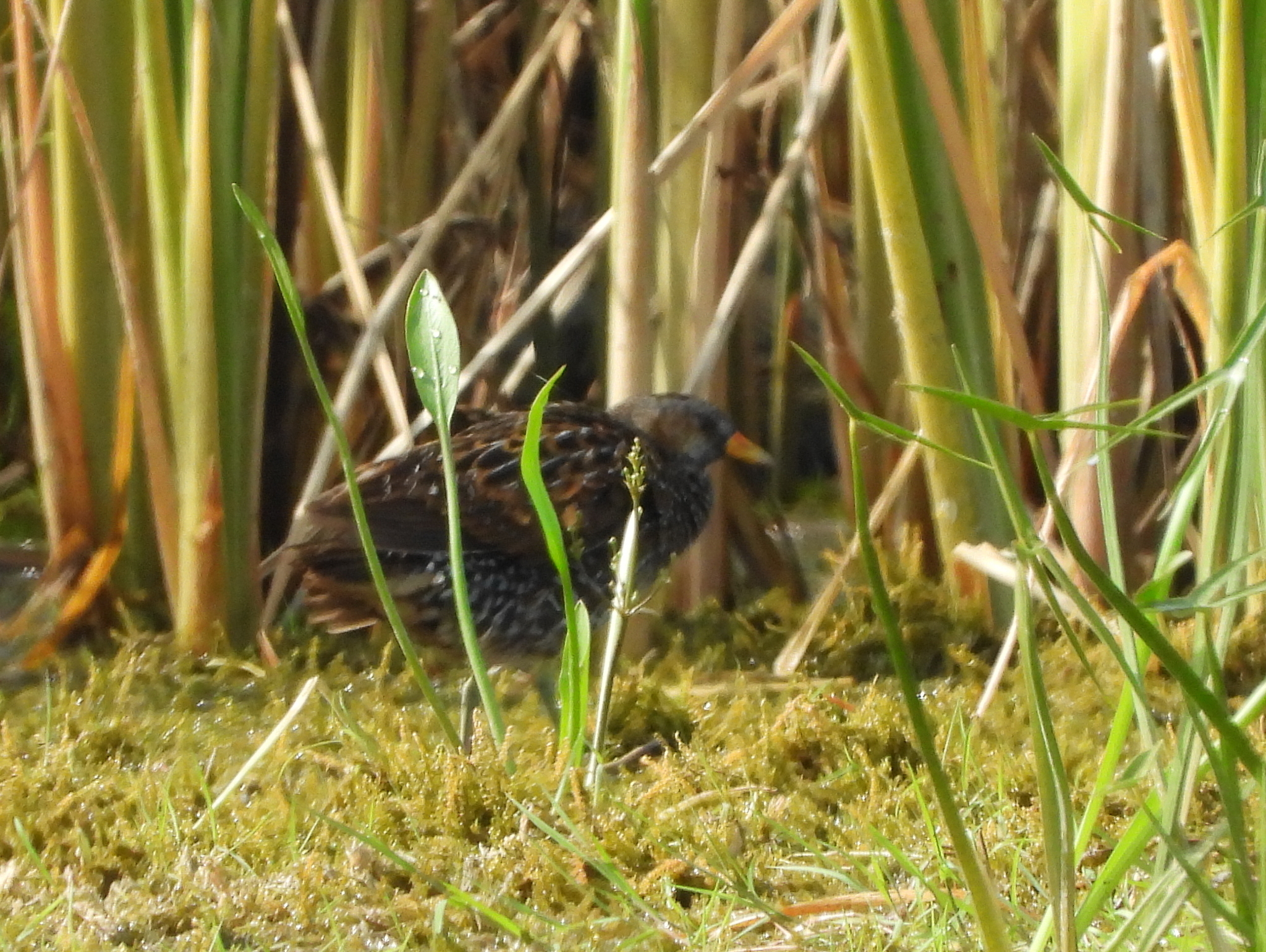
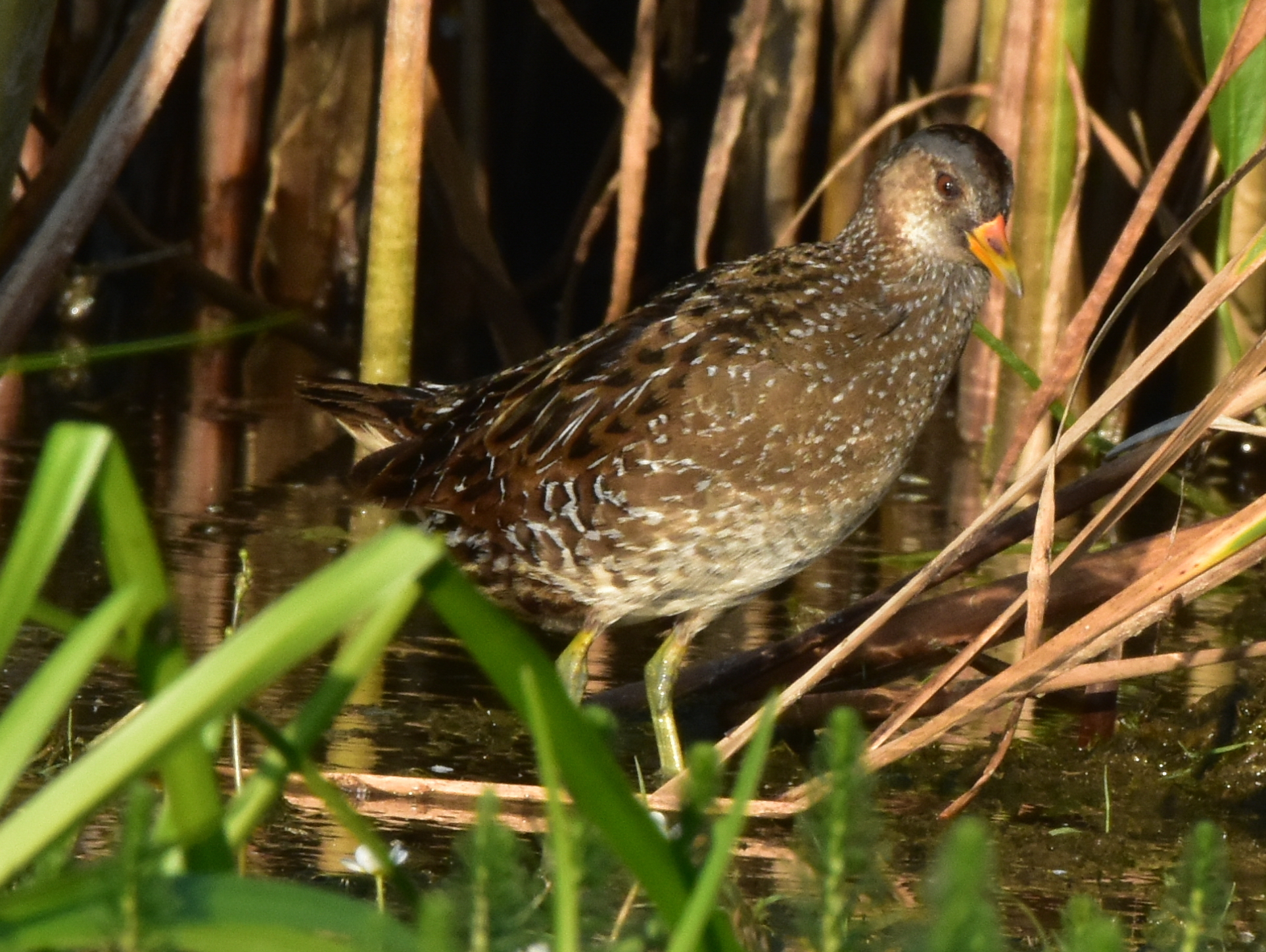
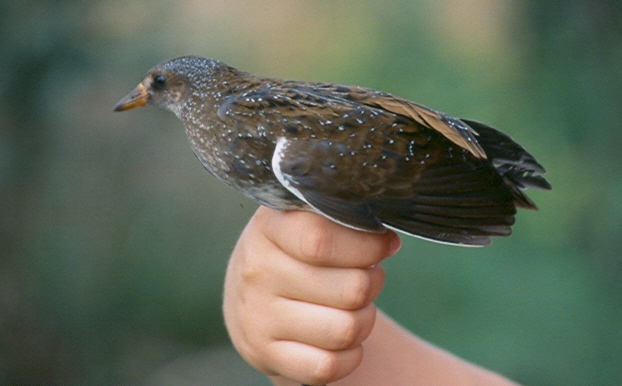
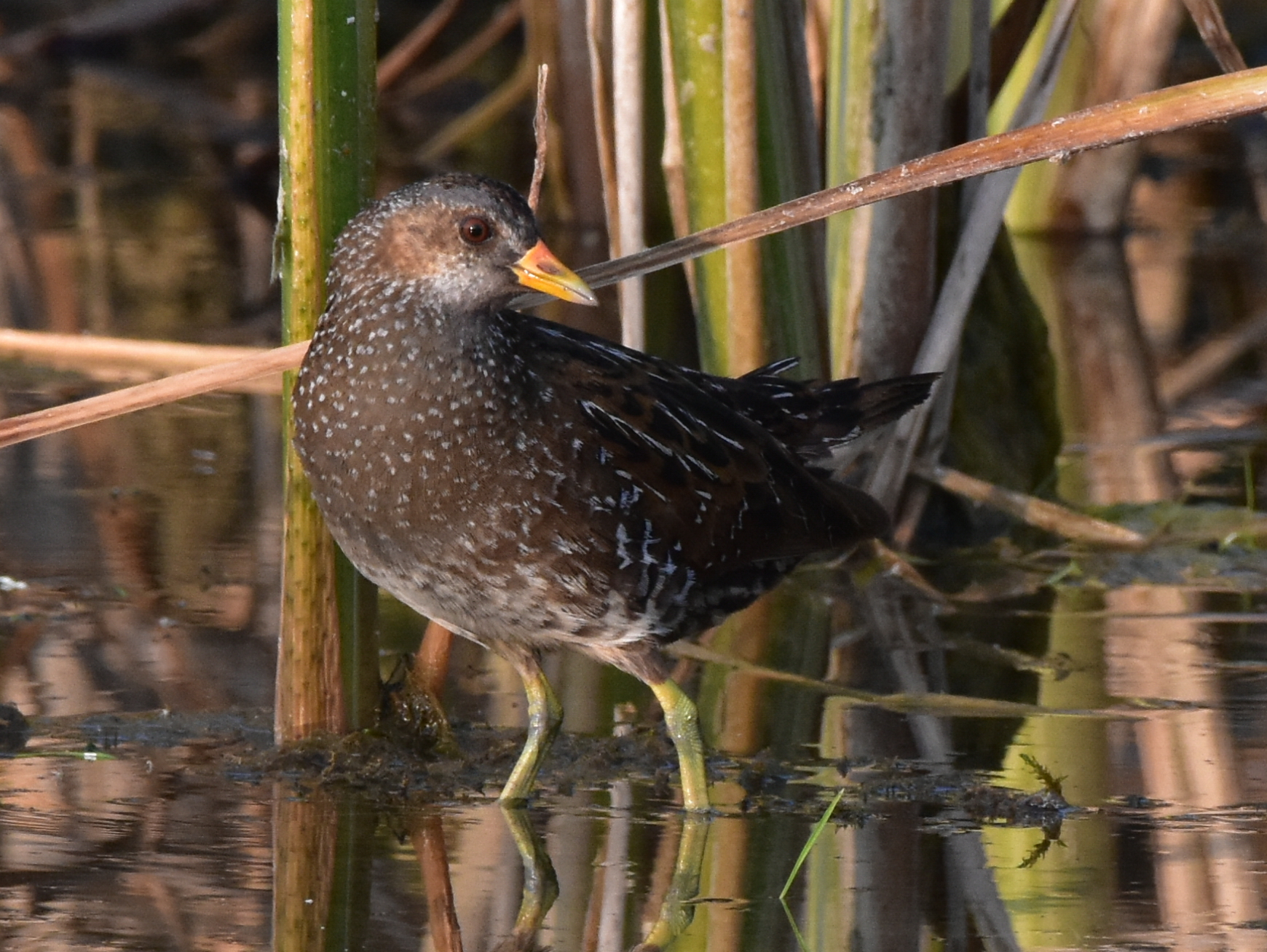
Length 19–22.5 cm (7.5–8.9 in), slightly smaller than water rails. Adults have a short straight bill, yellow with a red base, and green legs with long toes. Upperparts are mainly brown, breast is blue-grey, flanks show dark barring and white spots. The short tail is buff underneath. Immatures resemble adults but have brown instead of blue-grey on the breast. Downy chicks are black.
Identification
Readily distinguished from water rails by the short straight bill with yellow coloration and red base. Primary confusion species is the sora, a rare North American vagrant, which lacks breast spotting and has an unstreaked crown stripe.
Distribution & Habitat
Breeds across temperate Europe into western Asia in marshes and sedge beds. Migratory, wintering in Africa and Pakistan. Nests in dry locations within marsh vegetation, laying 6–15 eggs.
Behavior & Ecology
Probes with bill in mud or shallow water and picks up food by sight. Diet consists mainly of insects and aquatic animals. Very secretive during breeding season, when it is mostly heard rather than seen. Produces a distinctive repetitive whiplash-like hwuit hwuit call. Becomes easier to observe during migration.
Conservation
IUCN assessment not provided in source material. Western European population has declined significantly in recent decades, resulting in the species becoming a very rare breeding bird in Great Britain. Protected under AEWA.
Source: Wikipedia · CC BY-SA 3.0
Taxonomy
- Order
- Gruiformes
- Family
- Rallidae
- Genus
- Porzana
- eBird Code
- spocra1
Distribution
breeds British Isles (very locally) and Spain eastward across southern Scandinavia and northern Mediterranean to western and central Russia, Arabia, and northwestern Mongolia; winters Mediterranean to southern Africa and southeastern Asia
Data Sources
Species description from Wikipedia, licensed under CC BY-SA 3.0.
Bird images and sounds sourced from GBIF, contributed by citizen scientists worldwide under Creative Commons licenses.
Taxonomy data from AviList 2025.