Senegal Parrot
Poicephalus senegalus
塞内加尔鹦鹉
Introduction
A Poicephalus parrot native to West Africa. It is a resident breeder across a wide range from Senegal to Nigeria, with two recognized subspecies. The species inhabits open woodland and savanna, making seasonal migrations within West Africa following the availability of fruit, seeds, and blossoms. It is considered a farm pest in parts of Africa due to feeding on crops like maize and millet. Due to extensive trapping for the pet trade, it was listed on CITES Appendix II in 1981, making wild trade illegal.
Description
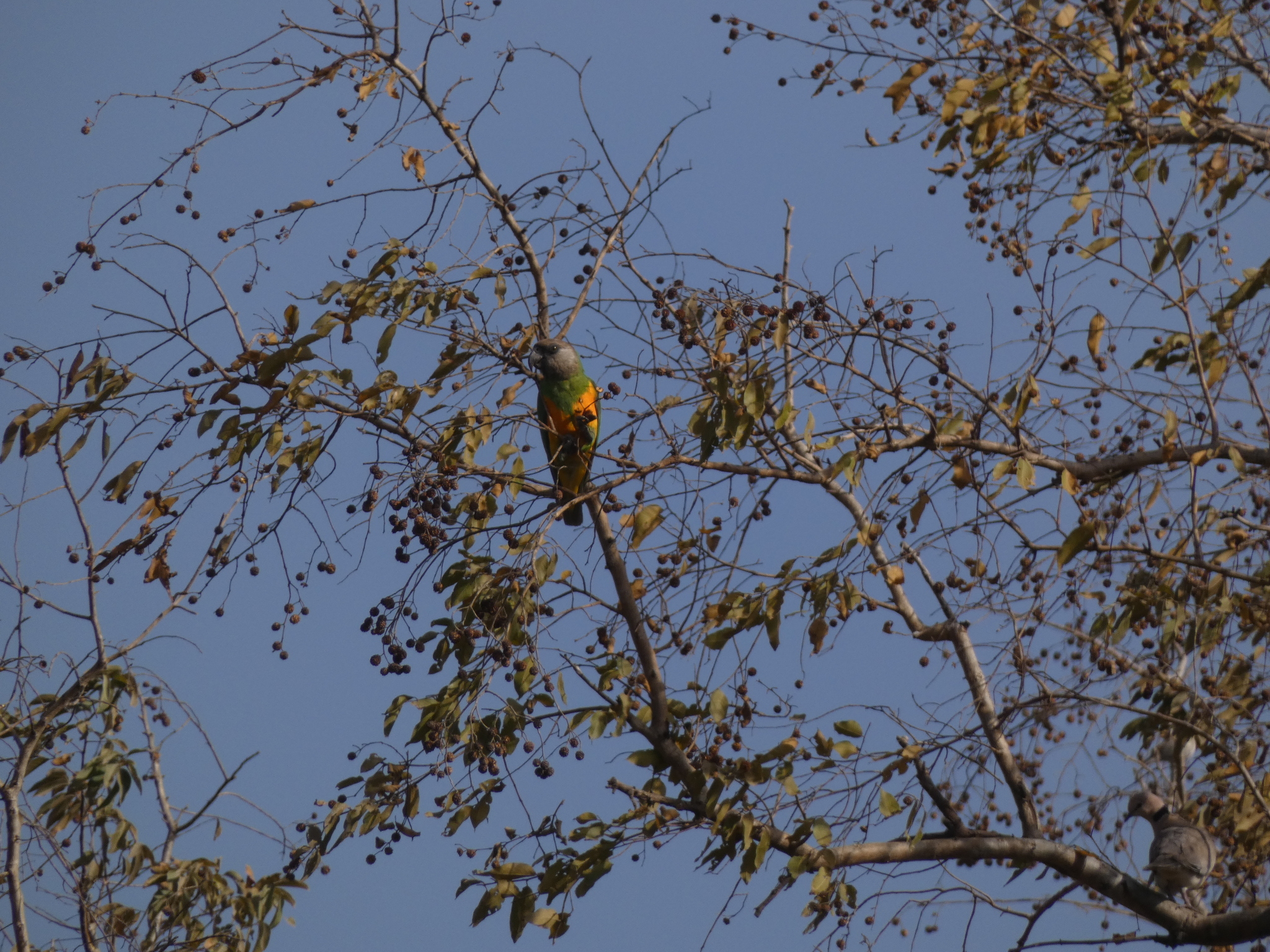
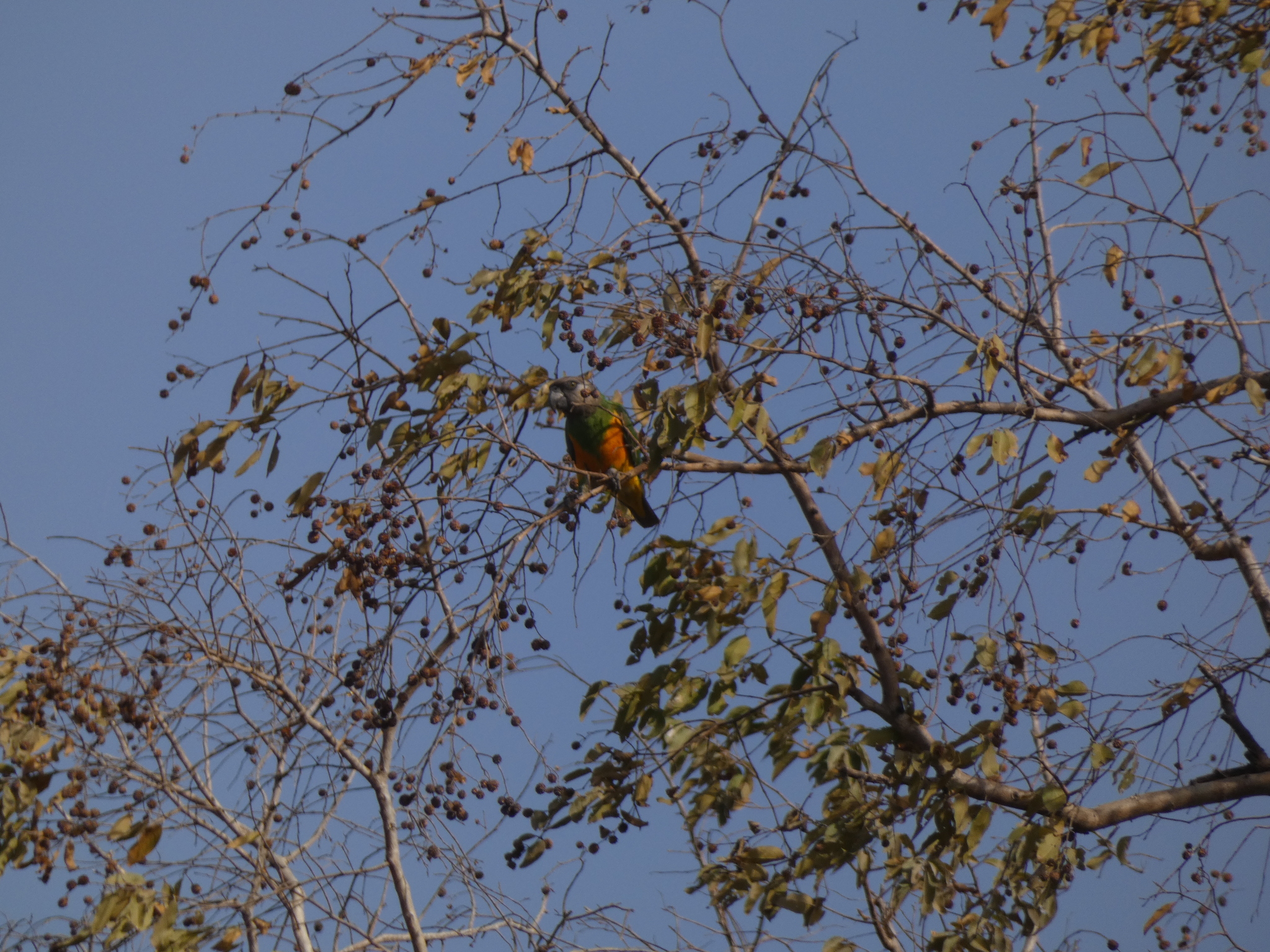
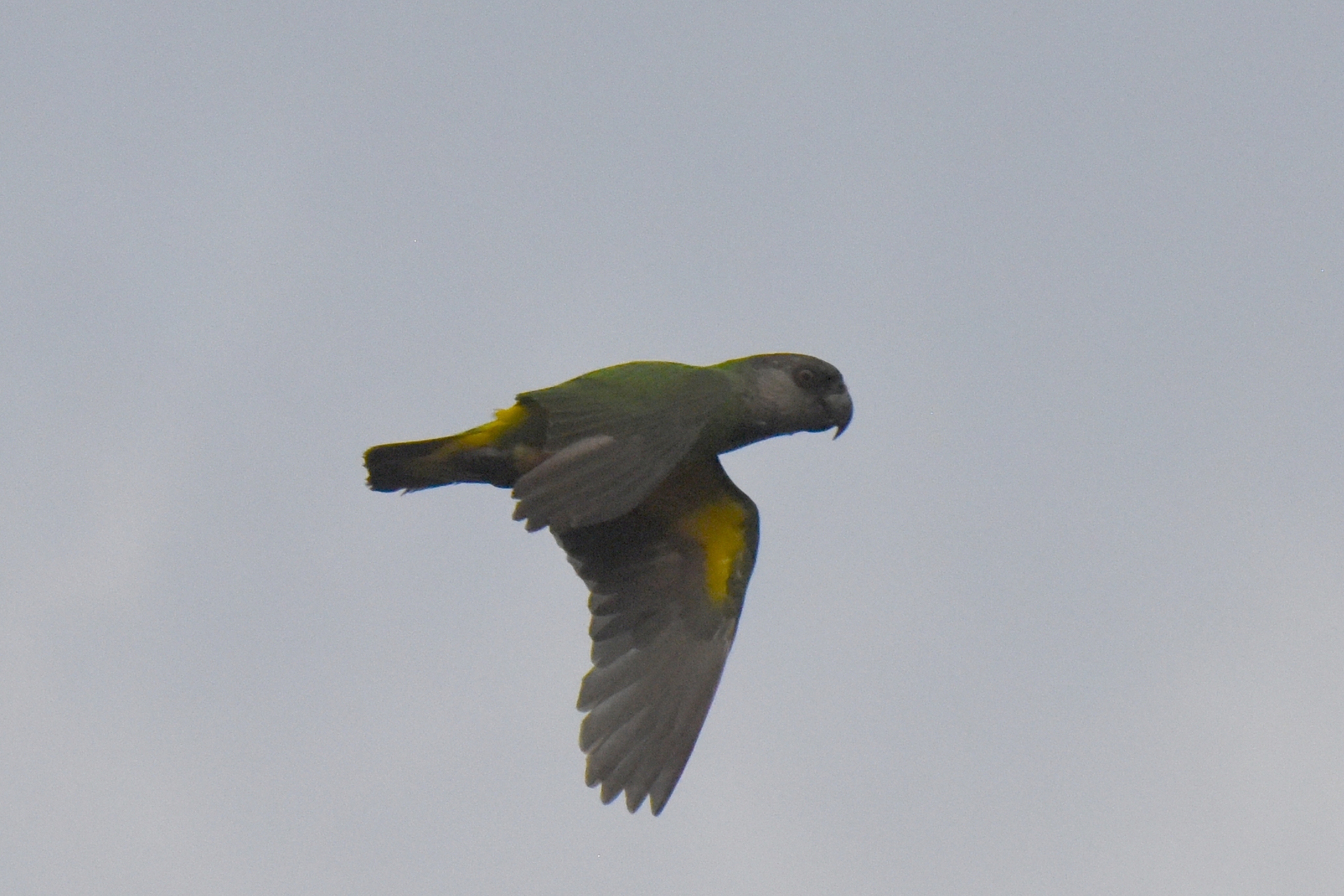
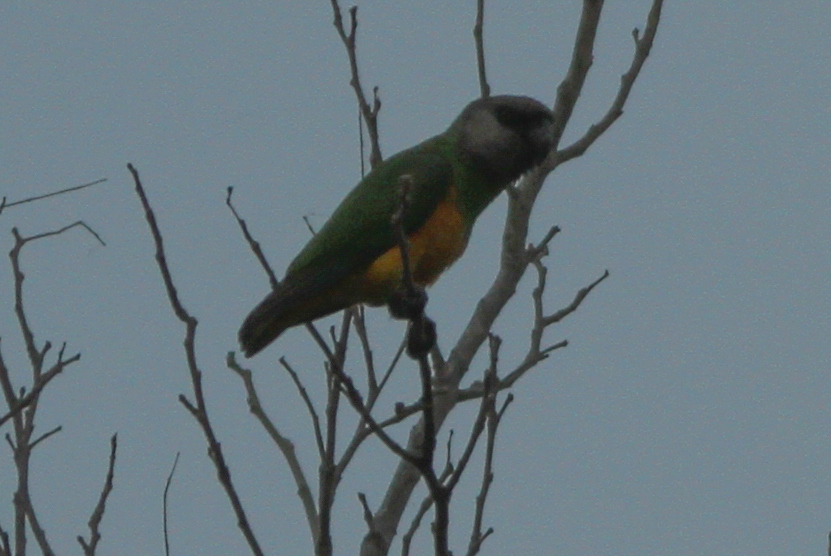
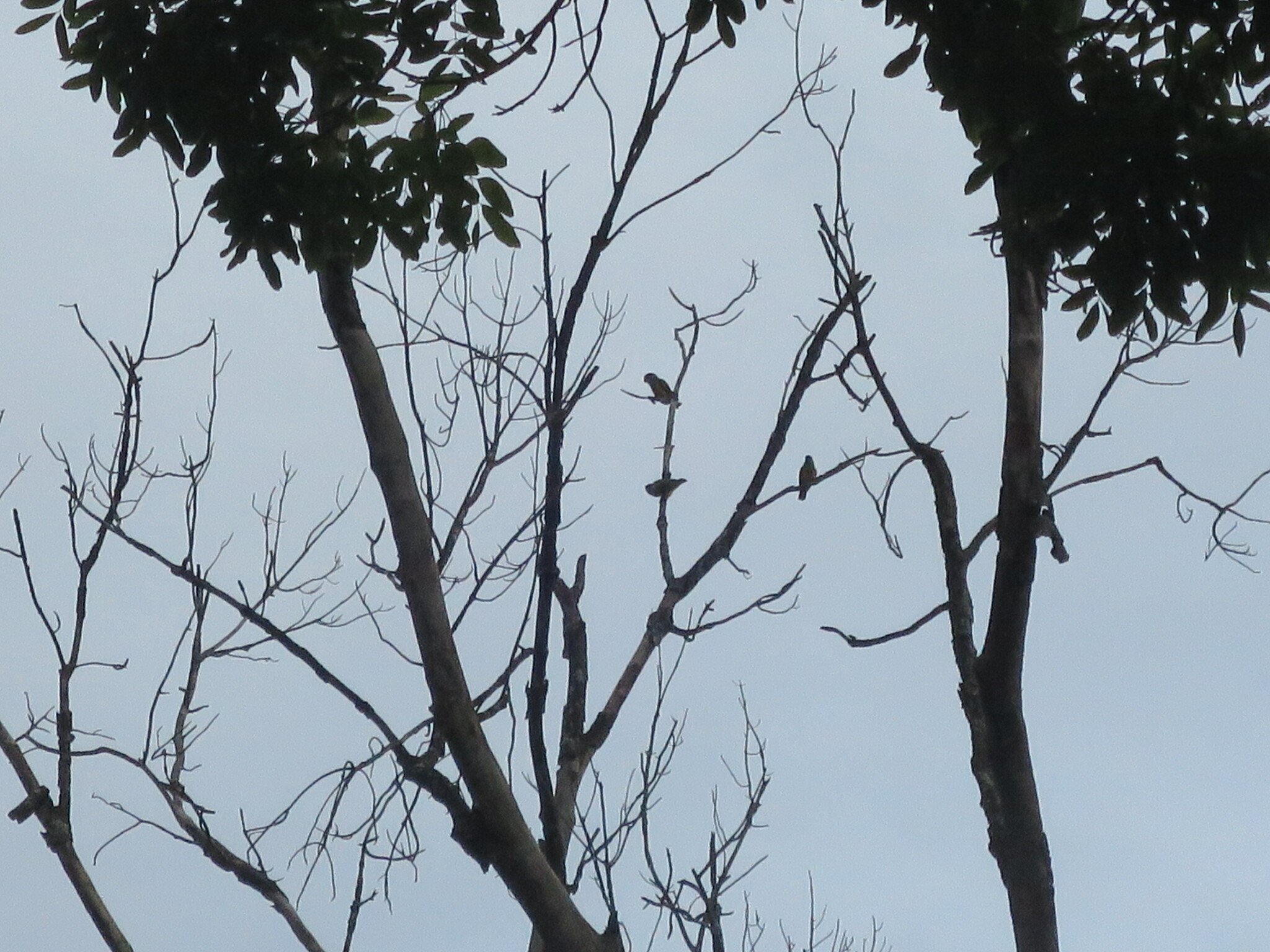
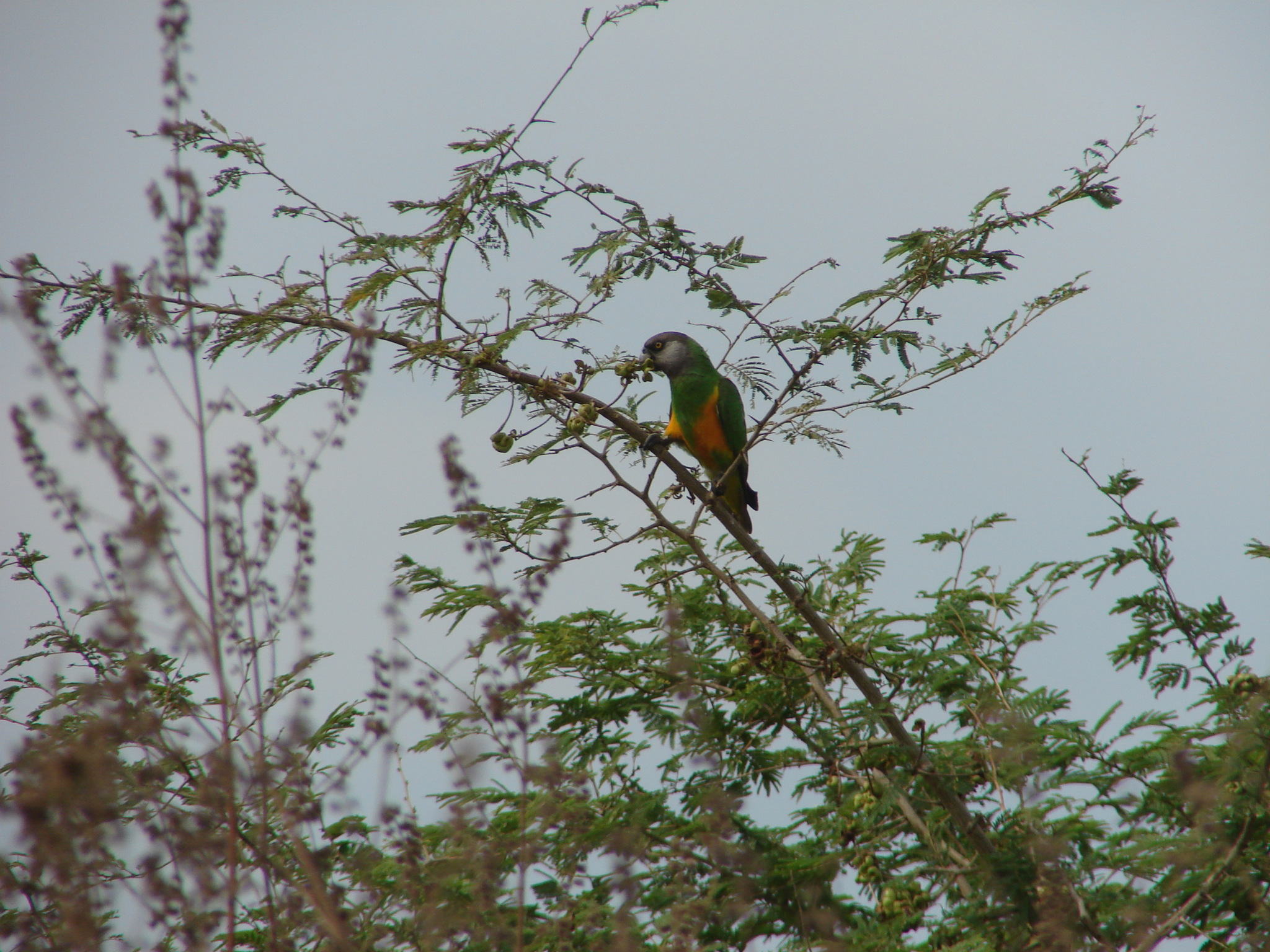
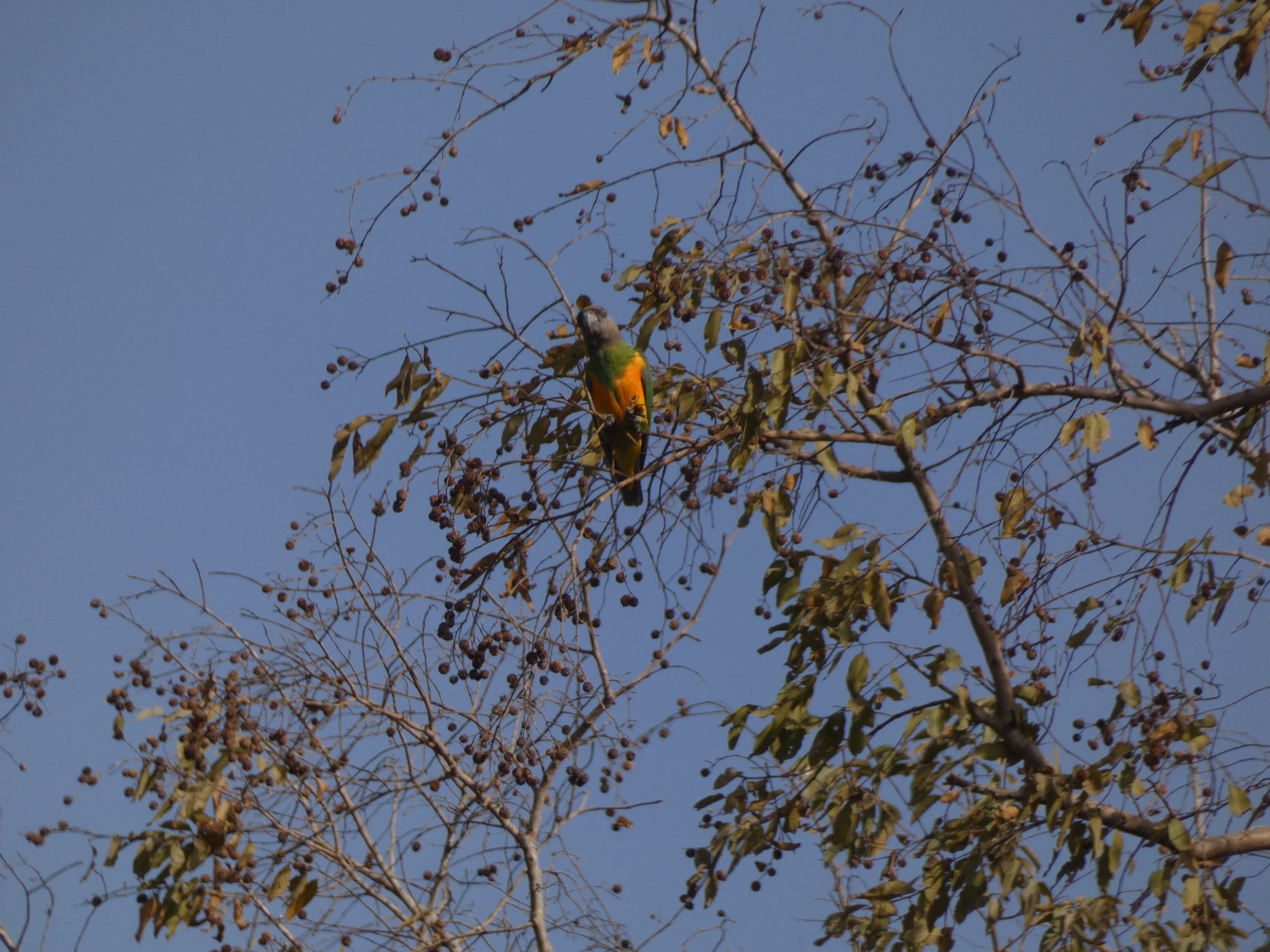
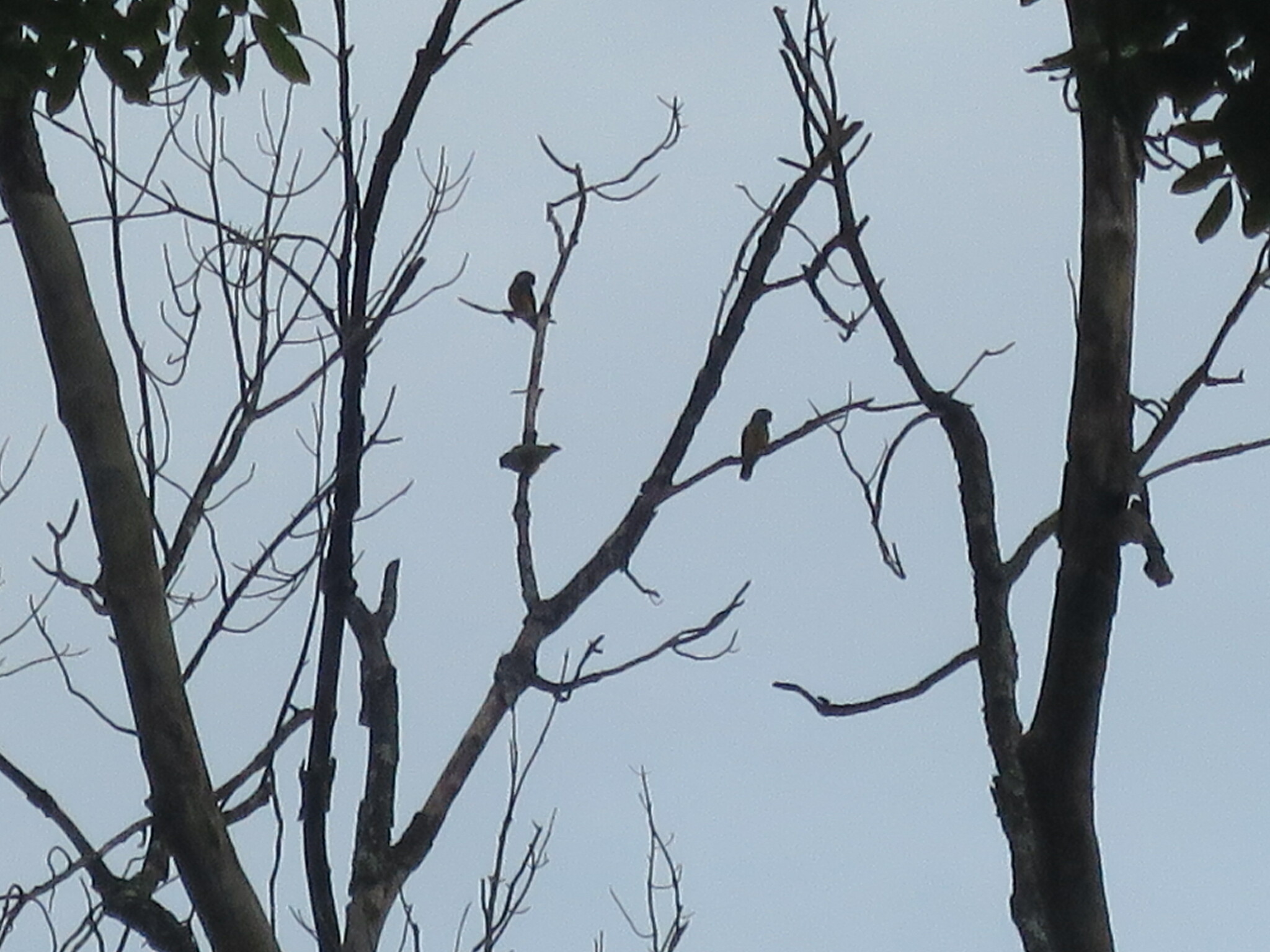
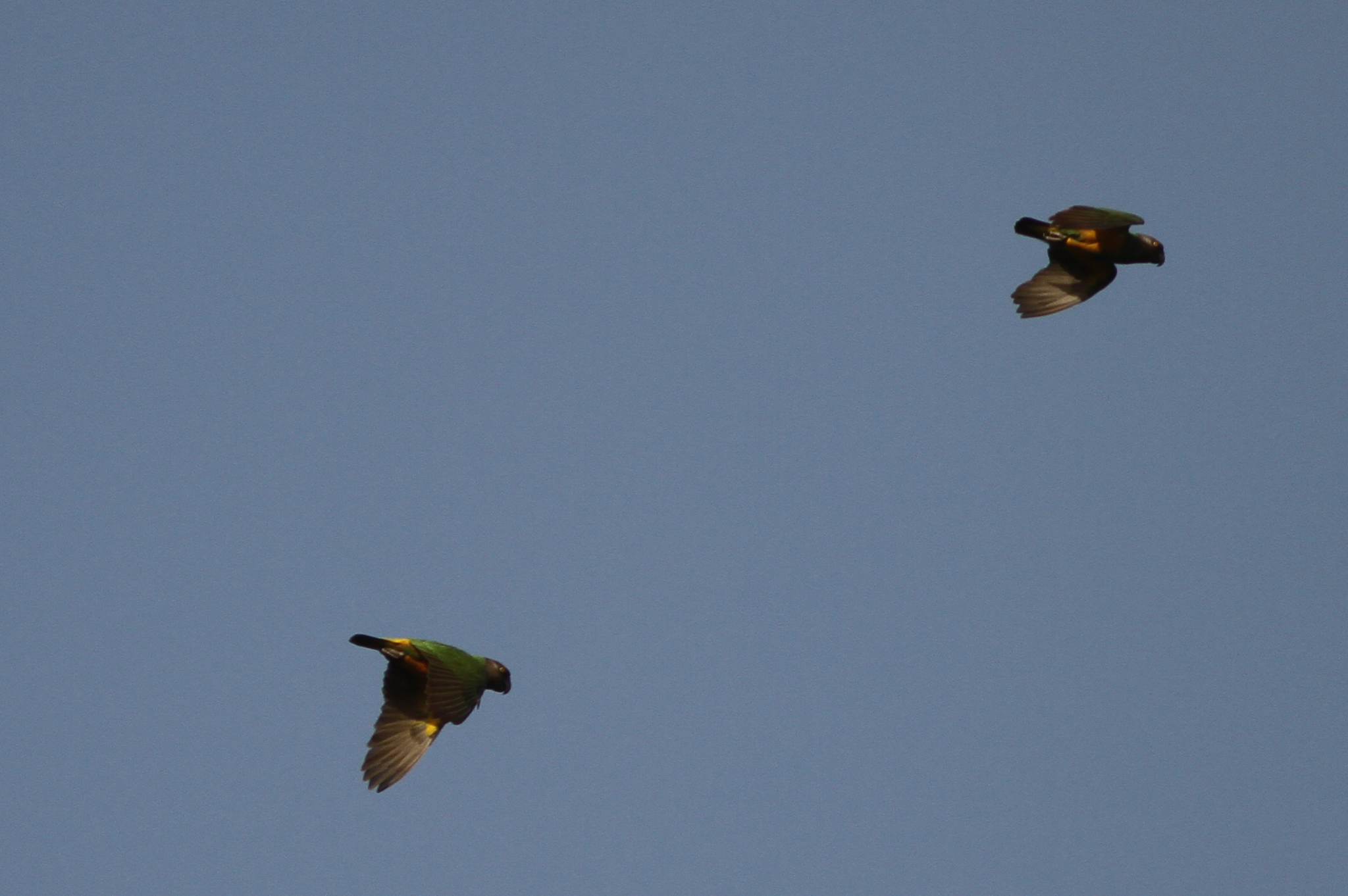
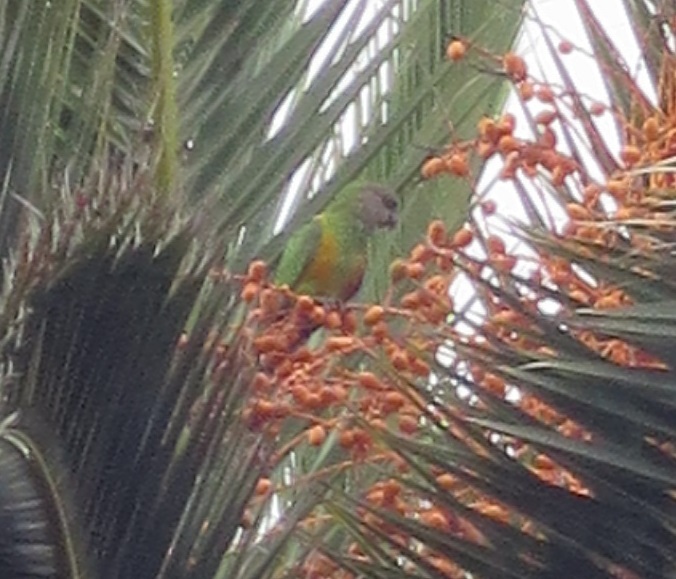
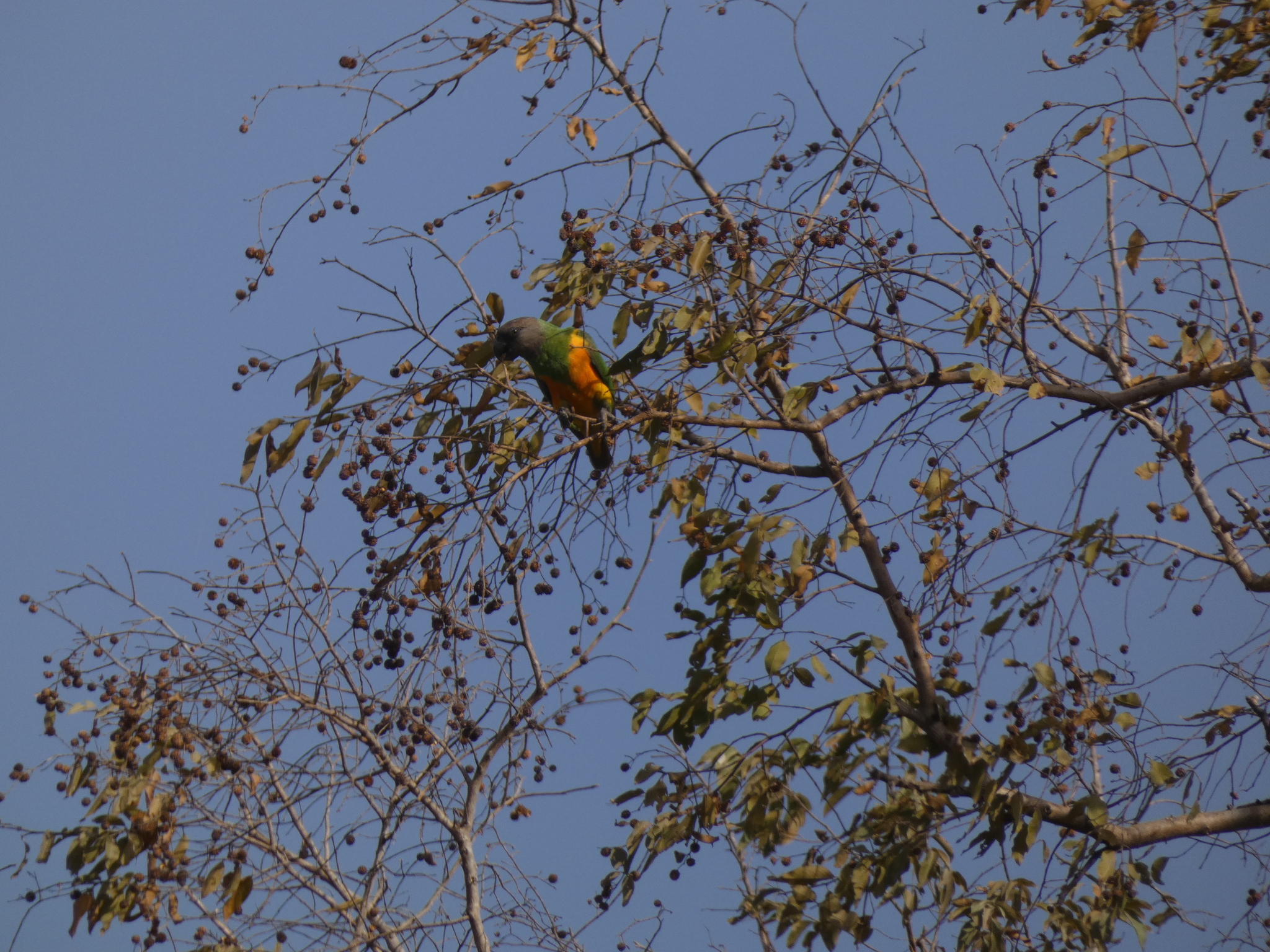
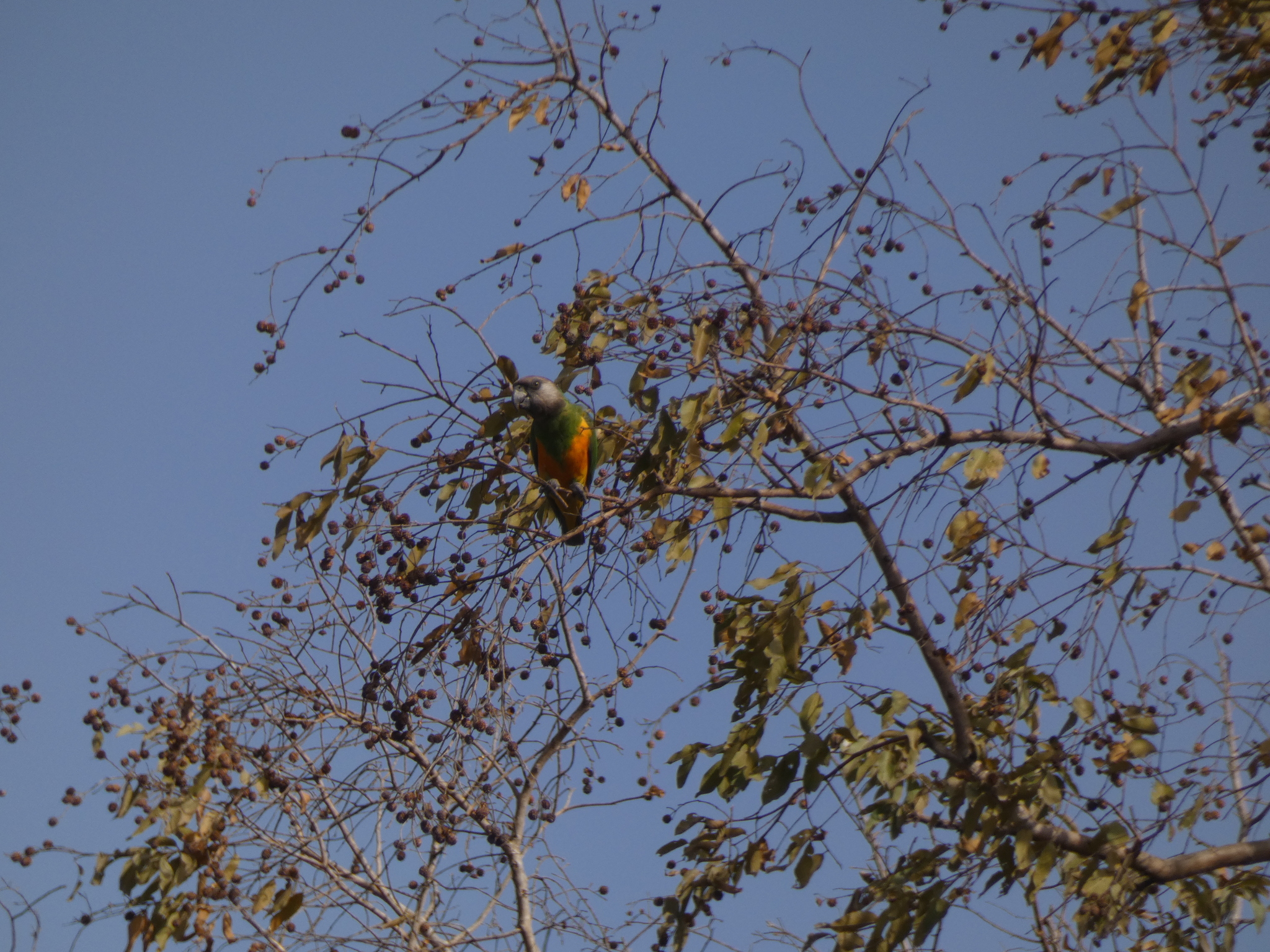
A small parrot measuring 23 cm in length and weighing 120-170 grams. It has a relatively large head and beak for its size, with a short broad tail. Adults display a charcoal grey head, grey beak, bright yellow irises, green back and throat, and yellow underparts and rump. The yellow and green plumage on the front forms a distinct V-shape resembling a yellow vest worn over green. Juveniles have dark grey to black irises that change to light grey as they mature. The species is not sexually dimorphic.
Identification
Sexing methods are inconclusive but may include: the V-shaped vest is longer in females, with green extending down the chest to between the legs versus midway down the chest in males; females typically have smaller, narrower heads and beaks; under-tail covert feathers are usually yellow in males and green in females; males tend to be larger and heavier. DNA testing provides definitive sex identification. The V-shaped yellow vest pattern is a key field mark distinguishing this species.
Distribution & Habitat
Resident across West Africa from Senegal to Nigeria. The nominate subspecies P.s. senegalus ranges from Senegal through southern Mauritania and Mali to Guinea and Lobos Island. The subspecies P.s. versteri occurs from Ivory Coast and Ghana east to western Nigeria, distinguished by a deeper orange-red vest. Inhabits open woodland and savanna, flocking commonly throughout West African countries. Makes local migrations based on seasonal fruit availability.
Behavior & Ecology
Forages primarily on fruit (77% of diet), especially figs, African grapes, and shea fruits, with seeds comprising about 22% and flowers 1%. Gregarious species, continuously chattering with whistling and squawking calls. Nests in tree holes, often oil palms, laying 3-4 white eggs measuring 3 cm x 2.5 cm. Female incubates for 27-28 days starting after the second egg. Chicks fledge at 9 weeks and become independent at 12 weeks. Lifespan averages 25-30 years in the wild, up to 50 years in captivity.
Conservation
Listed on CITES Appendix II since 1981 due to concerns over extensive trapping for the pet trade, making wild capture, trade, import, and export illegal. The vast range across West Africa makes wild population estimates difficult. Conservation status is currently Least Concern due to extensive range, though localized pressures from trapping and habitat changes persist.
Culture
Popular in aviculture and among pet owners. Hand-reared individuals are valued as companion birds for their relatively quiet nature compared to other parrots, their ability to mimic, and friendly disposition. The species has a long history in the pet trade dating back to at least the 18th century, when it was described by Brisson in 1760. Considered a farm pest in parts of its range where it feeds on agricultural crops.
Source: Wikipedia · CC BY-SA 3.0
Taxonomy
- Order
- Psittaciformes
- Family
- Psittacidae
- Genus
- Poicephalus
- eBird Code
- senpar
Vocalizations
Subspecies (2)
-
Poicephalus senegalus senegalus
Gambia and Guinea-Bissau to southern Niger, northern Cameroon, and southwestern Chad
-
Poicephalus senegalus versteri
northwestern Ivory Coast to southwestern Nigeria (south of range of senegalus)
Data Sources
Species description from Wikipedia, licensed under CC BY-SA 3.0.
Bird images and sounds sourced from GBIF, contributed by citizen scientists worldwide under Creative Commons licenses.
Taxonomy data from AviList 2025.