Snow Bunting
Plectrophenax nivalis
雪鹀
Introduction
A passerine bird in the family Calcariidae. An Arctic specialist with a circumpolar breeding range throughout the northern hemisphere, including Arctic North America, Ellesmere Island, Iceland, Greenland, Siberia, Novaya Zemlya, Franz Josef Land, and Arctic Europe. Small isolated populations exist on high mountain tops in the Cairngorms of central Scotland, the Saint Elias Mountains on the Alaska-Yukon border, and the Cape Breton Highlands. This is the most northerly recorded passerine species in the world. During winter, migrates to the circumglobal northern temperate zone including southern Canada, the northern United States, northern Europe, and central Asia.
Description
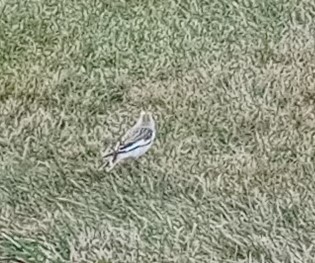
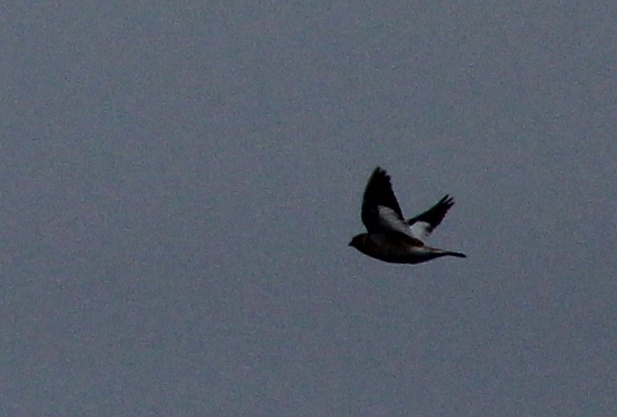
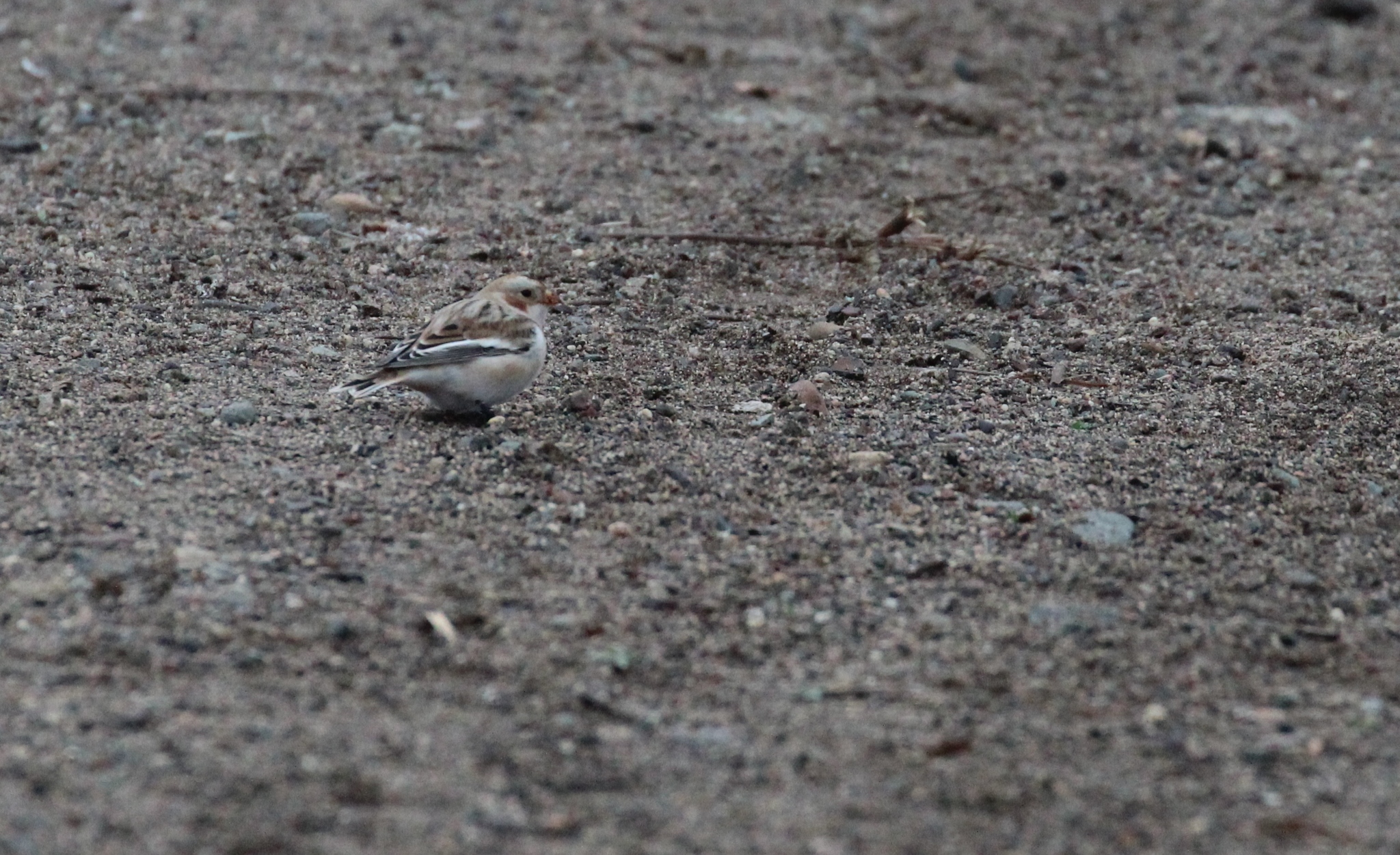
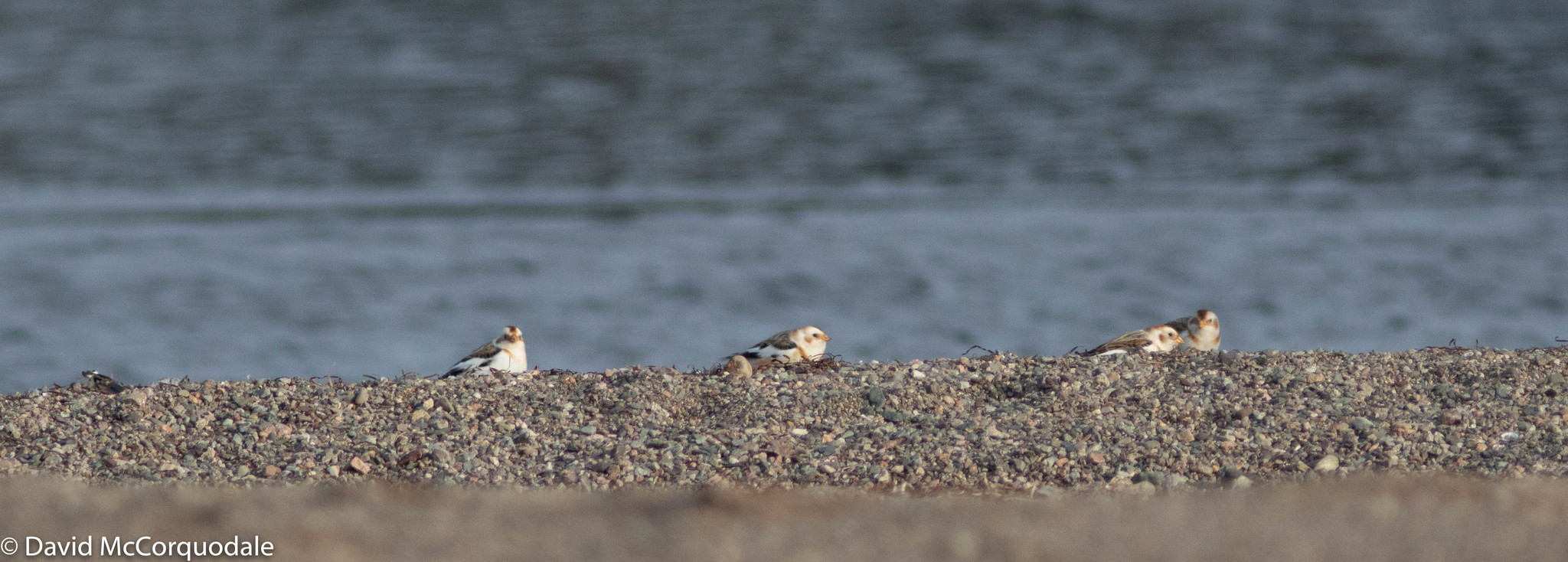
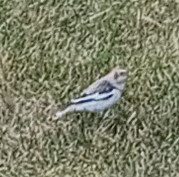
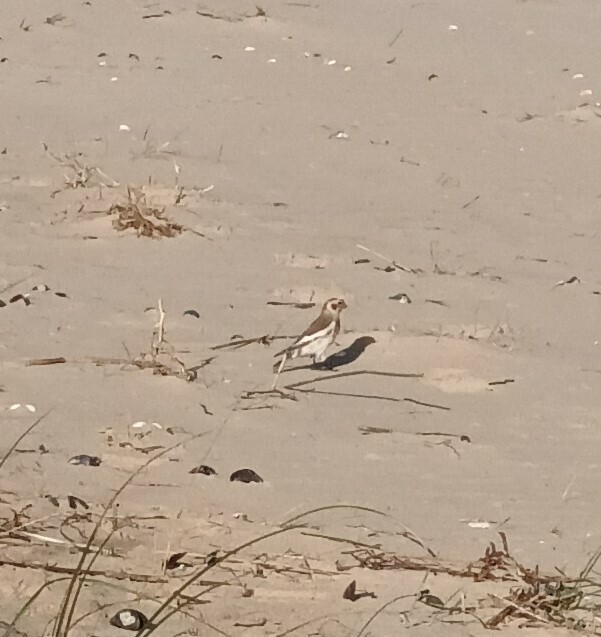
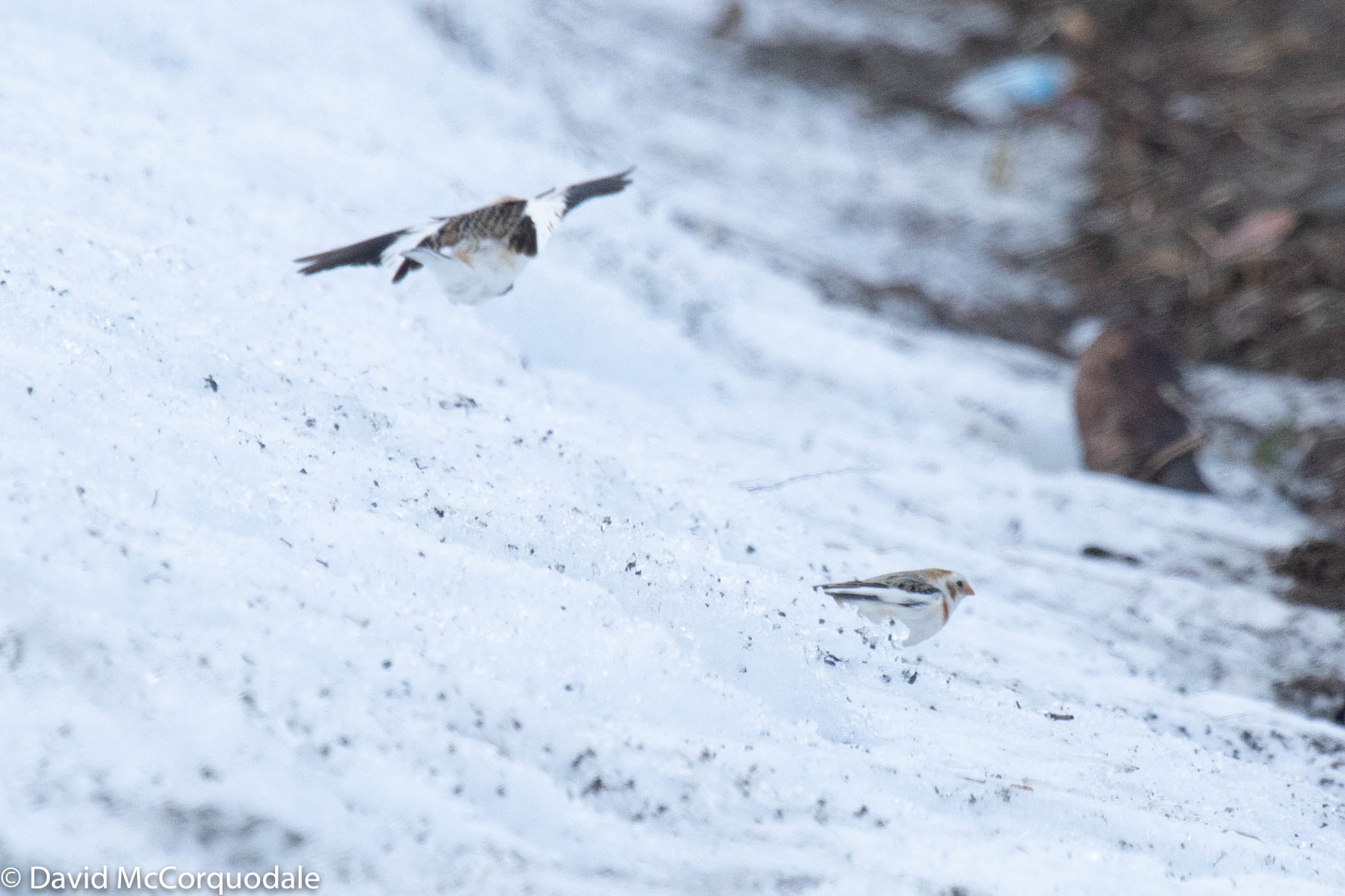
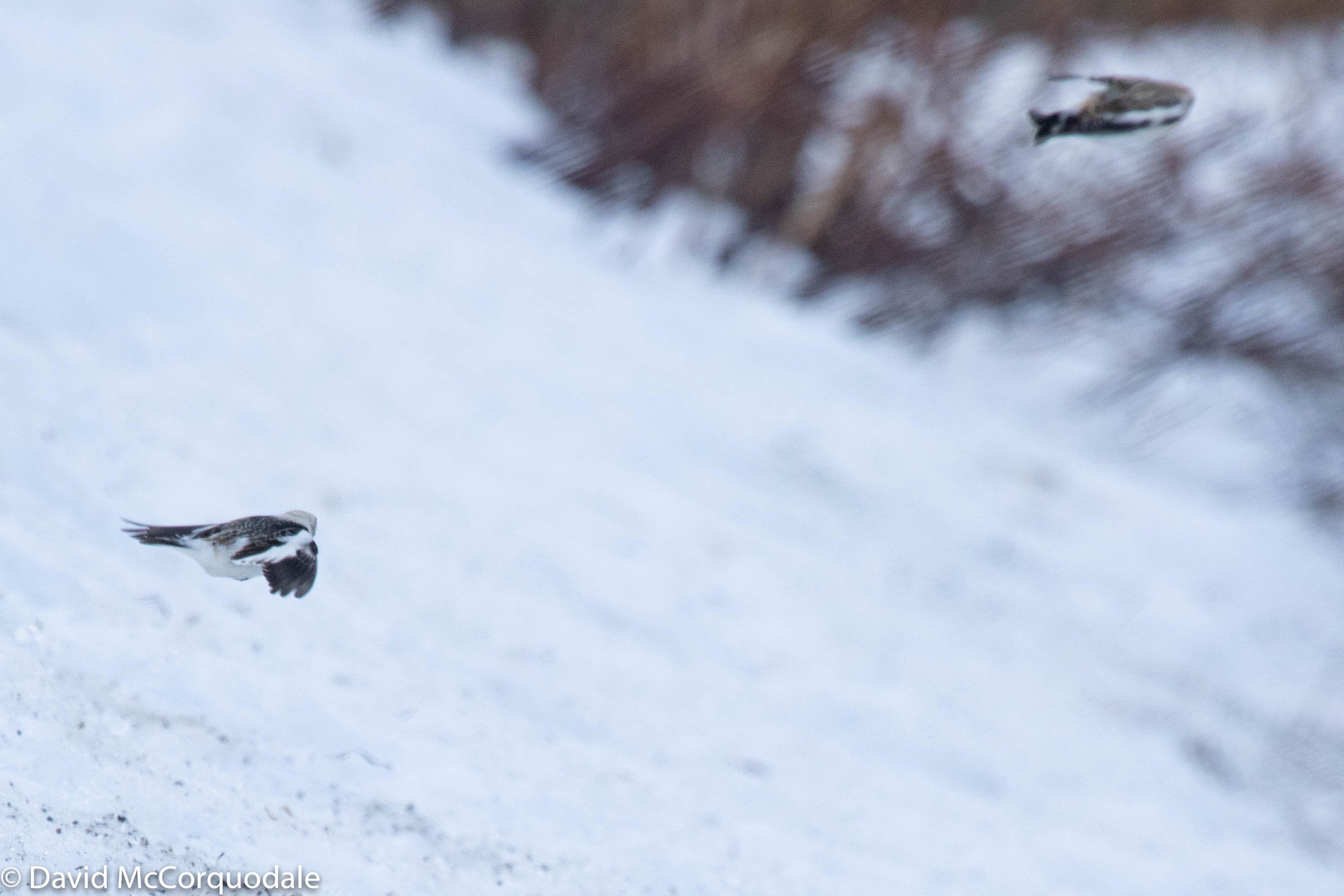
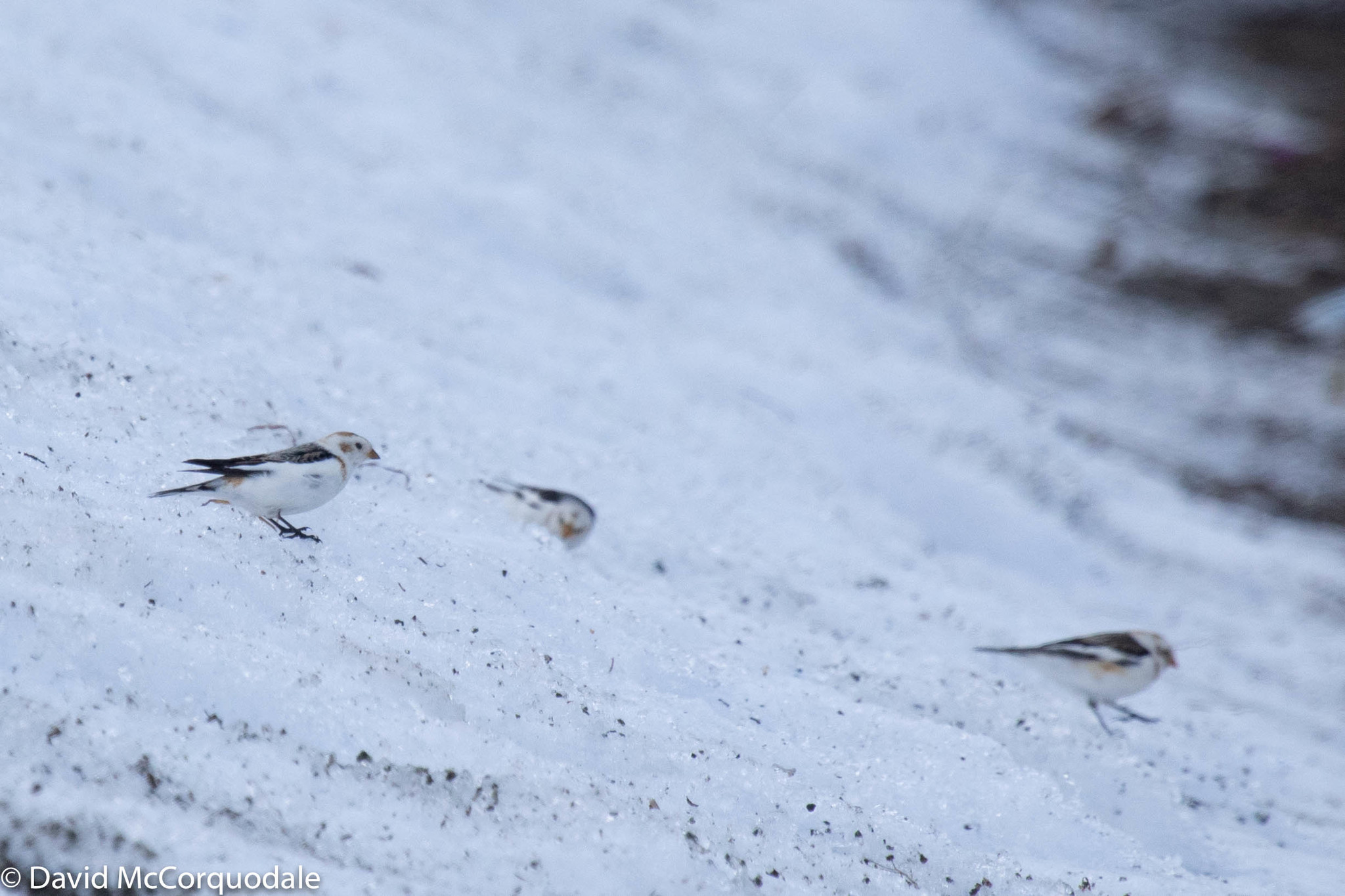
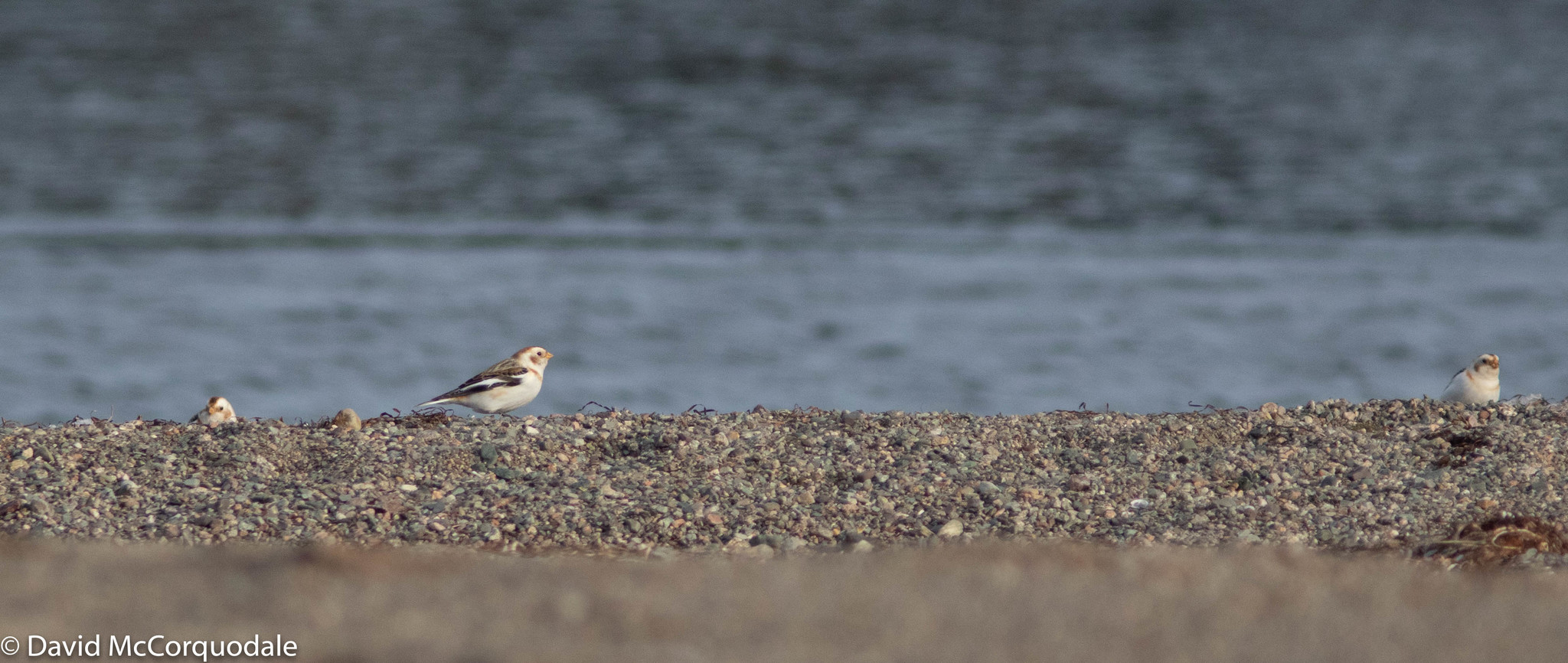
A sexually dimorphic, medium-sized passerine that is ground-dwelling and walks, runs, and can hop. It is fairly large and long-winged for a bunting, measuring 15 cm in length with a wingspan of 32–38 cm and weighing 30 to 40 grams. The bill is normally yellow with a black tip, though males develop an all-black bill during summer. The plumage is white underneath with black and white wings and back. Breeding males are white with black wingtips and a black back, while females have black wingtips and black back feathers fringed with brown. In winter, both sexes have broad orangey-brown fringes on the back feathers. This species has feathered tarsi, an adaptation to its cold environment.
Identification
Easily confused with McKay's bunting due to similar plumage and the occurrence of hybrids in Alaska. The Lapland longspur is another similar species but differs mainly in having minimal white in the wing. Vocalizations provide additional identification clues: the snow bunting has a more 'liquid' rippling call, while the Lapland longspur has a drier, more rattling tone. The horned lark may occur in the same areas but has a conspicuous black-and-yellow head pattern, a longer partly black tail, and no white on the wings.
Distribution & Habitat
Breeds in high Arctic tundra across North America, Greenland, Iceland, the higher mountains of Scotland and Norway, Russia, Siberia, Novaya Zemlya, and Franz Josef Land. During winter, migrates to the circumglobal northern temperate zone including southern Canada, the northern United States, the coasts and plains of northern Europe (Great Britain, Netherlands, Germany, Poland, Ukraine), and east to central Asia. Breeding habitat consists of rocky Arctic terrain with low-growing vegetation, including wet sedge meadows and areas rich in Dryas and lichens. Winter habitats include open farmland, barren fields, and lakeshores.
Behavior & Ecology
During fall to spring, feeds on weed and grass seeds including knotweed, ragweed, amaranth, goosefoot, aster, and goldenrod. Summer diet includes crowberry, bilberry, bistort, dock, poppy, purple saxifrage seeds, and invertebrates such as butterflies, true bugs, flies, wasps, and spiders. Nestlings are fed exclusively on invertebrates. Breeding behavior is monogamous; males provide food to females during incubation. Nests are placed in rock cavities and fissures for protection. Courtship includes threat displays with loud calls and ceremonial flights where males reach 10–15 m height before gliding and singing. Eggs are blue-green with brown spots, hatching in 12–13 days, with young fledging after another 12–14 days. The distinctive call is a rippling whistle described as per,r,r,rit, and the song is a brief loud warble.
Conservation
Climate change poses potential threats to populations. The Arctic oscillation index has remained in a positive phase for 40 years, causing warmer springs that trigger early breeding behavior which may mismatch the peak of food sources, leading to lower hatchling success rates. Warmer temperatures may also allow greater survival of second broods but will bring competing species to the Arctic. No specific IUCN assessment or population trend data is provided in this article.
Source: Wikipedia · CC BY-SA 3.0
Taxonomy
- Order
- Passeriformes
- Family
- Calcariidae
- Genus
- Plectrophenax
- eBird Code
- snobun
Subspecies (4)
-
Plectrophenax nivalis insulae
breeds Iceland; winters to Faroe and Shetland islands, and northern Scotland
-
Plectrophenax nivalis nivalis
breeds northern North America and northern Europe; winters to southern USA and southern Europe
-
Plectrophenax nivalis townsendi
Komandorskiye, Pribilof, and western Aleutian islands
-
Plectrophenax nivalis vlasowae
breeds tundra of northeastern Asia; winters to central Asia, Manchuria, and Japan
Data Sources
Species description from Wikipedia, licensed under CC BY-SA 3.0.
Bird images and sounds sourced from GBIF, contributed by citizen scientists worldwide under Creative Commons licenses.
Taxonomy data from AviList 2025.