
Black-faced Spoonbill
Platalea minor
黑脸琵鹭
Introduction
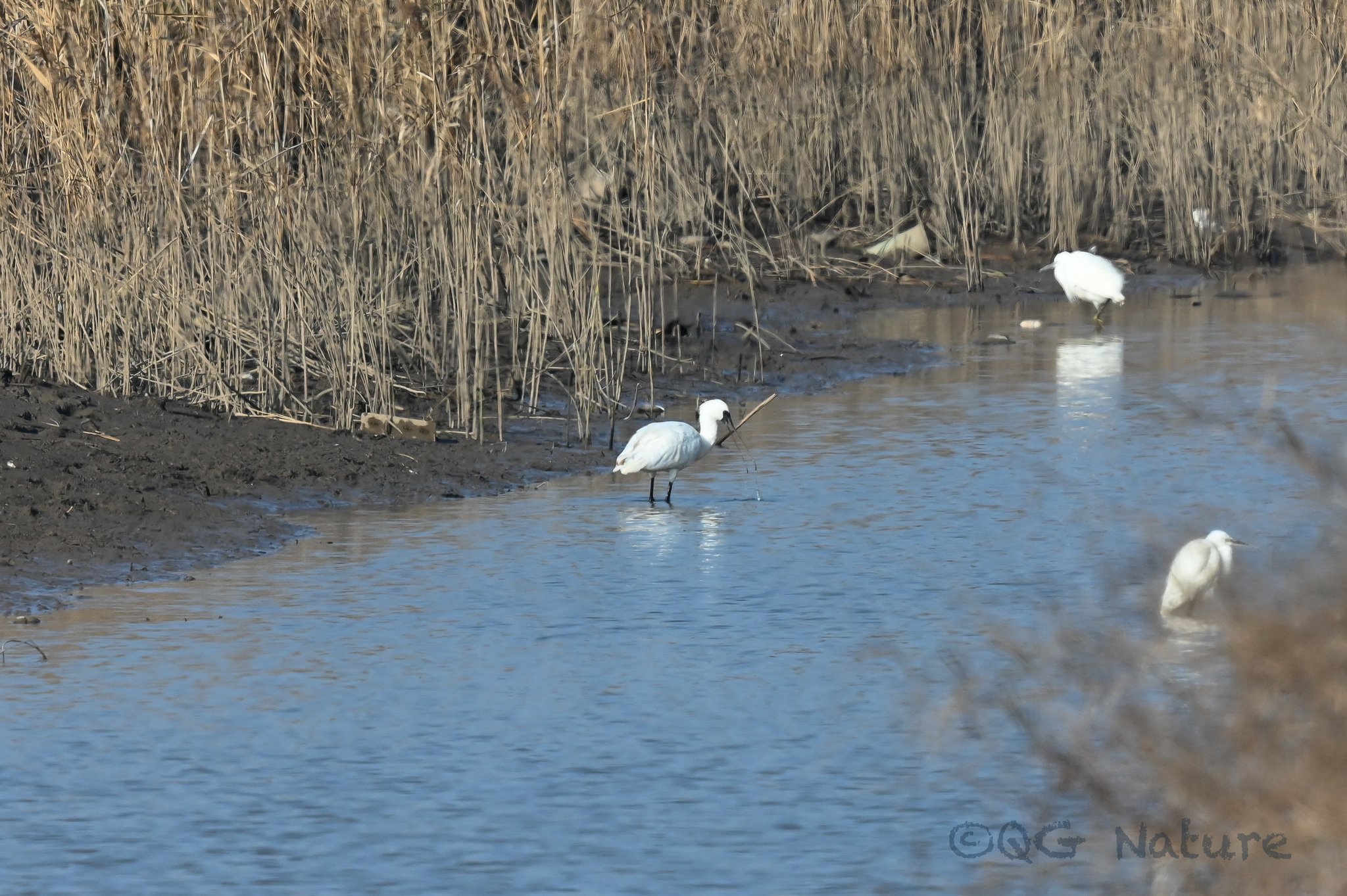
The black-faced spoonbill is the most geographically restricted of the world's six spoonbill species and the only one classified as endangered. It is endemic to eastern Asia, where it inhabits coastal wetlands. The species employs tactile feeding, sweeping its bill through shallow water to detect prey. It came near global extinction in the 1980s. Winter census data show population increases: 2,065 individuals in 2008, 2,346 in 2010, 2,693 in 2012, and 6,162 in 2022.
Description
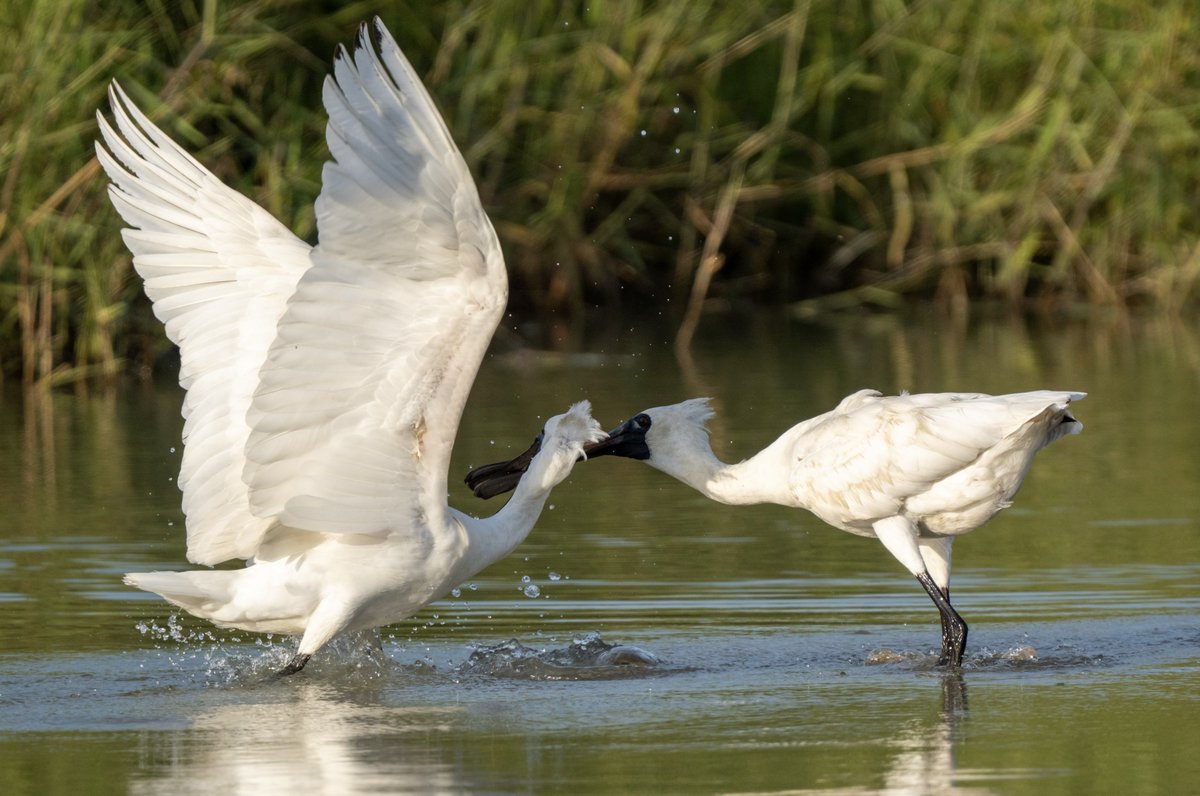
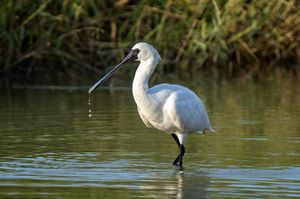
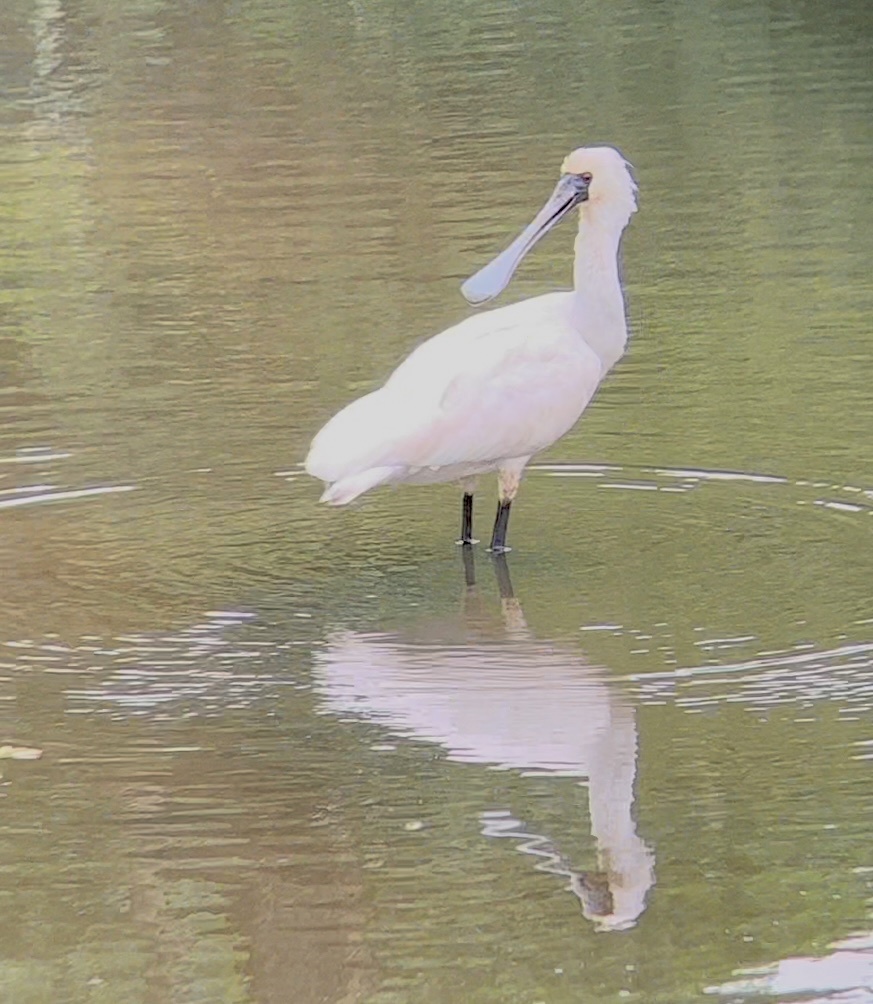
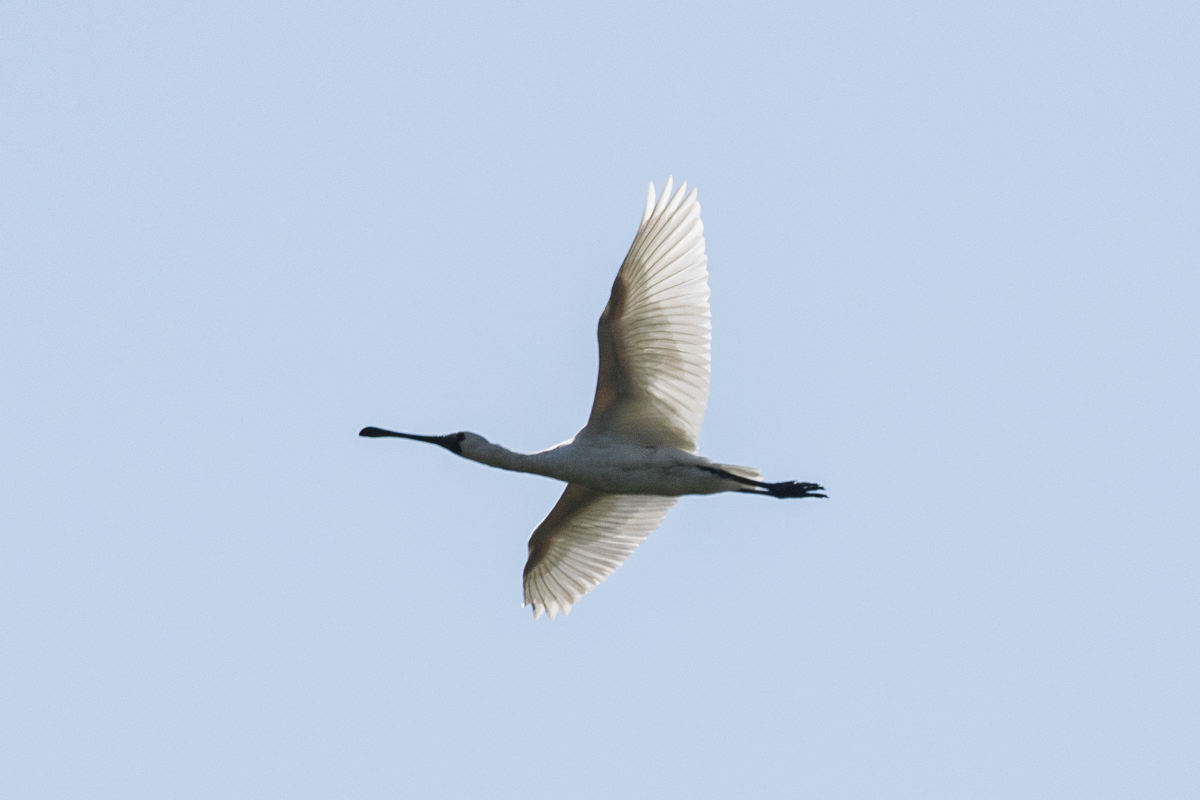
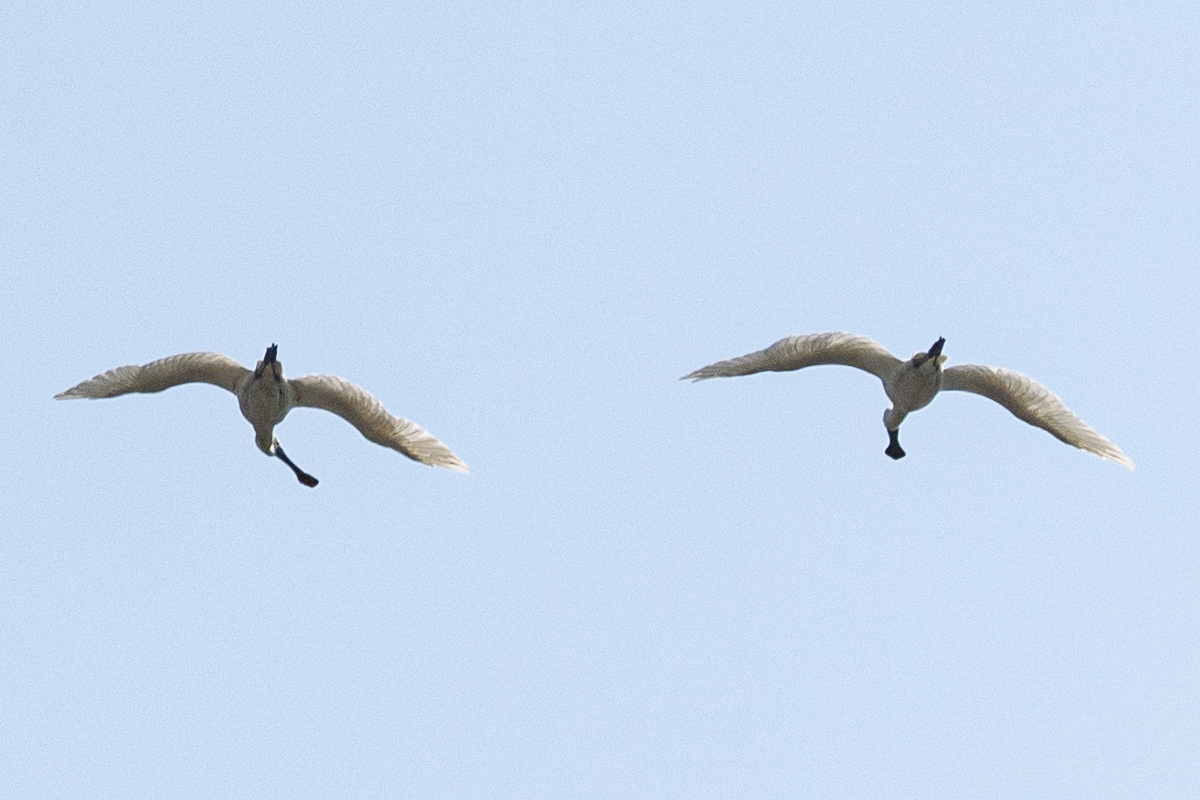
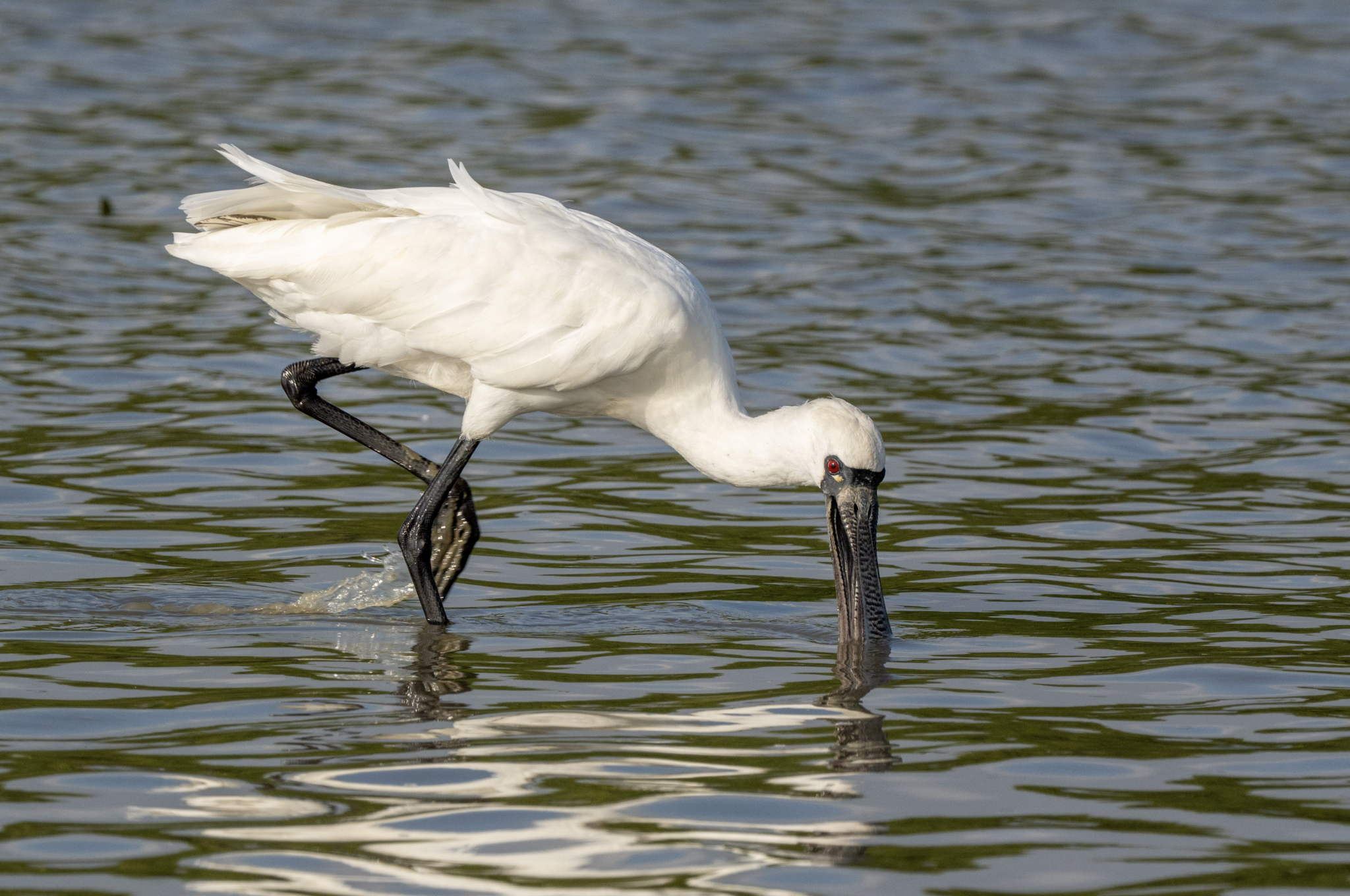
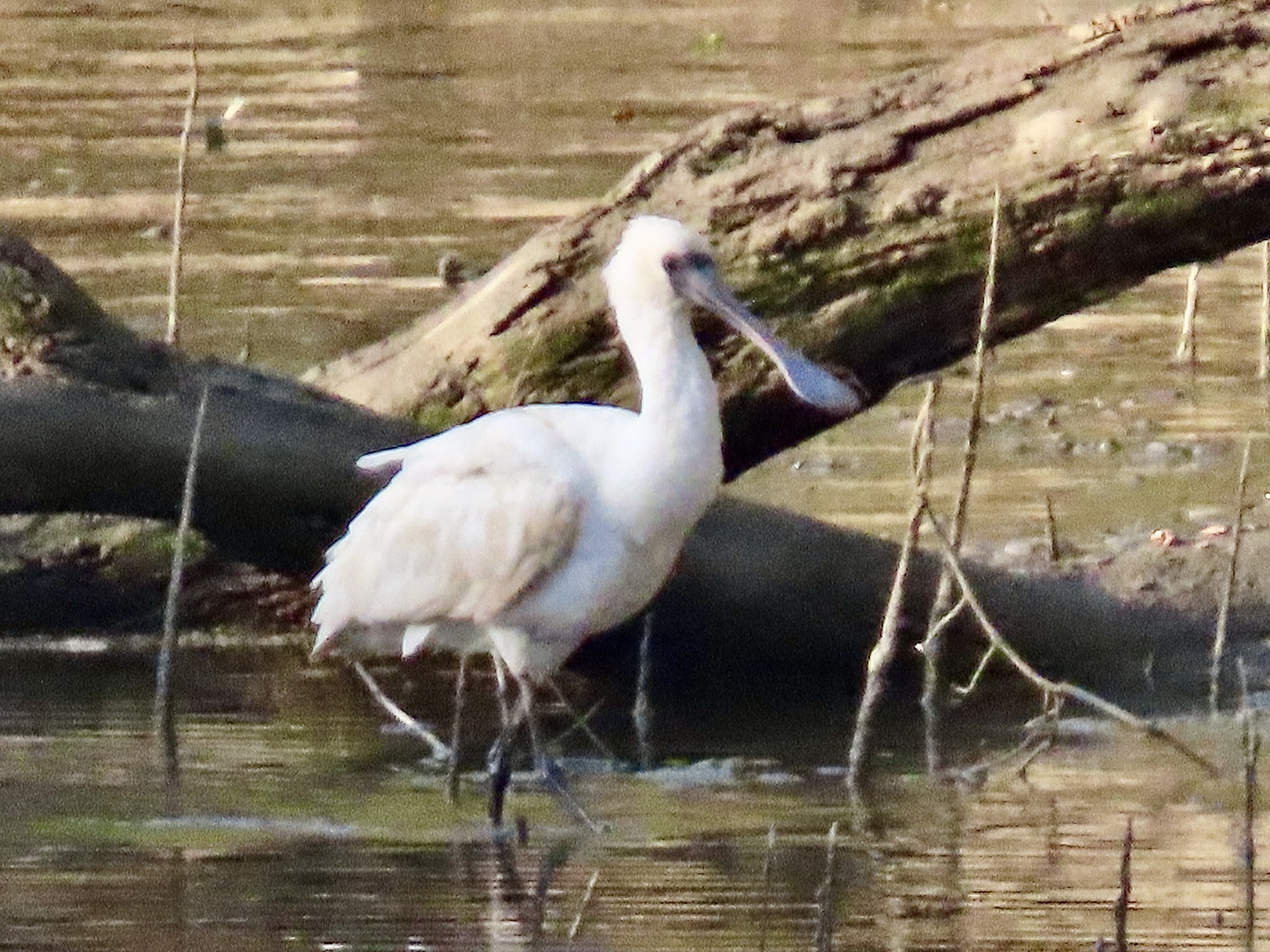
This large wading bird displays the characteristic spatulate bill shape shared with other spoonbills, featuring a distinctive dorso-ventrally flattened structure ideal for its tactile feeding method. Adults in breeding plumage develop striking yellow coloration extending from the back of the head down to the breast, though this plumage only appears during the third or fourth year of life when the bird reaches sexual maturity. The bill itself is black, providing a bold contrast against the white body plumage. These are substantial birds among waterfowl, built for wading in shallow waters where they sweep their specialized bills through mud and water to detect prey.
Identification
Field identification should focus on the combination of all-white plumage with the diagnostic black bill and the distinctive spoon-shaped bill. The yellow breeding plumage on the head and breast, when present, distinguishes breeding adults. Unlike similar-sized waders, the feeding behavior of side-to-side bill sweeping is characteristic. The royal spoonbill represents its closest relative based on genetic studies, though the black-faced species lacks the dark markings on the head and neck that can appear on royal spoonbills.
Distribution & Habitat
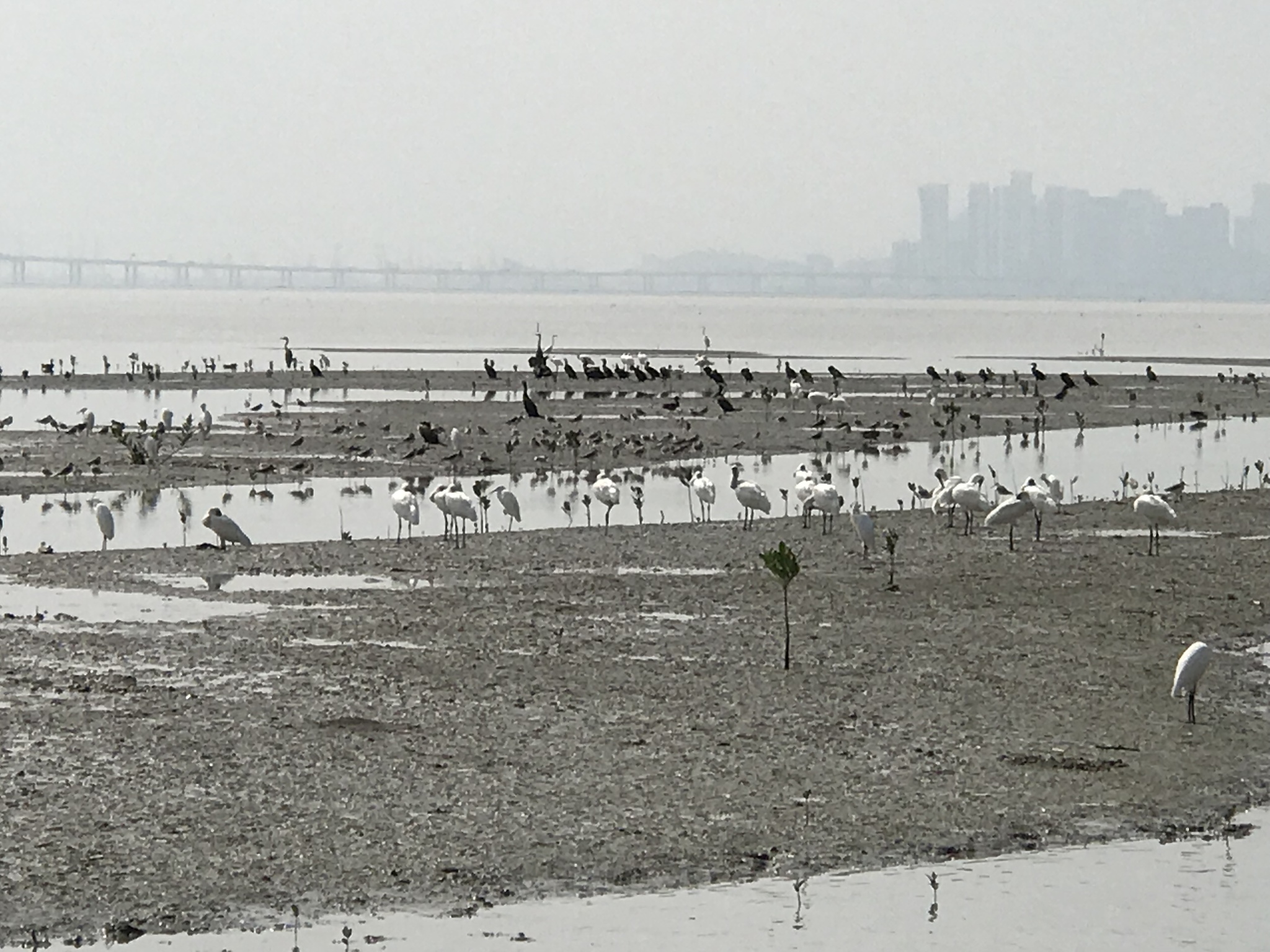
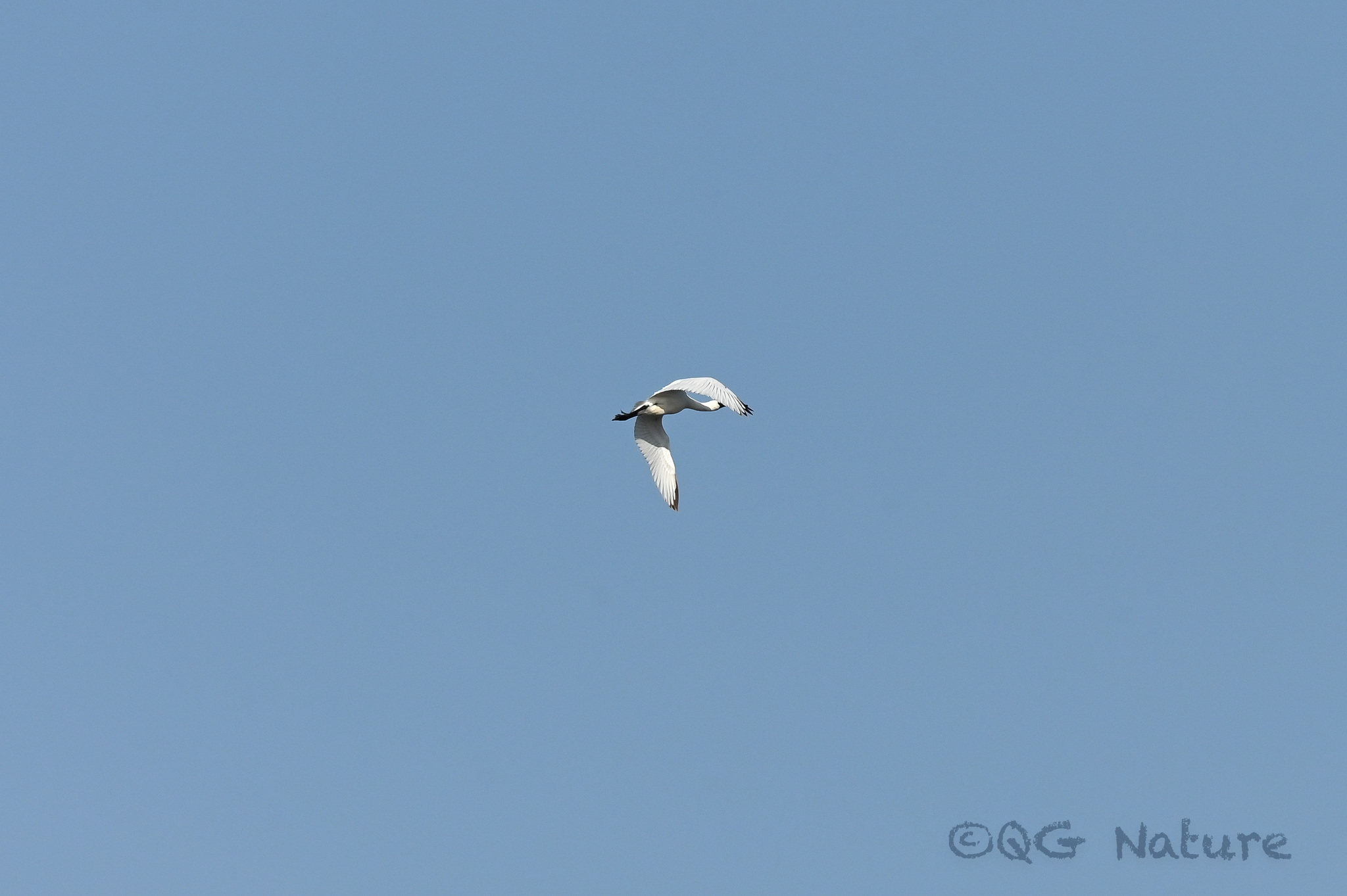
The global population concentrates primarily in eastern Asia, with breeding restricted to small rocky islands off the western coast of North Korea, though an undiscovered breeding colony possibly in northeastern China may exist. Wintering populations distribute across multiple key sites including Macau, Hong Kong, Taiwan, Vietnam, Jeju in South Korea, Kyushu and Okinawa in Japan, and the Red River delta. Recent sightings have expanded to Thailand, the Philippines, and additional Chinese sites. The species relies on intertidal mudflats as critical feeding habitat during migration and winter, demonstrating some adaptability to environmental disturbances.
Behavior & Ecology
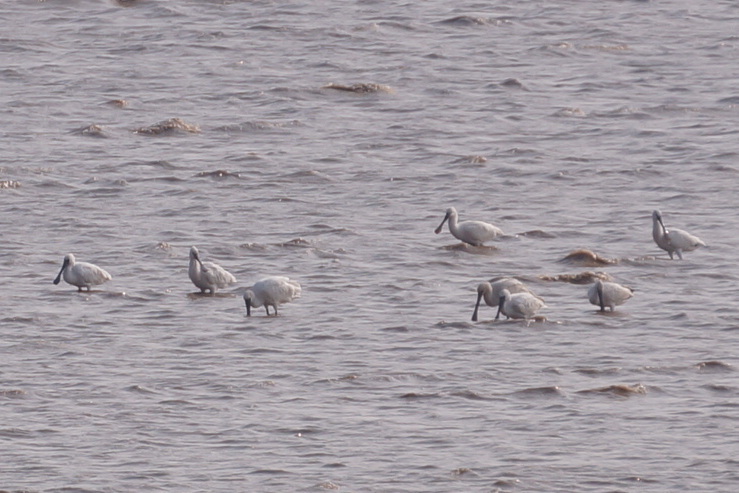
Breeding occurs colonially on small islands between March and August, though only approximately half of individuals displaying full breeding plumage actually attempt reproduction each season, contributing to slow population growth. These birds are crepuscular feeders, relying on intertidal mudflats where they sweep their bills side-to-side to detect prey. During winter months, particularly in southwestern Taiwan's Chiku Wetland where over half the global population may congregate, they depend heavily on largescale mullets as their primary food source. Vocalizations and social behaviors follow patterns typical of colonial water birds, though specific details are limited in available sources.
Conservation
The species achieved endangered classification with the IUCN in 2000 following severe population decline in the 1990s. Protection measures vary by country: China lists it in the Red Data Book with protected status at Jiuduansha near Shanghai; Hong Kong protects it under the Wild Animals Protection Ordinance, with Mai Po Marshes supporting significant numbers; North Korea maintains restricted access zones around nesting islands; Vietnam's wintering sites fall within Ramsar Convention reserves though habitat conversion for shrimp farming continues. Primary threats include habitat destruction for agriculture, aquaculture, and industrialization, plus direct human disturbance from photographers, shellfish collectors, and powerboats. Disease poses significant risk, with 73 birds dying from avian botulism in winter 2002/2003. South Korea recognizes it as Natural Monument #205 and a first-class endangered species.
Culture
In South Korea, this endangered bird holds official cultural significance as Natural Monument #205, reflecting national appreciation for the species. Beyond legal protection, conservation efforts in South Korea have included scientific research into breeding and population monitoring, contributing to the broader regional recovery of this once critically endangered species. The species serves as an ambassador for coastal wetland conservation across eastern Asia.
Source: Wikipedia · CC BY-SA 3.0
Taxonomy
- Order
- Pelecaniformes
- Family
- Threskiornithidae
- Genus
- Platalea
- eBird Code
- blfspo1
Distribution
breeds northeastern China and Korea; winters to southeastern Asia
Data Sources
Species description from Wikipedia, licensed under CC BY-SA 3.0.
Bird images and sounds sourced from GBIF, contributed by citizen scientists worldwide under Creative Commons licenses.
Taxonomy data from AviList 2025.