Western Hooded Pitta
Pitta sordida
绿胸八色鸫
Introduction
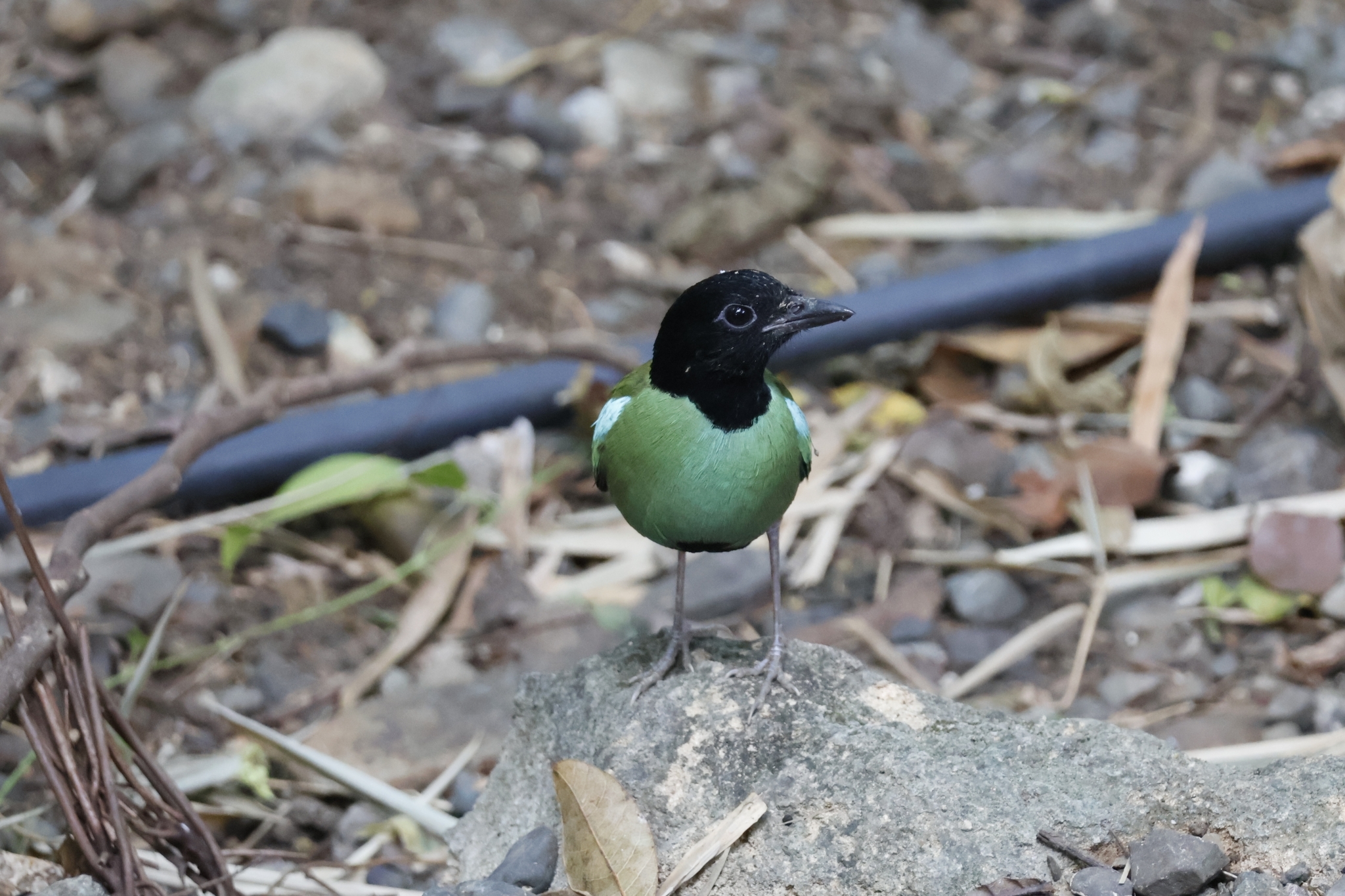
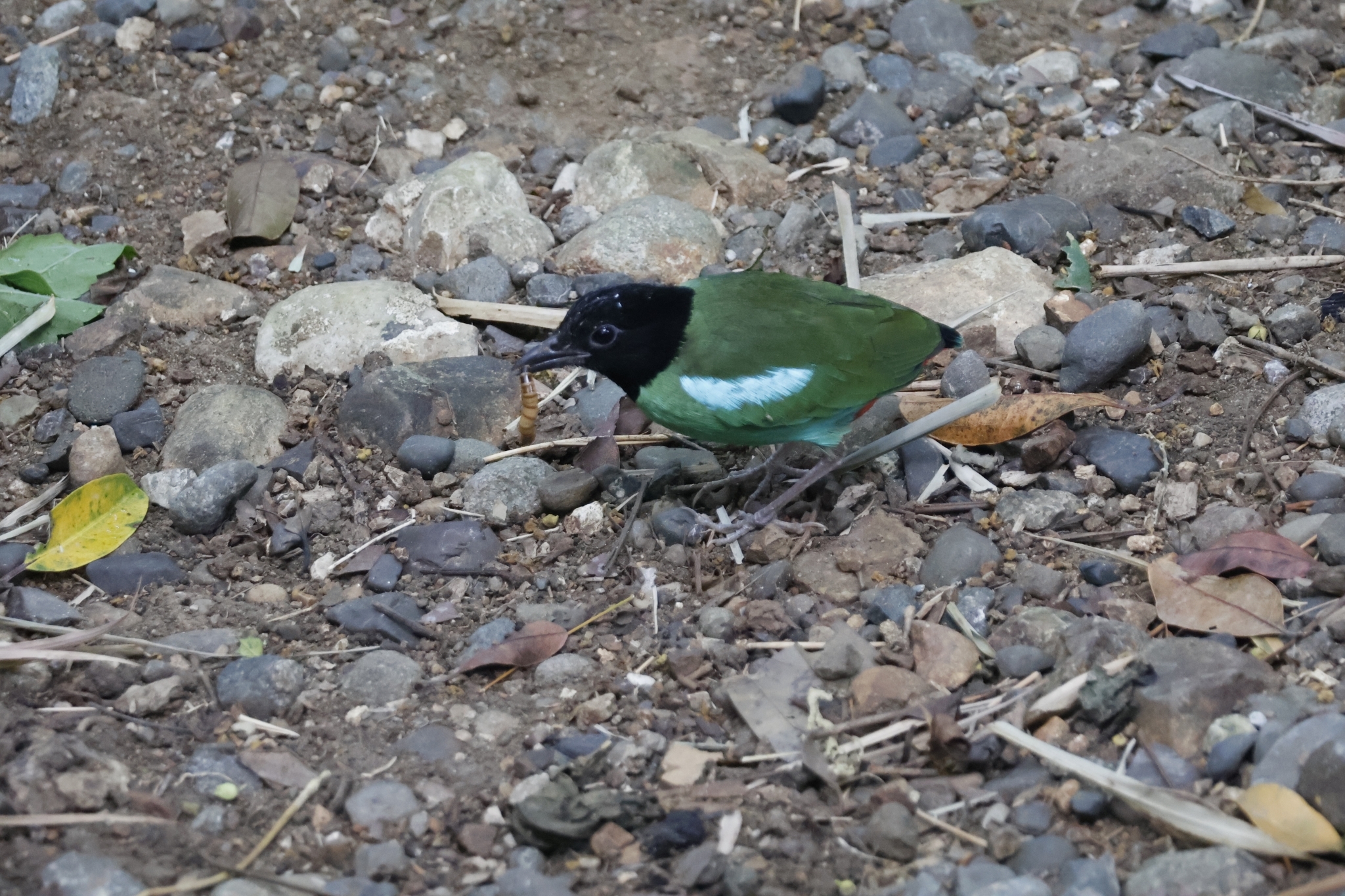
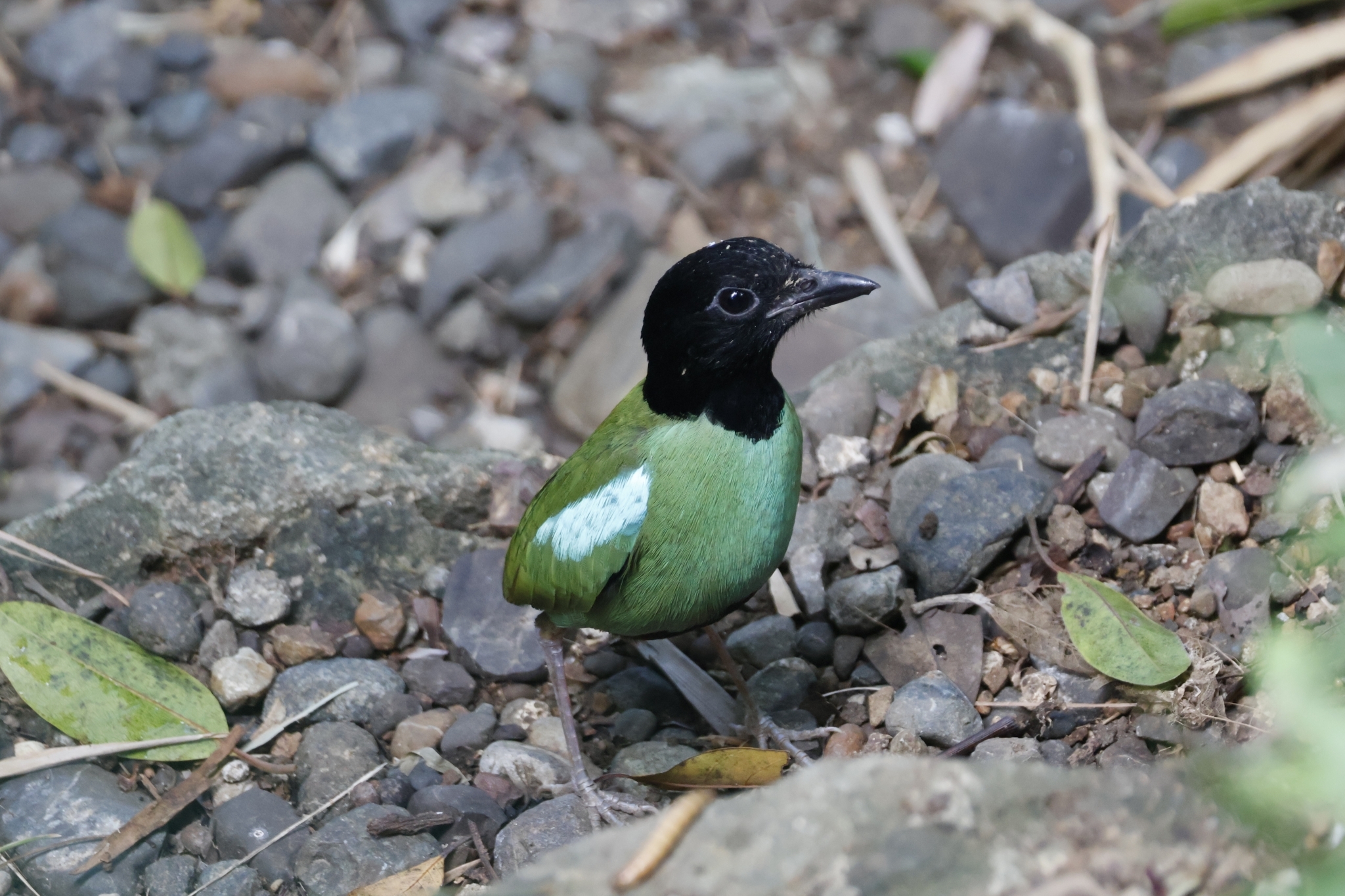
A passerine bird in the family Pittidae. It occurs across eastern and southeastern Asia and maritime Southeast Asia, inhabiting various forest types as well as plantations and cultivated areas. The species is characterized by its bright green plumage contrasting with a black head and chestnut crown. It forages on the ground for insects and their larvae and also consumes berries. The breeding season extends from February to August, with pairs being highly territorial and constructing ground nests. Both parents share incubation and chick-rearing duties. The International Union for Conservation of Nature has assessed its conservation status as least concern due to its extensive range.
Description
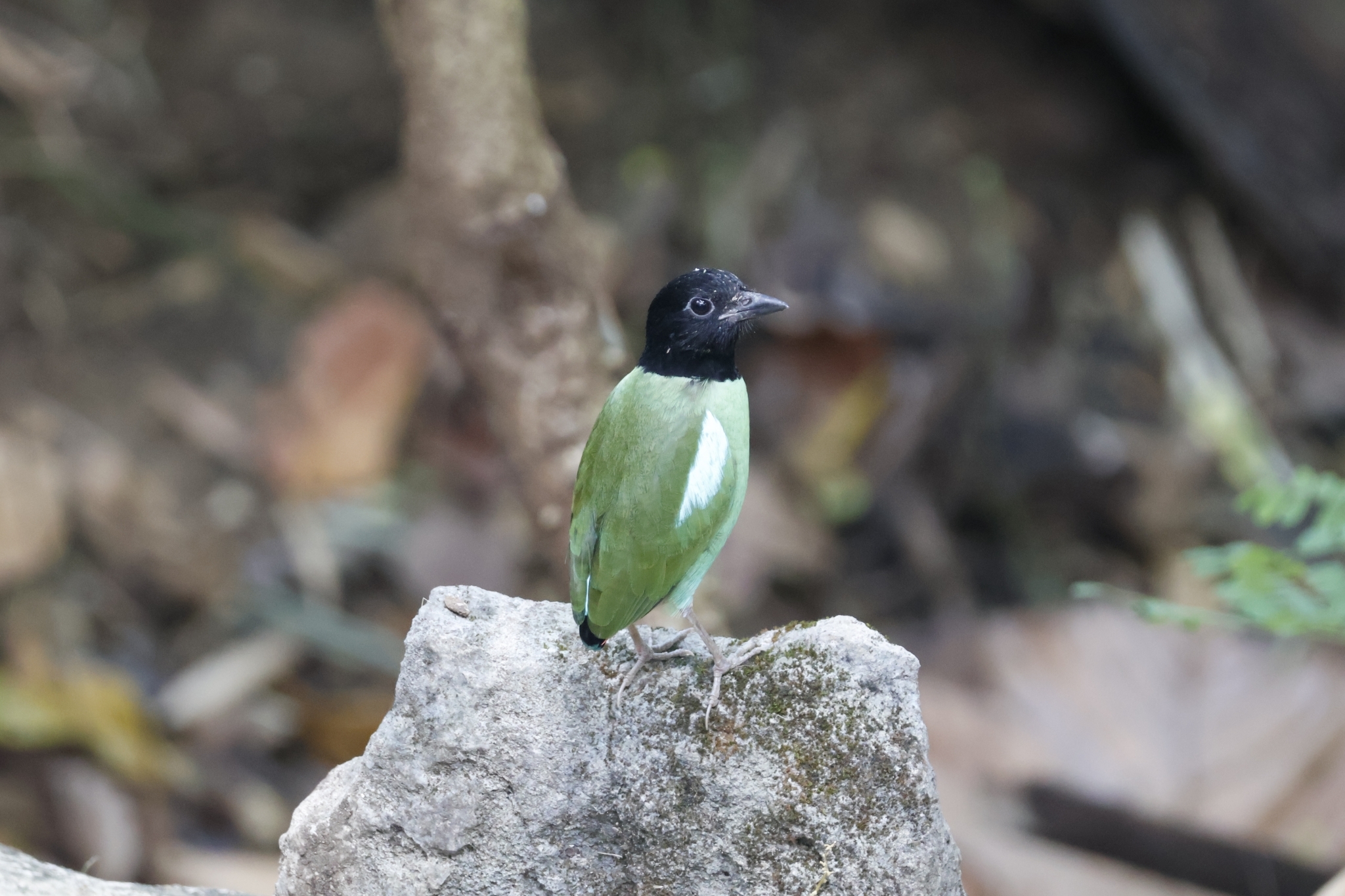
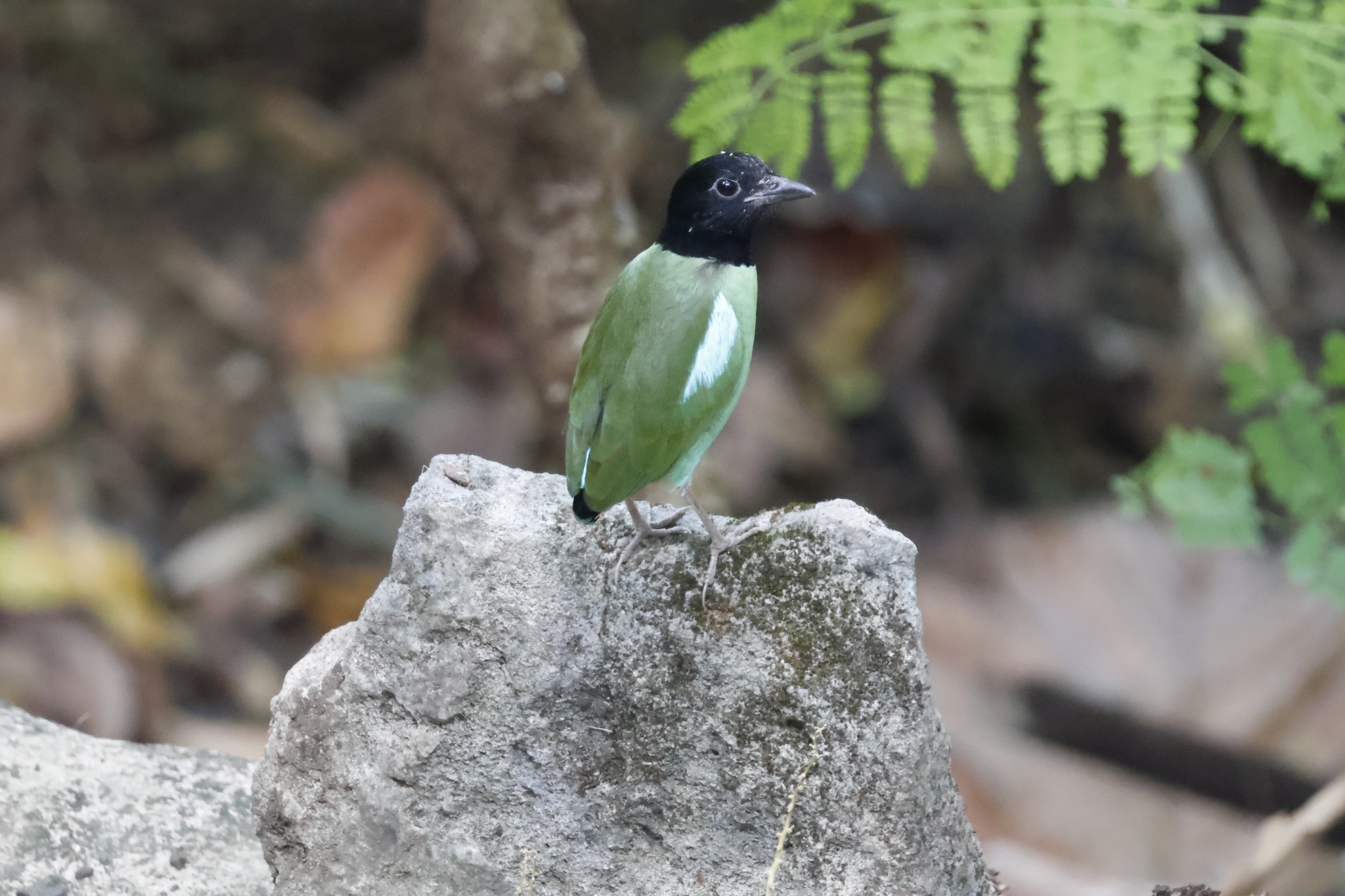
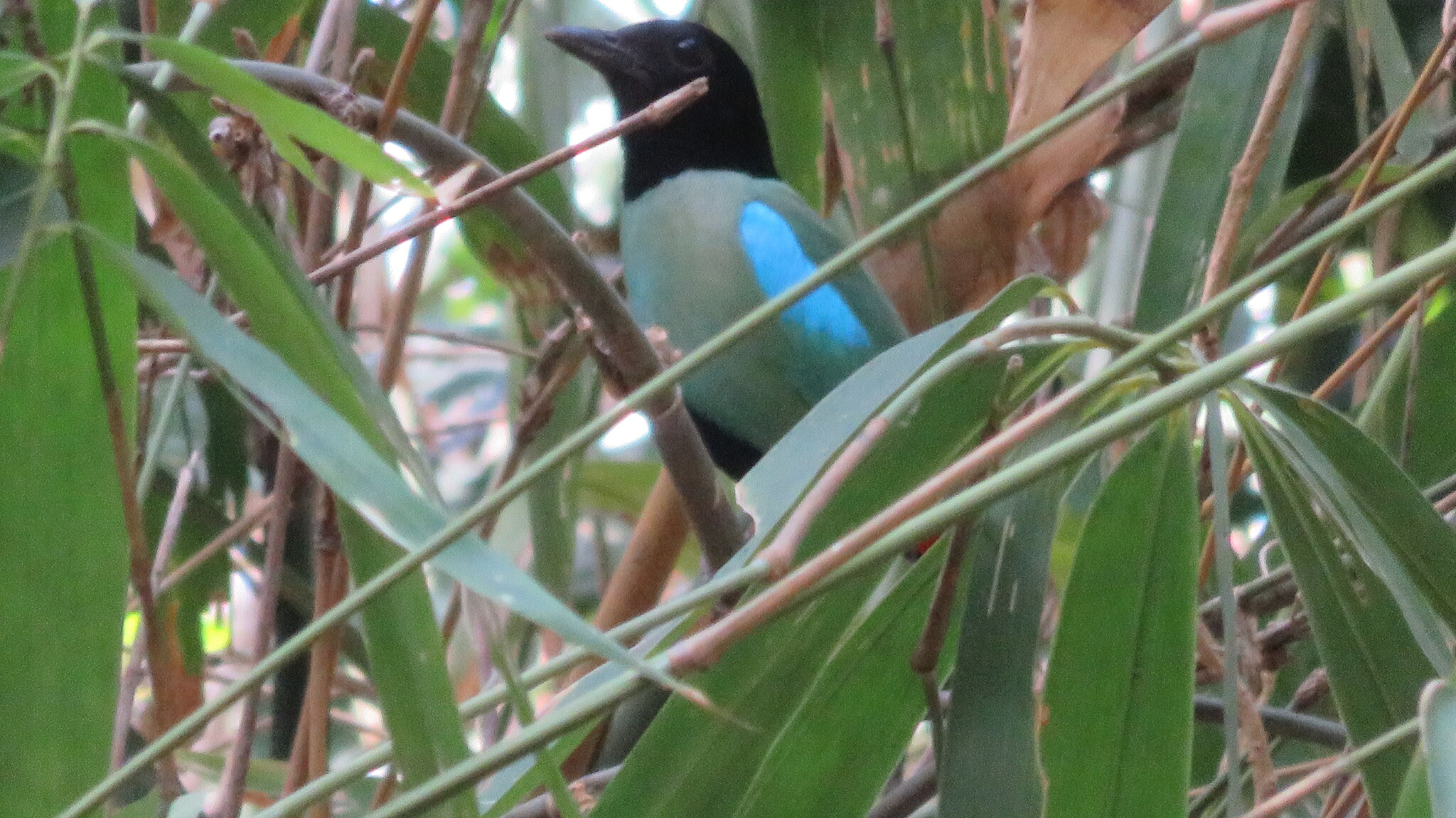
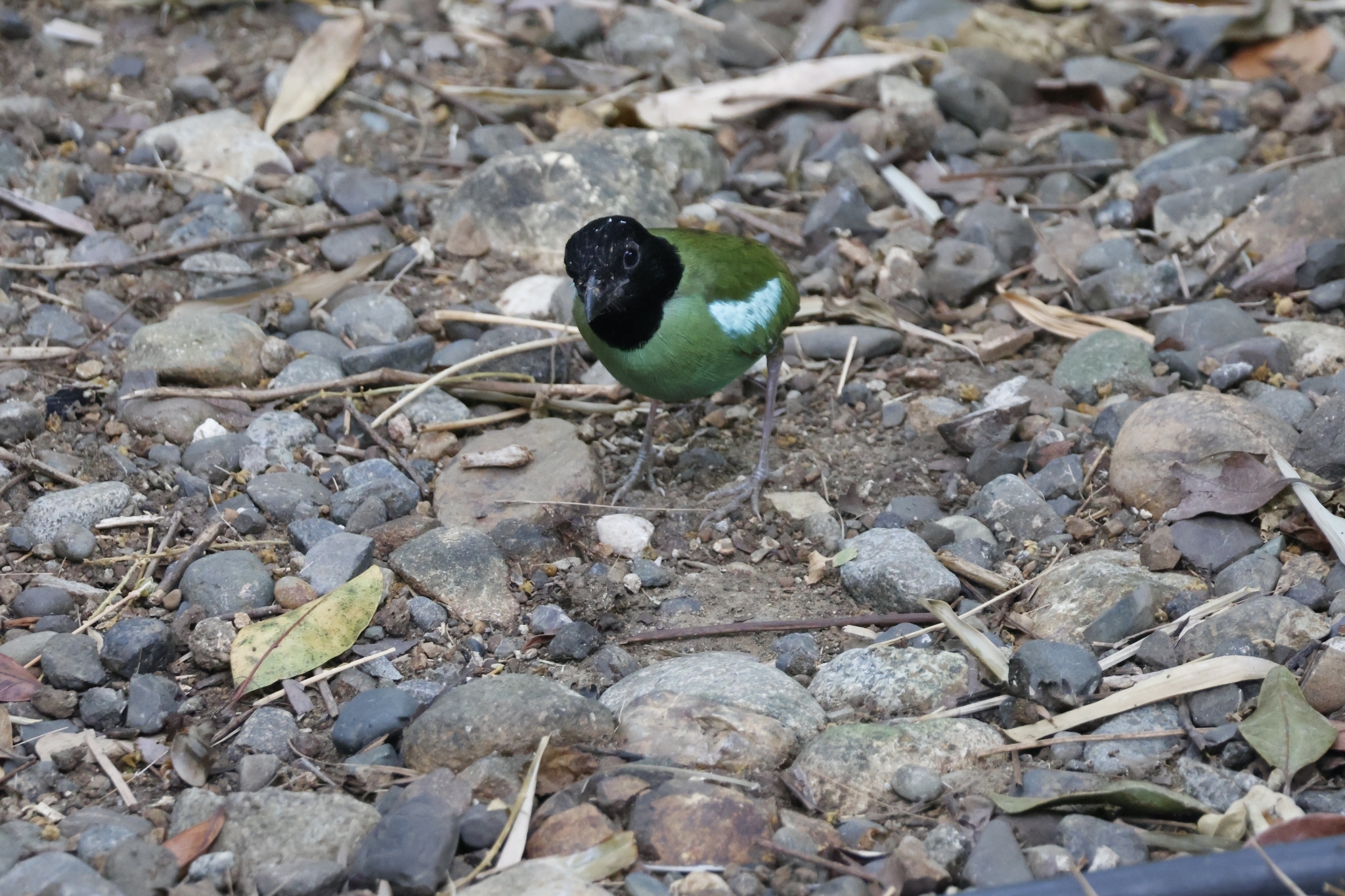
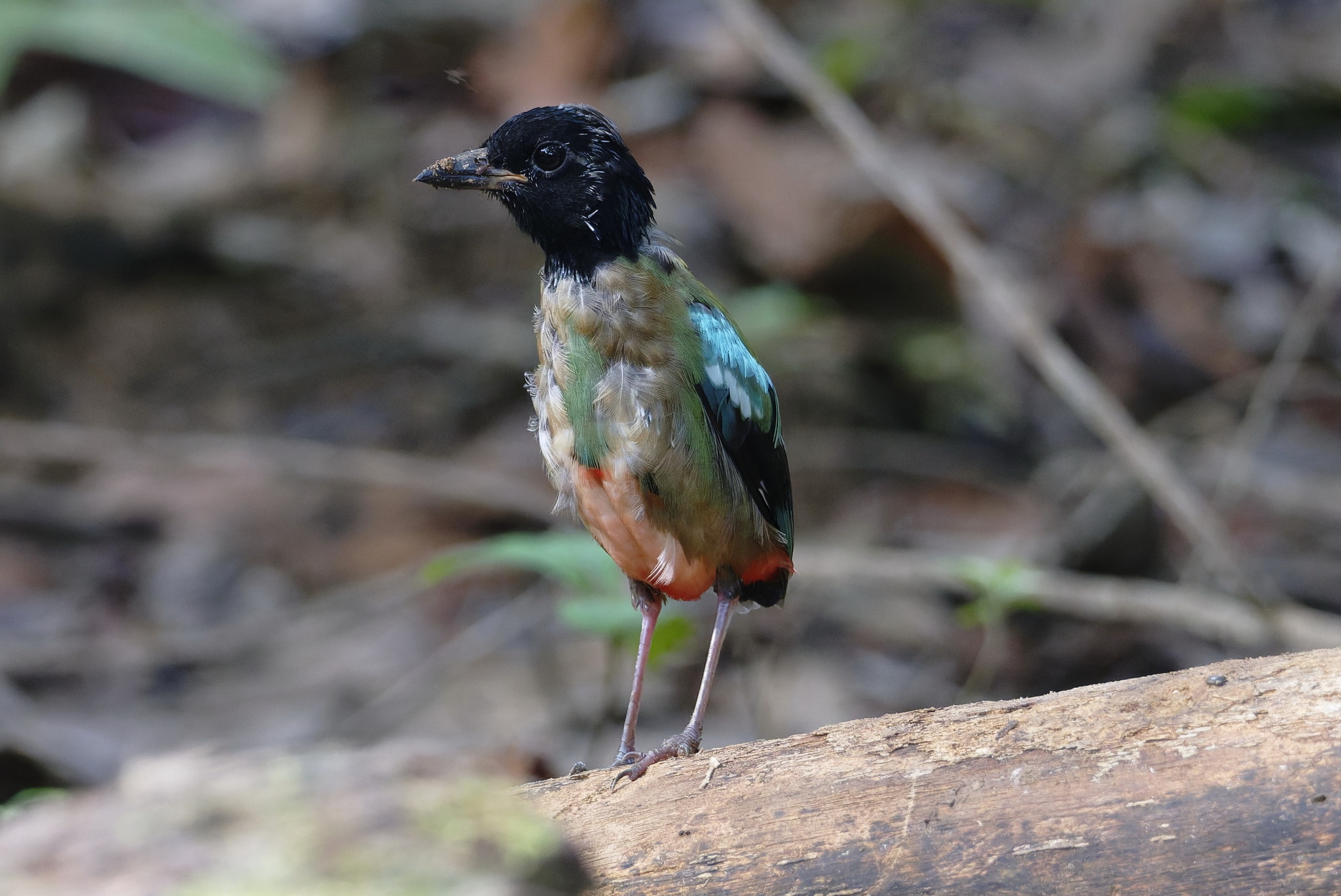
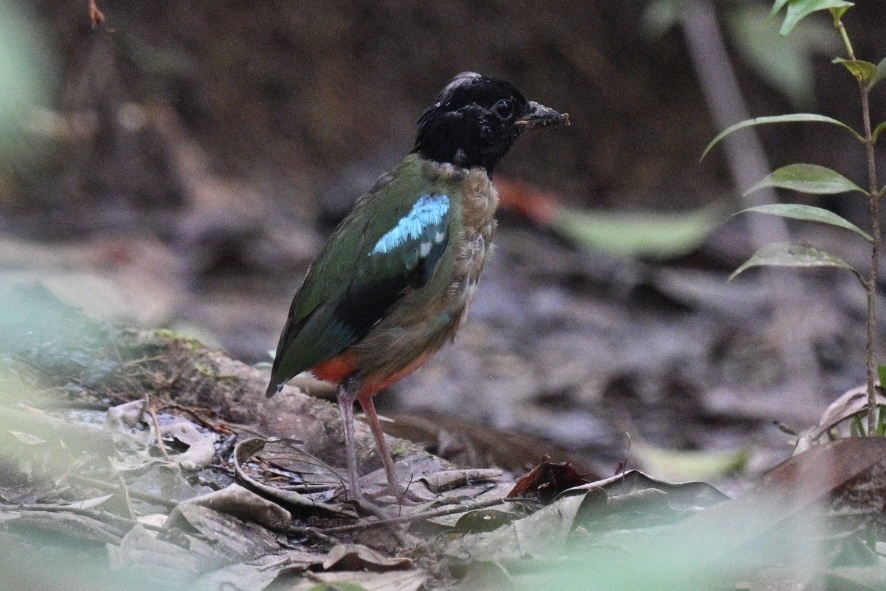
A small, compact passerine measuring 16 to 19 cm (6.3 to 7.5 in) in length and weighing 42 to 70 g (1.5 to 2.5 oz). The head is black, contrasting with a chestnut-colored crown. The upperparts, including the back, rump, and wings, are bright green. The underparts vary from green to yellowish-green. The legs and feet are pale pinkish-brown, and the bill is black. The species exhibits no significant sexual dimorphism in plumage.
Distribution & Habitat
Occurs across eastern and southeastern Asia and maritime Southeast Asia. The nominate subspecies P. s. sordida occupies the Philippines excluding the Palawan group. P. s. cucullata ranges from northern India through southern China to Indochina. P. s. mulleri inhabits the Malay Peninsula, Sumatra, Java, Borneo, and the southwestern Sulu Archipelago. P. s. bangkana occurs on Bangka and Belitung islands. P. s. palawanensis is restricted to the Palawan group in southwestern Philippines. P. s. sanghirana is found in the Sangihe Islands northeast of Sulawesi. The species inhabits various forest types and also uses plantations and cultivated areas.
Behavior & Ecology
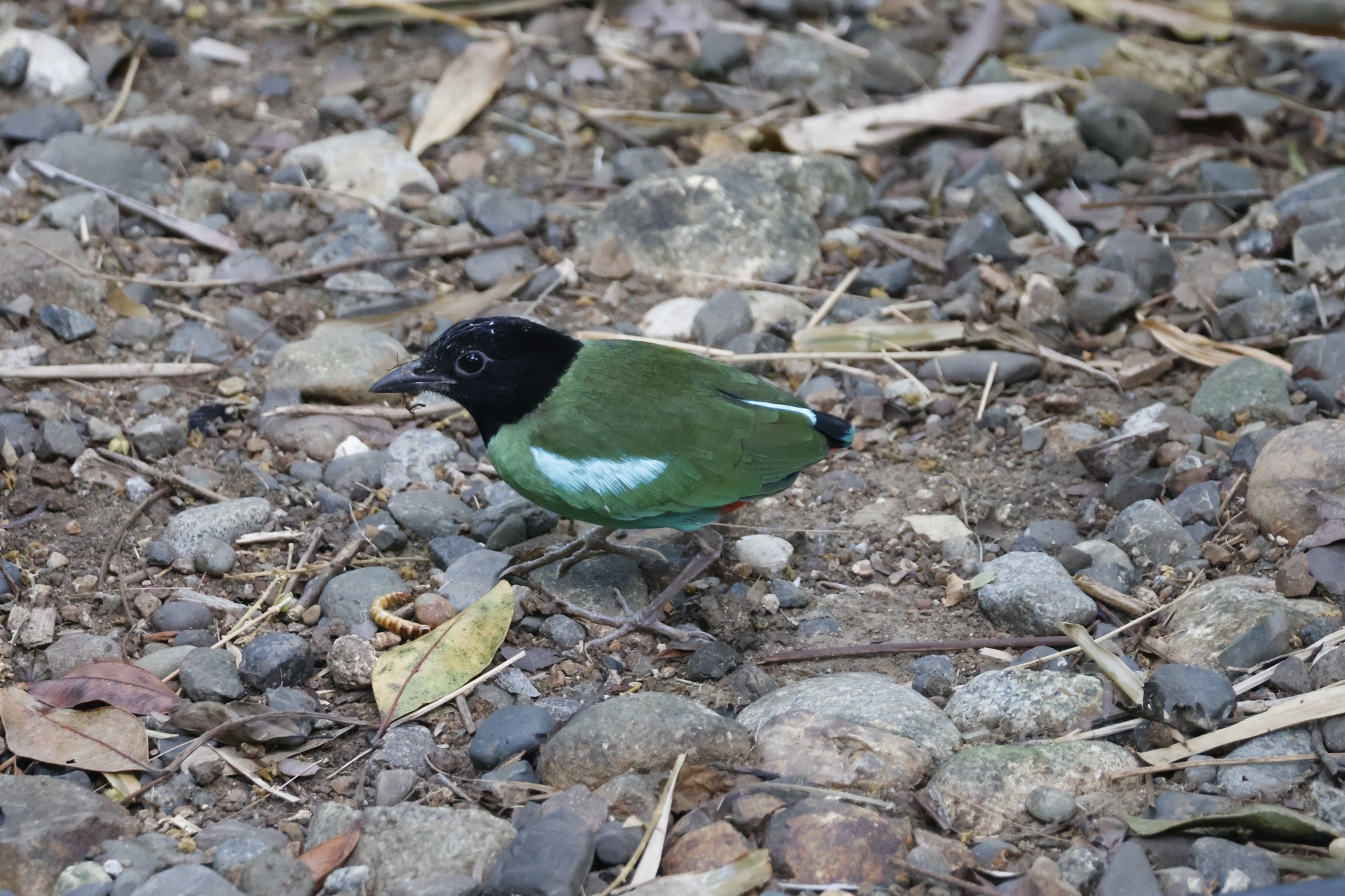
Forages primarily on the ground, hunting various insects and their larvae, supplemented by berries. The breeding season spans from February to August. Both parents participate in nest building, incubation, and chick-rearing. Nests are constructed on the ground. The species is highly territorial throughout the year, producing distinctive fluty double-noted whistle calls described as 'qweeek-qweeek' that can be heard constantly from territories, sometimes throughout the night. In captivity, they mix well with other bird species but may show aggression toward other pittas during breeding.
Conservation
Assessed as least concern by the International Union for Conservation of Nature. Although habitat loss is ongoing and causing population declines across its range, the rate of decline has not been sufficient to warrant a threatened category assessment. The species' extensive geographic distribution and presumed large population buffer it from immediate conservation concerns.
Culture
Maintained in captivity at several institutions including London Zoo, where they are housed in a large walk-through aviary in the restored Blackburn Pavilion bird house, and at the Durrell Wildlife Park in a mixed-species walk-through exhibit alongside Palawan peacock-pheasants and white-rumped shamas.
Source: Wikipedia · CC BY-SA 3.0
Taxonomy
- Order
- Passeriformes
- Family
- Pittidae
- Genus
- Pitta
- eBird Code
- wehpit1
Vocalizations
Subspecies (6)
-
Pitta sordida bangkana
Bangka and Belitung islands (east of Sumatra)
-
Pitta sordida cucullata
breeds Himalayan foothills of northern India eastward to southern China (Yunnan), northern Myanmar and Indochina, southward to Bangladesh, Thailand, and northwestern peninsular Malaysia; winters to southern peninsula Malaysia, Sumatra, and Java
-
Pitta sordida mulleri
Sumatra, Java, Borneo, and western Sulu Islands
-
Pitta sordida palawanensis
southwestern Philippines (Palawan, Culion, Balabac, Calauit, and Busuanga)
-
Pitta sordida sanghirana
Sangihe Islands (northeast of Sulawesi)
-
Pitta sordida sordida
Philippines (except Palawan group)
Data Sources
Species description from Wikipedia, licensed under CC BY-SA 3.0.
Bird images and sounds sourced from GBIF, contributed by citizen scientists worldwide under Creative Commons licenses.
Taxonomy data from AviList 2025.