Indian Pitta
Pitta brachyura
印度八色鸫
Introduction
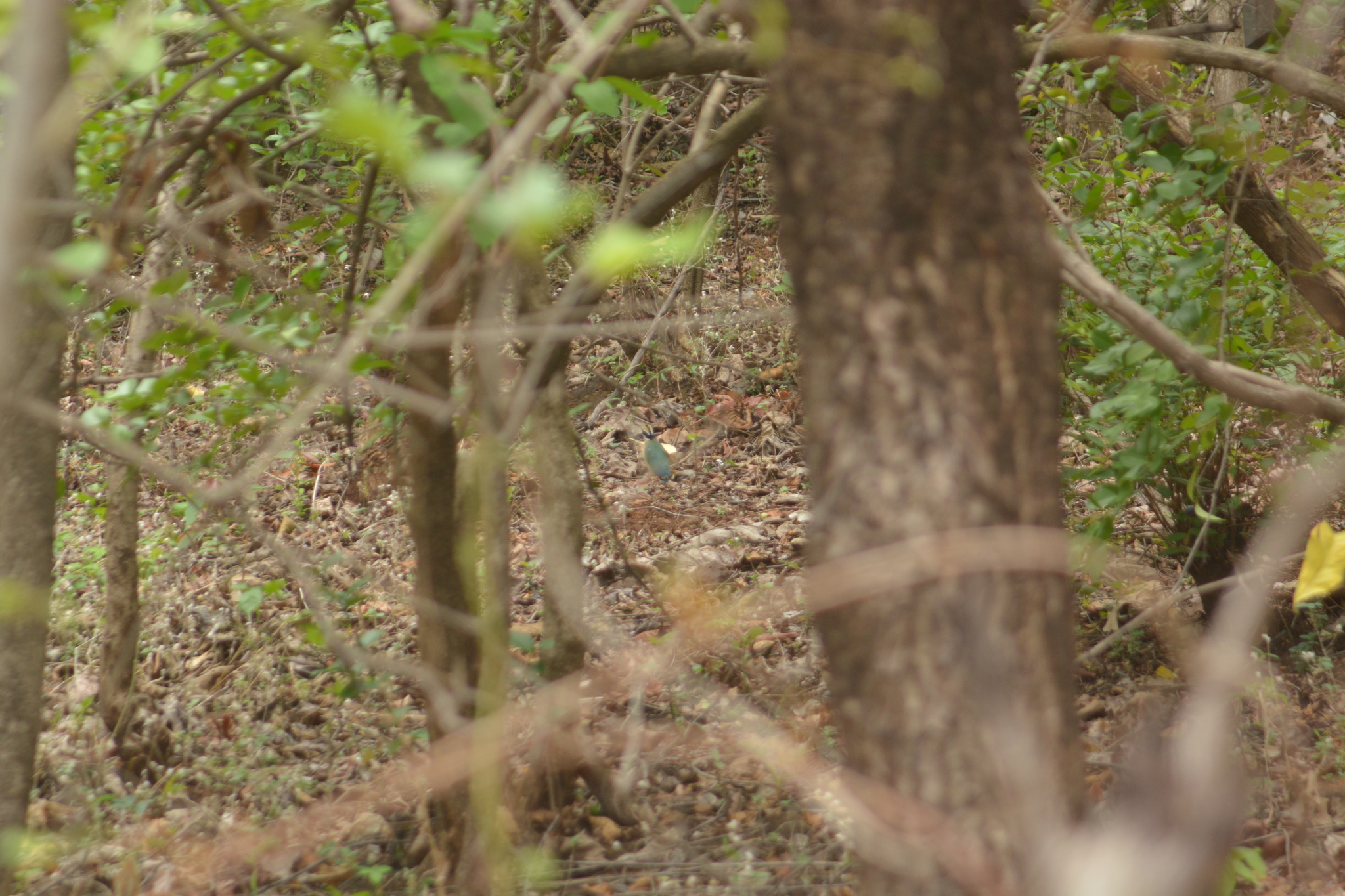
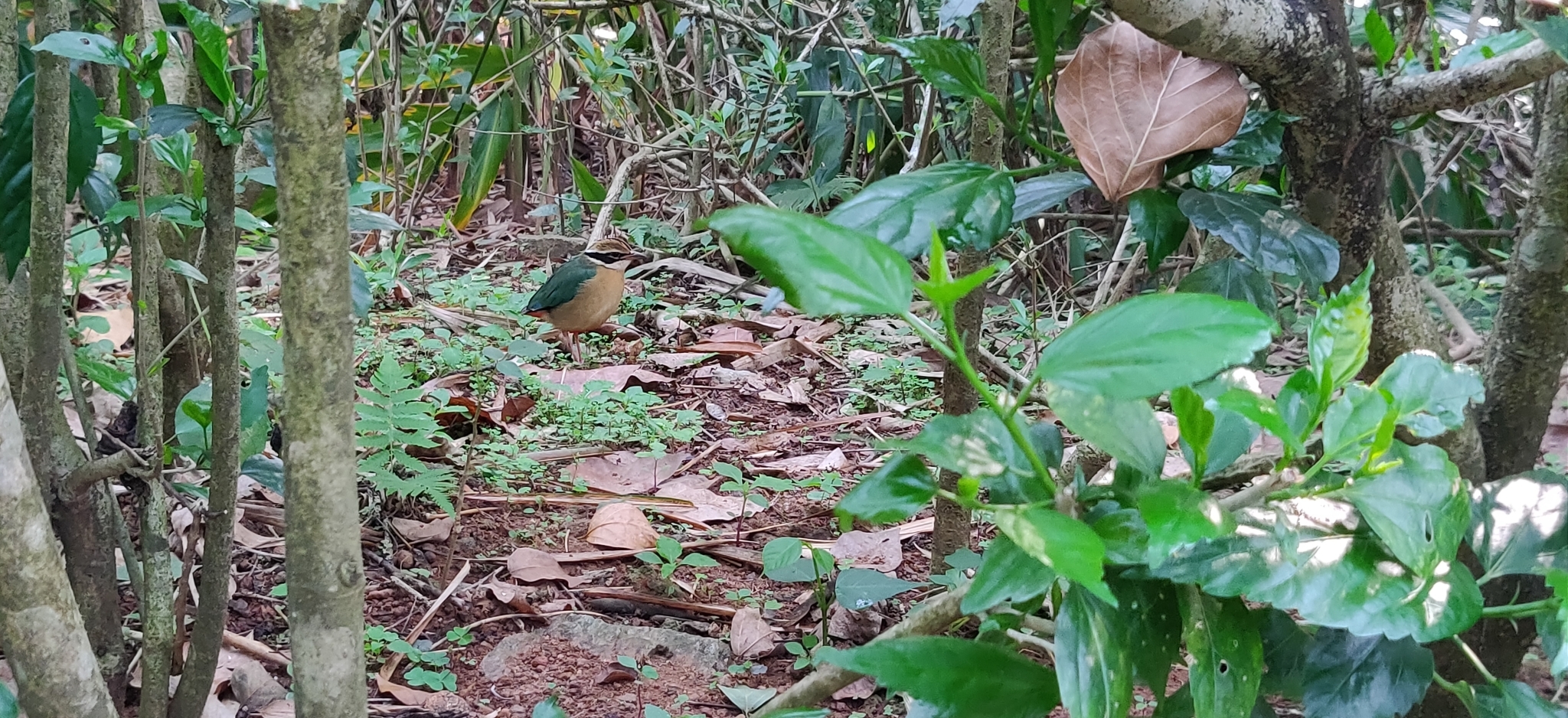
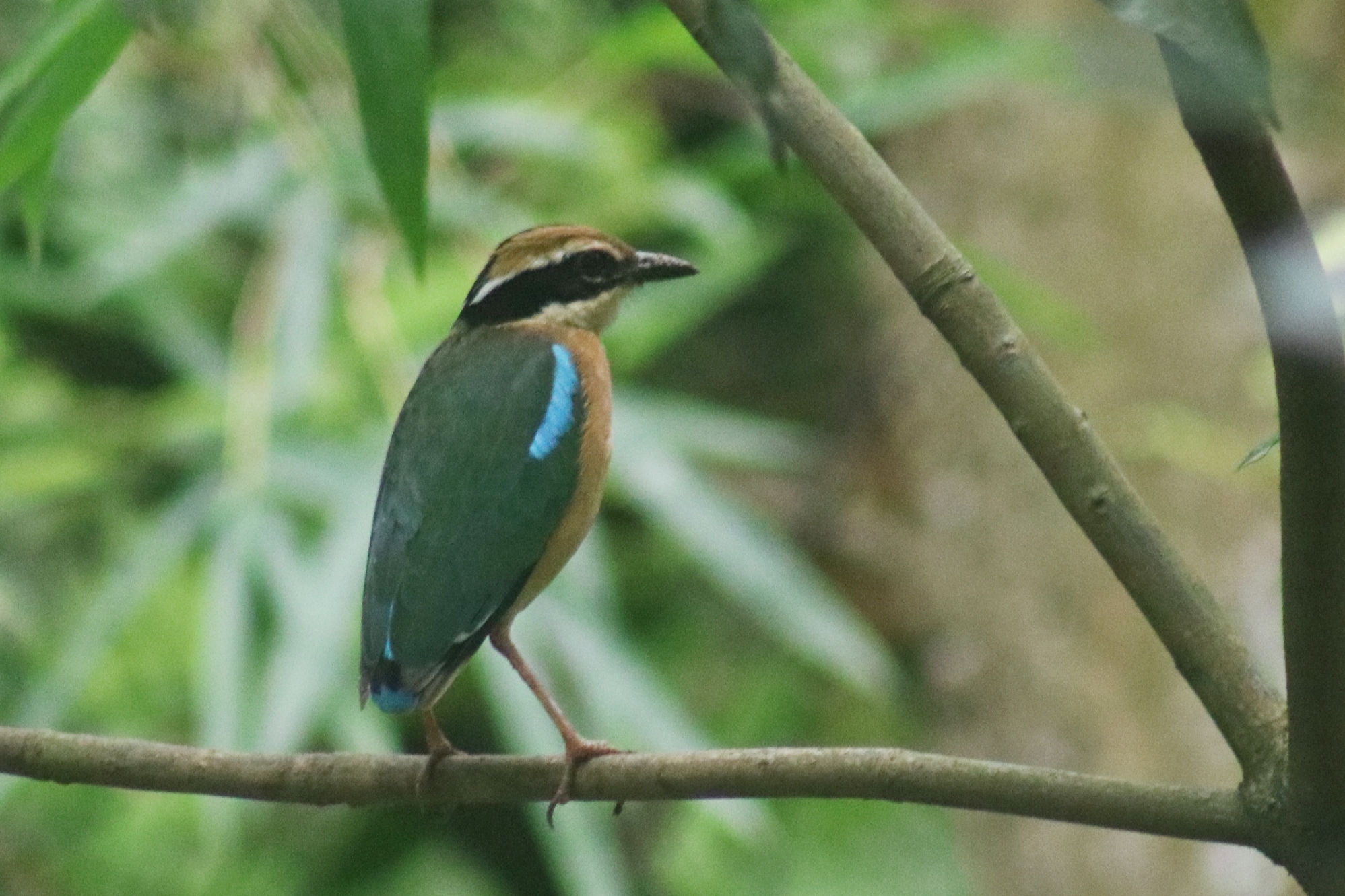
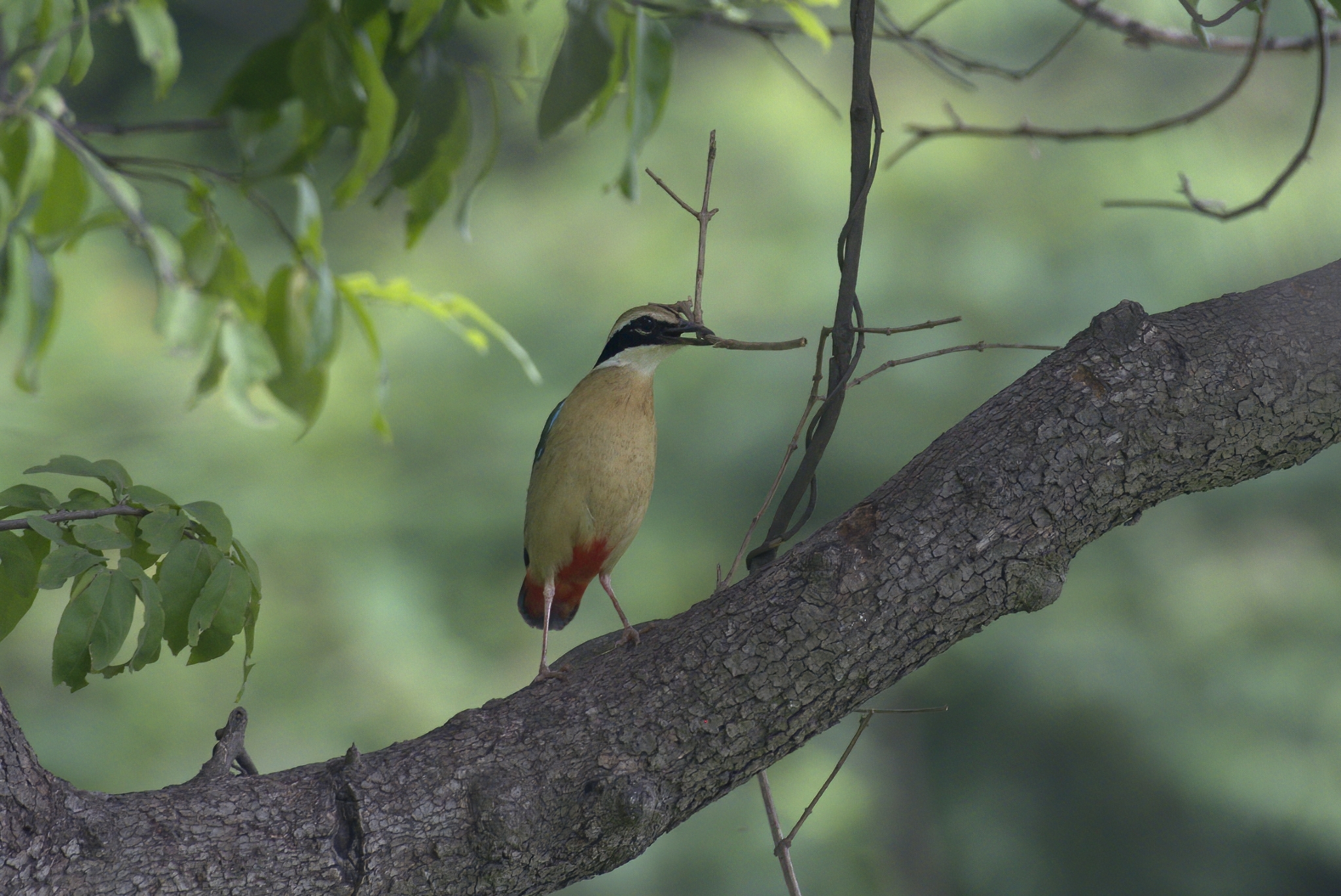
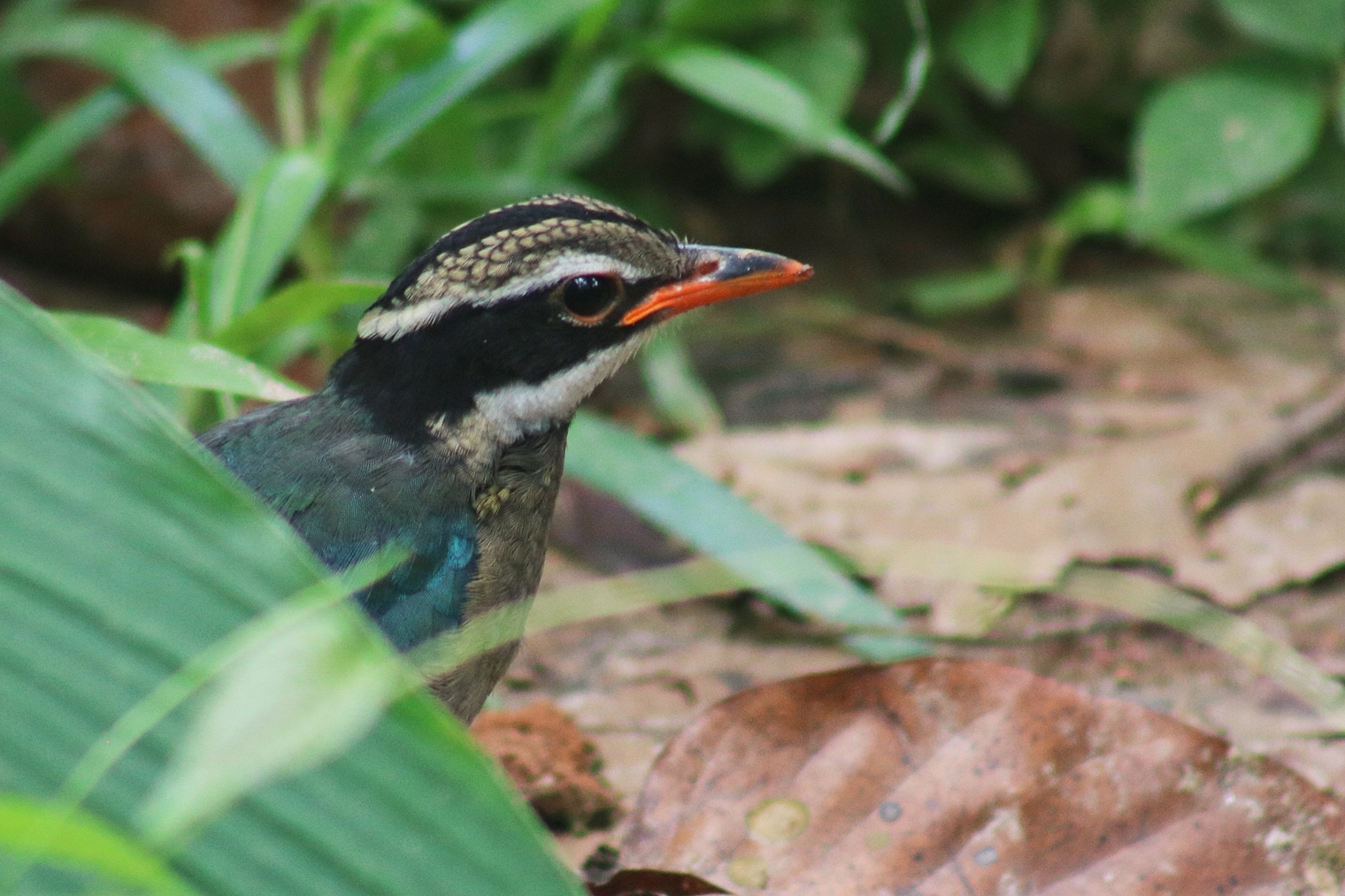
A passerine bird native to the Indian subcontinent. Inhabits scrub jungle, deciduous and dense evergreen forest. Although brightly colored, it is typically shy and concealed in undergrowth where it forages for insects on the forest floor. Has a distinctive two-note whistling call audible at dawn and dusk. Classified as Least Concern on the IUCN Red List due to a large estimated population.
Description
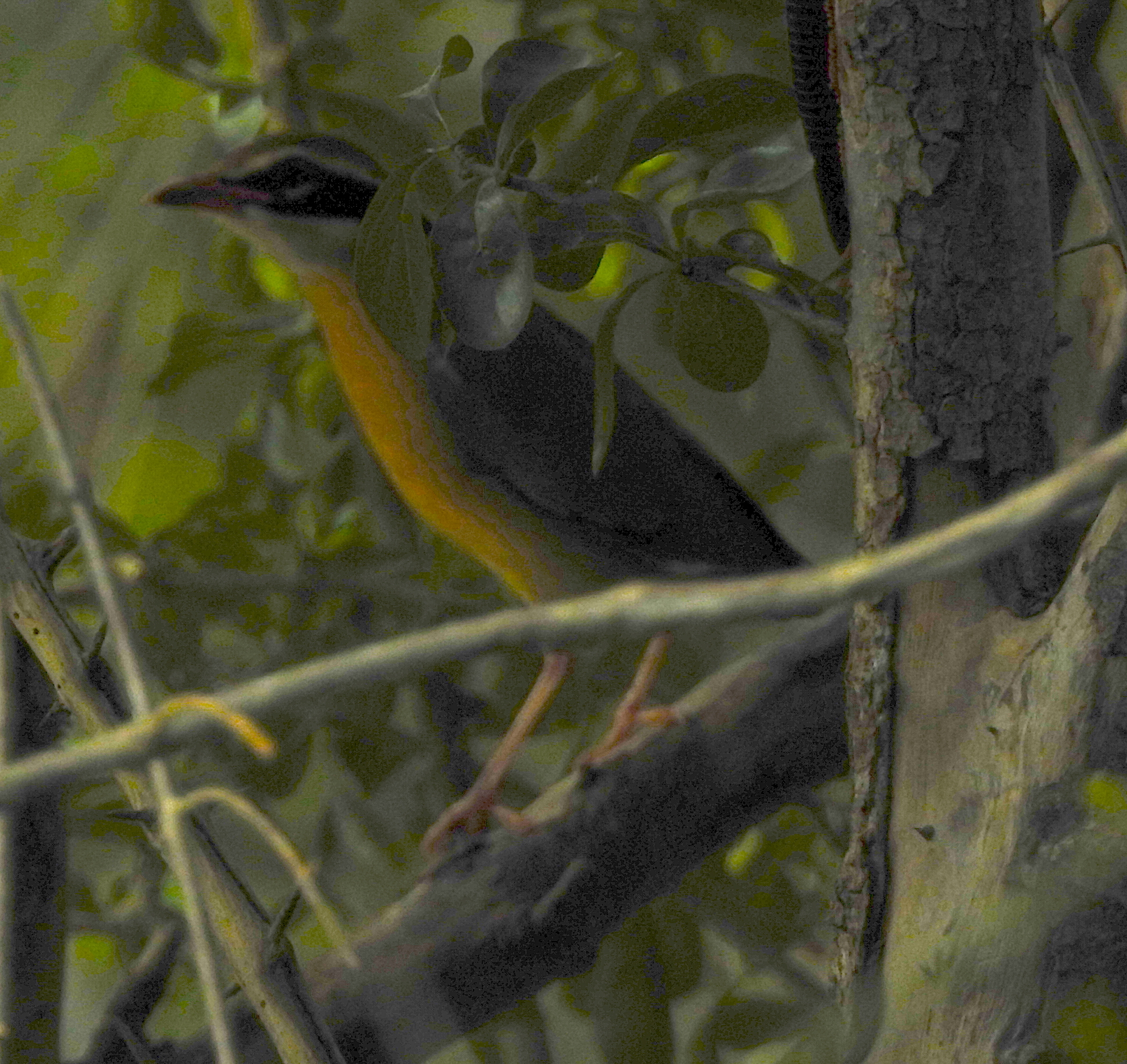
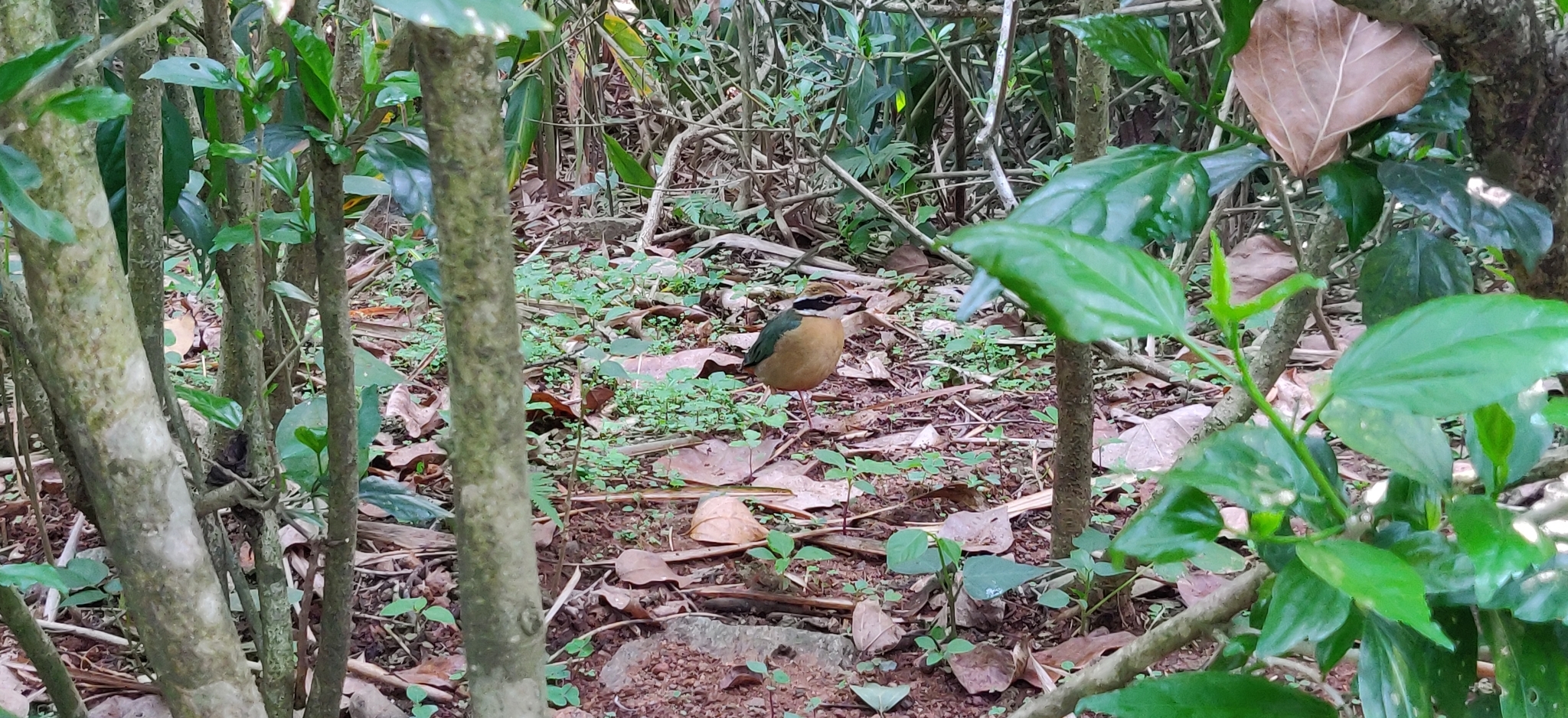
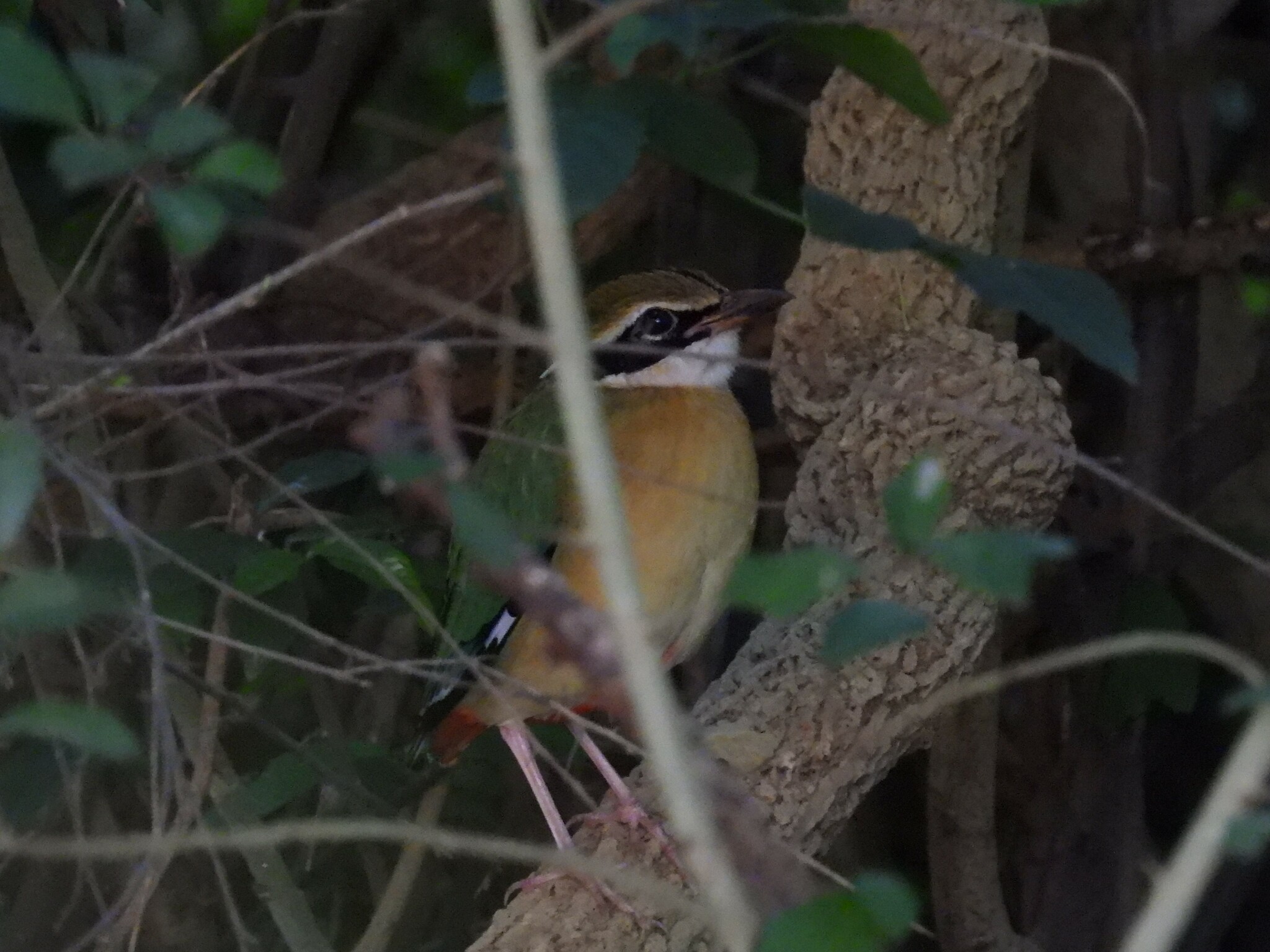
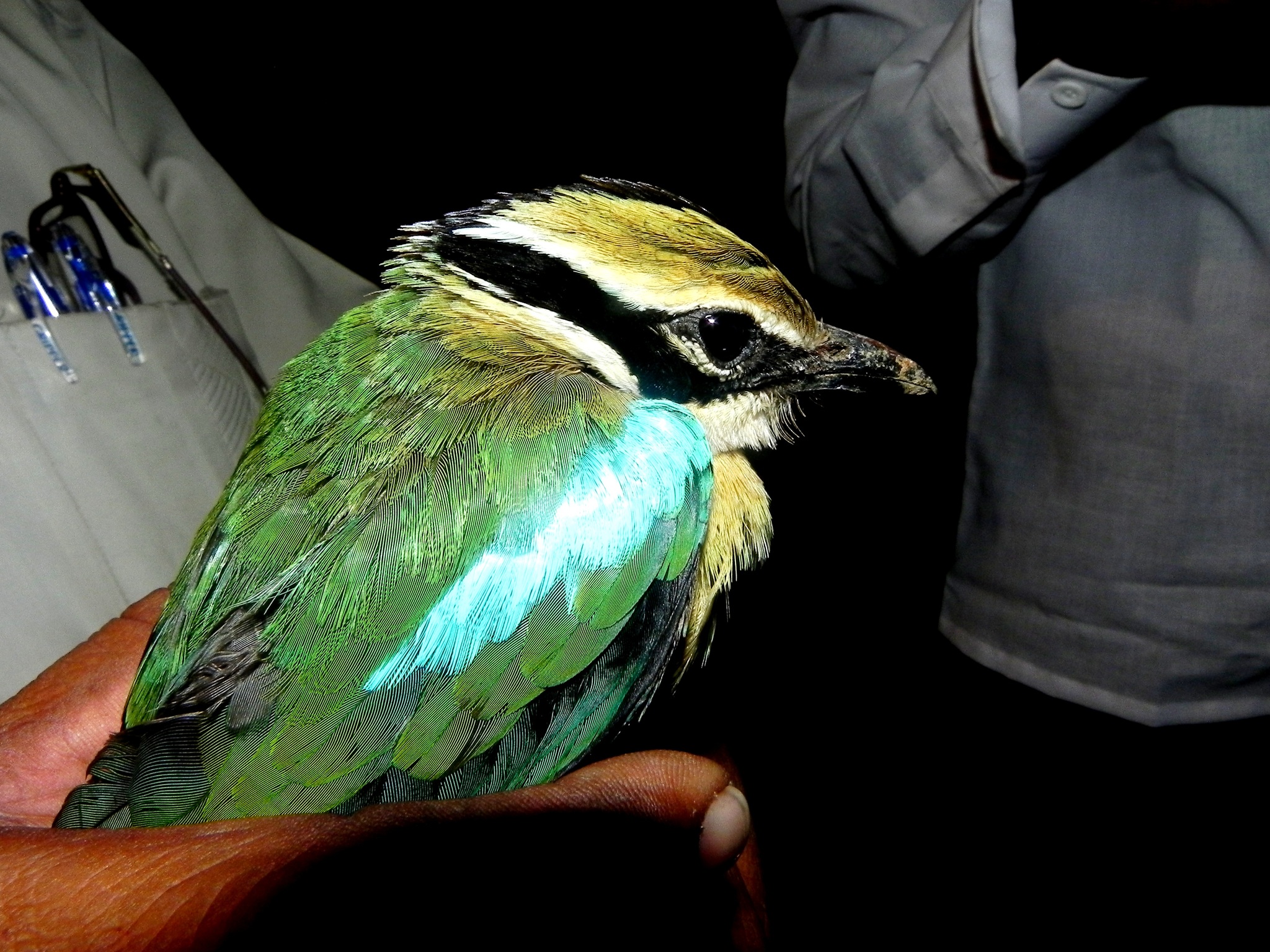
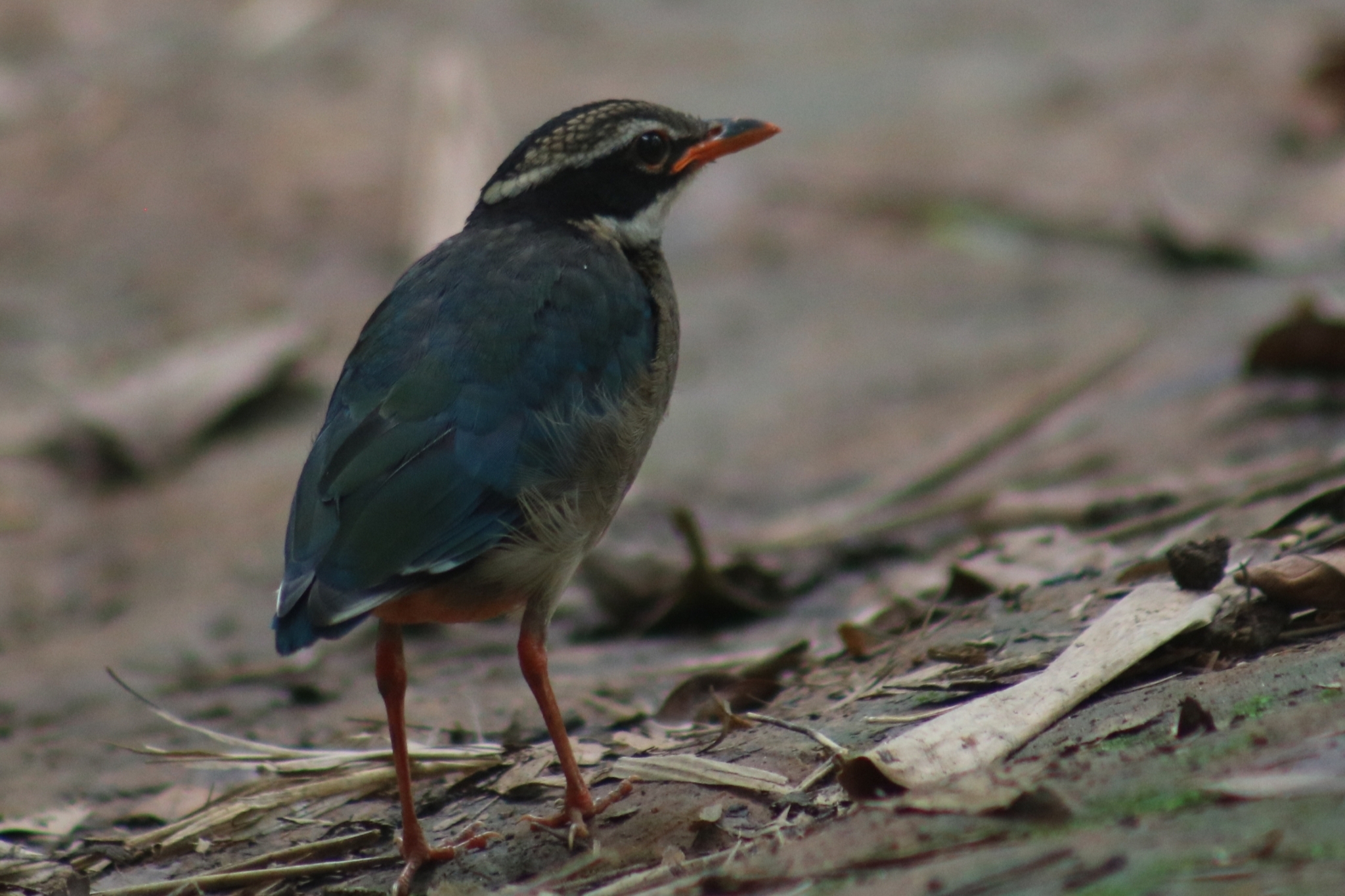
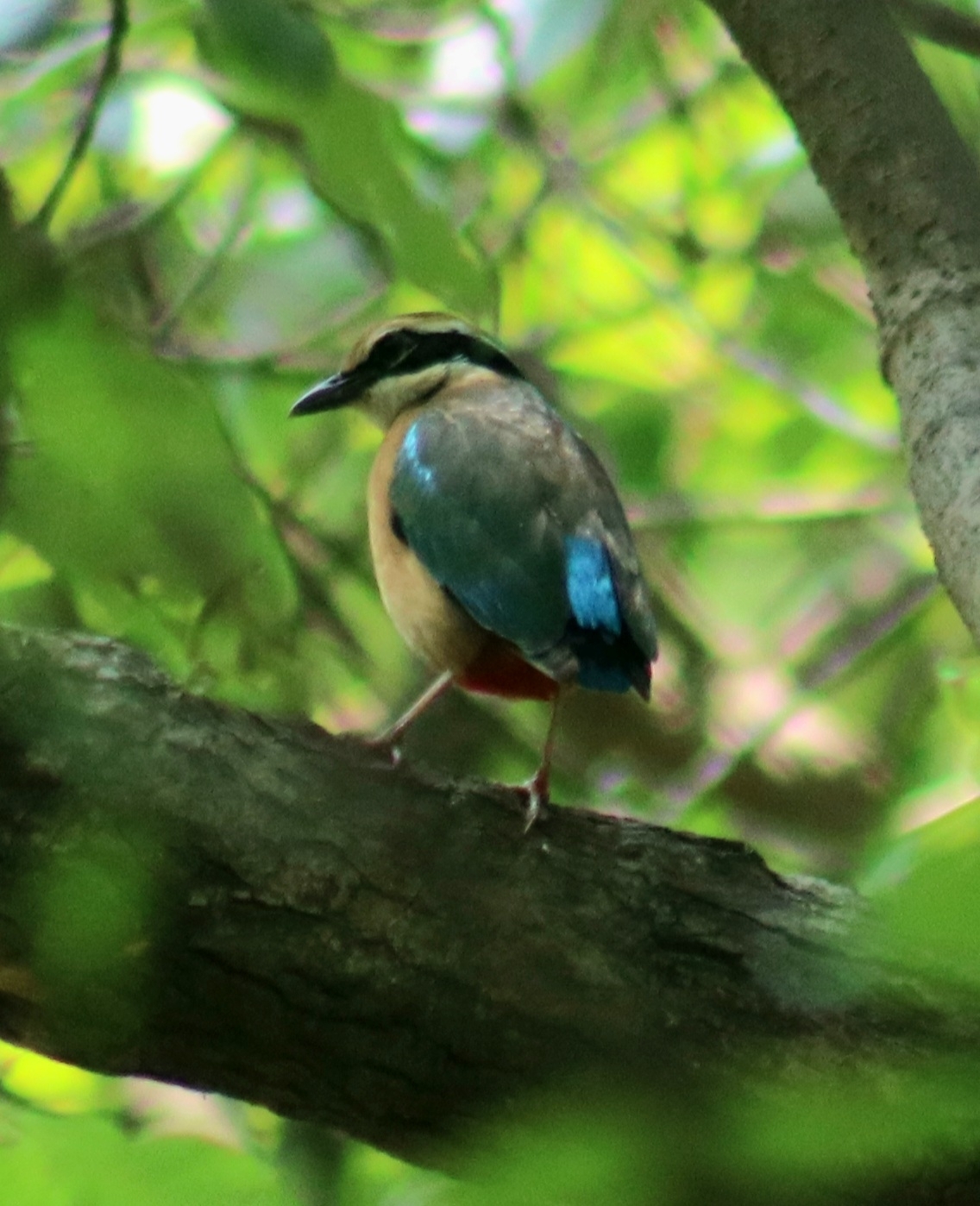
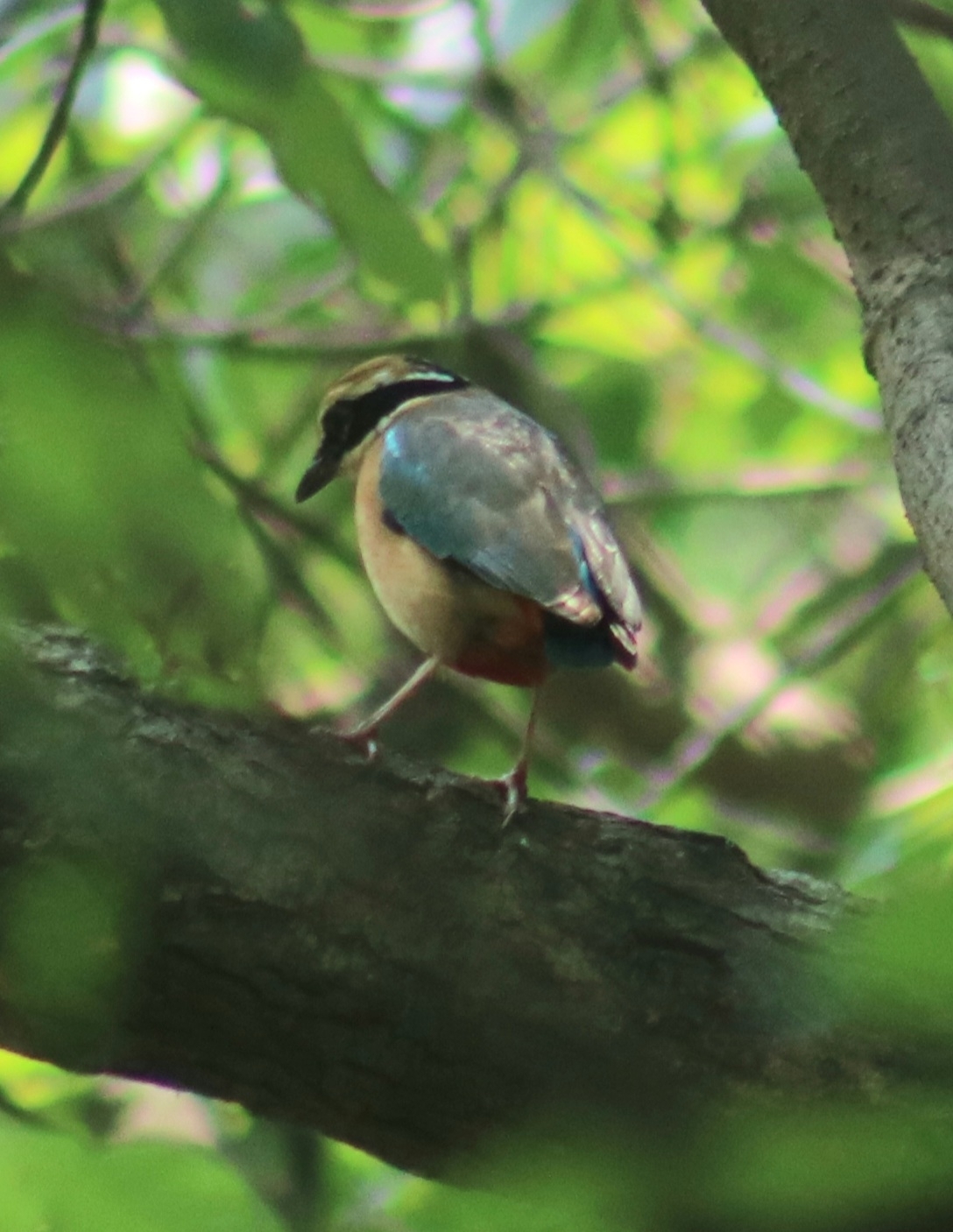
A small, stubby-tailed bird with long, strong legs, a very short tail, and a stout bill. The crown is buff-colored with black coronal stripes, and a thick black eye stripe runs through the face. The throat and neck are white. Upperparts are green with a blue tail; underparts are buff with bright red coloring on the lower belly and vent. Forages by hopping along the ground through leaf litter.
Distribution & Habitat
Breeds in Himalayan foothills from the Margalla hills in northern Pakistan through Nepal to Sikkim, and in the hills of central India and Western Ghats south to Karnataka. Migrates to all parts of peninsular India and Sri Lanka during winter. Rare in the Thar Desert. Exhausted migrants occasionally appear in human settlements.
Behavior & Ecology
Roosts in trees. Feeds on insects and small invertebrates picked from the ground or leaf litter; occasionally takes kitchen food scraps. Breeds during the southwest monsoon from June to August, with peaks in June in central India and July in northern India. Builds a globular nest with a circular side opening on the ground or low branches using dry leaves and grasses. Clutch consists of four to five glossy white spherical eggs with maroon or purple spots. Has a loud two-note whistle (wheeet-tieu, wieet-pyou) or triple note call, often joining neighbors in vocalizations at dawn and dusk.
Conservation
Listed as Least Concern on the IUCN Red List. The population is considered large, though specific population estimates are not provided in the source material.
Culture
Known as 'Six-O-Clock bird' in Tamil due to its distinctive calling time at dawn and dusk. The Sinhala folklore interprets its call as the bird complaining about a peacock stealing its dress: 'Came and went! Came and go I'll still be complaining when the next Buddha comes!' Regional names like Hindi Naorang, Punjabi Nauranga (=Nine colours), and Bengali Shumcha reference its colorful plumage.
Source: Wikipedia · CC BY-SA 3.0
Taxonomy
- Order
- Passeriformes
- Family
- Pittidae
- Genus
- Pitta
- eBird Code
- indpit1
Distribution
widespread Indian subcontinent
Vocalizations
Data Sources
CBR Notes: 2023年6月15日,四川雅安,殷后盛、刘祯祥、任永红(阙品甲等,2023)
Species description from Wikipedia, licensed under CC BY-SA 3.0.
Bird images and sounds sourced from GBIF, contributed by citizen scientists worldwide under Creative Commons licenses.
Taxonomy data from AviList 2025.