
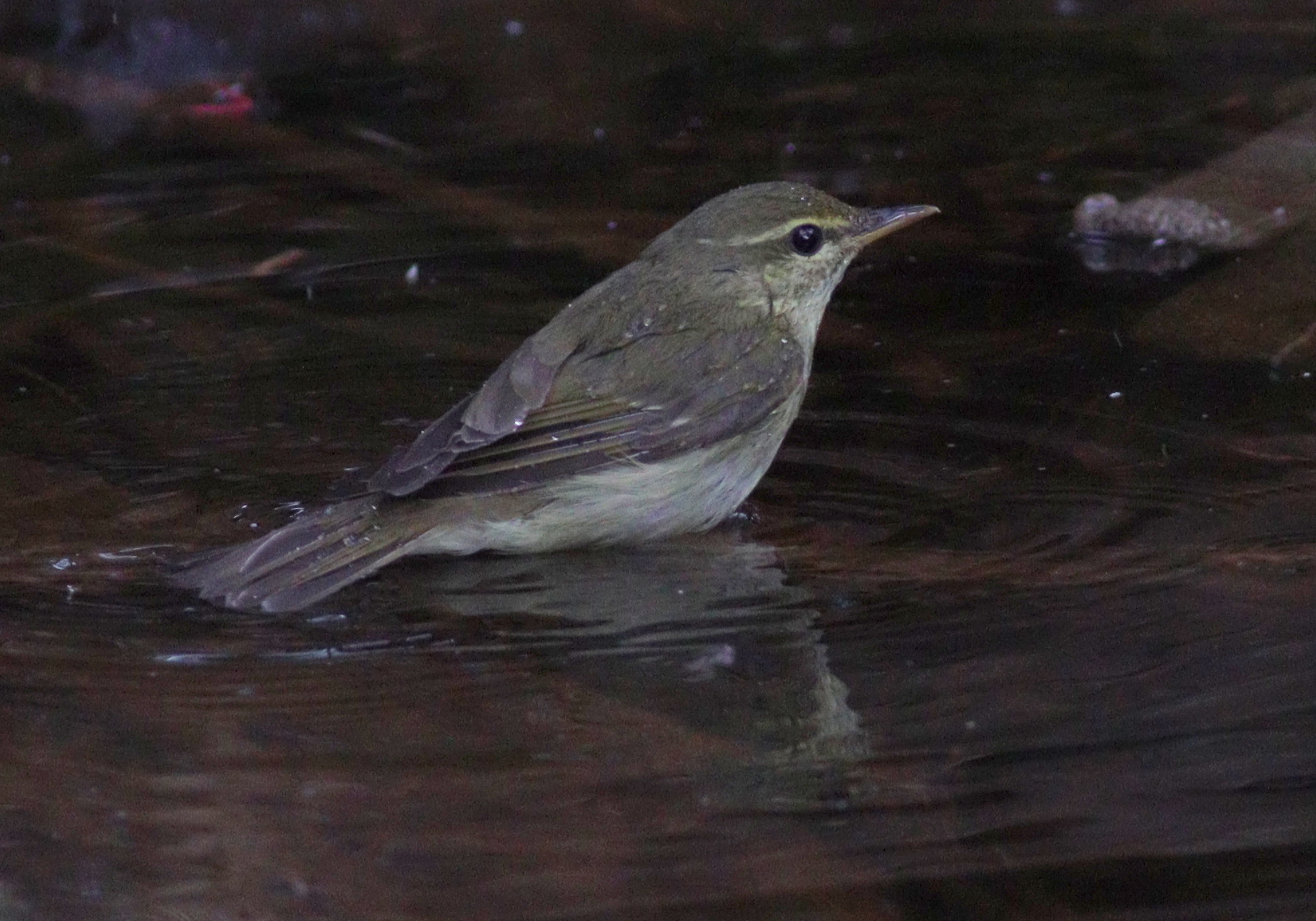
Japanese Leaf Warbler
Phylloscopus xanthodryas
日本柳莺
Introduction
A leaf warbler (family Phylloscopidae) first described by Robert Swinhoe in 1863. Closely related to the Arctic warbler and Kamchatka leaf warbler, to which it was formerly considered conspecific. Found throughout Japan except Hokkaido; winters in Southeast Asia. Inhabits mixed and deciduous forests, coniferous woods, and thickets between 1500-2500 meters elevation. Depends on thick vegetation for nesting and foraging.
Description
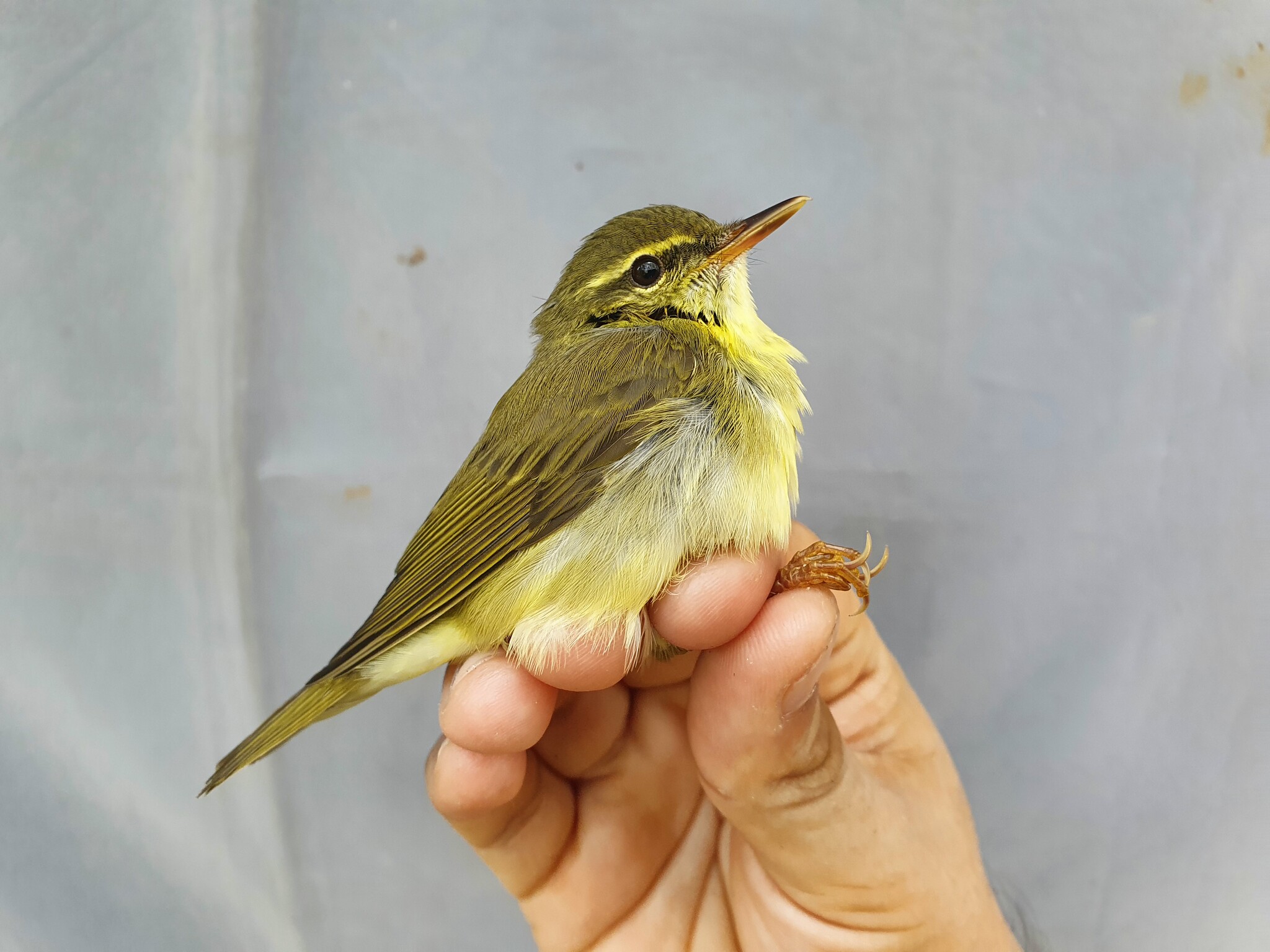
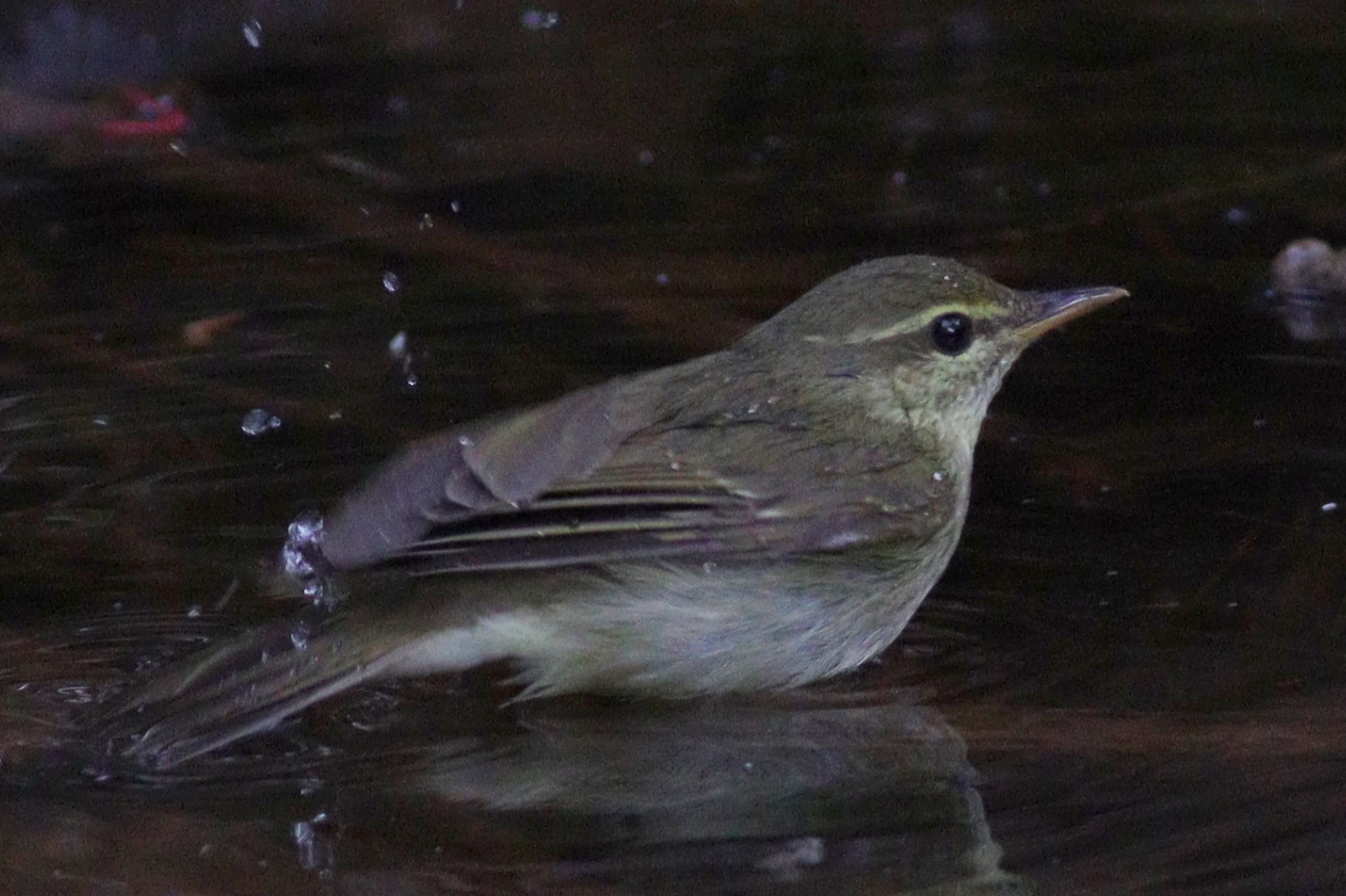
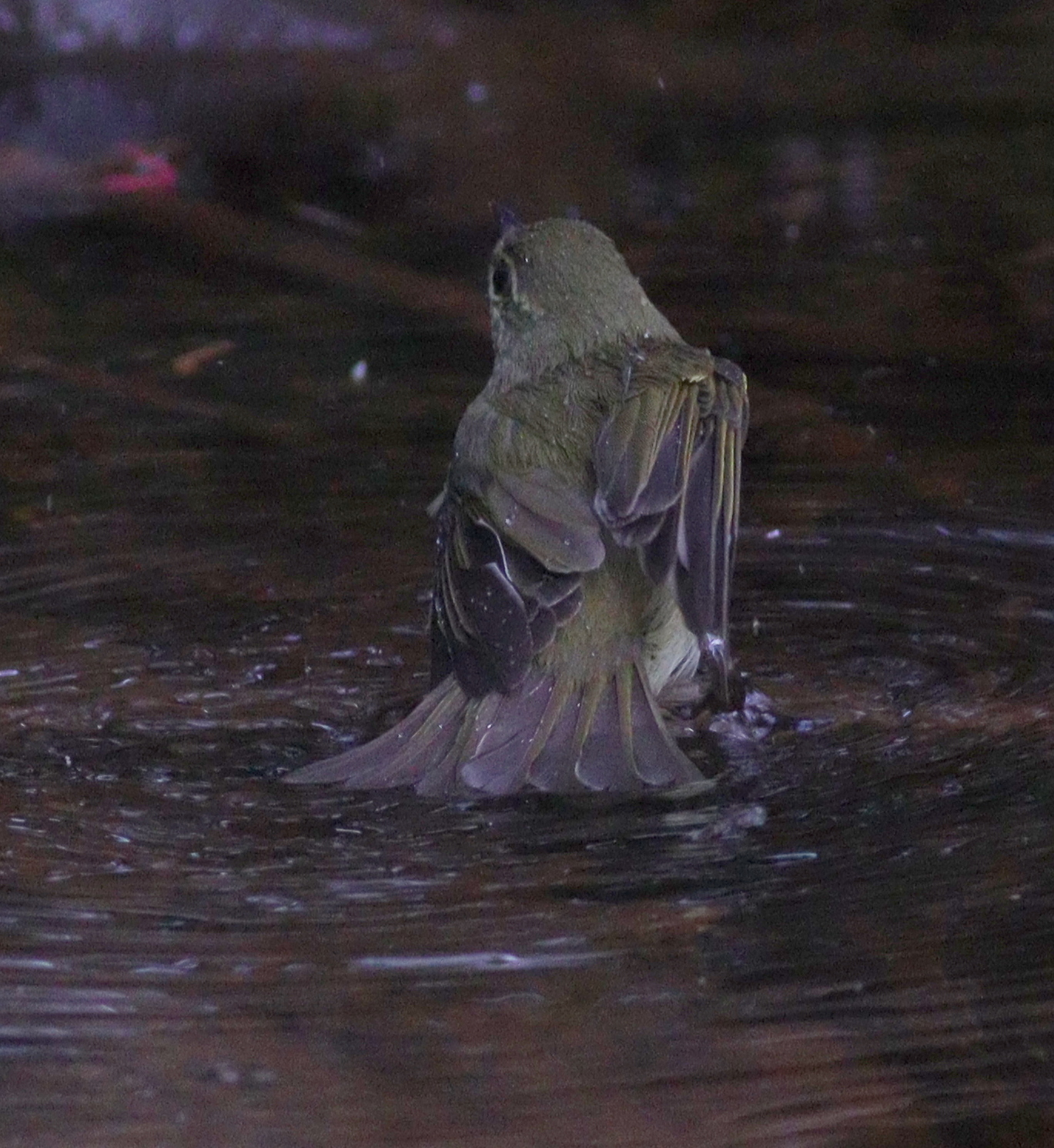
A small warbler measuring 12-13 cm in length. Adults have darker green upperparts and lighter green underparts, with a very short black beak tinged yellow and tiny legs ranging from pale yellow to orange-brown. A distinctive yellowish-white eyebrow stripe contrasts with dark eyes. The plumage is bright olive-green overall with a white wingbar and greenish tail. Sexes are identical, while juveniles appear duller with more grey-brown tones. Monotypic species with no recognized subspecies.
Identification
Distinguished from related species by its lower-pitched song with slower rhythm compared to P. borealis and P. examinandus. The call is a dry 'brrt' sound, lower and softer than similar warblers. The combination of bright olive-green plumage, white wingbar, and prominent yellowish-white supercilium separates it from other leaf warblers in its range.
Distribution & Habitat
Breeds across Japan from Honshu to Kyushu, though absent from Hokkaido. After breeding, migrates south or southwest through eastern China from August to November. Winters in Taiwan, the Philippines, Borneo, Java, Brunei, Indonesia, Malaysia, and parts of China, with small numbers reaching the Moluccas. Returns to breeding grounds in mid-May. In winter occurs below 1800 meters in woodlands, rainforests, secondary growth, plantations, and gardens.
Behavior & Ecology
Feeds primarily on insects and larvae including midges, ants, grasshoppers, caterpillars, beetles, spiders, and small snails; berries are consumed in autumn. Forages alone or in pairs, joining mixed bird flocks outside breeding season. Searches in trees, shrubs, and on ground; also catches insects in flight. Song consists of short phrases repeated over 1.5-2 seconds. Call is a dry 'brrt'. Breeding occurs June-August, often producing two broods. Monogamous; males sing to defend territory. Nests are round structures of moss, stalks, and fur, built on ground among vegetation with a side entrance. Clutch contains 4-5 spotted white eggs; female incubates 12-13 days. Chicks fledge 13-14 days after hatching. Both parents feed young. Brood parasitism by cuckoos and predation by snakes are documented threats.
Conservation
Classified as Least Concern on the IUCN Red List (assessed June 12, 2024). Population trend is stable with no evidence of major declines or severe fragmentation. Exact population numbers are unknown, but the species is locally common with male territory density estimated at 10-30 birds per square kilometer. Generation length is approximately 2 years.
Source: Wikipedia · CC BY-SA 3.0
Taxonomy
- Order
- Passeriformes
- Family
- Phylloscopidae
- Genus
- Phylloscopus
- eBird Code
- arcwar3
Distribution
incompletely known; breeds Japan (Honshu, Shikoku, and Kyushu); winter range uncertain
Vocalizations
Data Sources
Species description from Wikipedia, licensed under CC BY-SA 3.0.
Bird images and sounds sourced from GBIF, contributed by citizen scientists worldwide under Creative Commons licenses.
Taxonomy data from AviList 2025.