Alström's Warbler
Phylloscopus soror
淡尾鹟莺
Introduction
A small Old World warbler in the family Phylloscopidae. It breeds exclusively in central and eastern China, with a scattered distribution across the region. During winter, it migrates to southern Myanmar, Thailand, Cambodia, southern Vietnam, and southern China. Its natural habitat consists of temperate evergreen broadleaf forests with lush undergrowth. This species typically forages in low, dense forest growth, feeding on insects and catching prey during short flights. It breeds in bushes and small trees of low to moderate height in recently cleared areas. The species is not currently globally threatened and has a very large range that does not approach vulnerable species thresholds.
Description
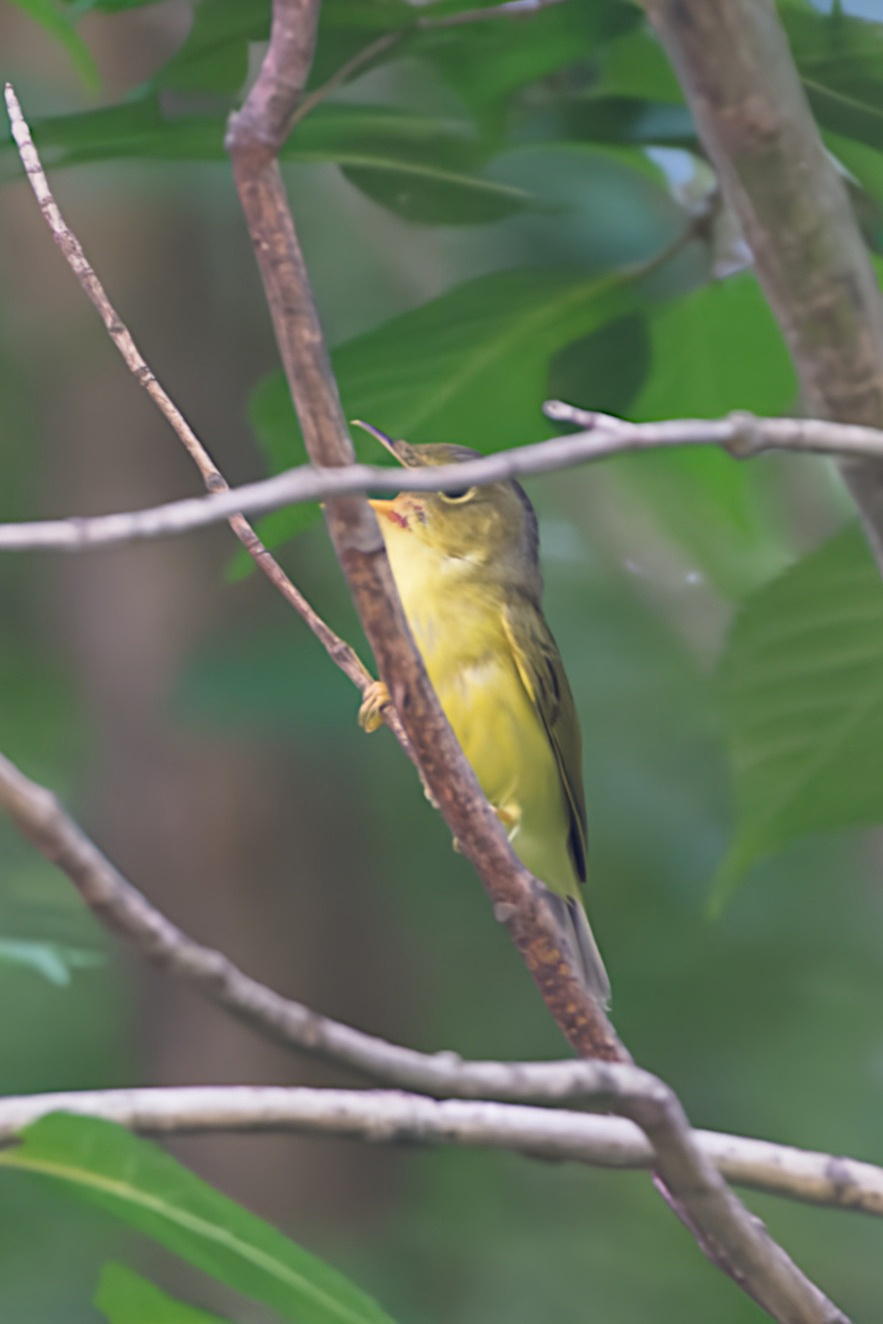
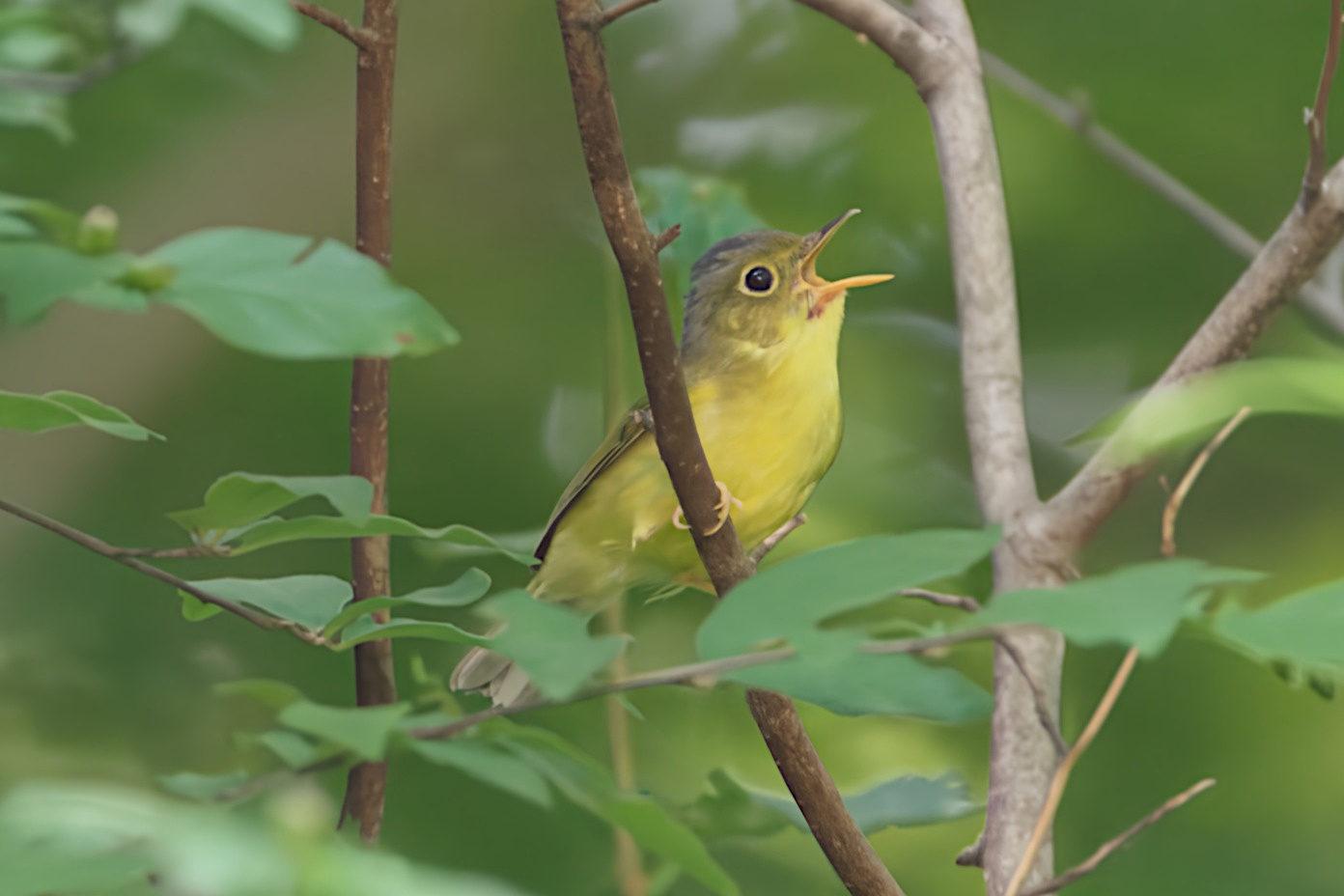
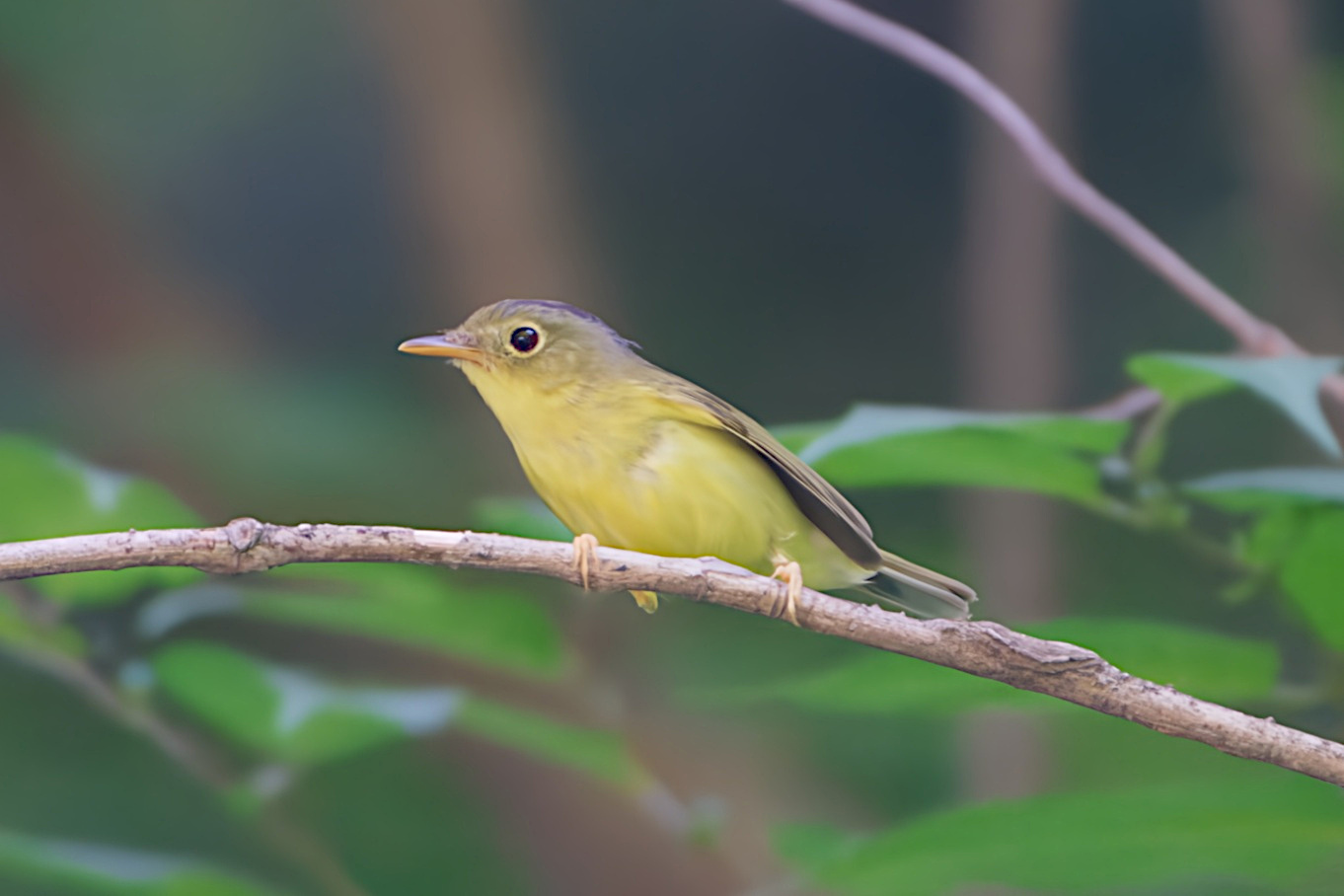
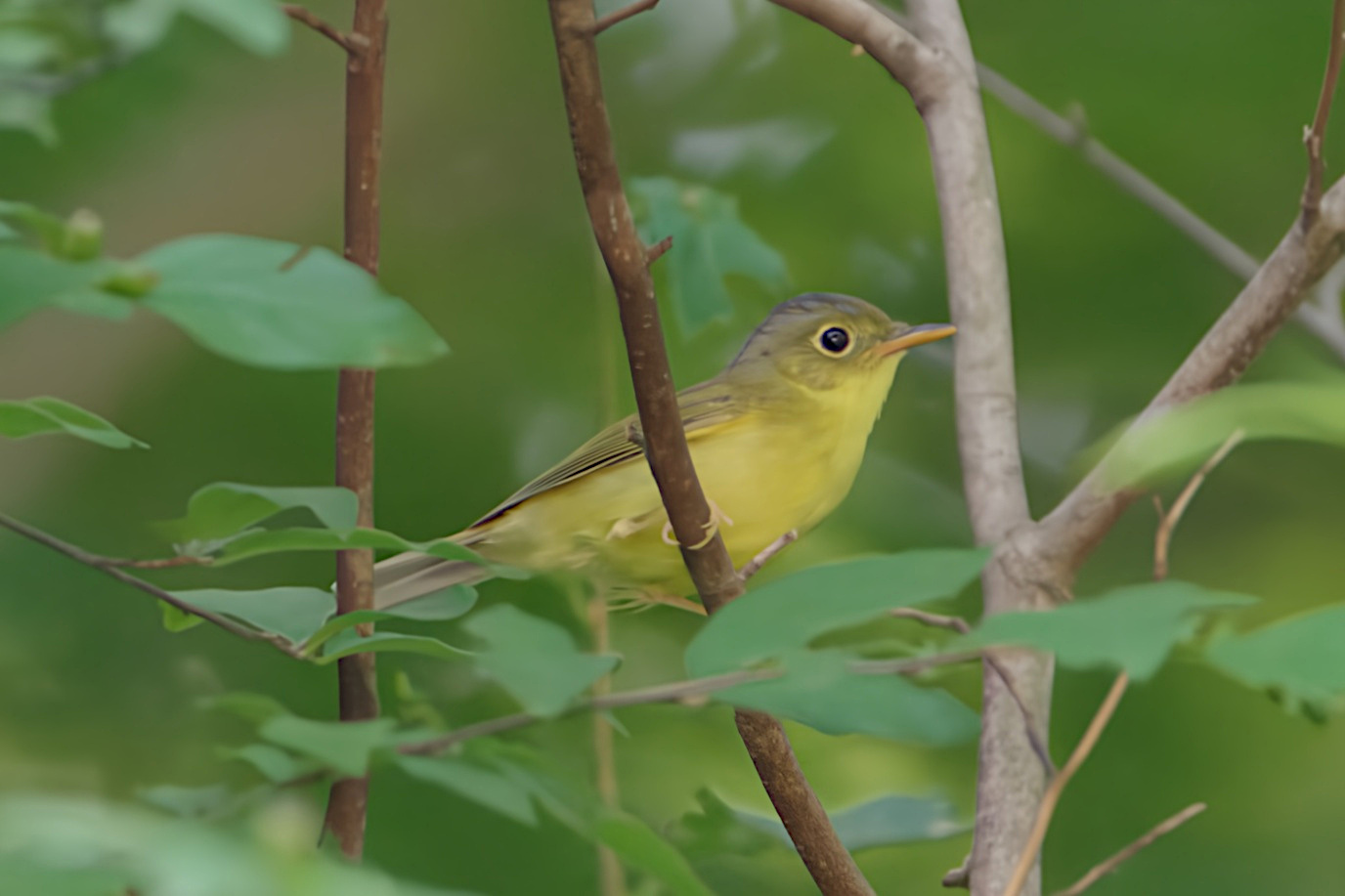
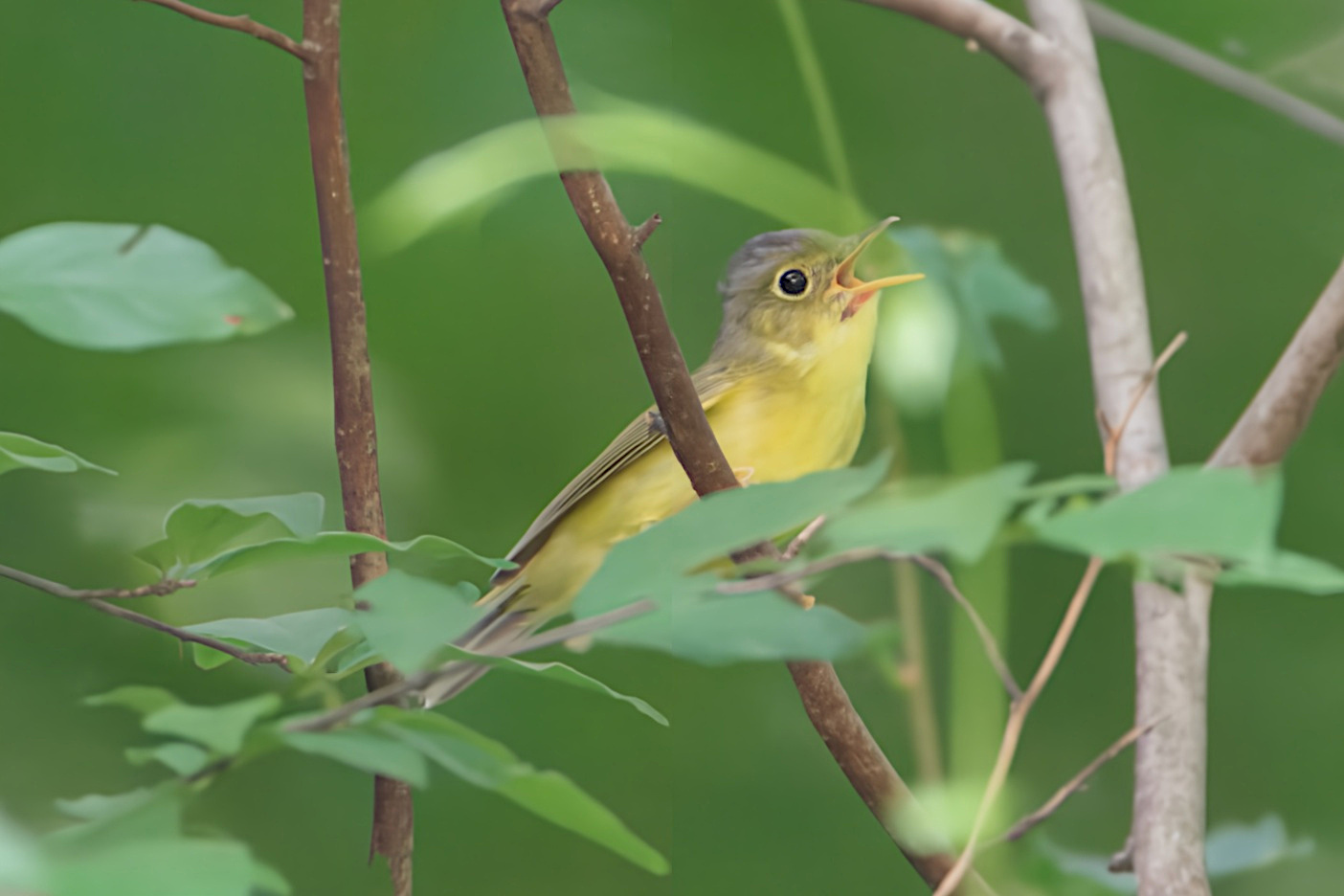
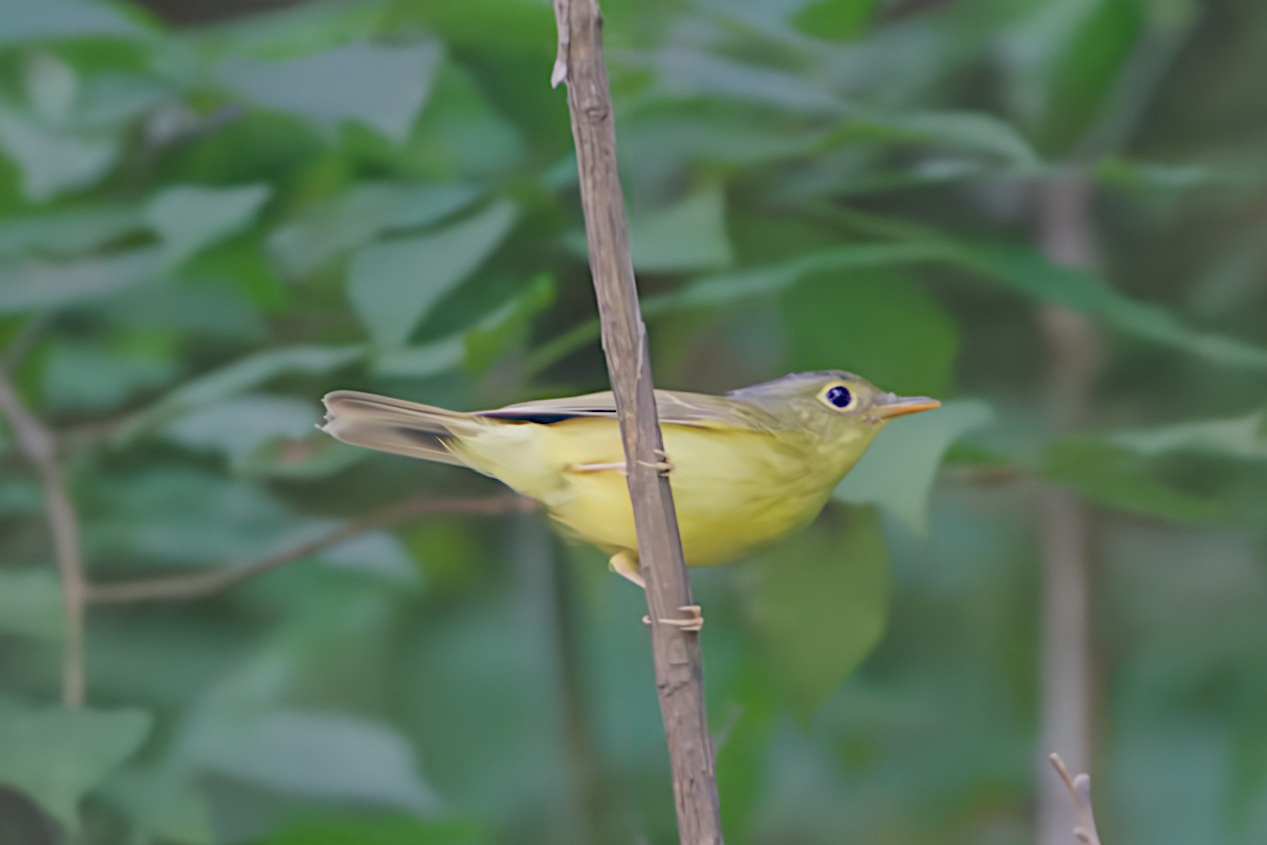
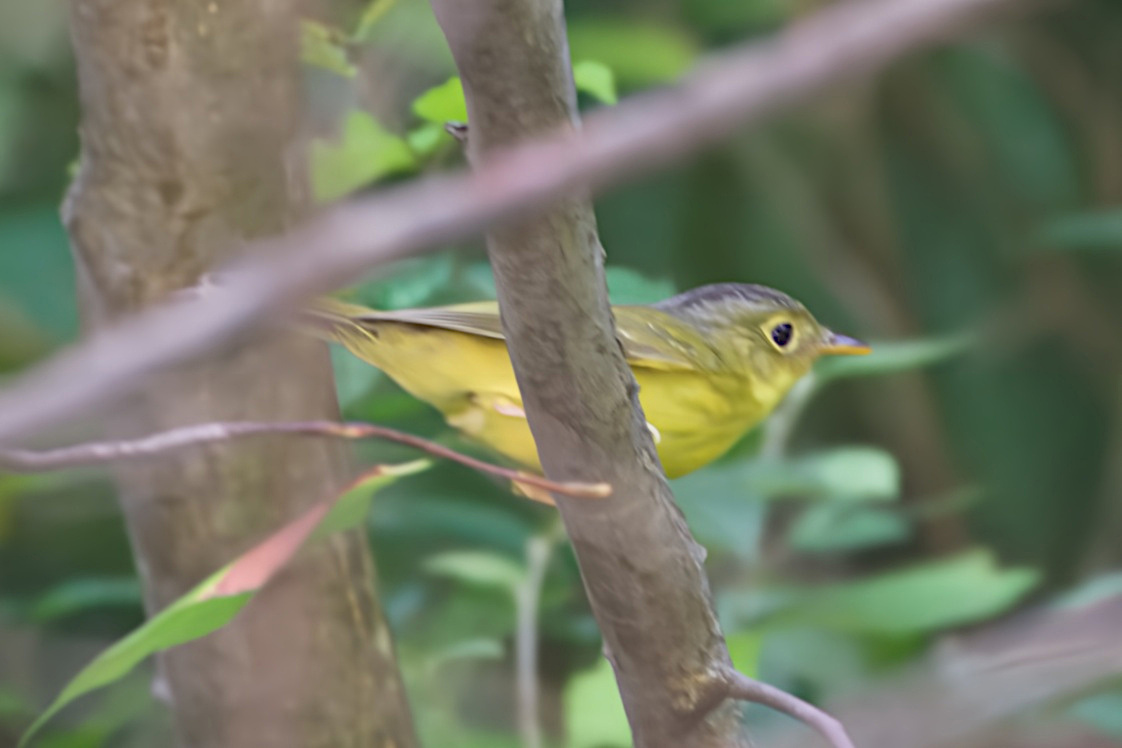
A small warbler measuring 11-12 cm in length, with females averaging slightly smaller than males. The plumage is characterized by a greyish-black coloration that fades on the forehead, with green markings surrounding the eyes. The underparts display a vibrant yellowish-green color. The wings and back feature a grey crown with black stripes. A distinctive yellow eye-ring may diffuse above the eye. The species has a relatively large bill and small tail compared to similar warbler species.
Identification
Can be confused with Martens's, Gray-crowned, White-speckled, and Bianchi's warblers. Key distinguishing features include a larger bill, smaller tail, and more distinct white lining in the outer tail feathers compared to Martens's and Gray-crowned warblers. The combination of greyish-black upperparts fading on the forehead, yellow eye-ring, and yellowish-green underparts aids in identification.
Distribution & Habitat
Breeds across central and eastern China in evergreen broadleaf forest zones with lush undergrowth, typically in bushes and small trees in recently cleared areas. The breeding range is scattered. It is a migratory species, spending the non-breeding season in southern Myanmar, Thailand, Cambodia, southern Vietnam, and southern China. The species has been recorded in southern China outside the breeding range from early September to early October, in Thailand during mid-September, and in southern Vietnam in late September. Non-breeding birds remain in southern Myanmar until mid-April, with return to Chinese breeding grounds by late April.
Behavior & Ecology
Forages in low, dense forest growth, feeding on insects and catching prey during short aerial flights. Breeding activity, based on male singing behavior, occurs from May to June. The song is simple, consisting of short, quick strophes with a short chip as an introductory note followed by 2-5 whistled notes arranged into an element group typically repeated 2-4 times with pauses between. The song has a distinctly higher-pitched and broader frequency span than that of P. valentini. The non-breeding distribution and migratory periods are not fully documented due to identification challenges from overlap with similar non-singing species.
Conservation
The species is not currently globally threatened. It has a very large range and does not approach thresholds for vulnerable species designation. Population trends and specific threats have not been well documented.
Culture
The common name honors Swedish ornithologist Per Alström, who was instrumental in the species' discovery and description in 1999. The species was previously placed in the genus Seicercus before molecular phylogenetic studies led to its reassignment to Phylloscopus.
Source: Wikipedia · CC BY-SA 3.0
Taxonomy
- Order
- Passeriformes
- Family
- Phylloscopidae
- Genus
- Phylloscopus
- eBird Code
- pltwar1
Distribution
breeds western and southern China; winters to Thailand, Cambodia, and northern Vietnam
Vocalizations
Data Sources
Species description from Wikipedia, licensed under CC BY-SA 3.0.
Bird images and sounds sourced from GBIF, contributed by citizen scientists worldwide under Creative Commons licenses.
Taxonomy data from AviList 2025.