Mountain Chiffchaff
Phylloscopus sindianus
中亚叽喳柳莺
Introduction
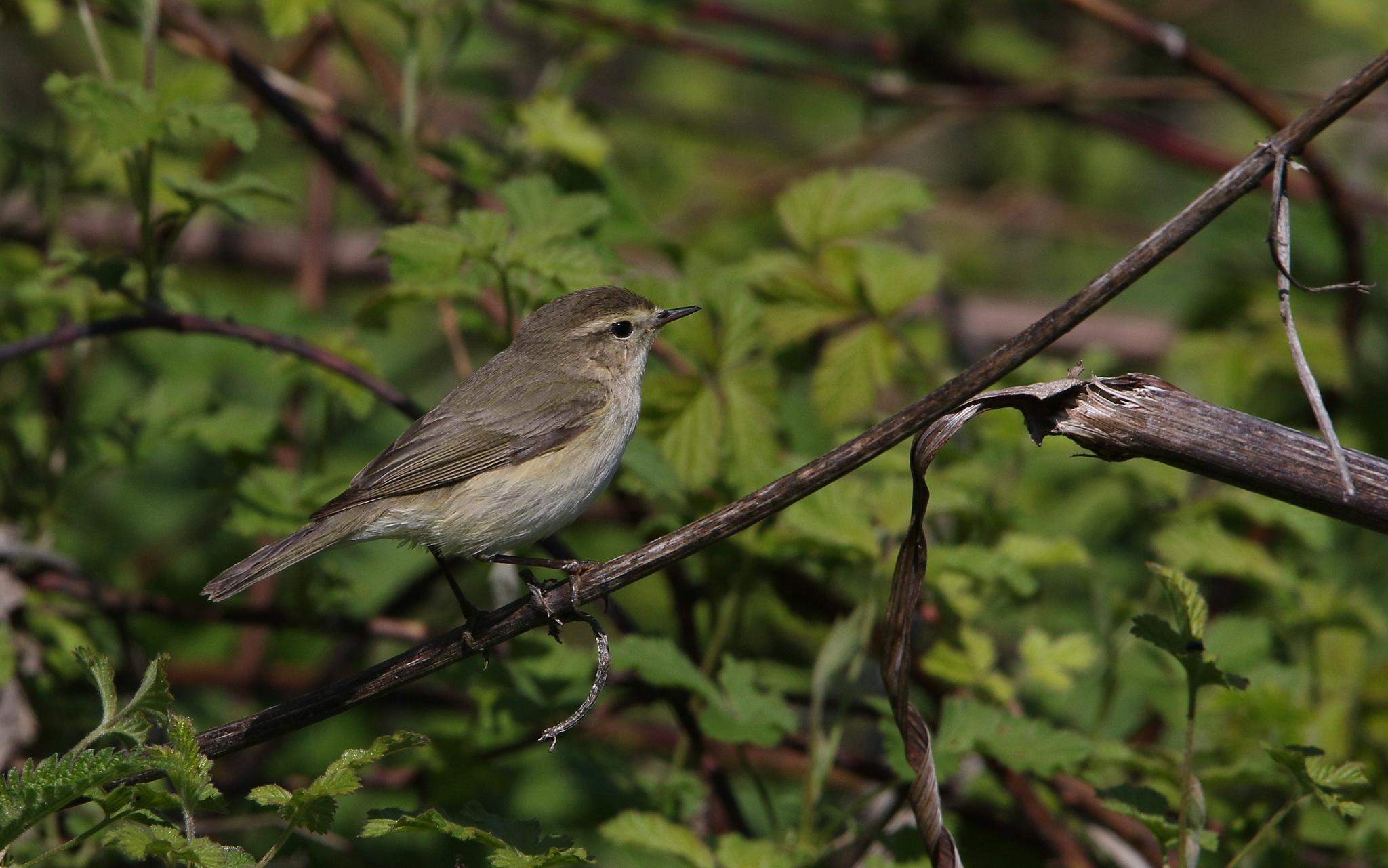
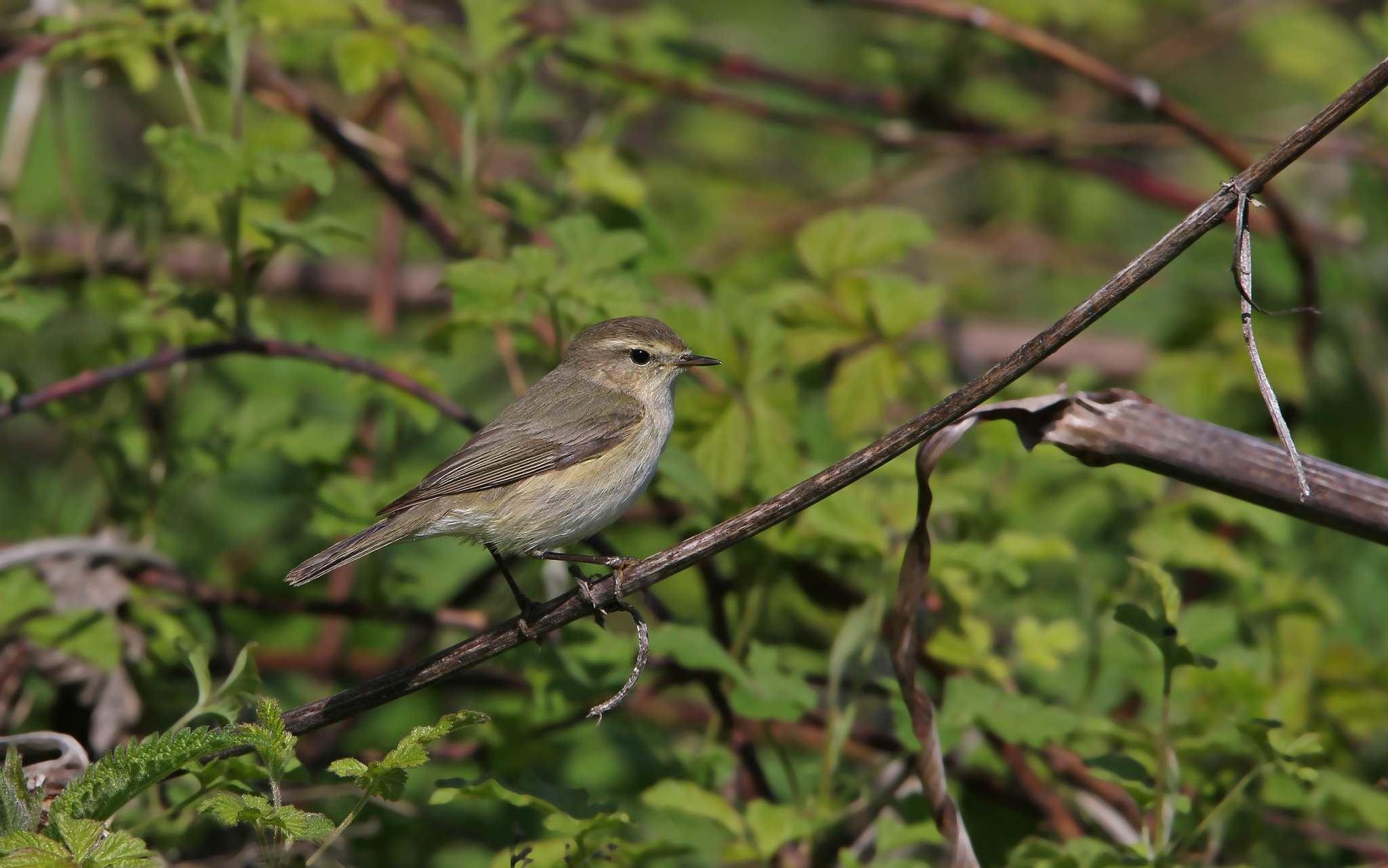
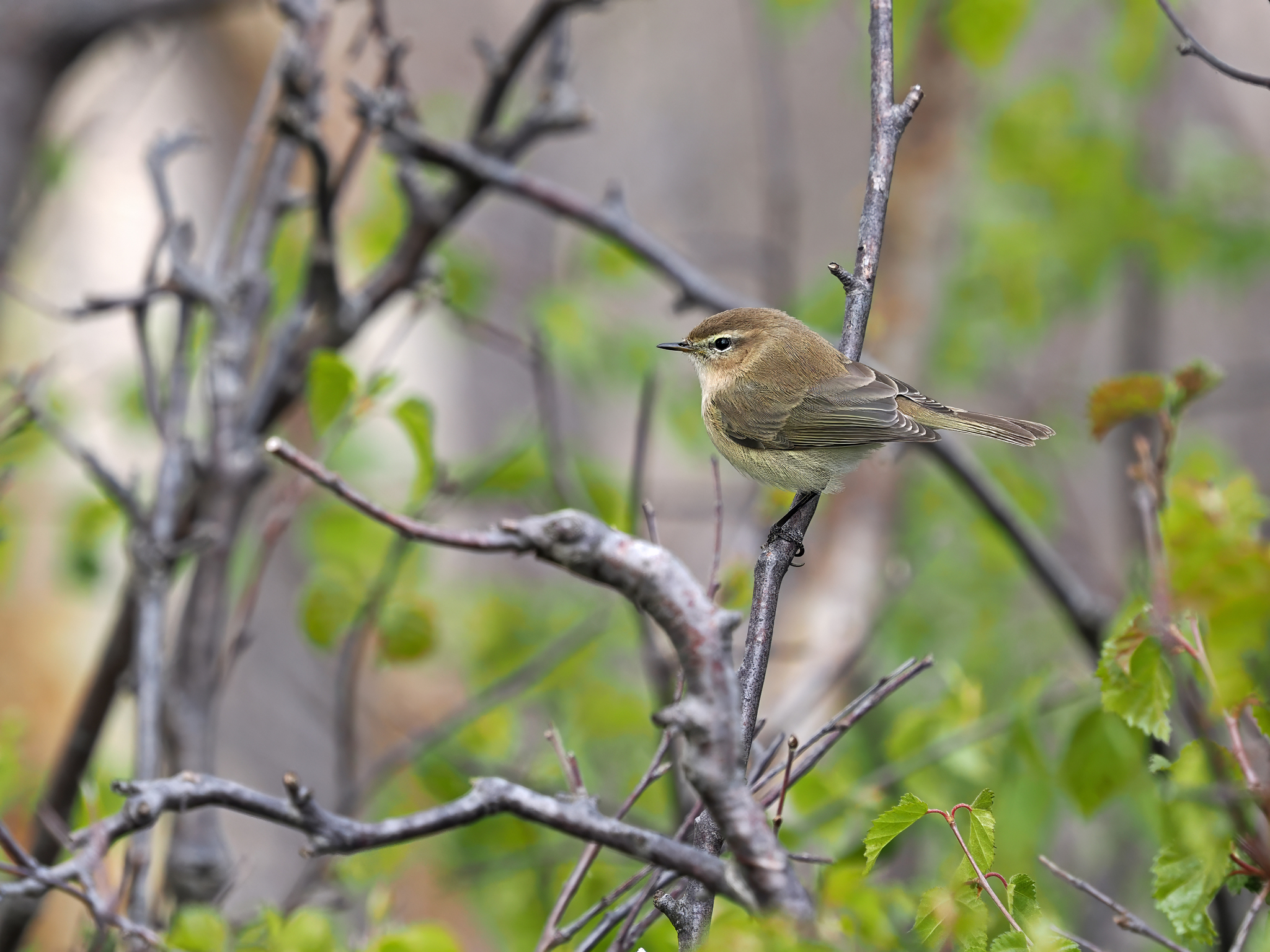
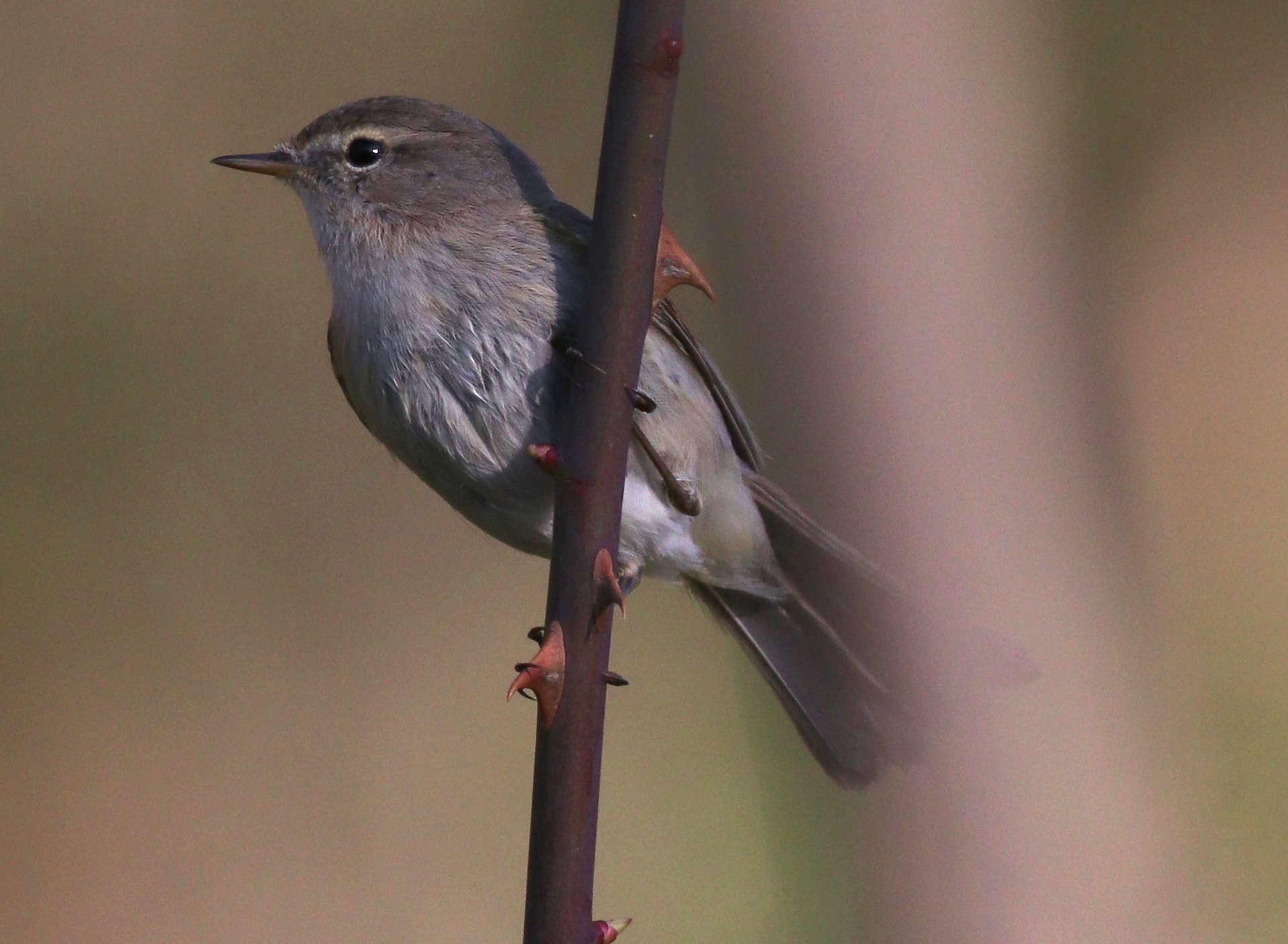
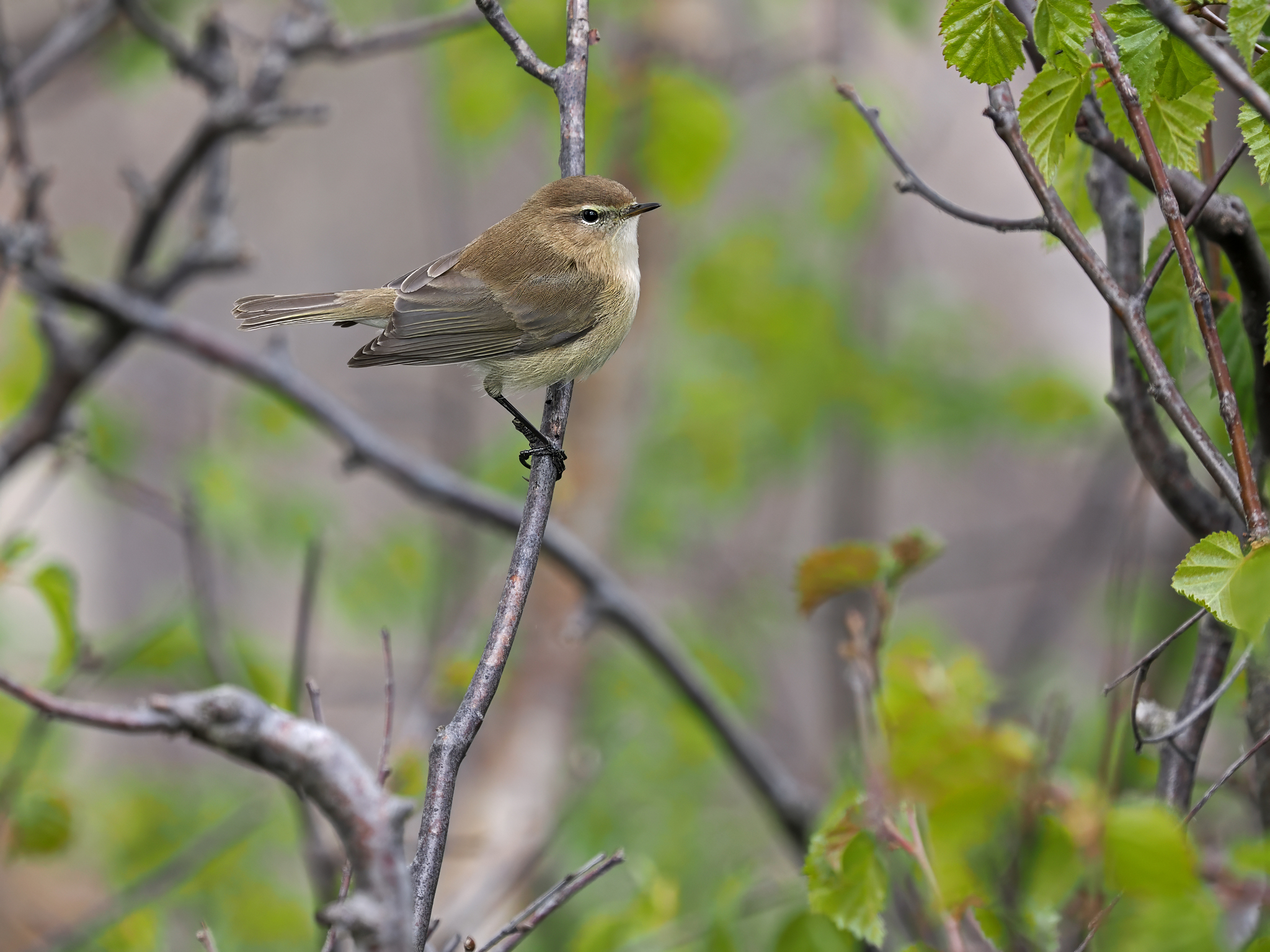
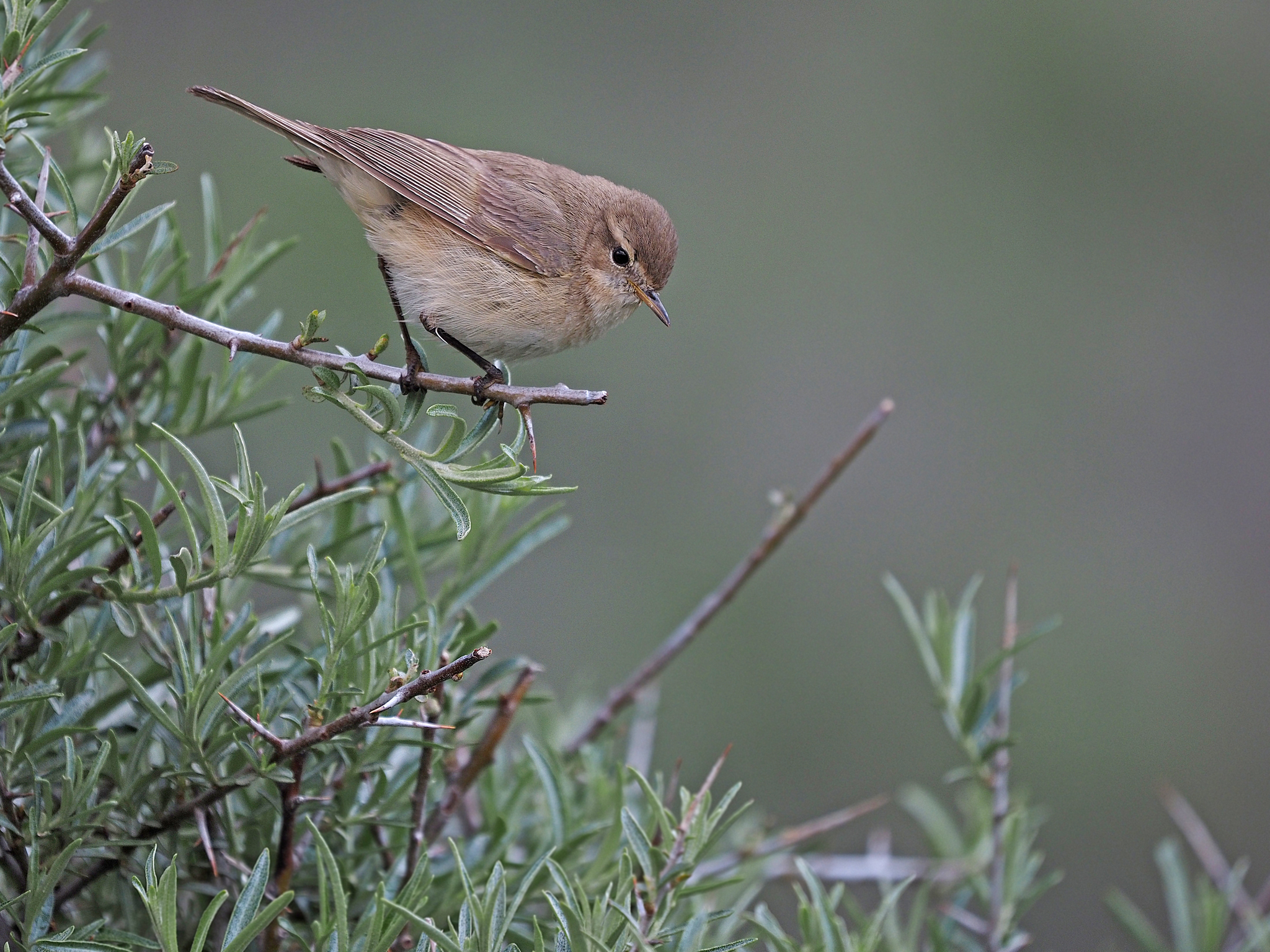
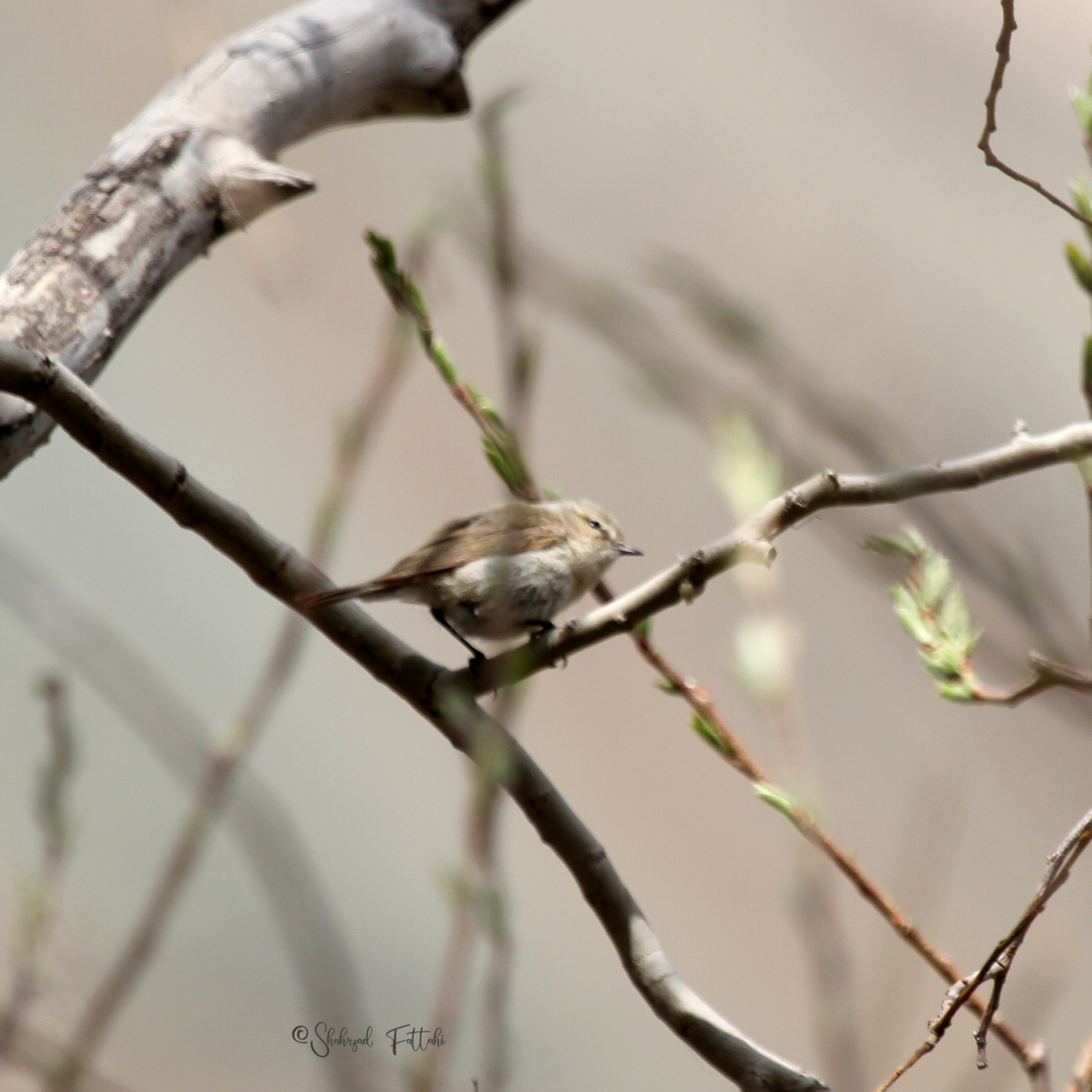
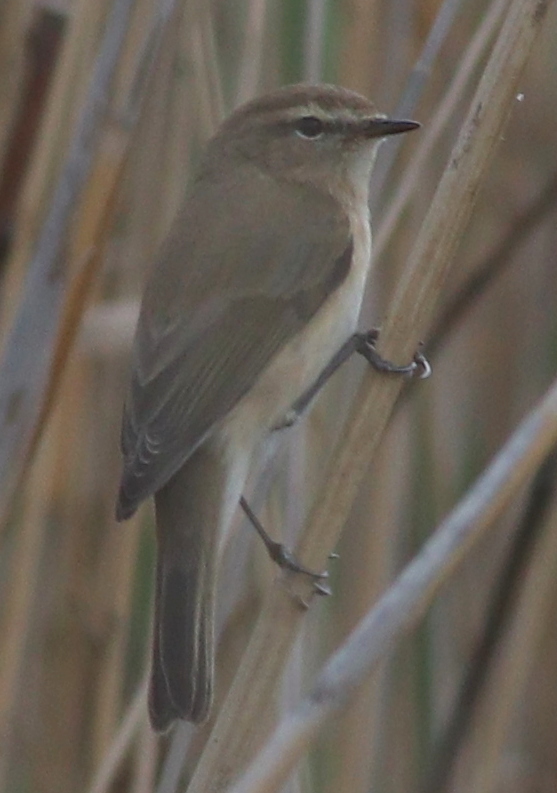
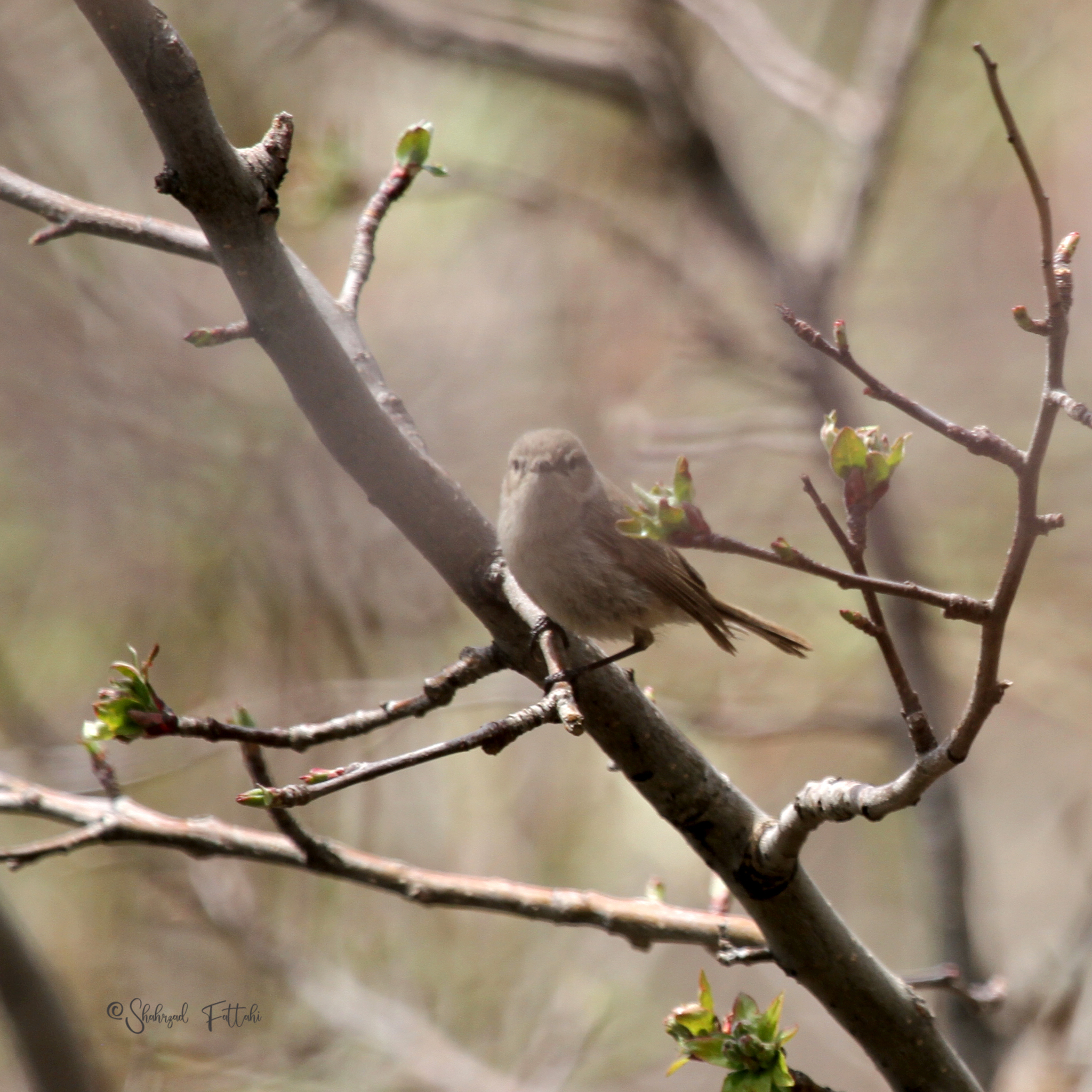
A leaf warbler species (family Phylloscopidae) occurring in two subspecies across disjointed mountain ranges. The nominate subspecies P. s. sindianus inhabits the Tian Shan, while P. s. lorenzii is restricted to the Caucasus. It is an altitudinal migrant, moving to lower elevations during winter. The species occupies montane forest and scrub habitats. Vocalizations differ notably between subspecies, and both differ from closely related chiffchaff species in call structure, genetic markers, and morphology.
Description
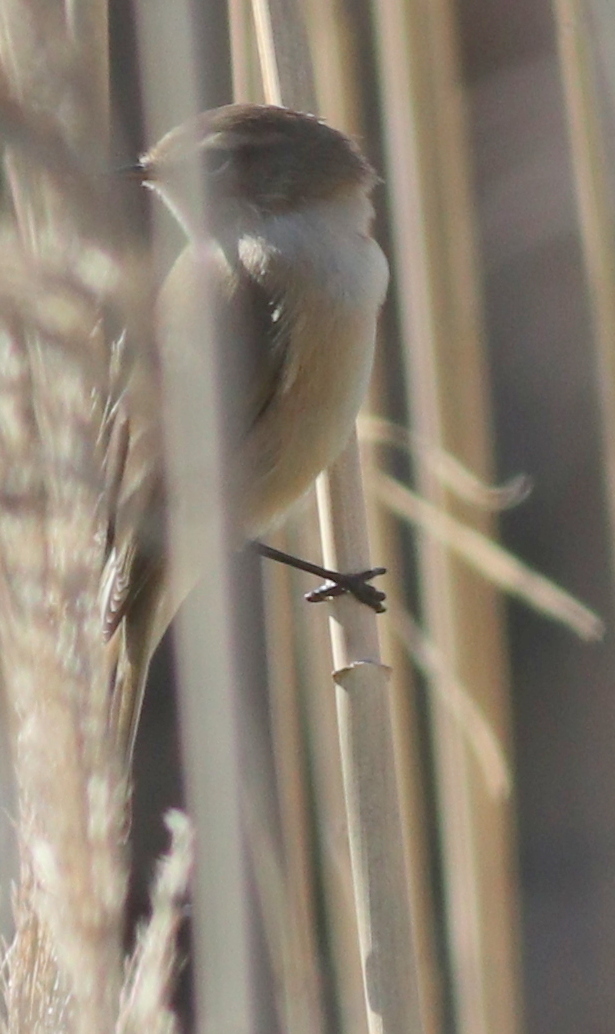
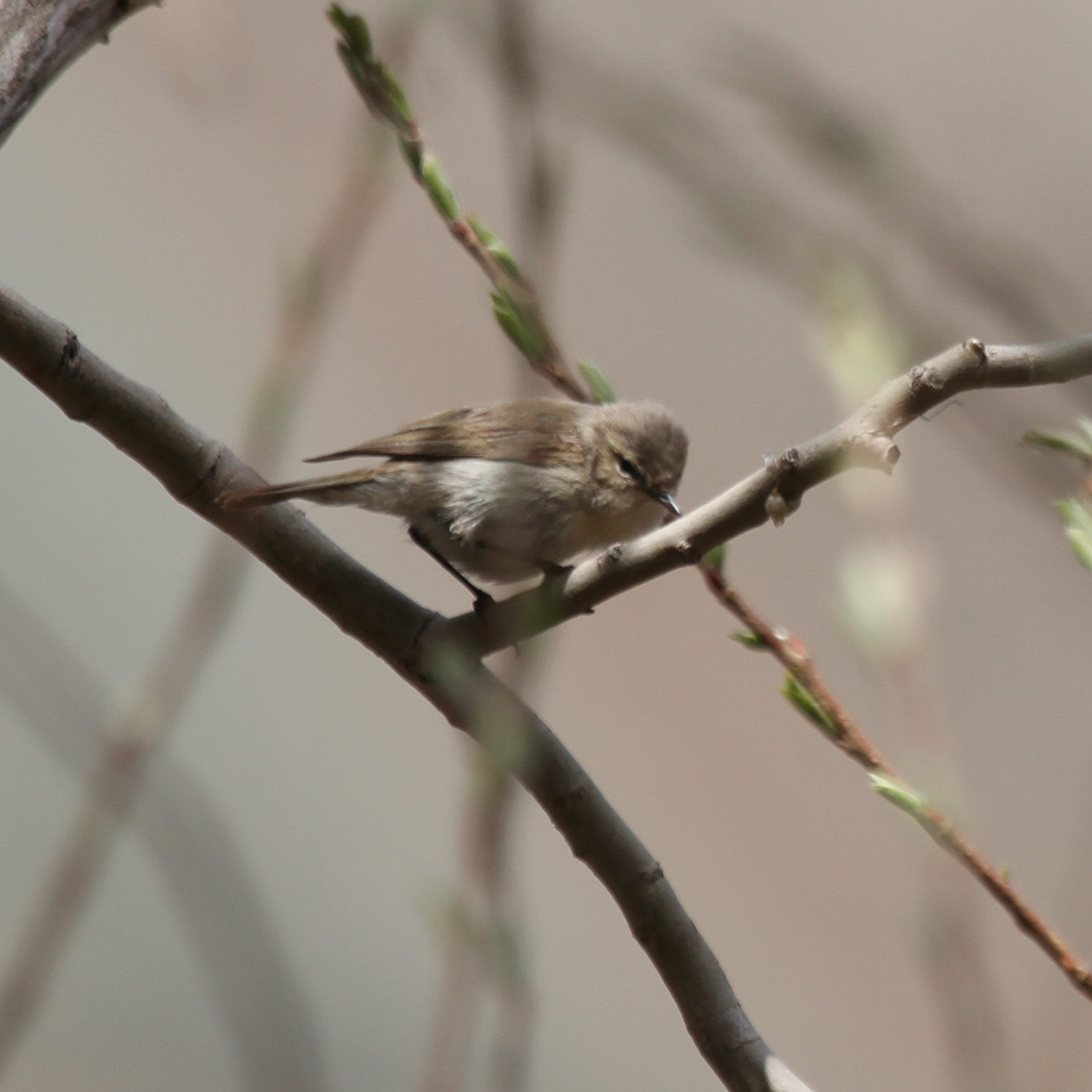
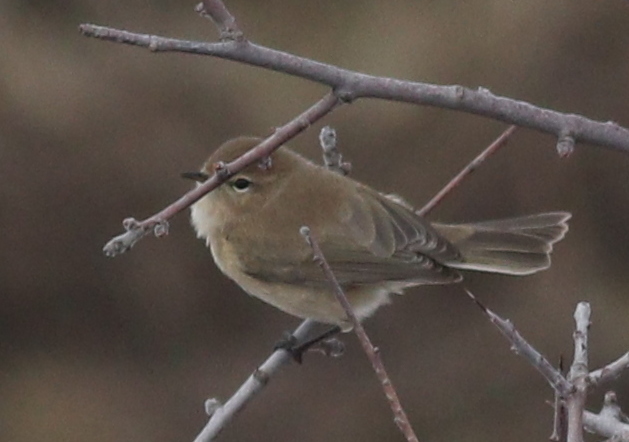
A small, warbler-sized bird measuring approximately 10-11 cm in length. The nominate subspecies closely resembles the Siberian chiffchaff but displays a finer, darker bill, warmer brown upperparts, and distinctive buff-colored flanks. The subspecies lorenzii is darker and more richly brown overall compared to the nominate form. The plumage is overall subdued and cryptic, typical of leaf warblers, with pale underparts and darker upperparts providing camouflage in montane vegetation.
Identification
Similar to common chiffchaff and Siberian chiffchaff in overall appearance. Distinguished from the Siberian chiffchaff by its finer darker bill, browner upperparts, and buff flanks. The weak 'psew' call is distinctive and differs from the explosive 'hweet' of common chiffchaff. The subspecies lorenzii is darker and warmer brown than the nominate race. Both subspecies differ from tristis in vocalizations, external morphology, and mtDNA sequences.
Distribution & Habitat
Discontinuous distribution across two major Asian mountain ranges. P. s. lorenzii occupies the Caucasus Mountains, while P. s. sindianus is found in the Tian Shan range. The species is an altitudinal migrant, breeding at higher elevations and moving to lower valleys and foothills during the winter months. A small area of sympatry with common chiffchaff exists in the Western Caucasus.
Behavior & Ecology
Vocalizations form the primary means of species identification. The song closely resembles that of the common chiffchaff, though the call note is a softer, weaker 'psew' rather than the sharp 'hweet' of common chiffchaff. The two subspecies are vocally distinct from one another. Breeding occurs in montane forest and shrub habitats. Forages actively in foliage, typical of leaf warblers, searching for insects. The lorenzii subspecies is sympatric with common chiffchaff but interbreeding appears to be rare or nonexistent.
Conservation
Not specified in source material.
Culture
Not specified in source material.
Source: Wikipedia · CC BY-SA 3.0
Taxonomy
- Order
- Passeriformes
- Family
- Phylloscopidae
- Genus
- Phylloscopus
- eBird Code
- mouchi2
Vocalizations
Subspecies (2)
-
Phylloscopus sindianus lorenzii
southwestern Asia (eastern Türkiye to Caucasus, Transcaucasia, and northeastern Iran)
-
Phylloscopus sindianus sindianus
far western China (southwestern Xinjiang) to northern Pakistan and northern India
Data Sources
Species description from Wikipedia, licensed under CC BY-SA 3.0.
Bird images and sounds sourced from GBIF, contributed by citizen scientists worldwide under Creative Commons licenses.
Taxonomy data from AviList 2025.