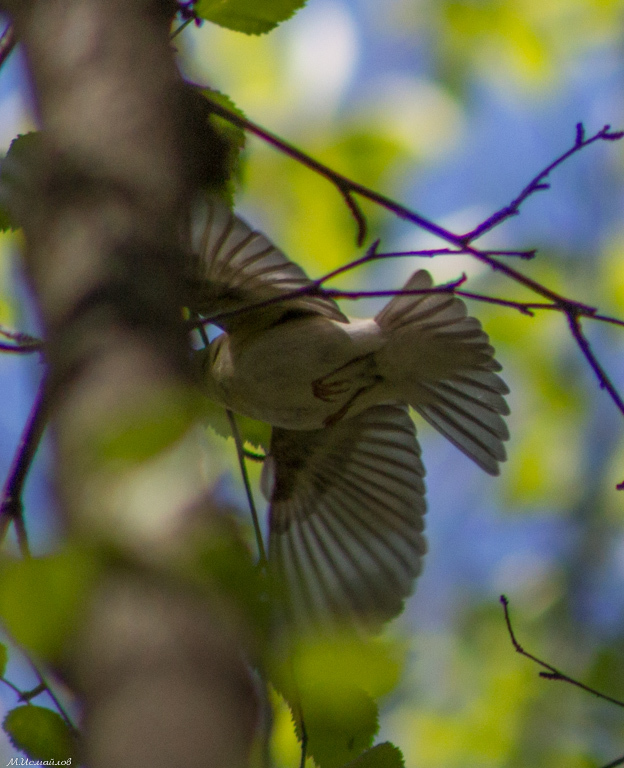
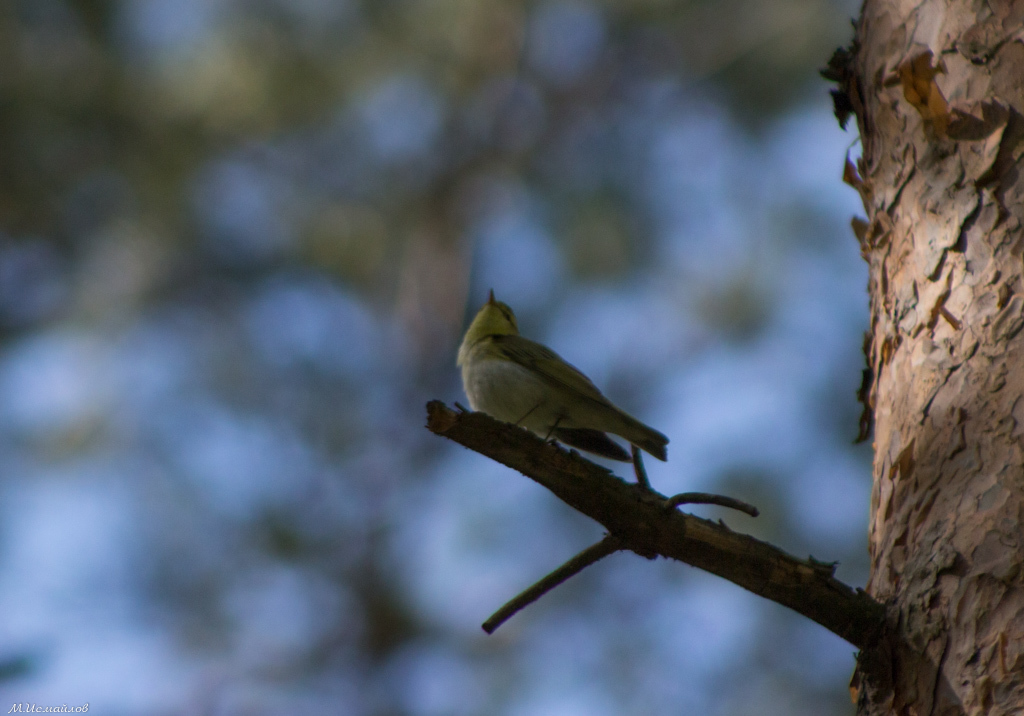

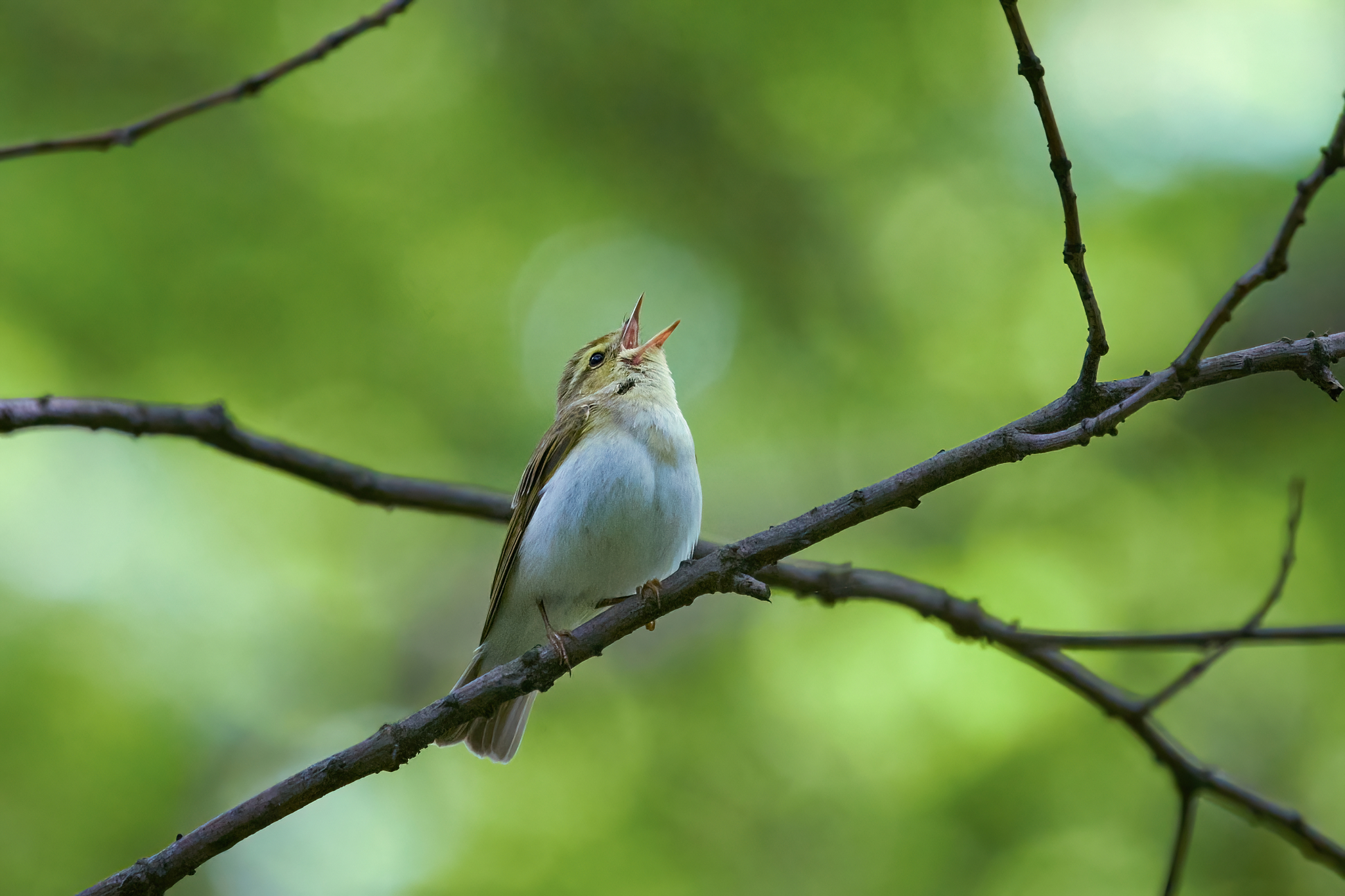
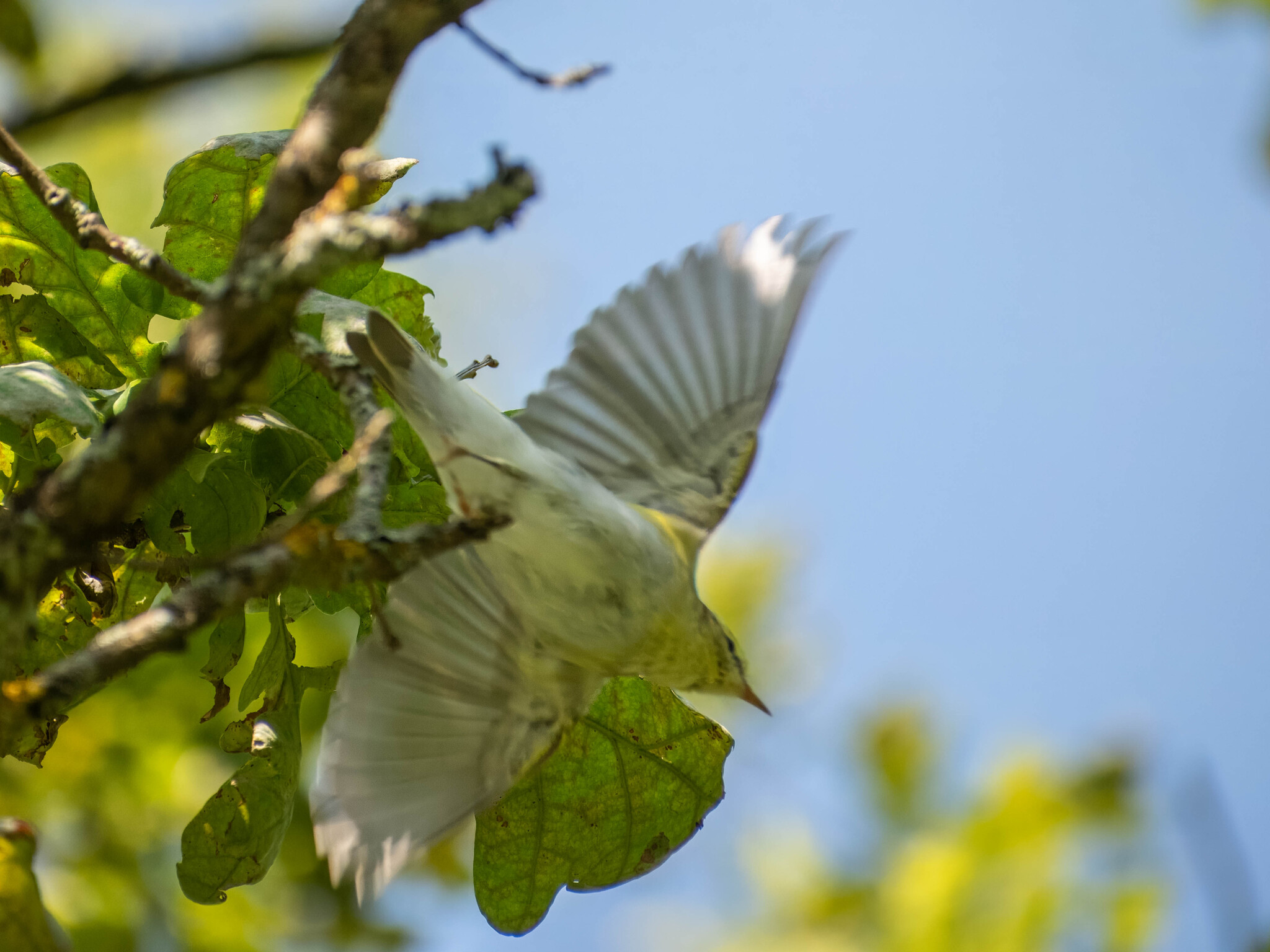
Wood Warbler
Phylloscopus sibilatrix
林柳莺
Introduction
A monotypic leaf warbler (genus Phylloscopus) breeding across northern and temperate Europe, extending into the southern Ural Mountains of western Asian Russia. Inhabits open but shady mature woodlands dominated by beech and sessile oak with sparse ground cover for nesting. Strongly migratory, with the entire population wintering in tropical Africa. Like most Old World warblers, it is insectivorous. The species has declined in the United Kingdom, though a small but stable breeding population persists in County Wicklow, Ireland.
Description
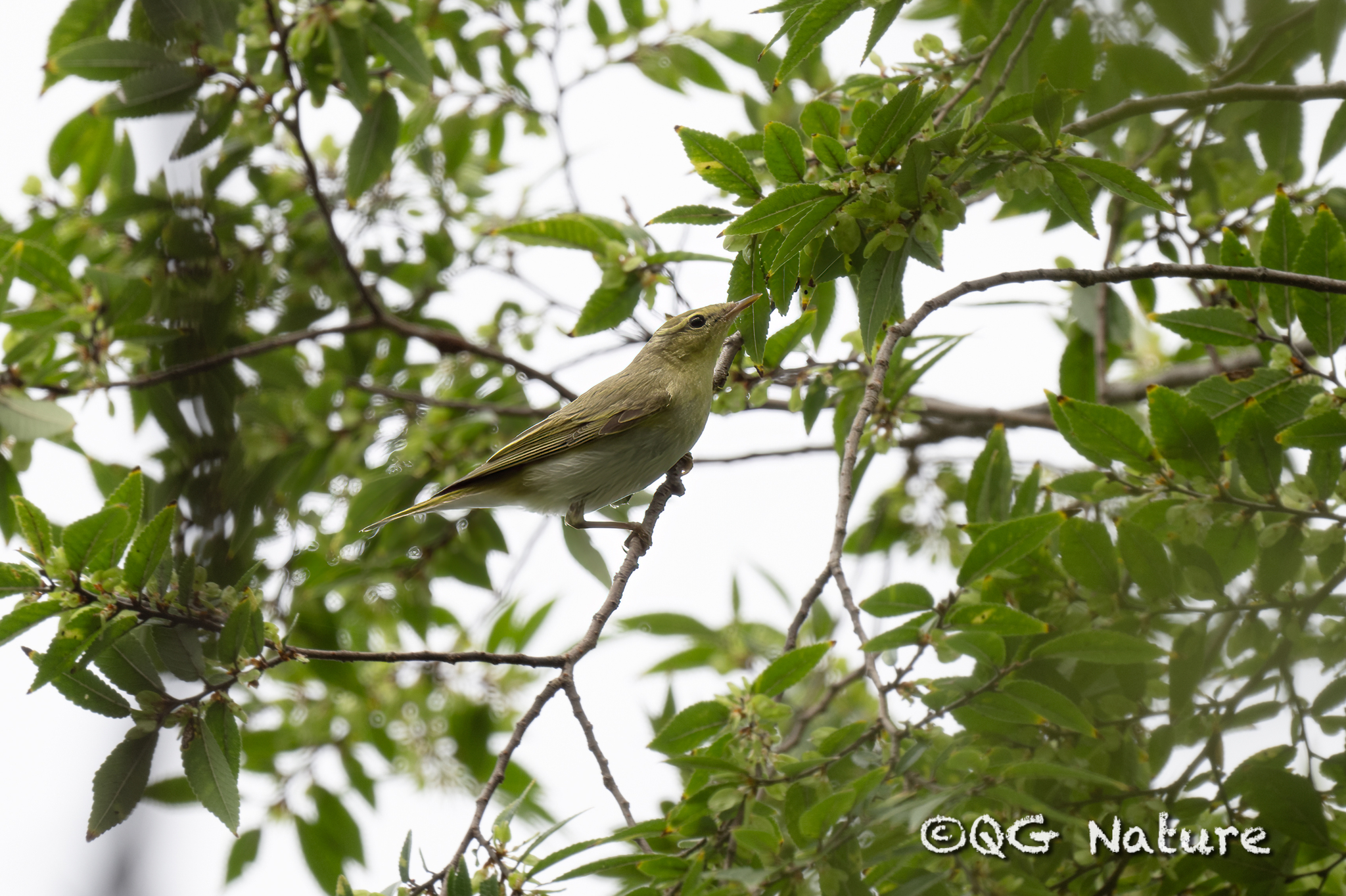
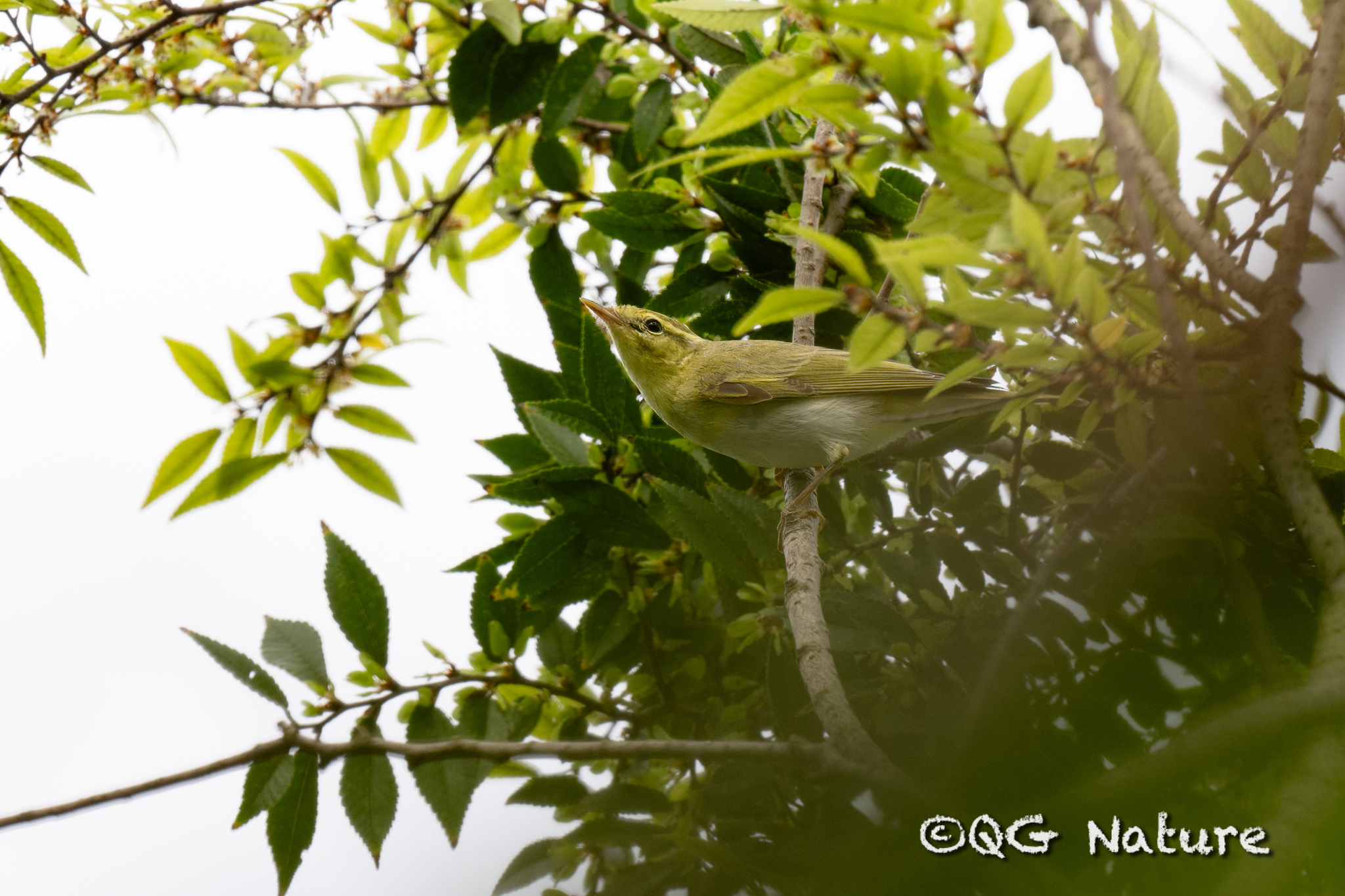
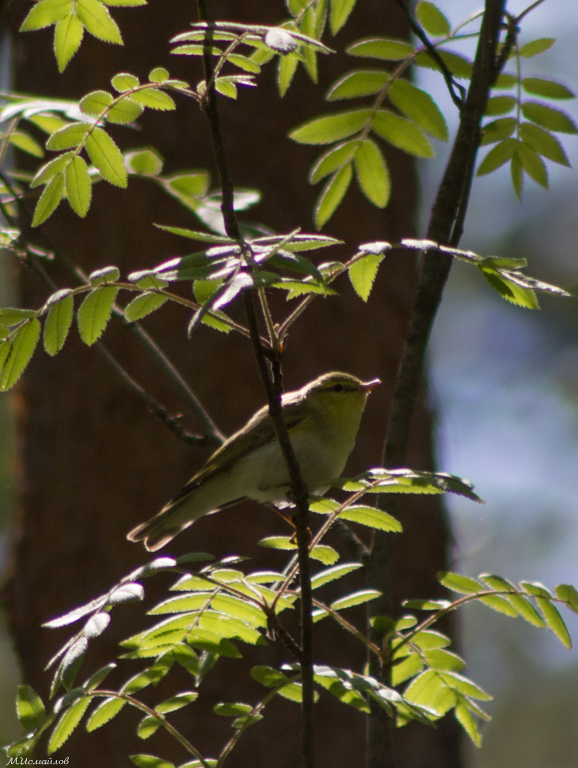
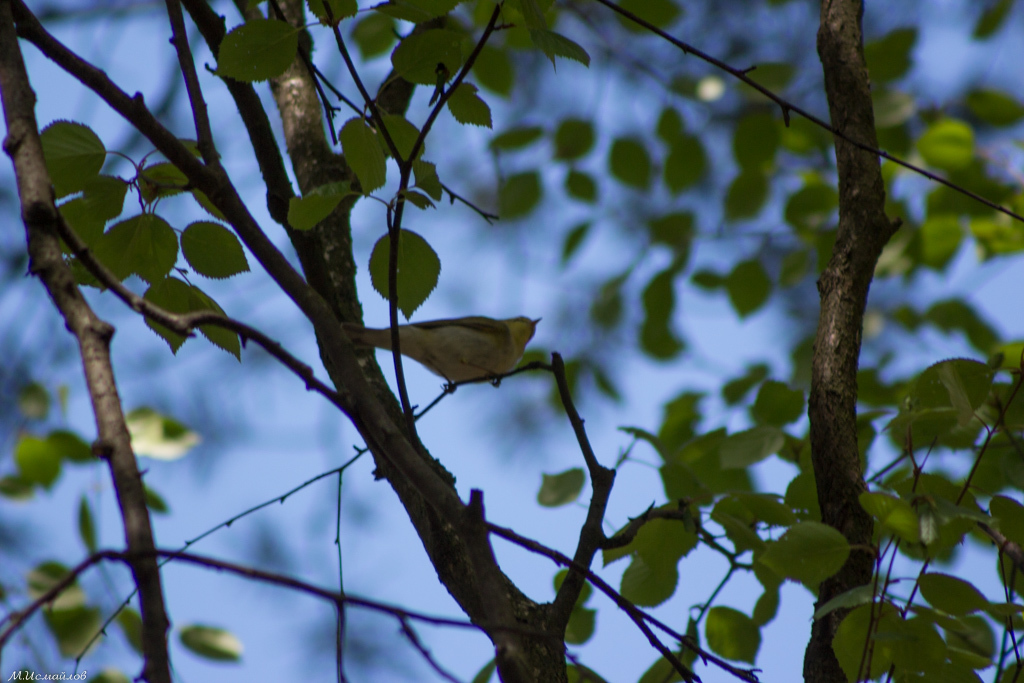
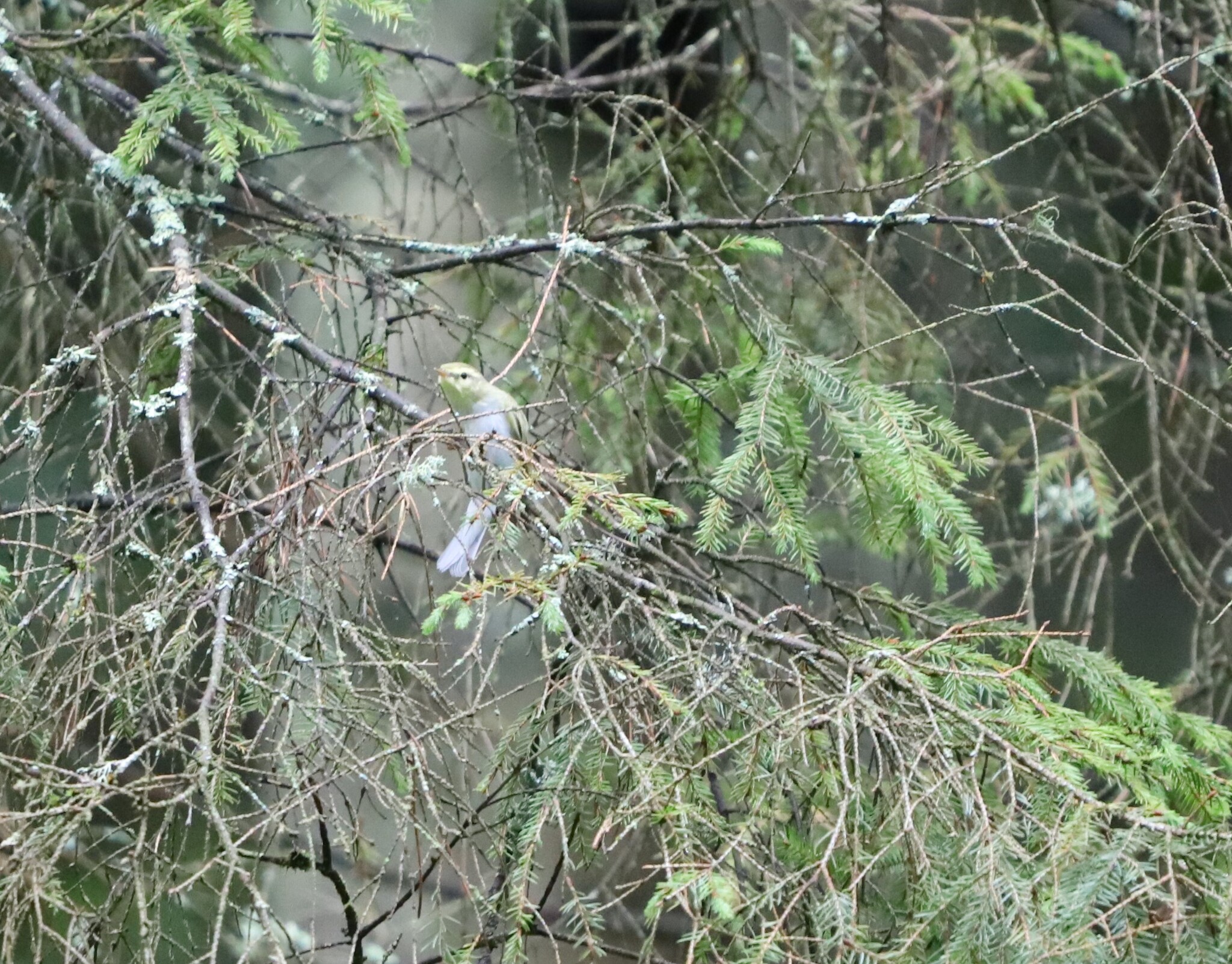
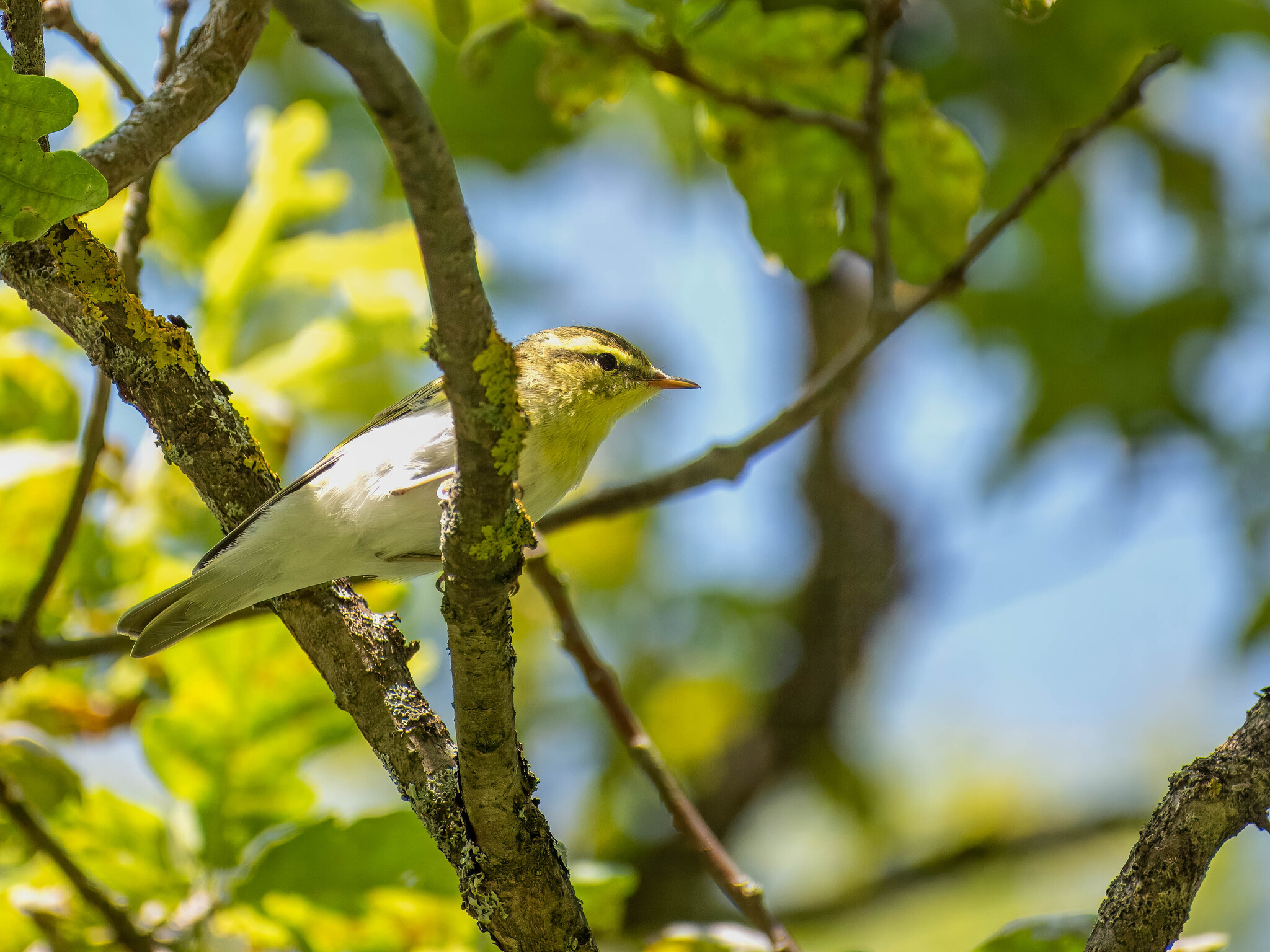
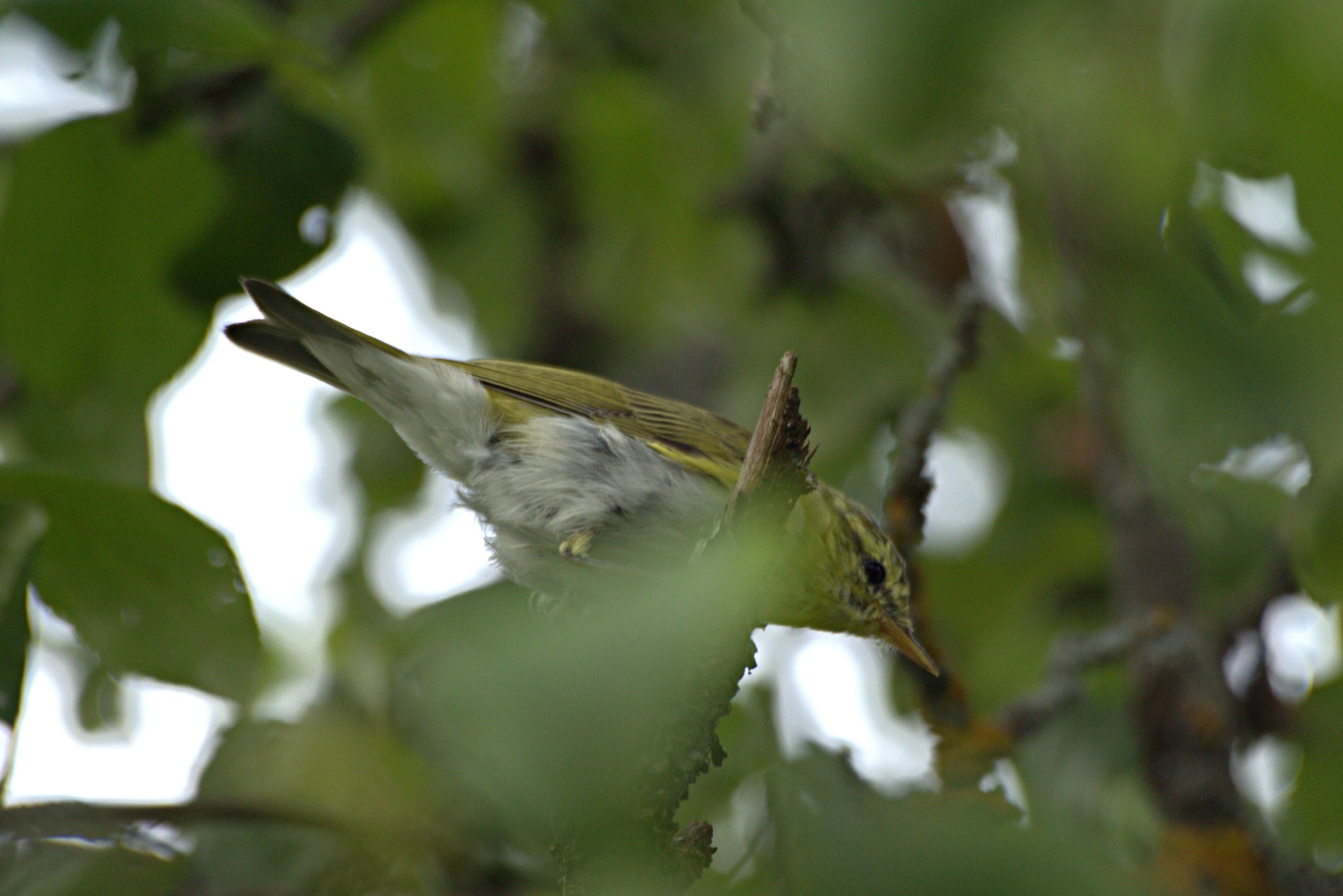
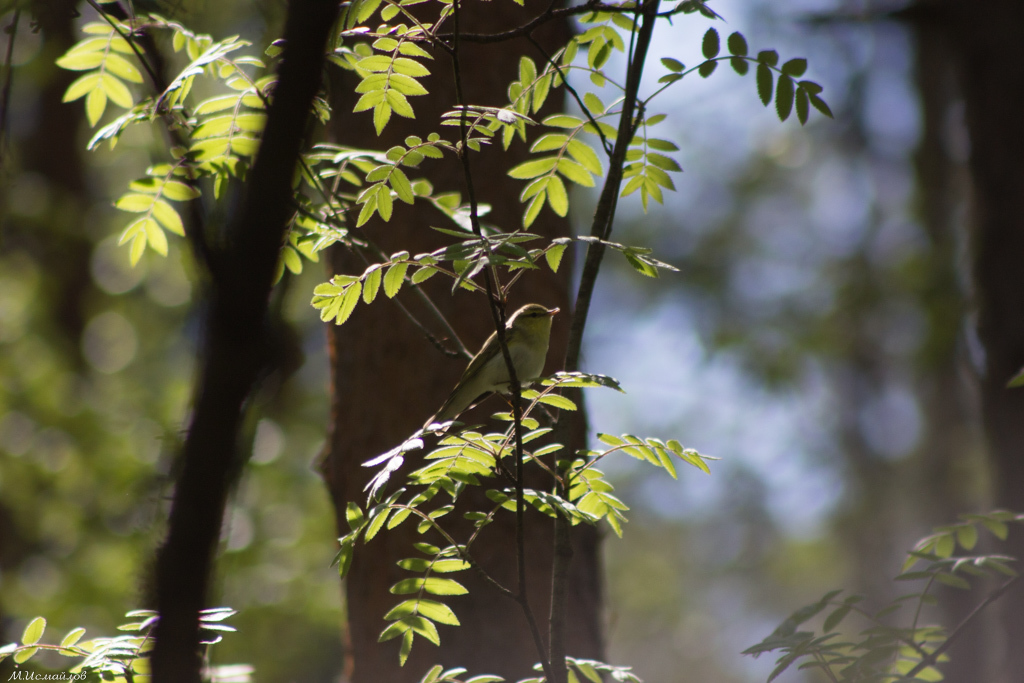
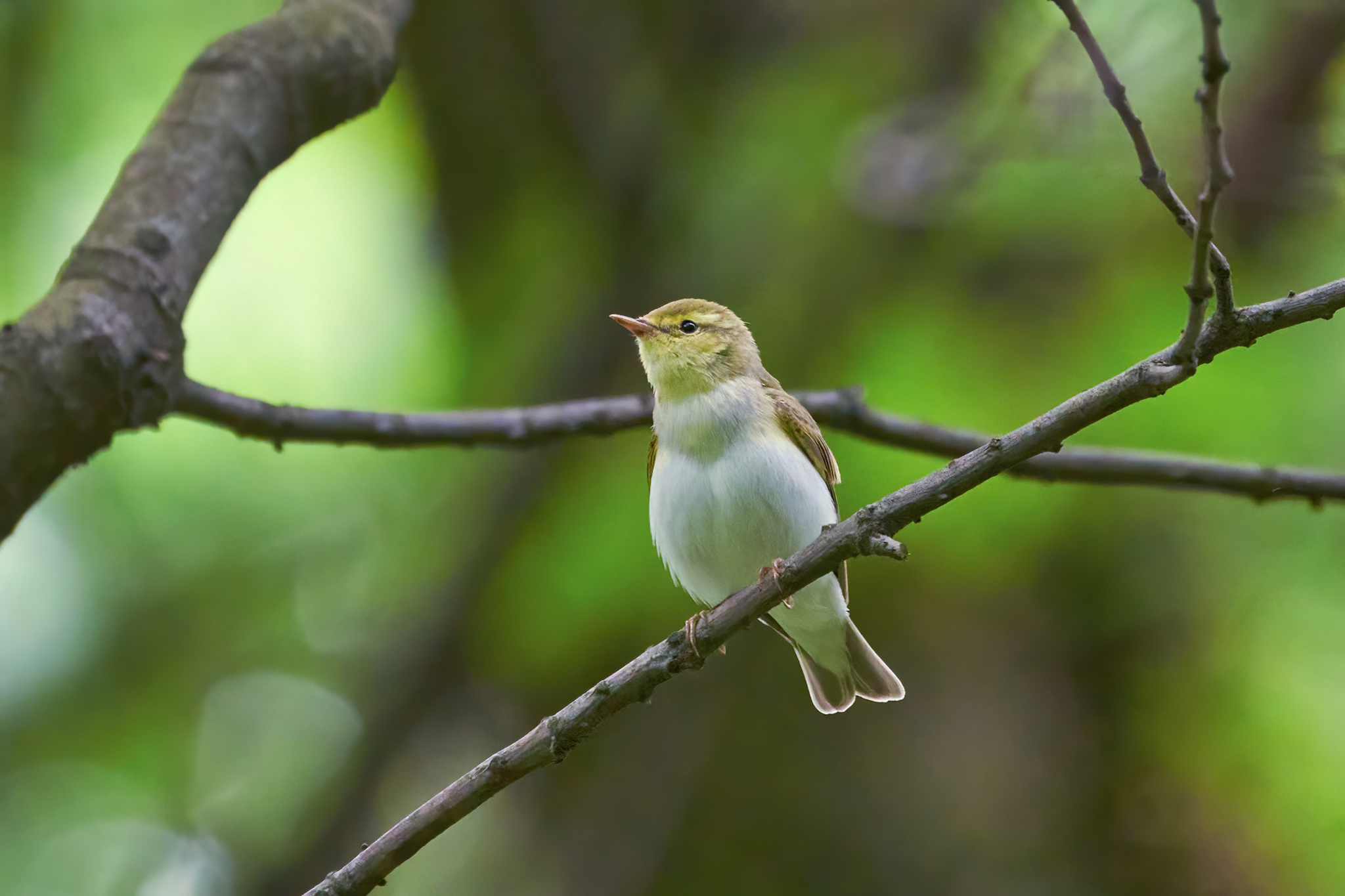
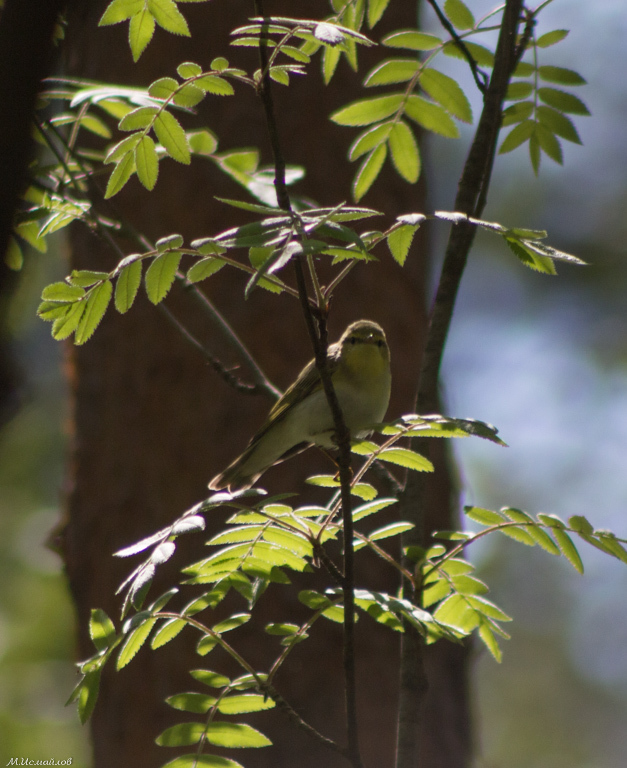
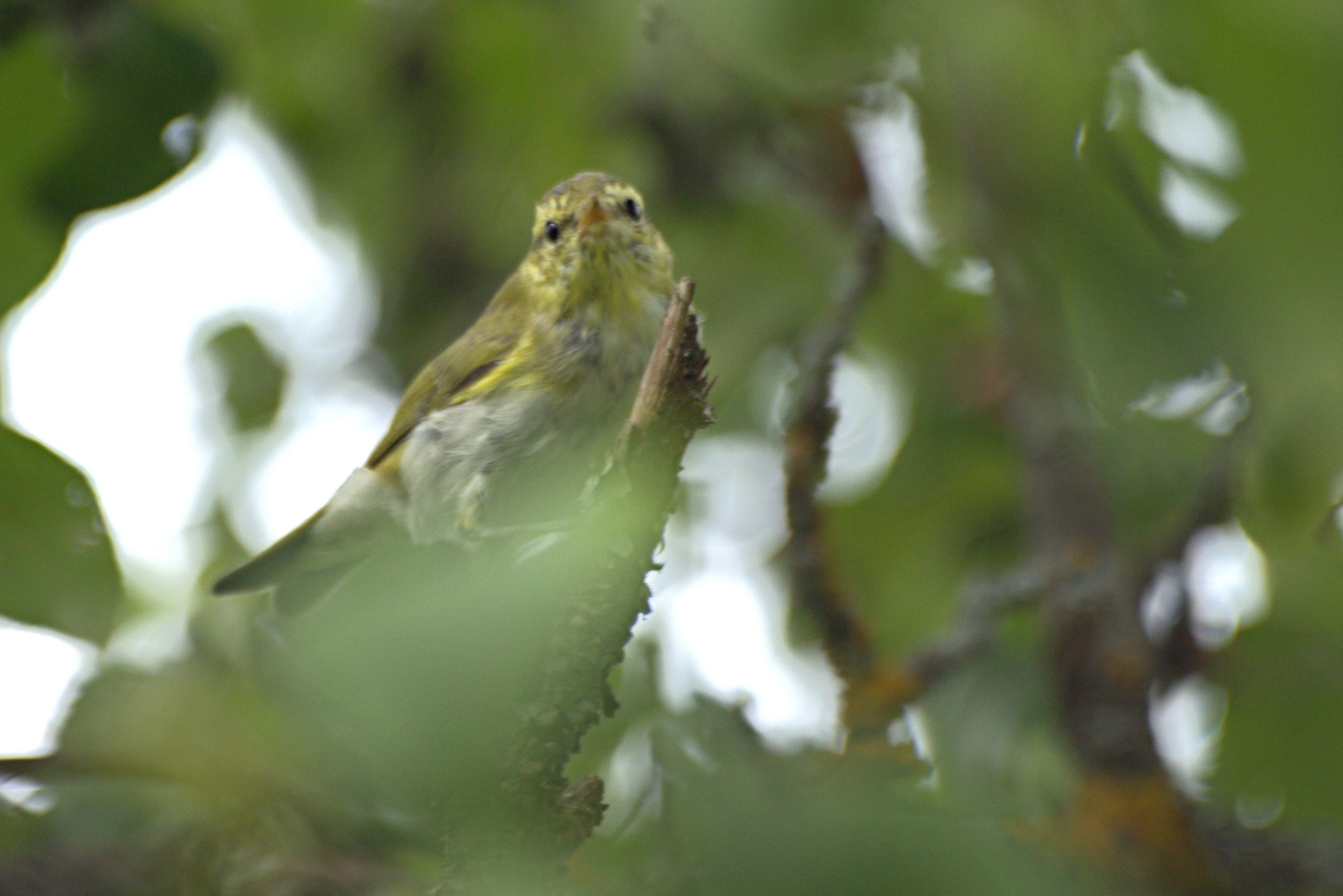
A small warbler measuring 11–12.5 cm in length. Upperparts are green, underparts white with a distinctive lemon-yellow wash on the breast. The face features a yellow supercilium, throat, and upper breast. Identification characters include pale tertial edges, a longer primary projection, and a shorter, broader tail compared to similar species.
Identification
Distinguished from the chiffchaff (P. collybita) and willow warbler (P. trochilus) by its bright yellow supercilium, throat, and upper breast. Also separated by pale tertial edges, a longer primary projection, and a shorter, broader tail structure.
Distribution & Habitat
Breeds throughout northern and temperate Europe to the southern Urals in western Russia. Summer visitor to the United Kingdom from April to August. Rare breeder in Ireland, restricted to County Wicklow. The entire population migrates to tropical Africa for the non-breeding season. Requires mature forest habitat, which is declining in wintering areas such as Ghana.
Behavior & Ecology
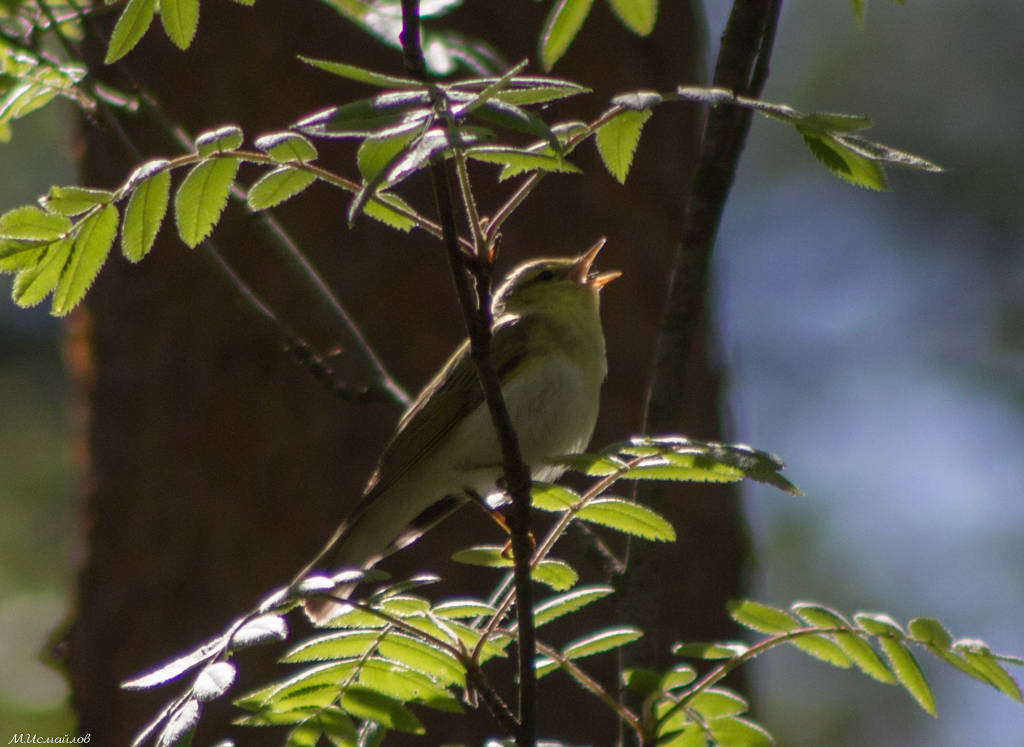
Insectivorous. Builds a dome-shaped nest near the ground in low shrubbery, laying six or seven eggs in May; a second brood may occur. Has two song types given alternately: a high-pitched accelerating metallic trill lasting 2–3 seconds, and a series of 3-5 descending piping notes. The contact call is a soft single piping note. Nest predators include medium-sized carnivores that detect nests using sound or olfaction, particularly at night.
Conservation
Population has declined in the United Kingdom. The Irish breeding population is very small but stable. IUCN assessment not specified in source. Threats include habitat loss and degradation in both breeding and wintering areas. Forest structure factors such as canopy height, broad-leaf forest proportion, and edge length influence occupancy rates. The species can utilize degraded habitats like well-wooded farms, but continued habitat loss will likely negatively impact populations.
Culture
At the end of the nineteenth century, the bird was also called 'wood-wren'. No other significant cultural references or folklore noted.
Source: Wikipedia · CC BY-SA 3.0
Taxonomy
- Order
- Passeriformes
- Family
- Phylloscopidae
- Genus
- Phylloscopus
- eBird Code
- woowar
Distribution
breeds Europe and Russia; winters in tropical Africa
Vocalizations
Data Sources
Species description from Wikipedia, licensed under CC BY-SA 3.0.
Bird images and sounds sourced from GBIF, contributed by citizen scientists worldwide under Creative Commons licenses.
Taxonomy data from AviList 2025.