
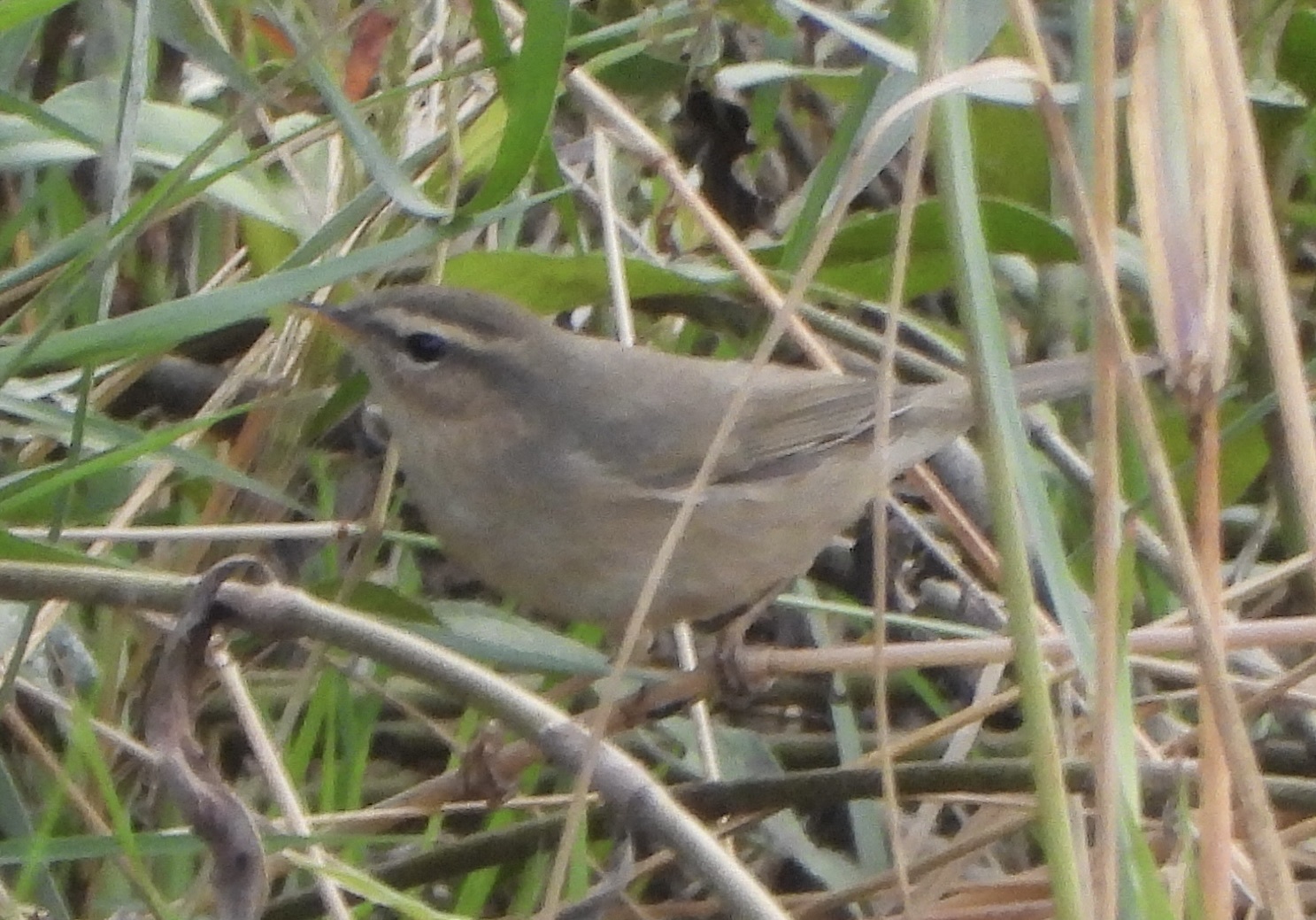
Dusky Warbler
Phylloscopus fuscatus
褐柳莺
Introduction
The dusky warbler is a small leaf warbler species breeding across the eastern Palearctic region. Its breeding habitat consists of taiga bogs and dense wet woodlands in eastern Asia. The species is characterized by a harsh 'check' call and cryptic plumage. During autumn migration, individuals regularly appear far west of their expected range, with vagrants recorded annually in western Europe, particularly in October.
Description
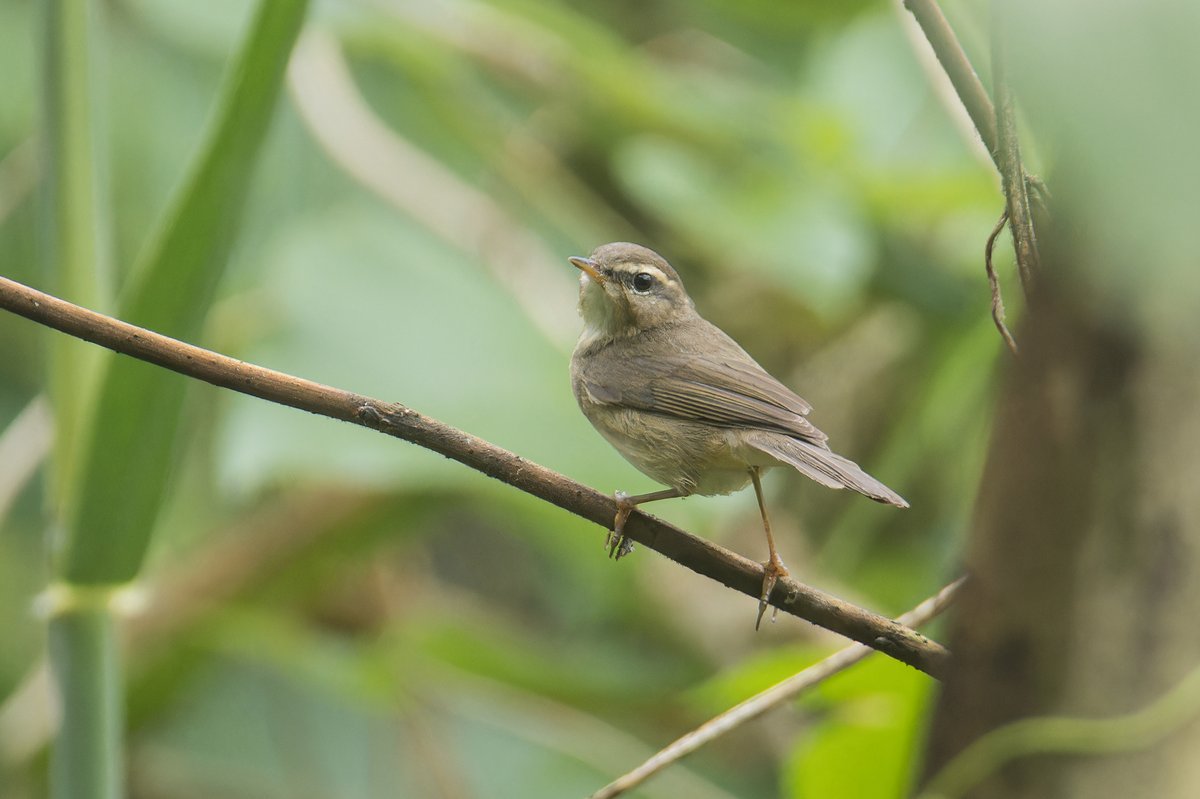
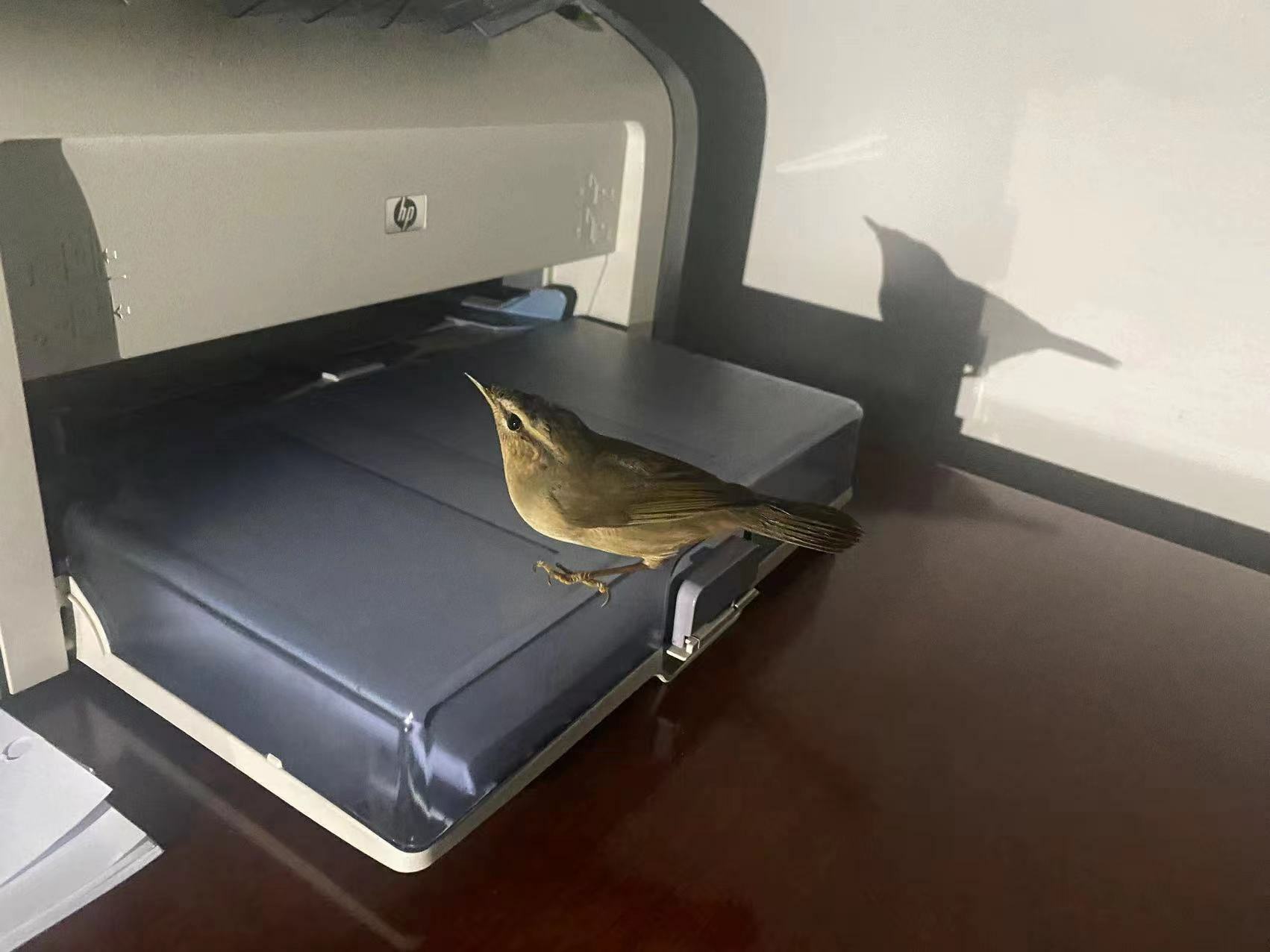
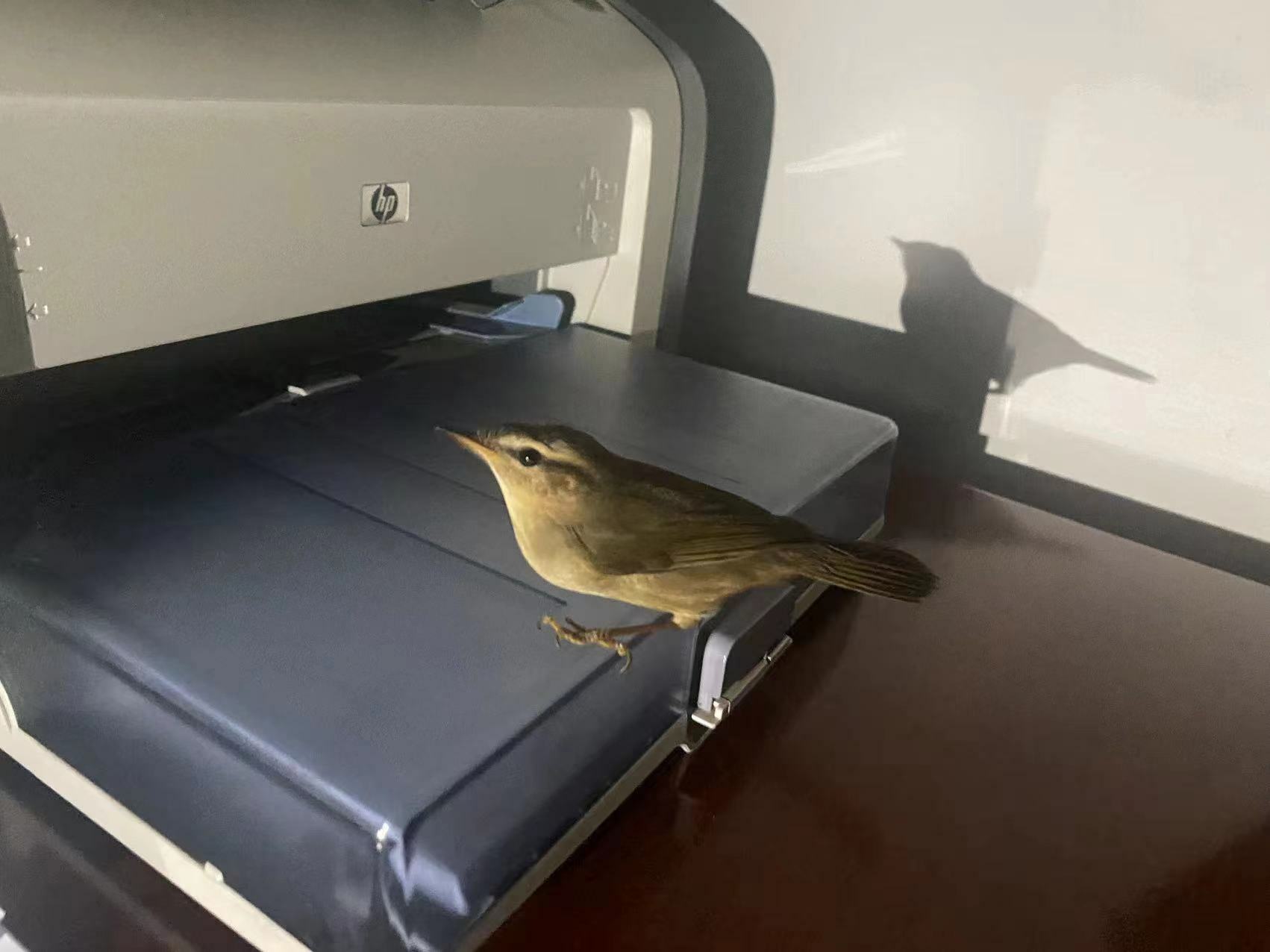
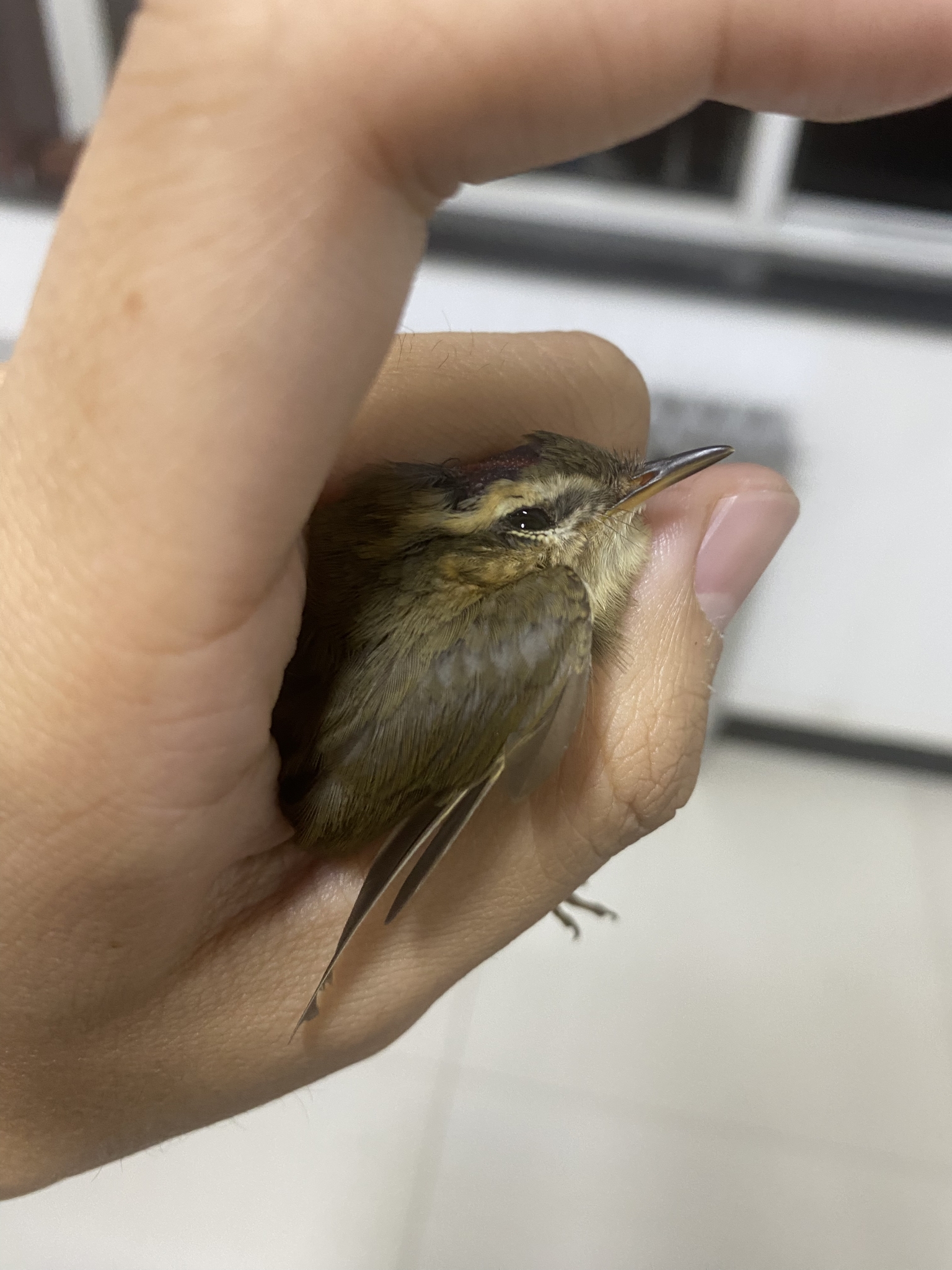
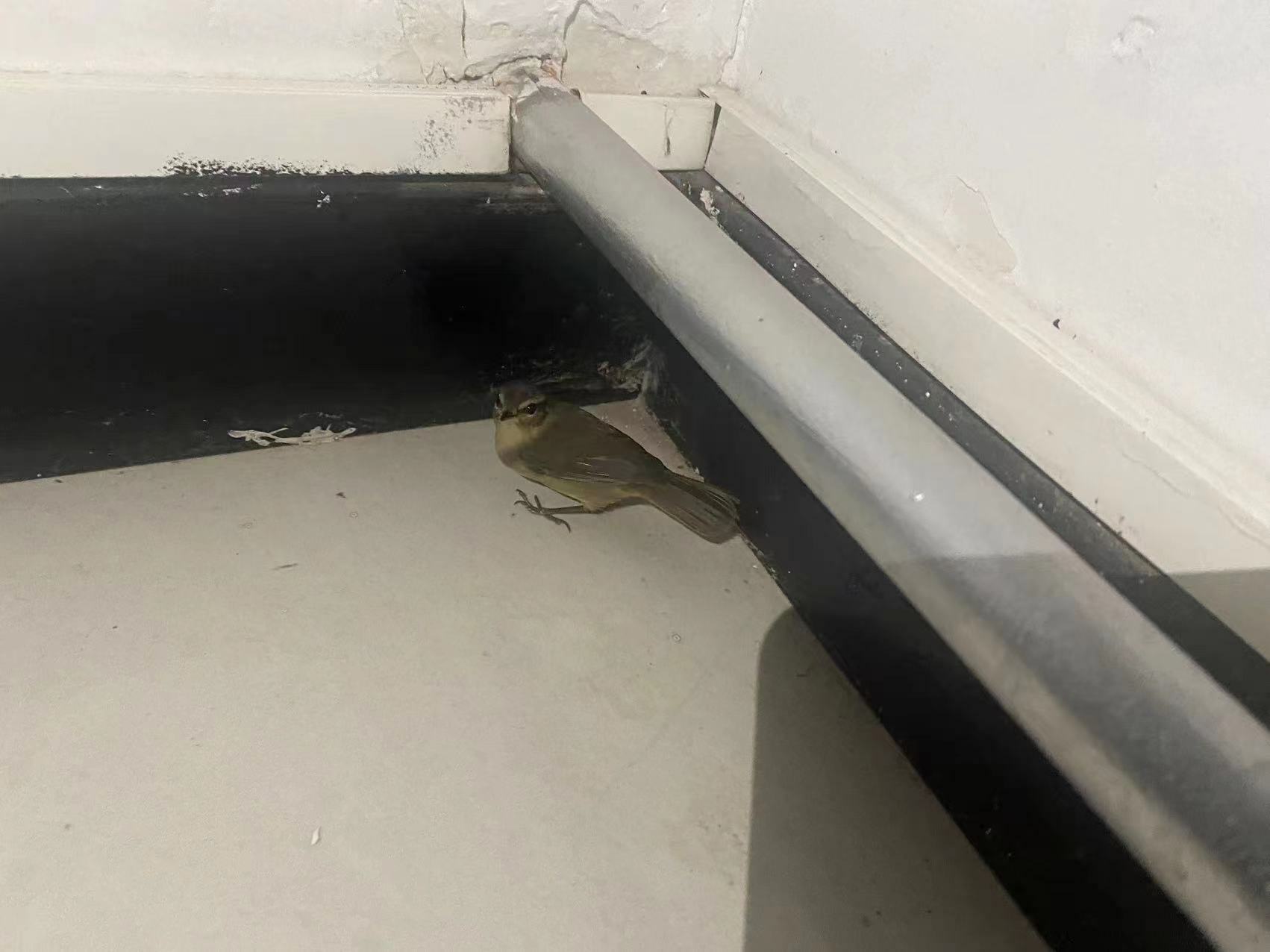
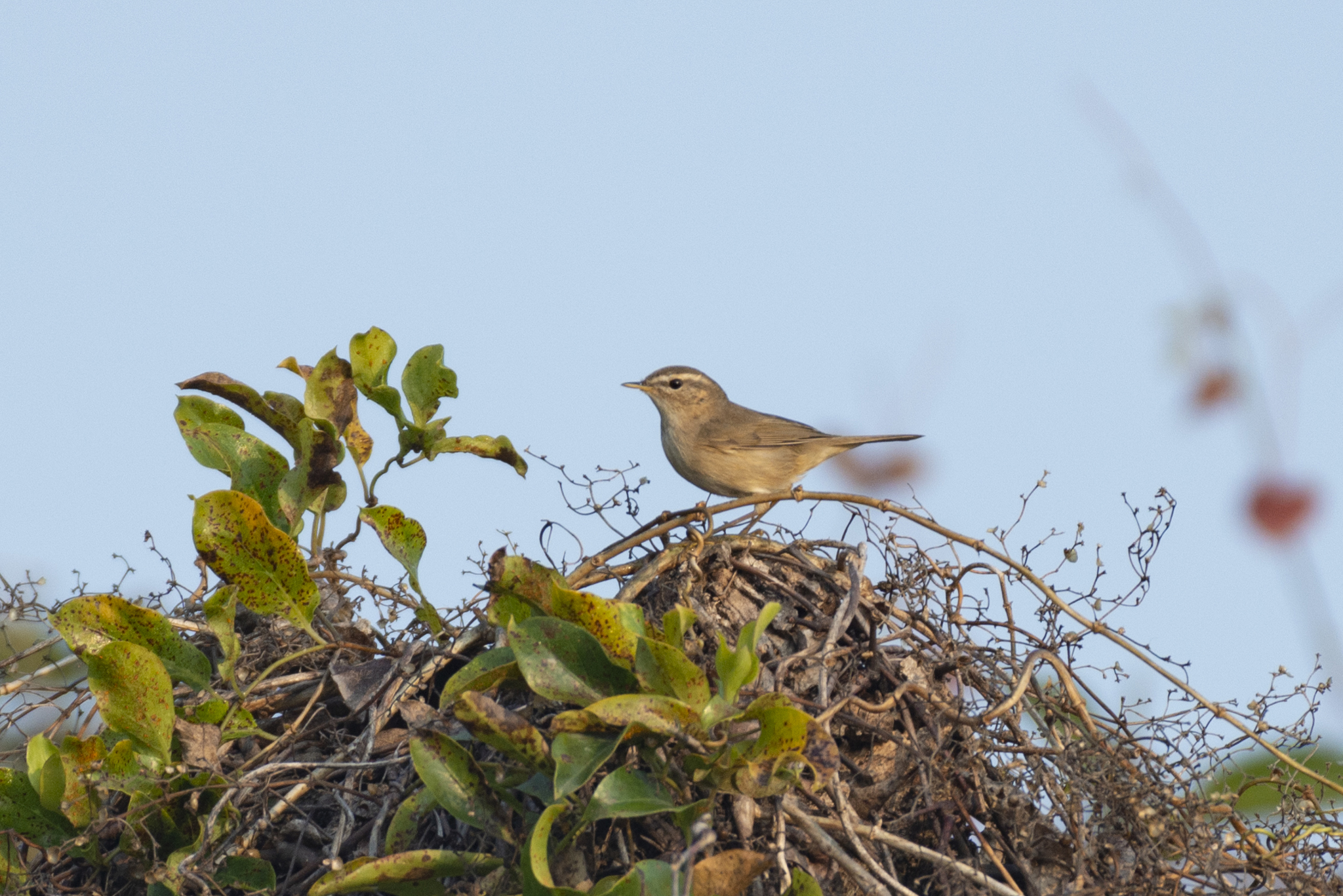
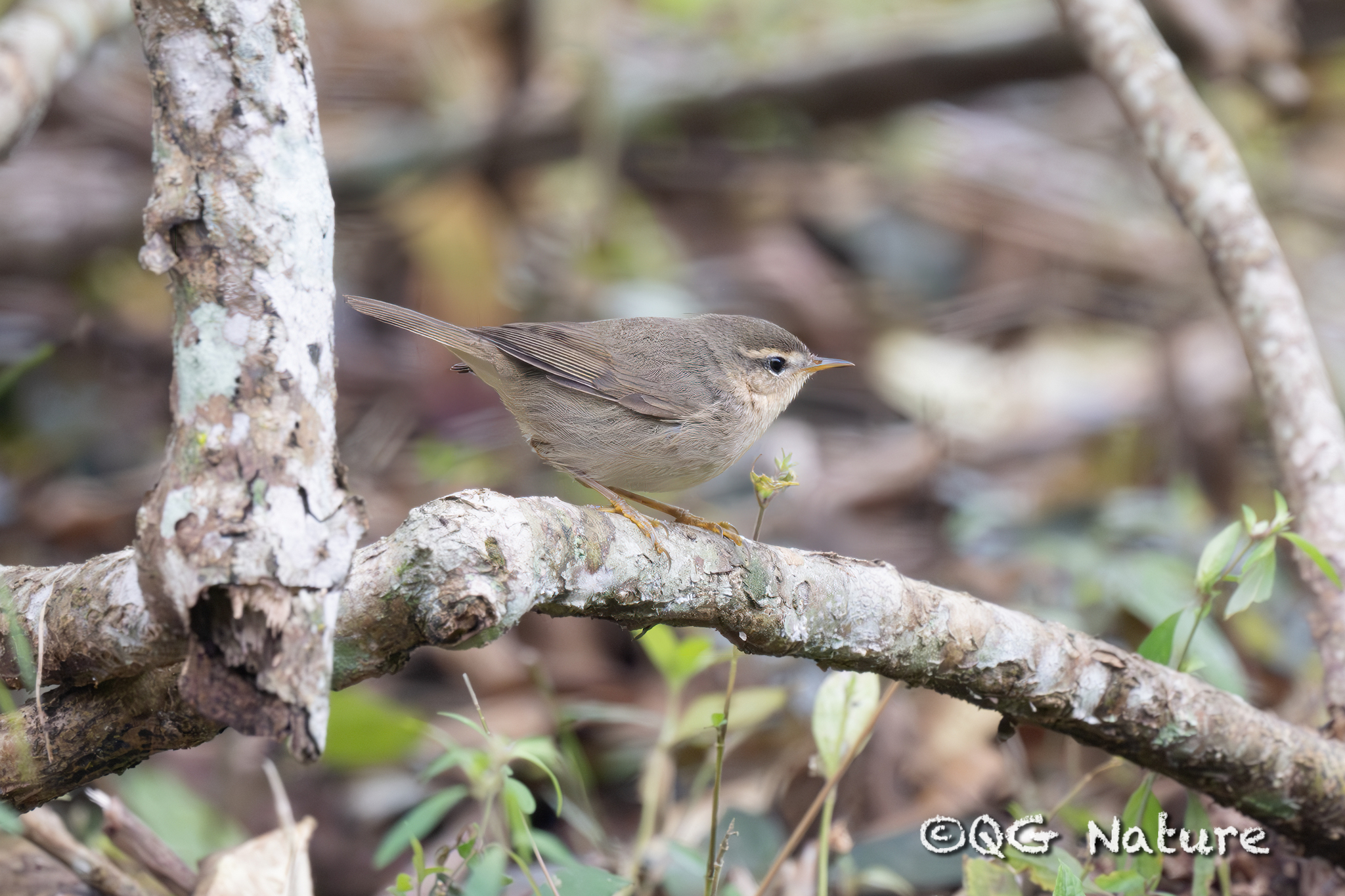
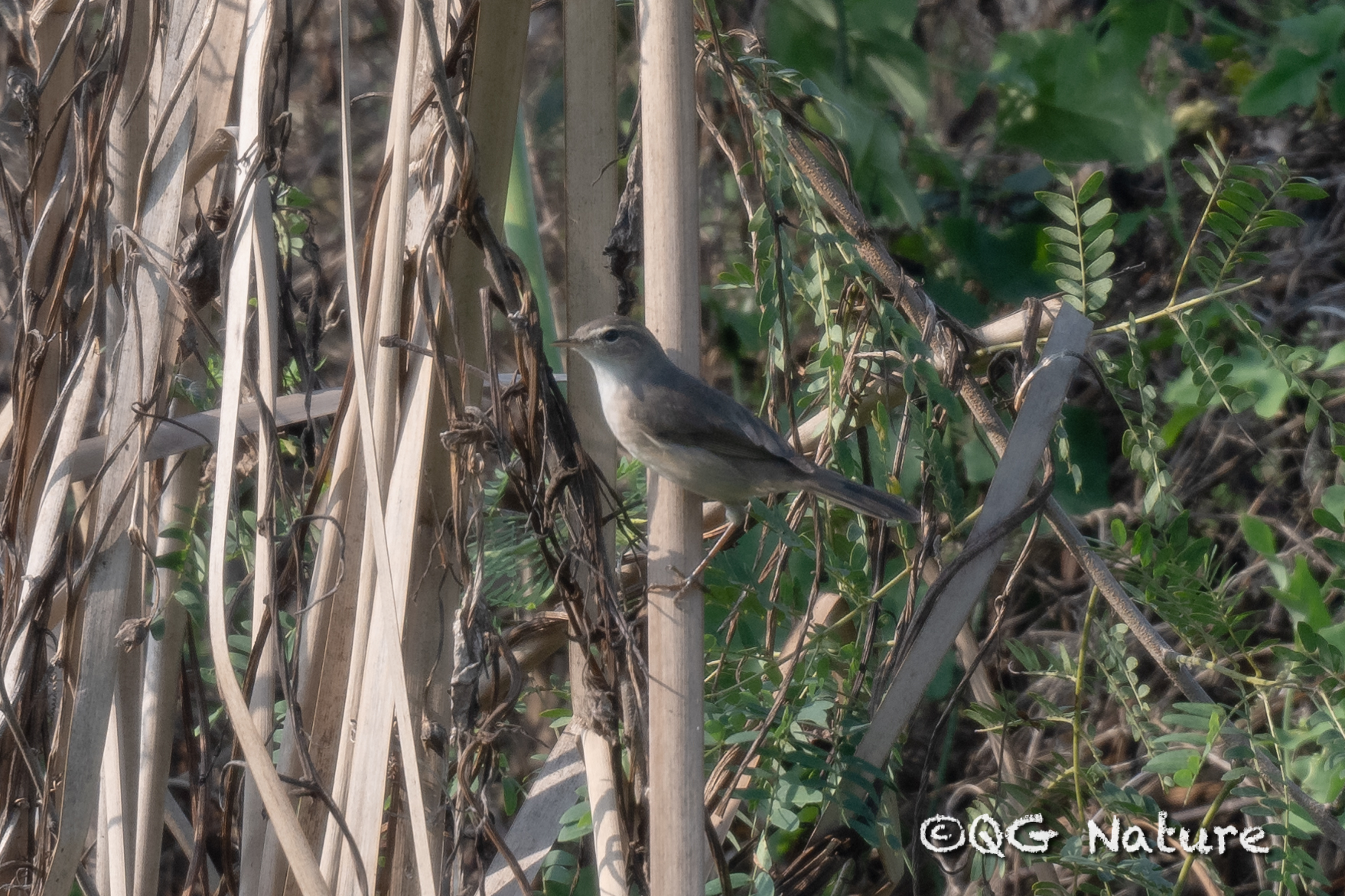
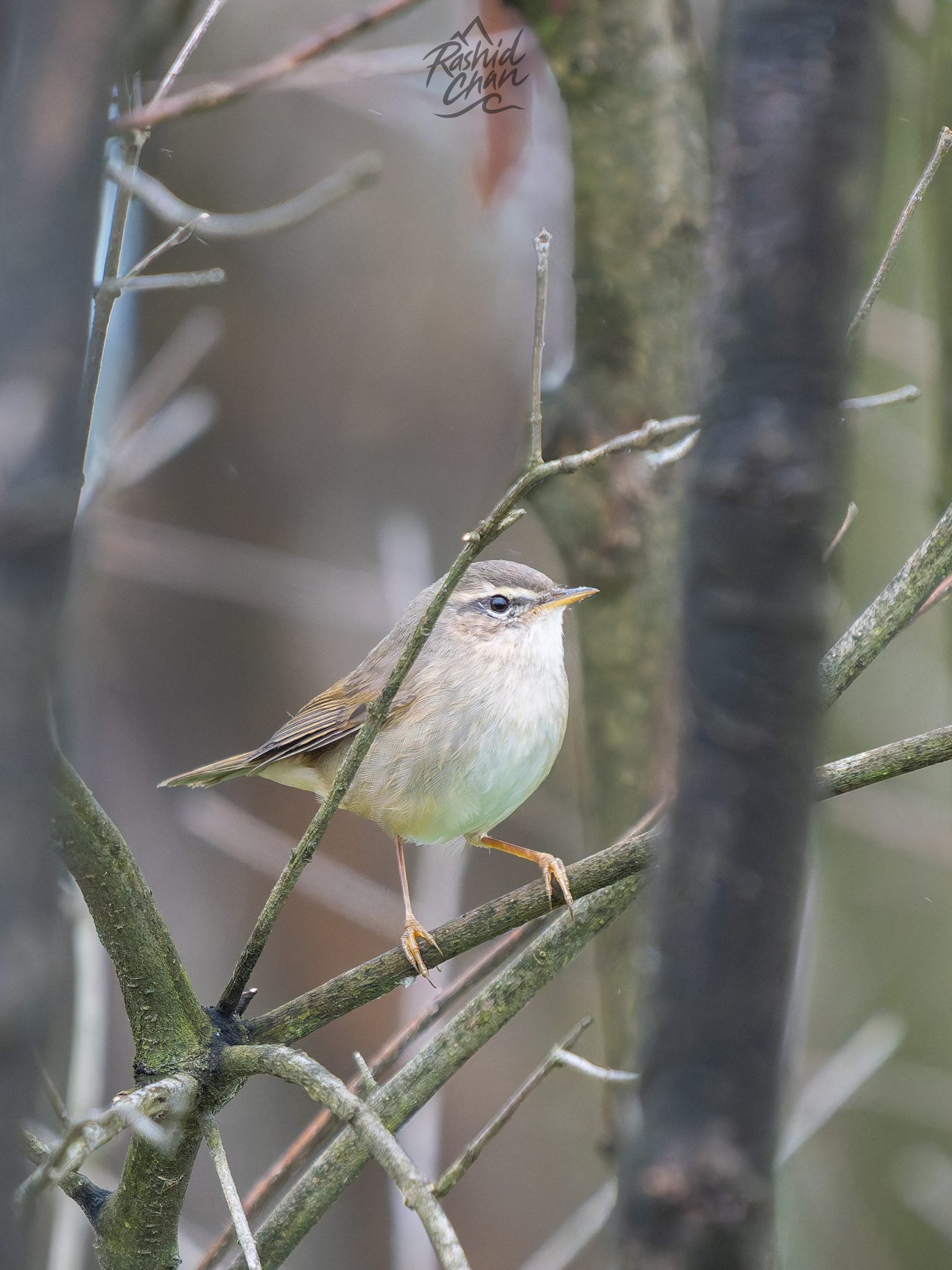
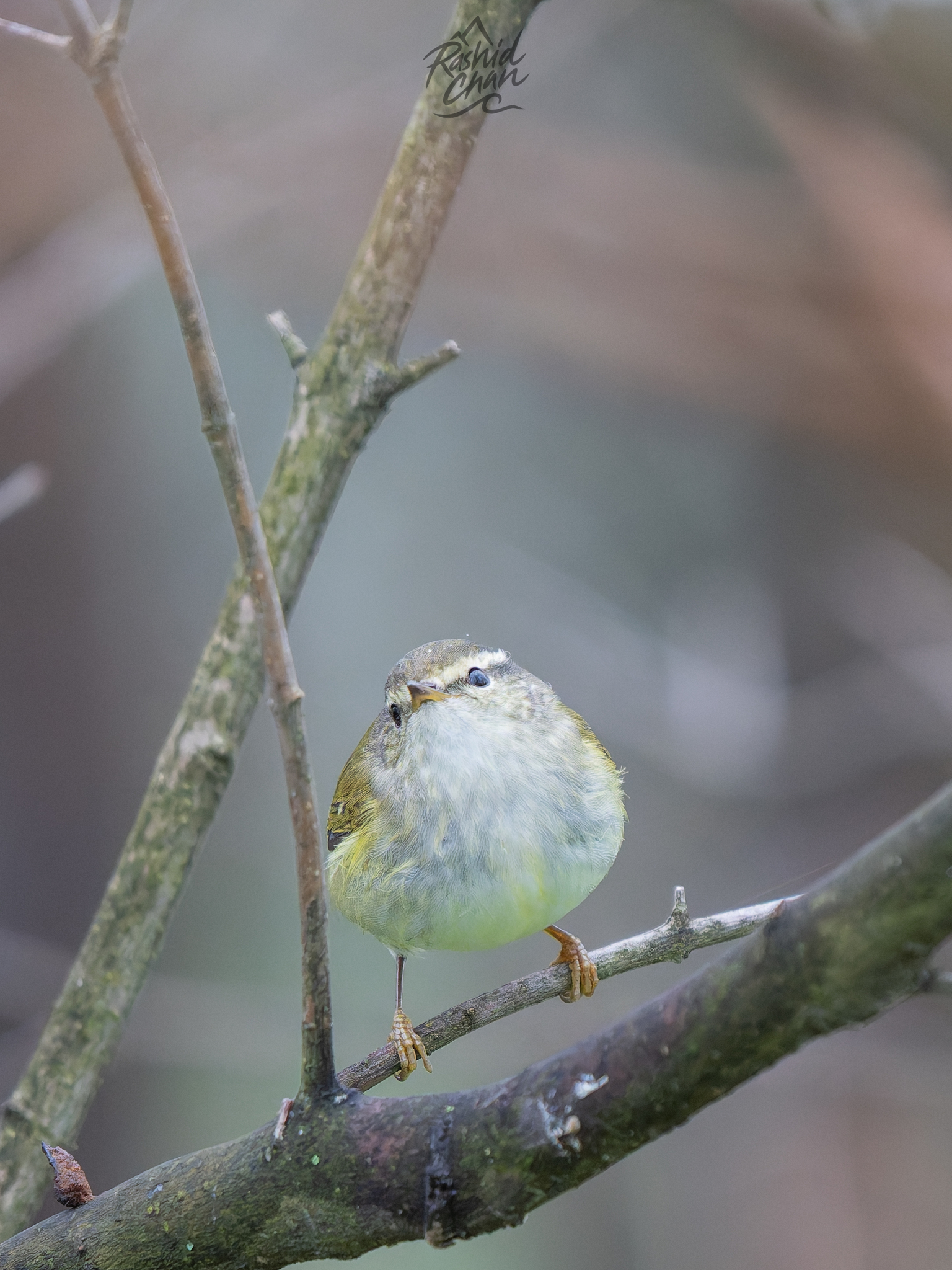
This is a small, compact warbler resembling a chiffchaff in overall structure. The adult plumage features an unstreaked brown upperparts with a notably warm, olive-tinged cast that can appear darker in certain lighting. The underparts show buff tones, creating a subtle contrast with the upperparts. The most conspicuous feature is the prominent whitish supercilium that extends above the eye, providing the best visual cue for identification. The bill is fine and pointed, adapted for insectivory. The legs are relatively pale. Sexes are identical in appearance, making field sexing impossible under normal circumstances. Juveniles and first-year birds differ subtly, showing more pronounced olive-green coloration on the upperparts and slightly brighter underparts than adults.
Identification
The combination of unstreaked brown upperparts, buff underparts, and a prominent white supercilium distinguishes this species from similar leaf warblers. The chiffchaff is very similar in size and structure but typically shows more olive-green coloration and yellow underparts in most subspecies. The absence of wing bars or breast streaking further separates it from other Phylloscopus warblers. The harsh, distinctive 'check' call is often the most reliable identification feature, particularly for individuals detected in non-breeding habitats. The skulking behavior and preference for dense cover can make visual identification challenging; listening for the characteristic call is often the most effective approach.
Distribution & Habitat
This species breeds extensively across the eastern Palearctic region, occupying taiga bogs and wet meadows from Siberia through to eastern Asia. The wintering range extends south through the Indian subcontinent to South Asia and across to South-east Asia. The species demonstrates a strong tendency toward vagrancy, with individuals regularly appearing in western Europe during October migration, despite the 3000-kilometer distance from breeding grounds. Occasional sightings occur in North America, particularly in Alaska, with rare records from California. The species has wintered in Great Britain on multiple occasions, and an extremely rare individual was documented and ringed in an urban park in Porto, Portugal, in December 2025.
Behavior & Ecology
As with most Old World warblers, this species is primarily insectivorous, foraging actively through dense vegetation to capture small invertebrates. However, it demonstrates dietary flexibility by supplementing its diet with small berries during the non-breeding season. The breeding season sees the construction of a neat cup nest built low in dense shrubbery, where the female lays a clutch of five to six eggs. The song is delivered as a monotonous, rather plaintive whistle that lacks the variety of some related species. The characteristic call note is a harsh, explosive 'check' that often serves as the first indication of the bird's presence, particularly when it is skulking unseen in dense cover. During the breeding season, pairs are territorial and somewhat more conspicuous.
Source: Wikipedia · CC BY-SA 3.0
Taxonomy
- Order
- Passeriformes
- Family
- Phylloscopidae
- Genus
- Phylloscopus
- eBird Code
- duswar
Subspecies (2)
-
Phylloscopus fuscatus fuscatus
breeds Siberia to Mongolia and western China; winters to India and Indochina
-
Phylloscopus fuscatus robustus
breeds northern China (south of Gobi Desert) to northern Sichuan; winters to Indochina
Data Sources
Species description from Wikipedia, licensed under CC BY-SA 3.0.
Bird images and sounds sourced from GBIF, contributed by citizen scientists worldwide under Creative Commons licenses.
Taxonomy data from AviList 2025.