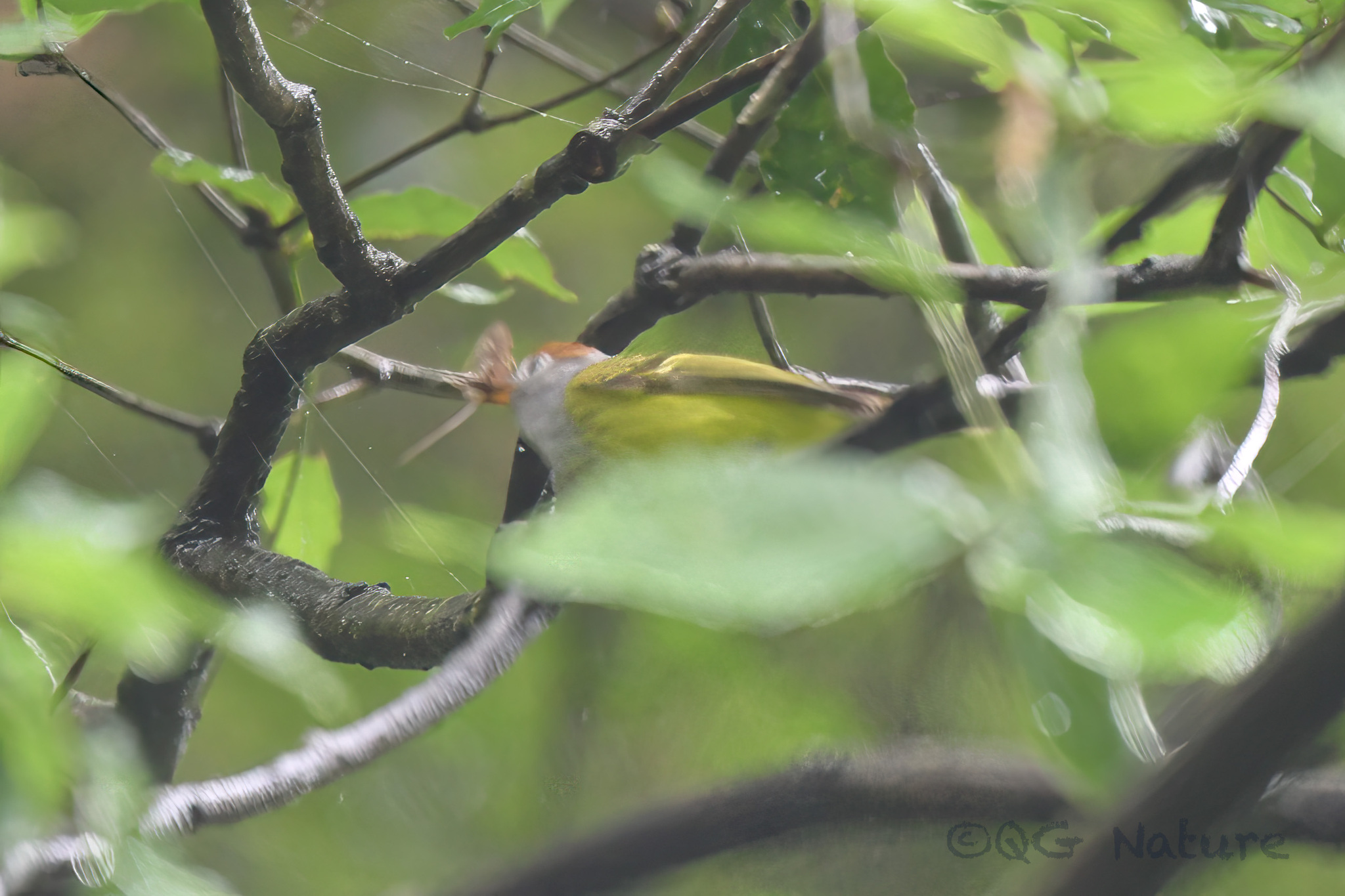
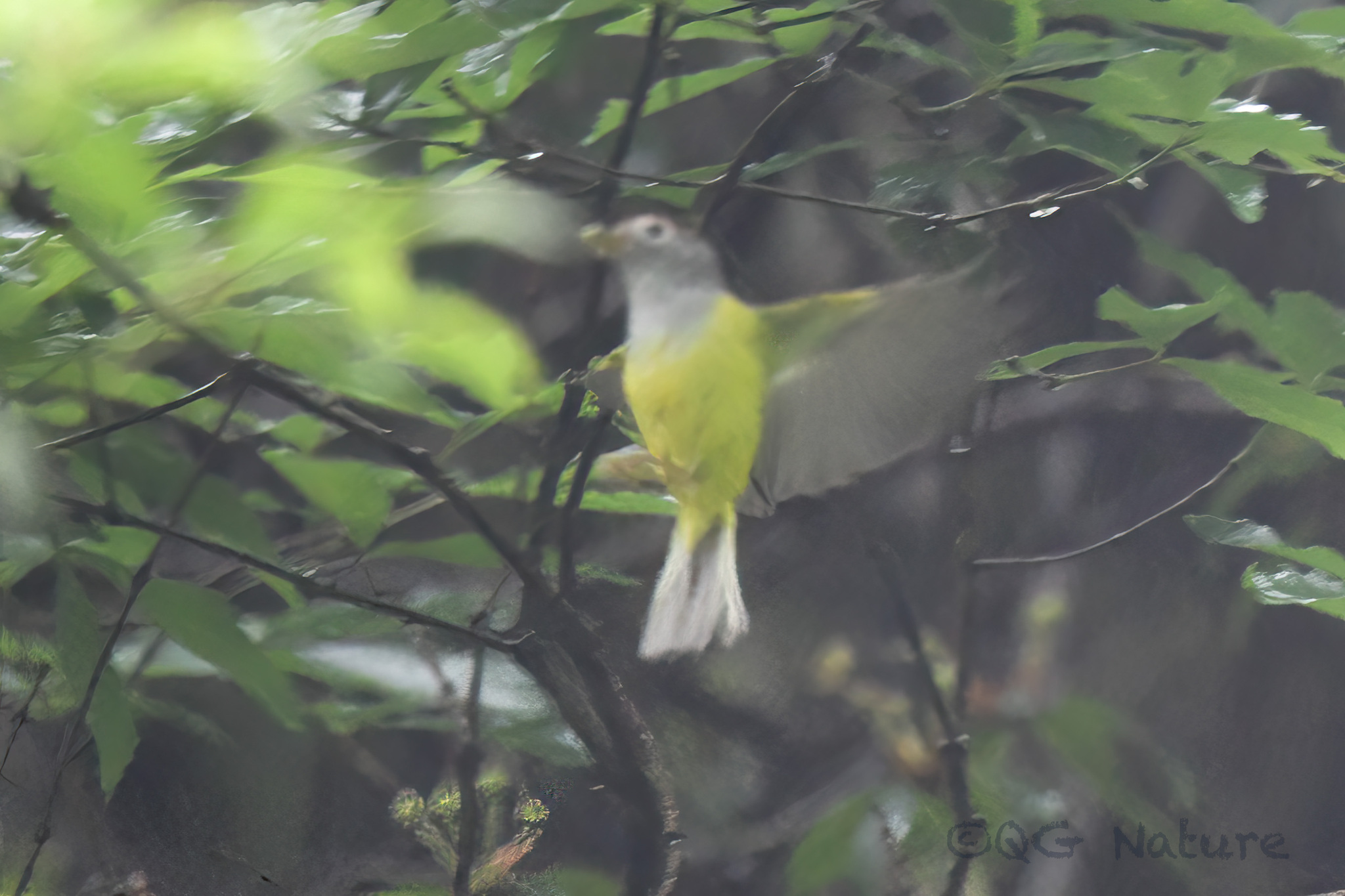
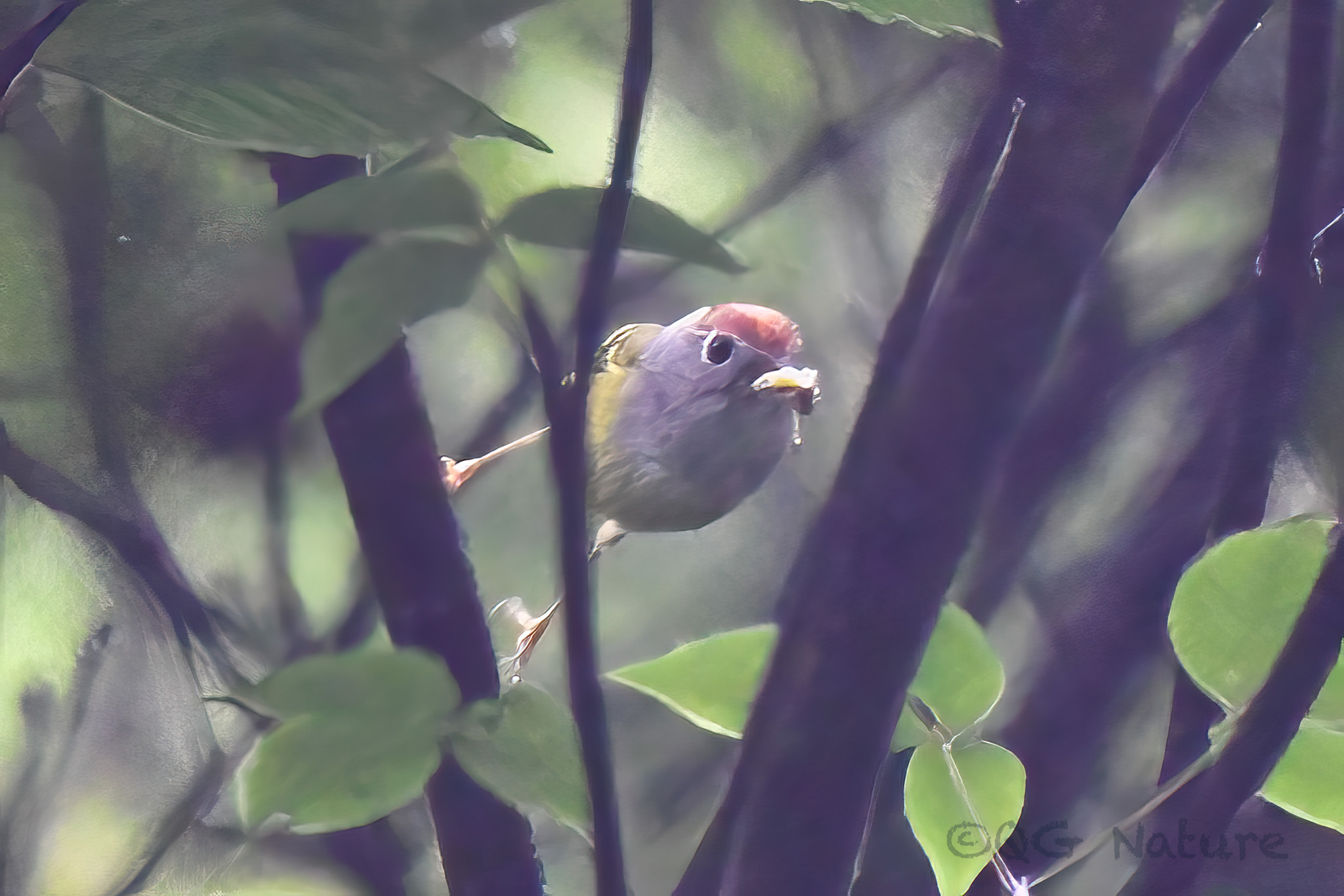
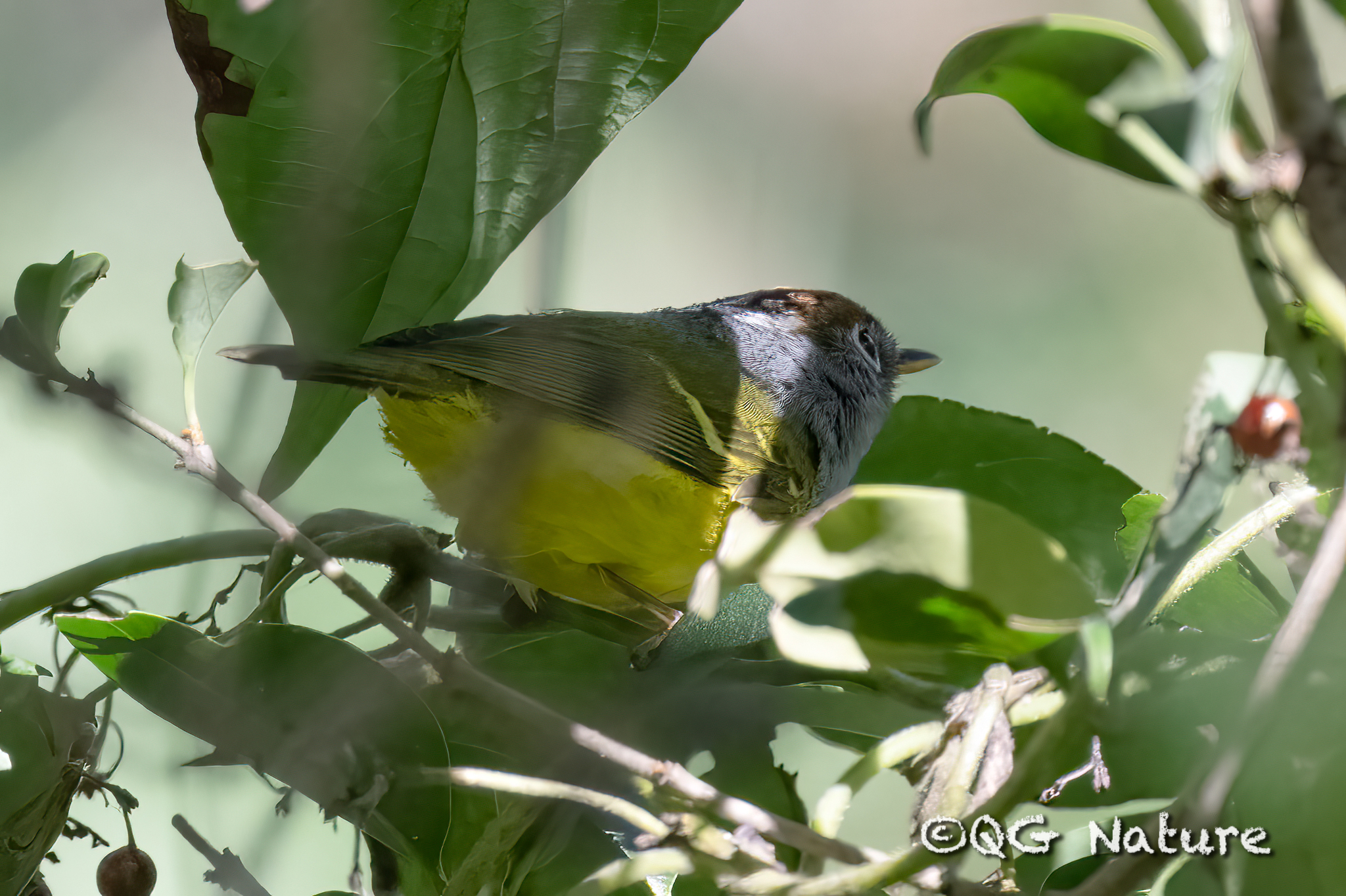
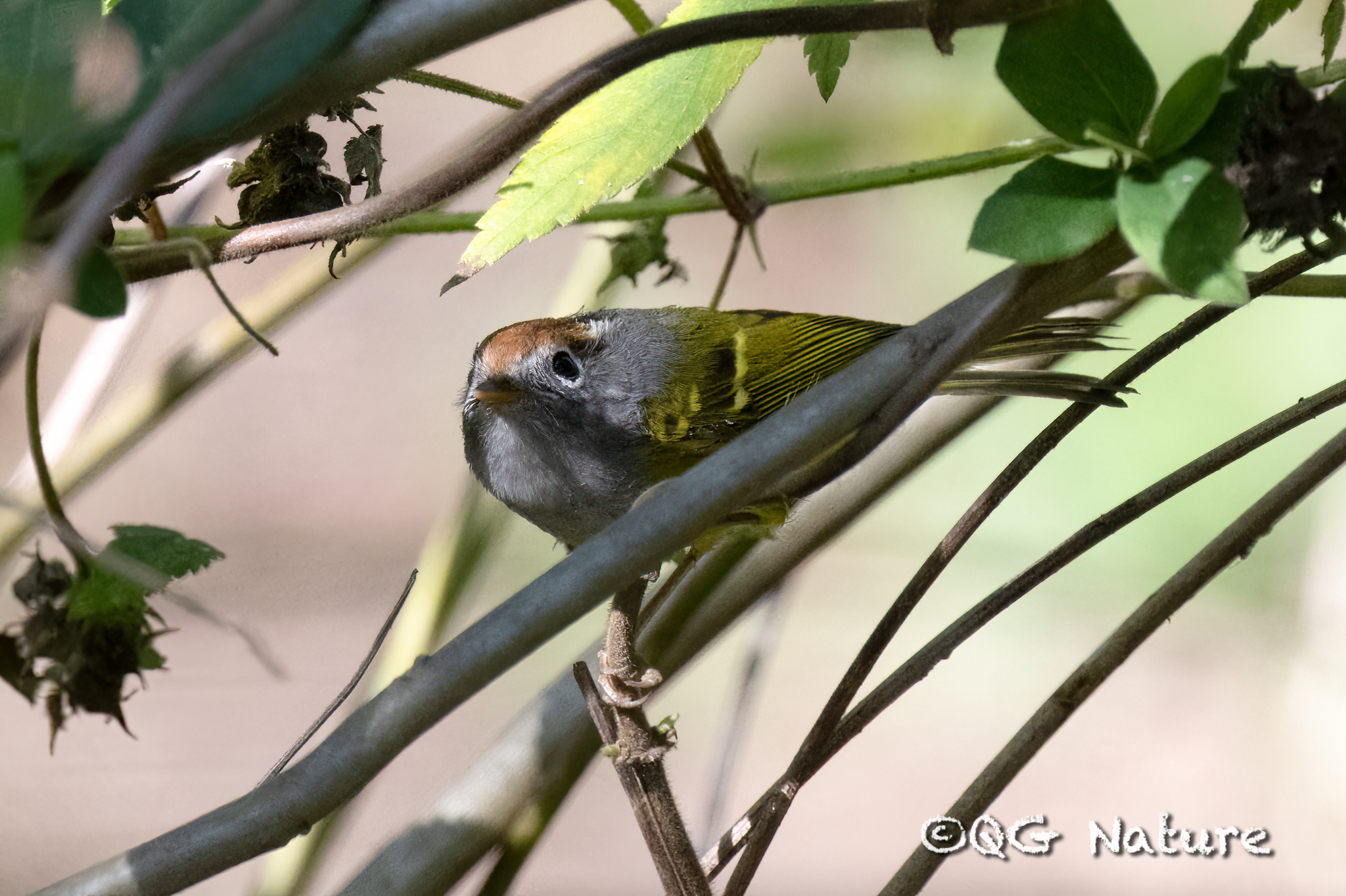
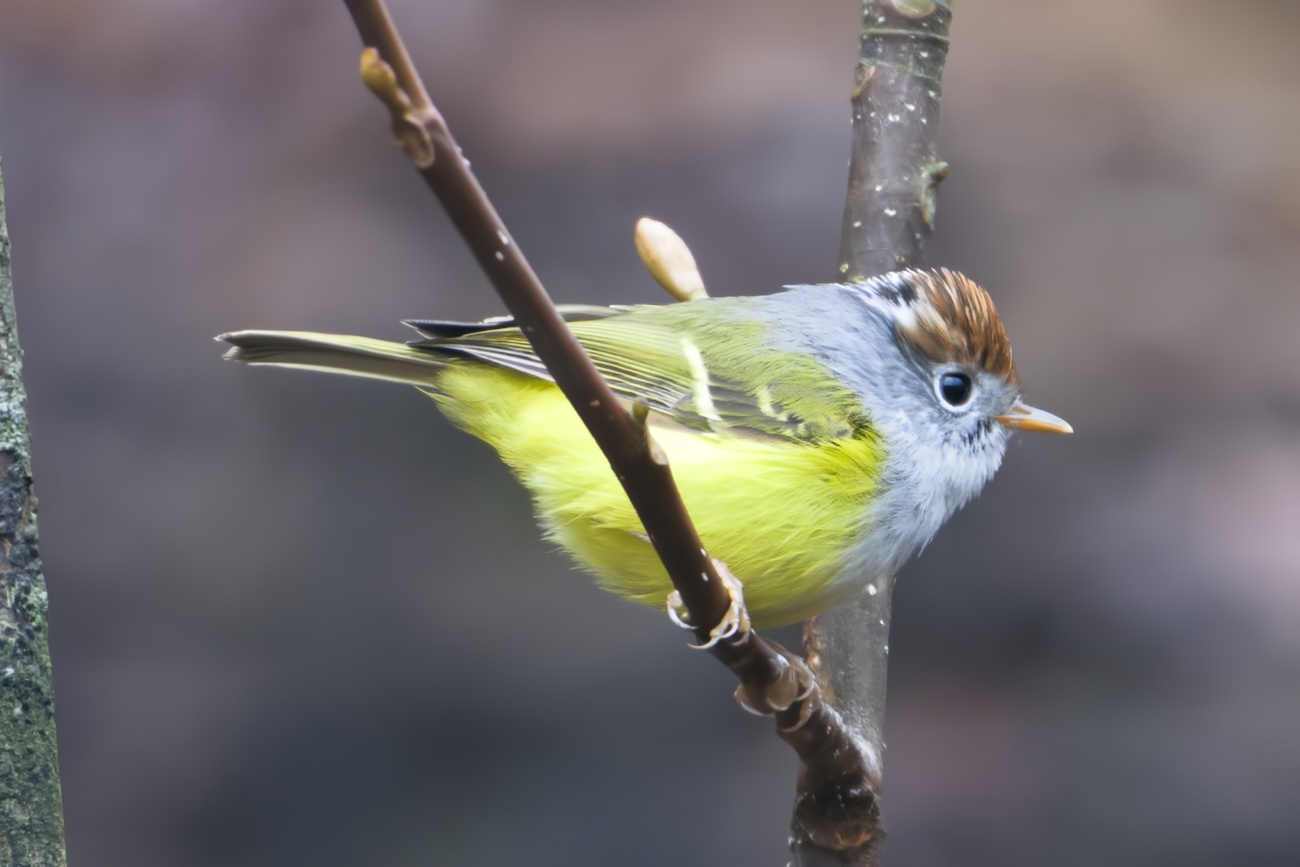
Chestnut-crowned Warbler
Phylloscopus castaniceps
栗头鹟莺
Introduction
Species of leaf warbler in family Phylloscopidae. Formerly included in the Old World warbler assemblage. Found across South and Southeast Asia including Bangladesh, Bhutan, Cambodia, China, India, Indonesia, Laos, Malaysia, Myanmar, Nepal, Thailand, and Vietnam. Inhabits subtropical or tropical moist lowland forest and subtropical or tropical moist montane forest. Arboreal and primarily insectivorous. Not migratory but may make small seasonal elevational movements. Forms a superspecies with the Sunda warbler and yellow-breasted warbler. Nine subspecies are recognized across its range.
Distribution & Habitat
Occurs across South and Southeast Asia from the Himalayan region through mainland Southeast Asia to the islands of Indonesia and Malaysia. Inhabits subtropical or tropical moist lowland forest and subtropical or tropical moist montane forest. Not migratory but may make small seasonal movements to higher or lower elevations.
Behavior & Ecology
Primarily insectivorous. Arboreal in habits.
Source: Wikipedia · CC BY-SA 3.0
Taxonomy
- Order
- Passeriformes
- Family
- Phylloscopidae
- Genus
- Phylloscopus
- eBird Code
- chcwar2
Subspecies (9)
-
Phylloscopus castaniceps annamensis
mountains of Vietnam (Langbian and Da Lat plateaux)
-
Phylloscopus castaniceps butleri
mountains of Malay Peninsula
-
Phylloscopus castaniceps castaniceps
eastern Himalayas (Nepal to Sikkim, Bhutan, and northeastern India)
-
Phylloscopus castaniceps collinsi
Myanmar (Southern Shan State) to northwestern Thailand
-
Phylloscopus castaniceps laurentei
southwestern China (southeastern Yunnan)
-
Phylloscopus castaniceps muelleri
western Sumatra (Barisan Mountains)
-
Phylloscopus castaniceps sinensis
southern China (Shaanxi, Sichuan, and northwestern Fujian) to northern Laos and northern Vietnam
-
Phylloscopus castaniceps stresemanni
southern Laos (Bolaven Plateau) and southwestern Cambodia
-
Phylloscopus castaniceps youngi
mountains of peninsular Thailand (south of Isthmus of Kra)
Data Sources
Species description from Wikipedia, licensed under CC BY-SA 3.0.
Bird images and sounds sourced from GBIF, contributed by citizen scientists worldwide under Creative Commons licenses.
Taxonomy data from AviList 2025.