Sakhalin Leaf Warbler
Phylloscopus borealoides
库页岛柳莺
Introduction
This warbler (Phylloscopidae family) breeds in the temperate forests of Sakhalin, the Kuril Islands, and northern Japan. It inhabits coniferous and mixed woodland habitats where it forages actively through the canopy and understory. It migrates southward in winter to the Amami and Okinawa islands and Indochina, utilizing various forest types. The Phylloscopidae family comprises leaf warblers and similar small insectivorous birds.
Description
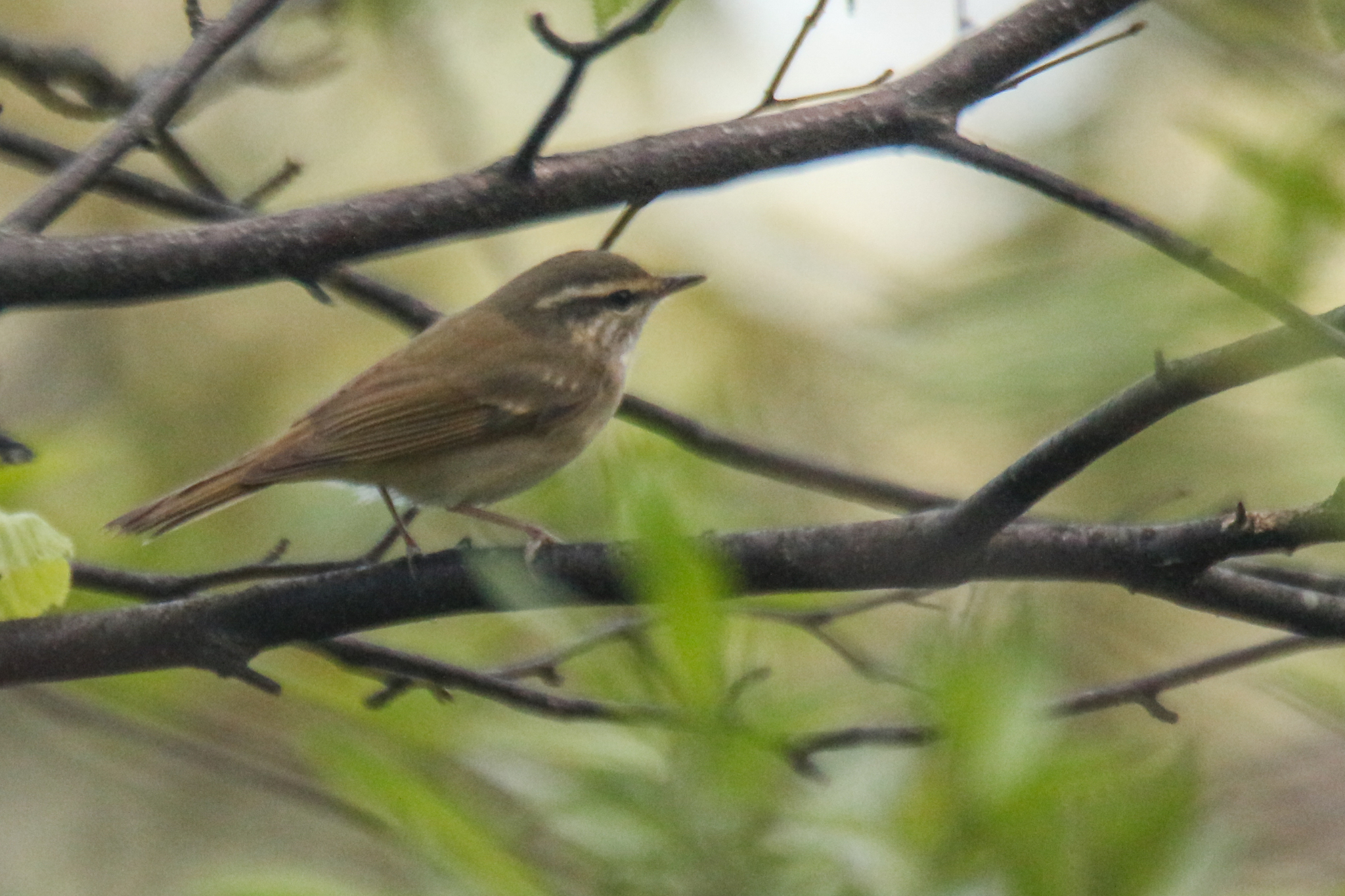
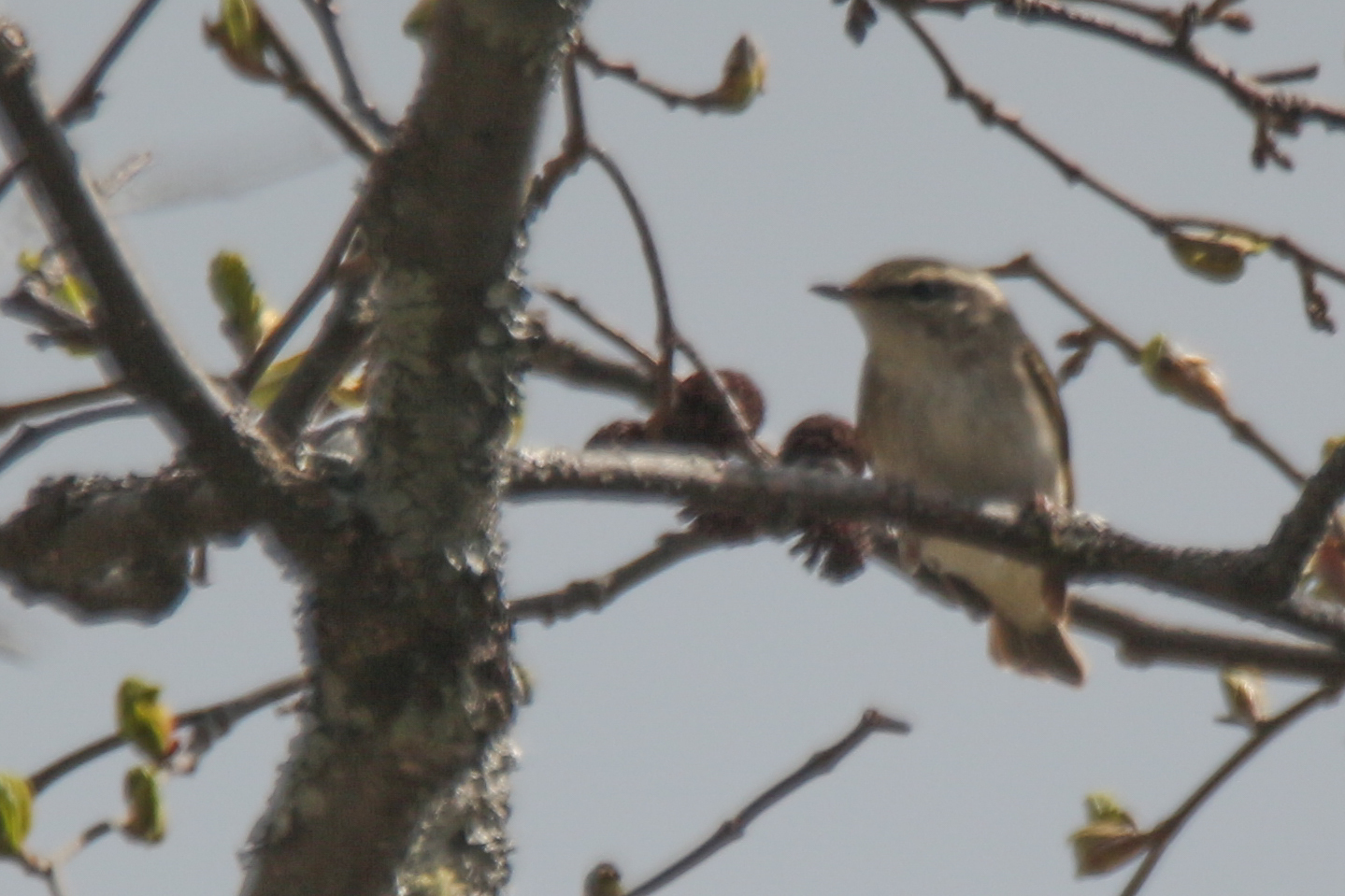
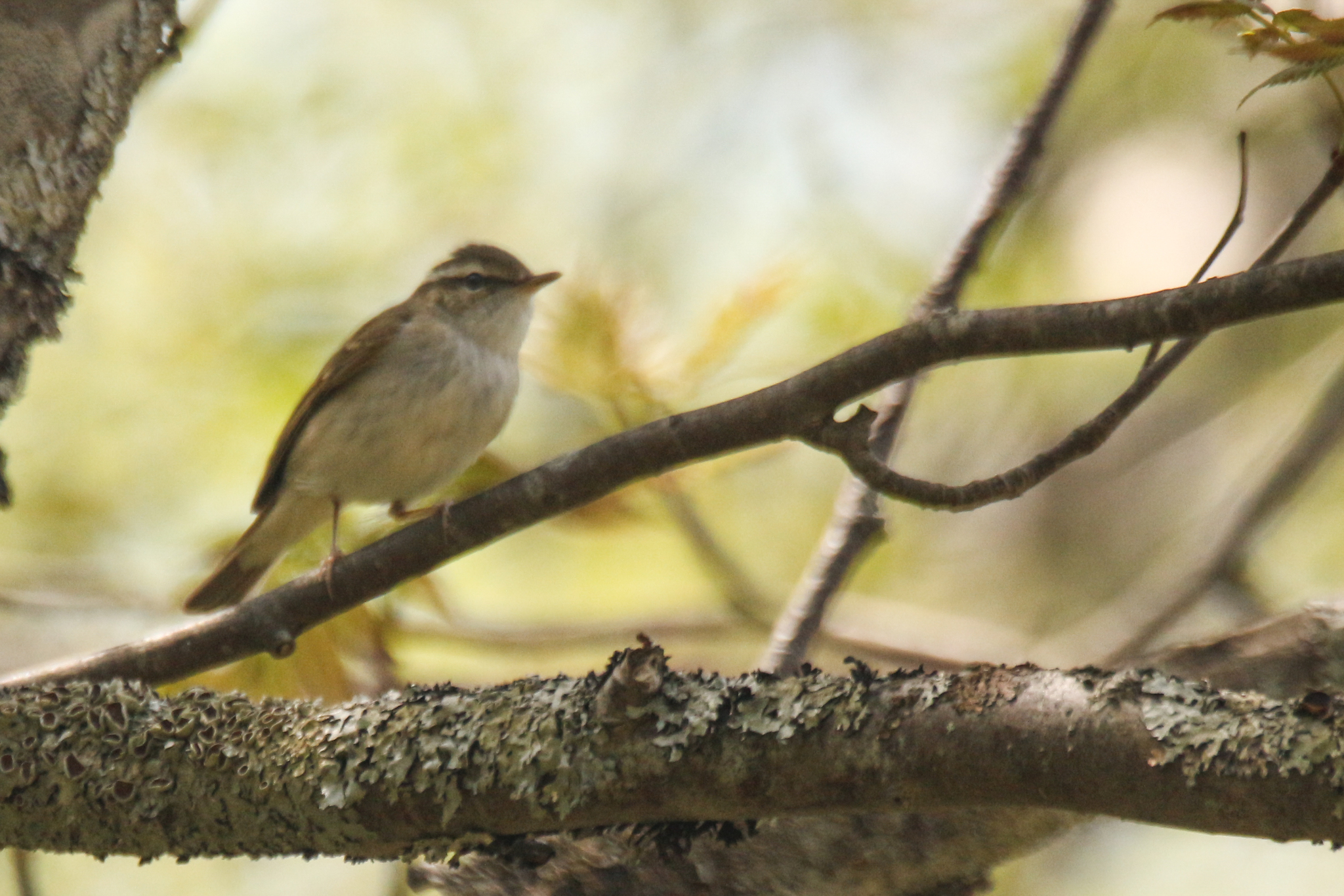
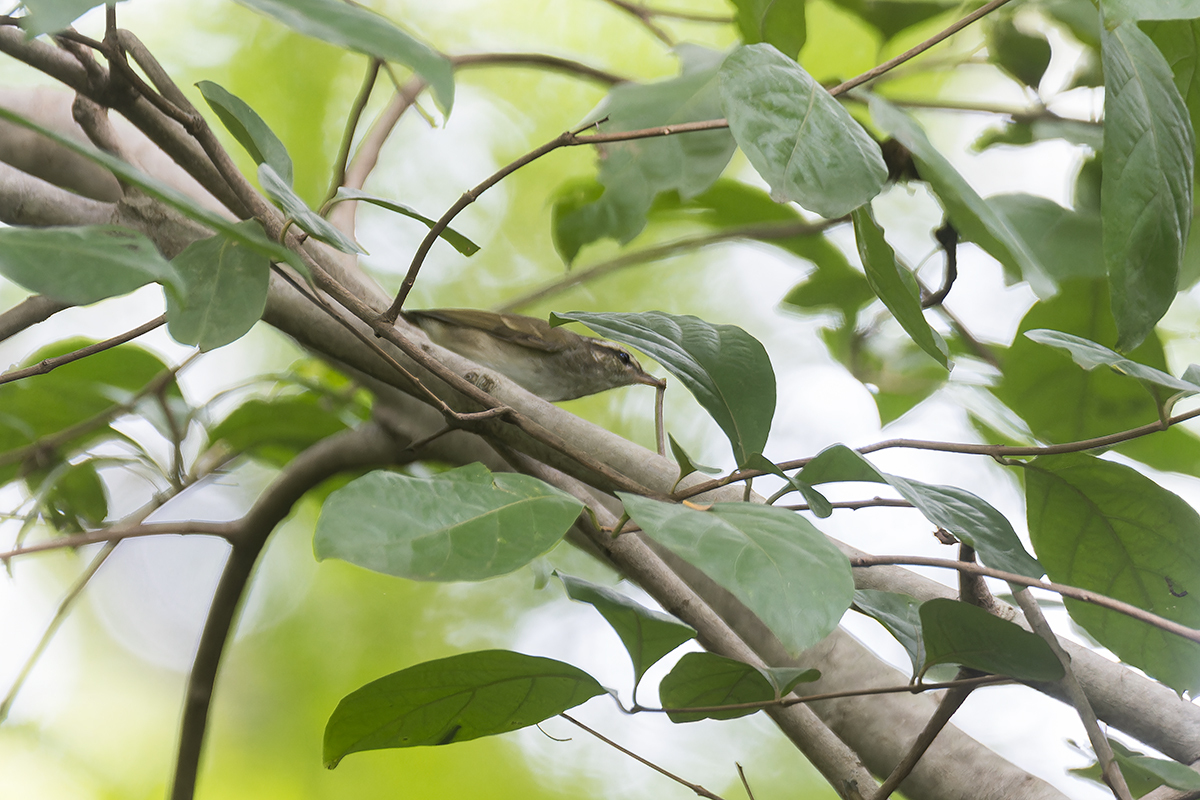
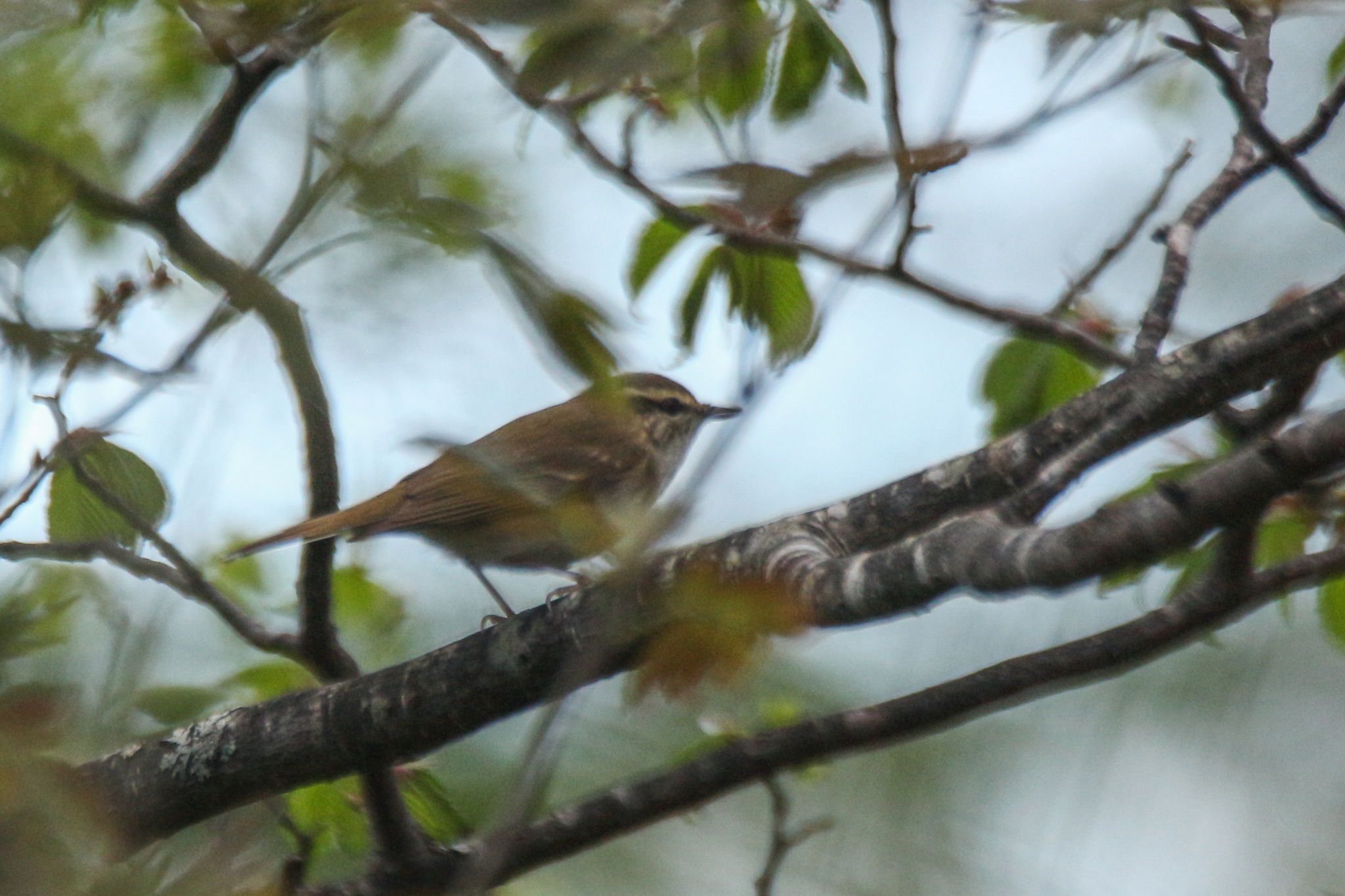
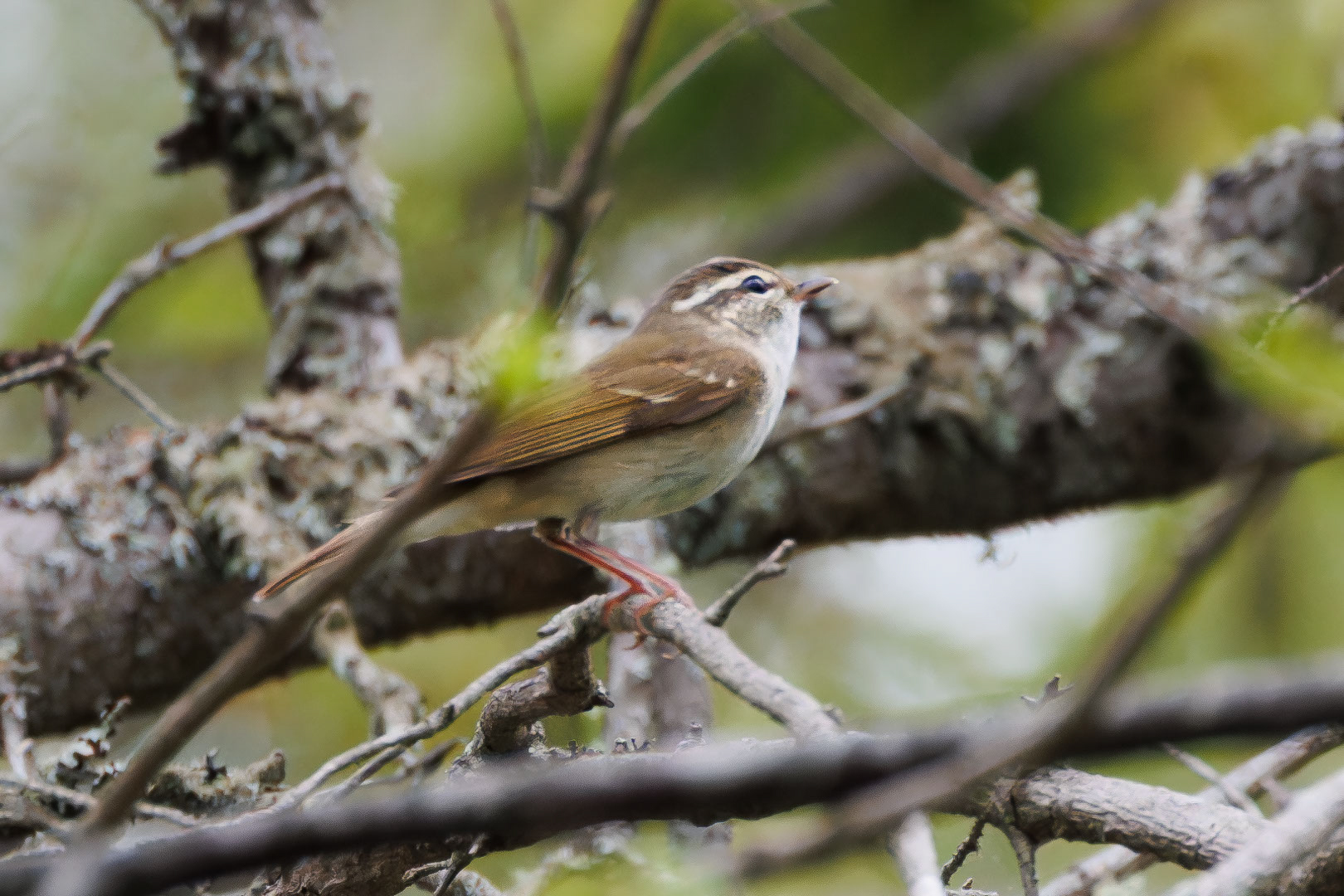
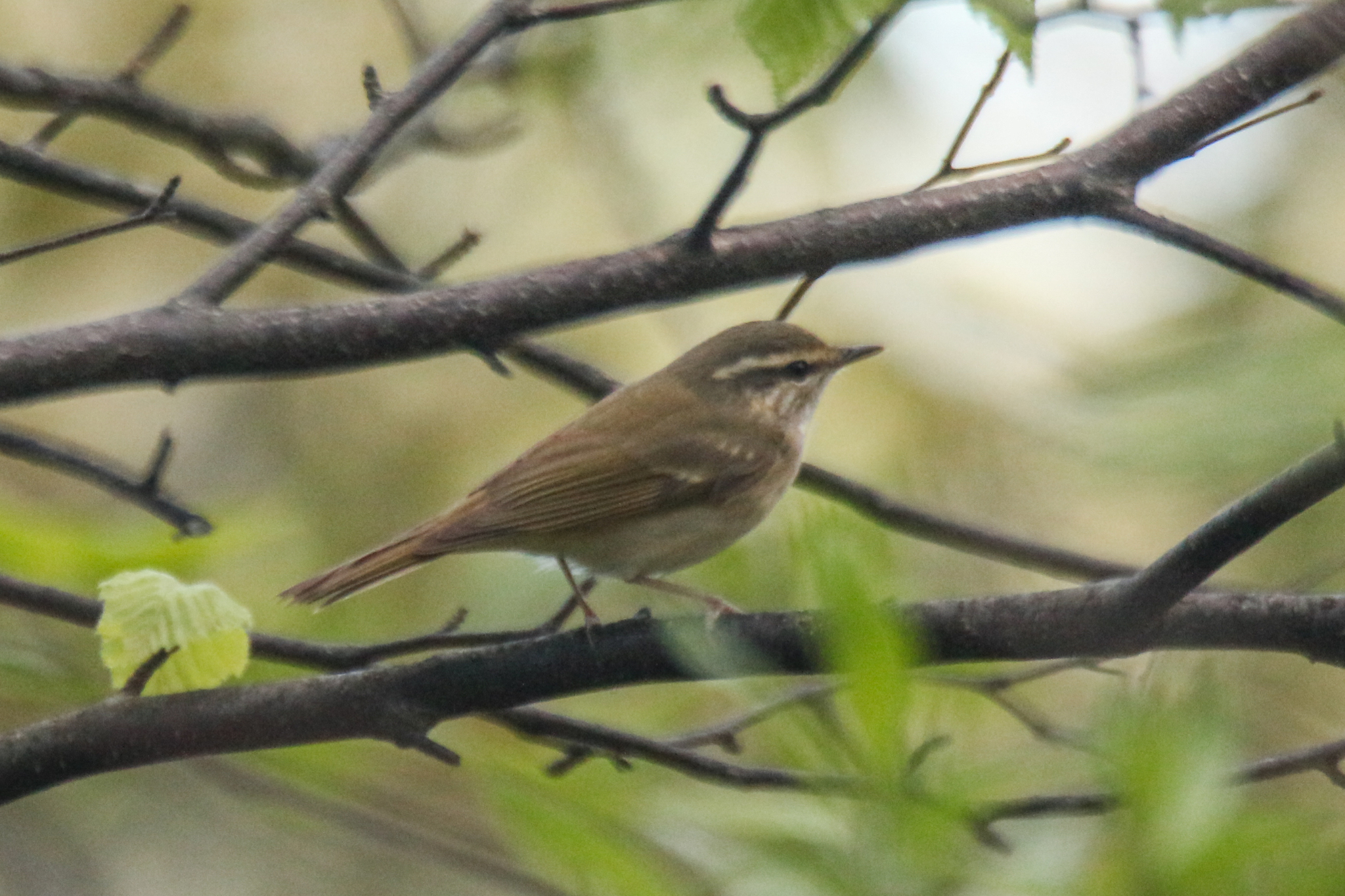
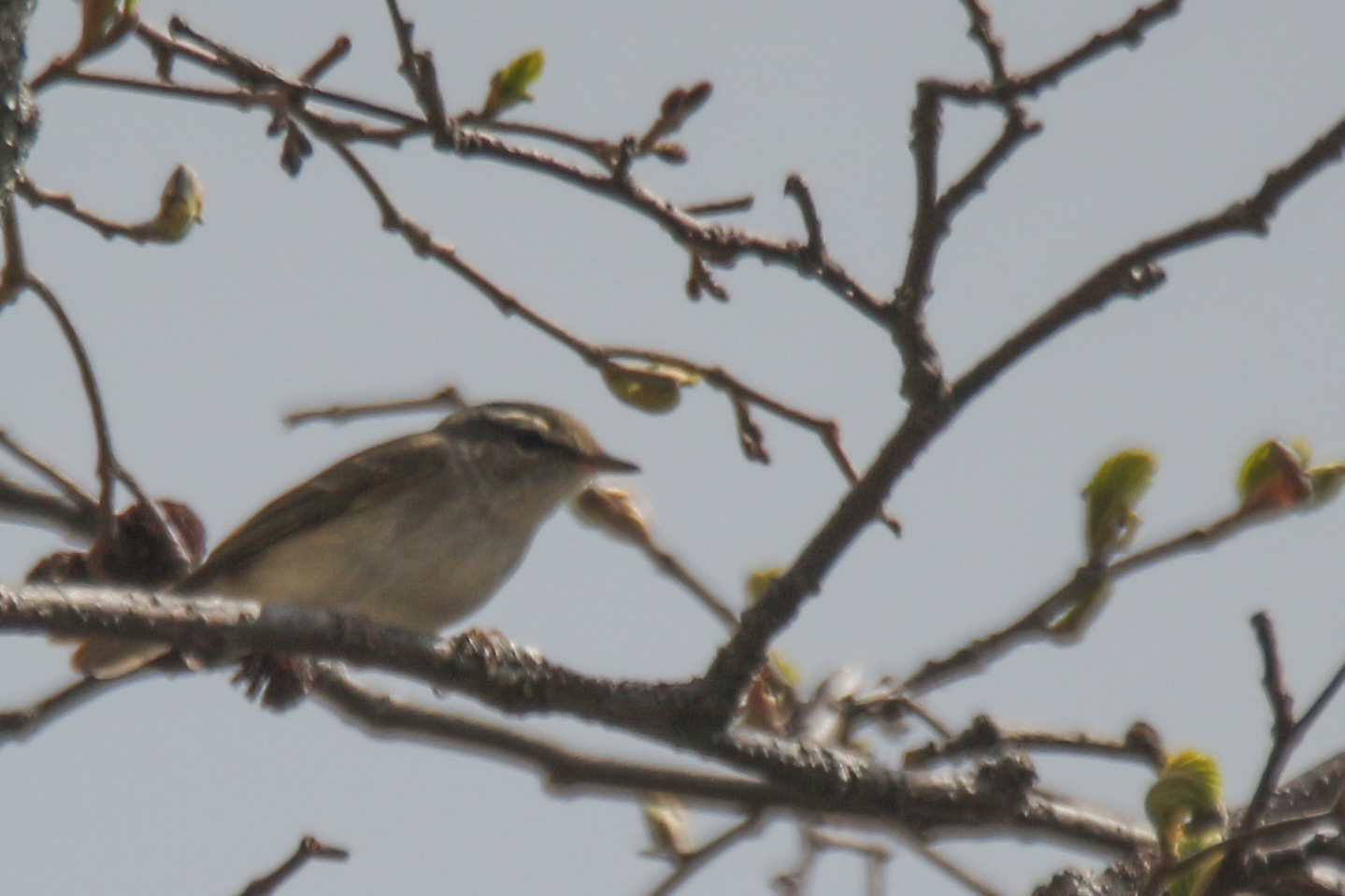
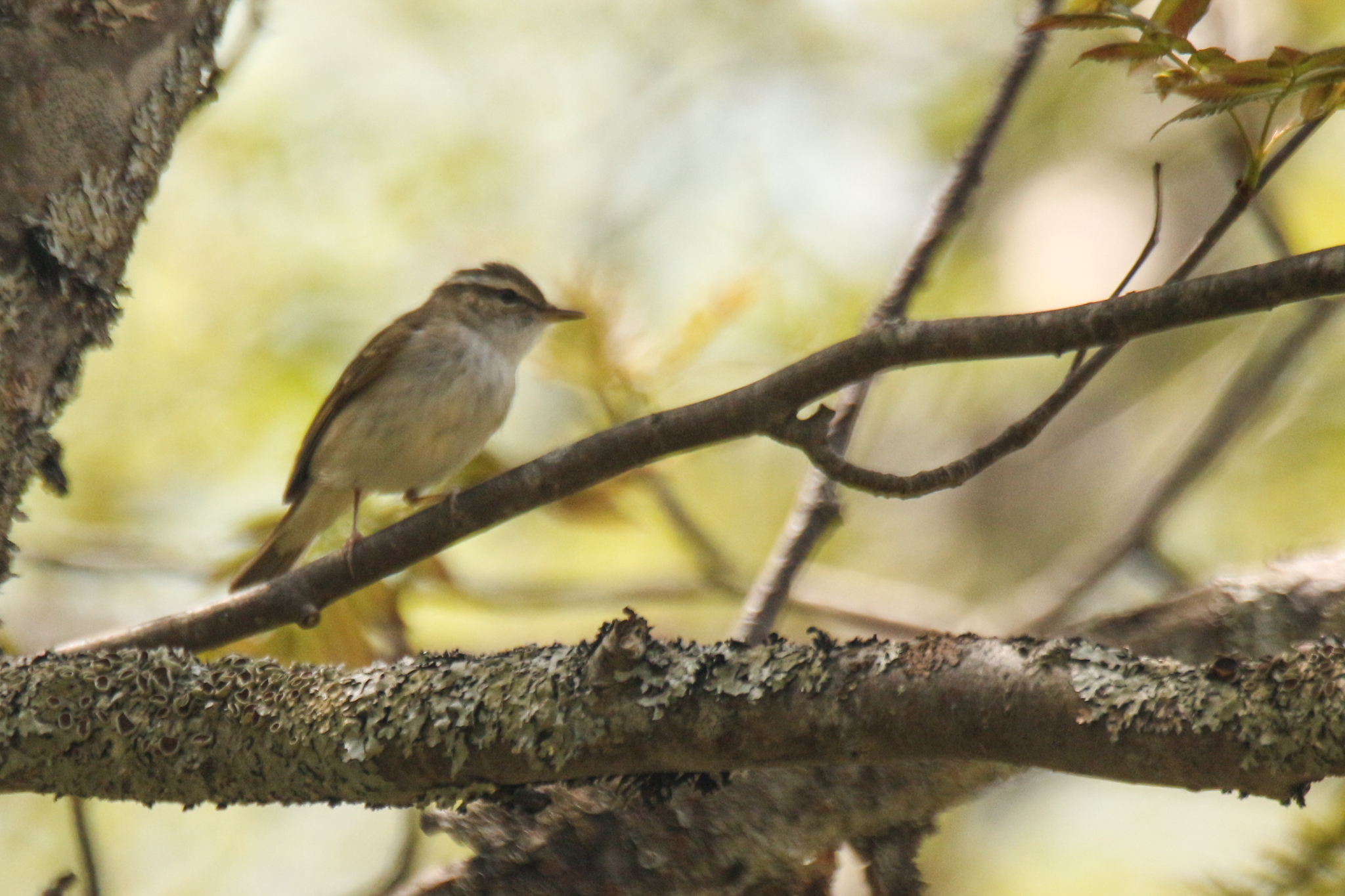
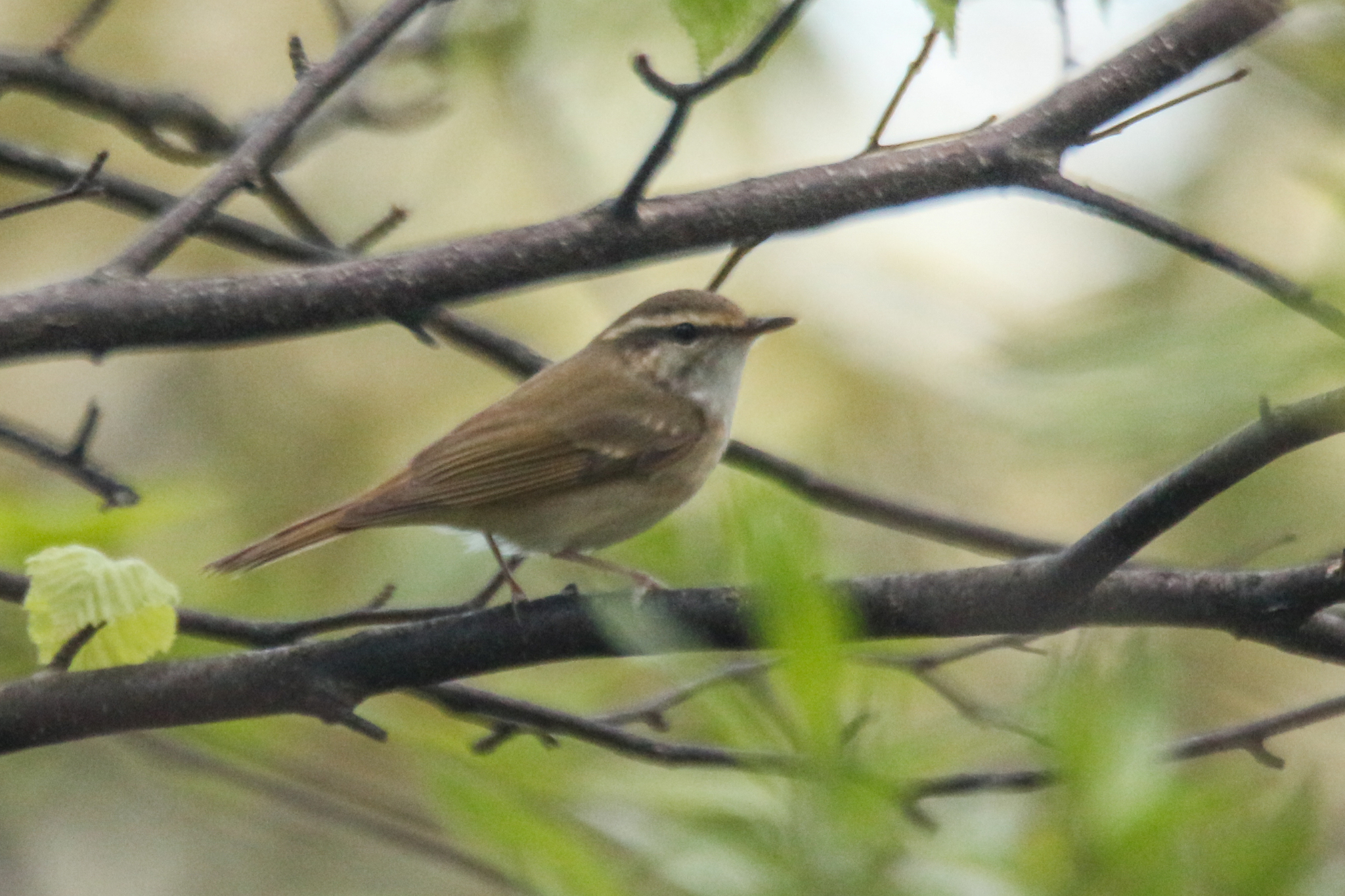
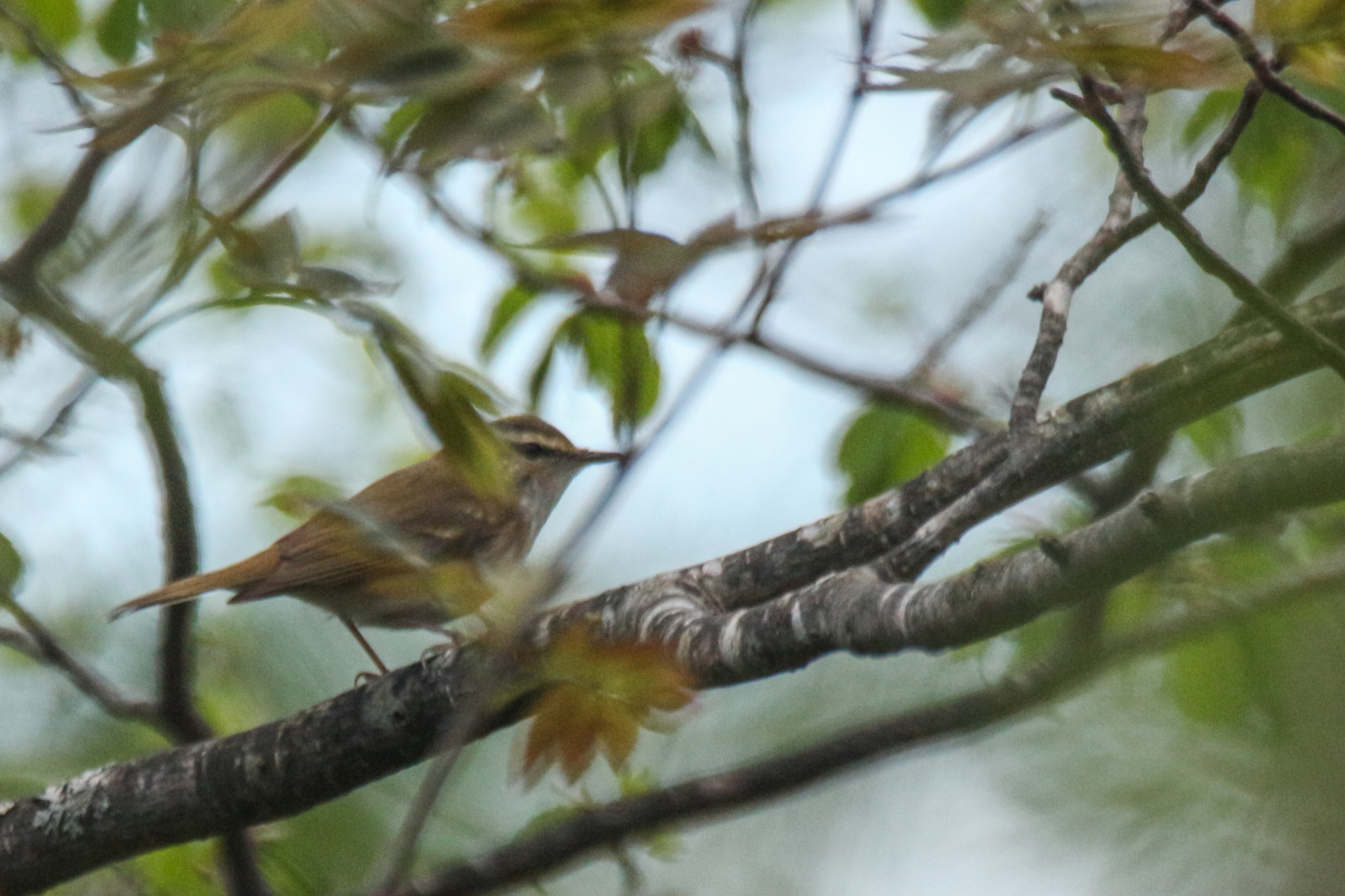
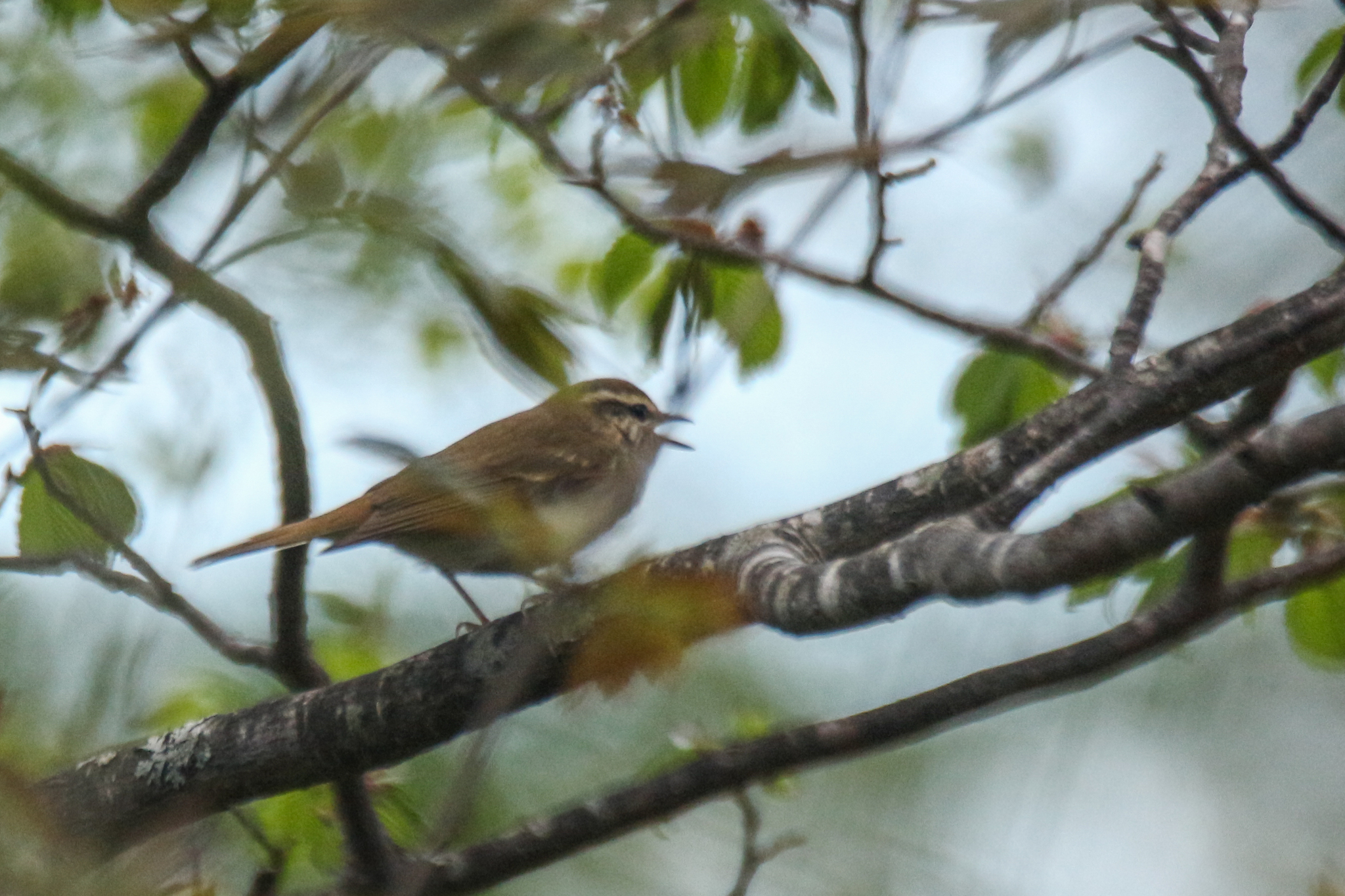
A small, active warbler with predominantly dark brown upperparts and crown. It displays a prominent long white supercilium contrasting with broad, dark brown eye-stripes running through the eye area. The cheeks show greenish-brown coloration, while the ear-coverts appear mottled. The bill is dark brown overall with a distinctive pink base that extends along the lower mandible. The legs are pale pinkish-brown. Overall plumage maintains subtle greenish-brown tones that distinguish it from related species.
Identification
This species presents significant identification challenges due to its strong resemblance to the pale-legged leaf warbler. The most reliable distinguishing feature involves the slightly greener upperparts compared to its counterpart. Voice serves as another identification aid, with this species typically producing lower-pitched vocalizations; however, some overlap in pitch ranges between the two species can create confusion for birdwatchers. Careful attention to both plumage nuances and vocalizations improves accurate identification in the field.
Distribution & Habitat
Breeds across Sakhalin Island, the Kuril Islands archipelago, and northern Japan. In winter, it migrates south to the Amami and Okinawa islands in Japan's subtropical zone and further to Indochina. Its breeding habitat consists of temperate forests, though it likely utilizes various forest types during its wintering period. The species appears to be resident in some parts of its range while undertaking seasonal movements in others.
Behavior & Ecology
This insectivorous warbler nests within shrub vegetation, placing its cup-shaped nest at low heights in dense understory growth. Like other leaf warblers, it forages actively through foliage, gleaning insects from leaves and branches in the middle and lower canopy levels. The species is typically observed singly or in pairs during the breeding season, though it may join mixed-species foraging flocks outside the breeding period. Its vocalizations consist of typical leaf warbler calls, though with a notably lower pitch compared to similar species.
Source: Wikipedia · CC BY-SA 3.0
Taxonomy
- Order
- Passeriformes
- Family
- Phylloscopidae
- Genus
- Phylloscopus
- eBird Code
- salwar1
Distribution
breeds Sakhalin, Kuril Islands, and Hokkaido (northern Japan); winters to southeastern Asia
Vocalizations
Data Sources
Species description from Wikipedia, licensed under CC BY-SA 3.0.
Bird images and sounds sourced from GBIF, contributed by citizen scientists worldwide under Creative Commons licenses.
Taxonomy data from AviList 2025.