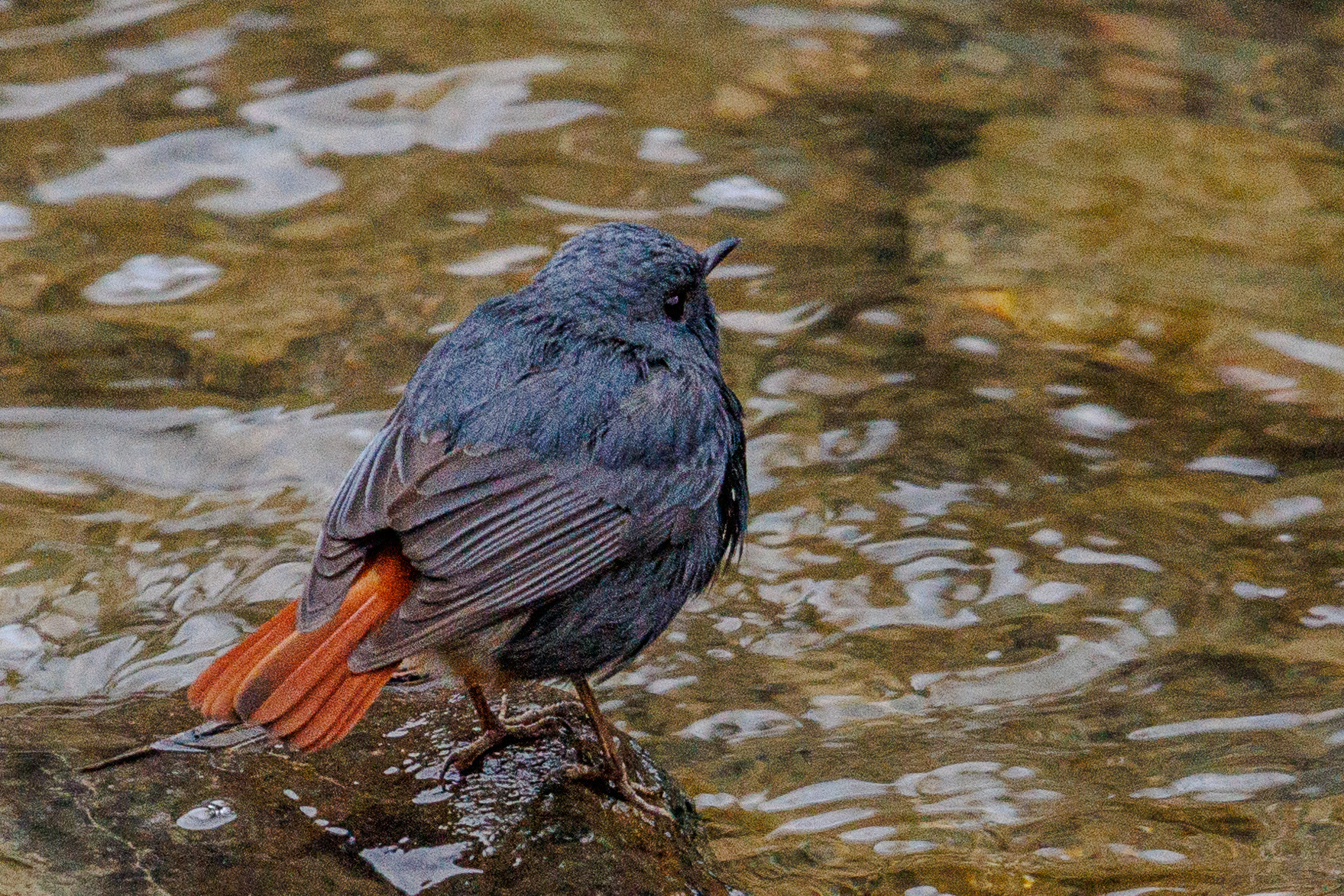
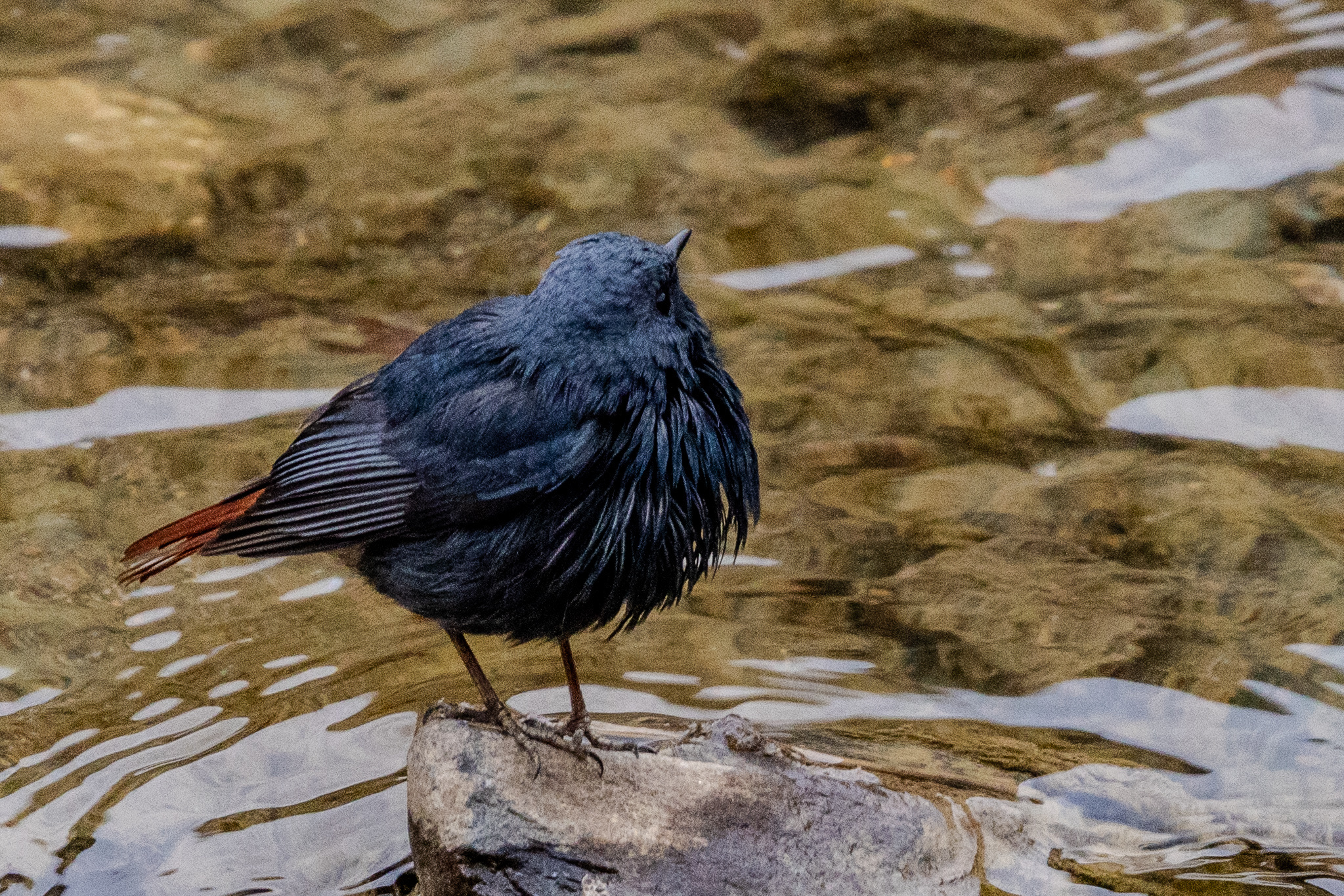
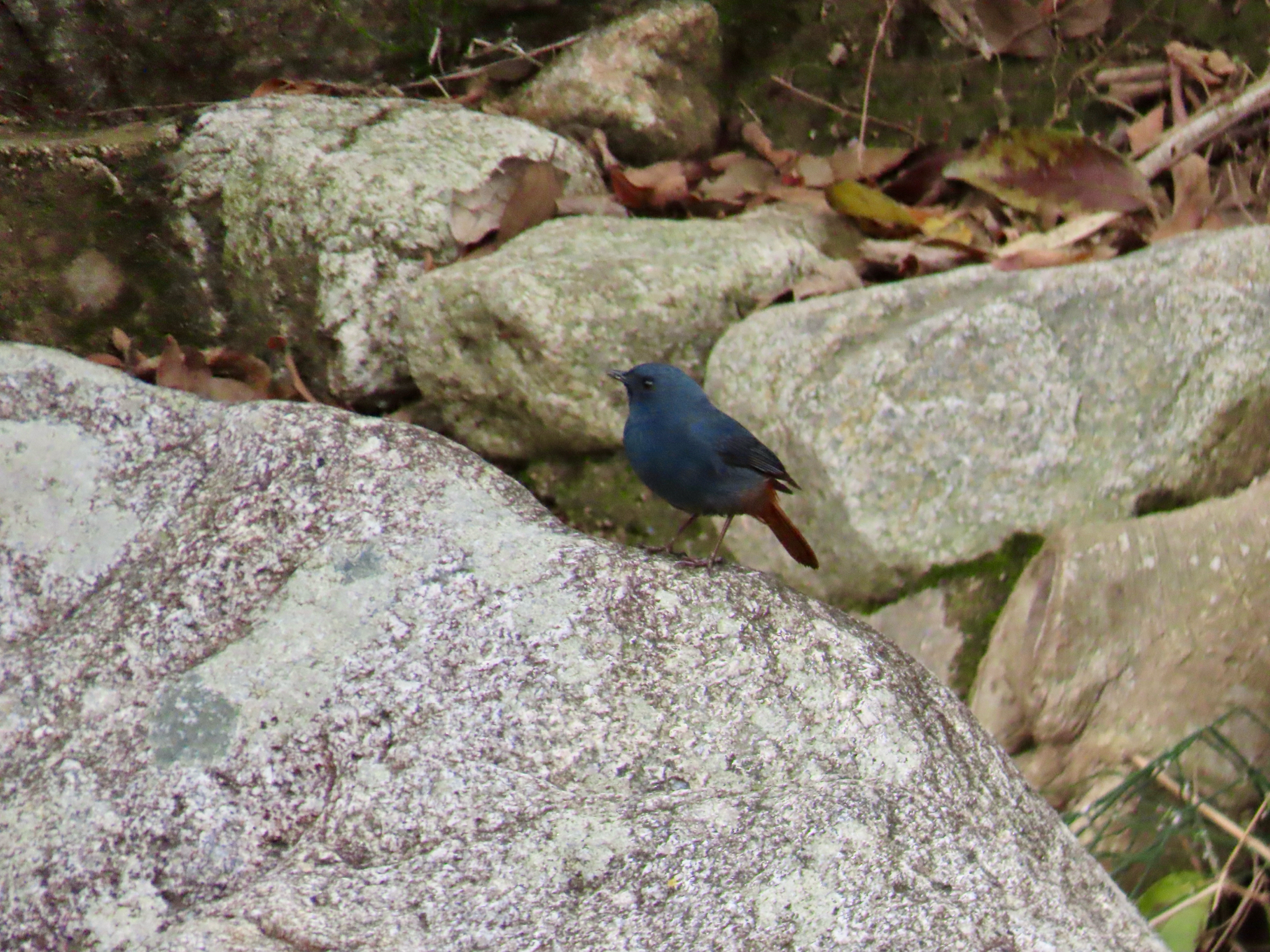
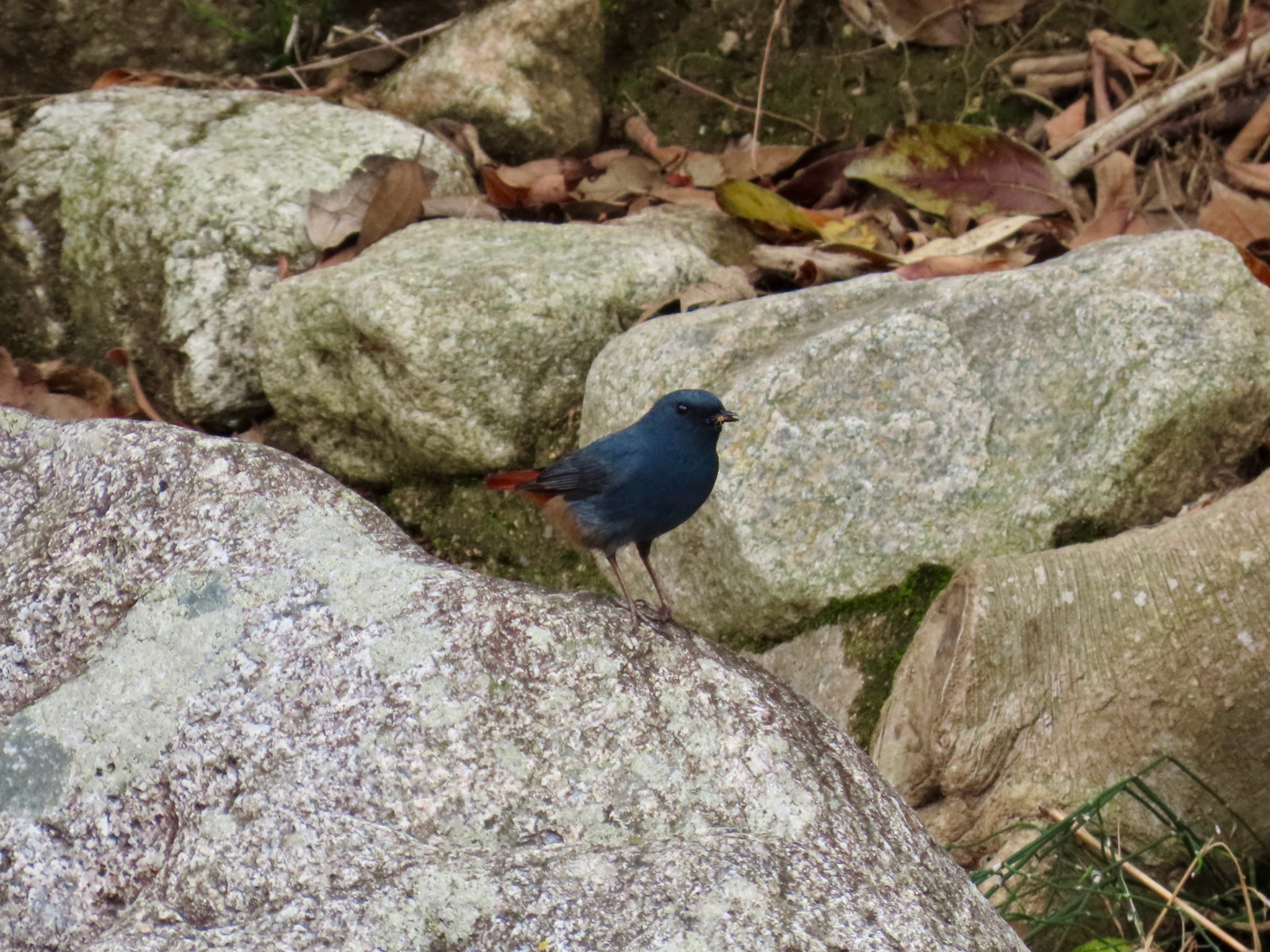
Plumbeous Water Redstart
Phoenicurus fuliginosus
红尾水鸲
Introduction
A small passerine of the Old World flycatcher family, this species inhabits fast-flowing streams and rivers across South and Southeast Asia. It displays marked sexual dimorphism: males have slate-blue upperparts and rust-red tails, while females are pale grey with a white rump. The species occupies rocky, shaded streams with abundant insect life, particularly mayfly-rich waters. During breeding season, it is highly territorial, defending sections of river against intruders. It employs a distinctive vertical flight pattern to capture flying insects before returning to its perch. Its range includes Himalayan regions where it occurs at higher elevations.
Description
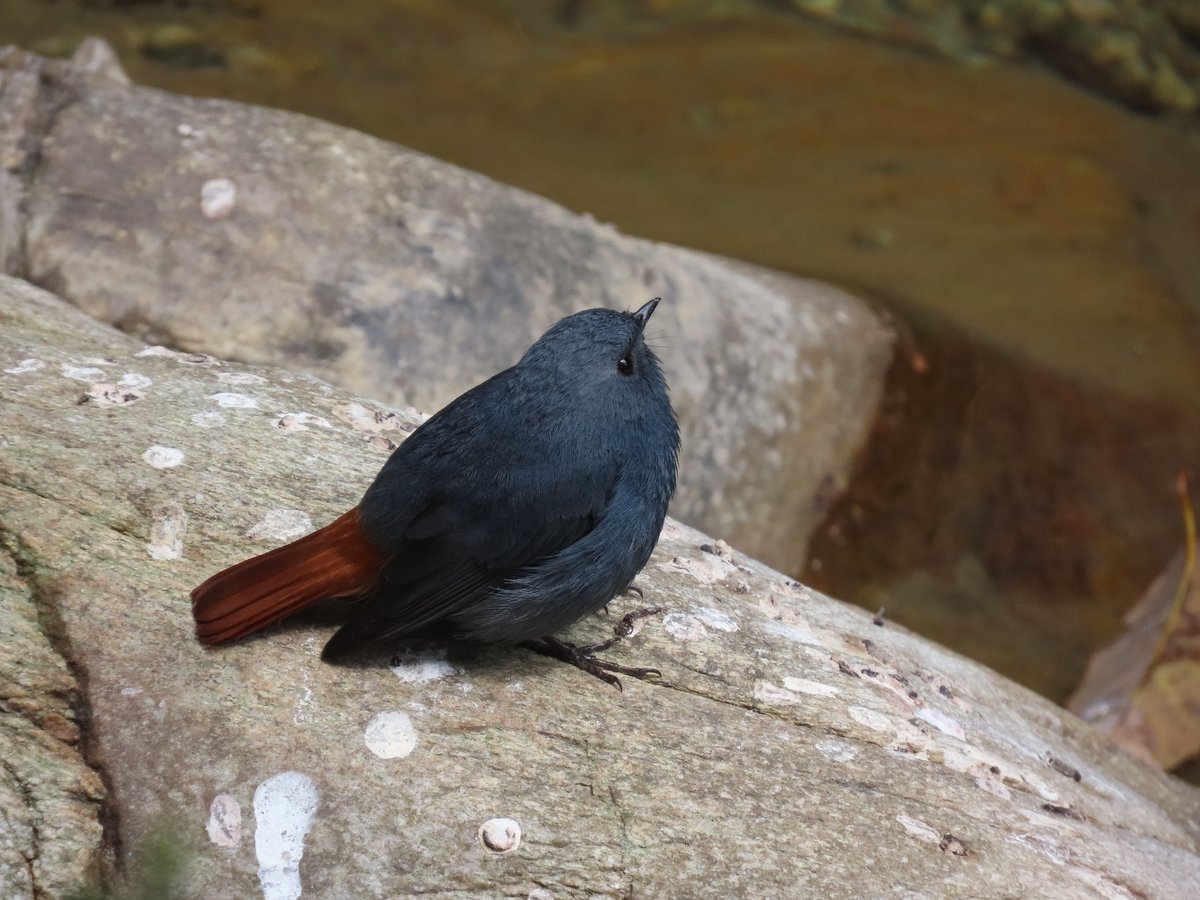
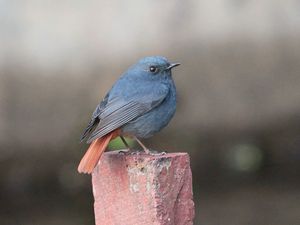
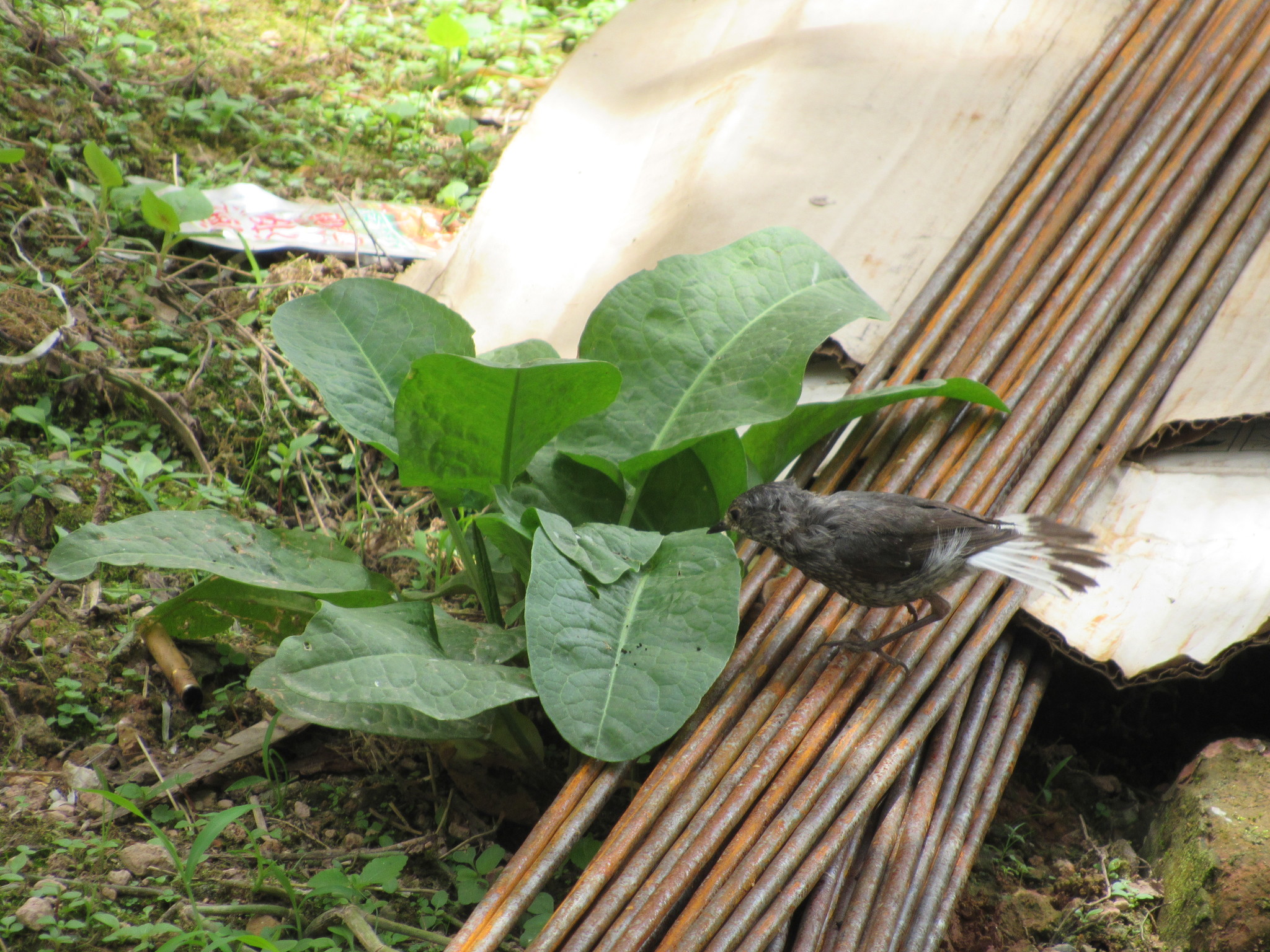
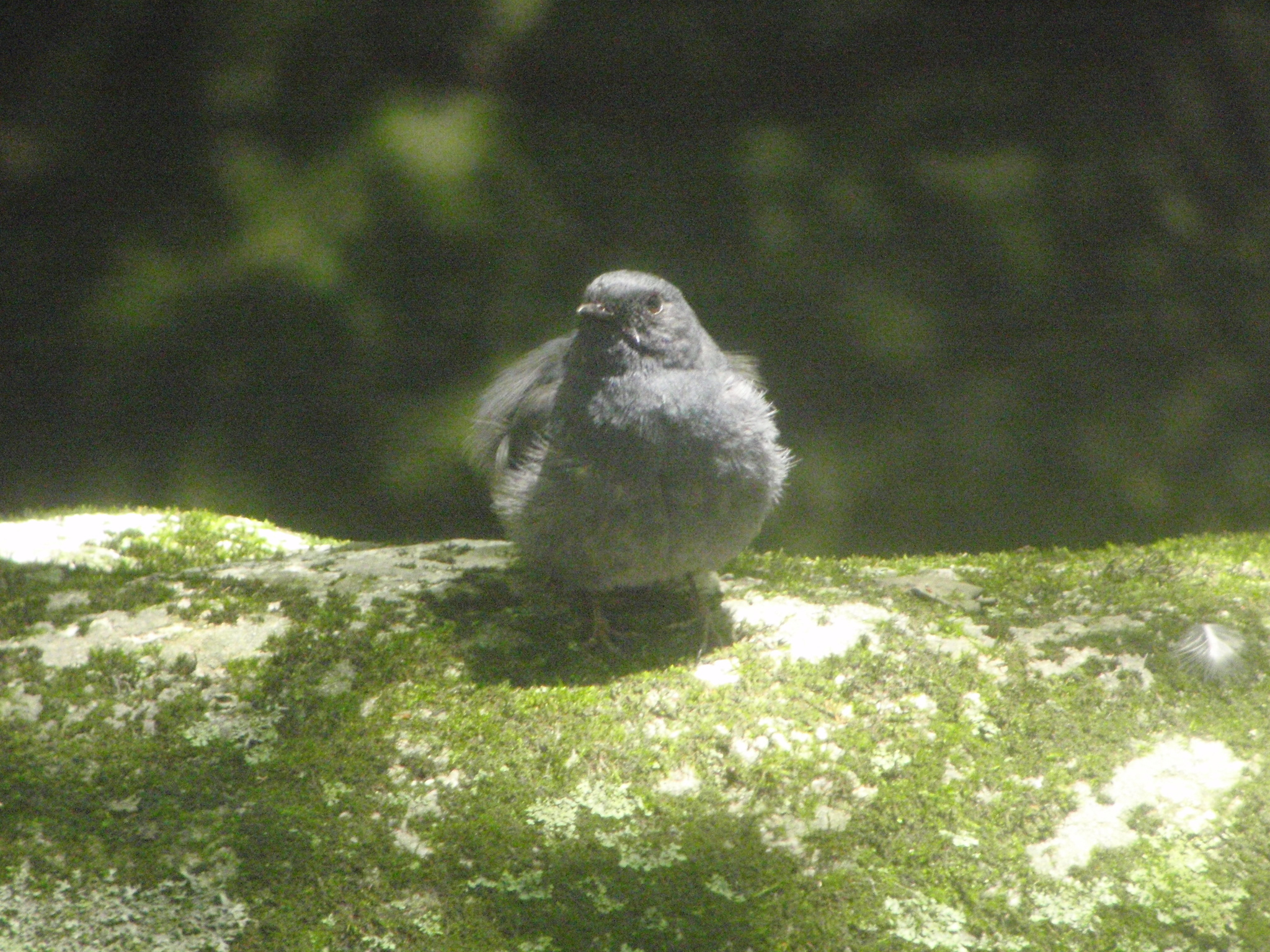
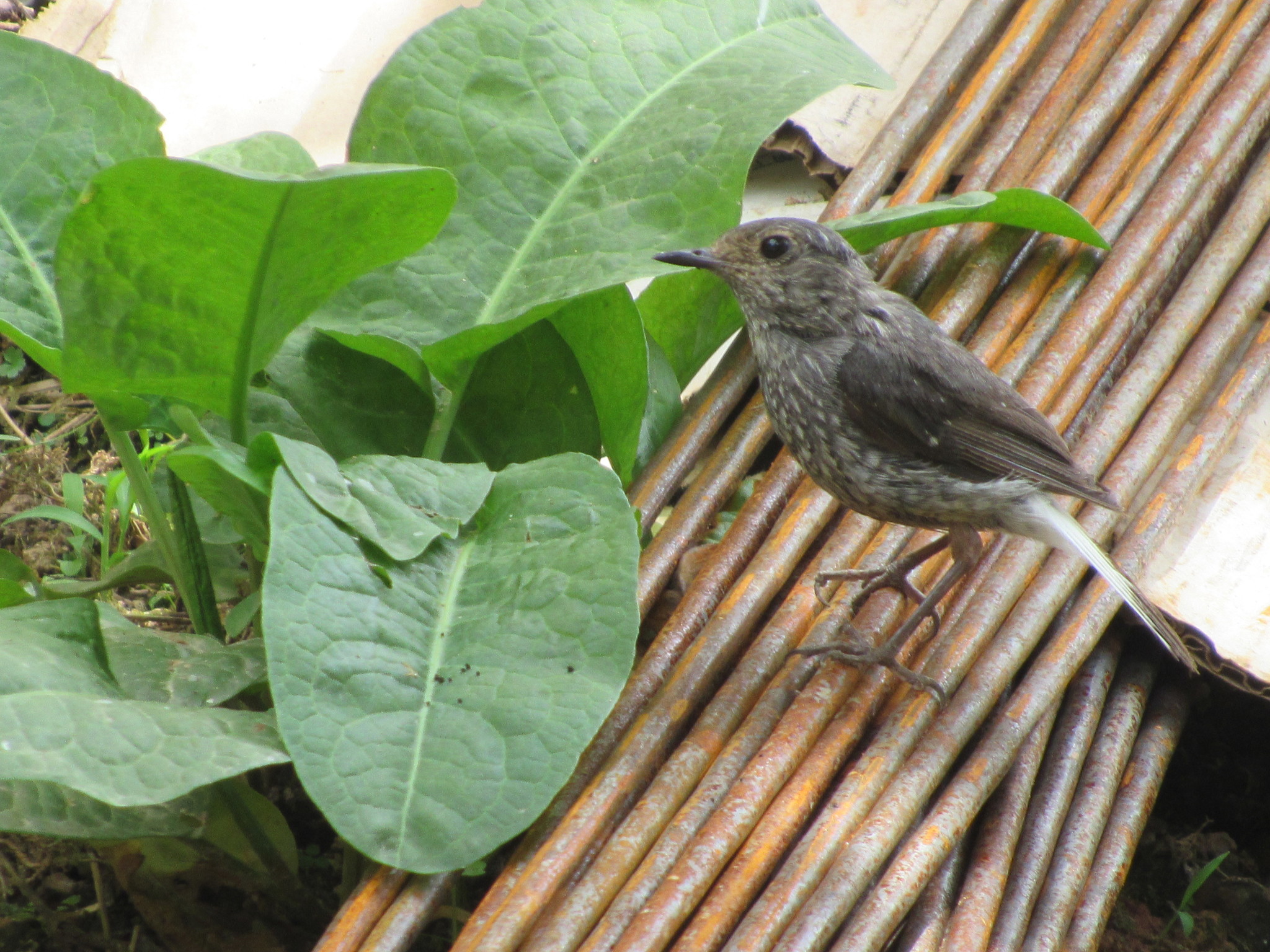
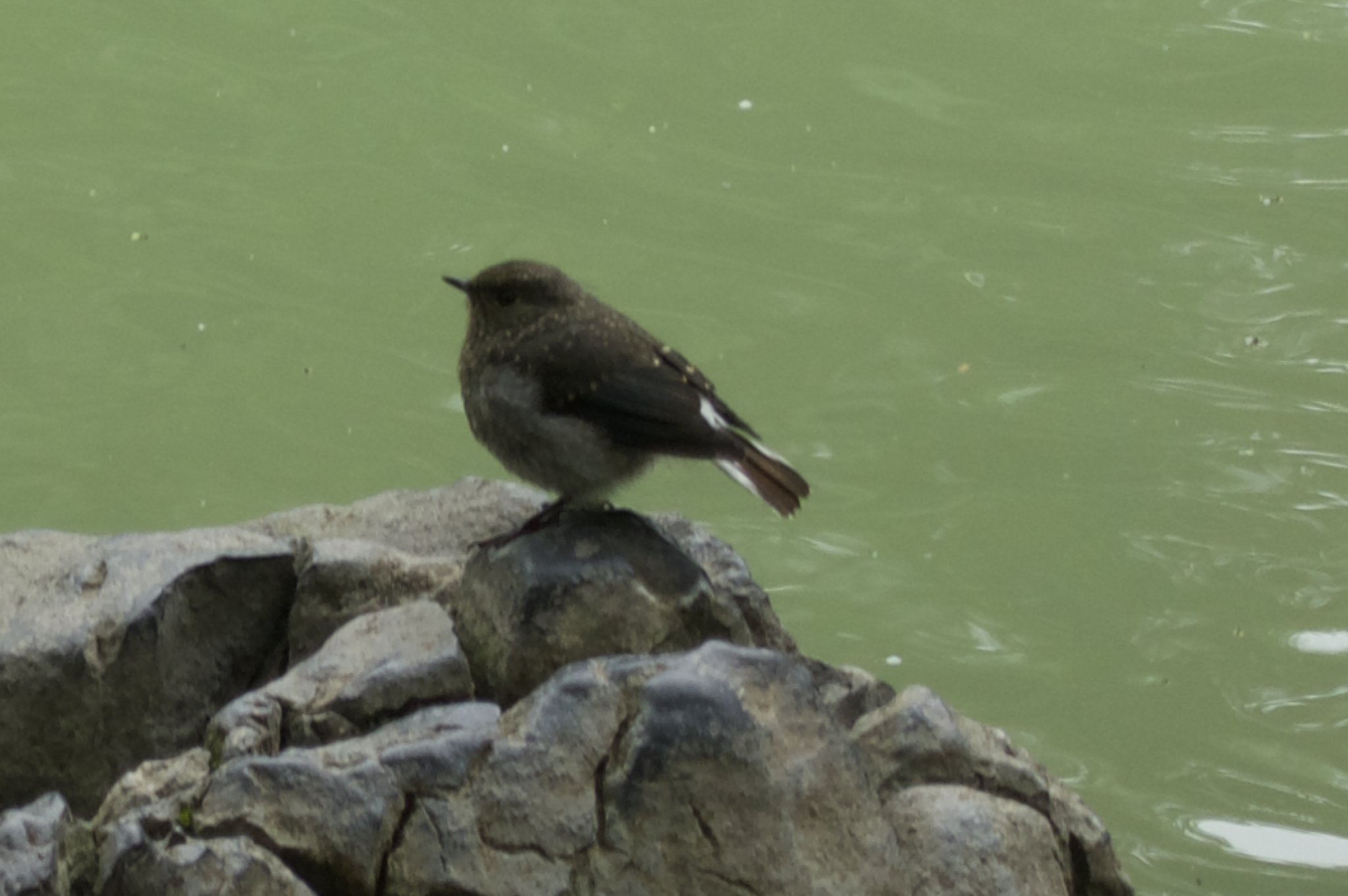
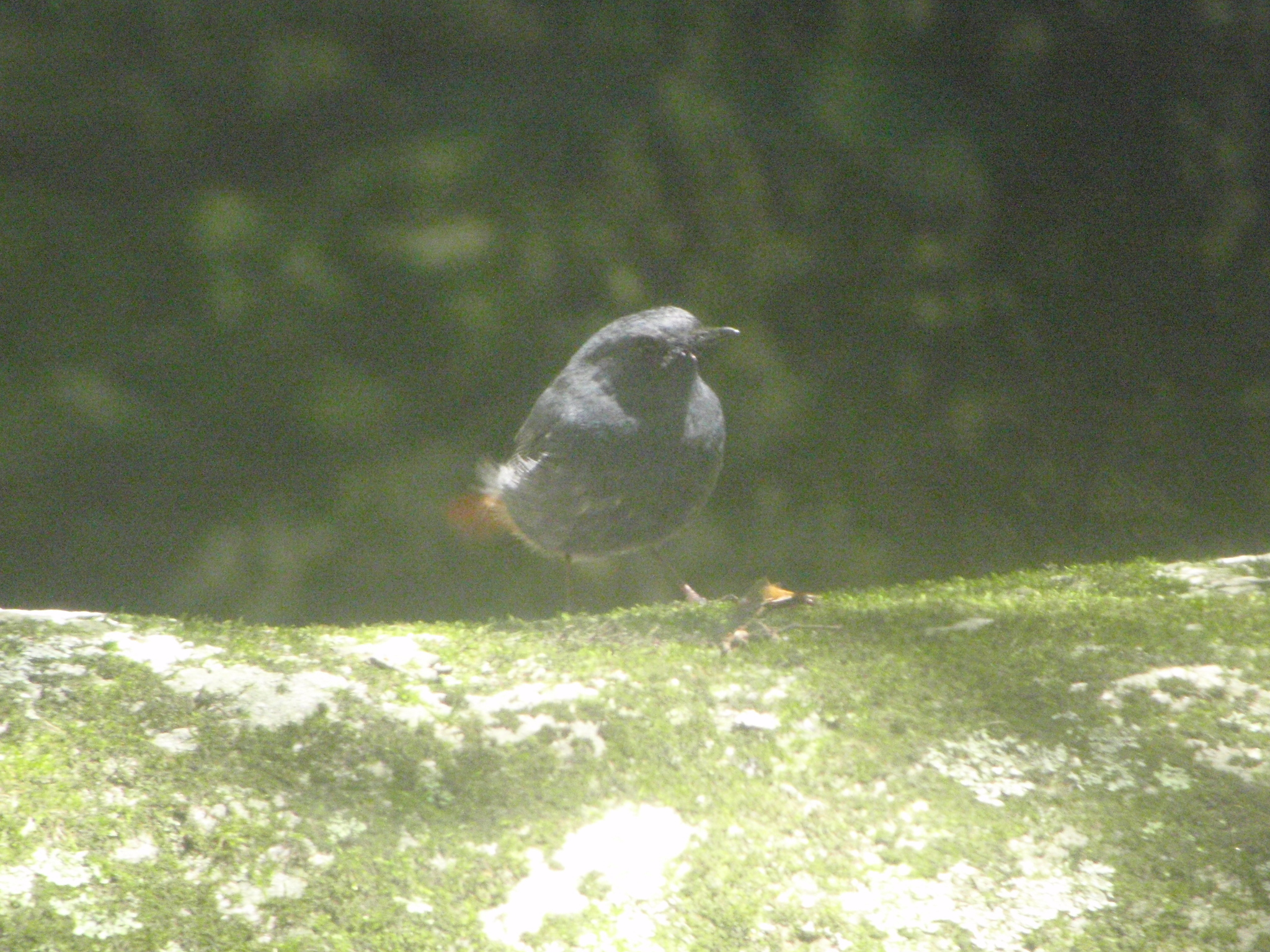
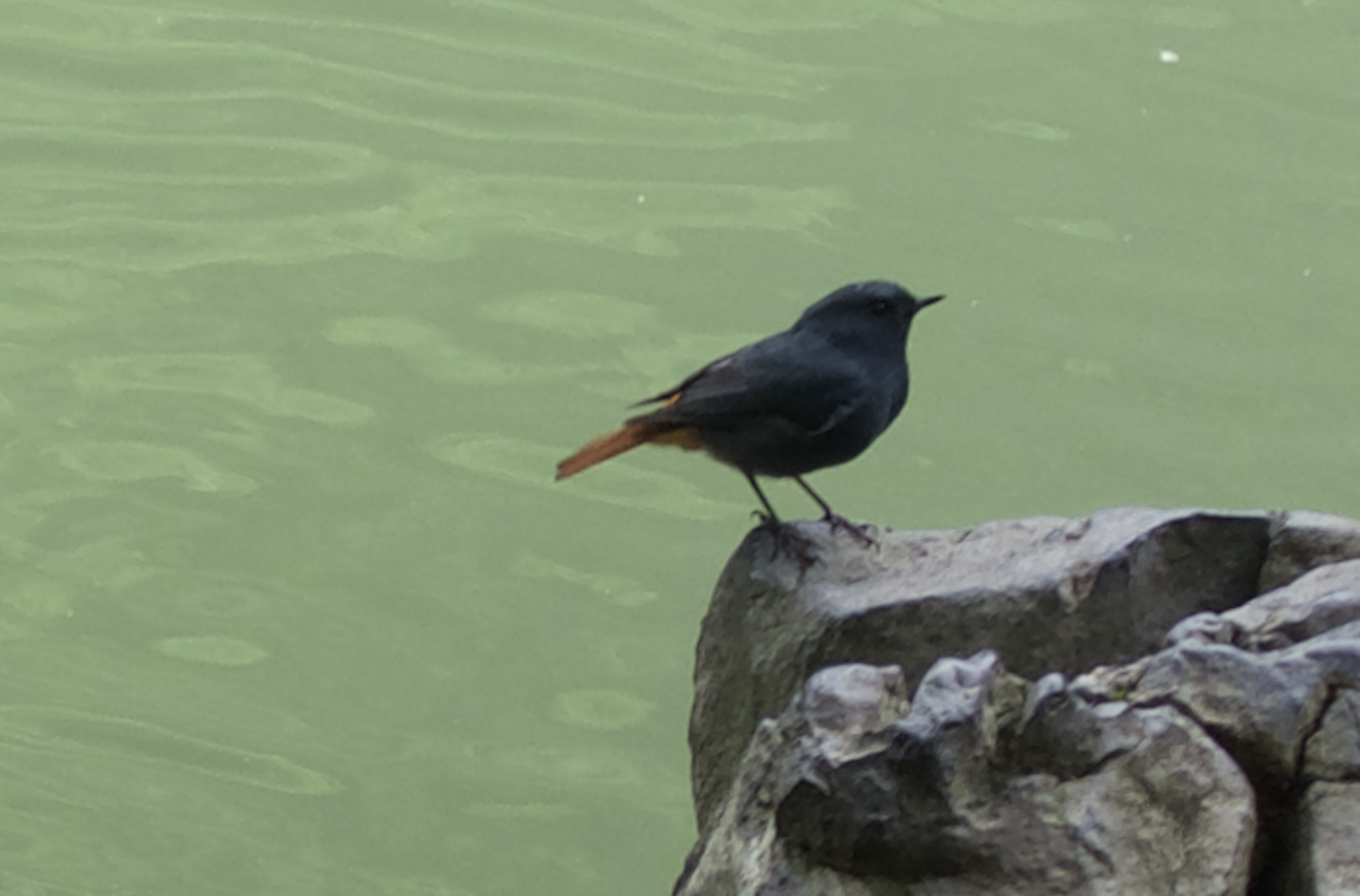
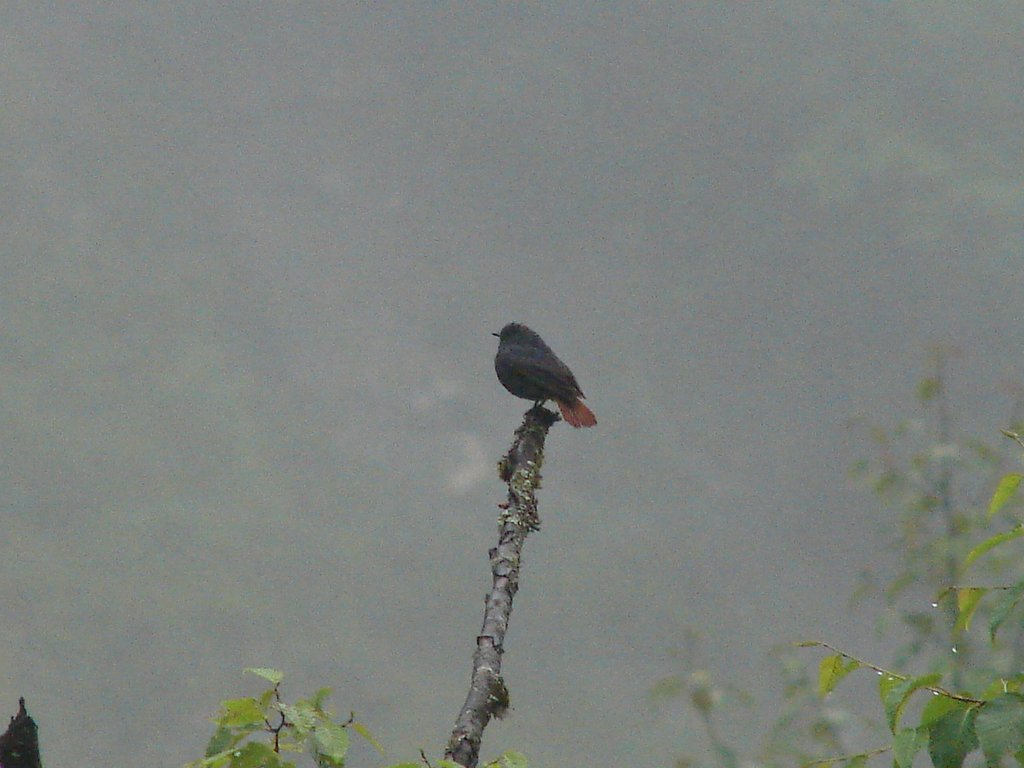
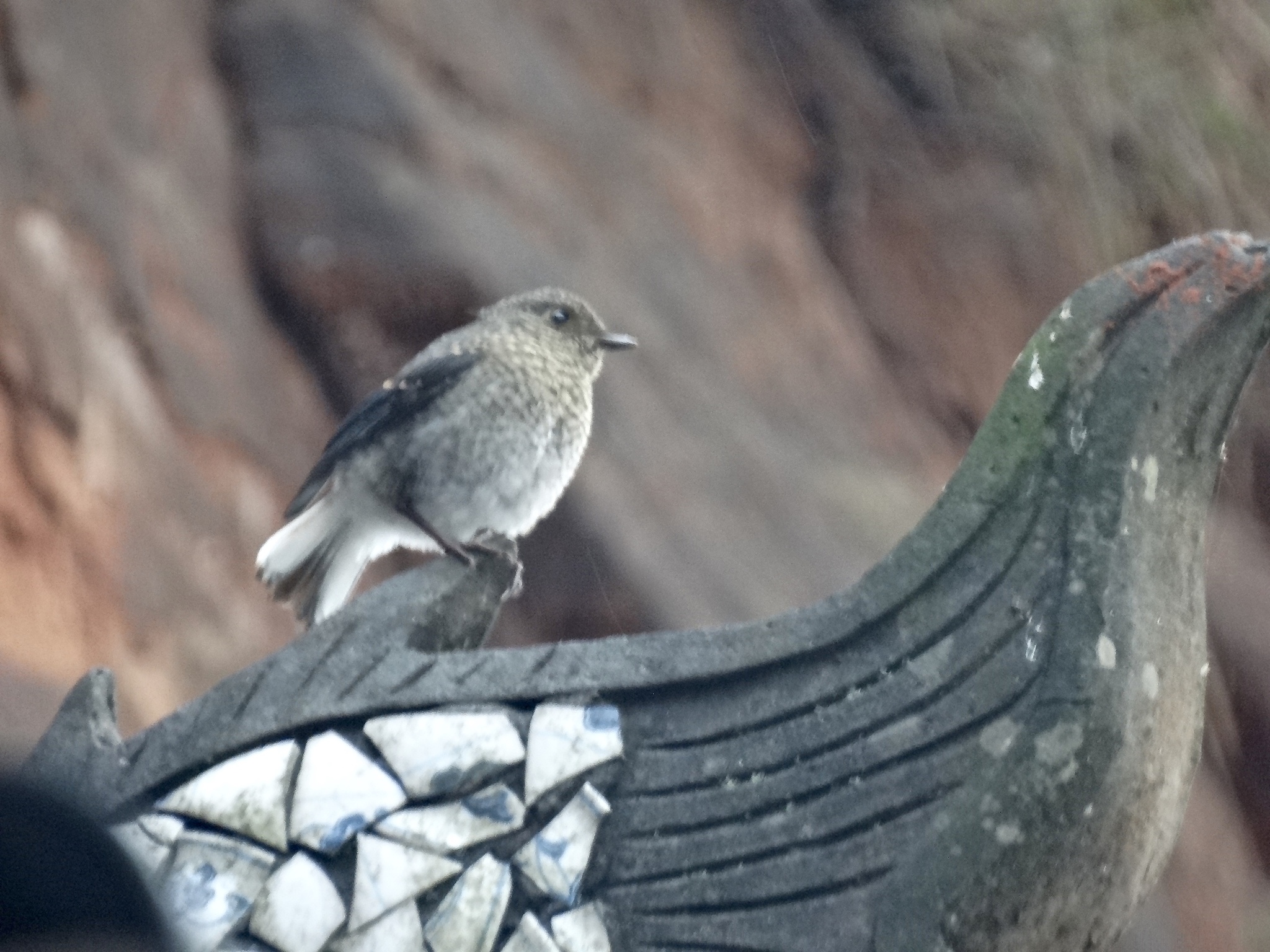
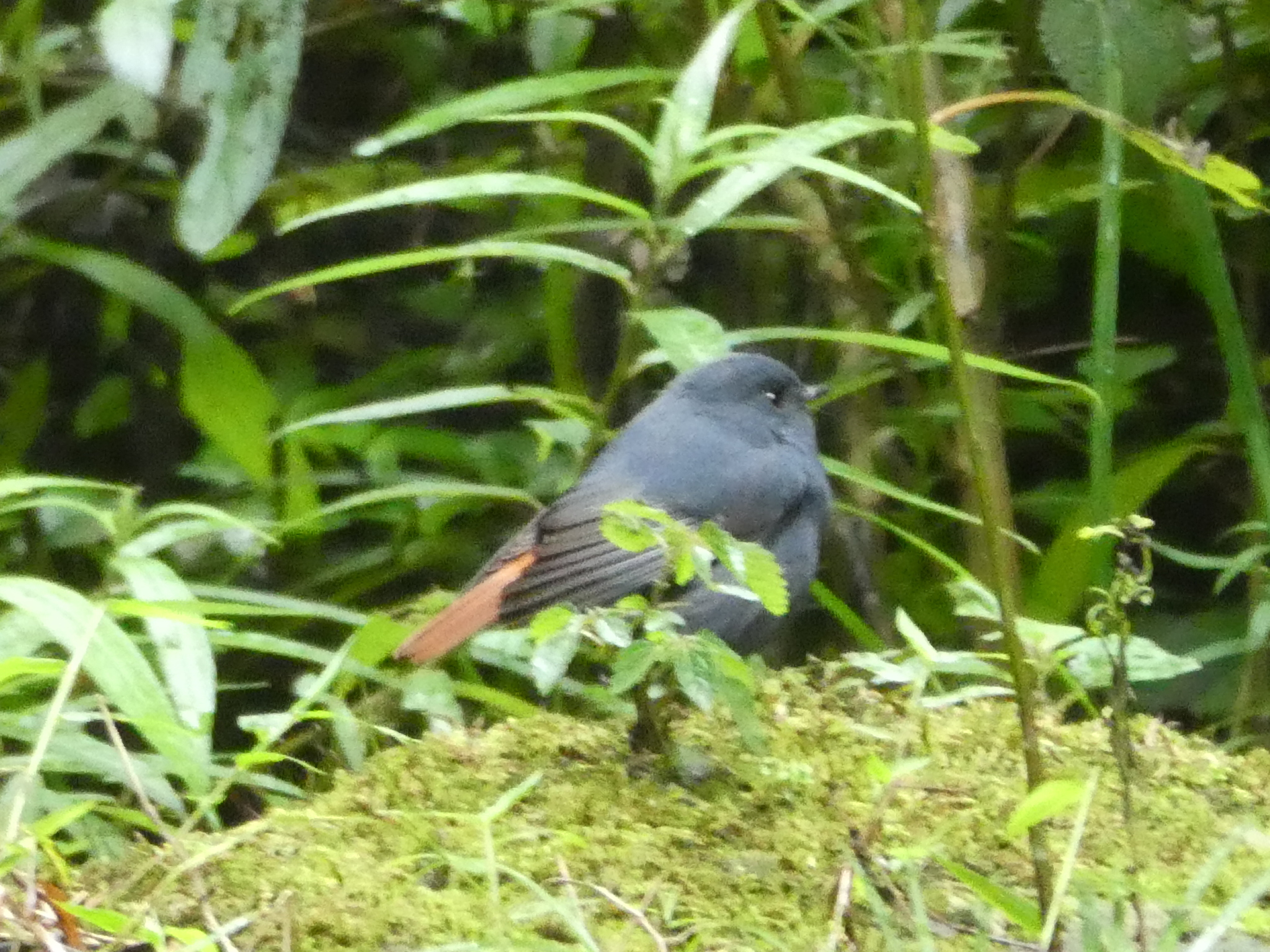
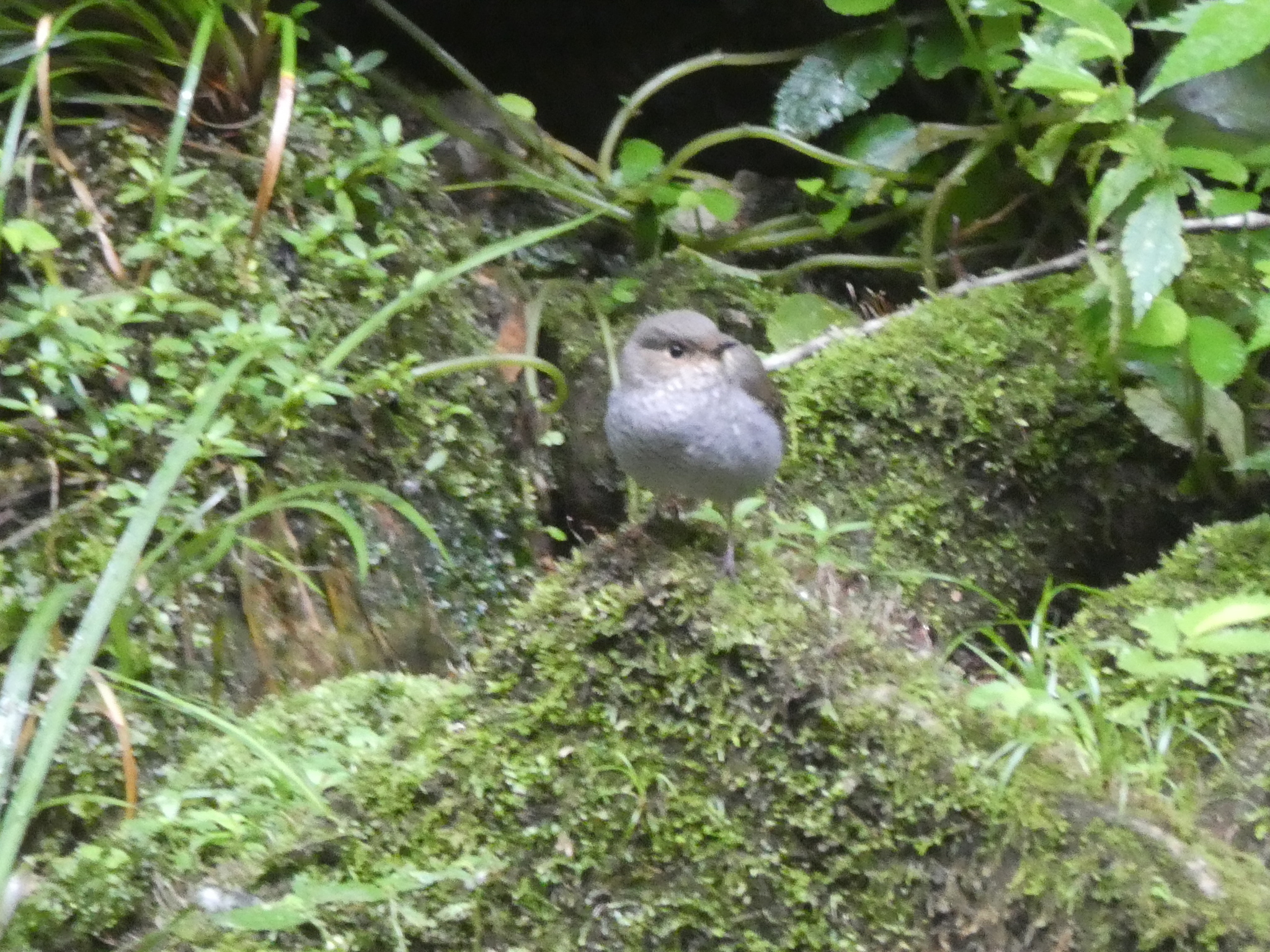
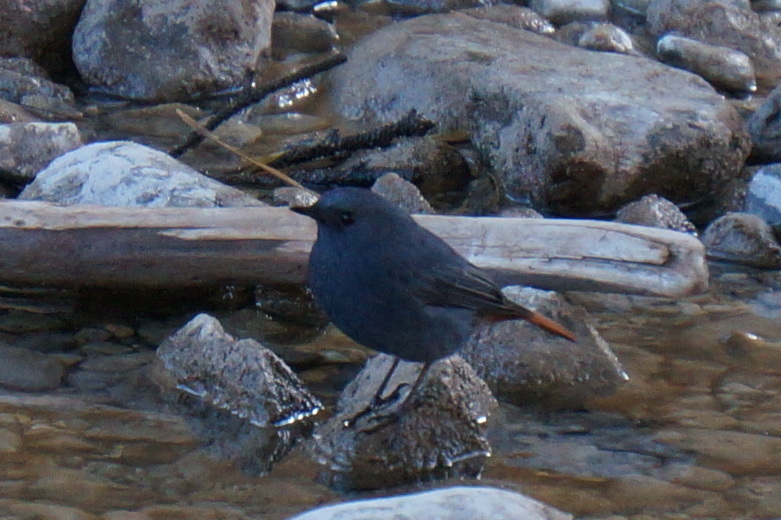
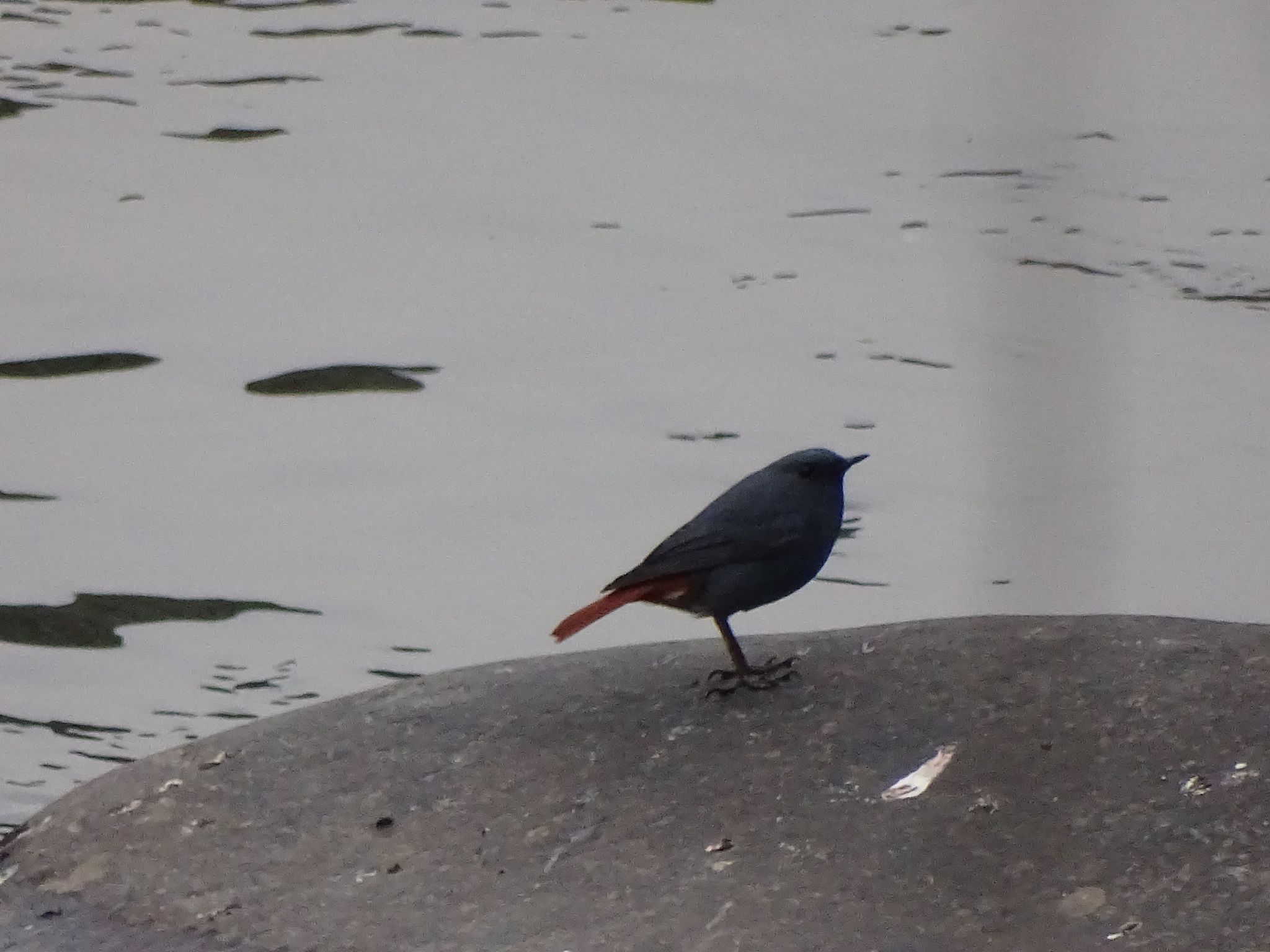
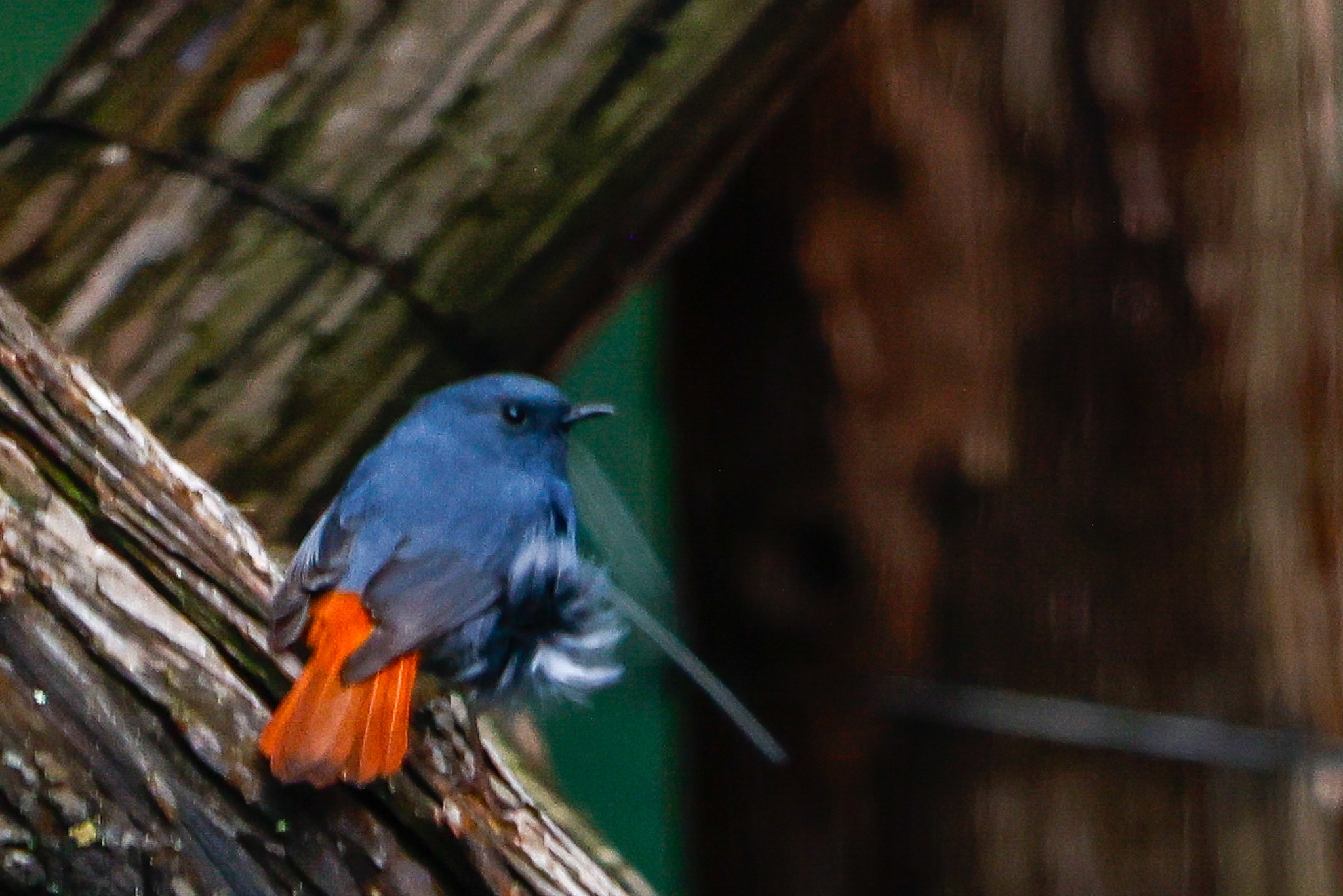
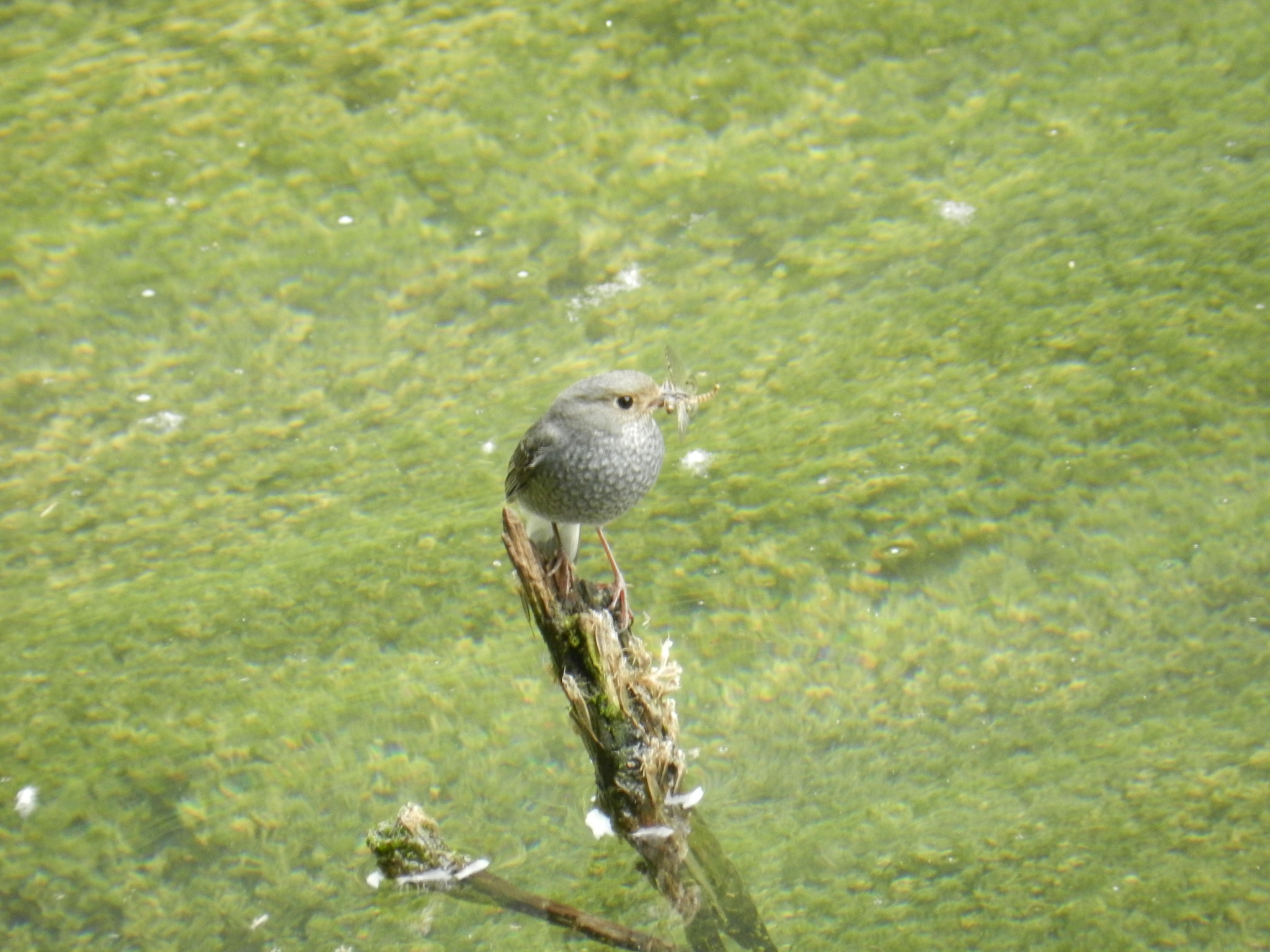
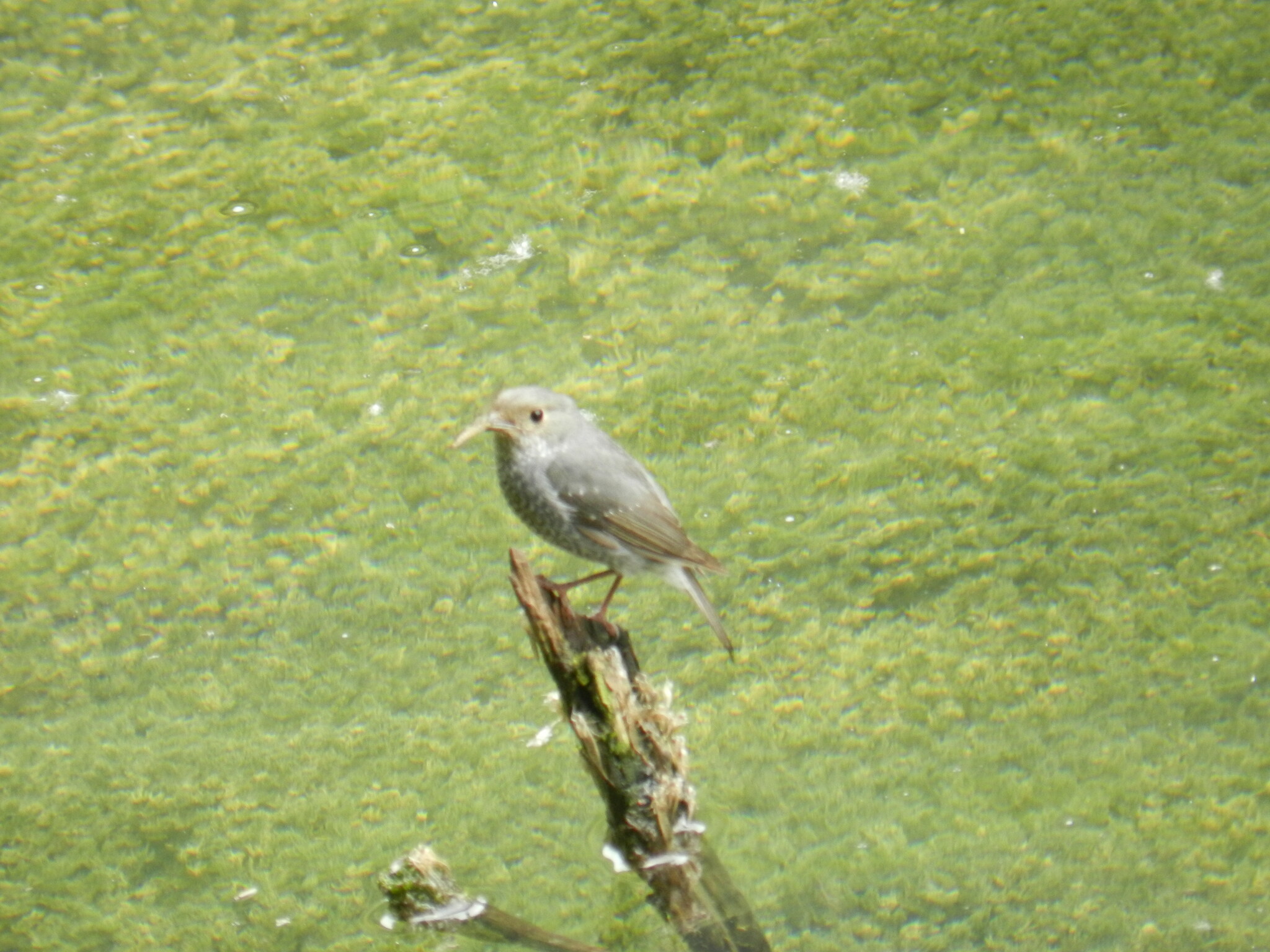
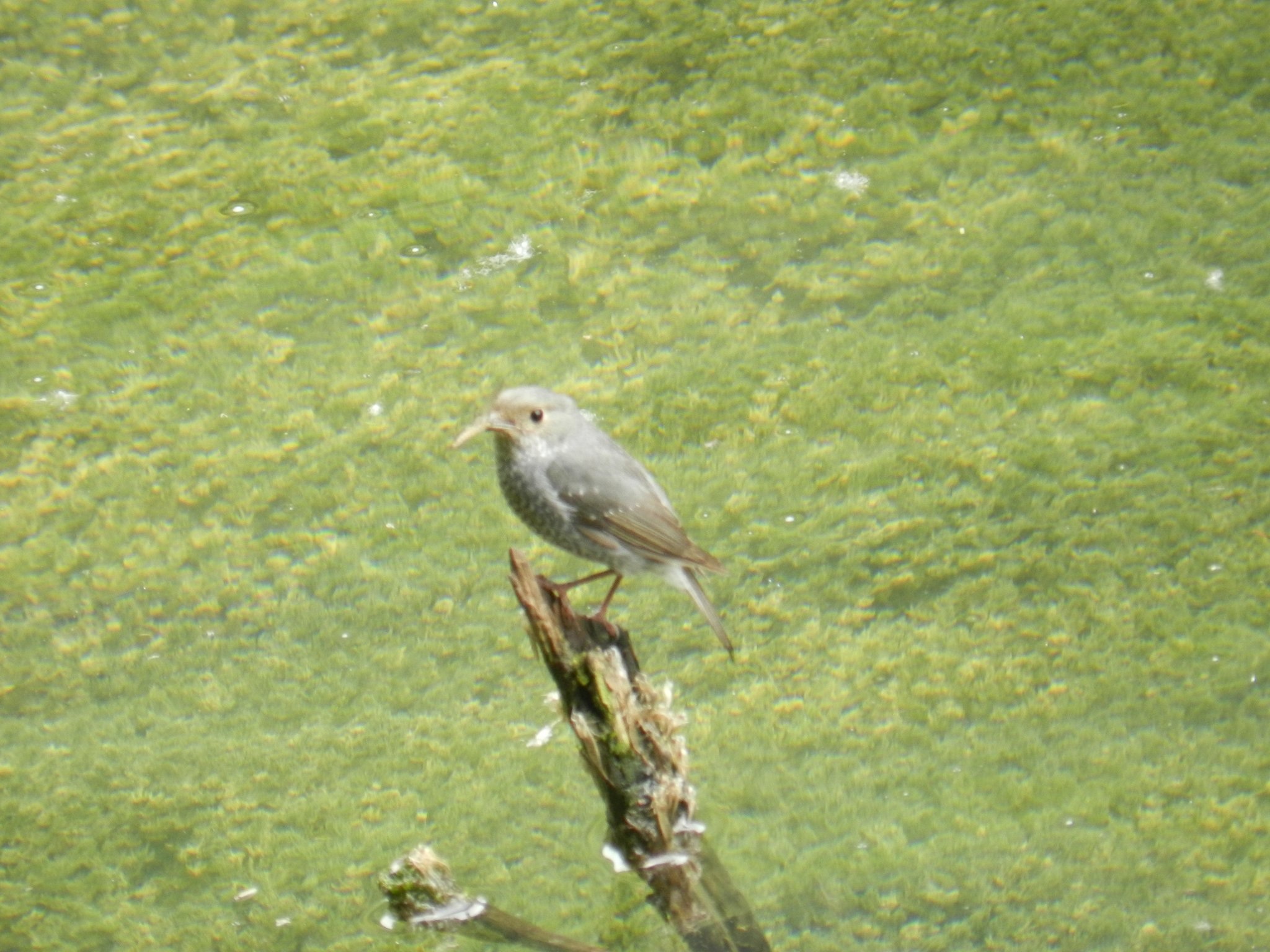
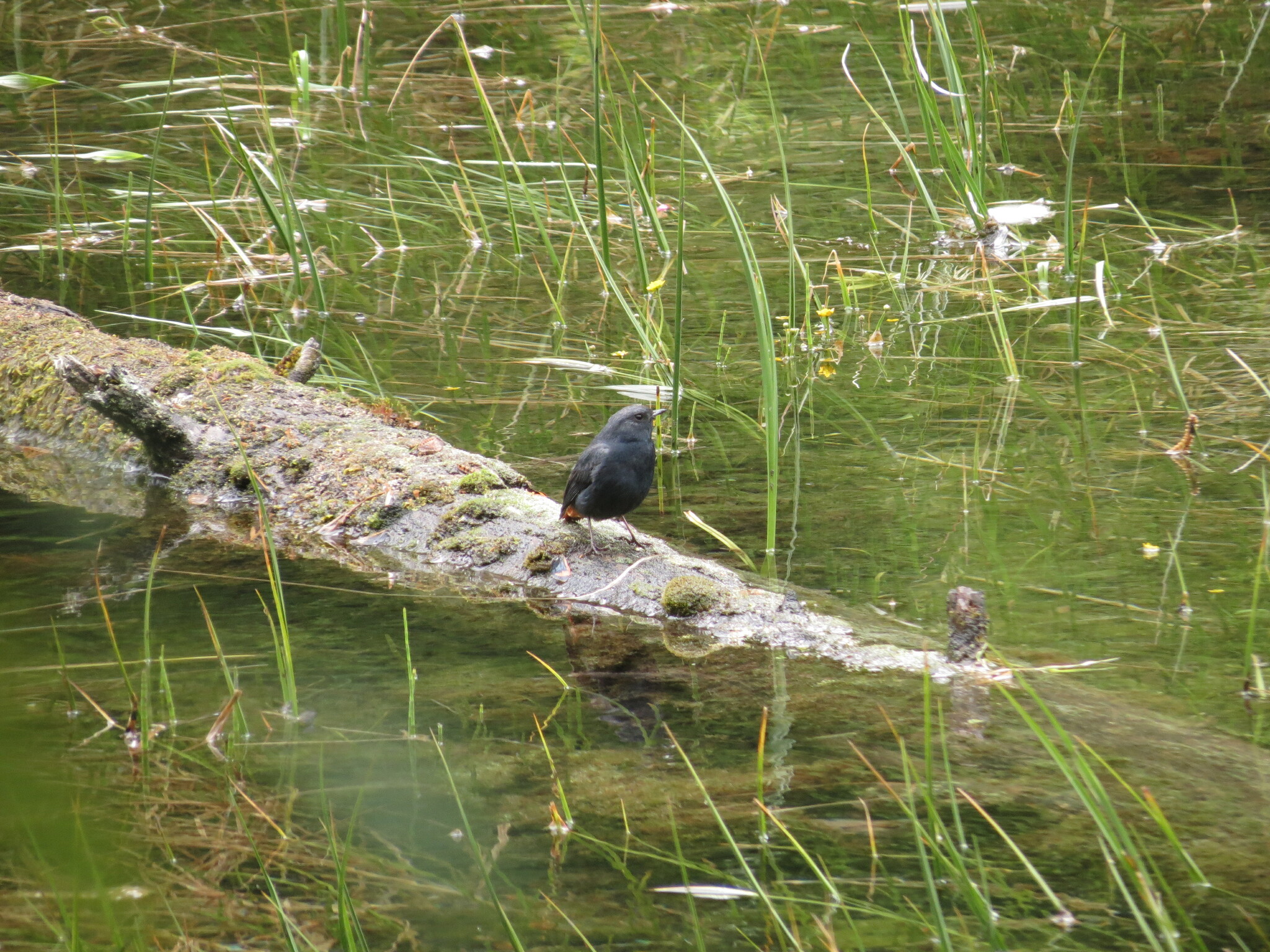
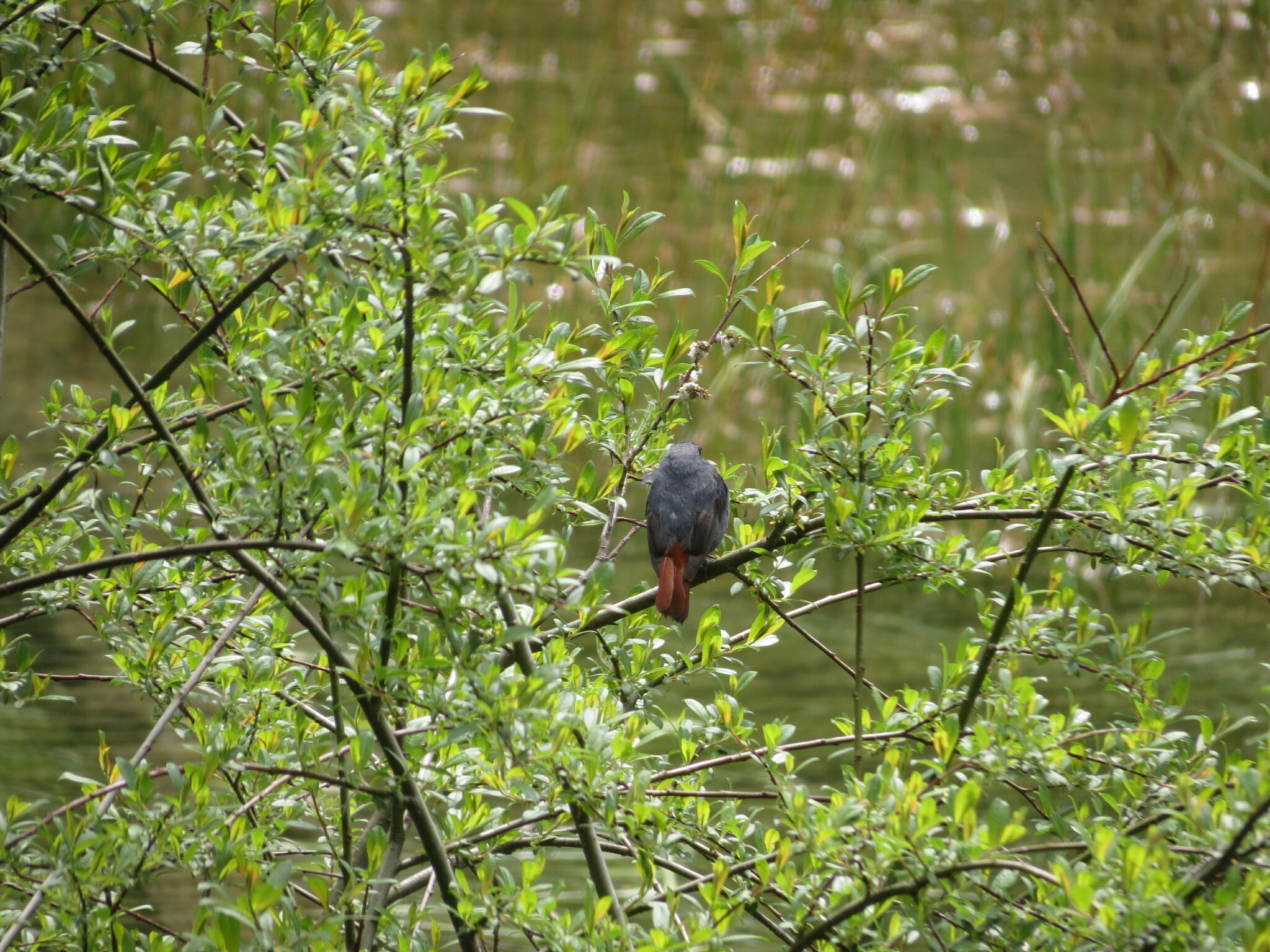
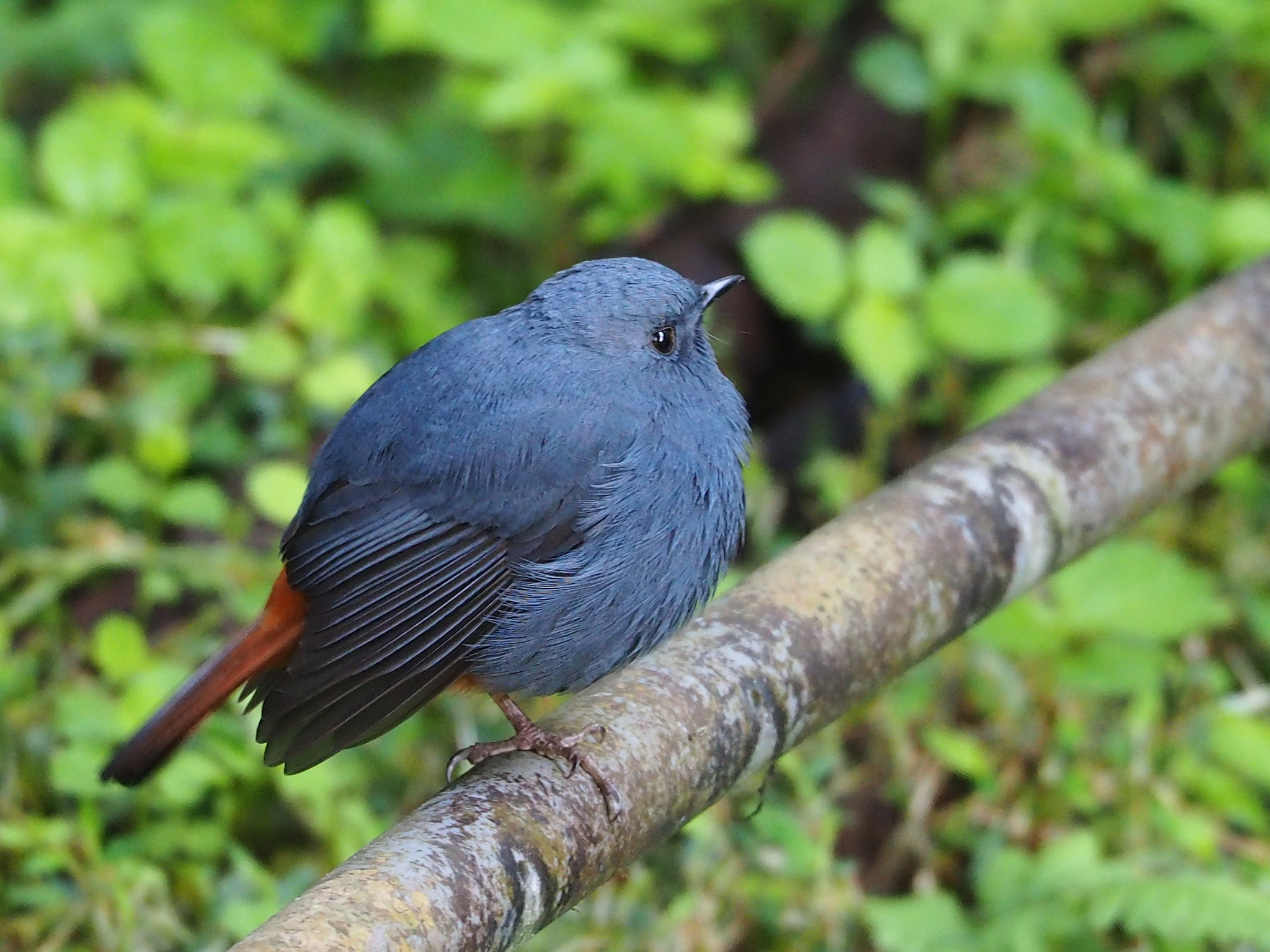
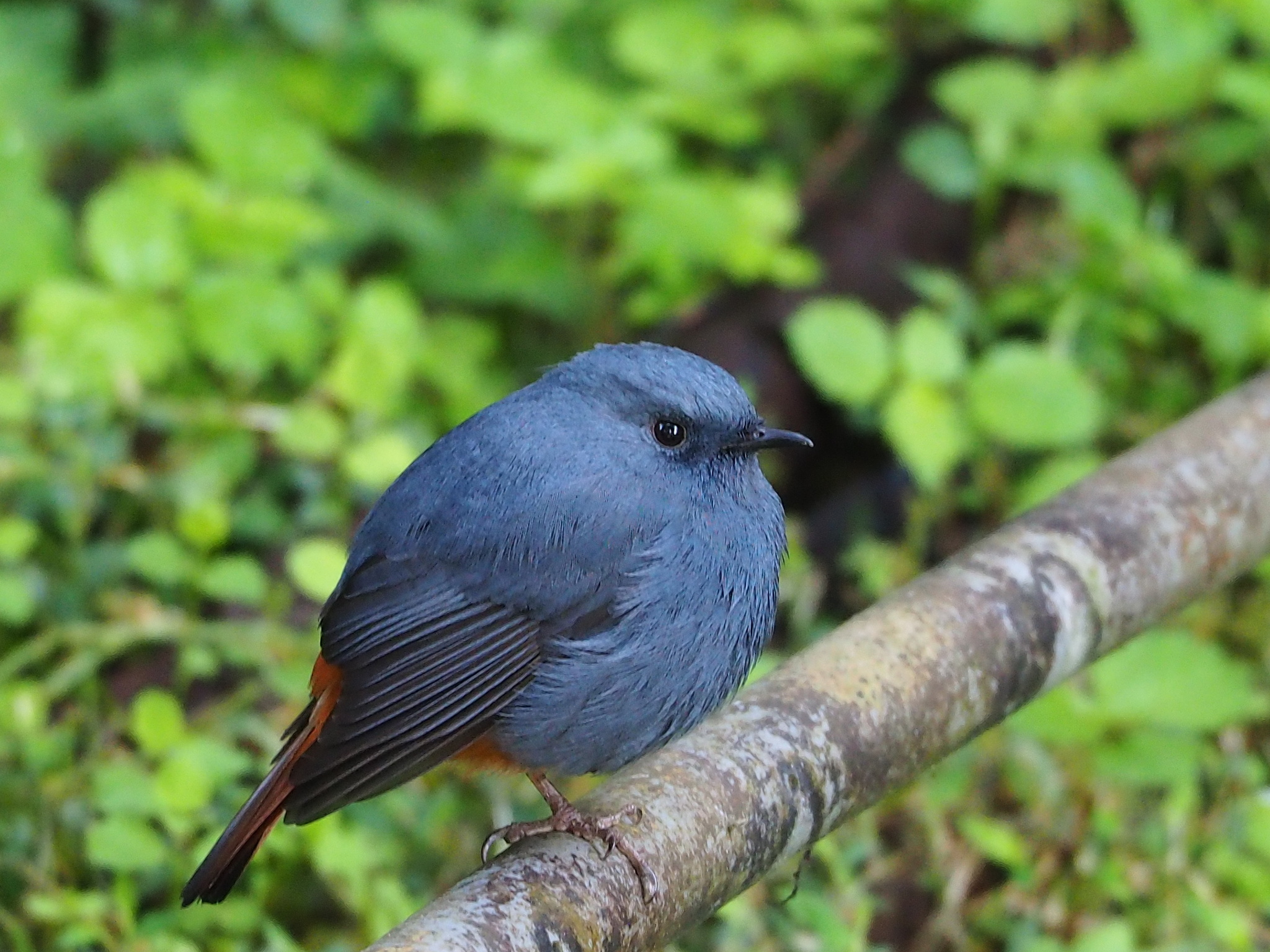
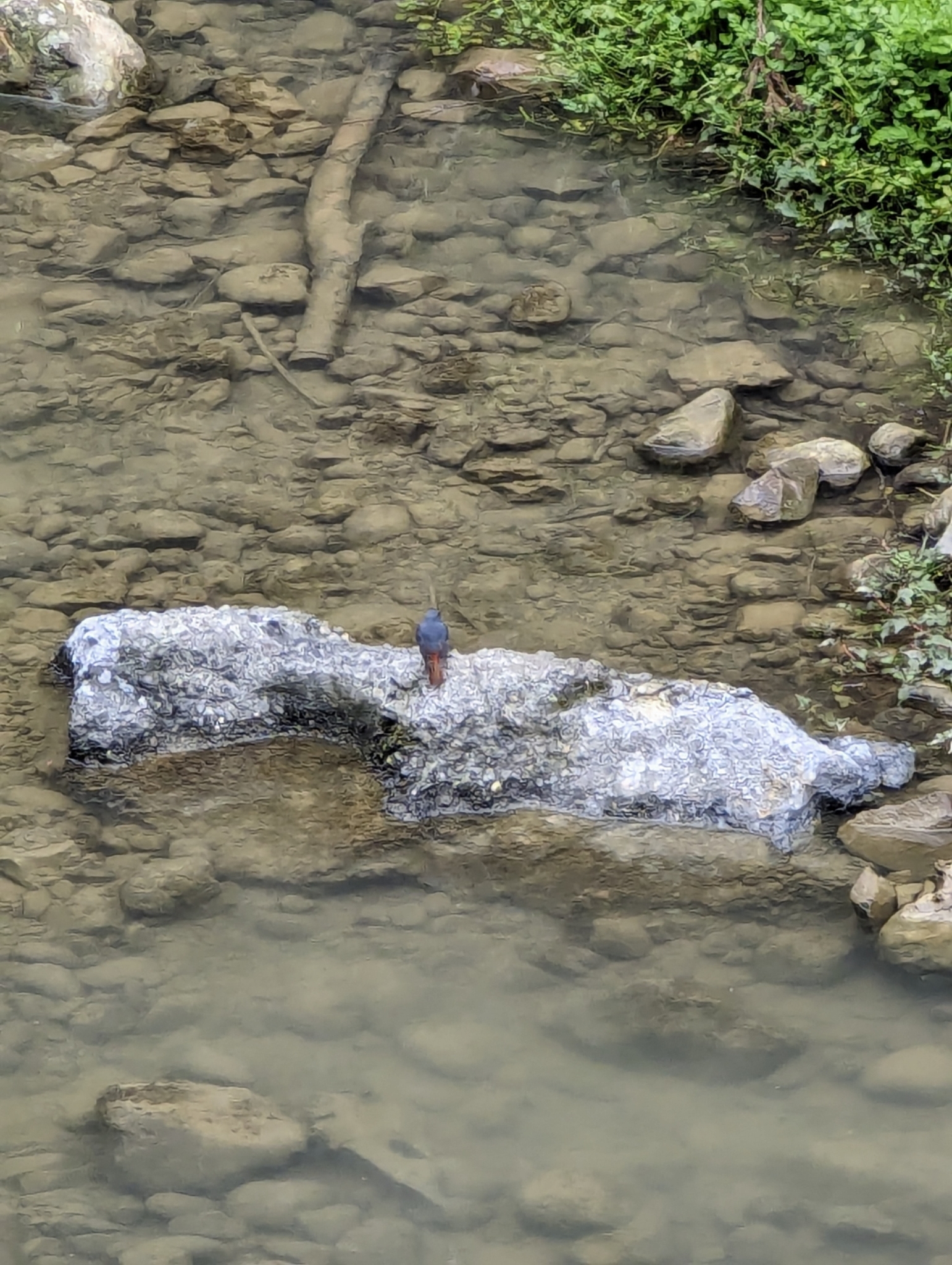
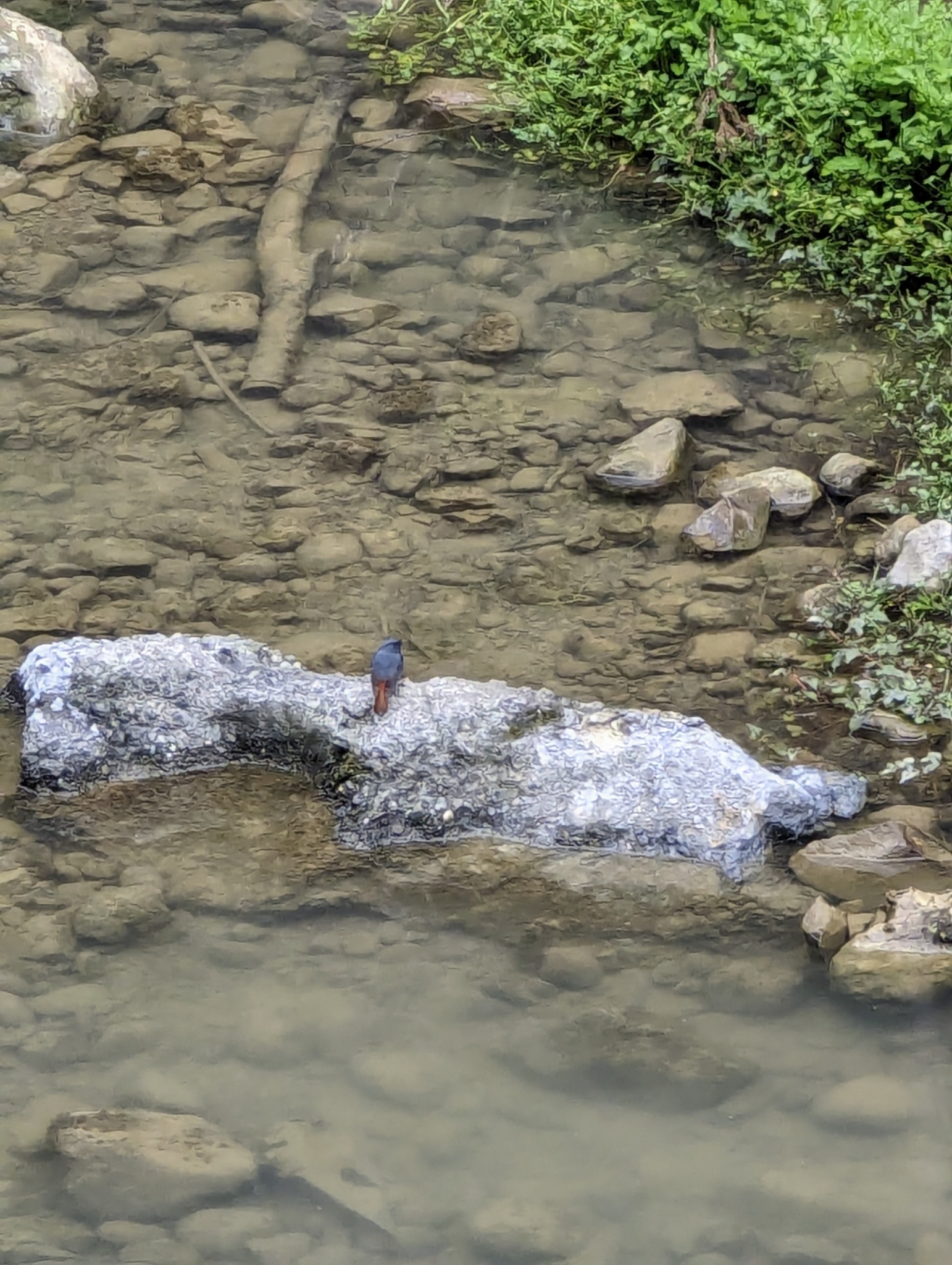
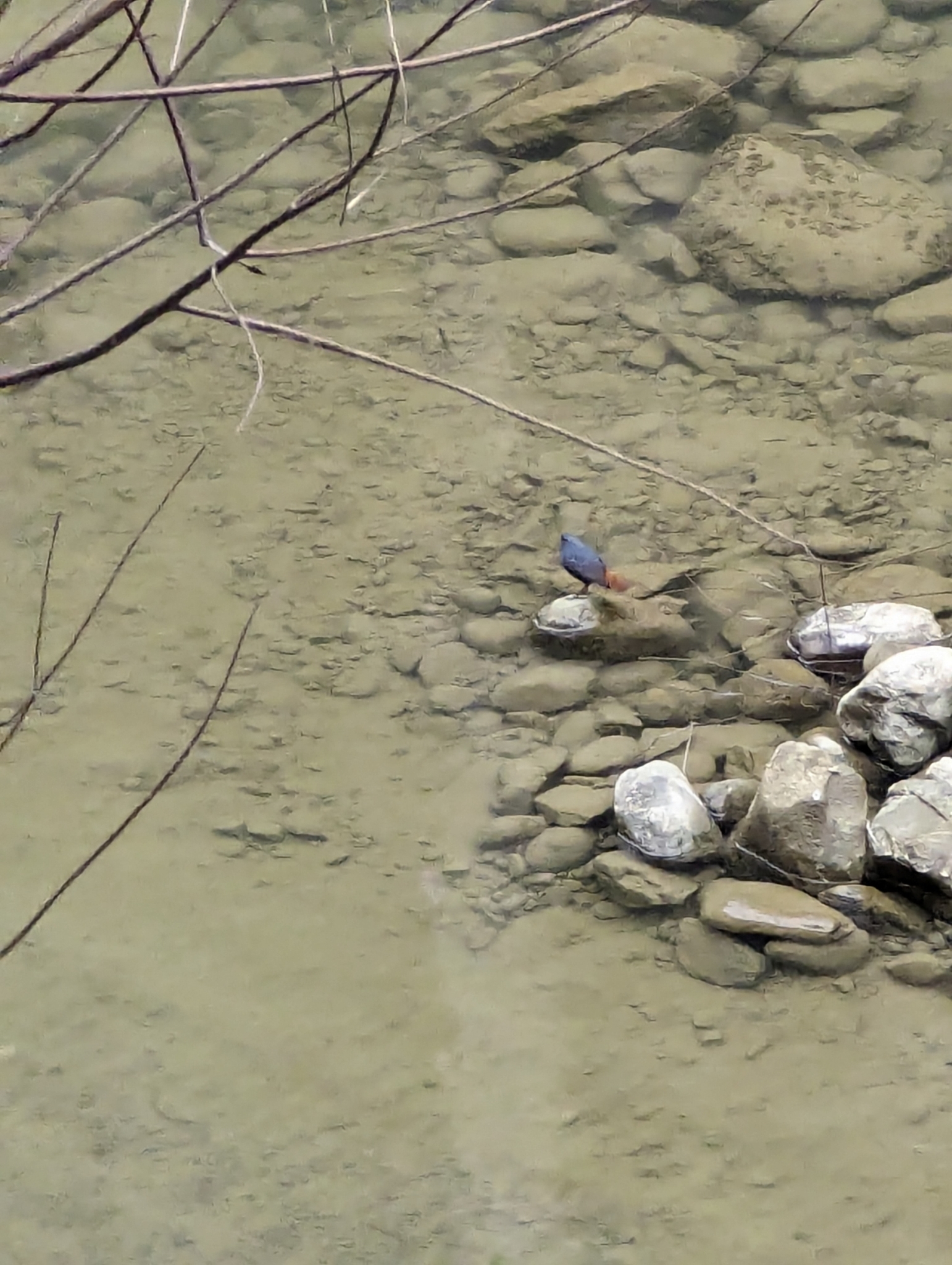
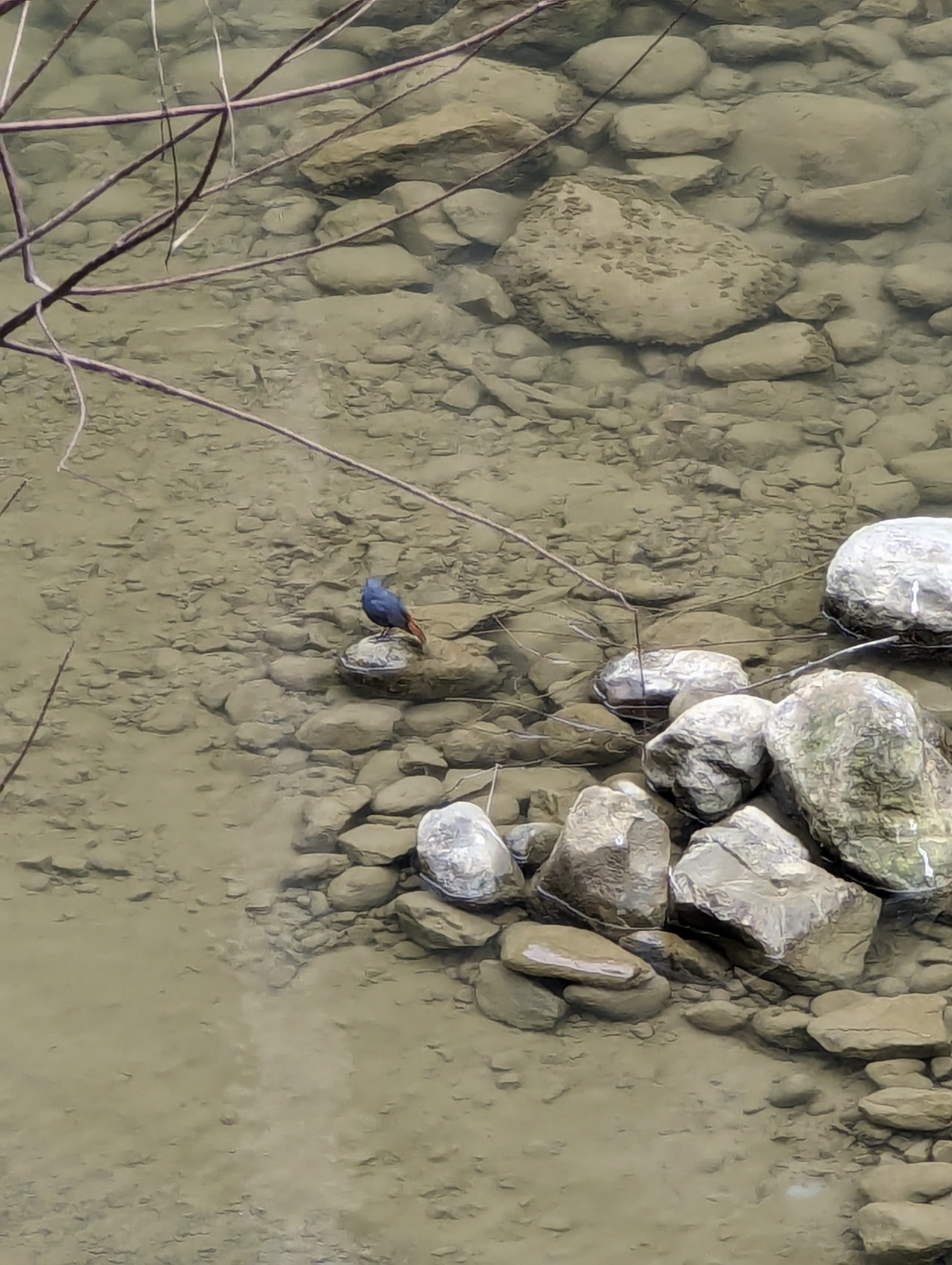
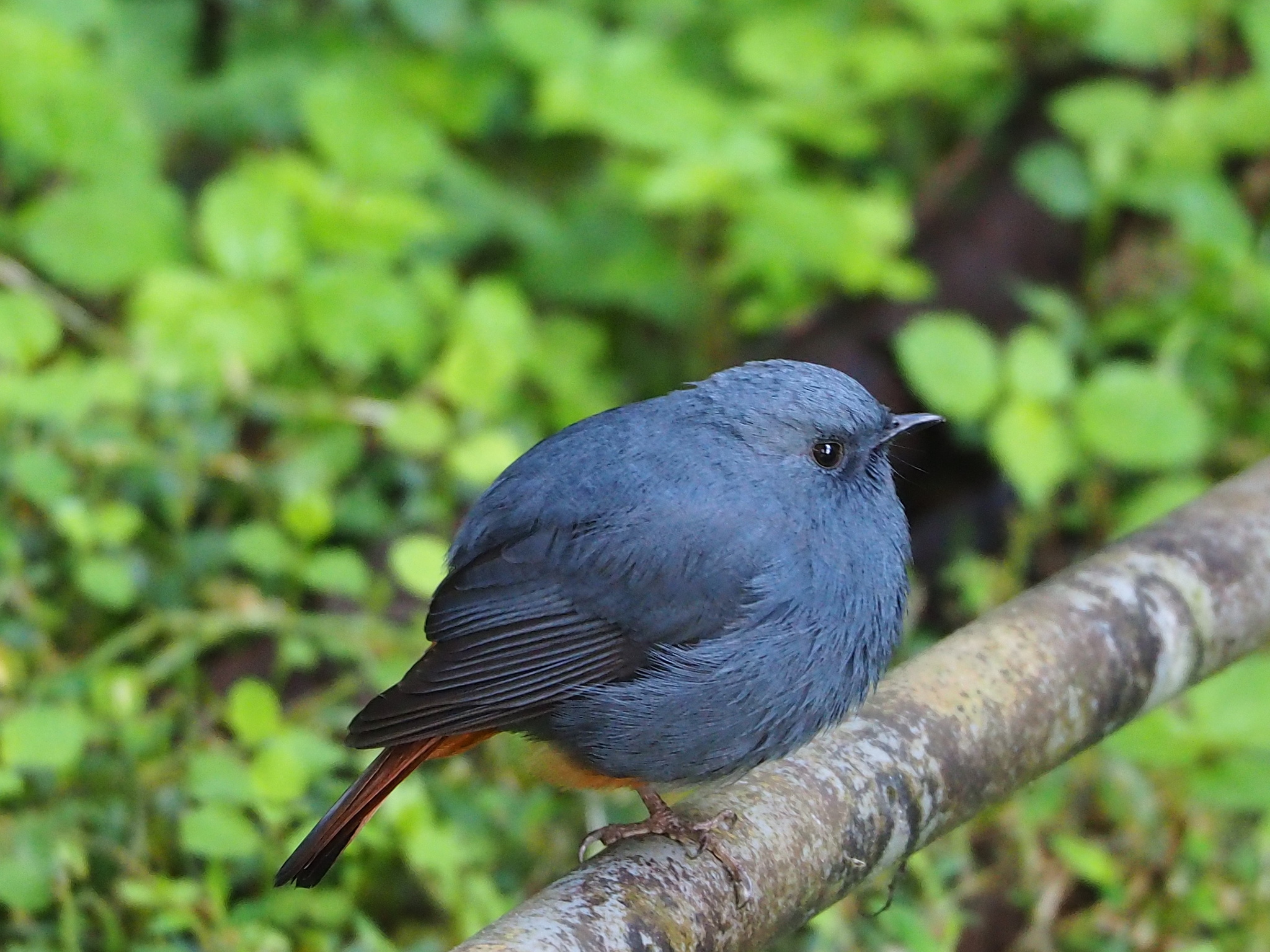
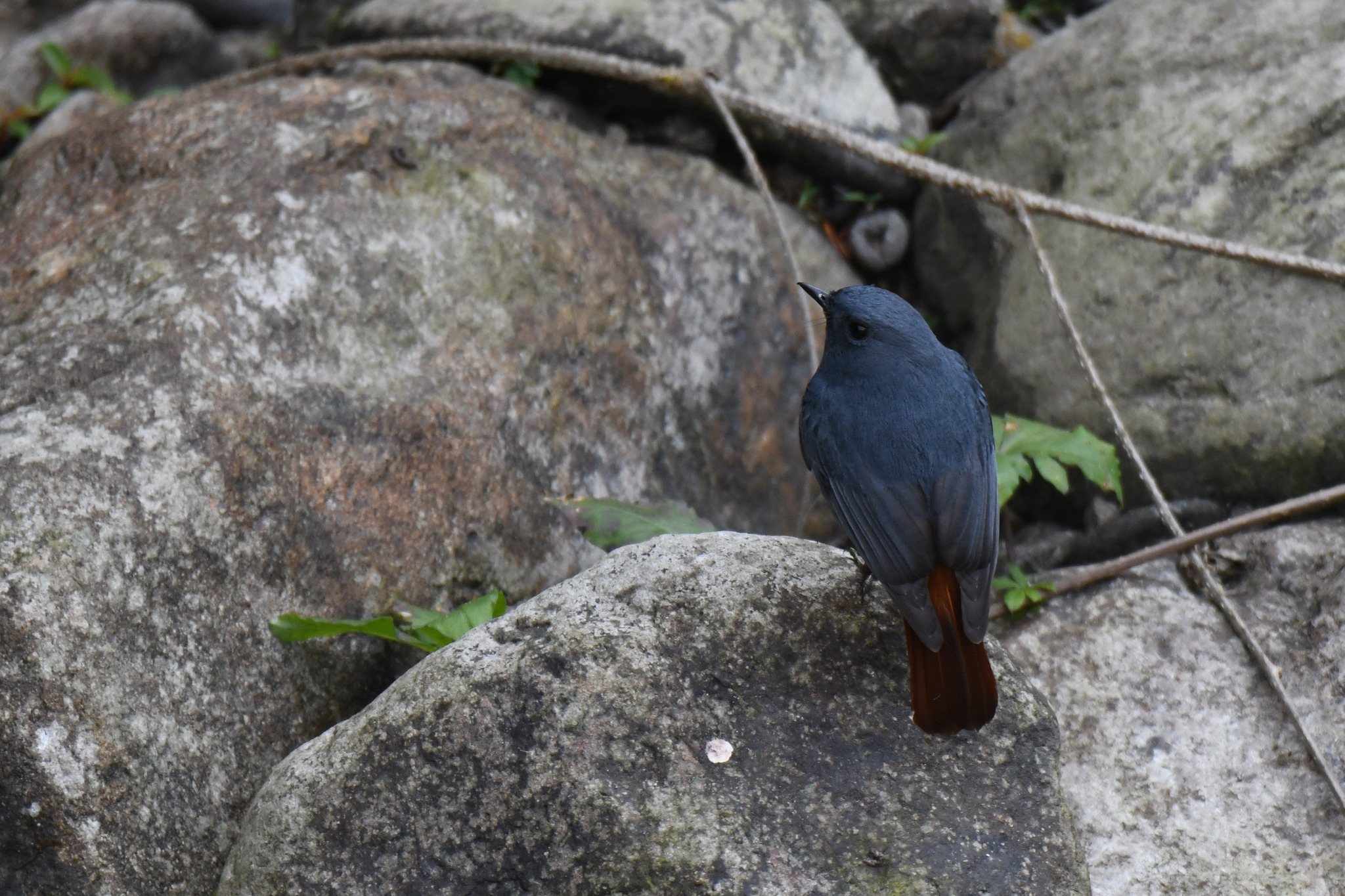
A compact bird measuring 14 centimeters in length, with males averaging 22 grams and females slightly lighter at 18.8 grams. The male displays uniform slate-blue upperparts and underparts, with the defining feature being its bright rusty-red tail, which it frequently flicks and spreads. Females possess pale grey-brown plumage overall, lighter on the underparts, with a conspicuous white rump patch visible in flight or during active movements. Both sexes share the characteristic redstart habit of pump-bobbing motions and active tail flicking.
Identification
Males are unmistakable with their all-slate-blue coloration and red tail, unlike any similar species in their range. Females can be distinguished from other redstarts by their pale grey coloration combined with the white rump patch. The combination of habitat preference for fast streams and the vertical spiraling flight behavior when hunting also helps confirm identification.
Distribution & Habitat
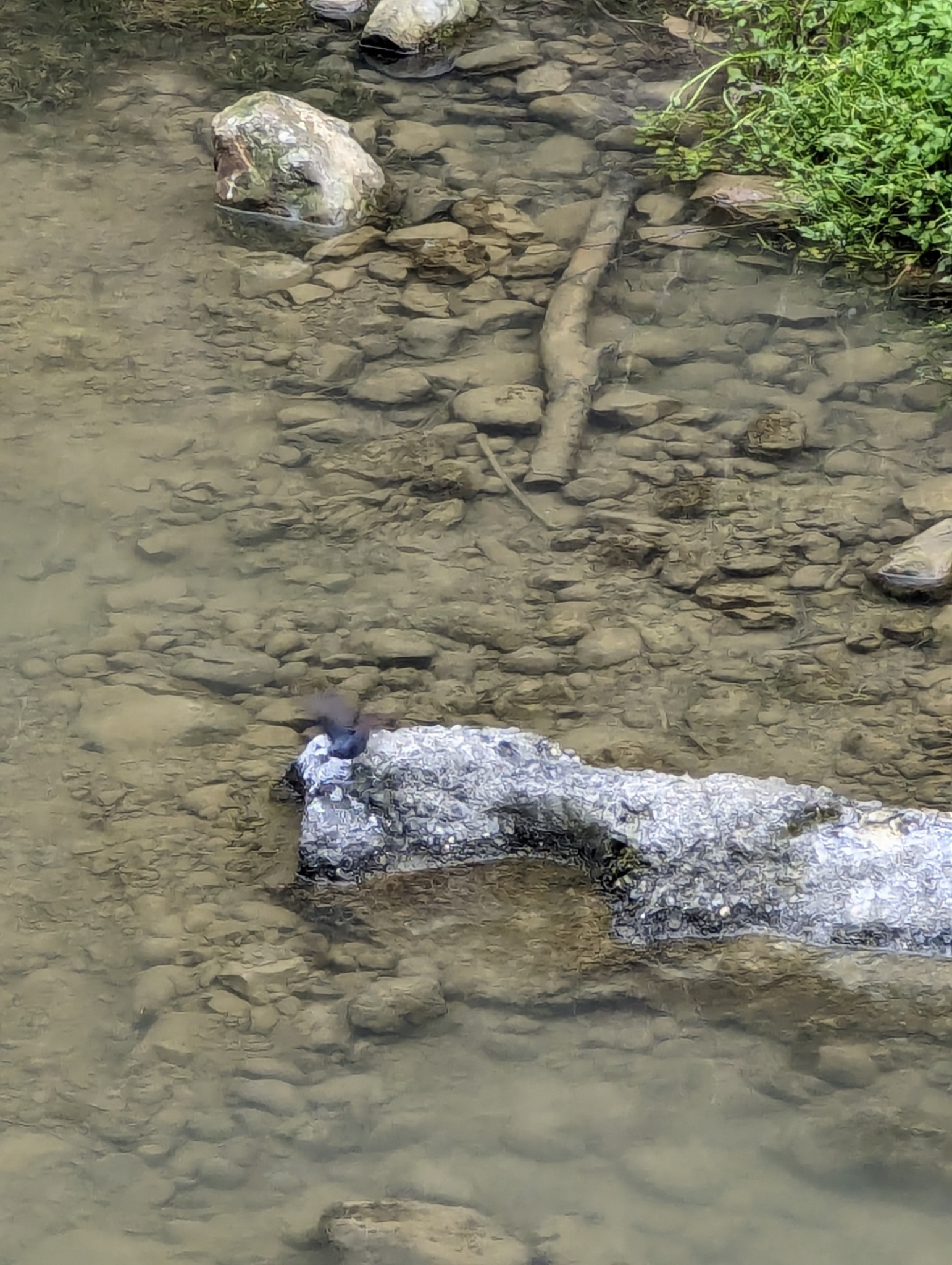
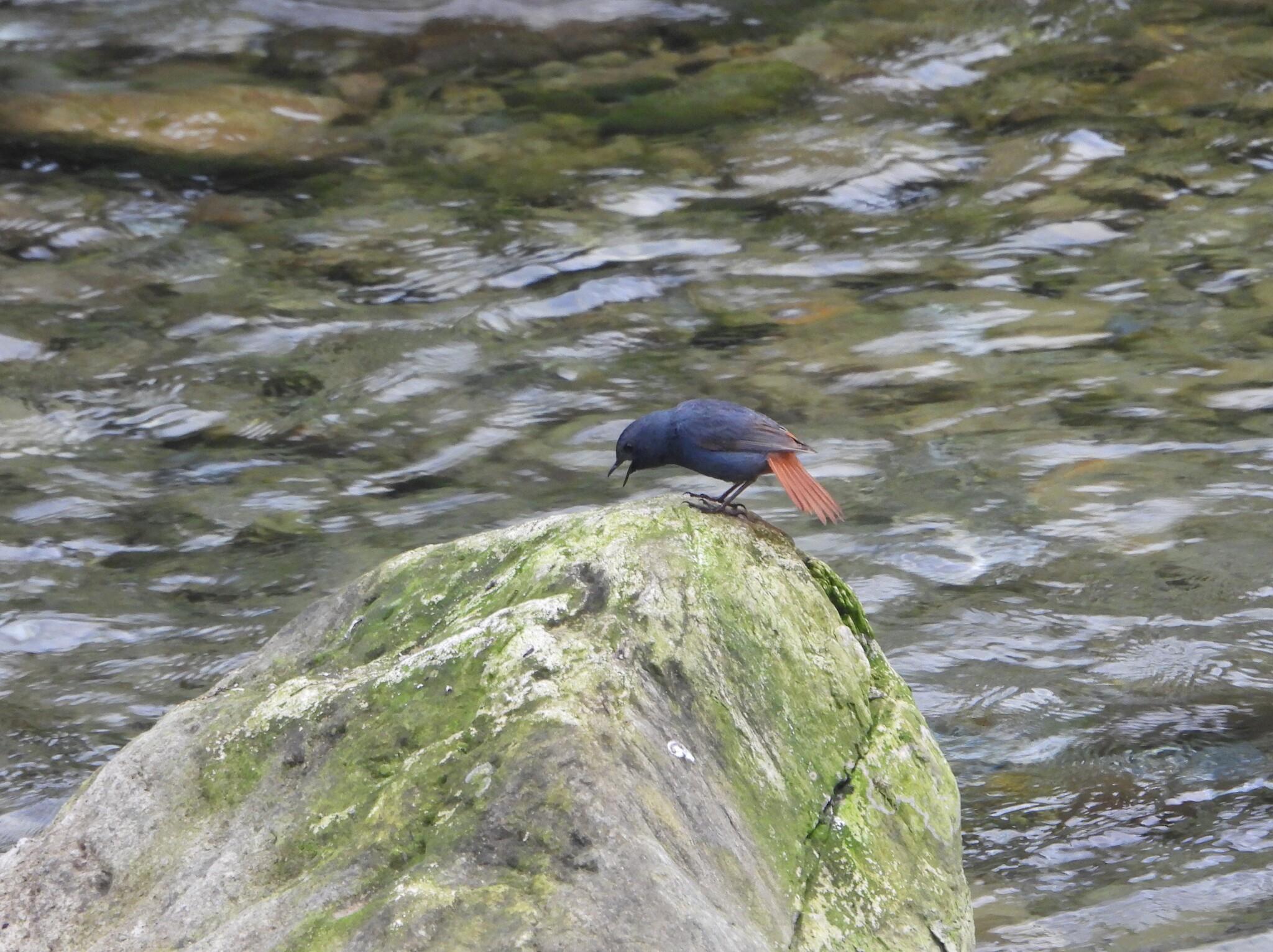
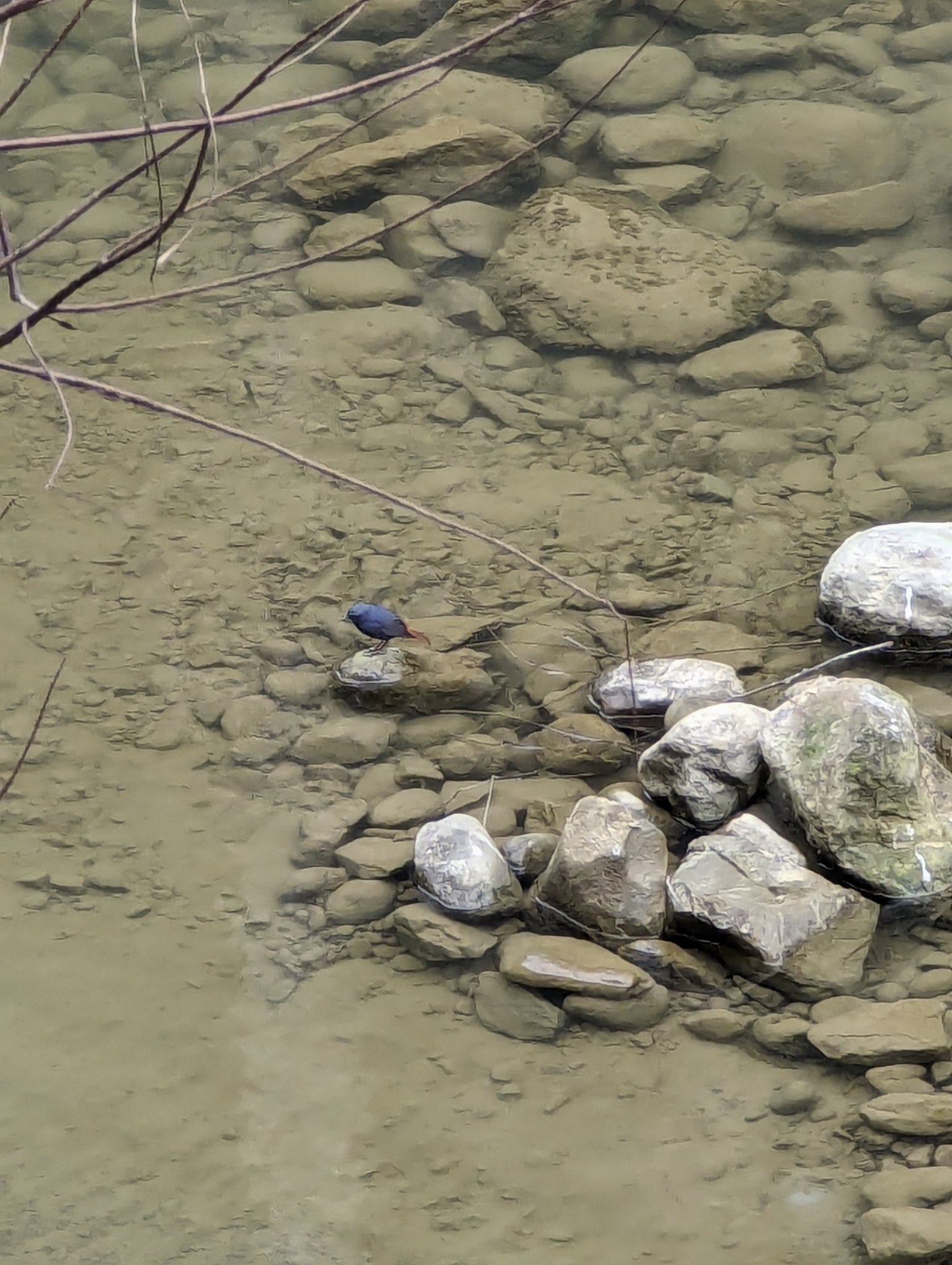
Ranges across Afghanistan, Bangladesh, Bhutan, China, India, Laos, Myanmar, Nepal, Pakistan, Taiwan, Thailand, and Vietnam. Inhabits rocky, fast-flowing streams, nullahs, and rivers with boulders and shaded vegetation, particularly favoring waters supporting high mayfly populations. In the Himalayas, occurs between 2,000 and 4,100 meters elevation, descending to lower altitudes during winter. Distribution range exceeds 5,100,000 square kilometers.
Behavior & Ecology
Extremely territorial and aggressive toward intruders, defending their stream sections year-round. Performs a distinctive foraging flight: rises vertically at least 20 feet above the water before spiraling downward in a circular glide back to the original perch, repeating this pattern to catch flying insects. This unique hunting technique allows efficient capture of aquatic flies and mayflies. Highly conspicuous due to its active nature and preference for open perches on boulders.
Conservation
Classified as Least Concern on the IUCN Red List. Population has remained stable over the past decade across its extensive range of over 5,100,000 square kilometers. No significant threats have been identified, likely due to the species' adaptation to well-oxygenated, fast-flowing waters that remain relatively undisturbed by human activity.
Source: Wikipedia · CC BY-SA 3.0
Taxonomy
- Order
- Passeriformes
- Family
- Muscicapidae
- Genus
- Phoenicurus
- eBird Code
- plured1
Vocalizations
Subspecies (2)
-
Phoenicurus fuliginosus affinis
Taiwan
-
Phoenicurus fuliginosus fuliginosus
Himalayas (Pakistan to Myanmar, southeastern Tibet, western China, and northern Vietnam)
Data Sources
Species description from Wikipedia, licensed under CC BY-SA 3.0.
Bird images and sounds sourced from GBIF, contributed by citizen scientists worldwide under Creative Commons licenses.
Taxonomy data from AviList 2025.