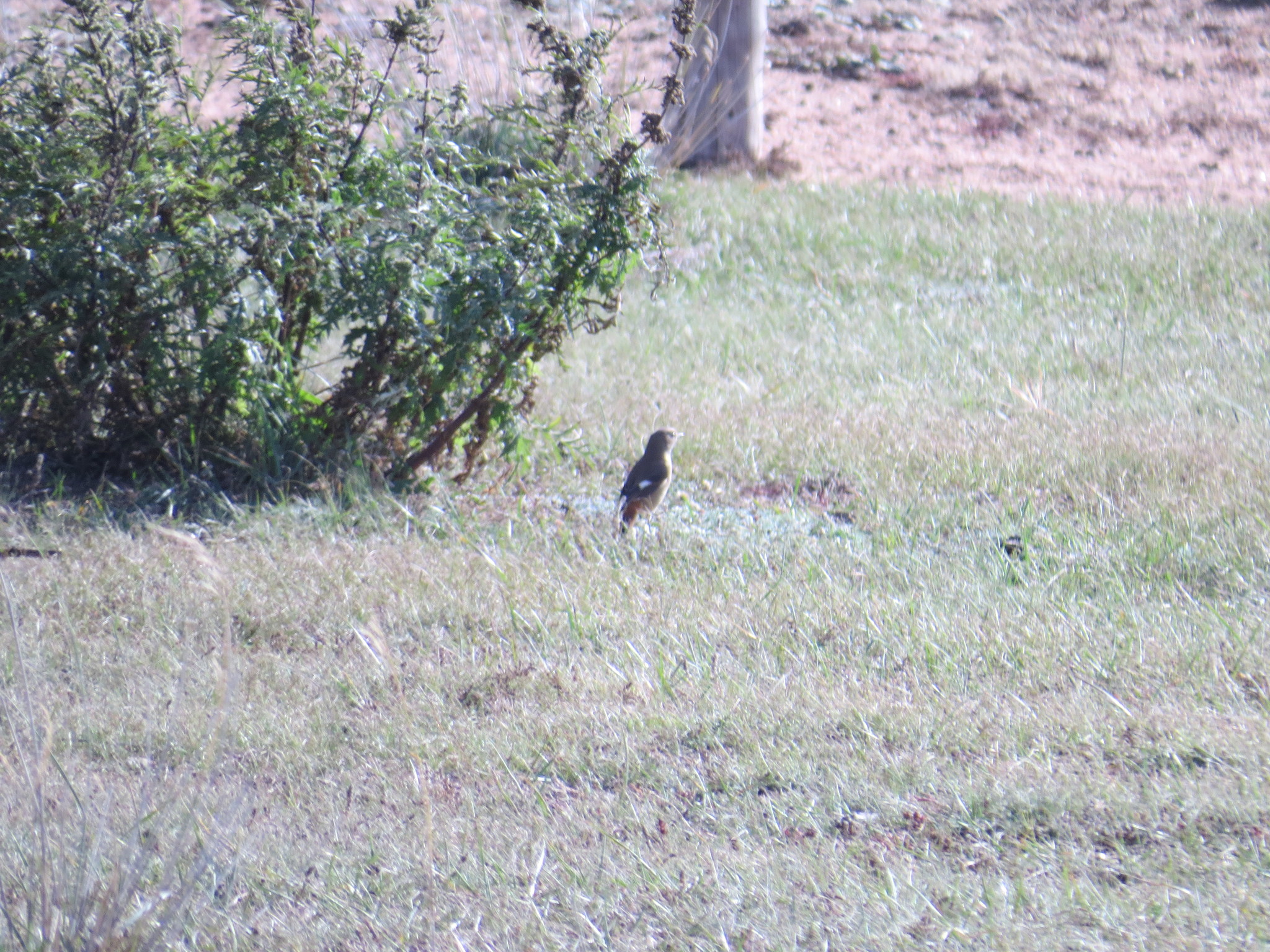
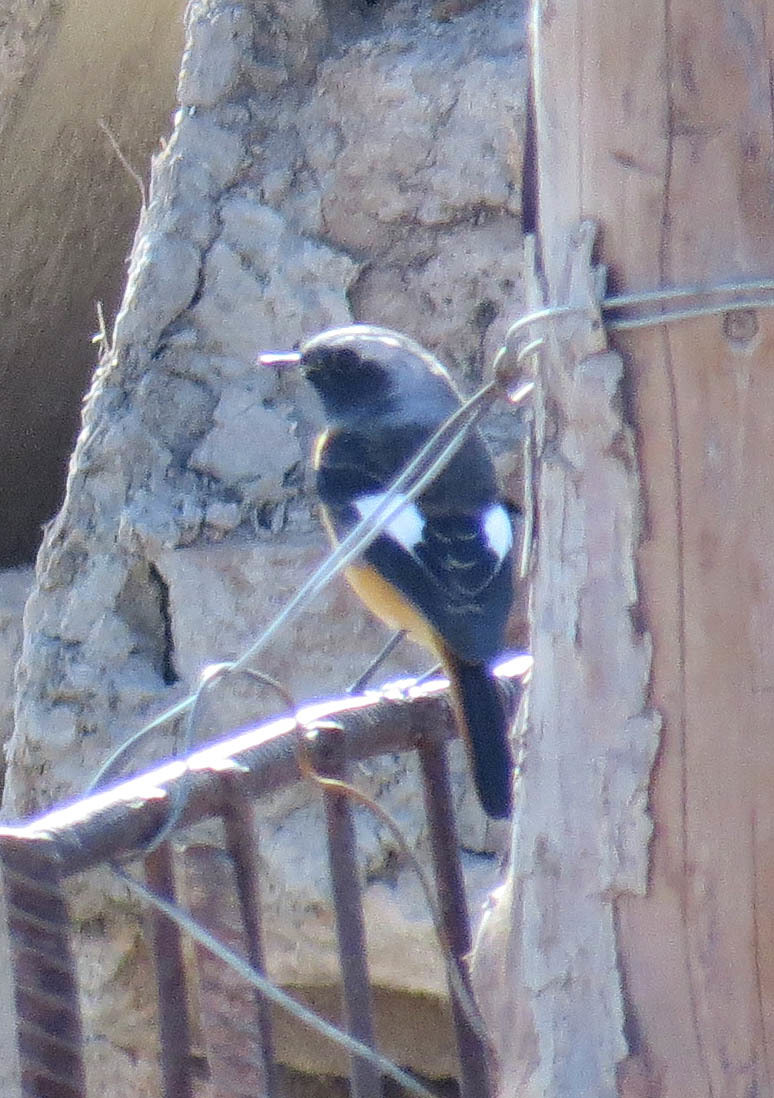
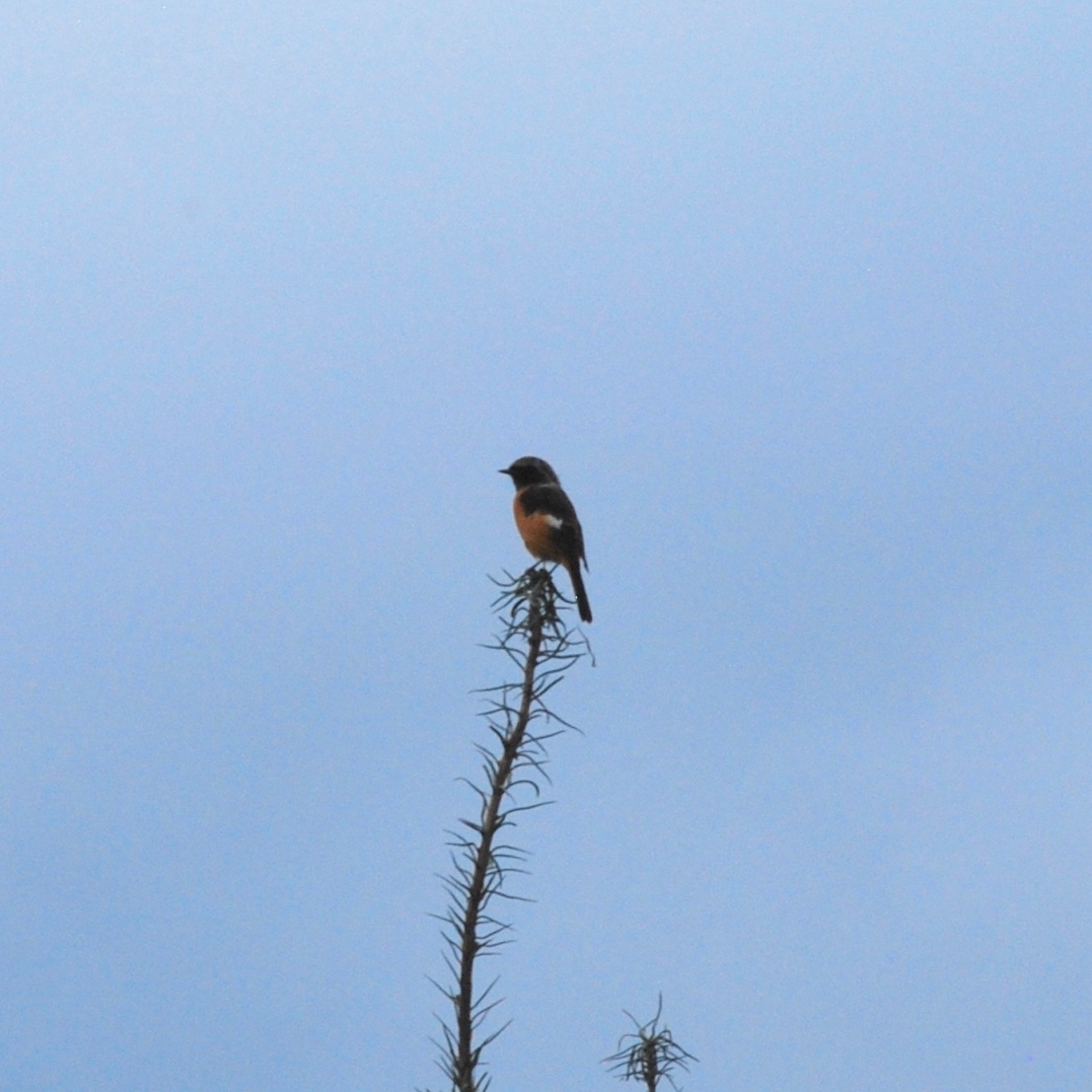
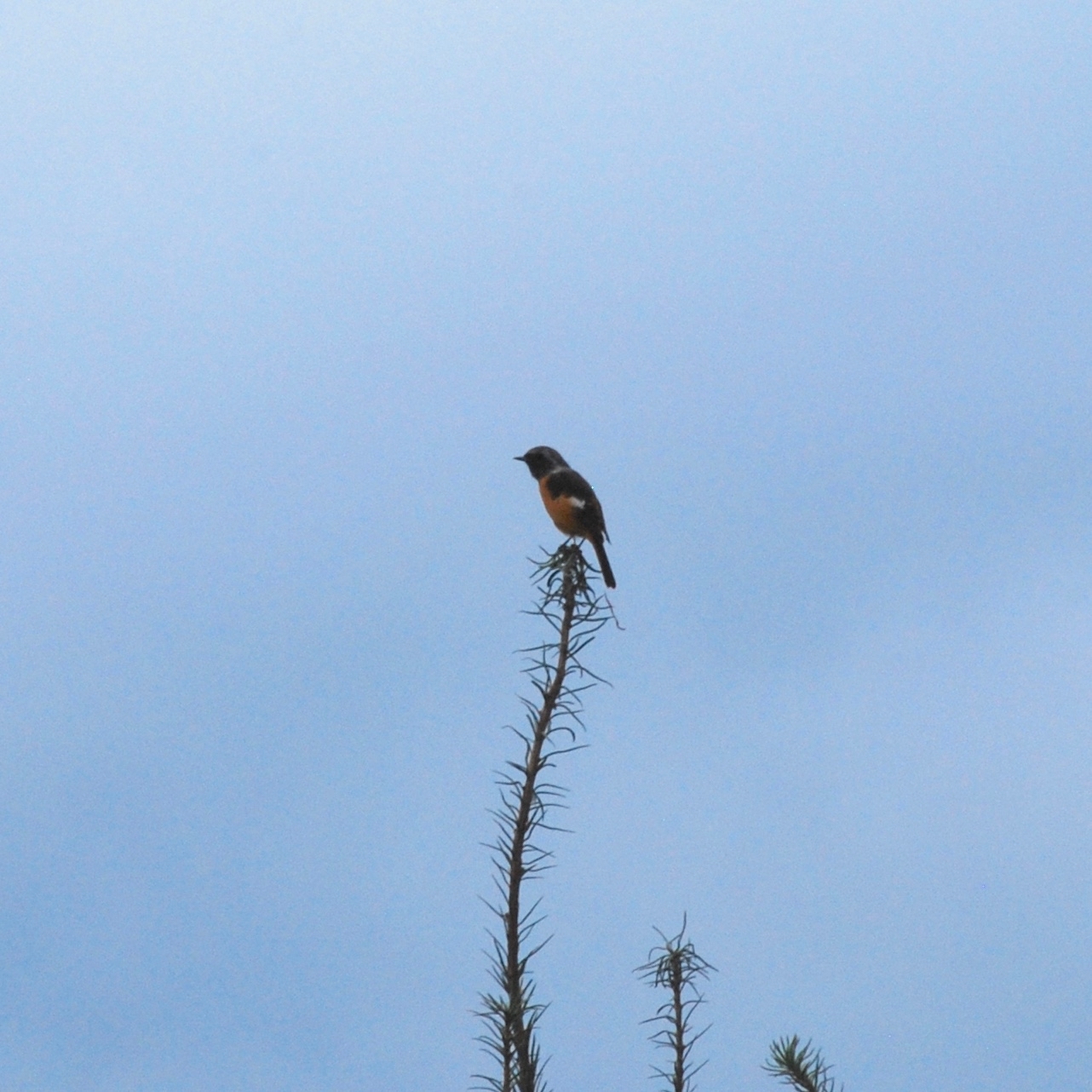
Daurian Redstart
Phoenicurus auroreus
北红尾鸲
Introduction
A small passerine of the Old World flycatcher family. Inhabits temperate Asia, with populations concentrating in East Asia during winter months. Occupies parks, gardens, and forest edges throughout its range. Exhibits strong sexual dimorphism: males display grey, black, and orange plumage, while females show more subdued coloring. Active and restless behavior, characterized by frequent wing-flicking. Adaptable to human-modified landscapes, including urban environments.
Description
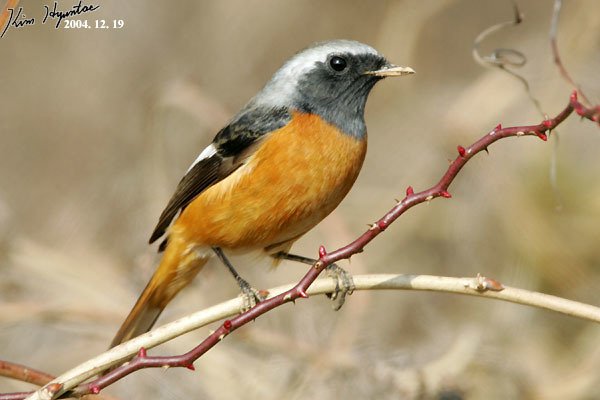
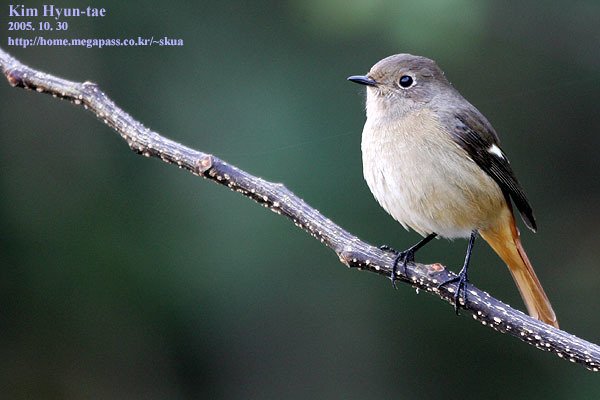
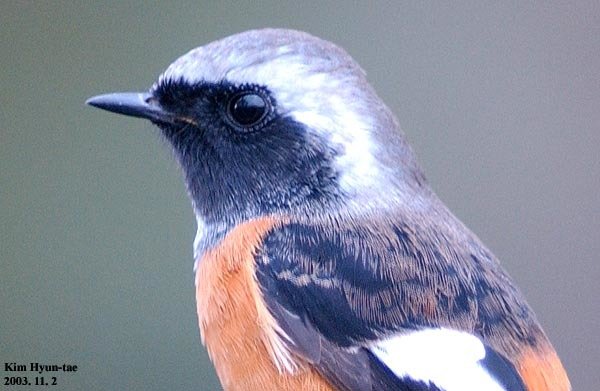
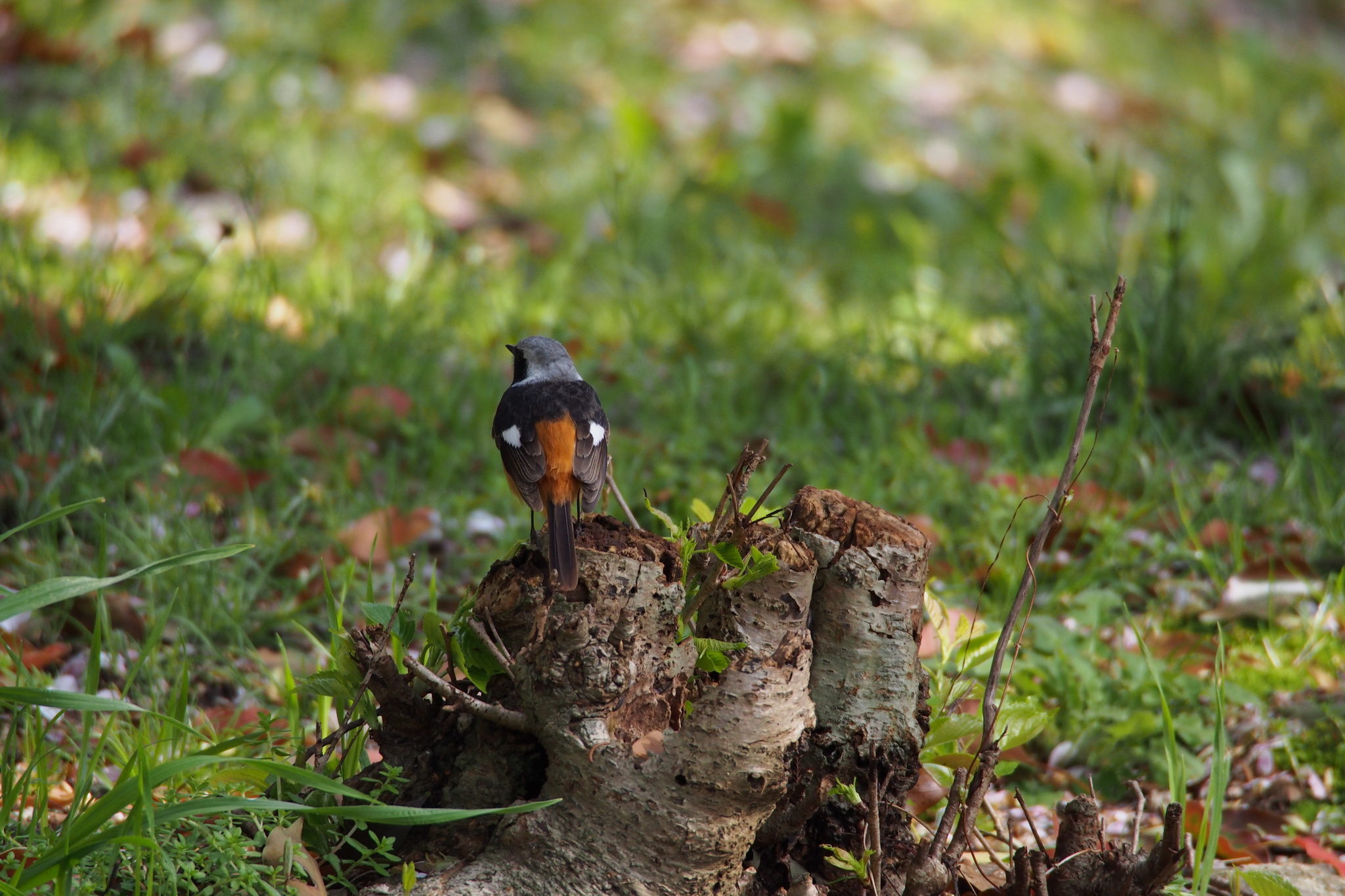
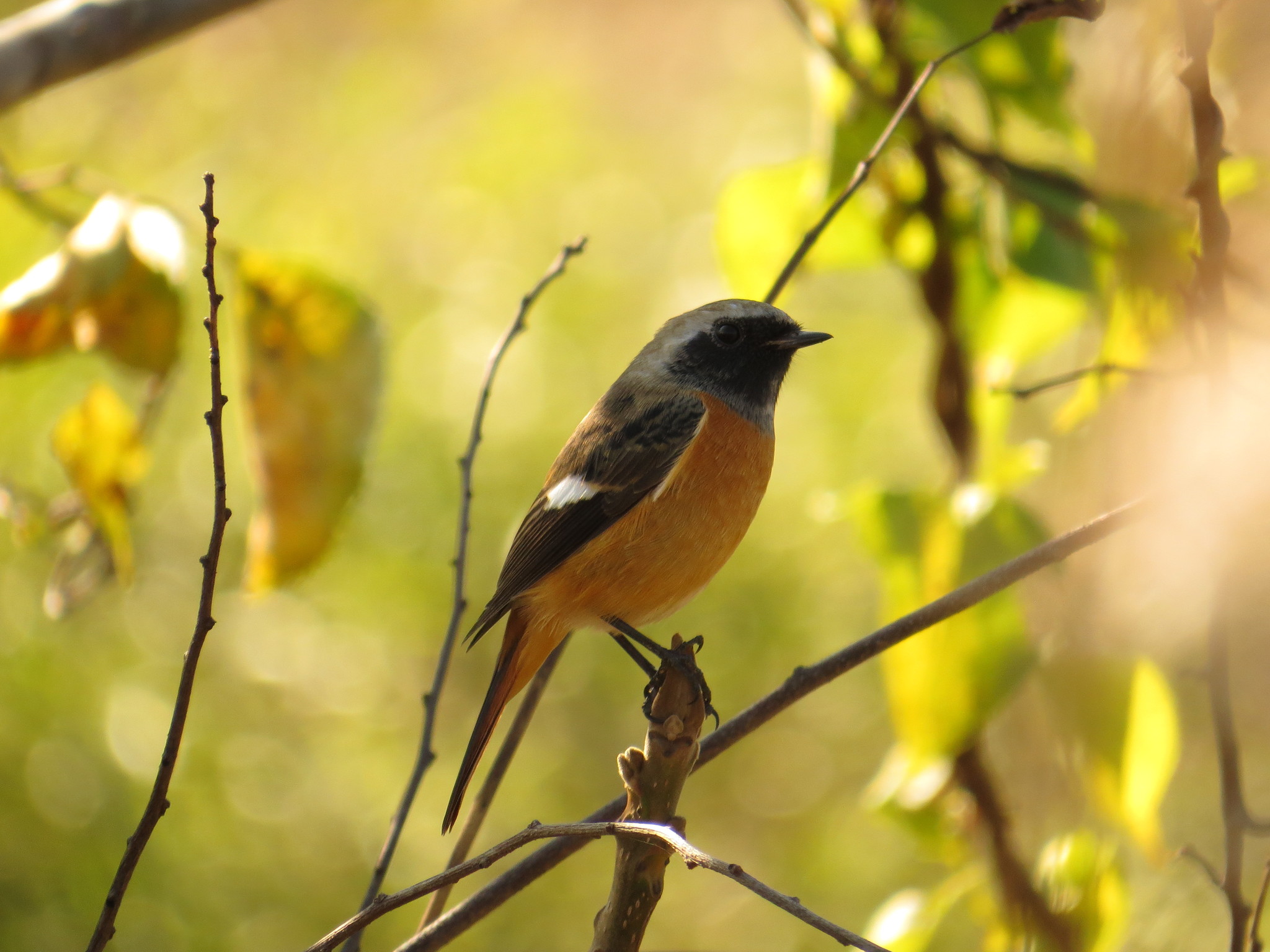
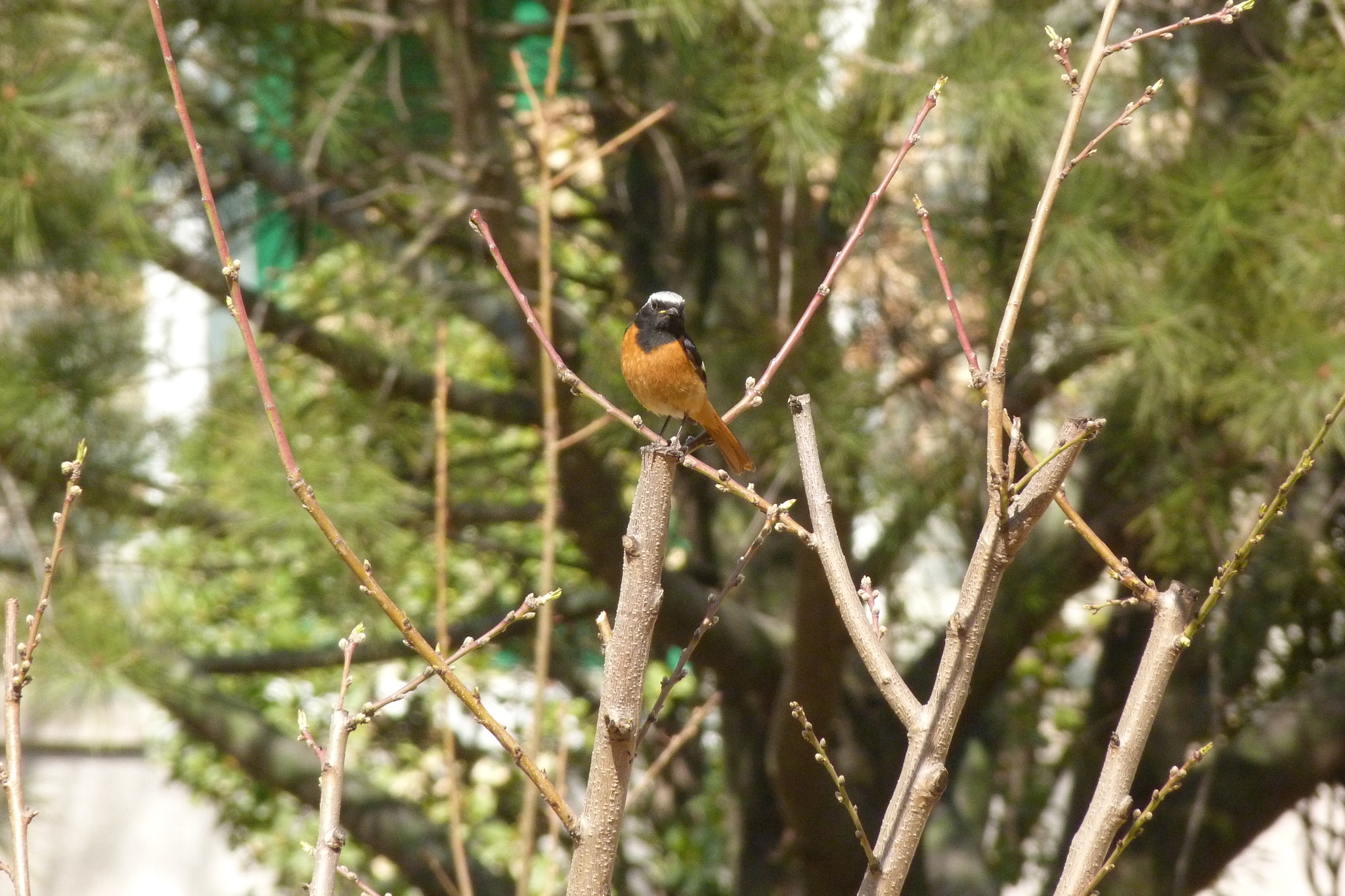
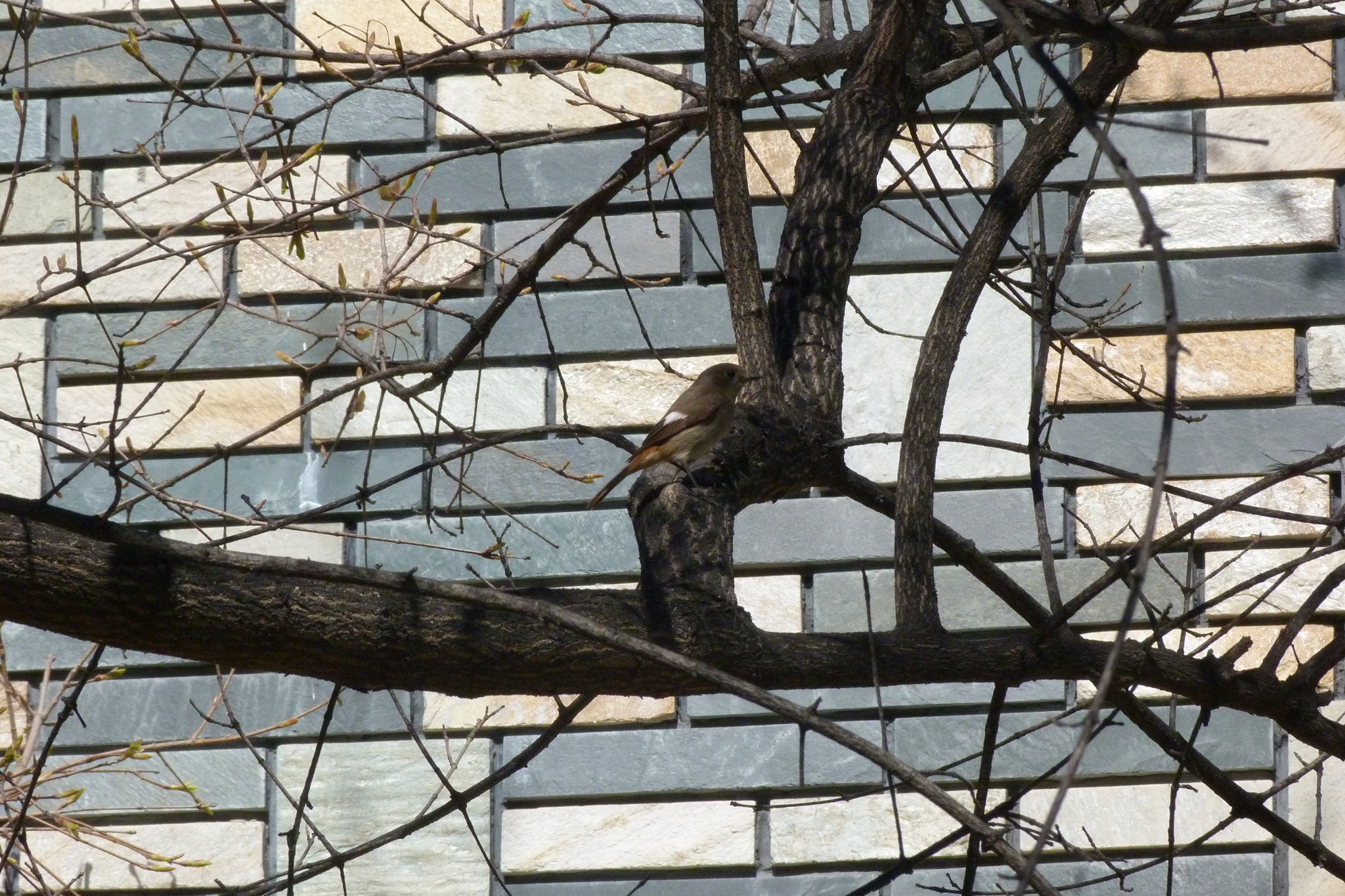
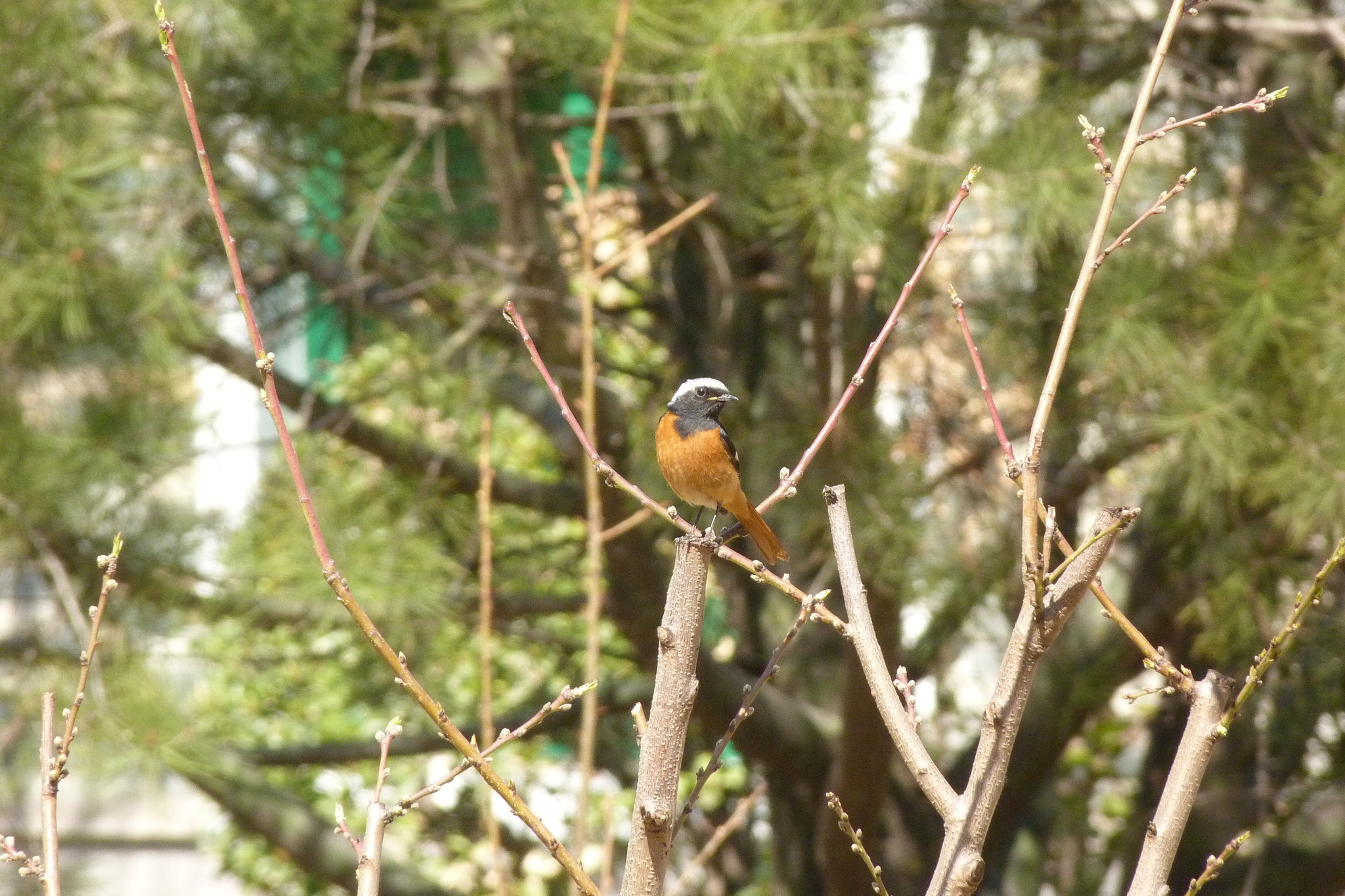
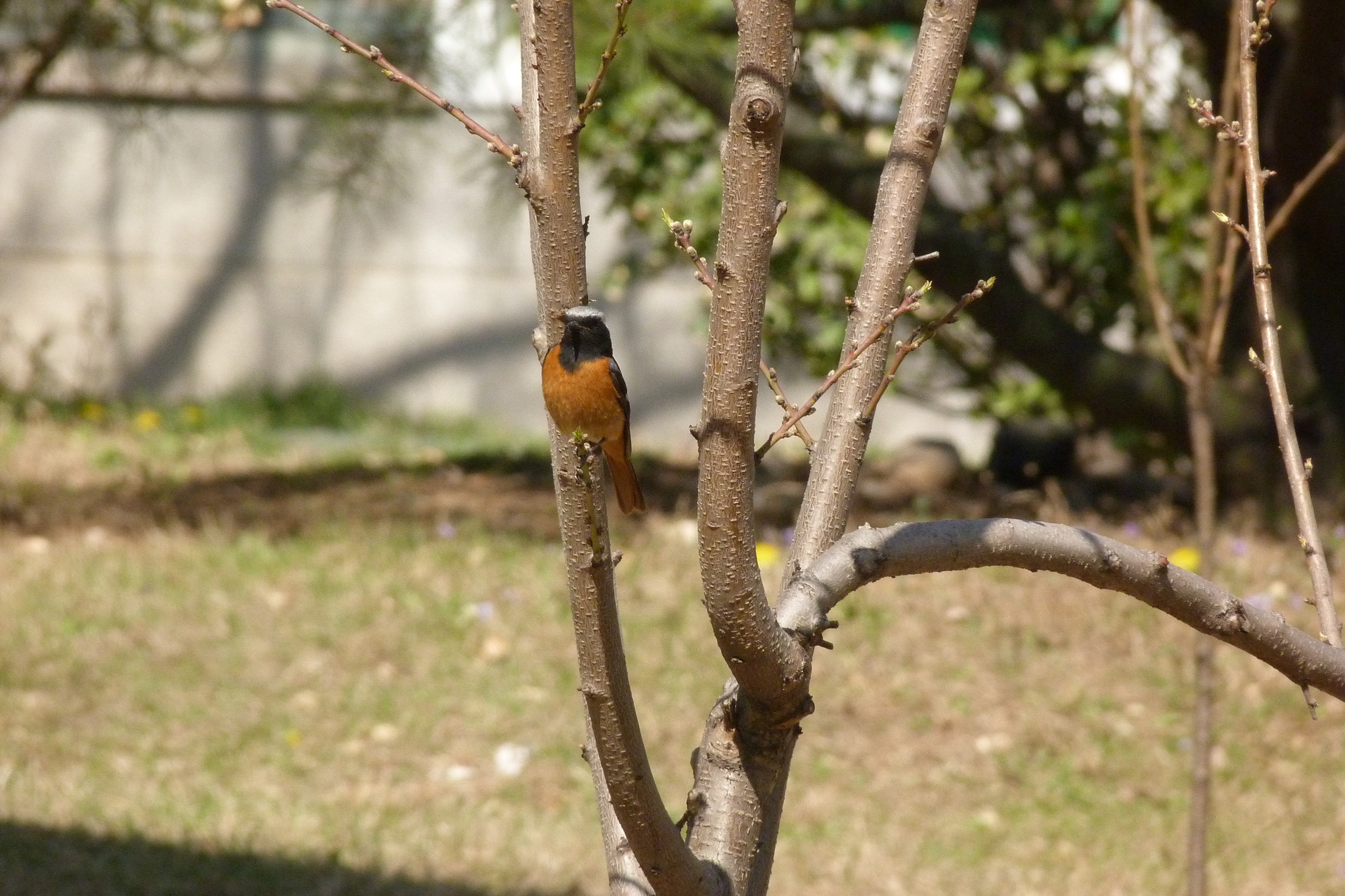
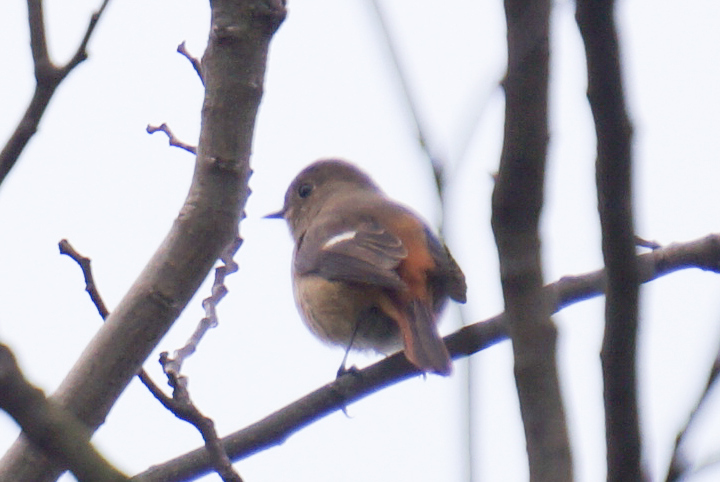
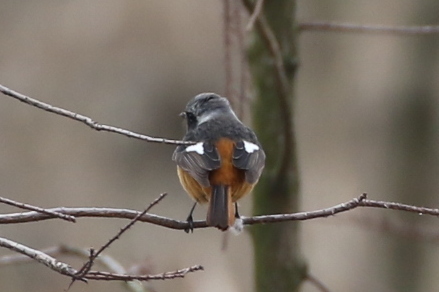
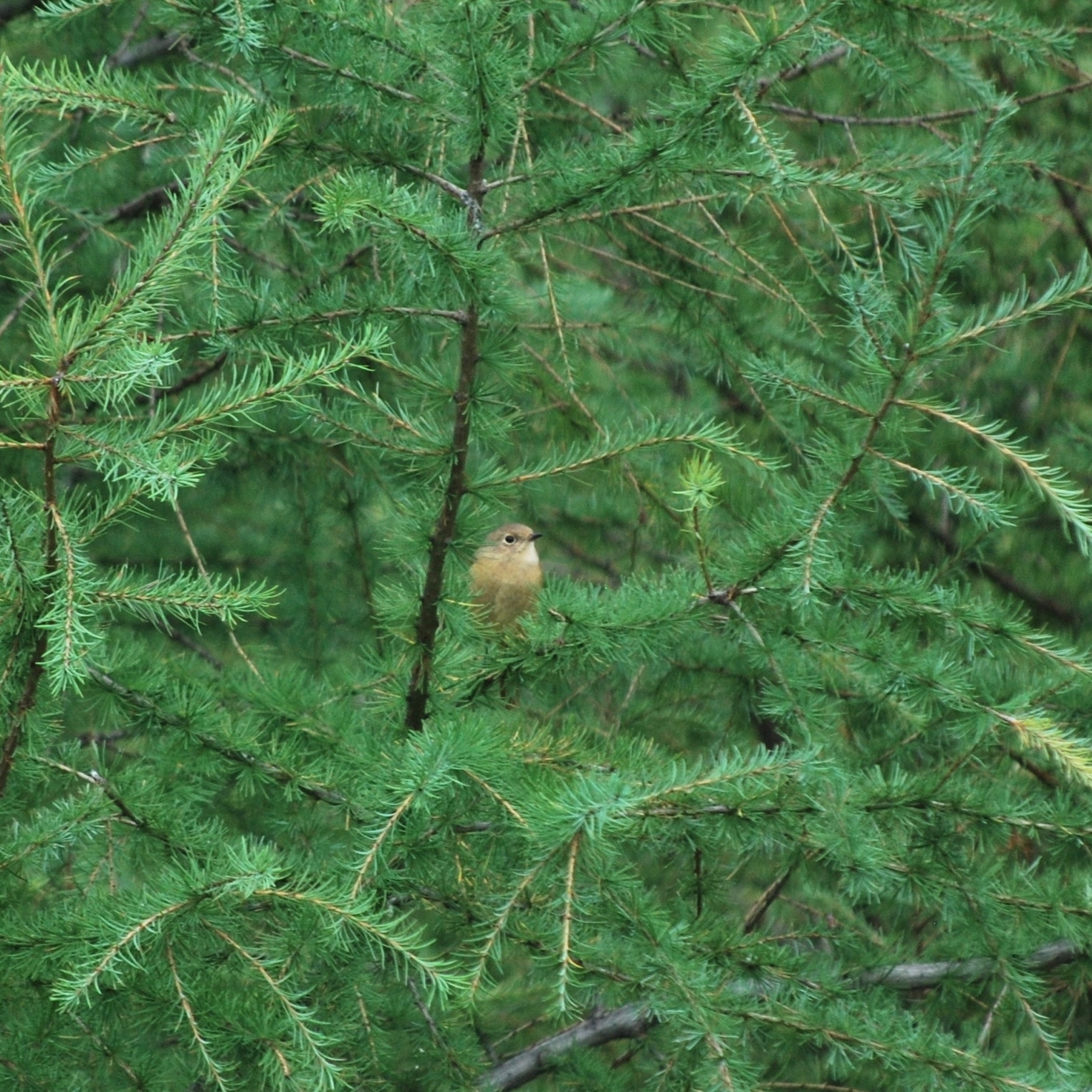
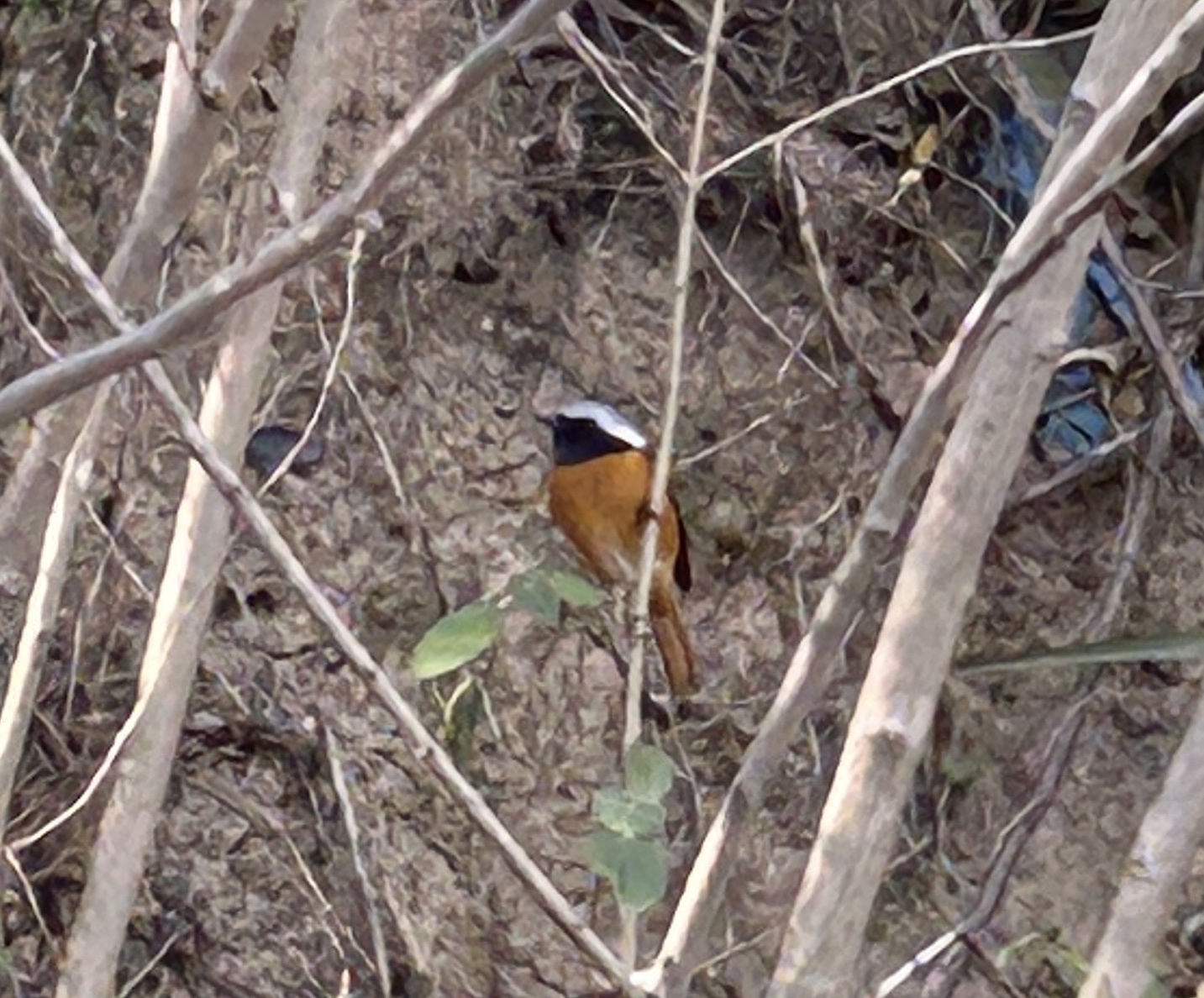
A compact, small passerine measuring 14 to 15 centimeters in length and weighing between 11 and 20 grams. Males in breeding plumage are particularly striking, featuring a grey crown and nape with lighter-toned forehead and crown-sides, contrasted by a black face and chin. The mantle and wings are brownish, punctuated by a conspicuous white wing patch. The underparts from the chest through the lower back are vibrant orange, while the tail is black with orange sides. Females present more subdued warm brown upperparts and paler underparts, but share the characteristic orange rump and tail sides, along with the prominent white wing patch seen in males. Both sexes have black bills, eyes, legs, and feet. The species belongs to a clade of closely related Eurasian redstarts that diverged during the Pliocene-Pleistocene transition.
Identification
Males are unmistakable with their grey and black head pattern combined with the large white wing patch and orange underparts. The combination of orange tail sides against a black tail is diagnostic. Females can be identified by their warm brown plumage, orange-tinged tail, and the distinctive white wing patch shared with males. The species should be distinguished from other redstarts in its range by its specific wing pattern and tail coloration. The wing patch is larger and more conspicuous than in many similar species, serving as a key field mark. Their habit of flicking the wings and cocking the tail provides additional visual cues for identification.
Distribution & Habitat
Breeds across temperate eastern Asia, including Manchuria, southeastern Russia, northeastern Mongolia, central China, and Korea. The species is migratory, with the eastern subspecies P. a. auroreus wintering in Korea, Japan, southeast coastal China, and Taiwan, while the western subspecies P. a. leucopterus winters in northeast India and parts of Southeast Asia. Habitat preferences include open forests, forest edges, agricultural margins, and notably, parks and urban gardens where they often display tolerance for human presence. Breeding occurs during summer months, with breeding activity recorded as early as May in the nominate subspecies.
Behavior & Ecology
These birds are active and restless foragers, typically hunting insects by sallying from perches. Their diet consists primarily of insects and other small invertebrates. During breeding season, they establish territories in open forest habitats and forest edges. Males perform display behaviors to attract mates and defend territories. The species is known for its characteristic wing-flicking and tail-cocking movements while perching. Vocalizations include typical flycatcher-like calls, though specific details of their repertoire are not extensively documented in available sources. Pairs are encountered during breeding season, with birds showing moderate territorial behavior around nest sites.
Conservation
The species holds a status of Least Concern with the IUCN. It is described as widespread and rather common throughout its range, with no significant population declines reported. Its adaptability to human-modified landscapes, including parks and gardens, has likely contributed to its stable conservation status. The species does not appear to face major threats from habitat loss or degradation, though monitoring of population trends in specific regions would provide additional confidence in its ongoing abundance. Its extensive range and presumably large population size further support its current classification as not threatened.
Culture
The article does not contain information regarding cultural significance, folklore, or historical references to this species.
Source: Wikipedia · CC BY-SA 3.0
Taxonomy
- Order
- Passeriformes
- Family
- Muscicapidae
- Genus
- Phoenicurus
- eBird Code
- daured1
Vocalizations
Subspecies (2)
-
Phoenicurus auroreus auroreus
breeds southern Siberia to Mongolia; winters to Japan and Ryukyu Islands (southern Japan)
-
Phoenicurus auroreus leucopterus
breeds western China to southeastern Tibet and northwestern Thailand; winters to northern Myanmar
Data Sources
Species description from Wikipedia, licensed under CC BY-SA 3.0.
Bird images and sounds sourced from GBIF, contributed by citizen scientists worldwide under Creative Commons licenses.
Taxonomy data from AviList 2025.