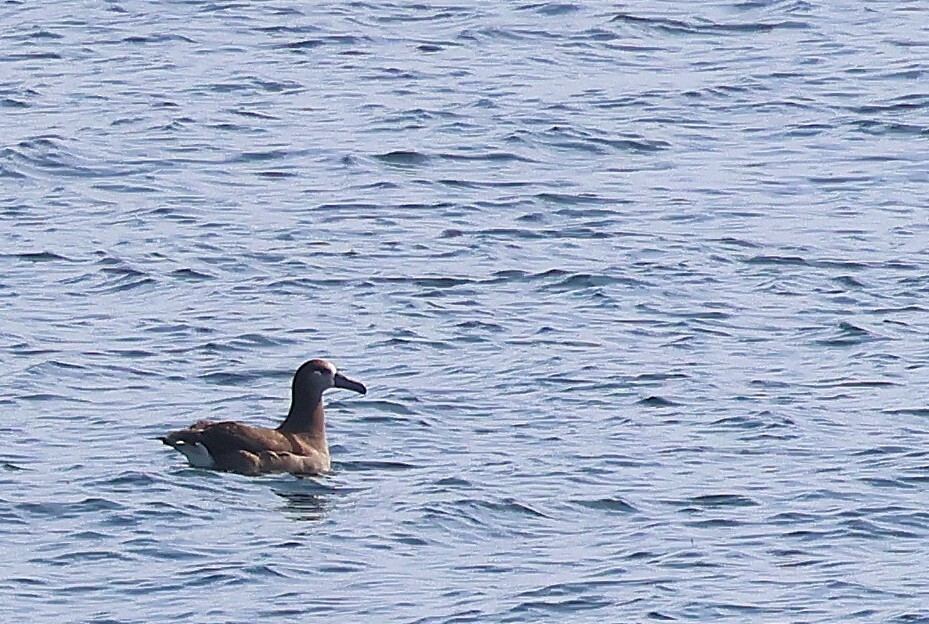
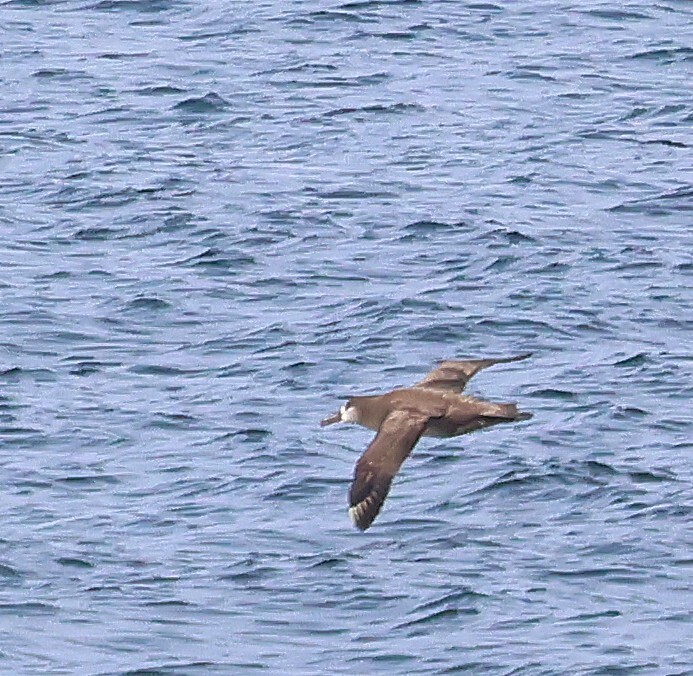
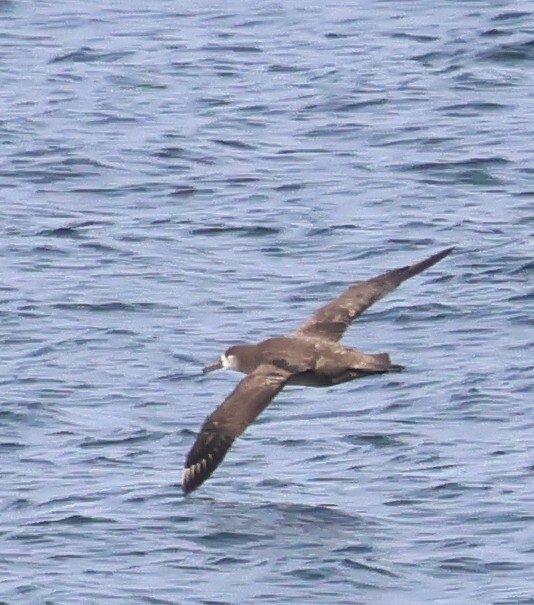
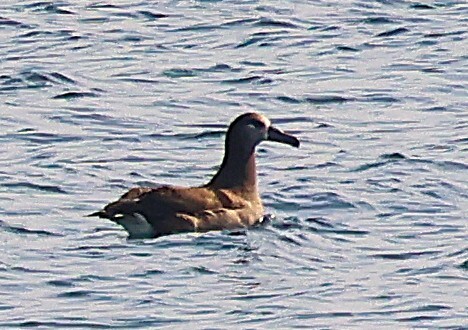
Black-footed Albatross
Phoebastria nigripes
黑脚信天翁
Introduction
A large seabird (family Diomedeidae, order Procellariiformes) endemic to the North Pacific. Approximately 97.5% of the global population breeds colonially in the isolated Northwestern Hawaiian Islands, with smaller populations on Japanese islands (Tori Shima, Bonin, Senkaku) and Isla Guadalupe off Mexico. One of only three albatross species ranging in the Northern Hemisphere, this species nests on isolated tropical islands. Distinguished by nearly all-dark plumage, unlike most albatross species. Classified as Near Threatened by the IUCN due to bycatch in longline fisheries.
Description
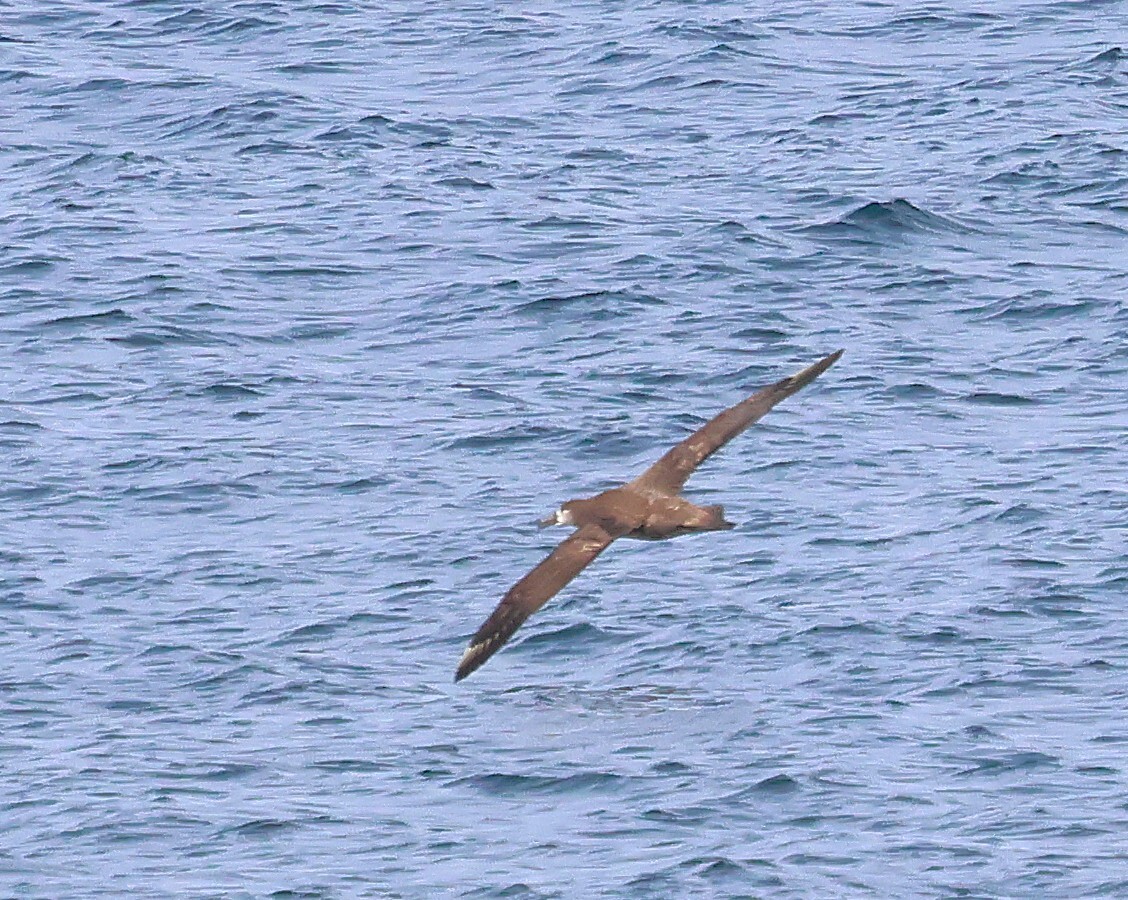
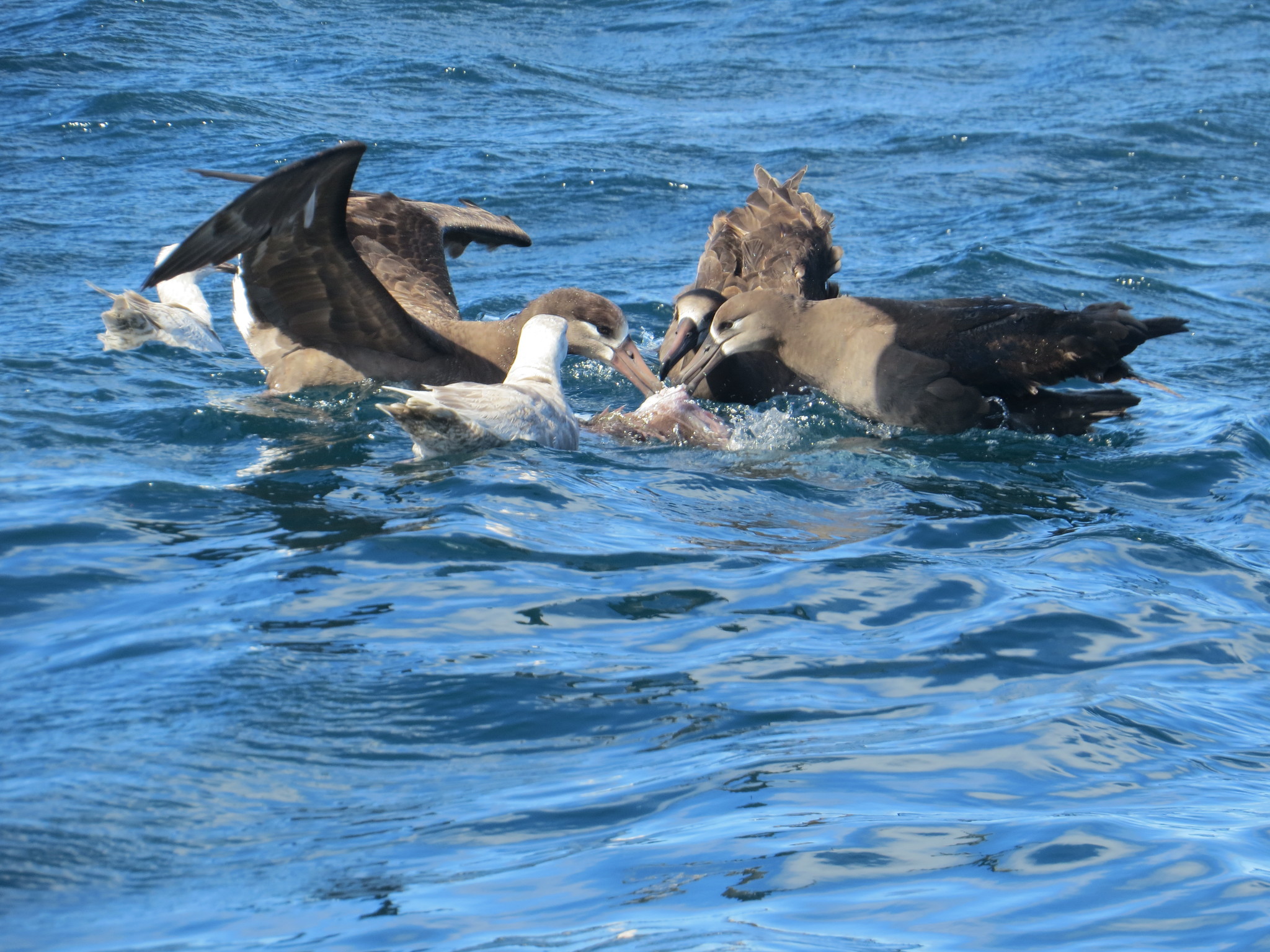
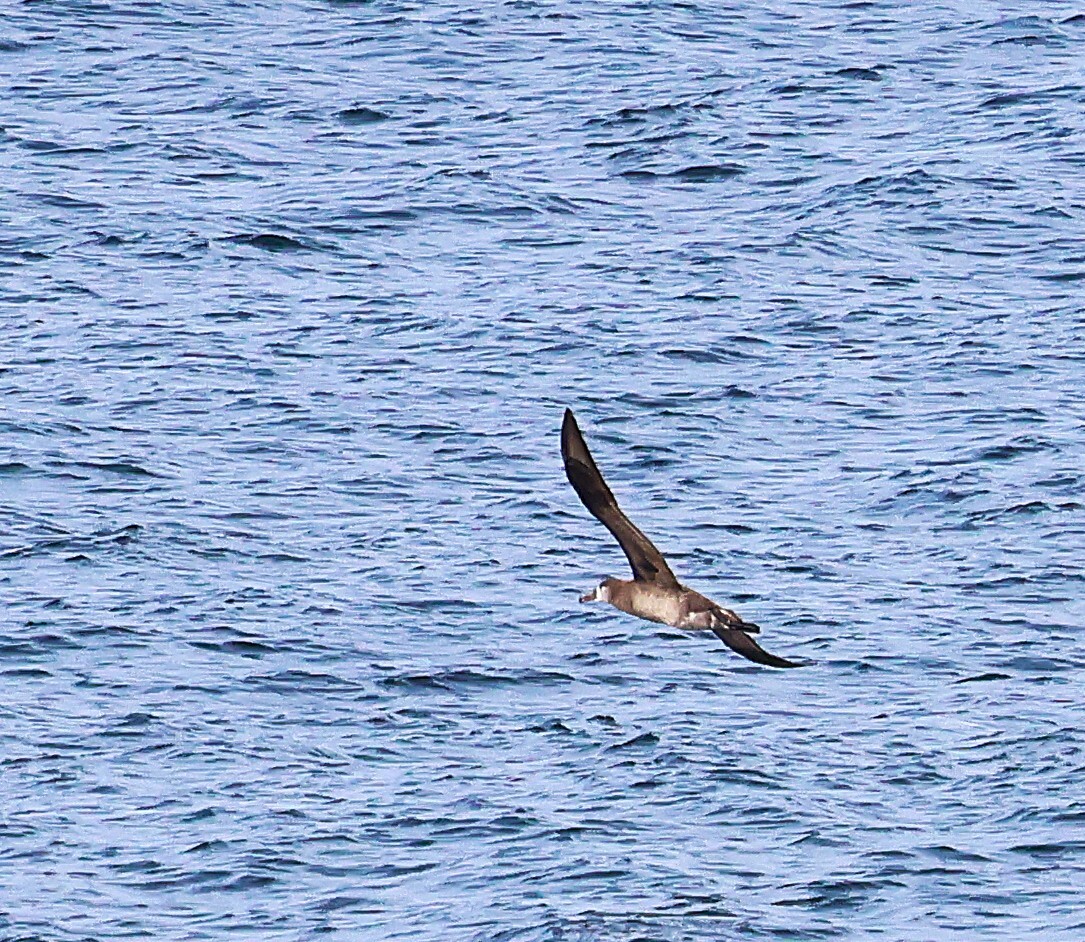
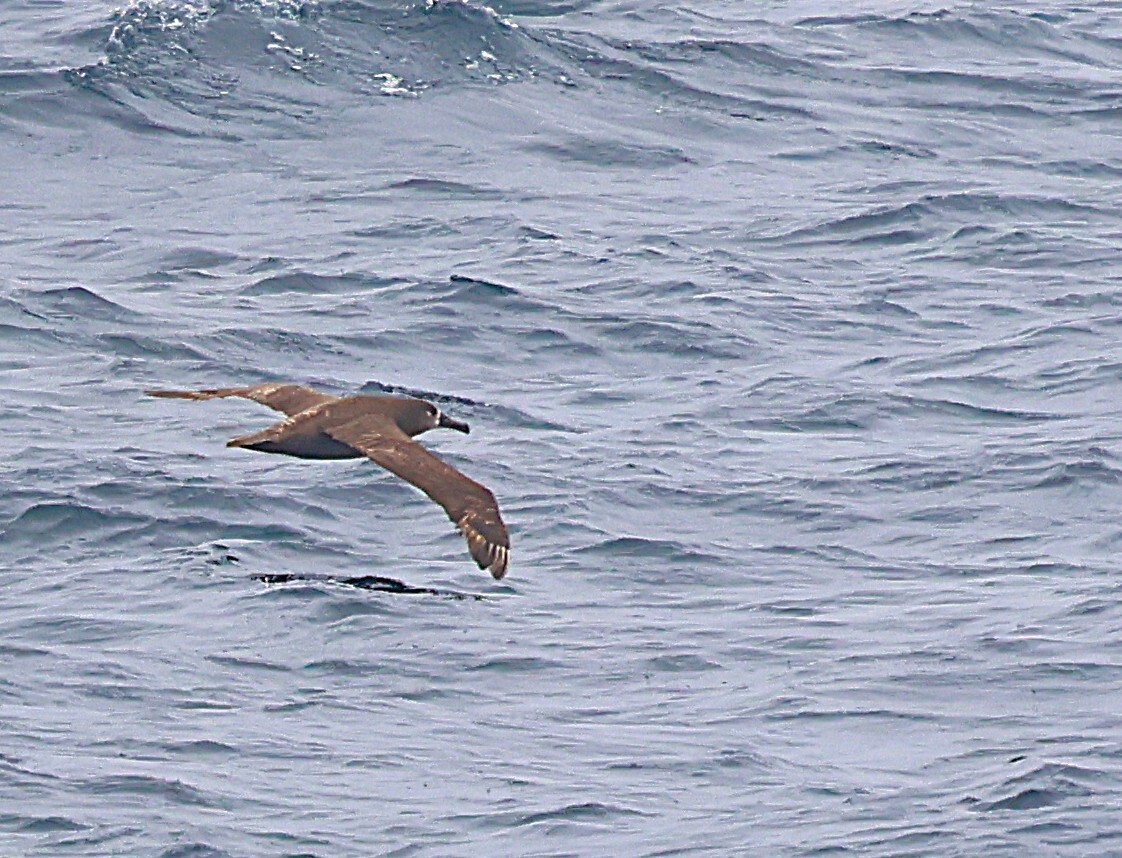
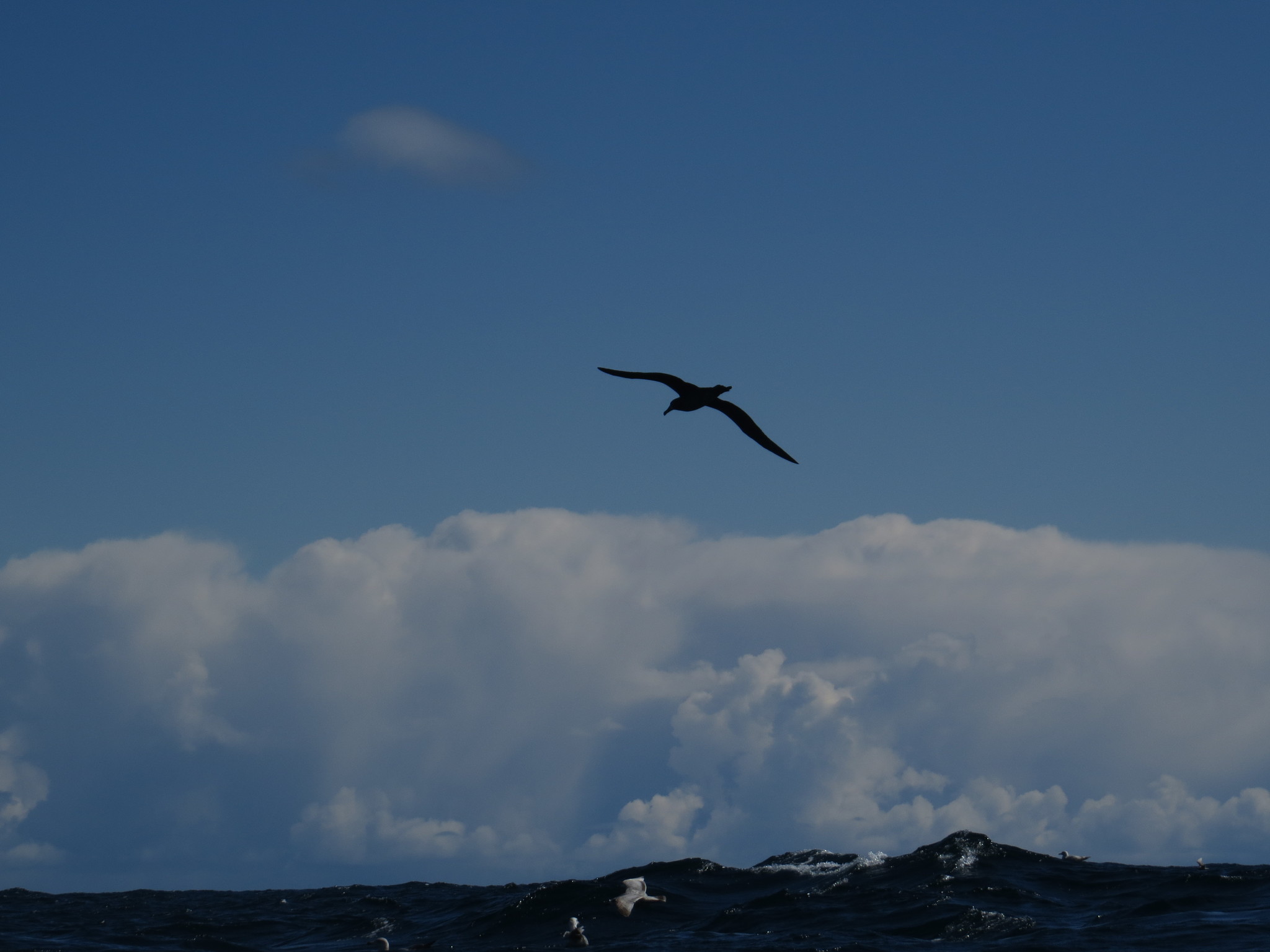
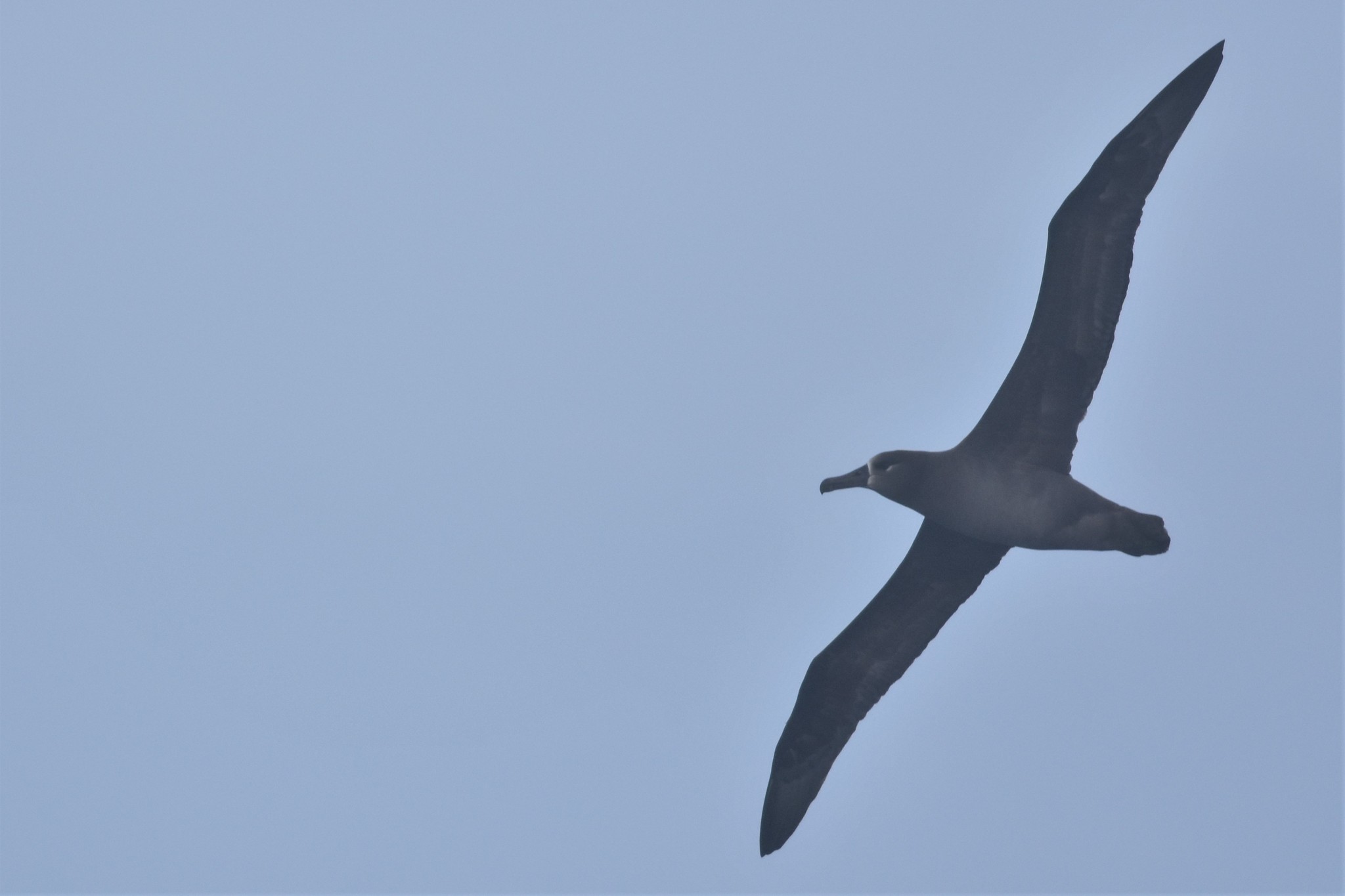
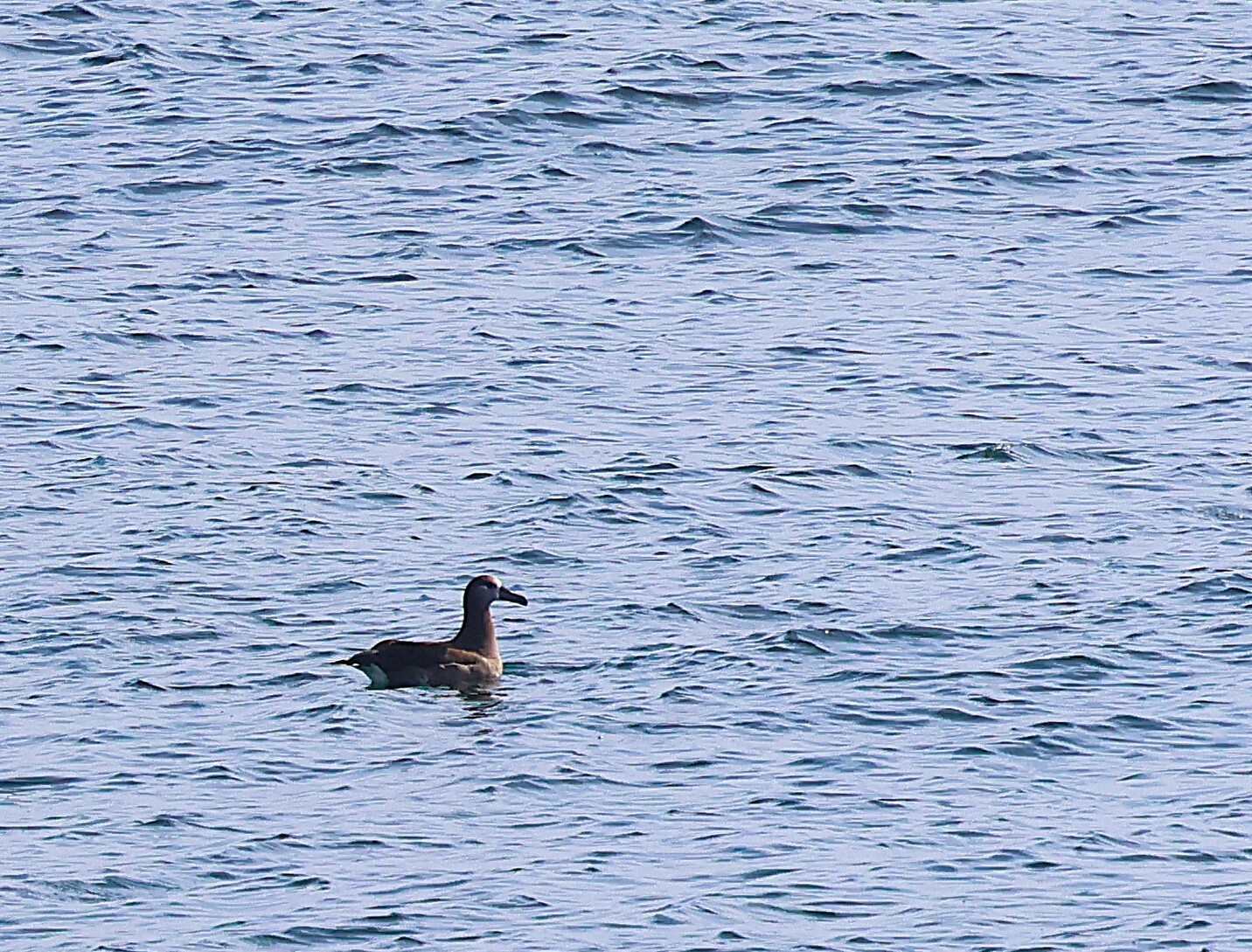
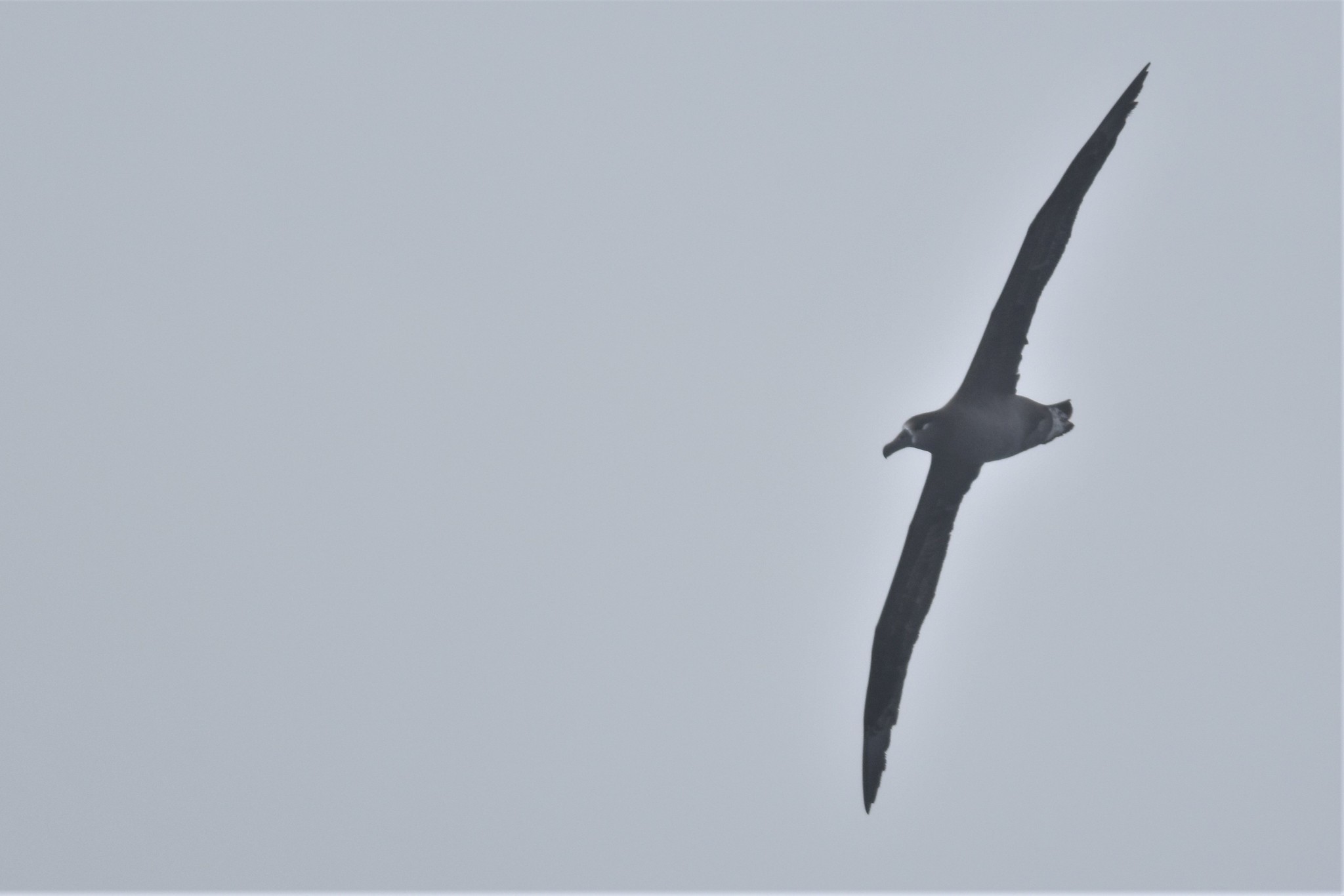
A relatively small albatross species compared to its relatives, though still large for seabirds. Adults display almost entirely black plumage; some individuals show white undertail coverts, and all have distinctive white markings at the base of the beak and below the eye. White plumage at the beak base increases with age. Beak and feet are entirely dark. Single plumage type throughout life. Body length measures 68-74 cm with a wingspan of 190-220 cm. Weight ranges from 2.6-4.3 kg, with males averaging 3.4 kg and females 3 kg.
Identification
Nearly all-dark plumage distinguishes this species from the similar Laysan albatross, which has extensive white markings around the eye. The white facial markings at the beak base and below the eye are diagnostic. Dark feet separate it from species with pink or yellowish feet. In flight, the dark underwing pattern and overall dark appearance help distinguish it from other Northern Hemisphere albatrosses.
Distribution & Habitat
Breeds across 12 known locations, with 97.5% of the population in the Northwestern Hawaiian Islands from Kure Atoll to Kaula Island, including Laysan, Midway, and French Frigate Shoals. Small populations persist on Torishima, the Bonin Islands, Senkaku Islands, and Isla Guadalupe. Extirpated from Iwo Jima, Agrihan, Taongi Atoll, Marcus Island, Wake Island, and Johnston Island. At-sea range covers the North Pacific from Alaska to California and Japan, with preference for the northeastern Pacific. Seasonal movements take birds farther from breeding islands as chicks mature. Occasionally recorded in the Southern Hemisphere.
Behavior & Ecology
Vocalizations include shrieks and squeals during food competition, as well as bill-clapping, whistles, groans, and quacks during courtship displays. Forms long-term pair bonds lasting a lifetime. Returns to colonies after three years at sea, spending two years in courtship rituals including nest-building and dancing before breeding. First reproduction occurs around seven years of age, with breeding every two years. Nests are simple sand depressions containing one dull white egg with reddish-brown spots. Incubation lasts 65 days, with both parents sharing duties; average shift is 18 days but individuals have incubated up to 49 days without relief. Chick brooding continues for 20 days, with fledging at 140 days. Diet consists of flying fish eggs, live fish, fish offal, squid, crustaceans, and floating debris including plastics.
Conservation
Classified as Near Threatened by the IUCN (2020). Annual mortality from longline fishing estimated at 4,000-8,000 birds (more recent estimates at 6,150 per year), primarily from Taiwanese and Japanese fleets. Additional threats include oil pollution, ingestion of floating plastics that reduce stomach capacity for chick feeding, and volcanic eruptions on Torishima. Global population of 129,000 adult birds: 24,000 pairs breed on Midway Atoll, 21,000 pairs on Laysan Island, 1,218 pairs on Torishima, 23 pairs in the Bonin Islands, and approximately 400 pairs on Mexican islands (337 on Guadalupe Island). All U.S. nesting sites are protected within a 50-nautical-mile buffer zone where longline fishing is prohibited. Nearly 80% of breeding population is monitored annually, and fisheries have implemented bycatch prevention measures.
Source: Wikipedia · CC BY-SA 3.0
Taxonomy
- Order
- Procellariiformes
- Family
- Diomedeidae
- Genus
- Phoebastria
- eBird Code
- bkfalb
Distribution
breeds western Hawaiian Islands, and Izu, Bonin, and southern Ryukyu islands (southern Japan); ranges North Pacific from Bering Sea to Tropic of Cancer
Vocalizations
Data Sources
Species description from Wikipedia, licensed under CC BY-SA 3.0.
Bird images and sounds sourced from GBIF, contributed by citizen scientists worldwide under Creative Commons licenses.
Taxonomy data from AviList 2025.