Short-tailed Albatross
Phoebastria albatrus
短尾信天翁
Introduction
A large seabird in the family Diomedeidae, order Procellariiformes. It breeds on islands in the North Pacific, specifically on Tori-shima in the Izu Islands south of Japan and the Senkaku Islands in the East China Sea, with smaller populations on Kure and Midway Atoll in the Northwestern Hawaiian Islands and Muko-jima in the Bonin Islands. During non-breeding season, it ranges across the North Pacific, with males and juveniles gathering in the Bering Sea while females feed off Japan and eastern Russia. It can be found as far east as California. The species produces stomach oil for energy and defense, and has a salt gland for desalination. It was brought to the edge of extinction by commercial feather hunting in the late 19th century but has been recovering under protection since the 1950s.
Description
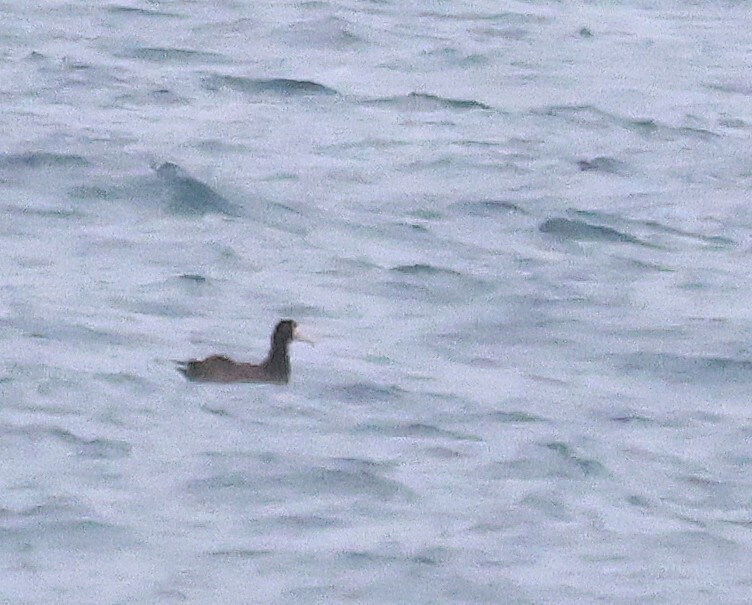
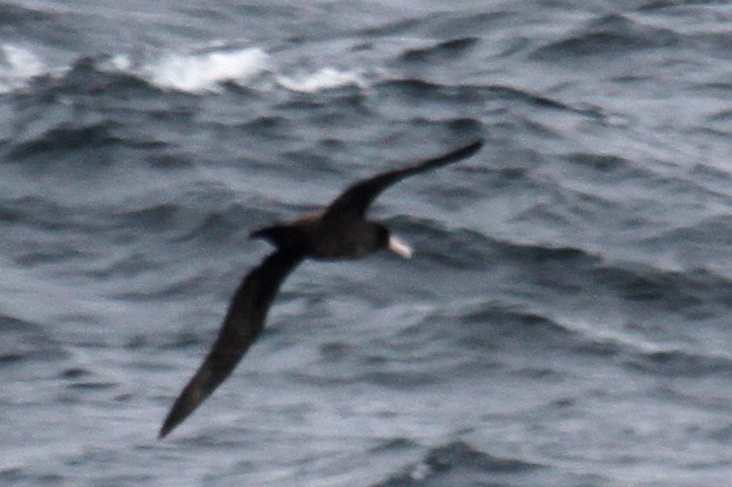
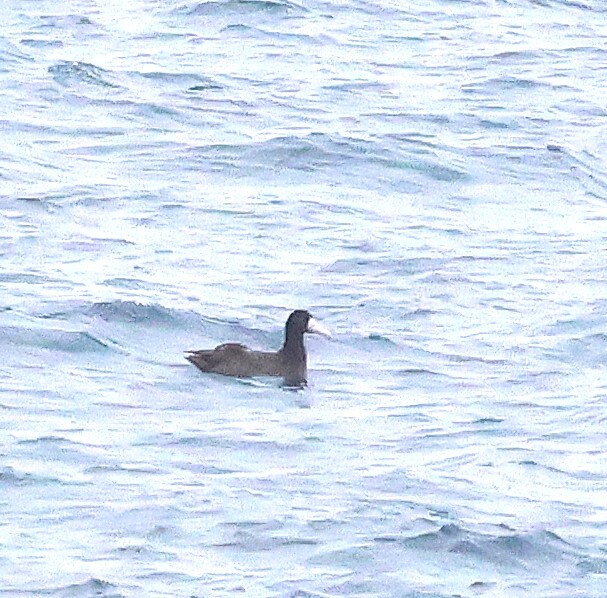
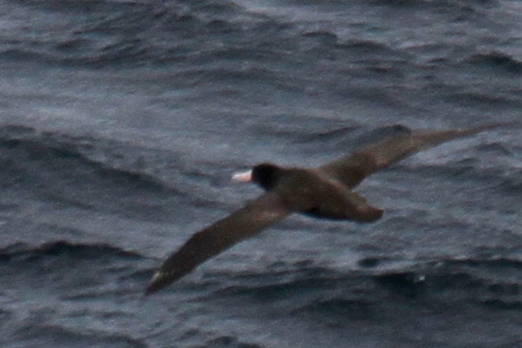
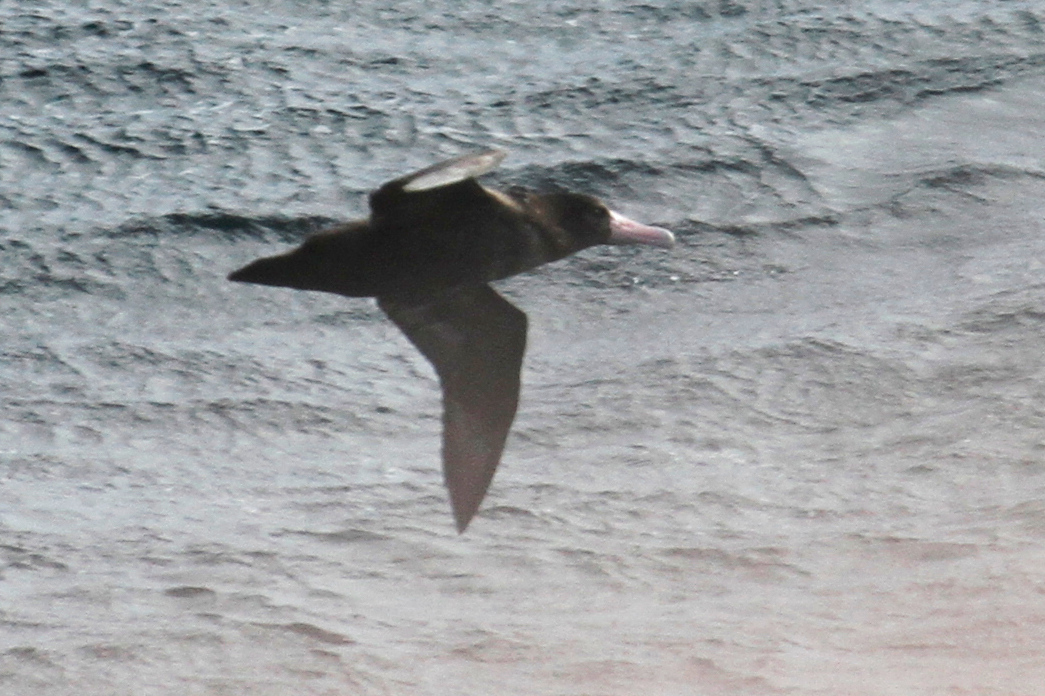
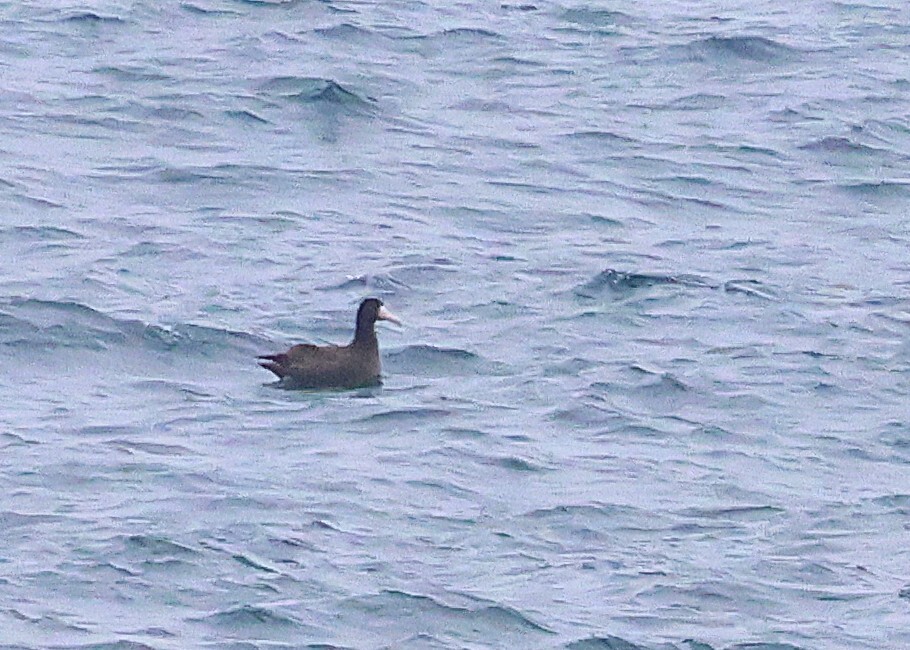
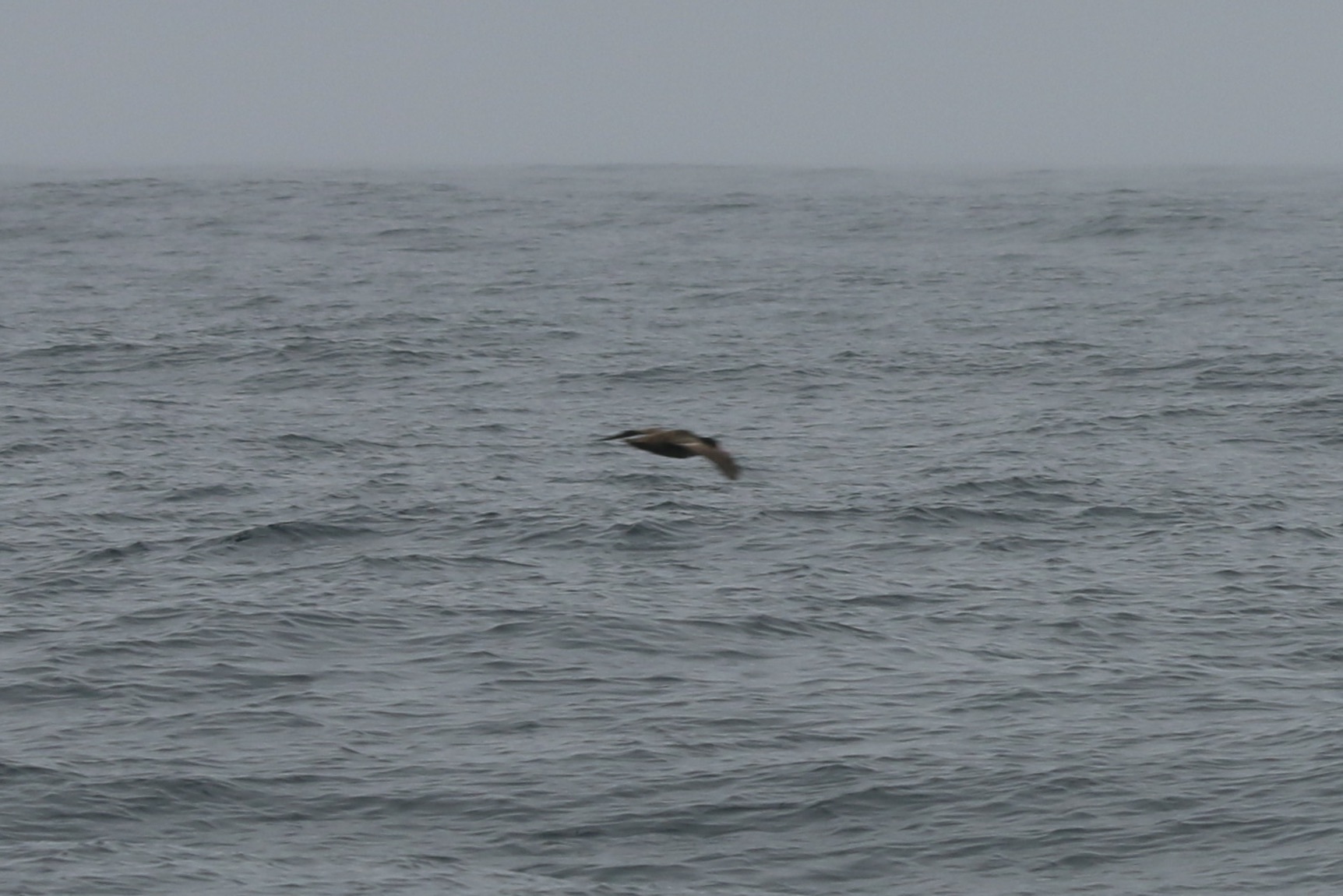
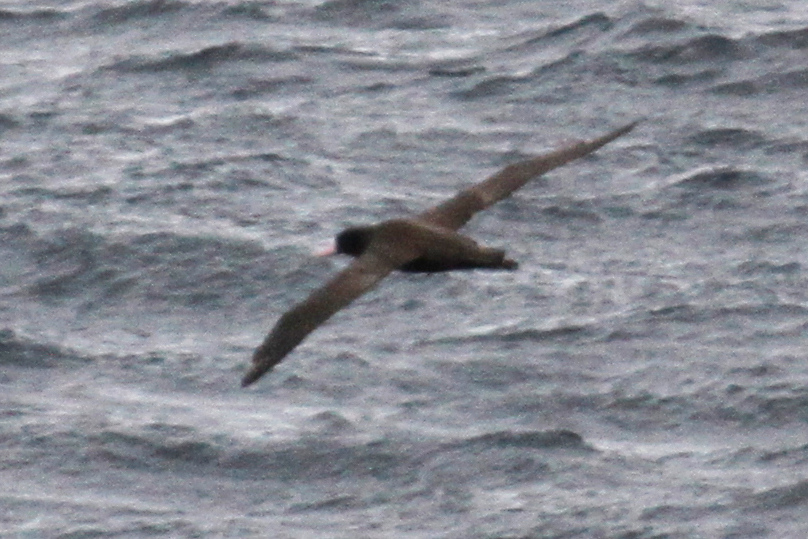
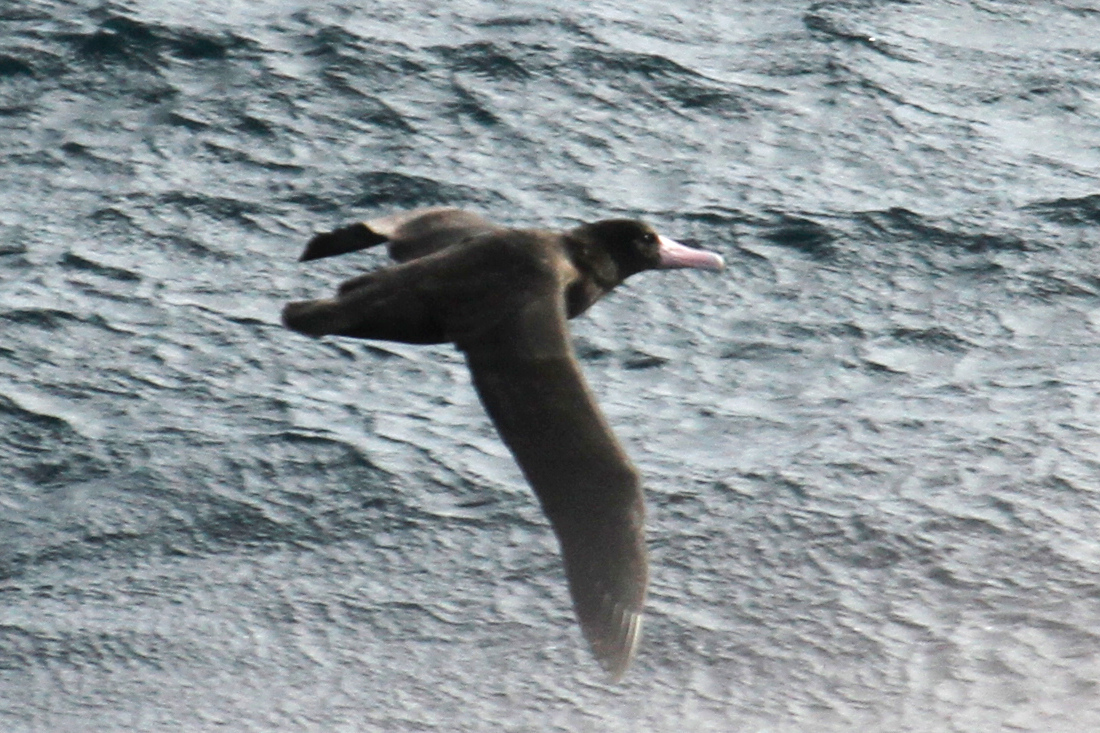
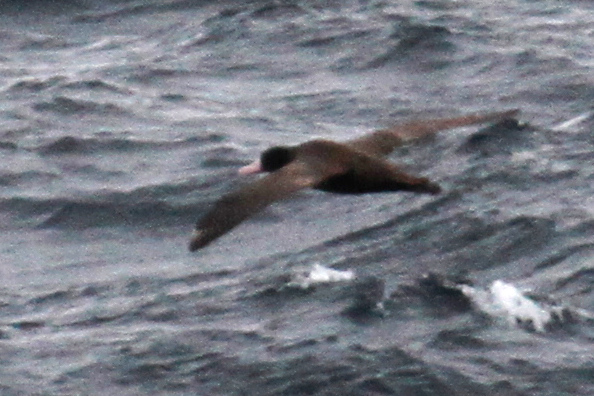
A medium-sized albatross with a wingspan of 215 to 230 cm, body length of 84 to 94 cm, and weight ranging from 4.3 to 8.5 kg. The species has a large pink bill measuring 12.7 to 15.2 cm, with older individuals developing a blue tip. Standard measurements include a tail of 14 to 15.2 cm, tarsus around 10 cm, and wing chord of 51 cm. Adults have predominantly white plumage with black flight feathers, some coverts, and a black terminal bar on the tail. The nape and crown show yellow staining. Juveniles are entirely brown and gradually whiten over 10 to 20 years as they mature into adults.
Identification
Larger than the other two albatross species in its range, the Laysan albatross and black-footed albatross. The pink bill with a bluish tip is a key distinguishing feature. Despite its common name, the tail is not shorter than that of the Laysan or black-footed albatross; in fact, it is longer than that of the waved albatross, the only other member of the genus Phoebastria.
Distribution & Habitat
Currently nests on four islands: the majority on Tori-shima in the Izu Islands, with most of the remainder on Minami-kojima in the Senkaku Islands. A female-female pair began nesting on Kure in the late 2000s, and a chick hatched on Midway in January 2011. In 2012, a pair nested on Muko-jima in the Bonin Islands. During the non-breeding season, males and juveniles range to the Bering Sea while females feed along the coasts of Japan and eastern Russia. The species has been extirpated as a breeder from several islands including Kita-no-shima, Enewetak Atoll, and the Bonin Islands. It was formerly a breeder in Bermuda during the Pleistocene.
Behavior & Ecology
Feeds primarily on squid and will follow fishing vessels to scavenge discarded offal. Breeding occurs in large open areas near stands of Miscanthus sinensis grass. The species delays sexual maturity, typically first breeding at 10 years of age. A single egg is laid per clutch, measuring approximately 116 by 74 mm, dirty white with red spots concentrated at the blunt end. Both parents share incubation duties for approximately 65 days. The species is enticed to breed through the use of decoys placed in groups, a behavior shared with other albatross species.
Conservation
Classified as Vulnerable by the IUCN with an occurrence range of 34,800,000 km² and a breeding range of 9 km². The species came perilously close to extinction, with an estimated 10 million birds killed for the commercial feather trade in the late 19th century. By the 1930s, only the population on Torishima remained, and hunting continued until 1933 when the Japanese government banned it. The species was presumed extinct in 1949 when an American researcher found no birds, but an estimated 50 individuals survived at sea. Breeding resumed in 1954. Conservation measures include artificial chick relocation, predator control, habitat restoration, and bycatch mitigation devices on commercial longline fisheries. Tori-shima is designated as a National Wildlife Protection Area. The primary threats are longline fisheries bycatch and volcanic eruptions on Tori-shima, with additional concerns from introduced predators, contaminants, soil instability, and extreme weather. Listed as a protected species in Japan, Canada, and the United States.
Culture
Known in Japanese tradition as ahodori (阿呆鳥, meaning 'idiot bird') due to its insular breeding habits, which made it trusting and vulnerable to terrestrial predators such as humans.
Source: Wikipedia · CC BY-SA 3.0
Taxonomy
- Order
- Procellariiformes
- Family
- Diomedeidae
- Genus
- Phoebastria
- eBird Code
- shtalb
Distribution
breeds Torishima (Izu Islands) and Senkaku Islands; ranges through North Pacific
Data Sources
Species description from Wikipedia, licensed under CC BY-SA 3.0.
Bird images and sounds sourced from GBIF, contributed by citizen scientists worldwide under Creative Commons licenses.
Taxonomy data from AviList 2025.