Red Phalarope
Phalaropus fulicarius
灰瓣蹼鹬
Introduction
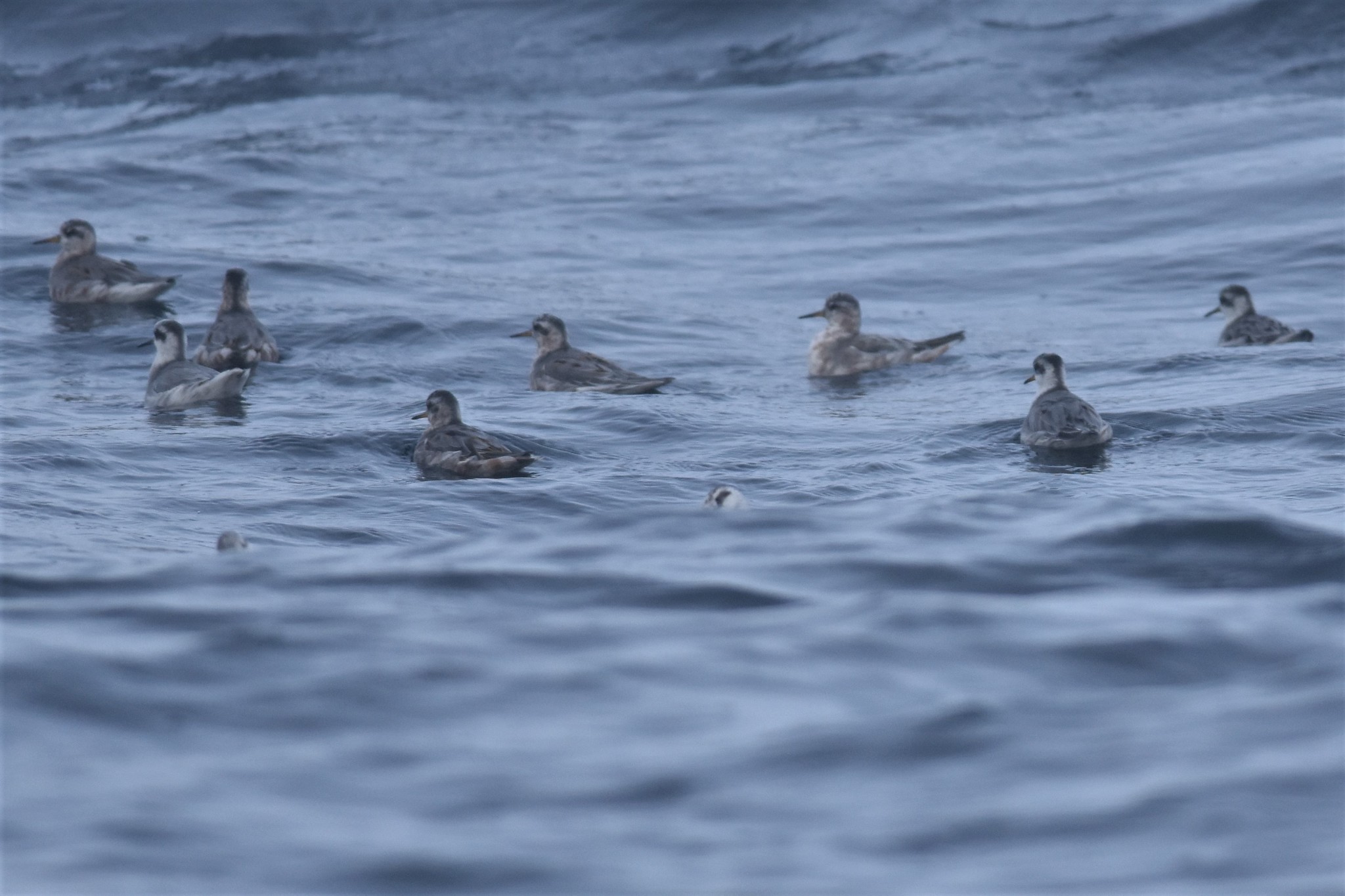
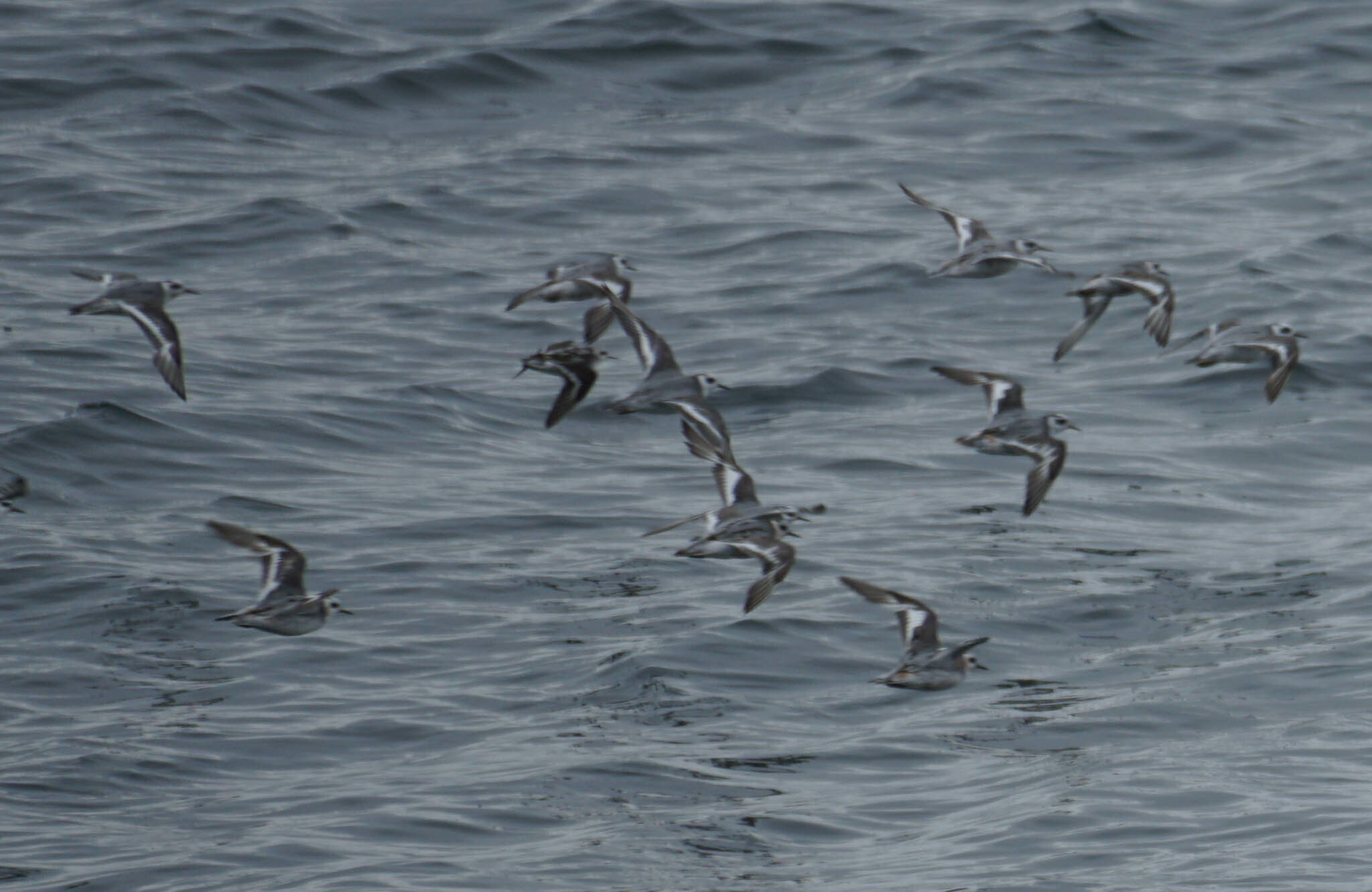
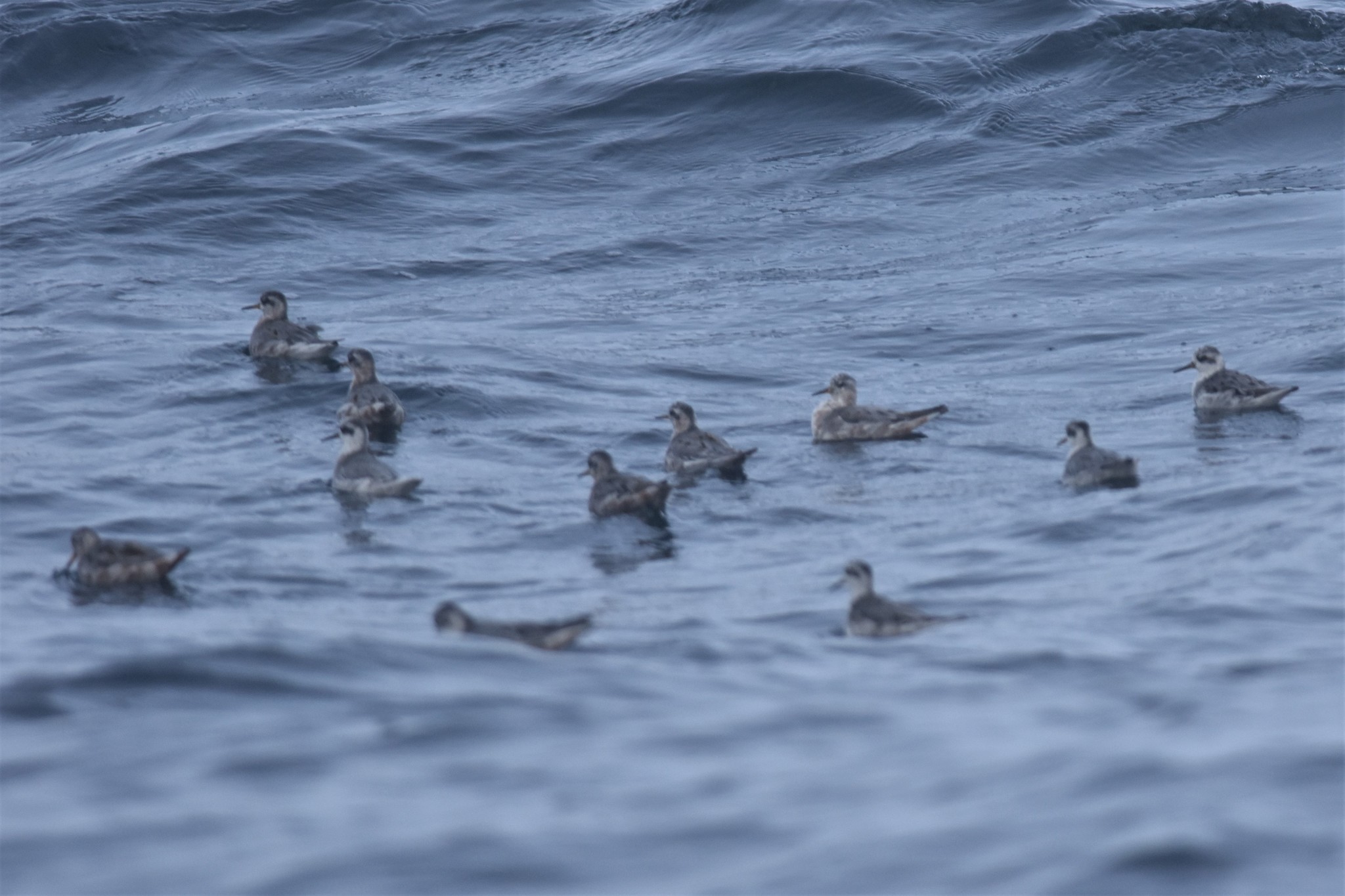
This species breeds in high Arctic tundra habitats and spends the non-breeding season in tropical open ocean waters. It undertakes transoceanic migrations rather than following coastal or inland routes. During the non-breeding season, it floats on open ocean waters and associates with marine phenomena such as whale activity and ocean current boundaries. In breeding plumage, females display brighter and more extensive red coloration than males, reflecting the reversed sex roles characteristic of this species.
Description
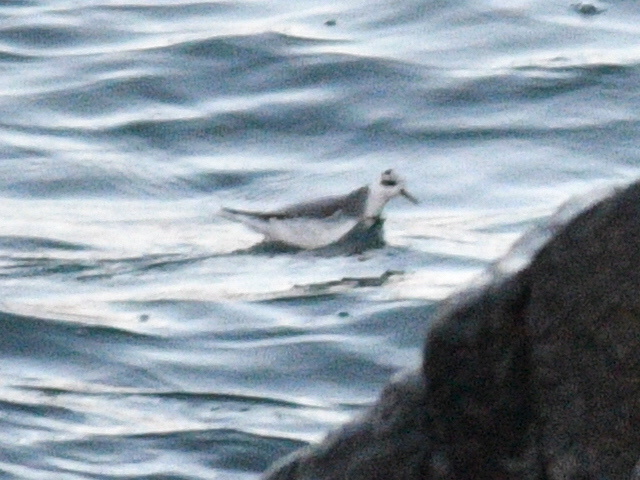
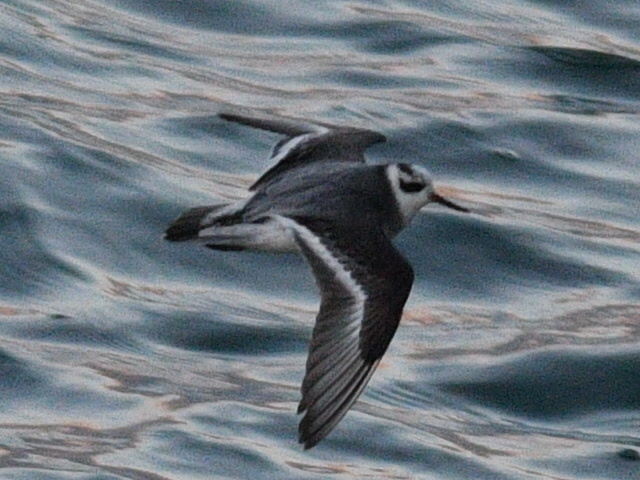
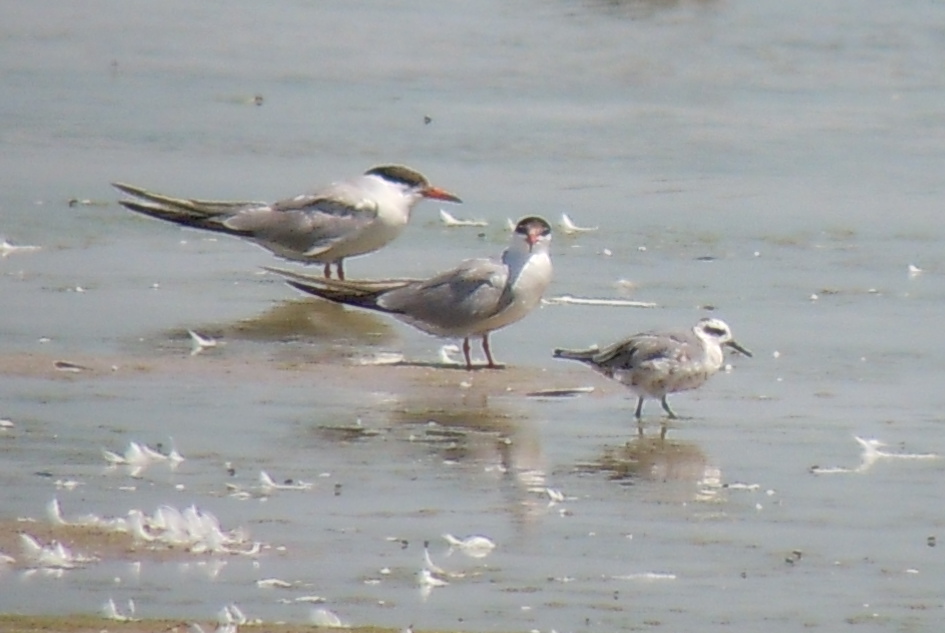
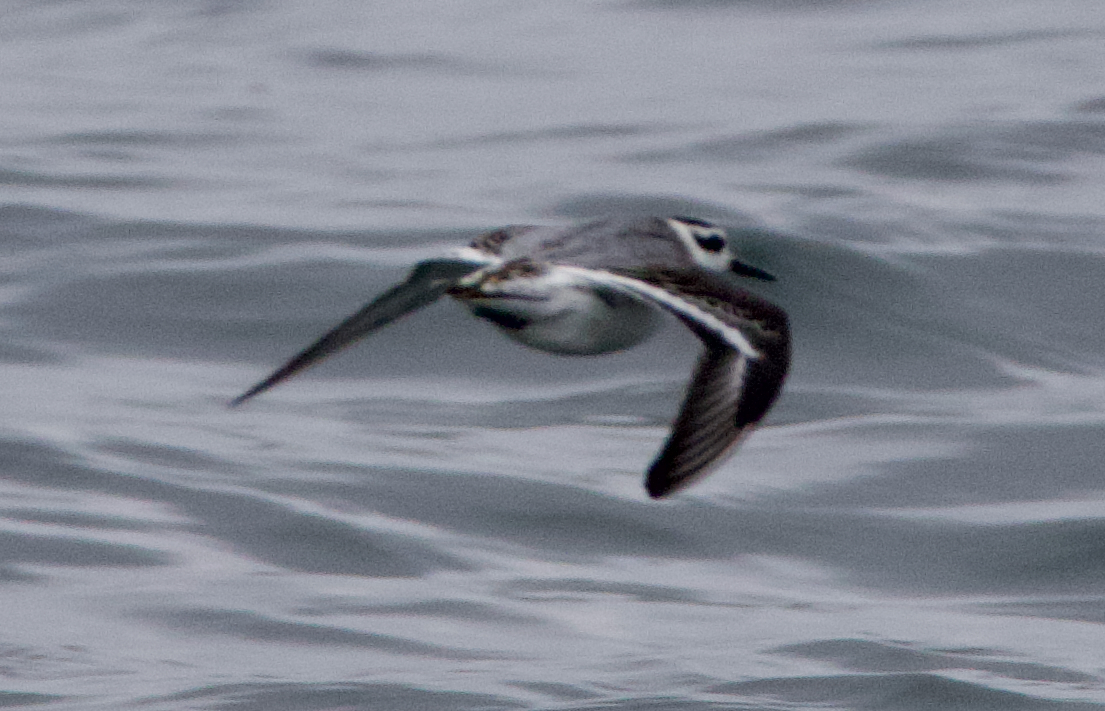
This small wader measures approximately 21 cm in length with distinctive lobed toes adapted for swimming. The bill is straight and notably thicker than that of its close relative, the red-necked phalarope. Breeding females are boldly patterned with dark brown and black upperparts, brilliant red underparts, and prominent white cheek patches; their bill is yellow with a black tip. Males display the same pattern but in muted, duller tones. Juveniles have light grey and brown upperparts, buff-colored underparts, and a characteristic dark eye patch. In winter plumage, the bird appears grey above and white below but always retains the distinctive black eye patch; the bill turns black. Their vocalization is a short, sharp 'beek'.
Identification
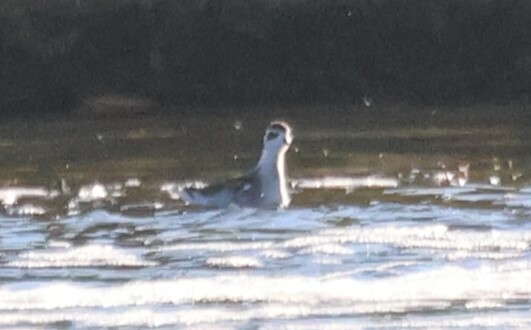
The most reliable distinguishing feature from the similar red-necked phalarope is the thicker, heavier bill. In breeding plumage, the extensive red underparts of the female immediately separate it from the red-necked phalarope, which shows rust-colored neck markings rather than red underparts. Winter birds are more challenging to separate but can be identified by their stouter build and the persistent black eye patch contrasting with the pale grey upperparts. The unique spinning feeding behavior, creating small whirlpools on the water's surface, is diagnostic when observed.
Distribution & Habitat
This species breeds across the Arctic regions of both North America and Eurasia, nesting in suitable tundra habitat near freshwater pools and coastal areas. Following the breeding season, it undertakes an unusual migration for a wader, traveling almost entirely over open ocean waters to reach tropical wintering grounds. These birds winter at sea on tropical oceans, often far from land, congregating in areas where ocean currents create upwellings bringing nutrients to the surface.
Behavior & Ecology
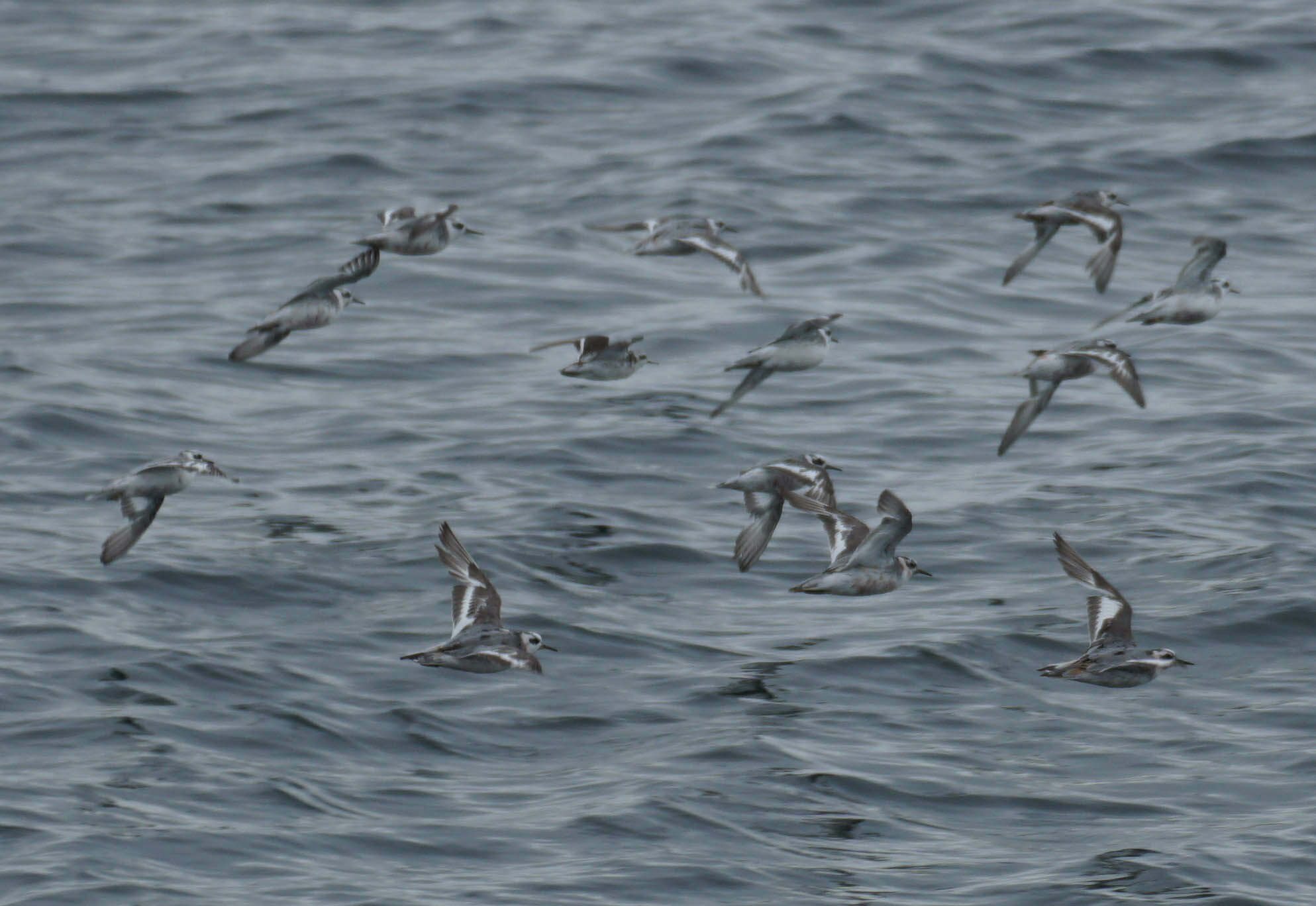
This species exhibits remarkable reversed sexual roles typical of phalaropes. Females are larger and more brightly colored than males; they actively pursue males, compete aggressively for nesting territories, and defend their chosen mates. After laying three to six olive-brown eggs in a ground nest near water, females depart on their southward migration, leaving males to incubate the eggs for 18-19 days and raise the young. Chicks feed themselves and achieve flight capability within 18 days. Feeding behavior is distinctive: the bird swims in rapid circles creating small whirlpools that bring aquatic invertebrates to the surface, then reaches in to pluck prey. They also capture insects in flight. At sea, they associate with whale groups and oceanic upwellings, traveling in flocks outside the breeding season. Notably tame and approachable.
Conservation
This species is protected under the Agreement on the Conservation of African-Eurasian Migratory Waterbirds (AEWA), which establishes international conservation measures for migratory waterbird species across their ranges. While specific population trends and detailed threat assessments are not provided in the source material, its dependence on both Arctic breeding grounds and marine wintering habitats makes it vulnerable to environmental changes in both ecosystems.
Source: Wikipedia · CC BY-SA 3.0
Taxonomy
- Order
- Charadriiformes
- Family
- Scolopacidae
- Genus
- Phalaropus
- eBird Code
- redpha1
Distribution
breeds mostly high Arctic marshy tundra from southern Greenland and Iceland eastward across Siberia to northern Alaska and northern Canada including southern tier of Arctic Canadian islands; winters off coasts from California to southern Chile, Atlantic USA to northern Florida, and off western Africa
Data Sources
Species description from Wikipedia, licensed under CC BY-SA 3.0.
Bird images and sounds sourced from GBIF, contributed by citizen scientists worldwide under Creative Commons licenses.
Taxonomy data from AviList 2025.