Rock Sparrow
Petronia petronia
石雀
Introduction
A small passerine bird in the sparrow family Passeridae. It is the only species in the genus Petronia. The species breeds on barren rocky hills from Madeira and the Canary Islands east through the Iberian Peninsula and western North Africa, across southern Europe and through southwestern and central Asia to Mongolia and the north and west of China. It is resident in the west of its range, but some Asian birds may migrate to more southerly areas or move to lower altitudes in mountains in winter. The species is characterized by a diagnostic yellow throat patch, present in both sexes, and has a loud wheezy song.
Description
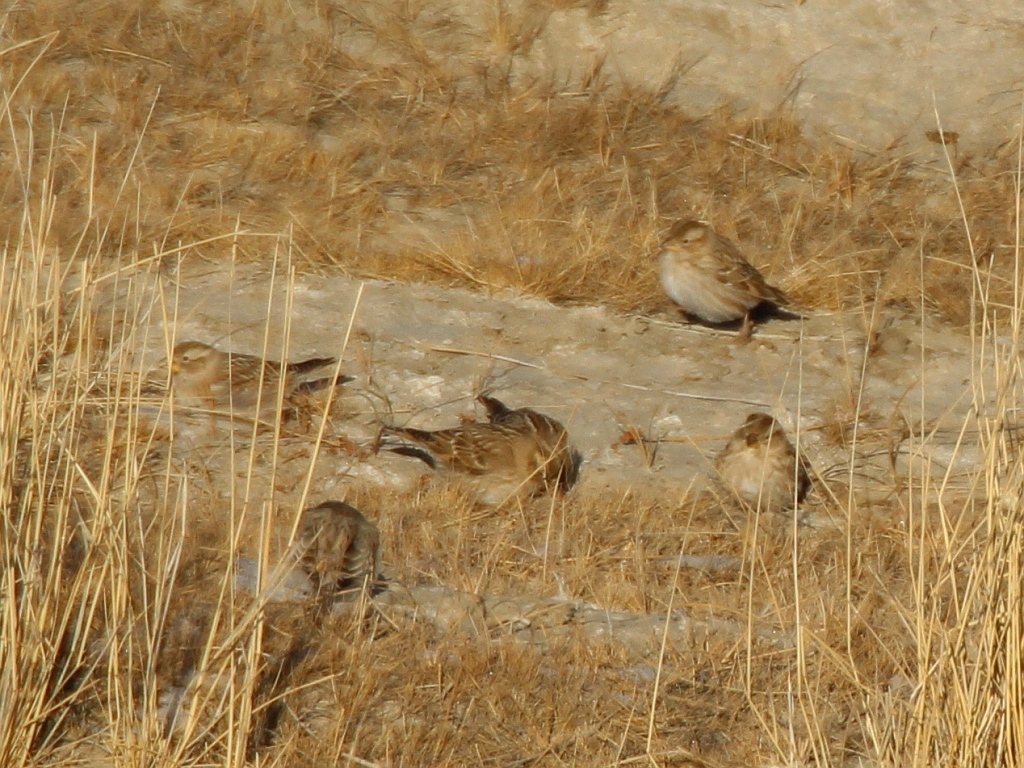
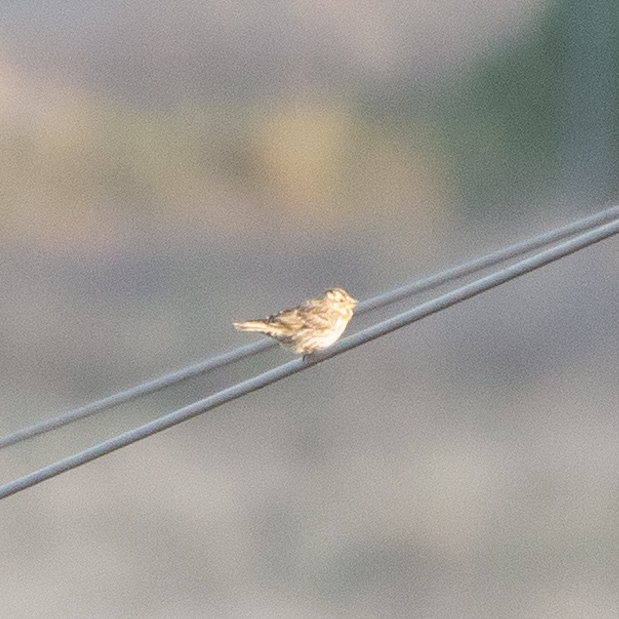
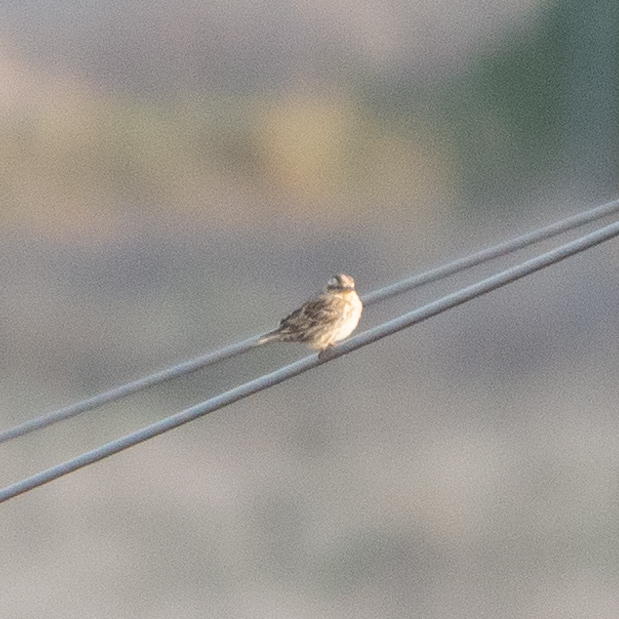
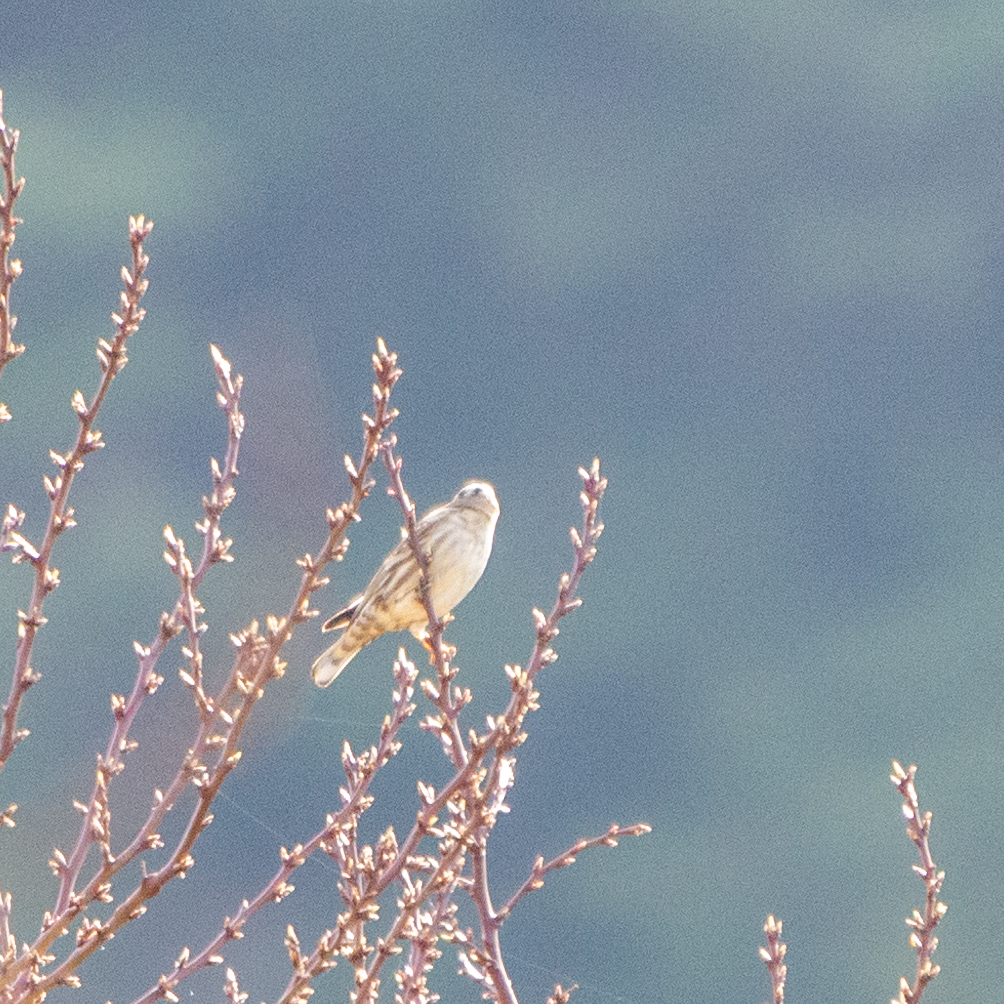
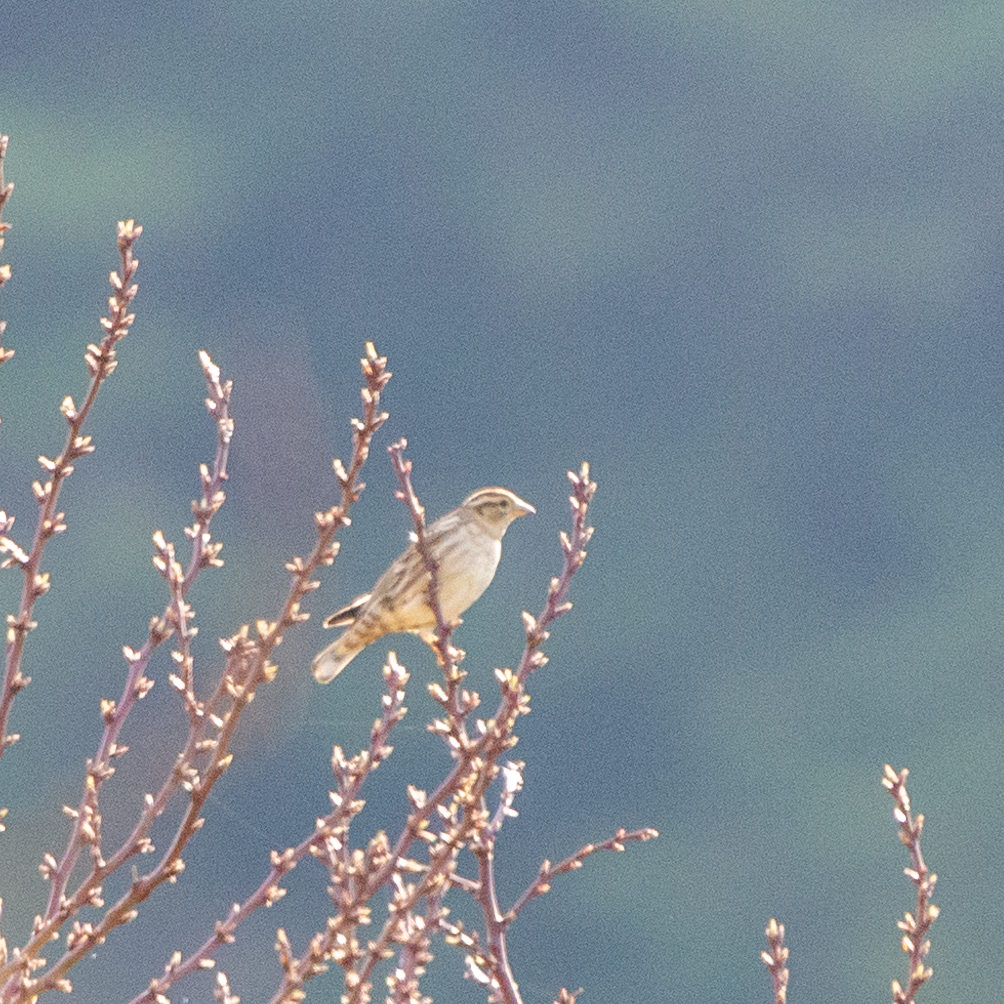
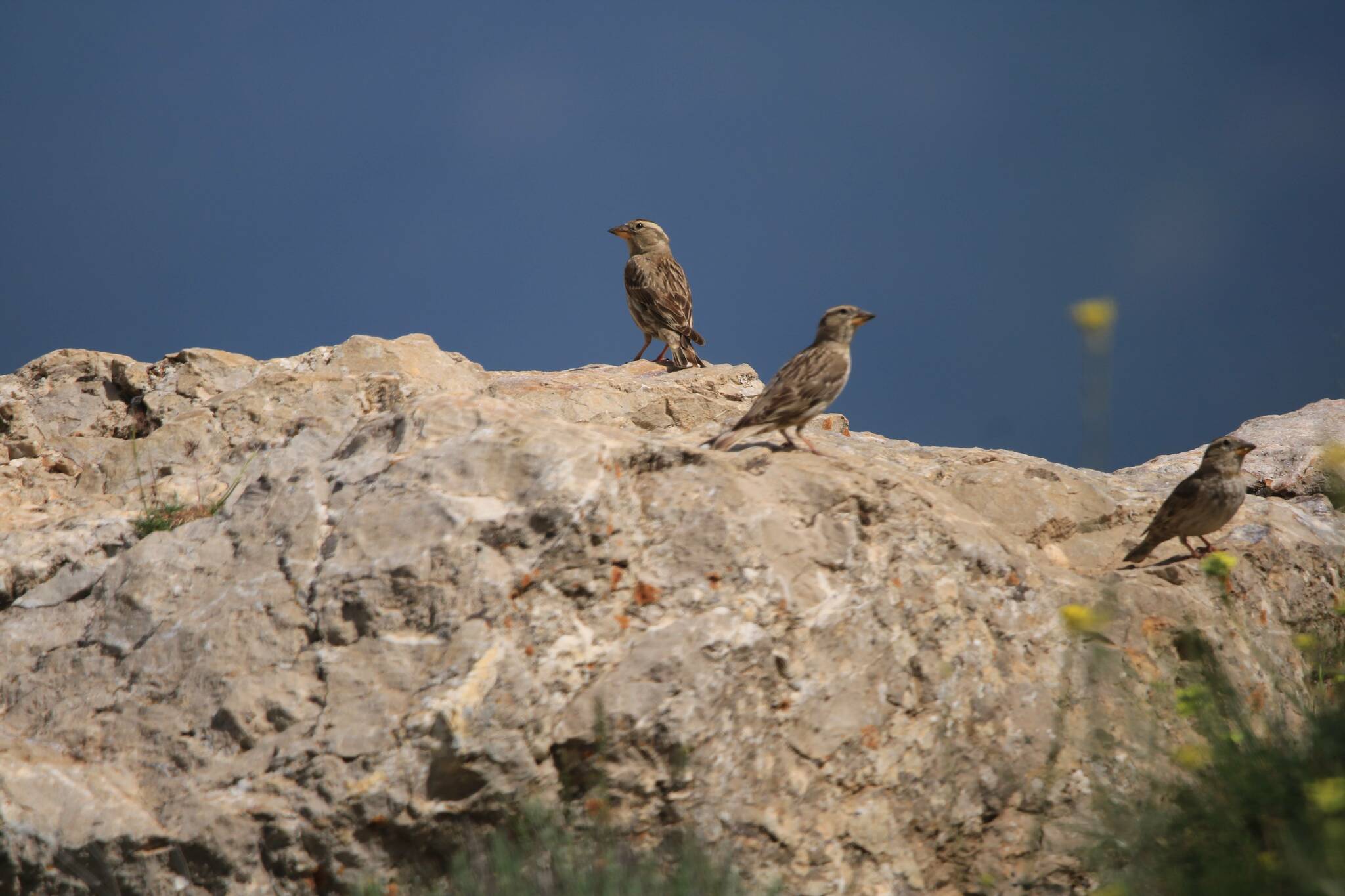
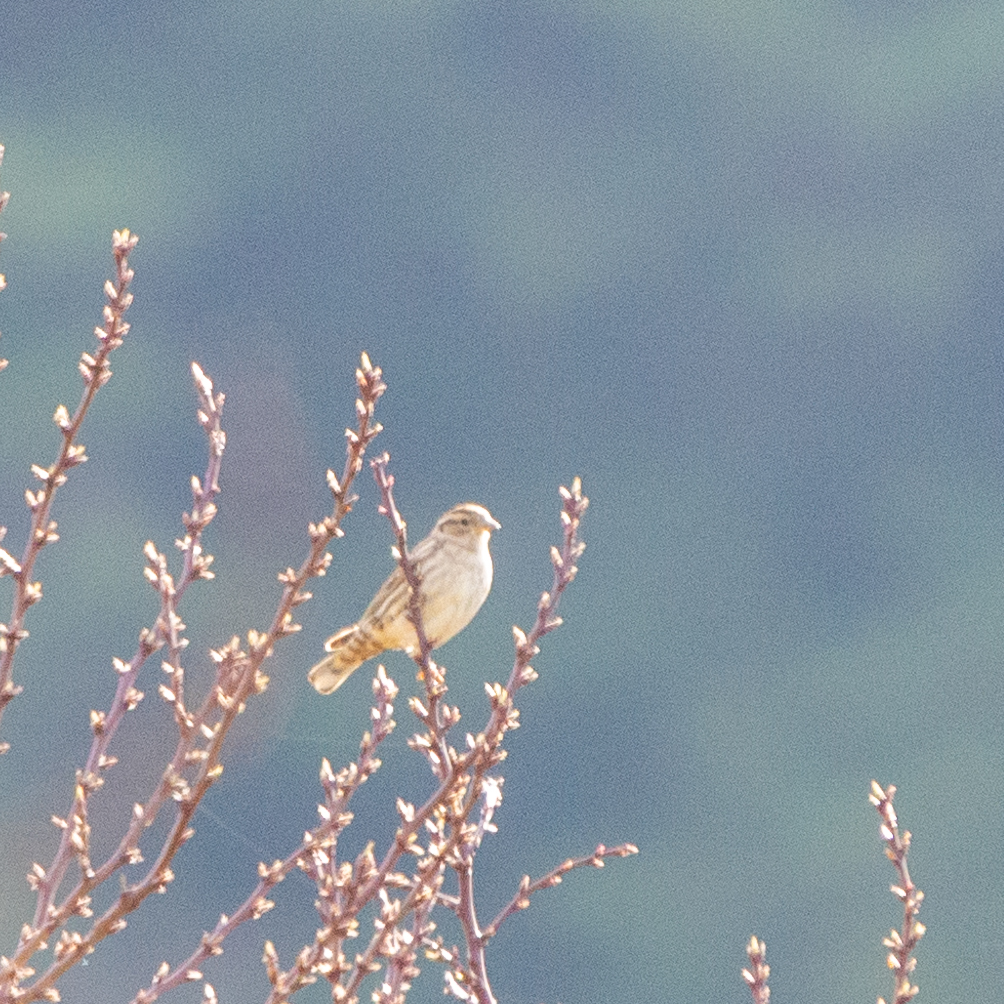
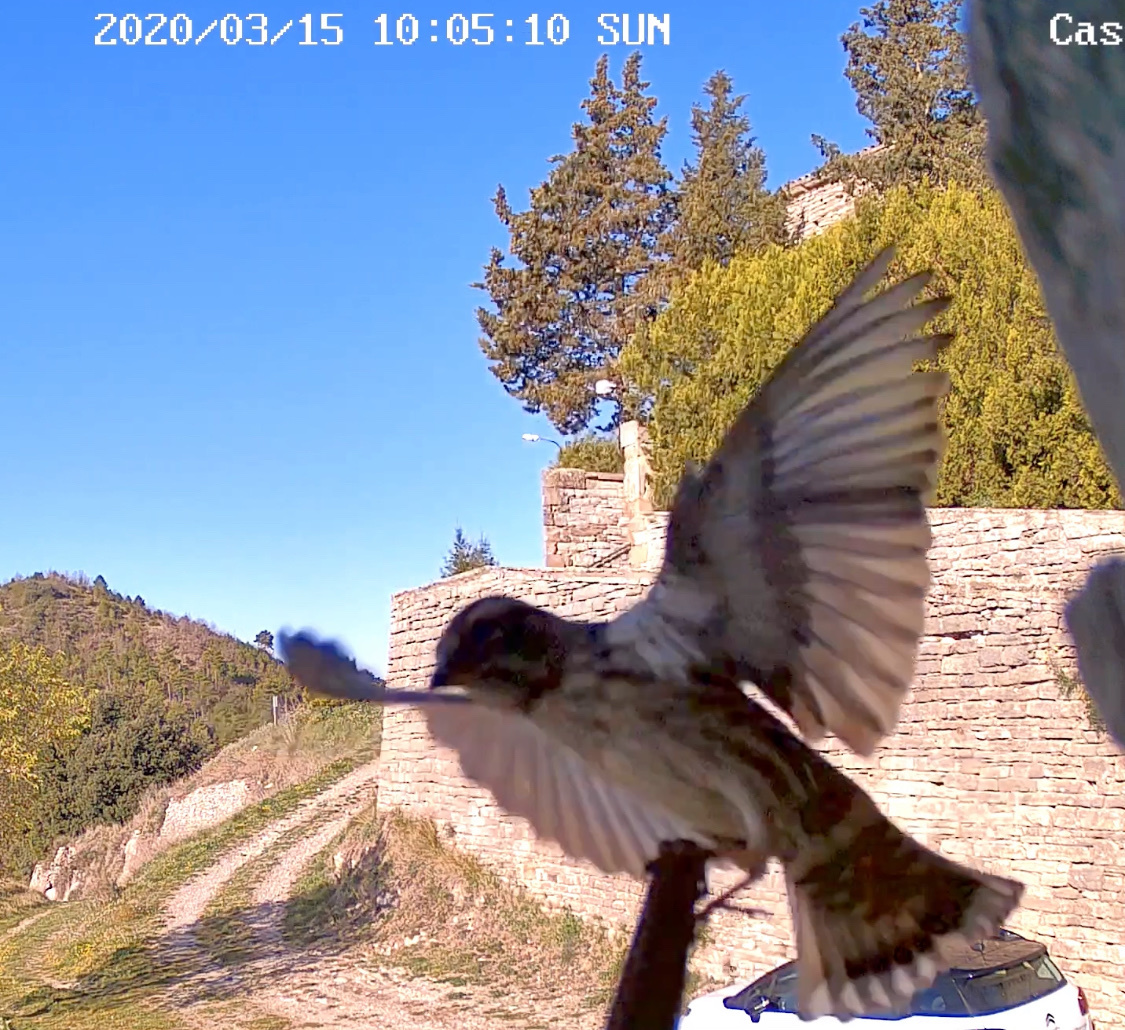
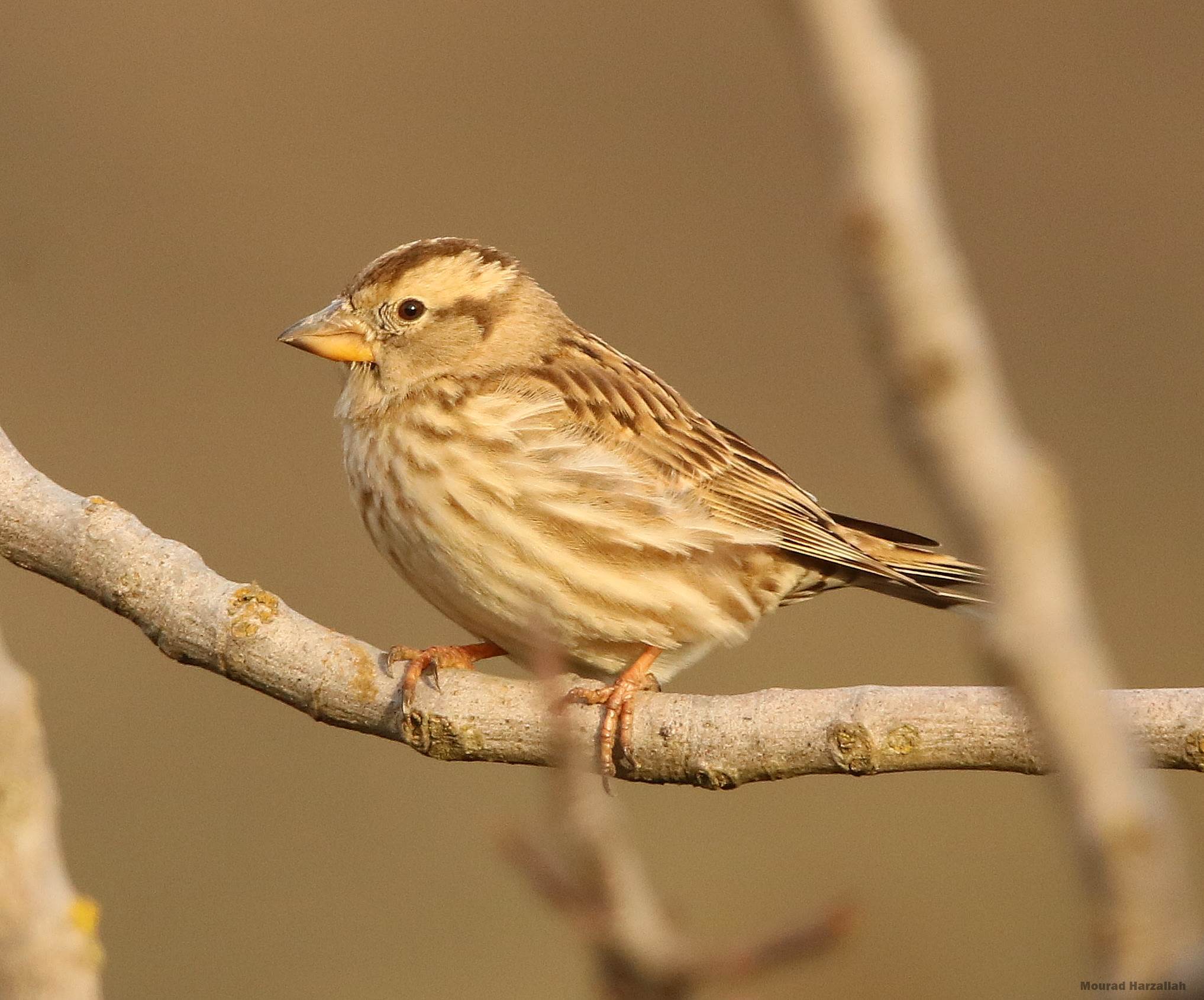
This species measures 15–17 cm (5.9–6.7 in) in length, making it slightly larger than a house sparrow. It has a conspicuously larger, more conical bill. The head features a strong whitish supercilium and a weaker crown stripe. The upperparts show a patterned brown coloration on the back and wings, while the underparts are streaked. The most diagnostic feature is a yellow throat spot, which is often difficult to see in the field. The plumage is largely monochromatic earth tones, with the distinctive yellow patch on the upper breast providing stark contrast. This carotenoid-based yellow patch is present in both sexes.
Identification
This species is most readily identified by its larger size compared to the house sparrow and its distinctly larger, more conical bill. The strong whitish supercilium and yellow throat patch are key field marks, though the throat spot can be difficult to observe. The patterned brown back and wings combined with streaked underparts help distinguish it from similar species.
Distribution & Habitat
The species breeds across a wide range from the Atlantic islands of Madeira and the Canary Islands, through the Iberian Peninsula and western North Africa, across southern Europe, and eastward through southwestern and central Asia to Mongolia and northwestern China. It inhabits barren rocky hills and also occurs in human settlements within suitable habitat. Western populations are resident year-round, while Asian populations may migrate south or to lower altitudes in winter. It is a very rare vagrant north of its normal range, with just a single British record at Cley, Norfolk on 14 June 1981.
Behavior & Ecology
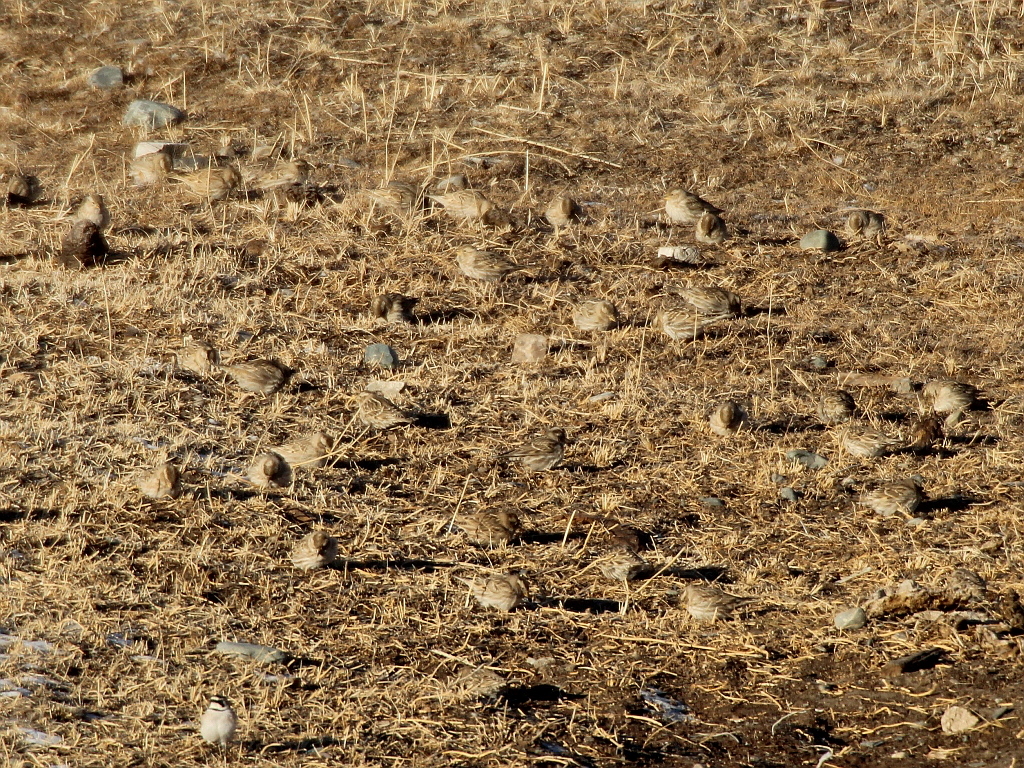
Foraging occurs mainly on the ground. The diet consists of seeds throughout the year and berries in autumn; spring feeding includes invertebrates, particularly caterpillars and grasshoppers, which are also fed to the young. The species nests in crevices in rocks or walls, laying four to five eggs. It exhibits various mating patterns including monogamy and polyandry, though social monogamy predominates. Males and females both prefer mates with larger yellow breast patches. Vocalizations include a loud wheezy song. Parental care varies by region: in alpine colonies females perform most provisioning, while in Asian colonies both parents contribute equally.
Conservation
IUCN conservation status and population trends are not provided in the source article.
Culture
The genus name Petronia is derived from a local name for this species from the Bologna area of Italy. No other cultural significance or folklore is documented in the source material.
Source: Wikipedia · CC BY-SA 3.0
Taxonomy
- Order
- Passeriformes
- Family
- Passeridae
- Genus
- Petronia
- eBird Code
- rocpet1
Vocalizations
Subspecies (7)
-
Petronia petronia barbara
northern Africa (Morocco to Algeria, Tunisia, and western Libya)
-
Petronia petronia brevirostris
eastern Siberia to Mongolia, northwestern Manchuria, and southwestern China (northern Sichuan)
-
Petronia petronia exigua
central Türkiye to northern Caucasus, northern Iraq, and northern Iran
-
Petronia petronia intermedia
Transcaspia to eastern Iran, northern Afghanistan, Pamirs, and western Kunlun Shan Mountains
-
Petronia petronia kirhizica
lower Volga River Valley to Turgay depression and Aral Sea
-
Petronia petronia petronia
Canary Islands, Madeira, and Europe to Bulgaria and western Türkiye
-
Petronia petronia puteicola
southern Türkiye to southern Syria, northern Israel, and Jordan
Data Sources
Species description from Wikipedia, licensed under CC BY-SA 3.0.
Bird images and sounds sourced from GBIF, contributed by citizen scientists worldwide under Creative Commons licenses.
Taxonomy data from AviList 2025.