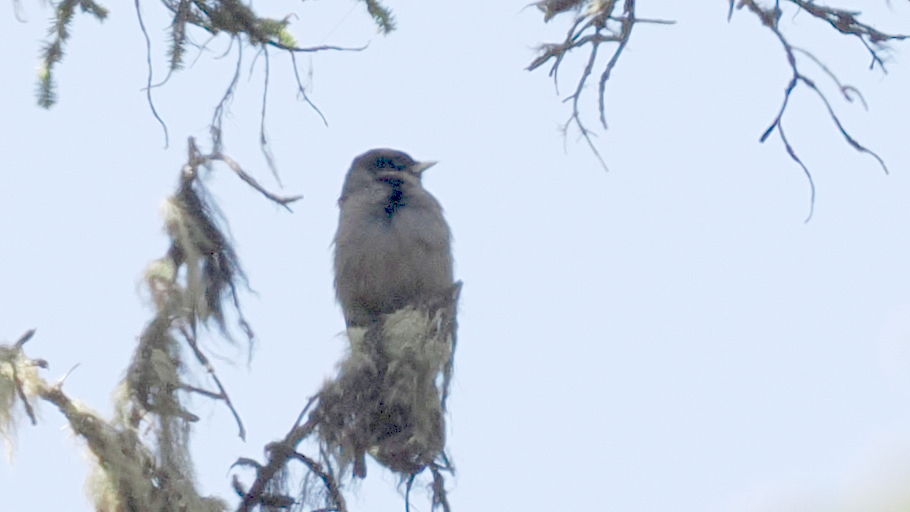
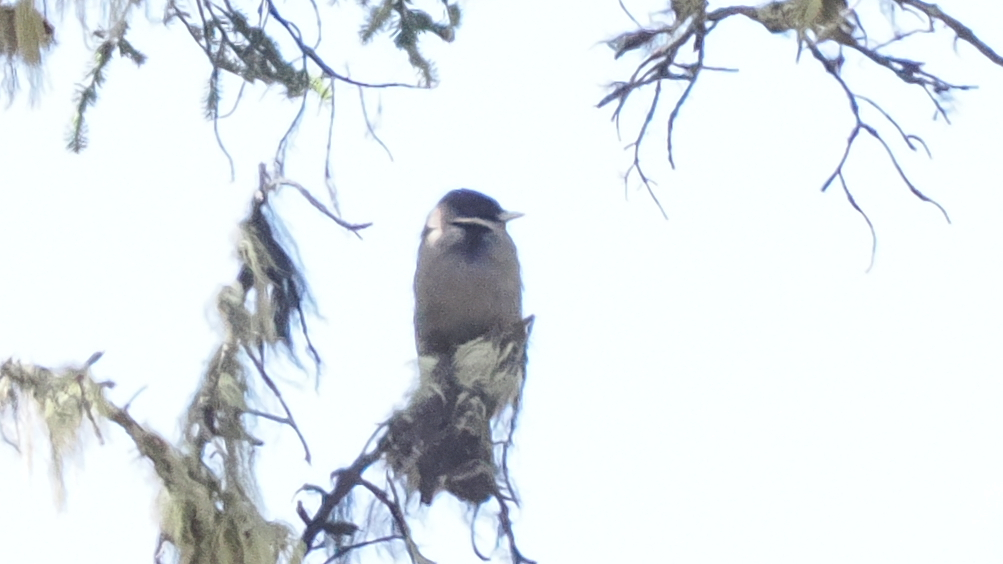
Sichuan Jay
Perisoreus internigrans
黑头噪鸦
Introduction
A passerine bird in the Corvidae family. One of three species in the genus Perisoreus, alongside the Siberian jay and Canada jay. Endemic to China, specifically the Qinghai-Tibet plateau region. Inhabits subtropical or tropical moist montane forests, particularly highly elevated coniferous forest fragments. Distinguished by food-storing behavior and year-round residency on permanent territories in coniferous habitats. Classified as threatened due to habitat loss.
Distribution & Habitat
Restricted to isolated fragments of coniferous forests at high elevations on the Qinghai-Tibet plateau in west-central China. The mountainous terrain naturally isolates populations. Climate projections indicate substantial decreases in both habitat extent and quality, potentially forcing range shifts northward and upward. Remaining areas for compensatory range adjustment are limited, and habitat connectivity is expected to decline further.
Behavior & Ecology
All Perisoreus species exhibit food-storing behavior and maintain year-round residency on permanent territories within coniferous forest habitats. Lives in isolated montane forest fragments in the plateau region.
Conservation
Listed as threatened due to habitat loss. Primary concerns include the highly fragmented distribution across isolated forest patches and projected impacts of climate change on habitat suitability. Decreasing connectivity may reduce gene flow between populations and accelerate local extinction risk.
Source: Wikipedia · CC BY-SA 3.0
Taxonomy
- Order
- Passeriformes
- Family
- Corvidae
- Genus
- Perisoreus
- eBird Code
- sicjay1
Distribution
mountains of western China (southeastern Qinghai, southwestern Gansu, and northern Sichuan)
Data Sources
CBR Notes: IUCN红色名录等级由VU降为NT
Species description from Wikipedia, licensed under CC BY-SA 3.0.
Bird images and sounds sourced from GBIF, contributed by citizen scientists worldwide under Creative Commons licenses.
Taxonomy data from AviList 2025.