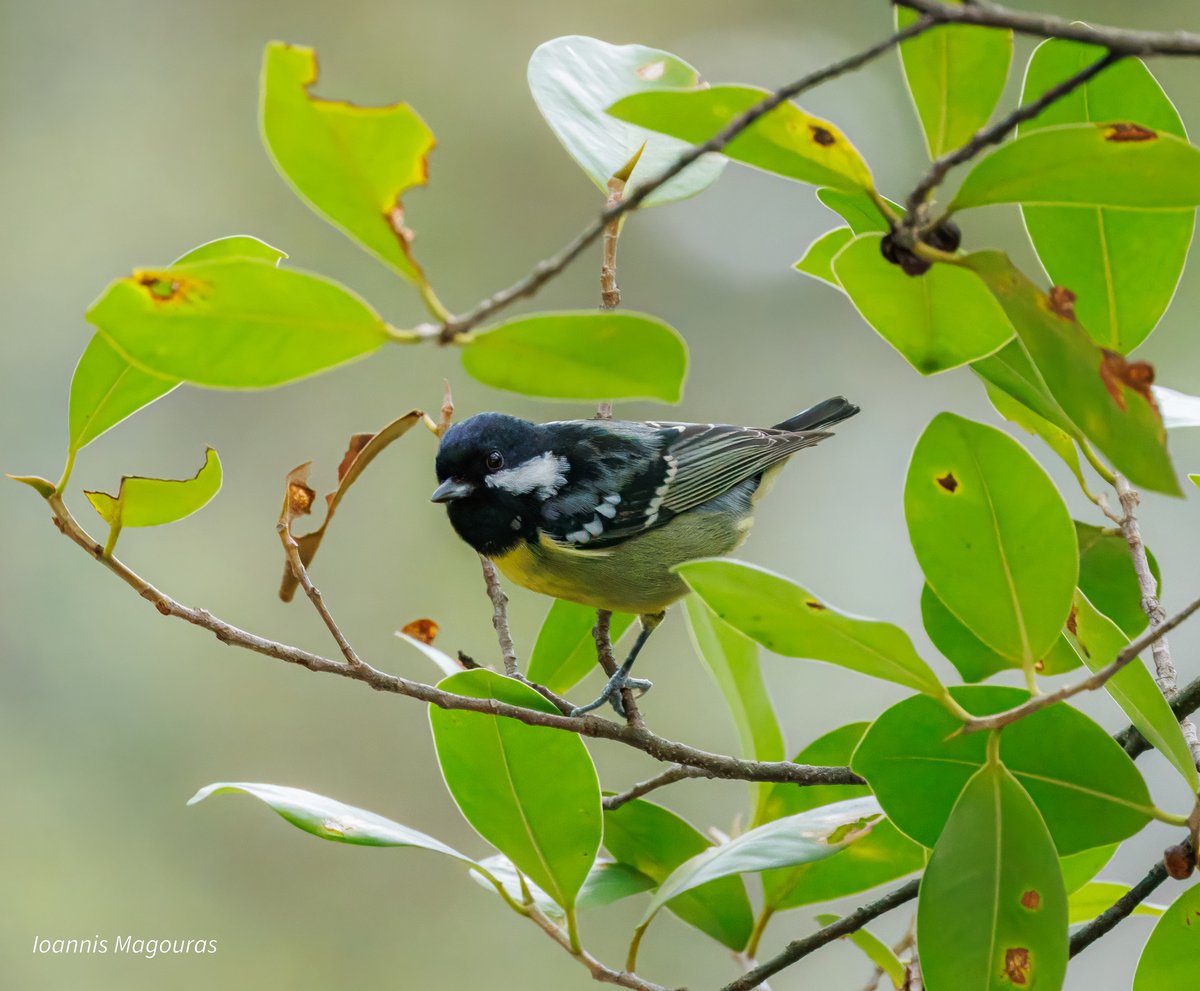
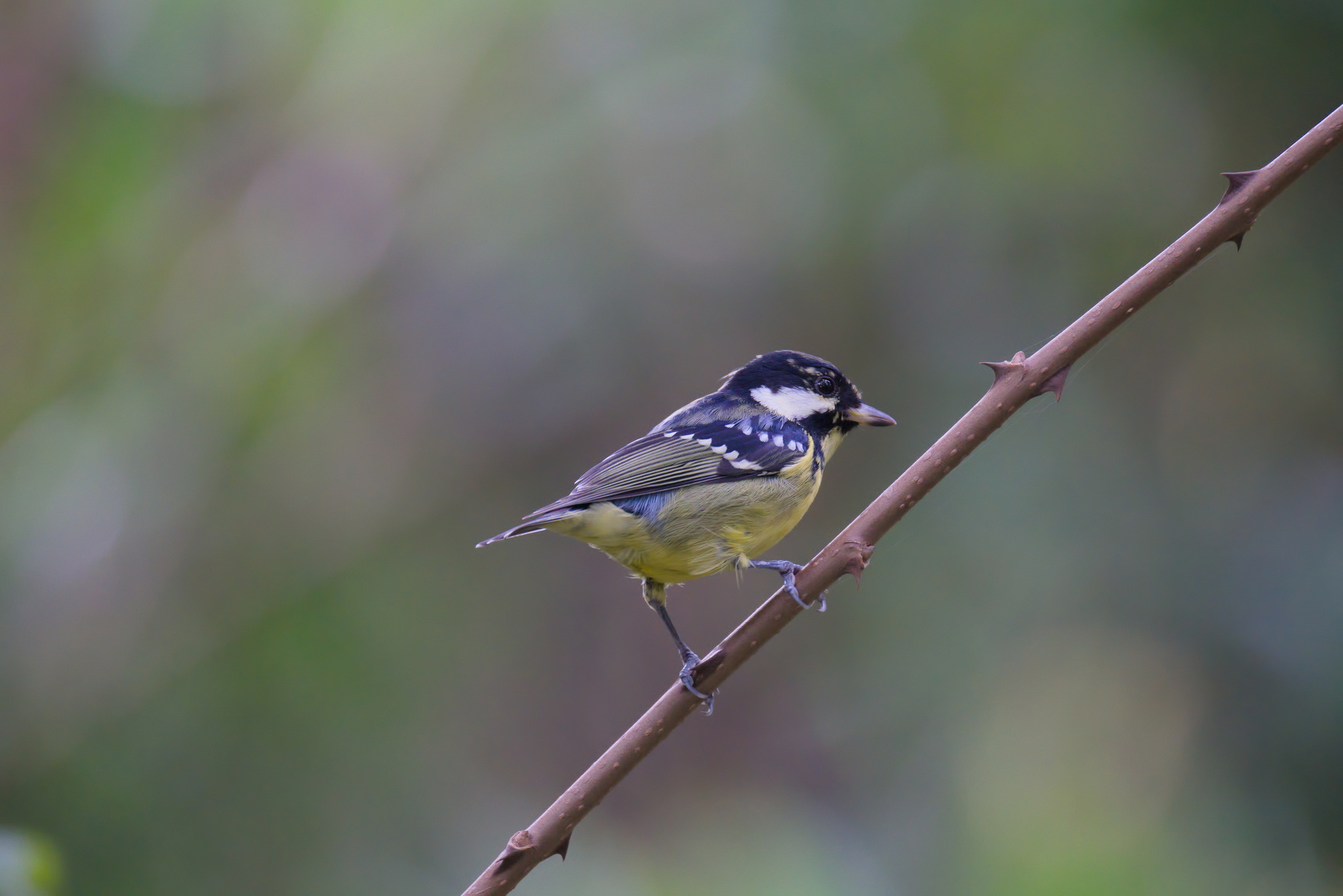
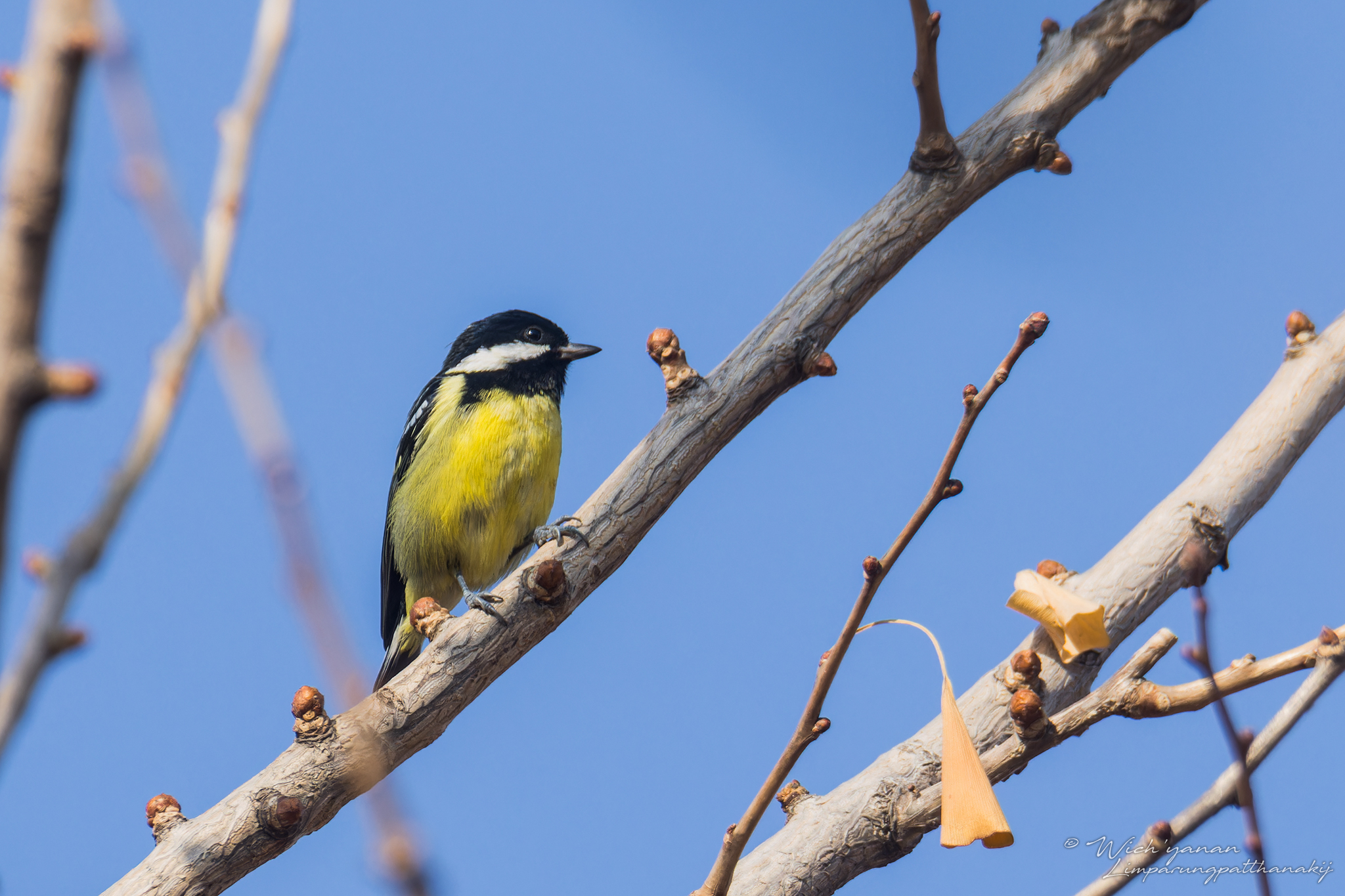
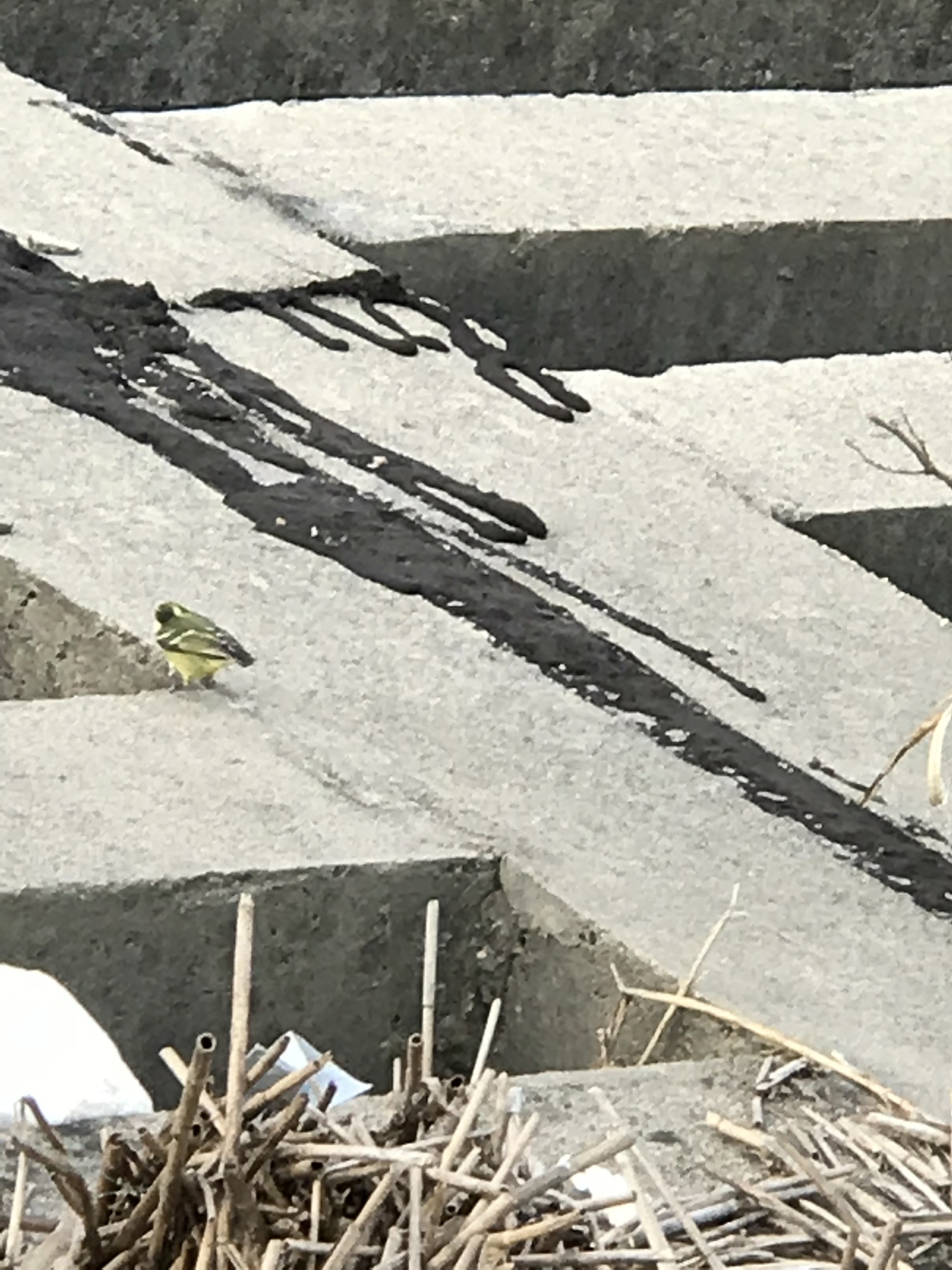

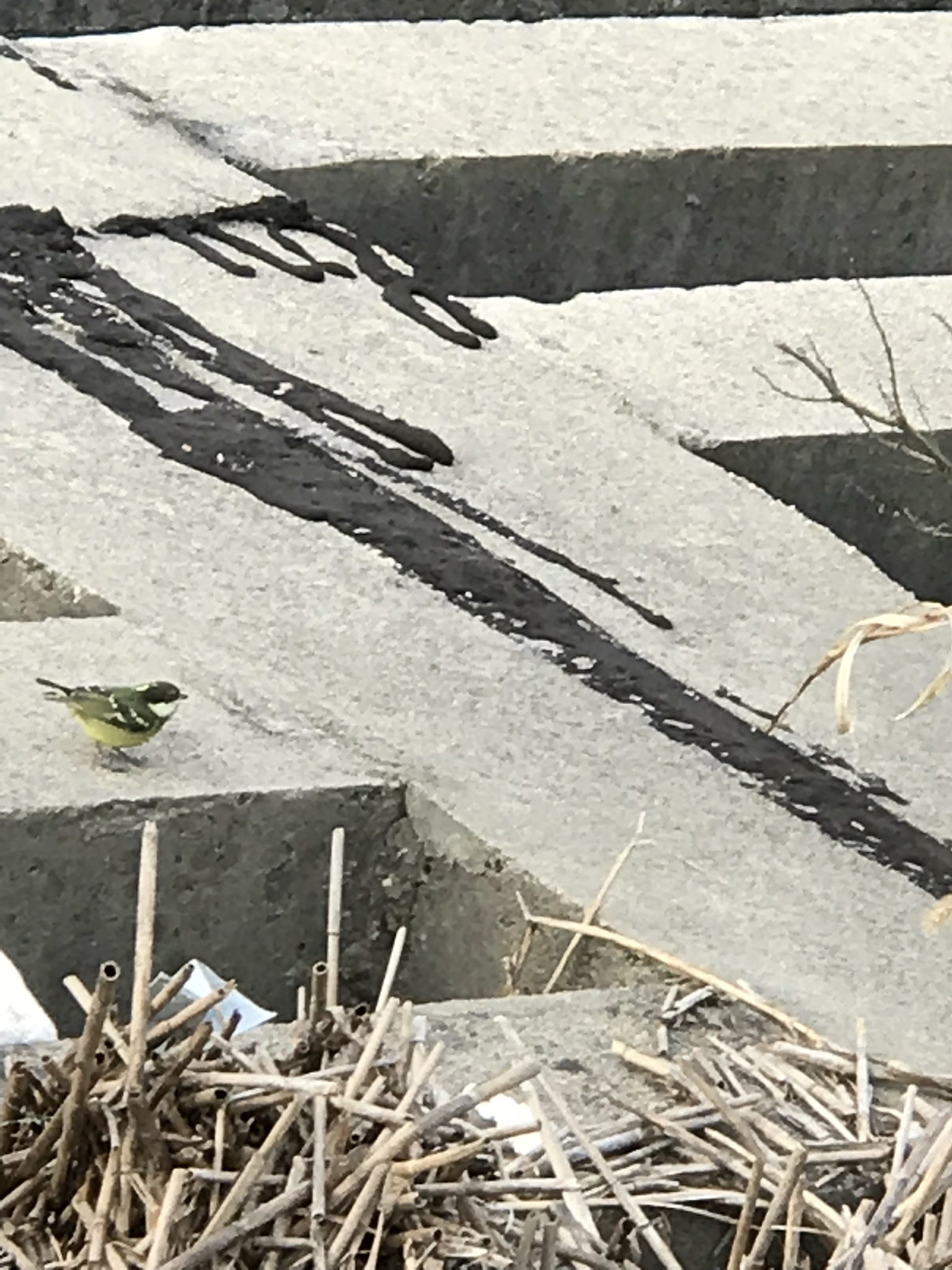
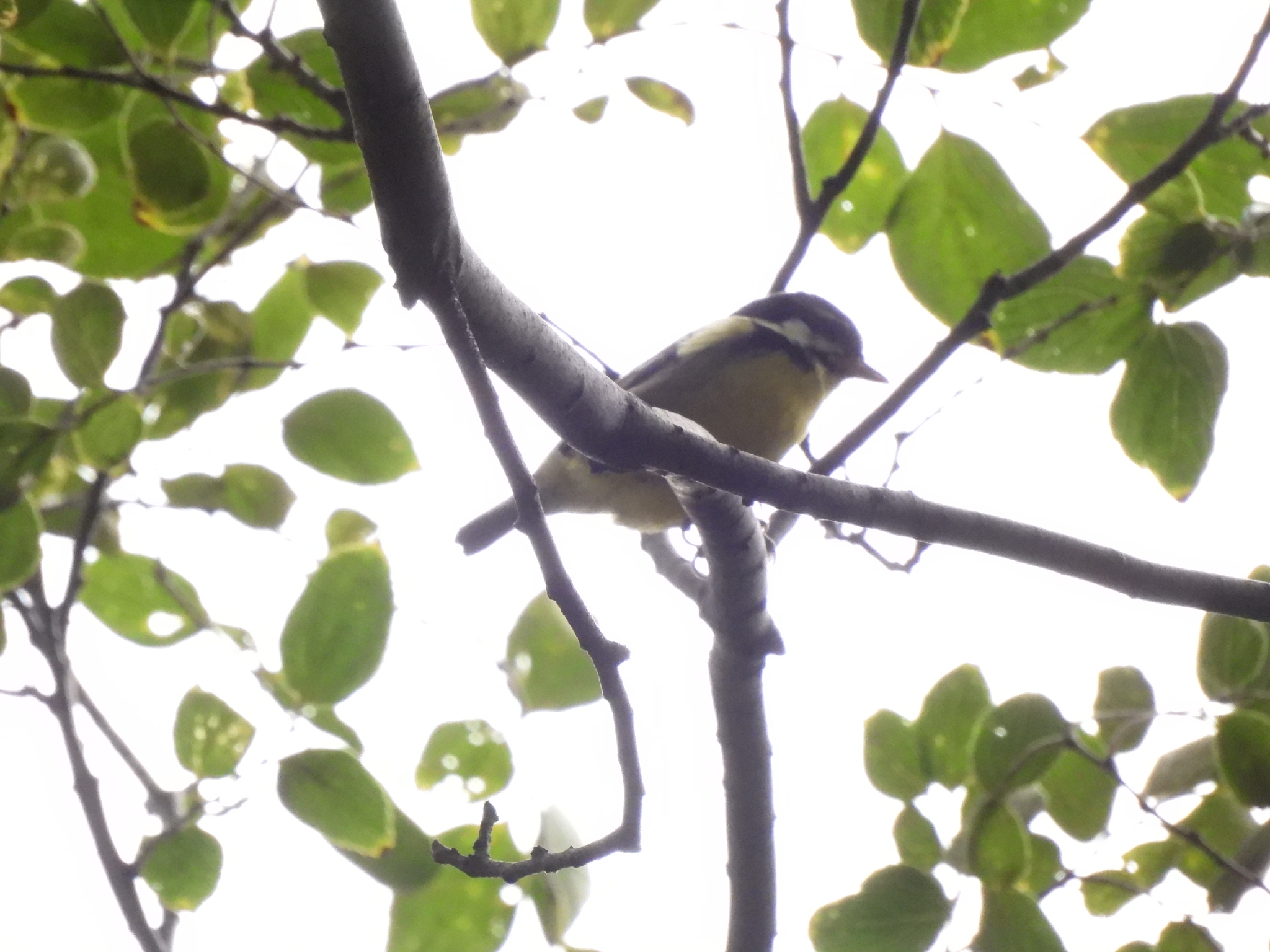
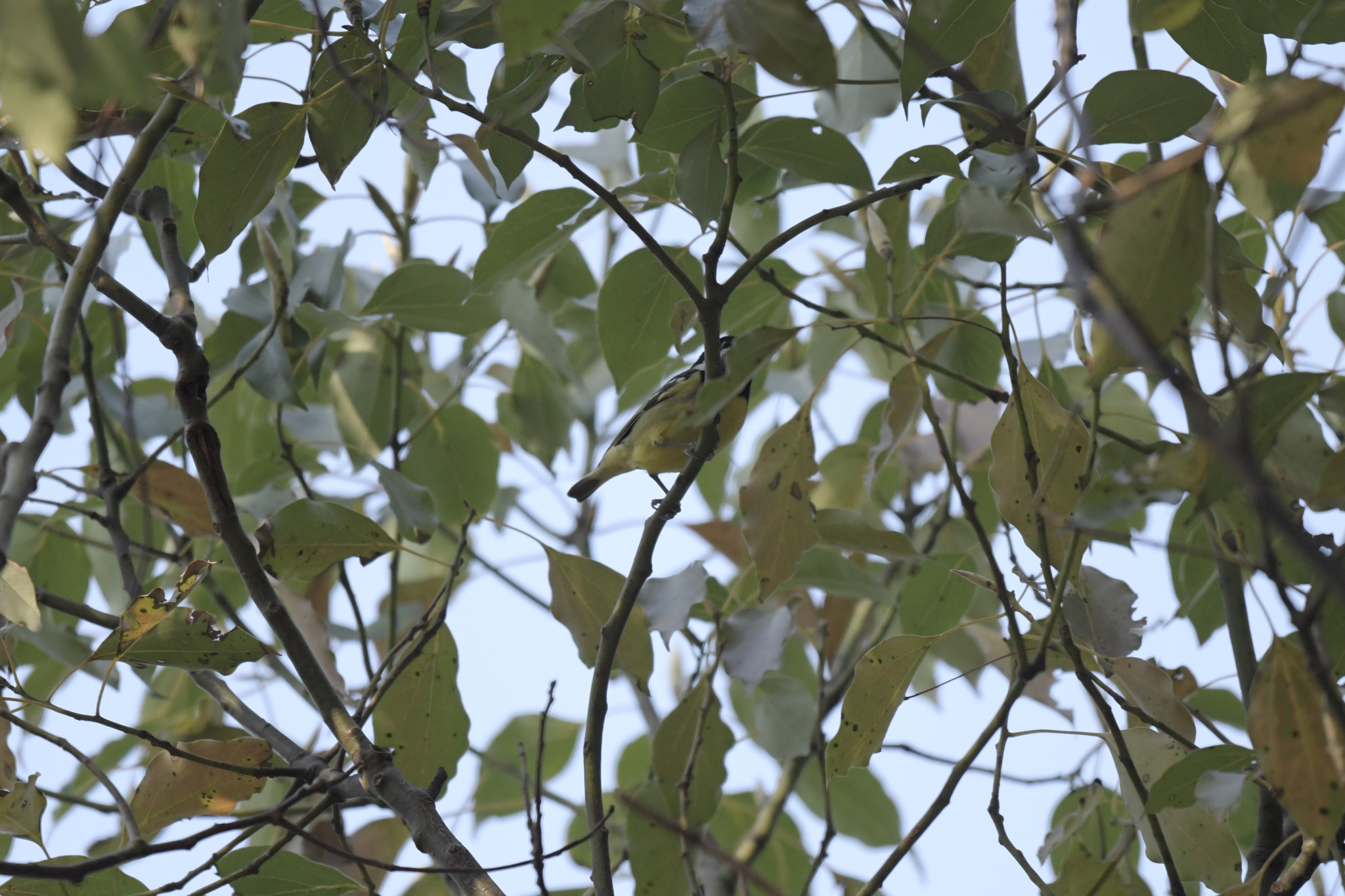
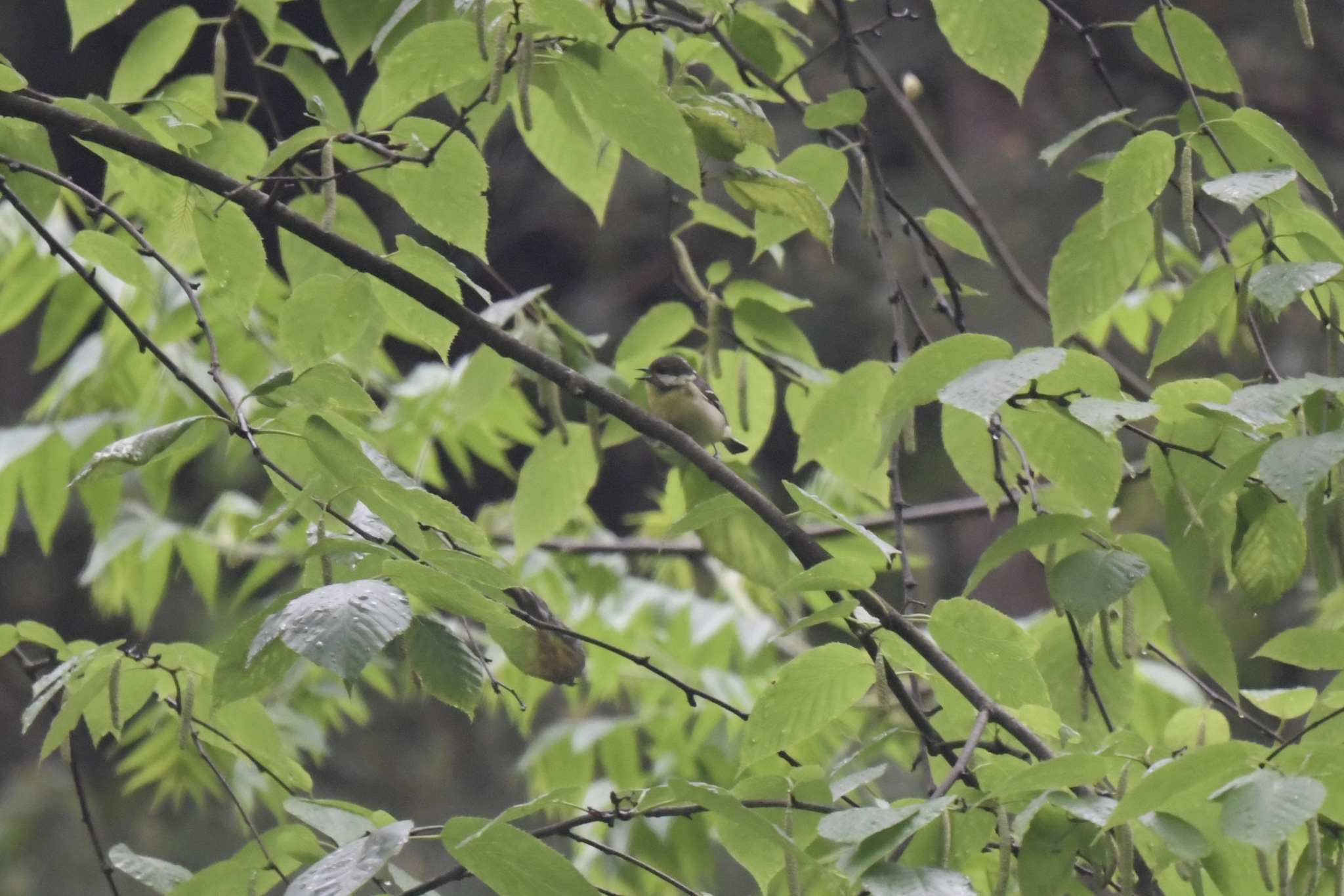

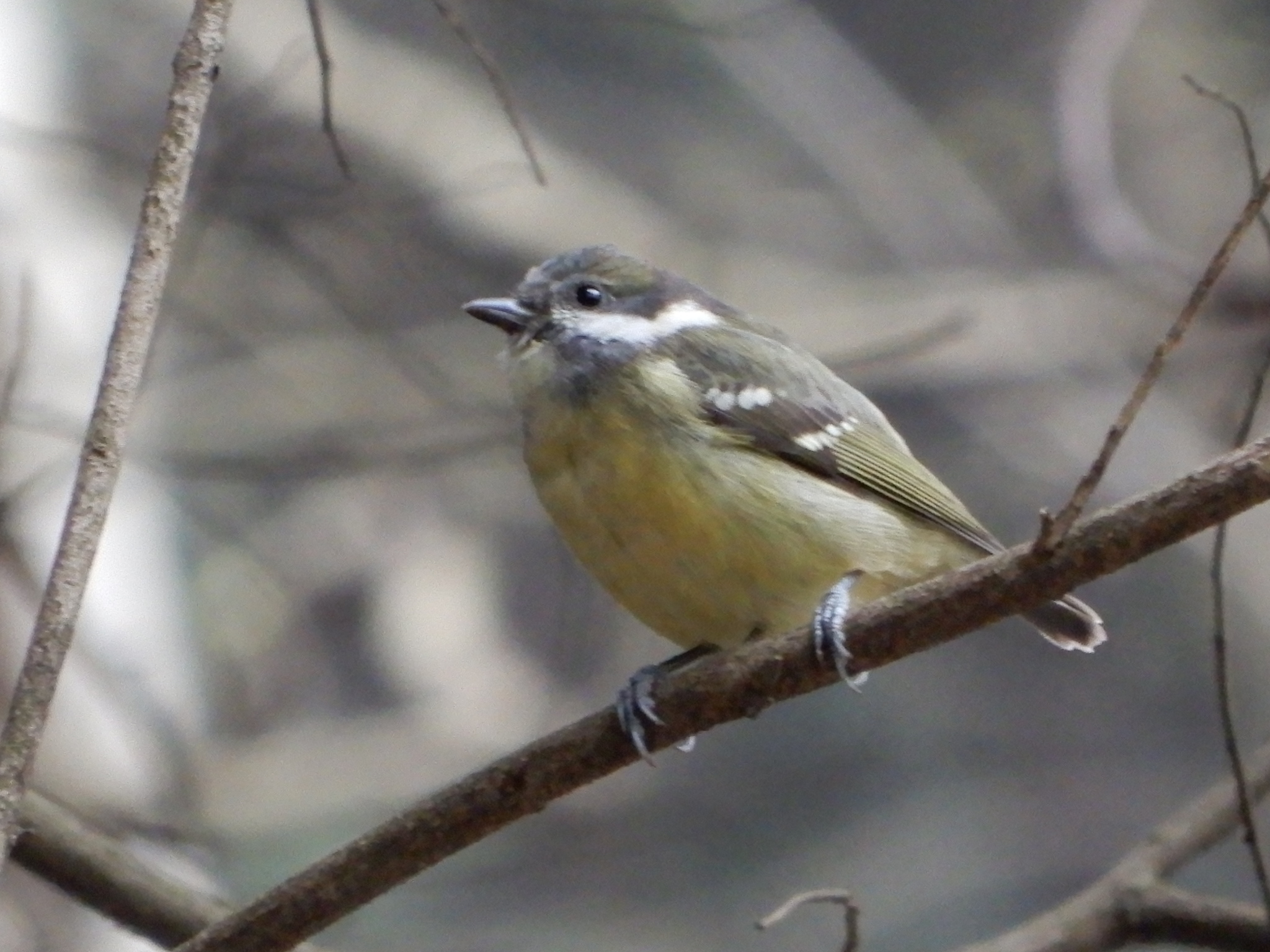
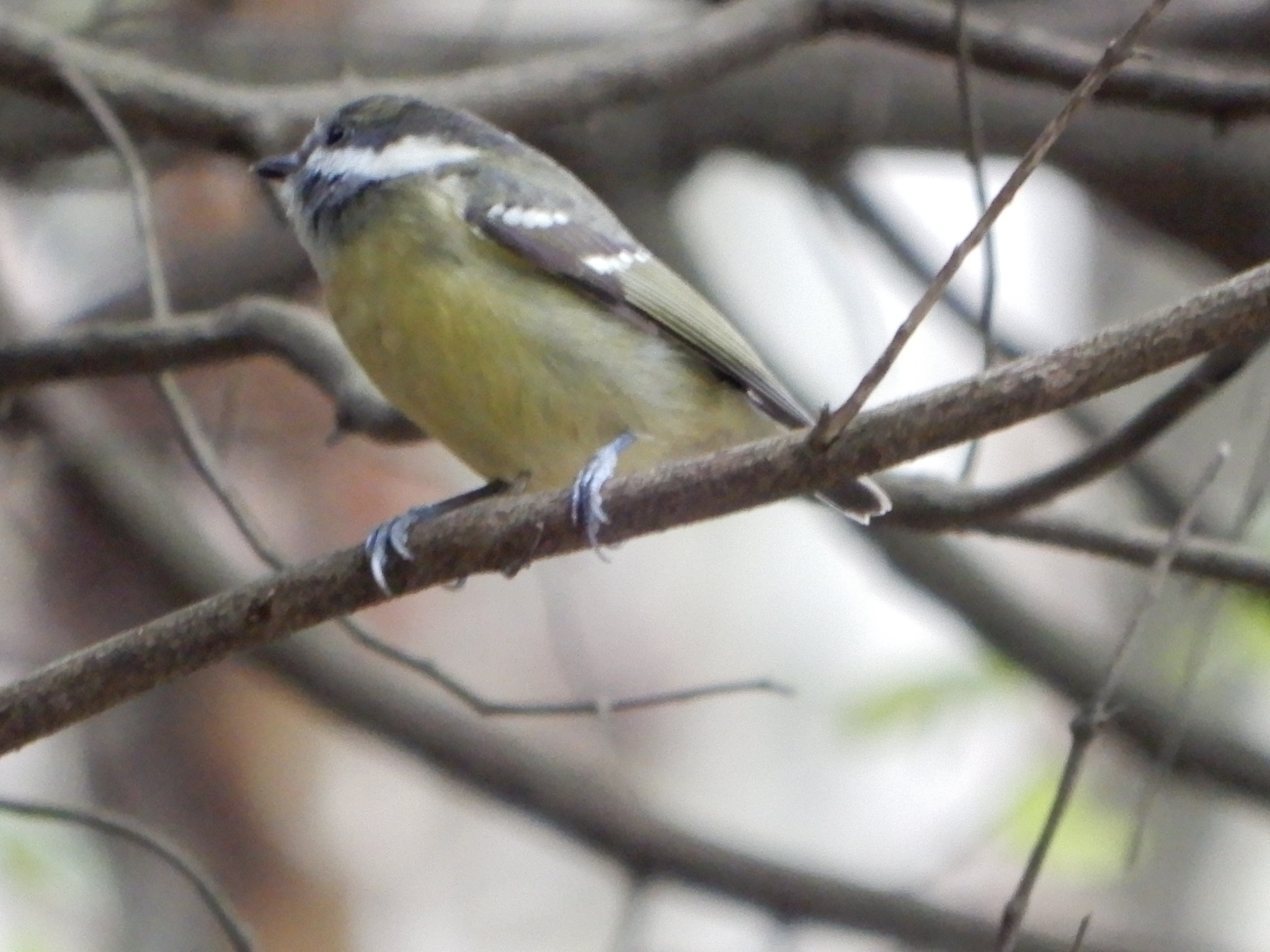
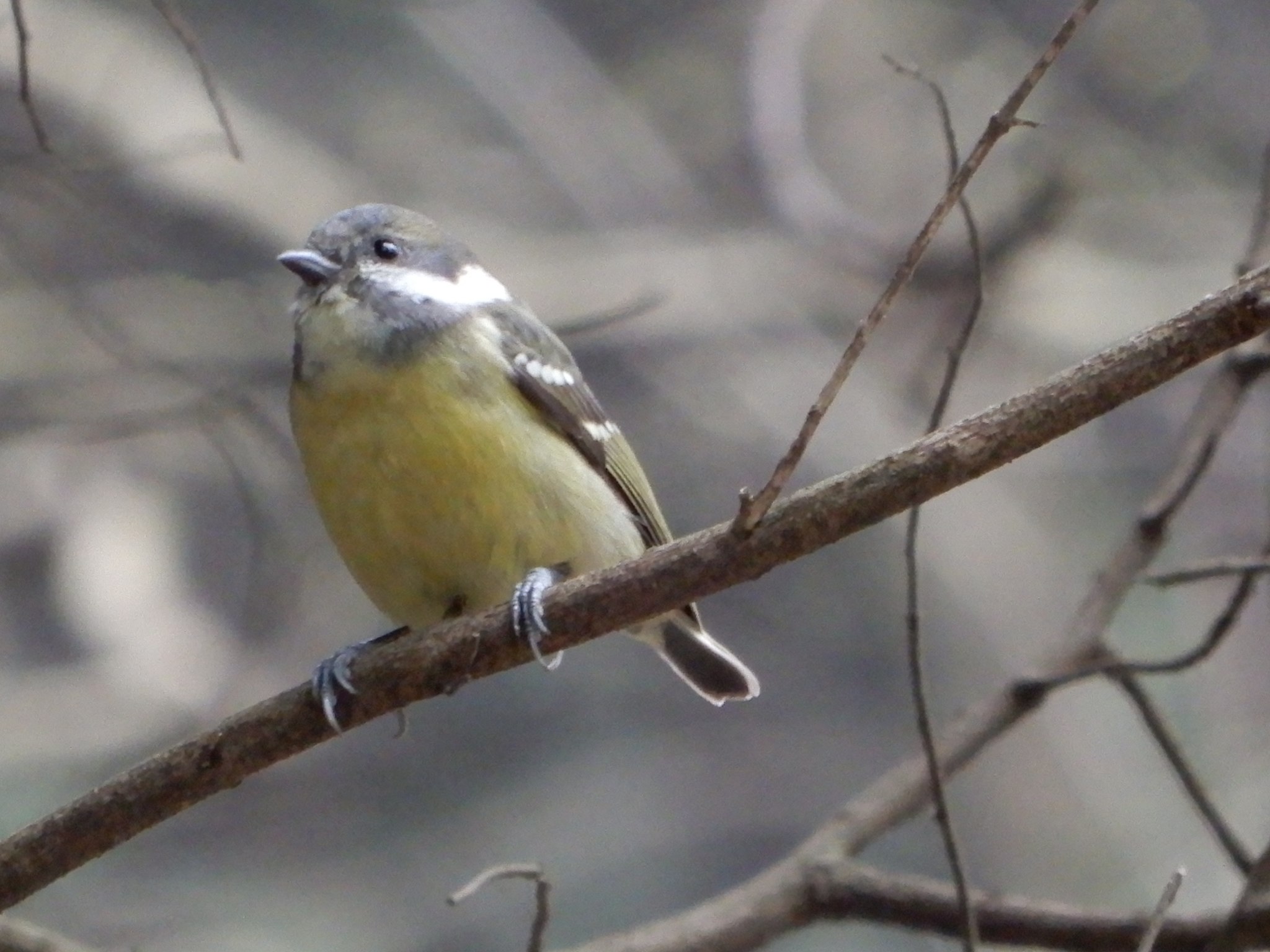
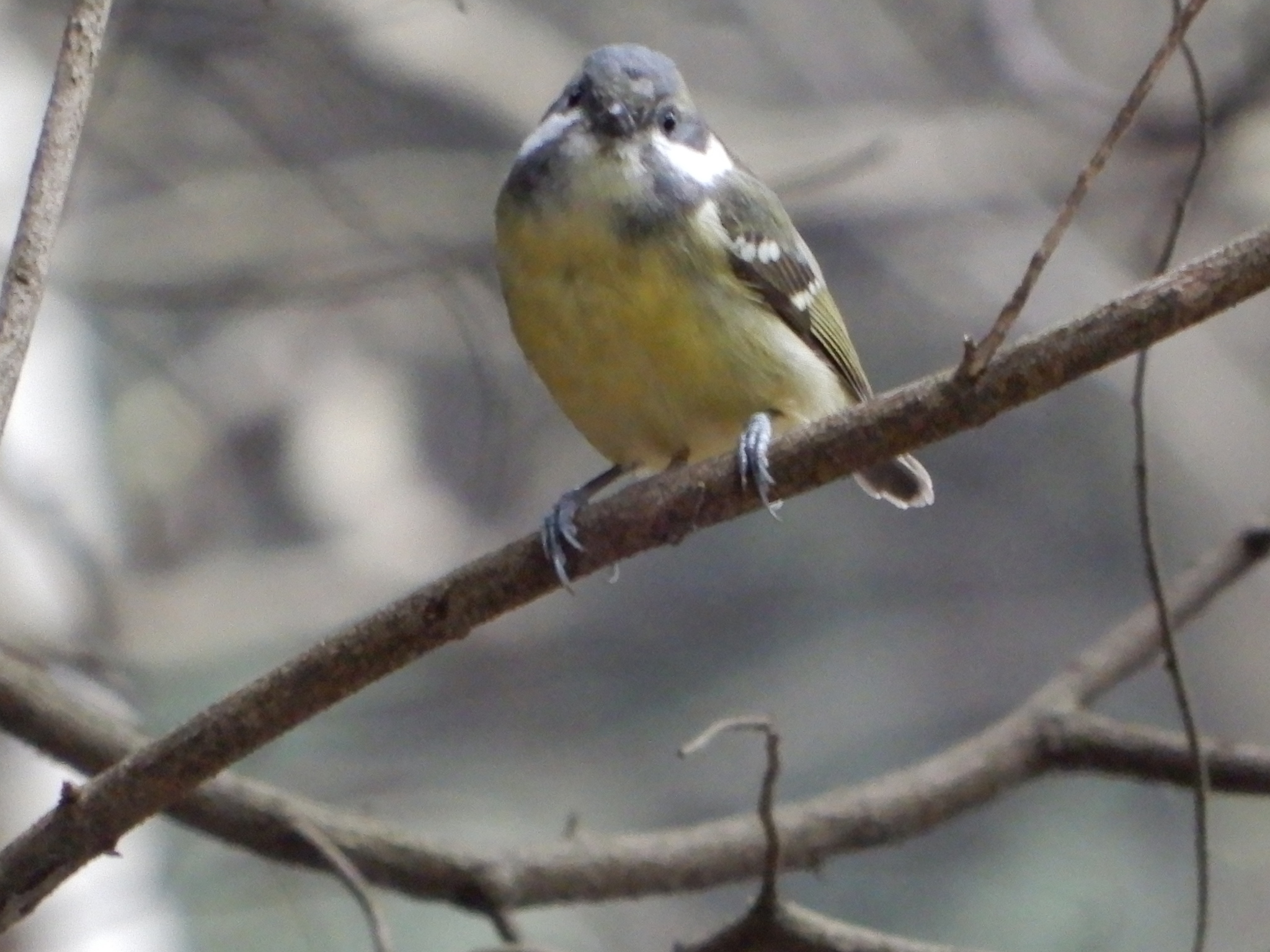
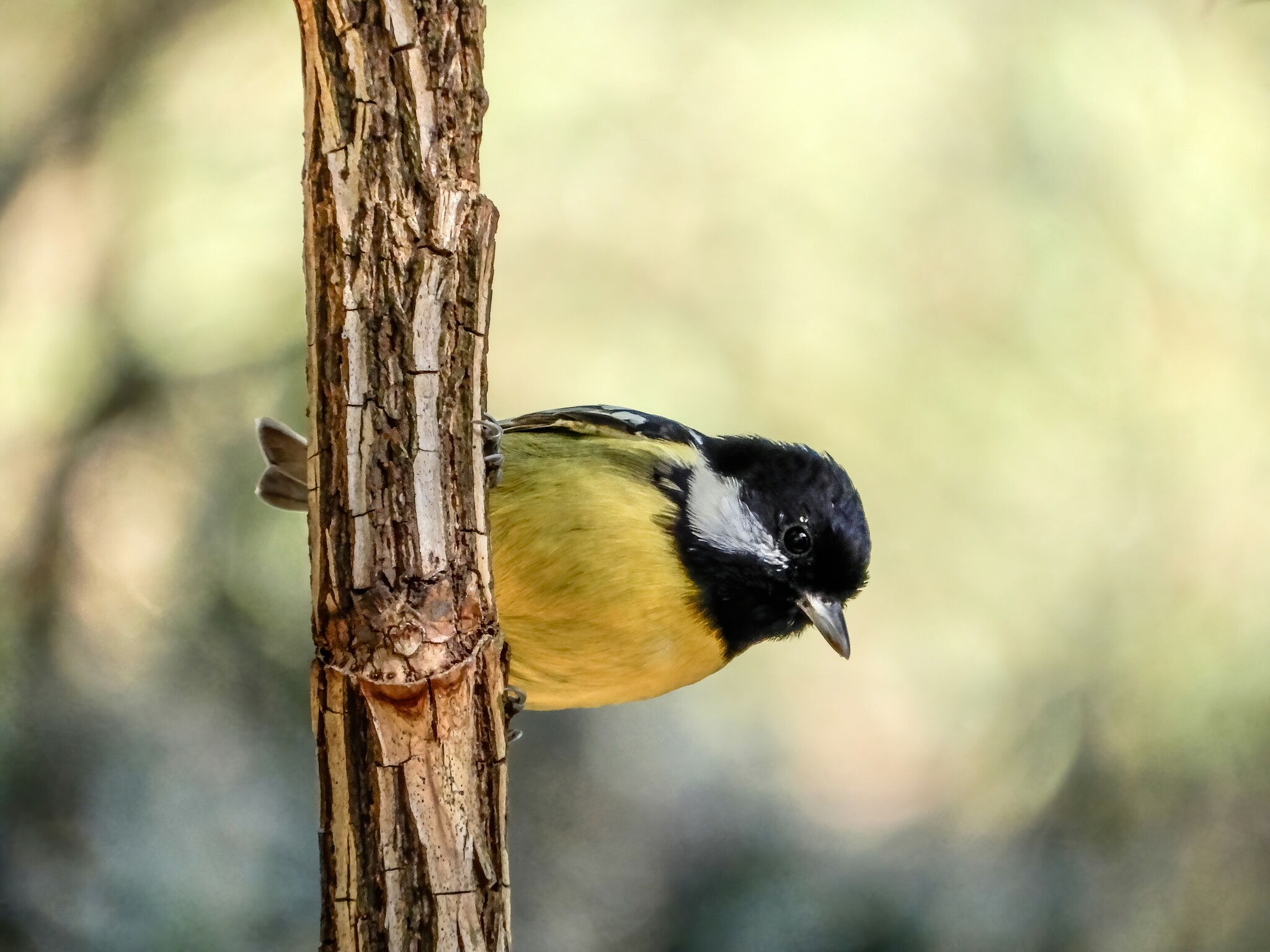
Yellow-bellied Tit
Periparus venustulus
黄腹山雀
Introduction
Geographic range confined to China. Inhabits temperate woodland, subtropical forest edges, and urban parks and gardens with suitable vegetation. Described by Robert Swinhoe in 1870. Family Paridae. Not globally threatened; endemic to China. Territorial males exhibit the "dear-enemy effect," maintaining stable relationships with neighboring individuals while defending their own territories.
Distribution & Habitat
Restricted to central and eastern China, this tit occupies a range that extends across multiple provinces. Its habitat preferences include temperate broadleaf and mixed forests as well as subtropical or tropical moist lowland forests, typically found below 2,000 meters elevation. The species has demonstrated adaptability to human-modified landscapes and can be found in urban green spaces, parks, and gardens where mature trees and suitable vegetation provide the necessary cover and foraging opportunities. It is considered a resident species within its range, with no documented long-distance migratory movements, though some seasonal dispersion may occur in response to local conditions.
Behavior & Ecology
Males are notably territorial, particularly during the breeding season, yet exhibit a sophisticated social behavior known as the 'dear-enemy' effect. Rather than treating all intruders as equally threatening, territorial males develop mutual respect with their immediate neighbors, recognizing each other's boundaries and maintaining stable relationships that benefit all parties. This arrangement reduces aggressive encounters and conserves energy that would otherwise be spent on territorial defense. An intriguing individual characteristic observed in this species is 'footedness' - a consistent preference for using one leg over the other when performing various tasks, a phenomenon that has parallels in lateralized behavior seen in other vertebrate species.
Source: Wikipedia · CC BY-SA 3.0
Taxonomy
- Order
- Passeriformes
- Family
- Paridae
- Genus
- Periparus
- eBird Code
- yebtit4
Distribution
mixed woodland of eastern, central, and southern China
Vocalizations
Data Sources
Species description from Wikipedia, licensed under CC BY-SA 3.0.
Bird images and sounds sourced from GBIF, contributed by citizen scientists worldwide under Creative Commons licenses.
Taxonomy data from AviList 2025.