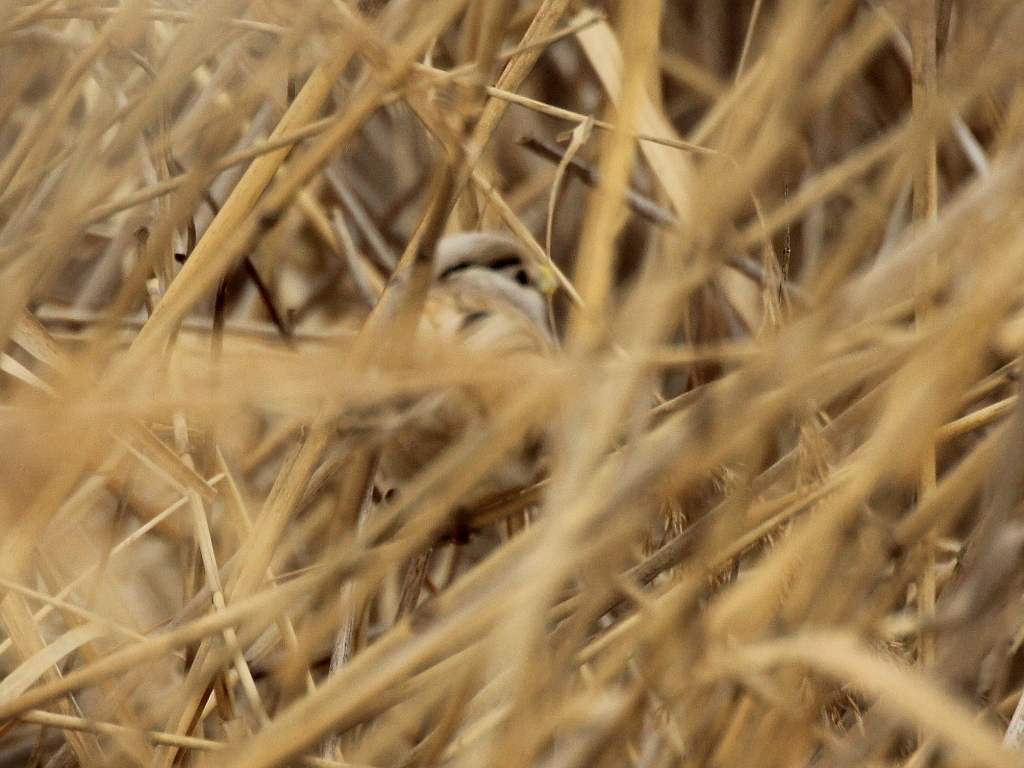
Reed Parrotbill
Paradoxornis heudei
震旦鸦雀
Introduction
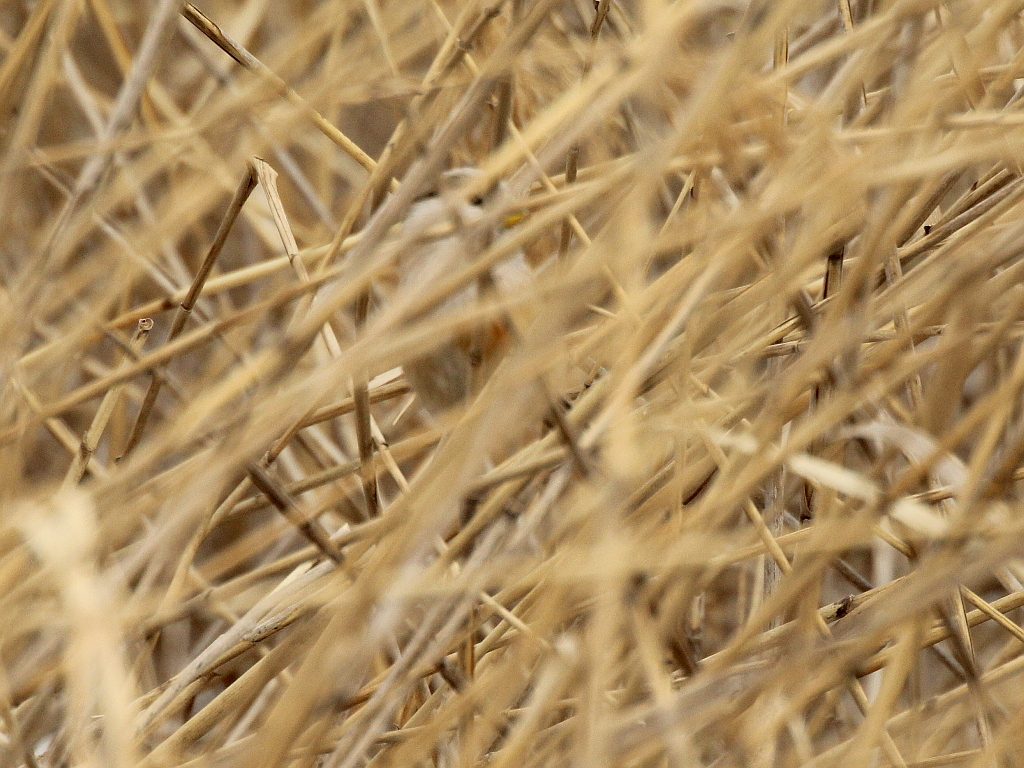
The reed parrotbill is a passerine in the Paradoxornithidae family, formerly considered Old World babblers. It inhabits extensive reedbeds of East Asia, specifically dense phragmites wetlands along lake margins and river systems. The species is characterized by loud feeding clicks and undergoes seasonal plumage transformation. It moves actively through reed stems, typically remaining concealed within vegetation. Populations have declined significantly across its range, with the species now restricted to remaining intact reedbed complexes.
Description
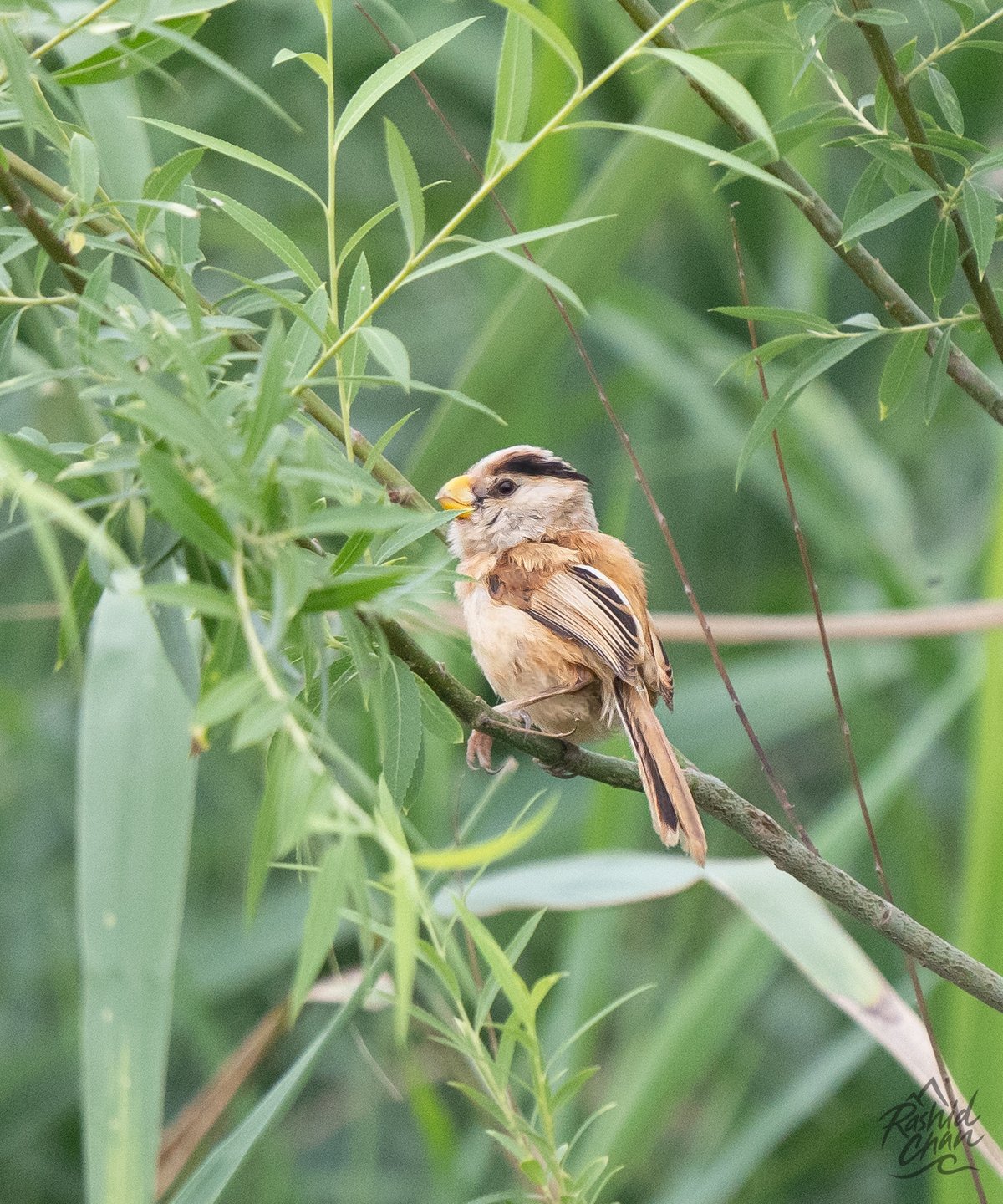
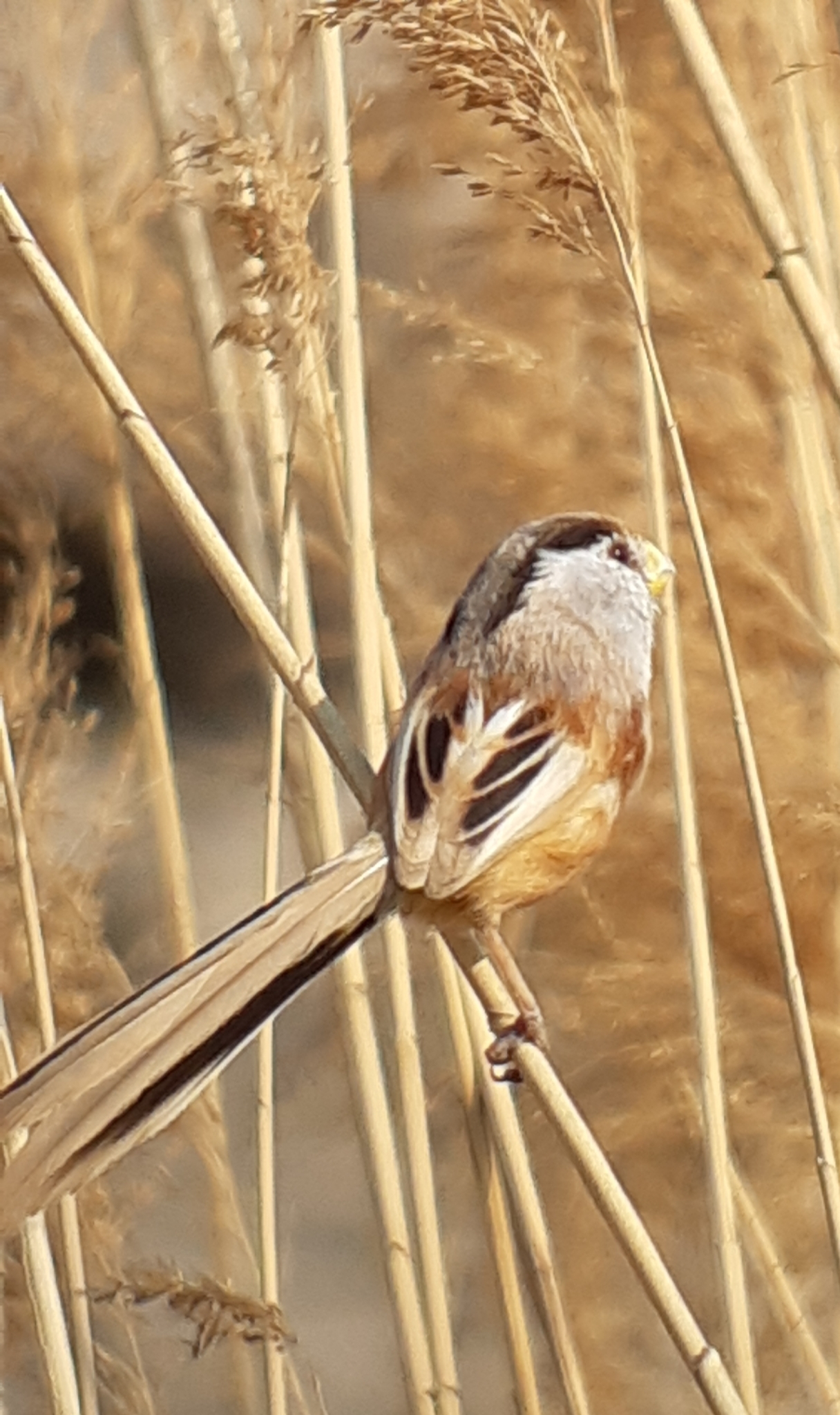
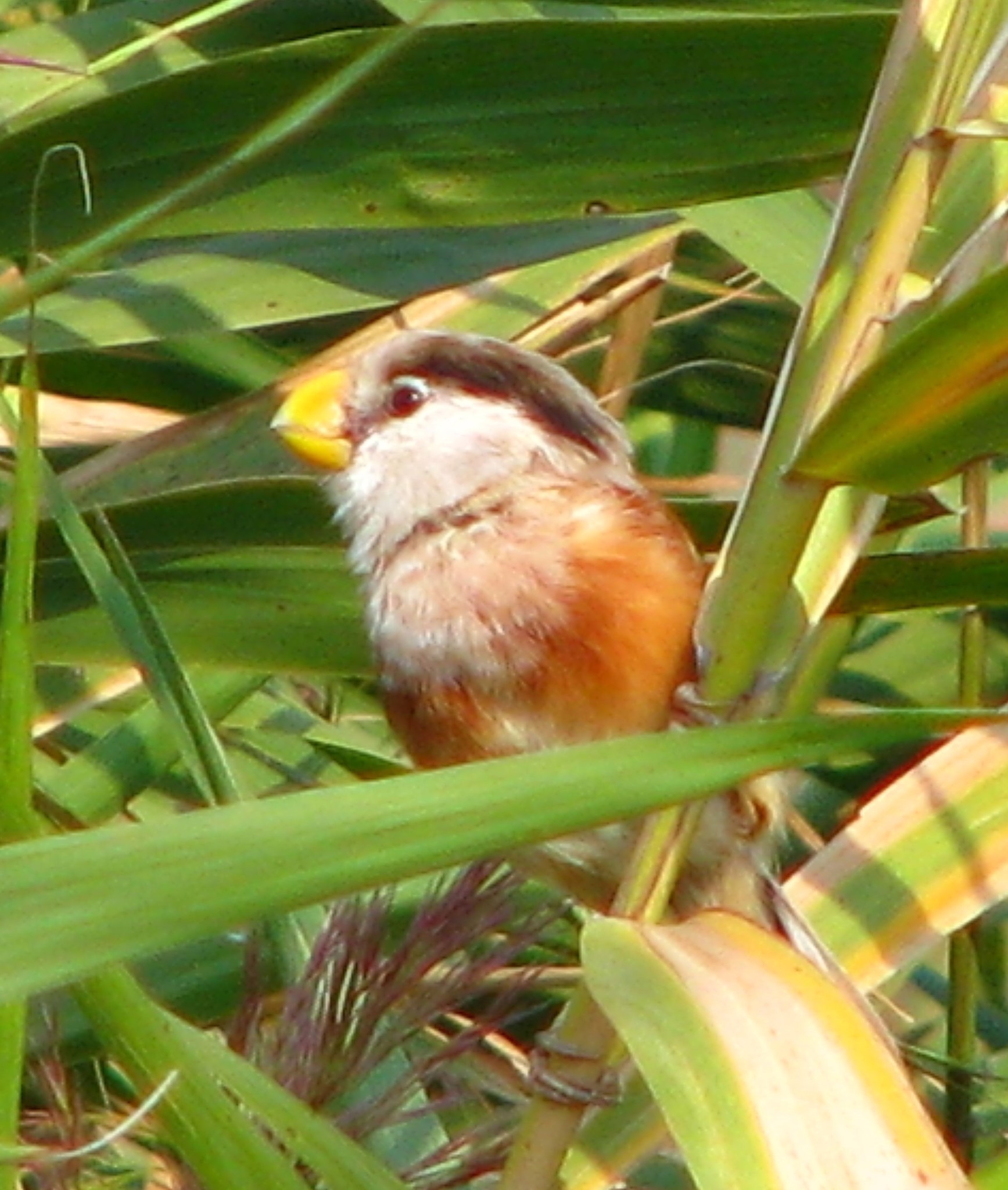
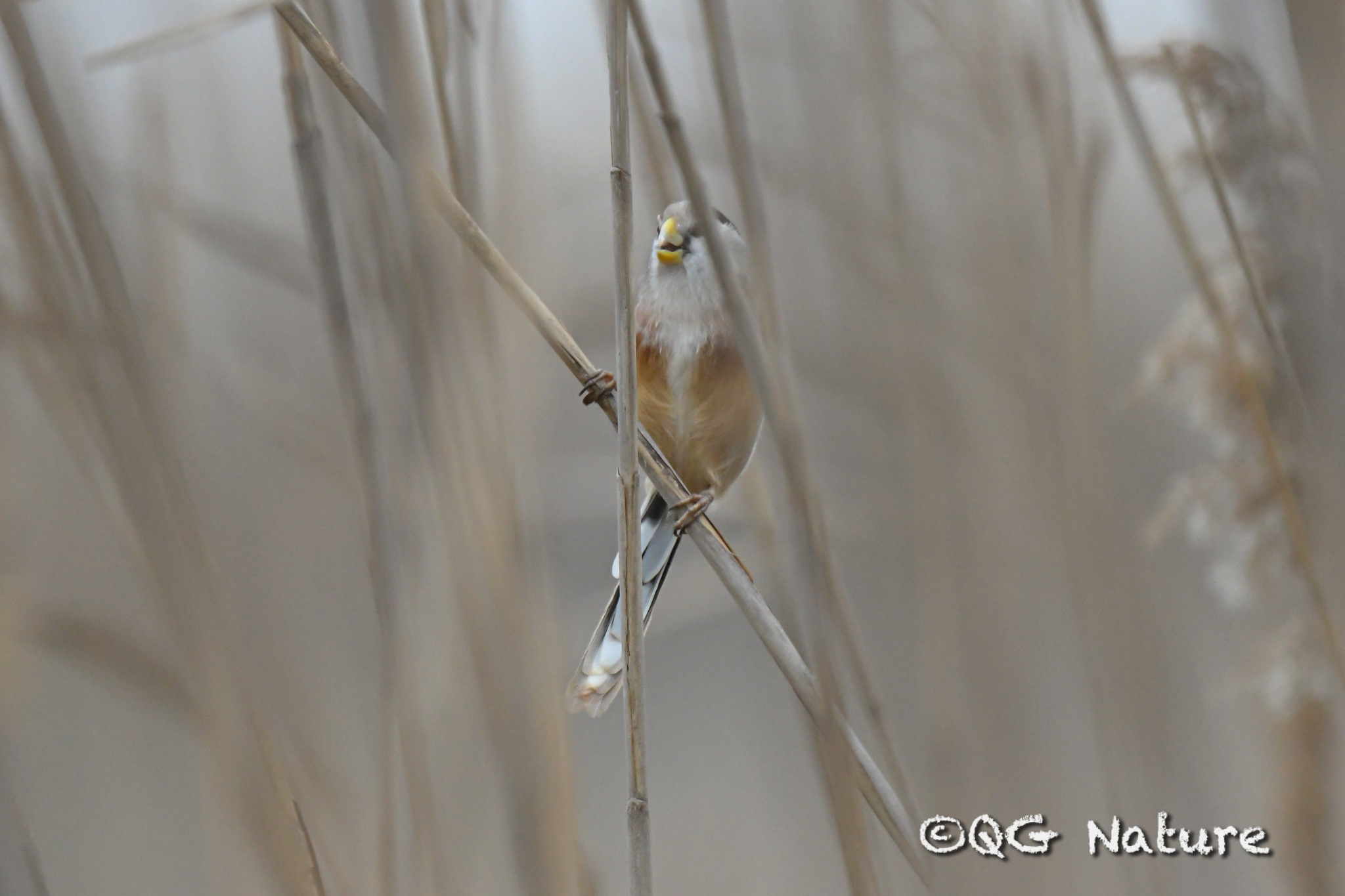
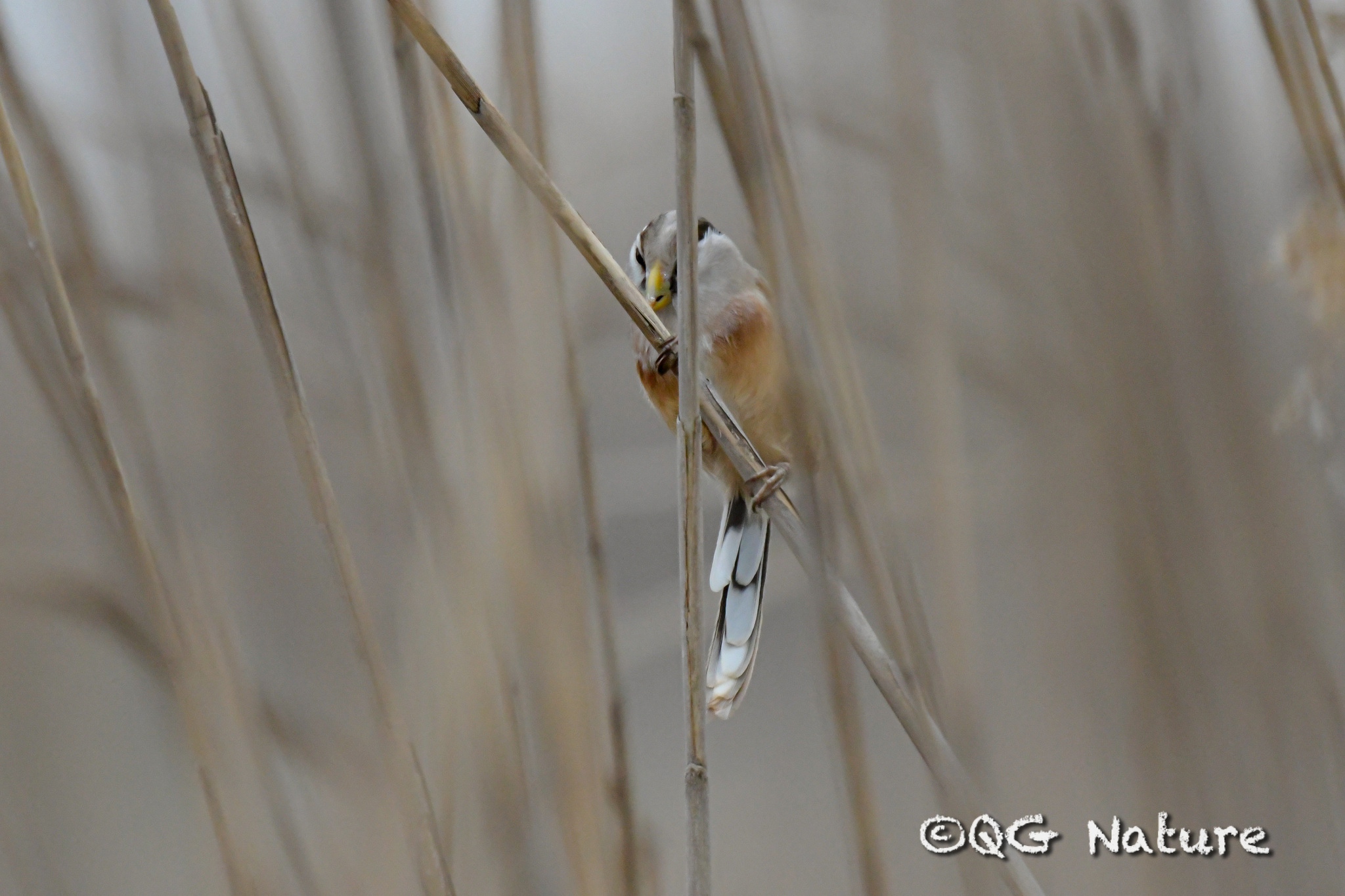
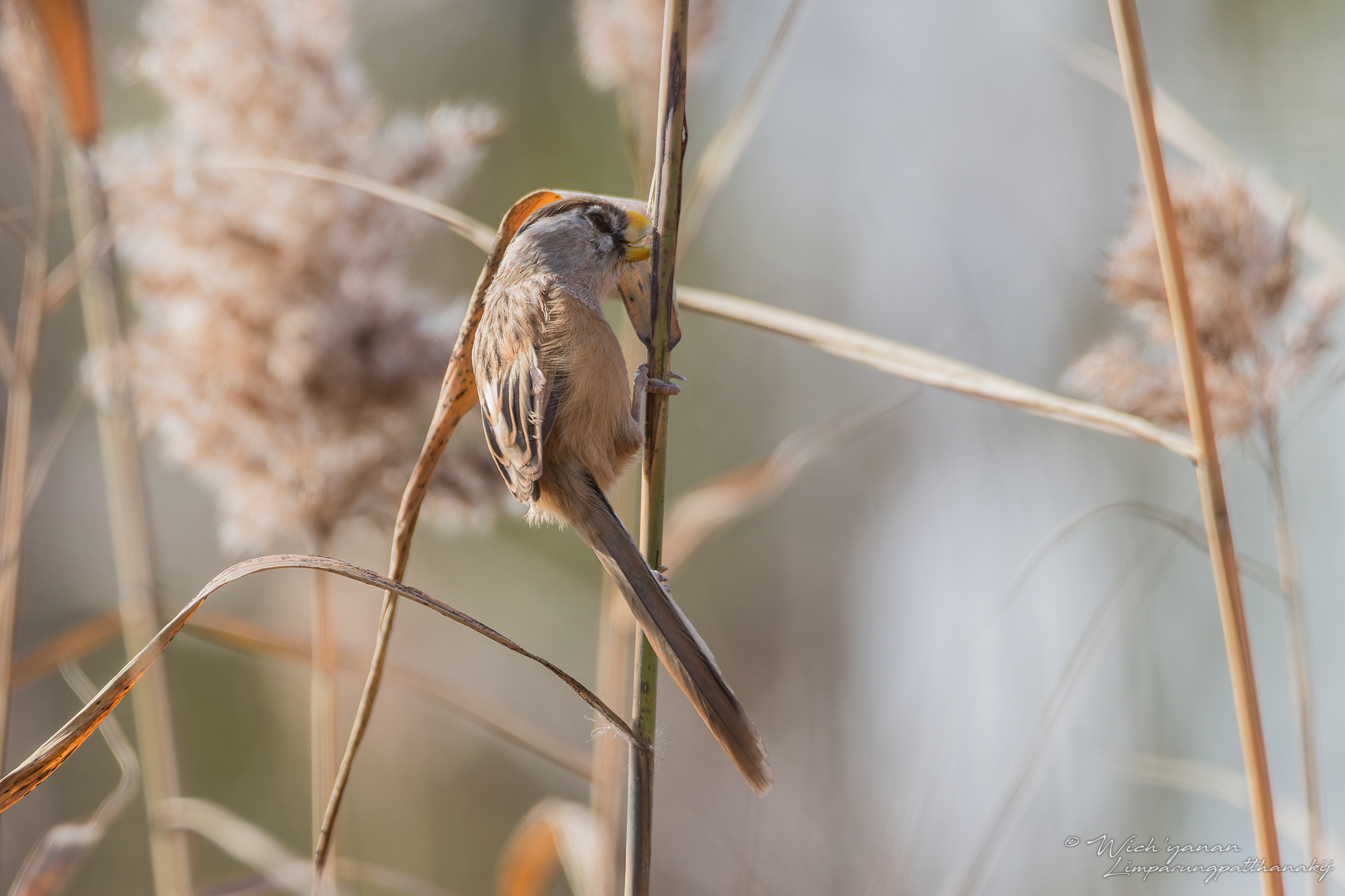
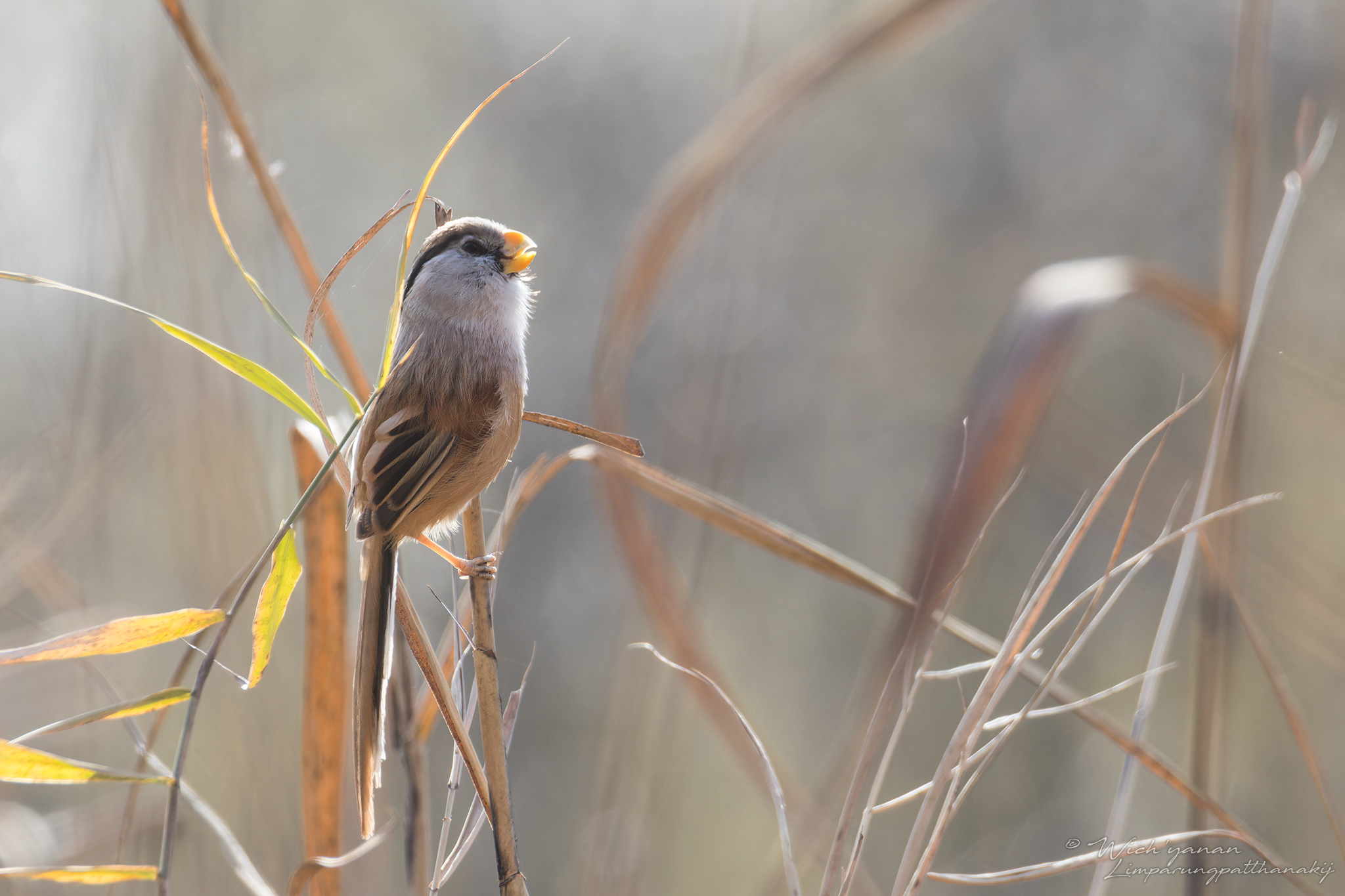
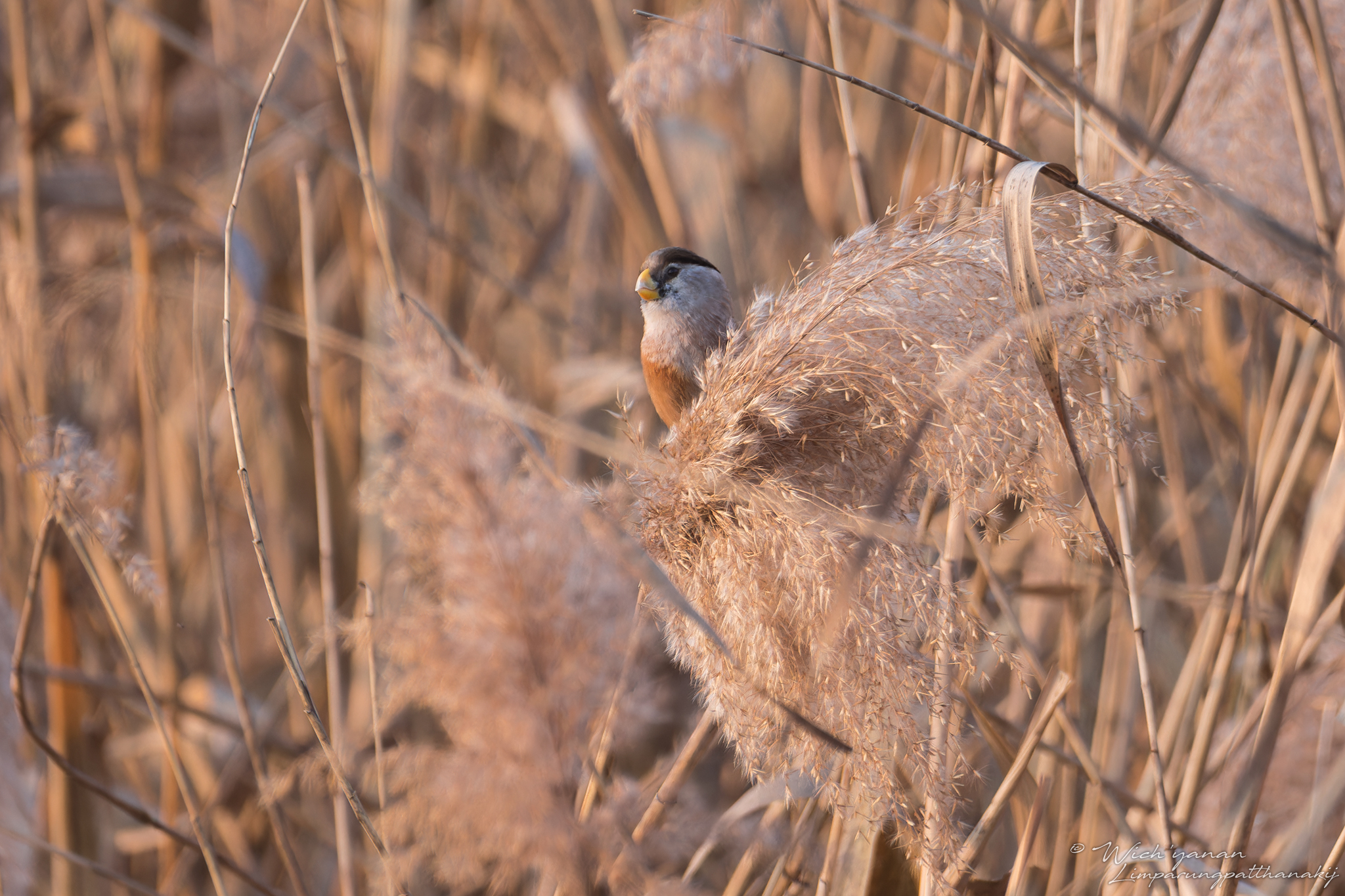
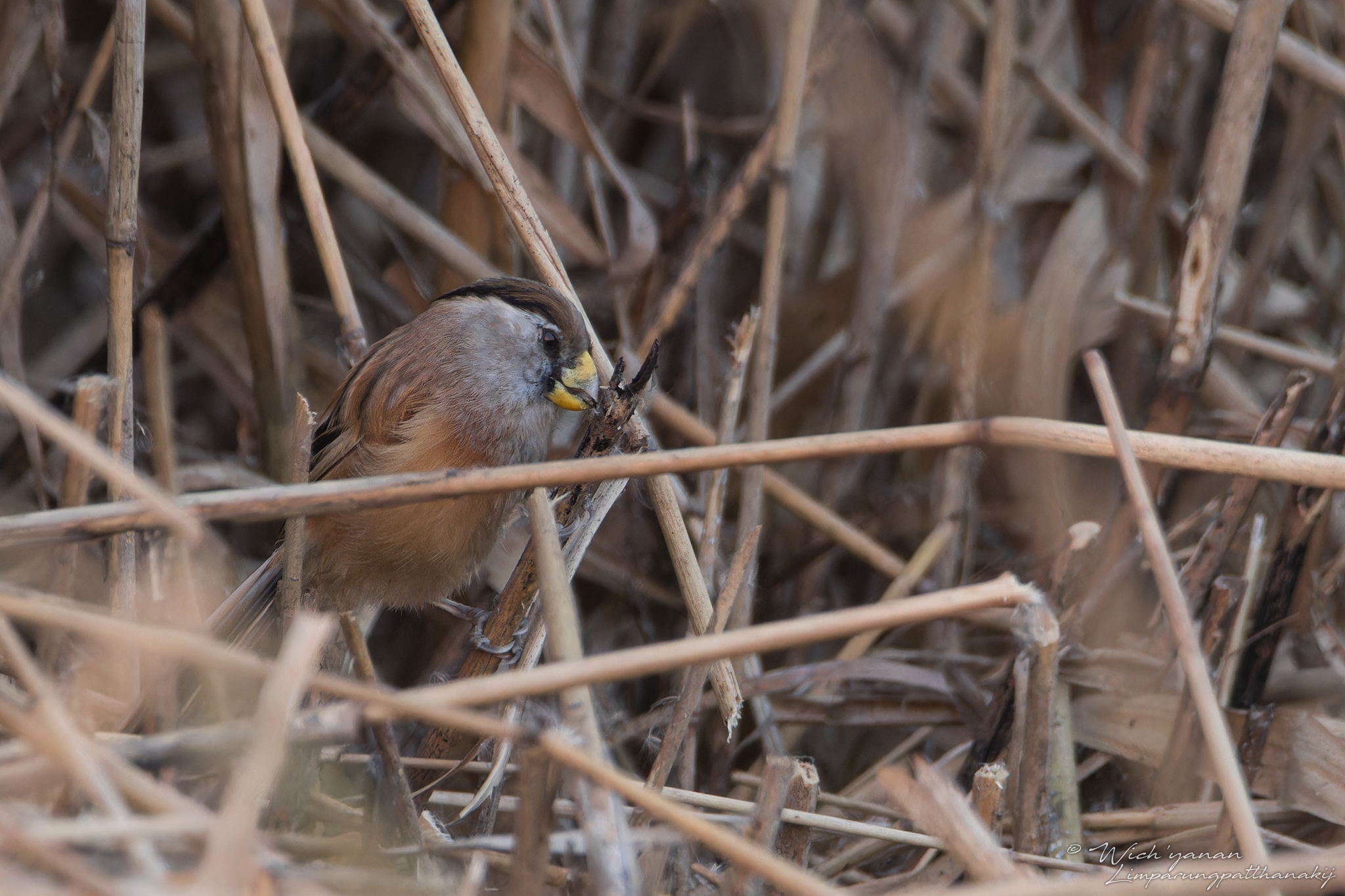
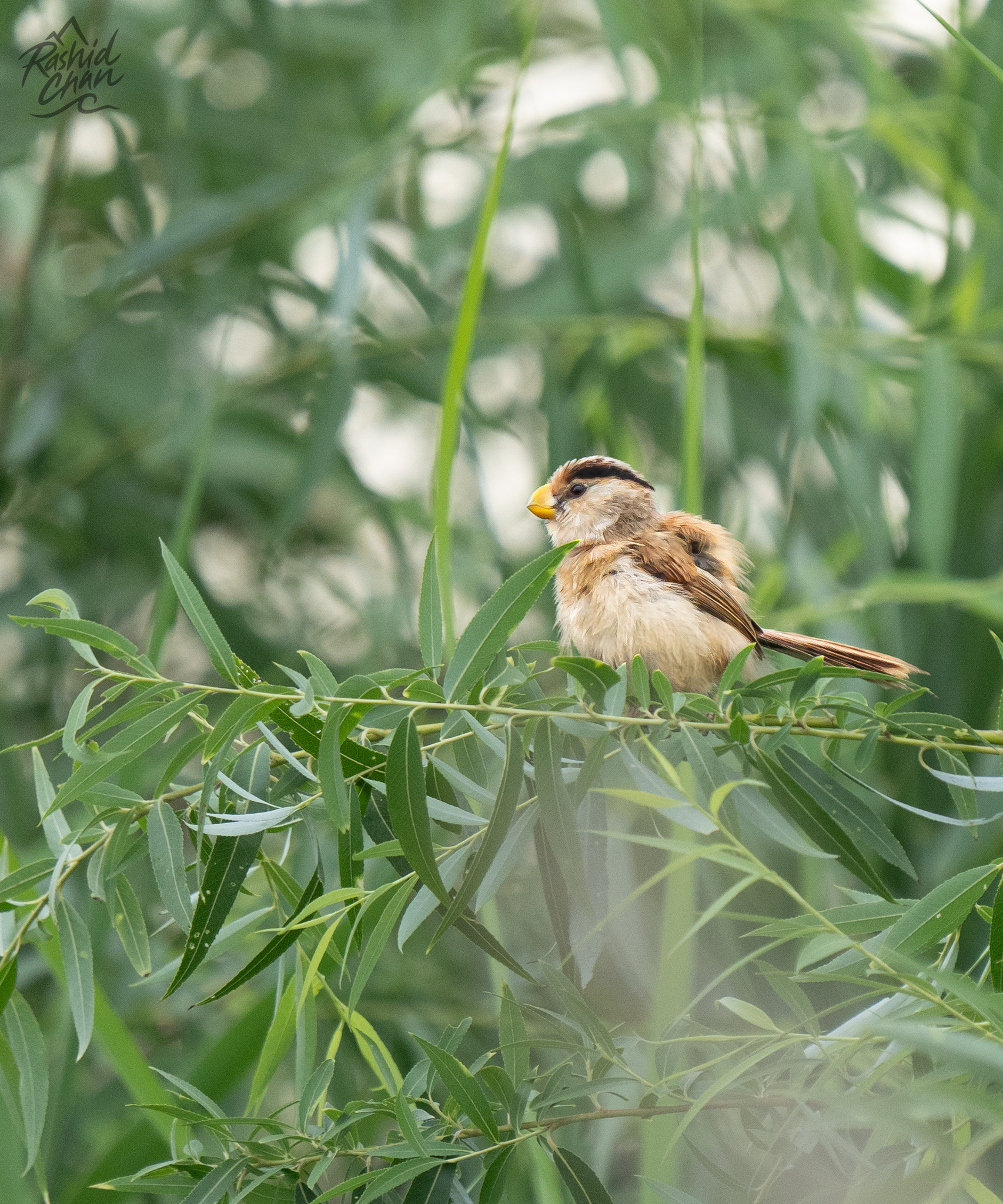
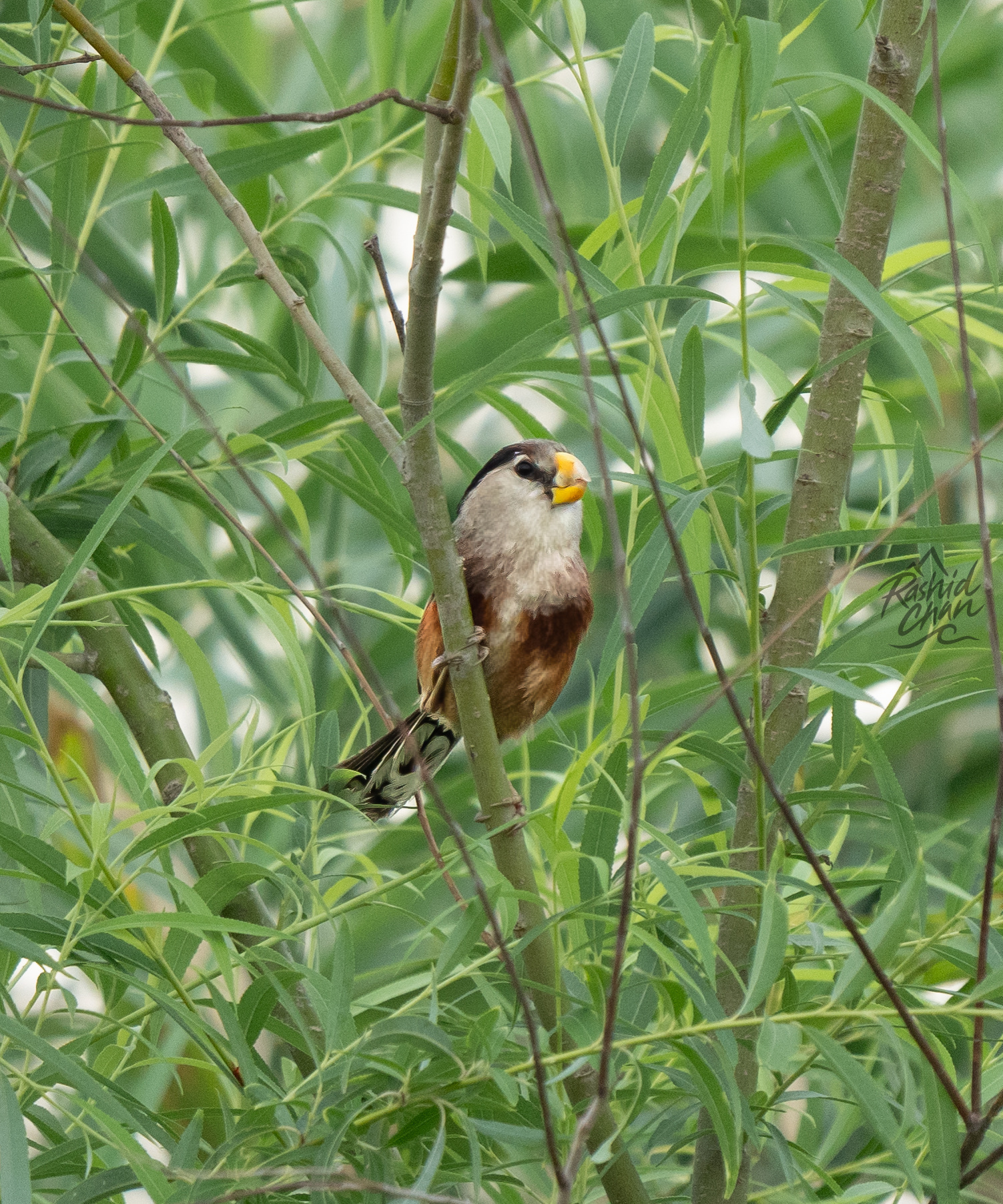
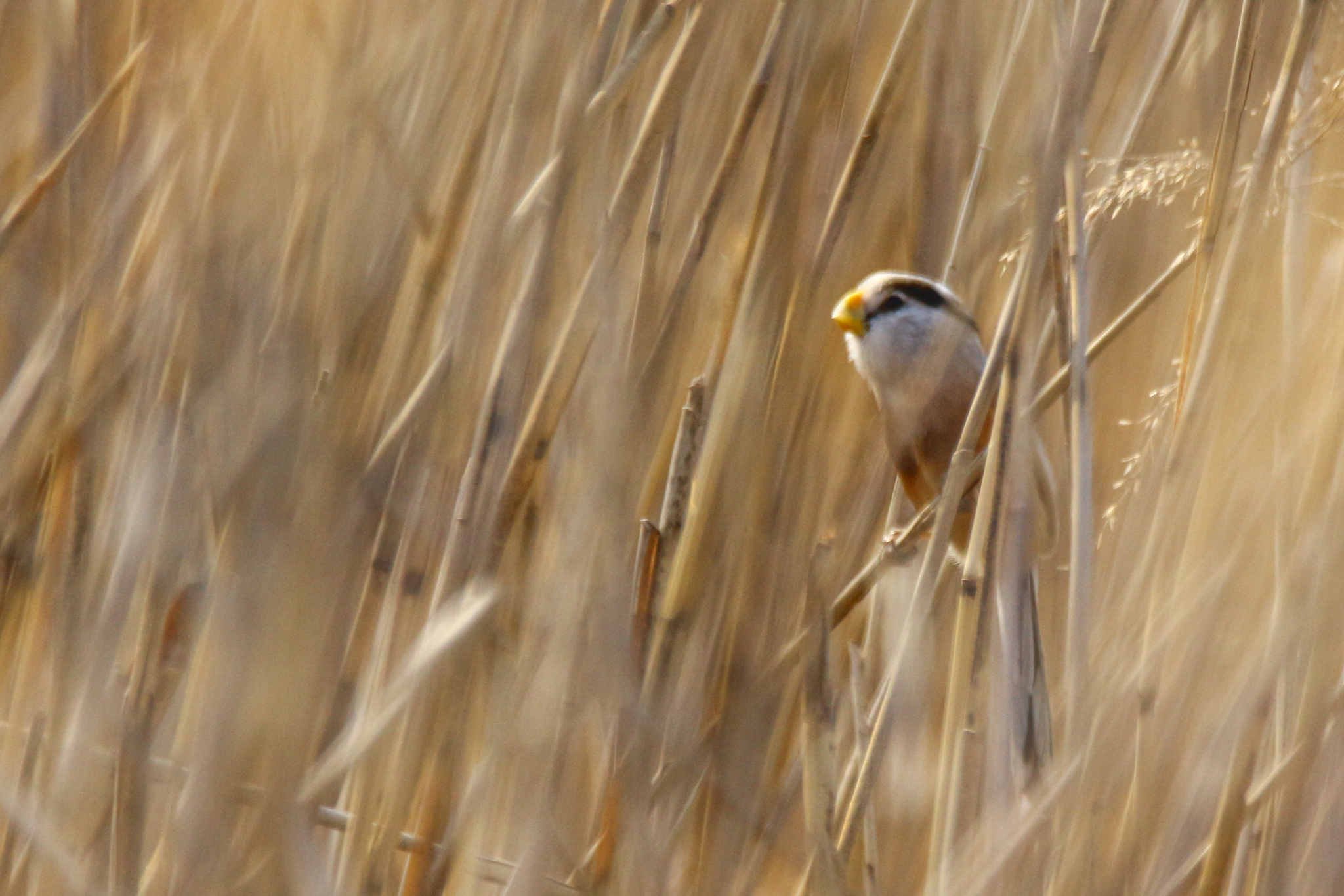
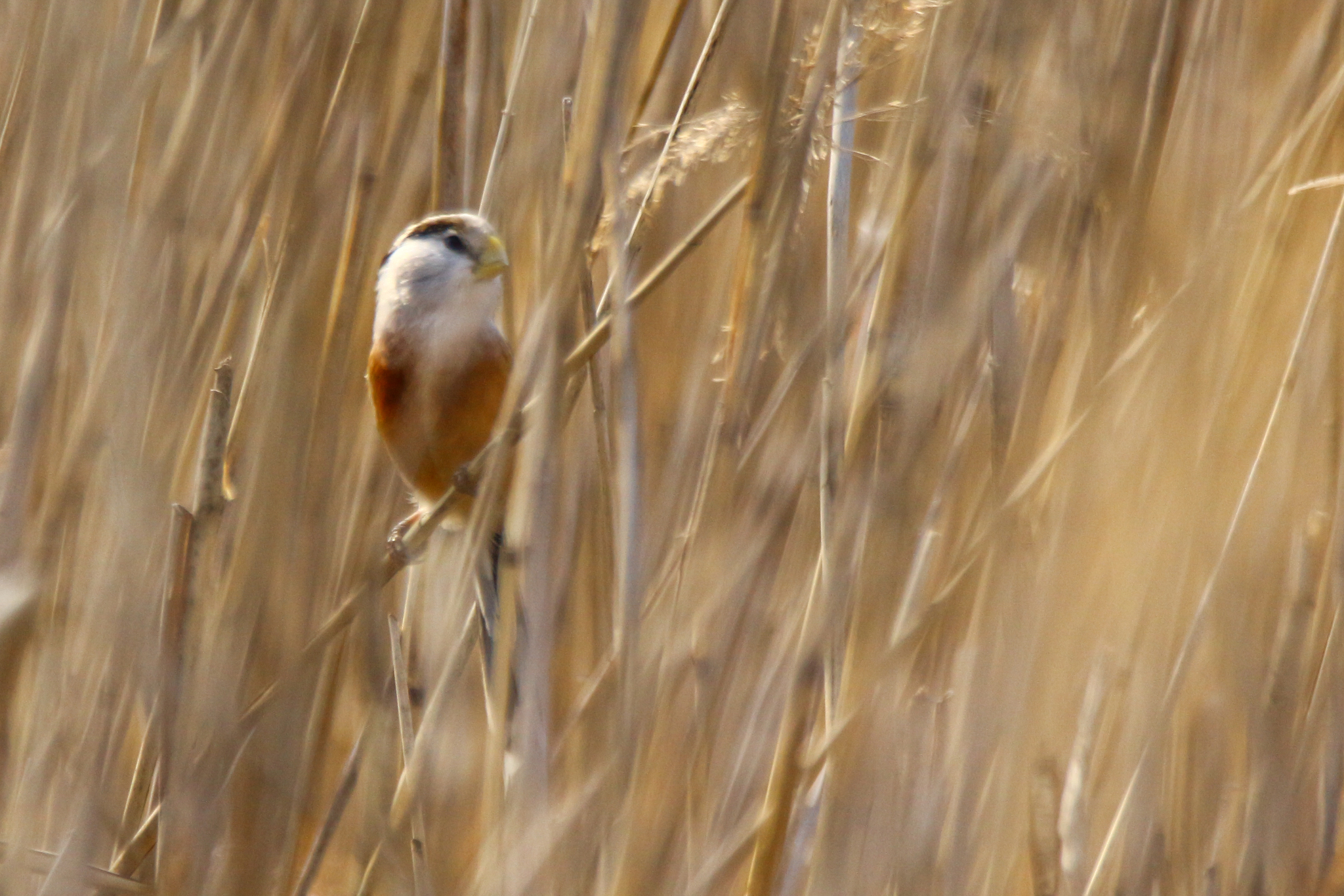
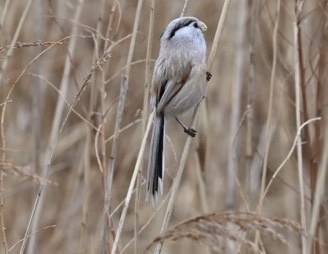
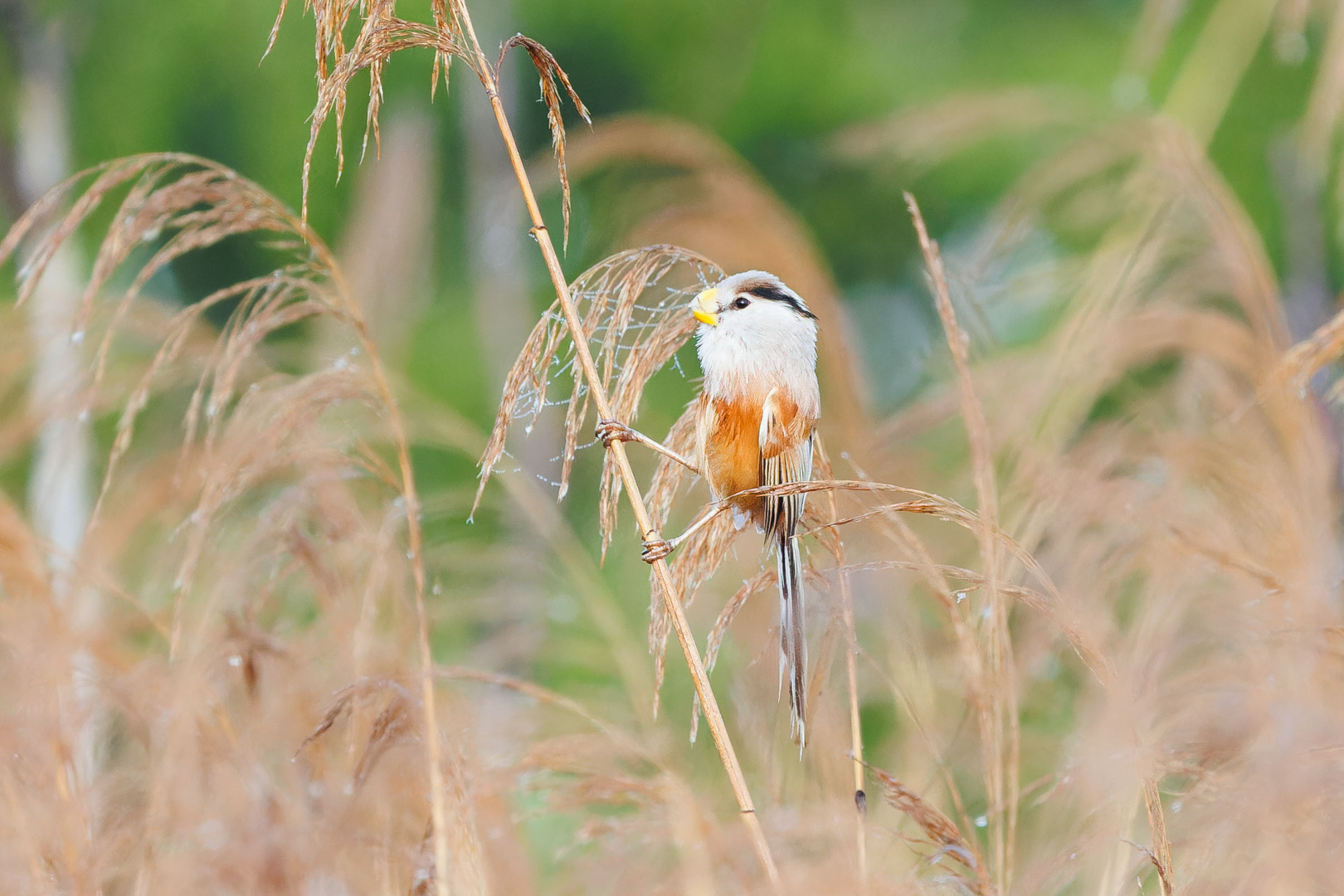
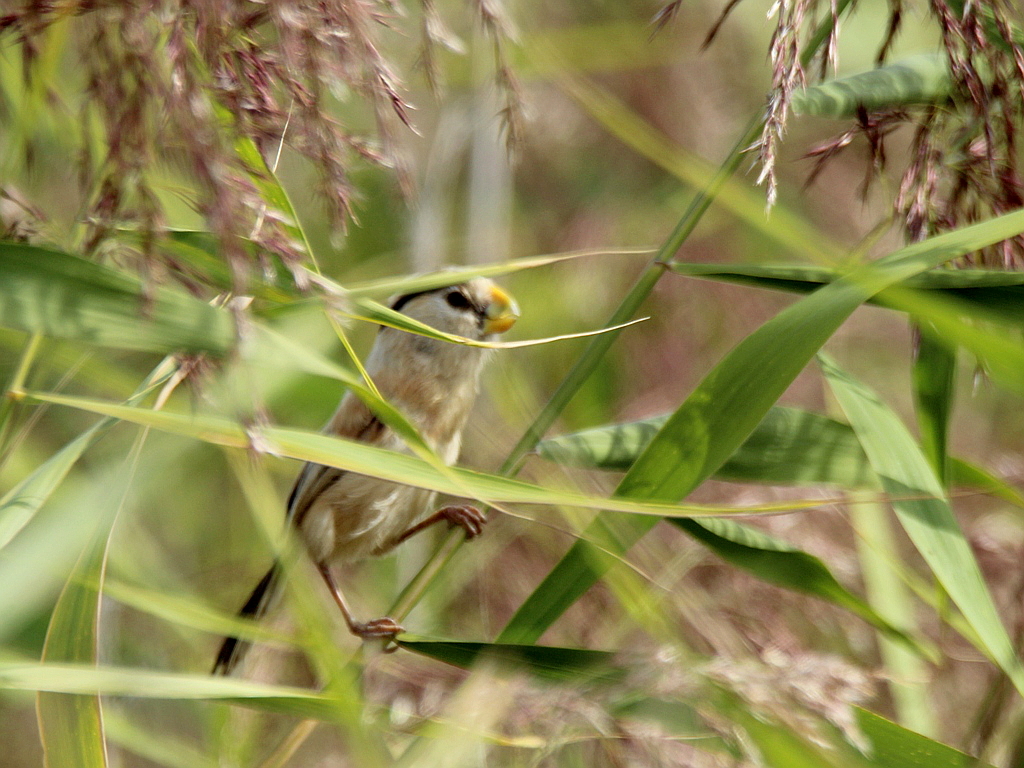
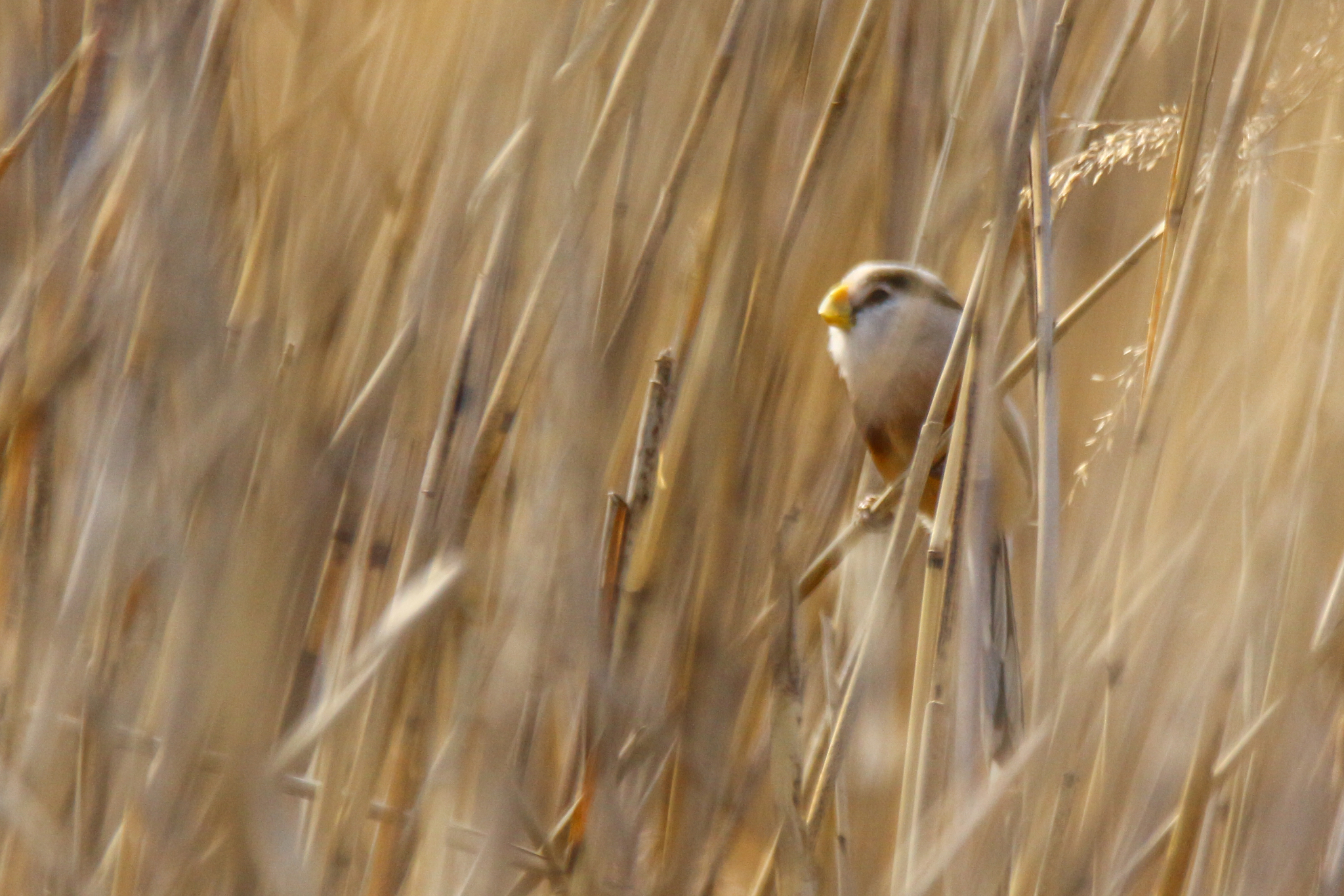
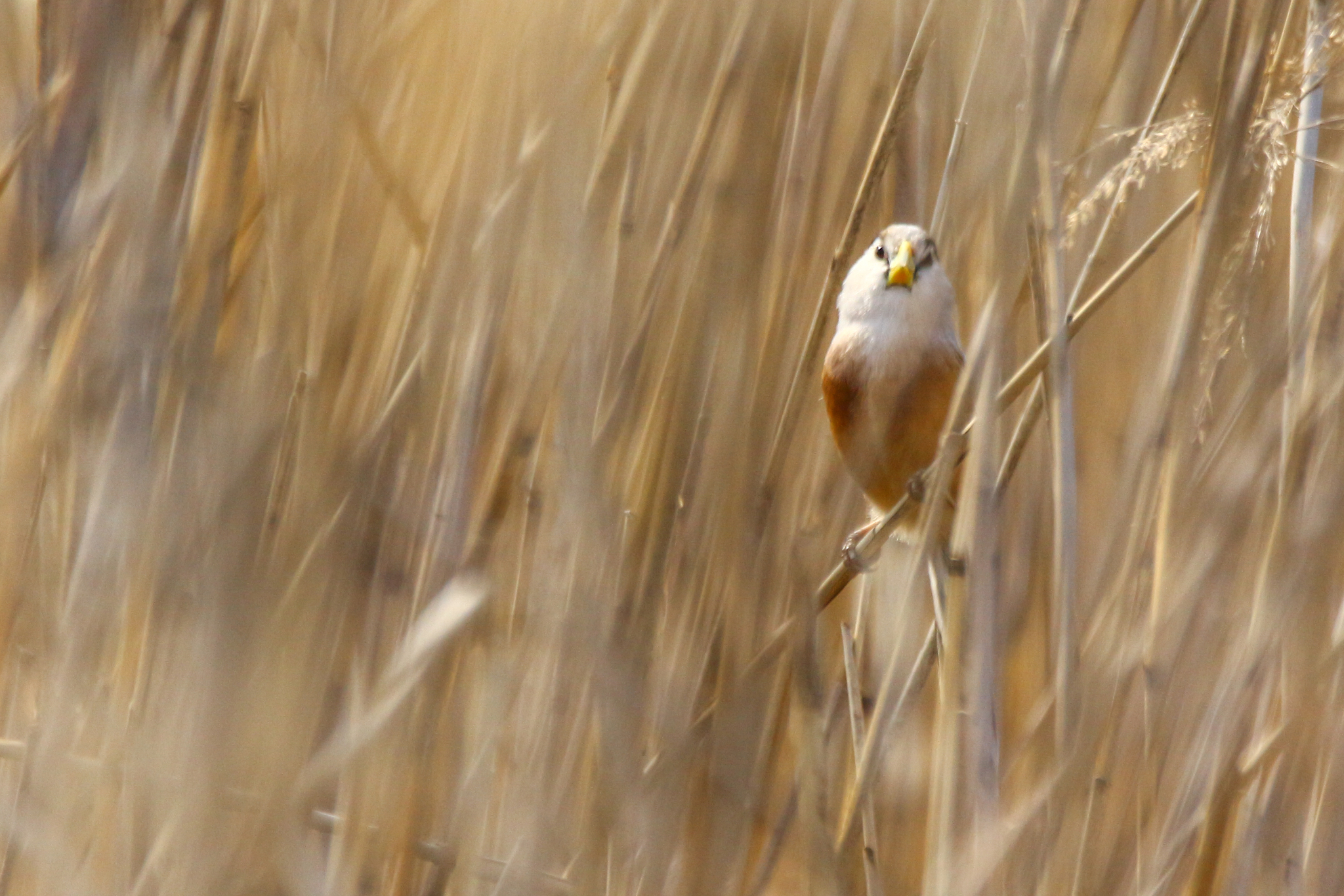
This is a medium-sized passerine with an unmistakable, unusually short, wide, and deep bill adapted for its specialized feeding behavior. The species exhibits dramatic seasonal plumage variation, making it unique among parrotbills. In non-breeding plumage (winter), it displays pinkish-cream and ash-gray coloration on the forehead and neck, with black and warm brown streaks running from above the eyes to the crown. A distinctive white stripe extends from the base of the bill over the eye toward the rear of the head. The ear coverts match the crown color, and the body streaking transitions from brown to black as it extends downward. During the breeding season (summer), the head and upper mantle become bluish-gray, with dark chestnut tips to the feathers. The ear coverts are slightly paler, and the flanks show lighter chestnut tones compared to winter plumage.
Identification
The reed parrotbill is best identified by its unique combination of specialized bill shape and seasonal plumage change. The short, deep, laterally compressed bill immediately distinguishes it from most other passerines in its habitat. The seasonal transformation from winter's pinkish-gray head pattern to summer's bluish-gray coloration is diagnostic and not shared by any other parrotbill species. In winter, the pinkish-cream forehead combined with the white supercilium stripe extending from the bill provides the key识别特征. Birders should listen for its distinctive loud clicking sounds as it feeds, which can reveal its presence even when hidden. The species is smaller and shorter-tailed than the more common vinous-throated parrotbill, with which it may overlap in some areas.
Distribution & Habitat
This species occurs across a limited range in northeastern Asia, occupying suitable reedbed habitat in Manchuria, eastern China, and the Russian Far East. Its distribution is inherently patchy, following the scattered reedbed complexes throughout this region. The species is considered resident in most areas, with no pronounced migratory movements documented, though some individuals may make short-distance dispersions. The northern subspecies, P. h. polivanovi, is sometimes considered a separate species (northern parrotbill) and occupies the more northerly portions of the range. Throughout its distribution, the species is entirely dependent on intact, healthy reedbeds for survival.
Behavior & Ecology
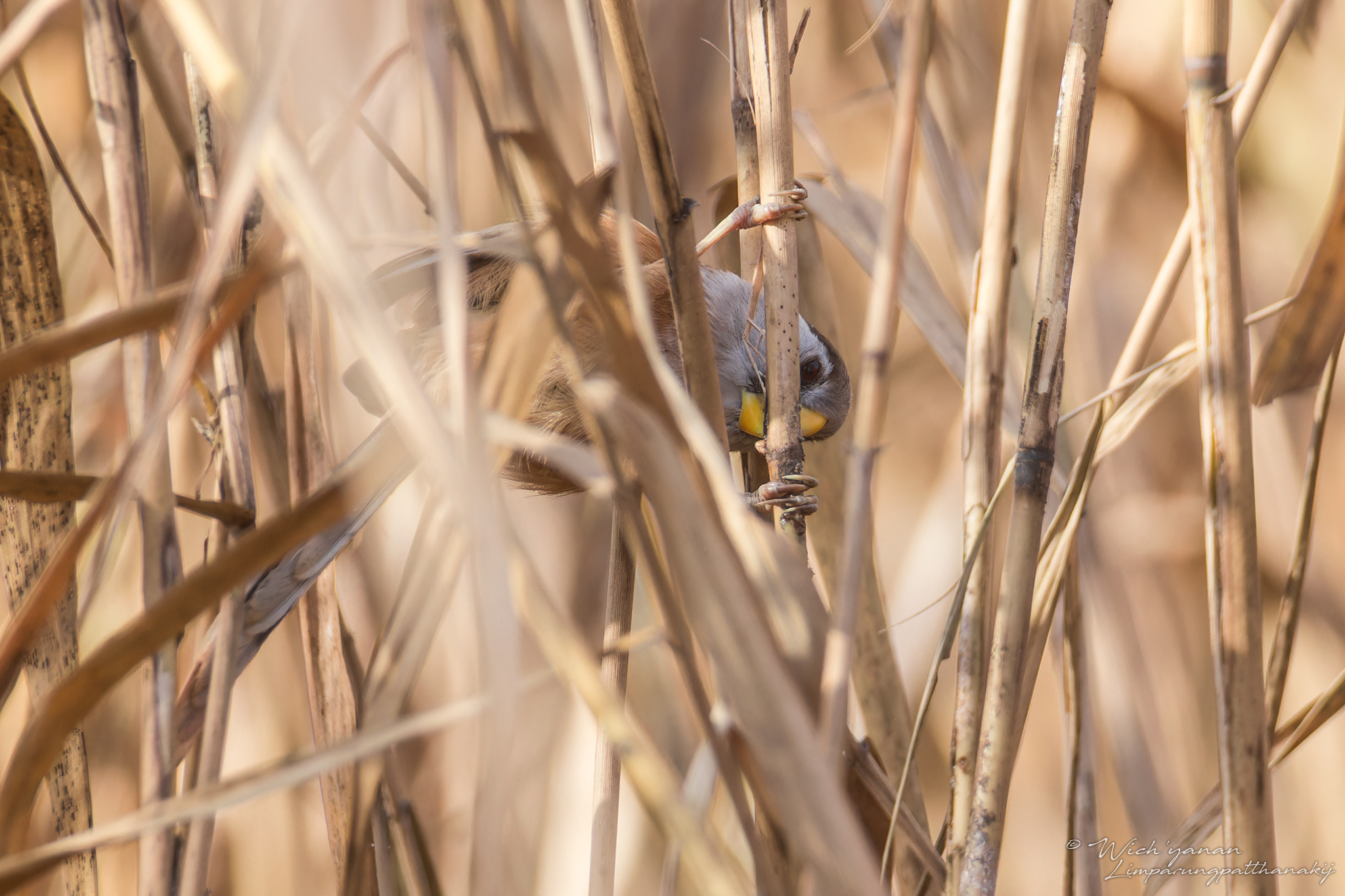
The reed parrotbill is an insect specialist, feeding primarily on insects including the pancake-shaped insects of the family Alceridae. It employs a distinctive feeding strategy of cutting through reed stems with its robust bill to access prey within, producing characteristic loud clicking sounds in the process. This species lacks a gizzard, the muscular stomach part responsible for grinding food, which limits its ability to process hard food items. Breeding occurs from mid-May through mid-September, with up to three broods per season. The species is typically found in pairs during the breeding period. Nests are constructed as bulky structures positioned within dense reed vegetation in China. This multi-brooding strategy may be an adaptation to the challenges of its specialized wetland habitat.
Conservation
The reed parrotbill is classified as Near Threatened by the IUCN, reflecting serious concerns about its future prospects. The global population is declining rapidly due to ongoing habitat degradation. The primary threats are the clearance of reedbeds for agriculture, aquaculture, and urban development, along with commercial over-harvesting of reeds for thatching and other uses. Wetland drainage and pollution have further degraded remaining habitat. These pressures are particularly severe in China, where rapid development has eliminated large areas of suitable reedbed. Conservation action focused on protecting intact reedbed complexes and managing existing sites for sustainable reed harvests is essential to prevent this species from sliding toward more threatened categories.
Culture
No cultural significance or folklore associated with this species was documented in available sources.
Source: Wikipedia · CC BY-SA 3.0
Taxonomy
- Order
- Passeriformes
- Family
- Paradoxornithidae
- Genus
- Paradoxornis
- eBird Code
- reepar3
Subspecies (2)
-
Paradoxornis heudei heudei
eastern China (southeastern Shandong southward to Jiangsu and inland to northern Jiangxi)
-
Paradoxornis heudei polivanovi
northeastern China (Liaoning, Heilongjiang) and adjacent southeastern Siberia
Data Sources
CBR Notes: 由Calamornis属移入Paradoxornis属(Cai et al. 2019)
Species description from Wikipedia, licensed under CC BY-SA 3.0.
Bird images and sounds sourced from GBIF, contributed by citizen scientists worldwide under Creative Commons licenses.
Taxonomy data from AviList 2025.