Java Sparrow
Padda oryzivora
爪哇禾雀
Introduction
A small passerine bird in the family Estrildidae. Native to Java, Bali, and Bawean in Indonesia. Inhabits open grassland and cultivation areas. Feeds primarily on grain and seeds, historically considered a pest in rice fields. Very gregarious species forming large flocks. Currently evaluated as Endangered on the IUCN Red List with fewer than 10,000 individuals remaining. Listed on CITES Appendix II. Populations have declined significantly due to habitat loss, hunting, and trapping.
Description
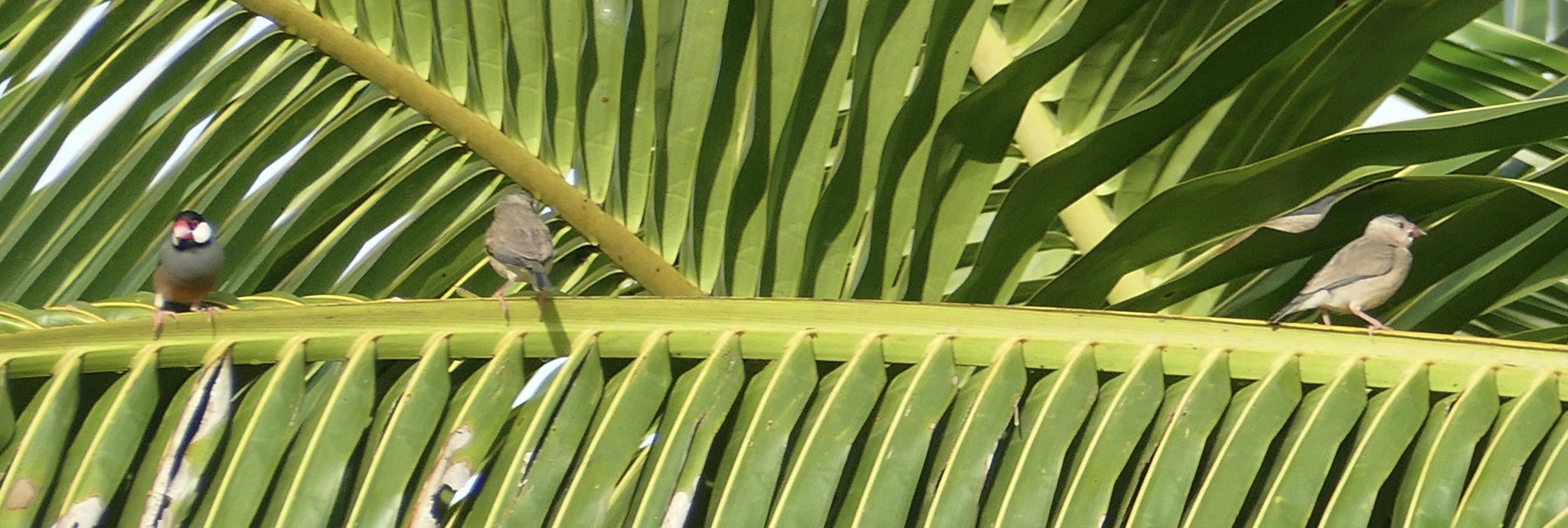
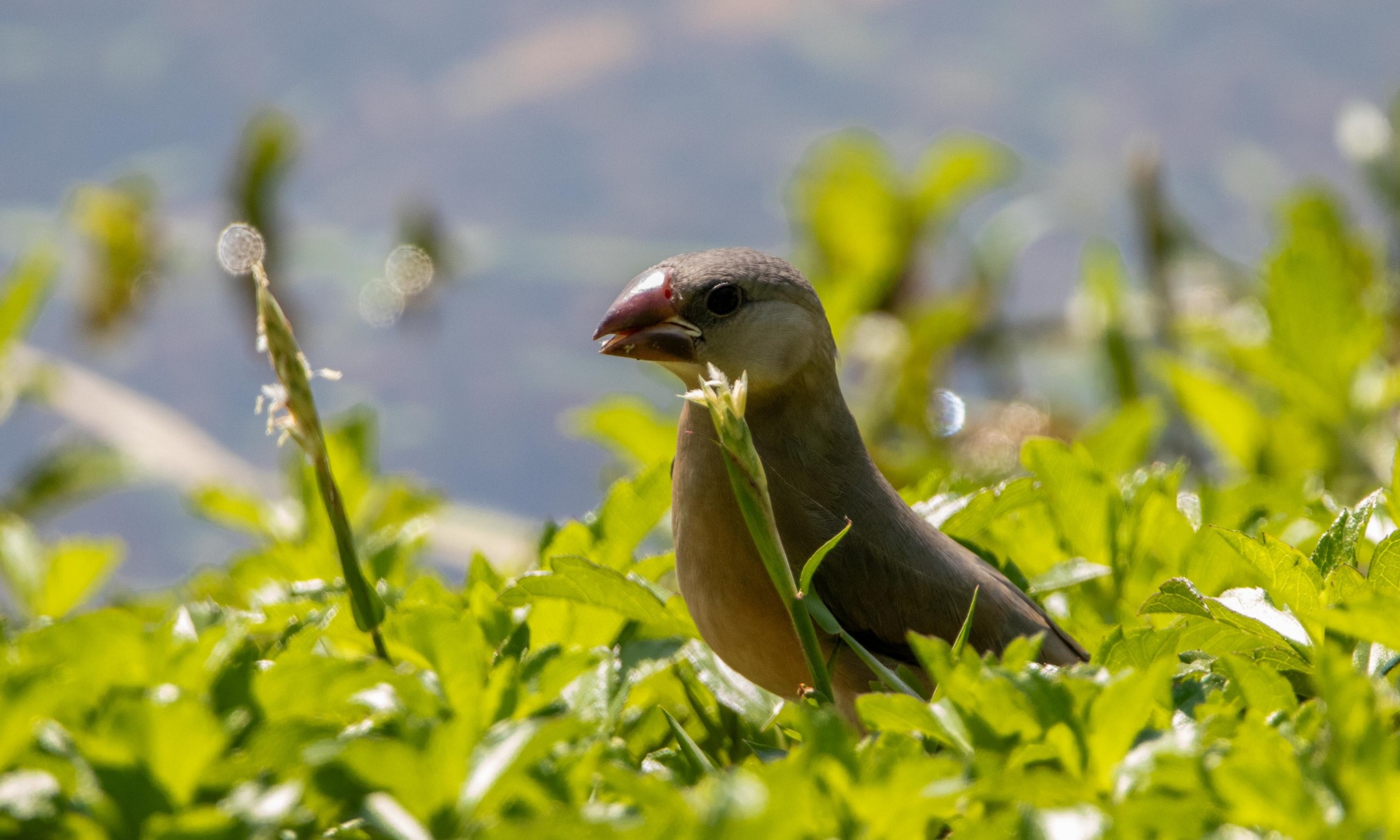
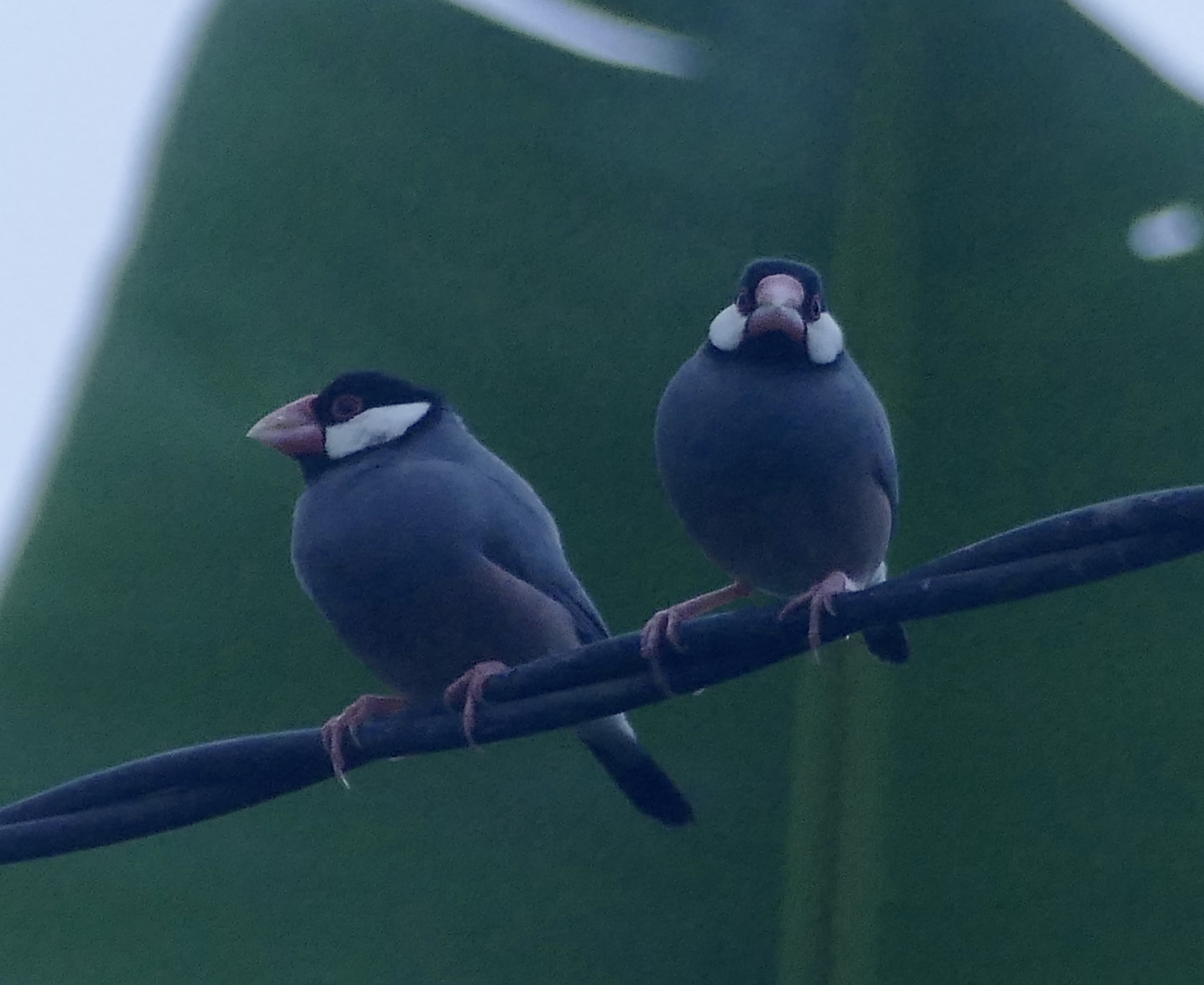
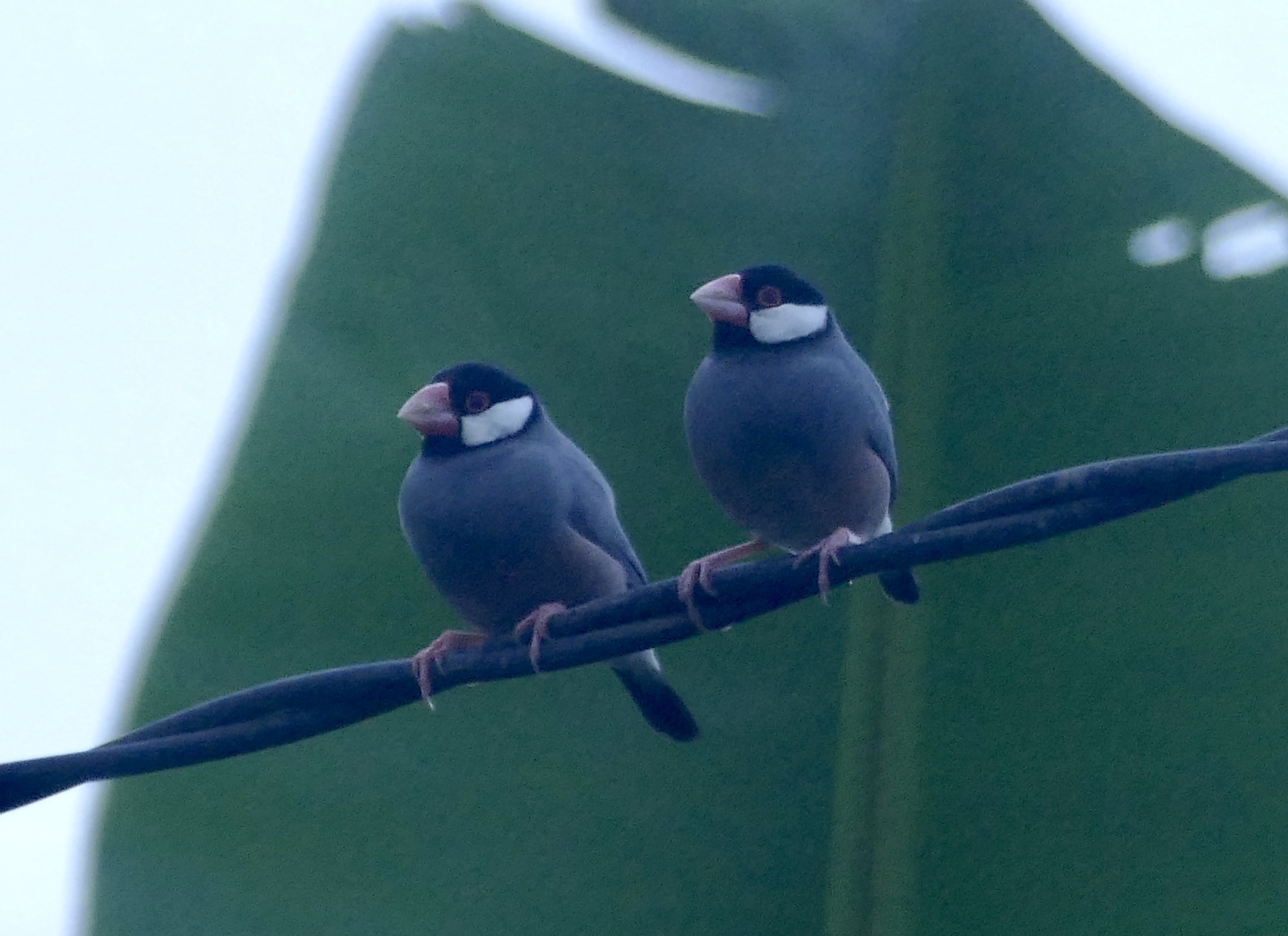
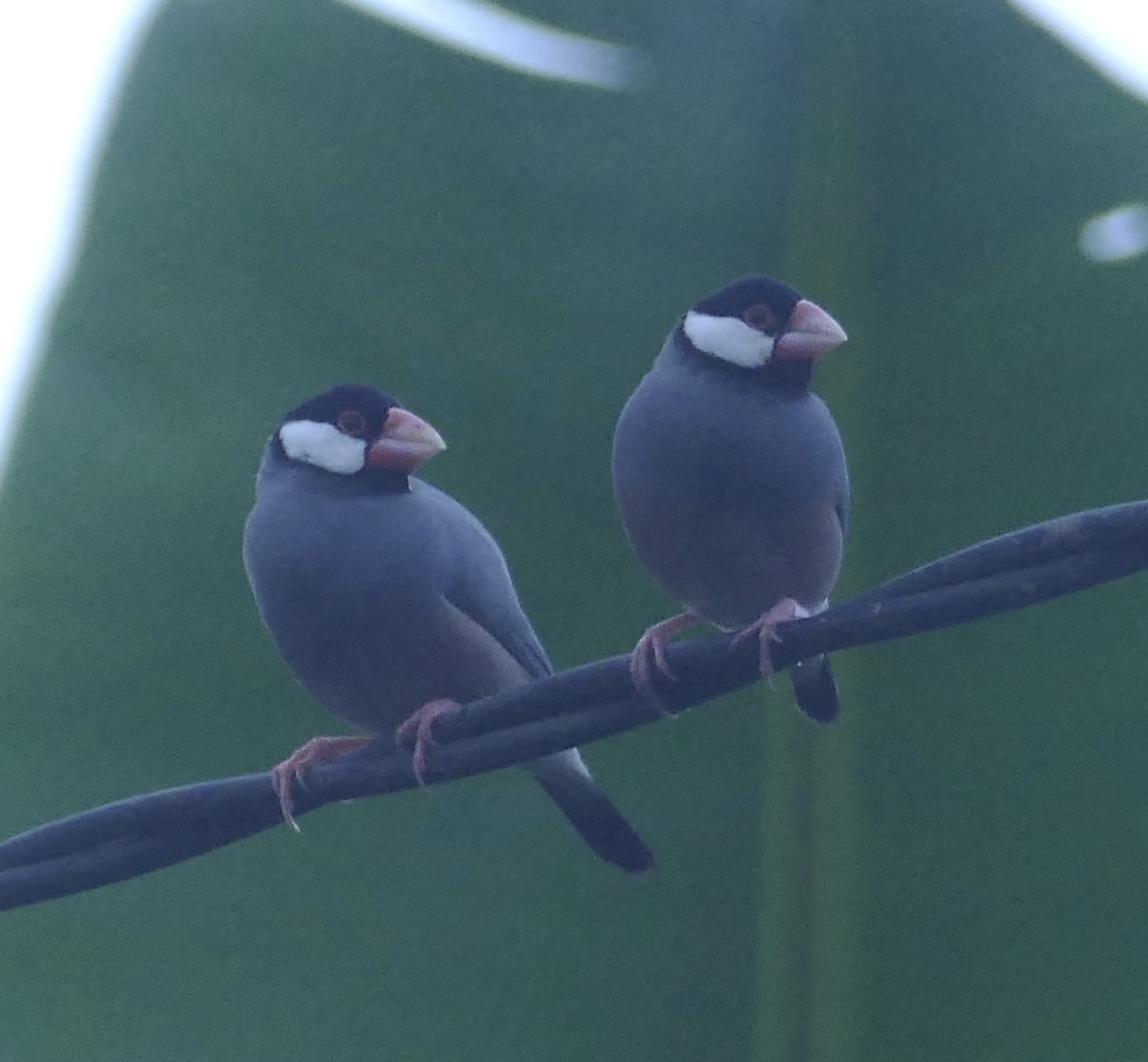
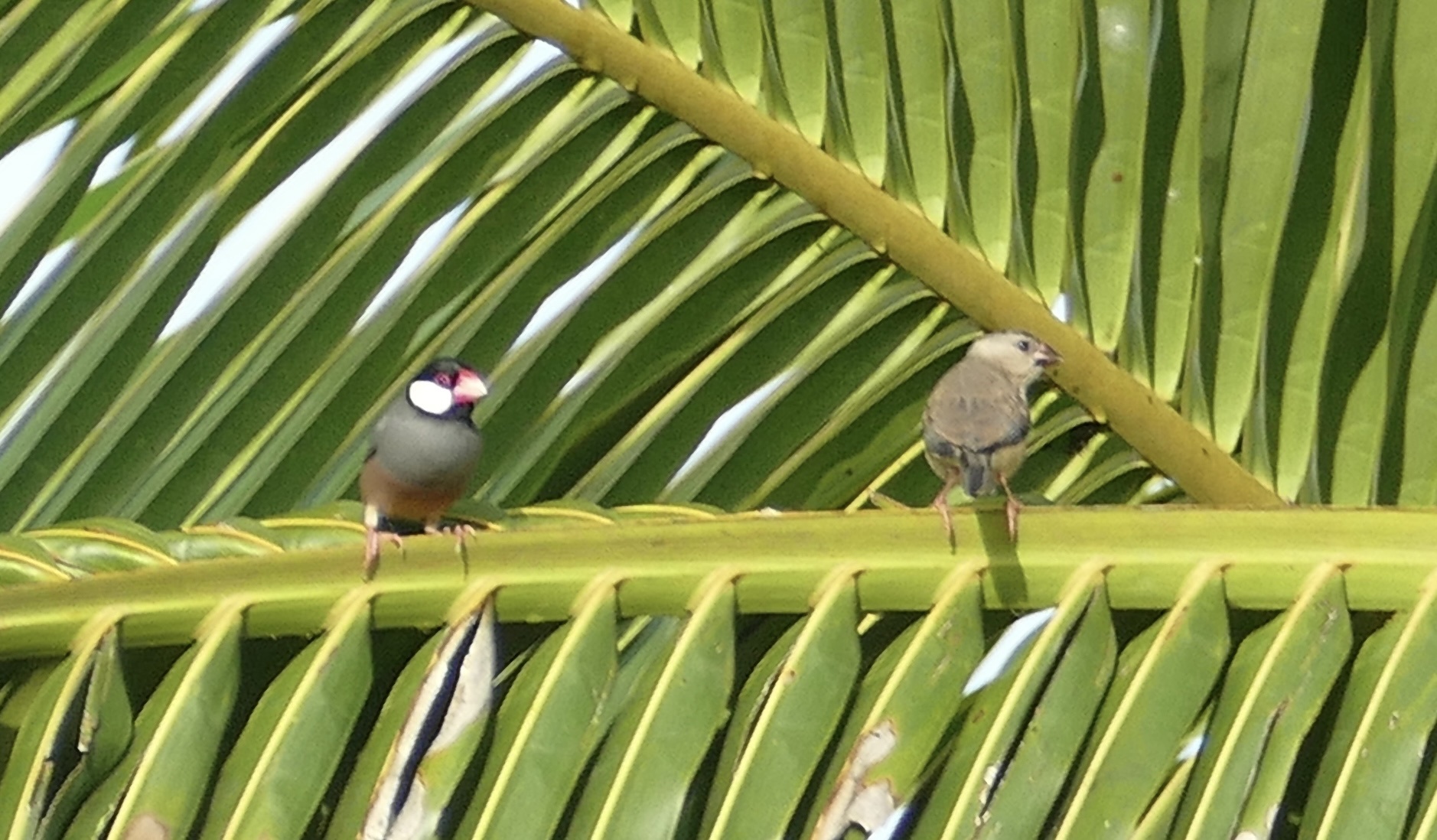
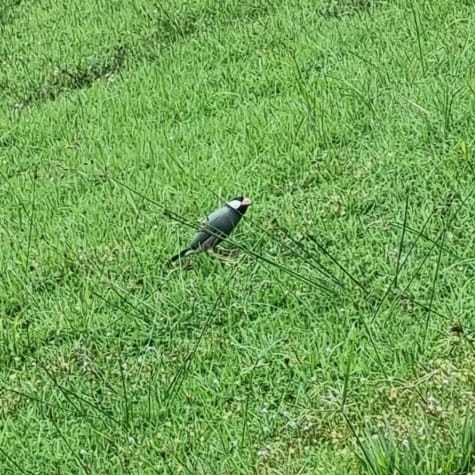
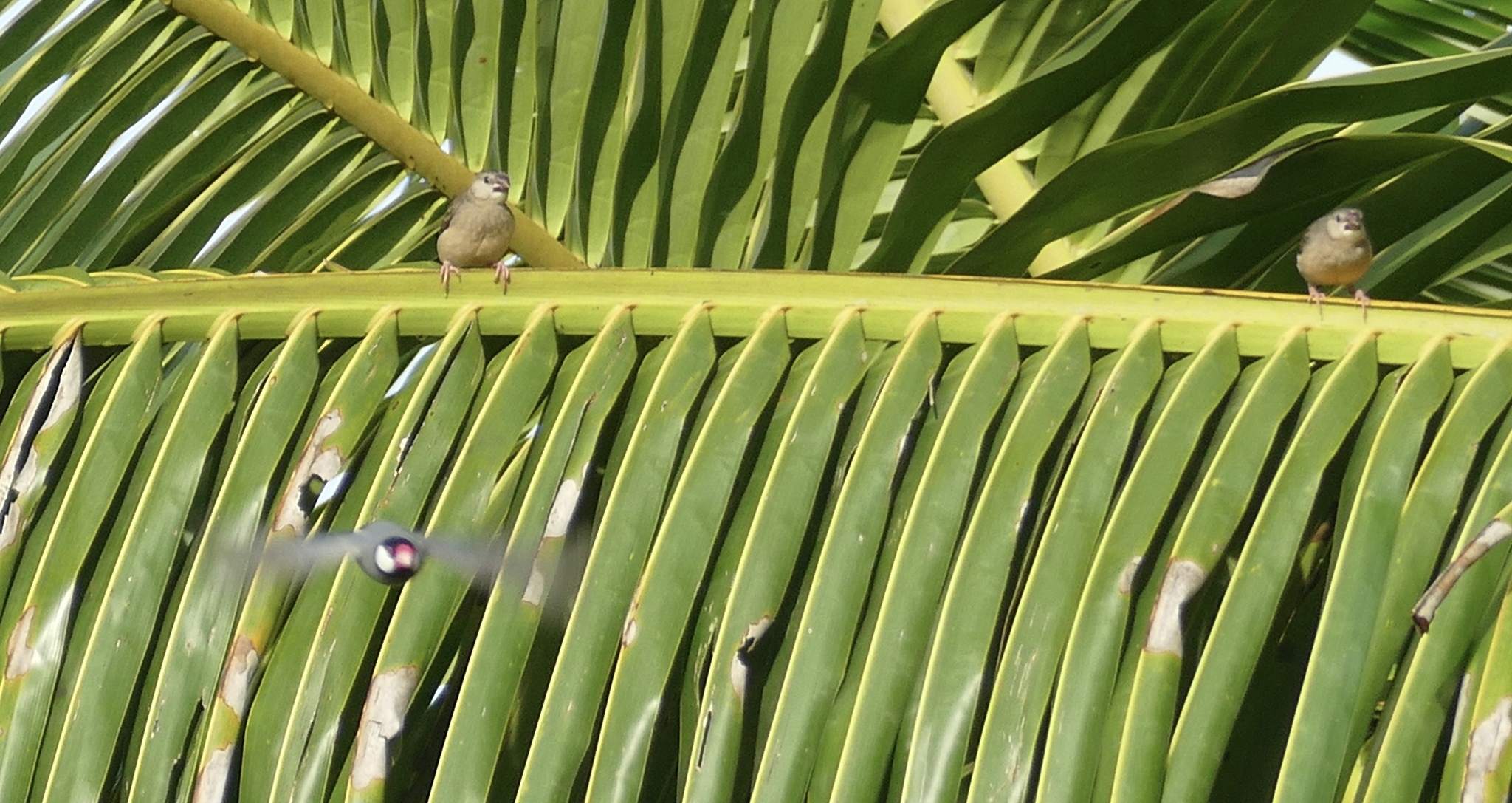
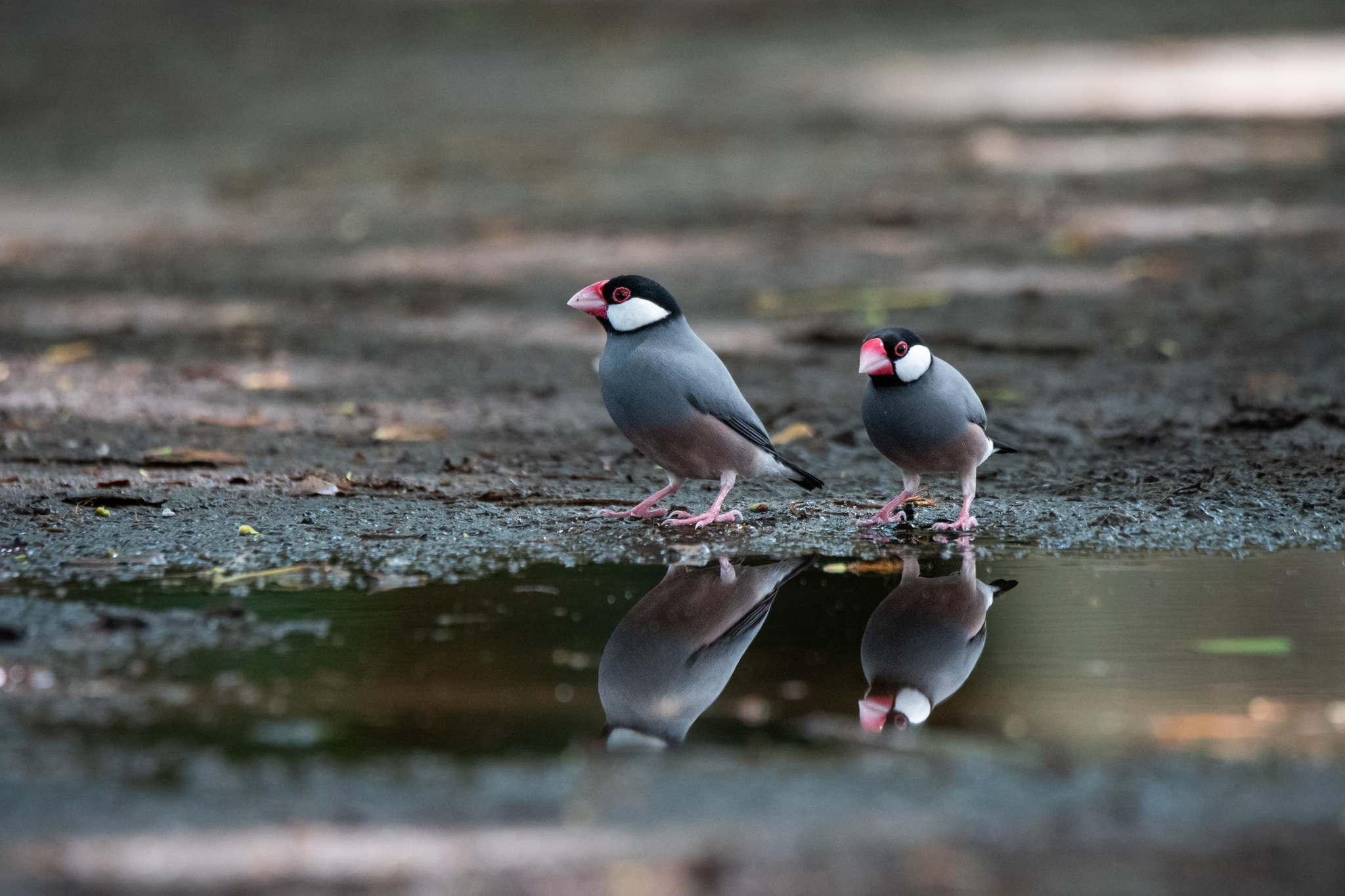
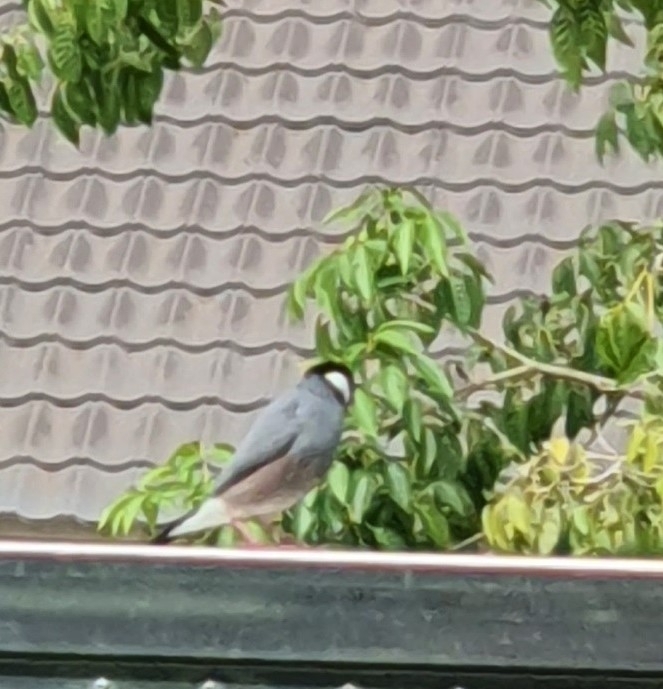
A small seed-eating bird measuring 15-17 cm (5.9-6.7 in) in length with a mean body weight of 24.5 g (0.86 oz). Potentially the largest species in the estrildid family. Adults have grey upperparts and breast, pink belly, white-cheeked black head, red eye-ring, pink feet, and a thick red bill. Both sexes appear similar. Immature birds display brown upperparts and pale brown underparts with a plain head. The call is a chip note, while the song consists of rapid chip-chip-chip-chip-chip-chip notes.
Identification
Unmistakable in adult plumage due to the distinctive combination of grey upperparts, pink belly, and black head with white cheeks. The thick red bill and red eye-ring are distinctive field marks. Larger than most estrildid finches, approaching the size of a house sparrow. Immature birds are more subdued brown above and pale brown below, lacking the black and white head pattern.
Distribution & Habitat
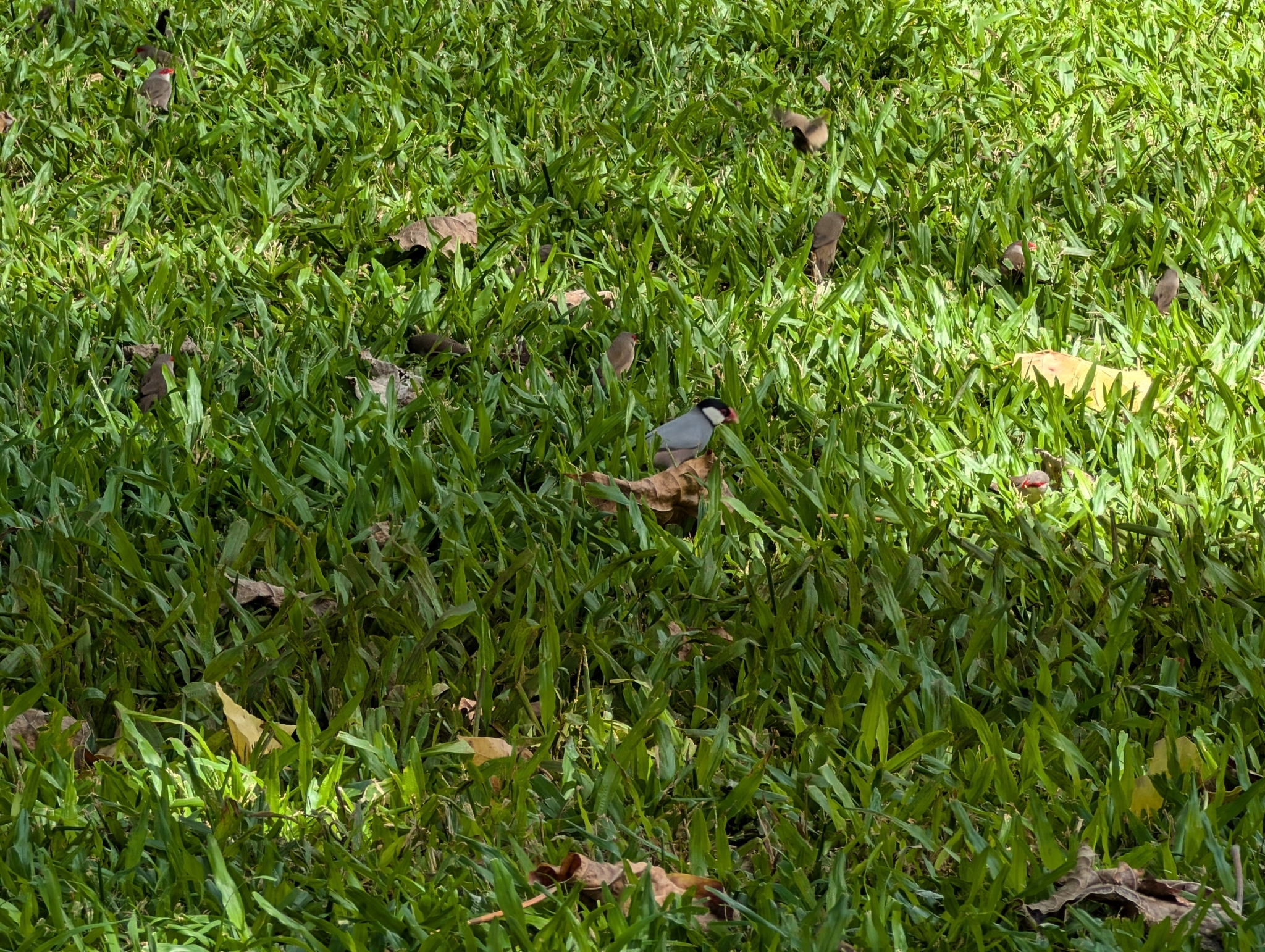
Native range includes Java, Bali, and Bawean islands in Indonesia. Introduced populations established in the Hawaiian Islands (particularly Oahu), Puerto Rico (near San Juan), Jamaica, and Christmas Island off Western Australia. Introductions to the Indian subcontinent failed to establish permanent populations. Inhabits open grassland and agricultural areas, including rice cultivation.
Behavior & Ecology
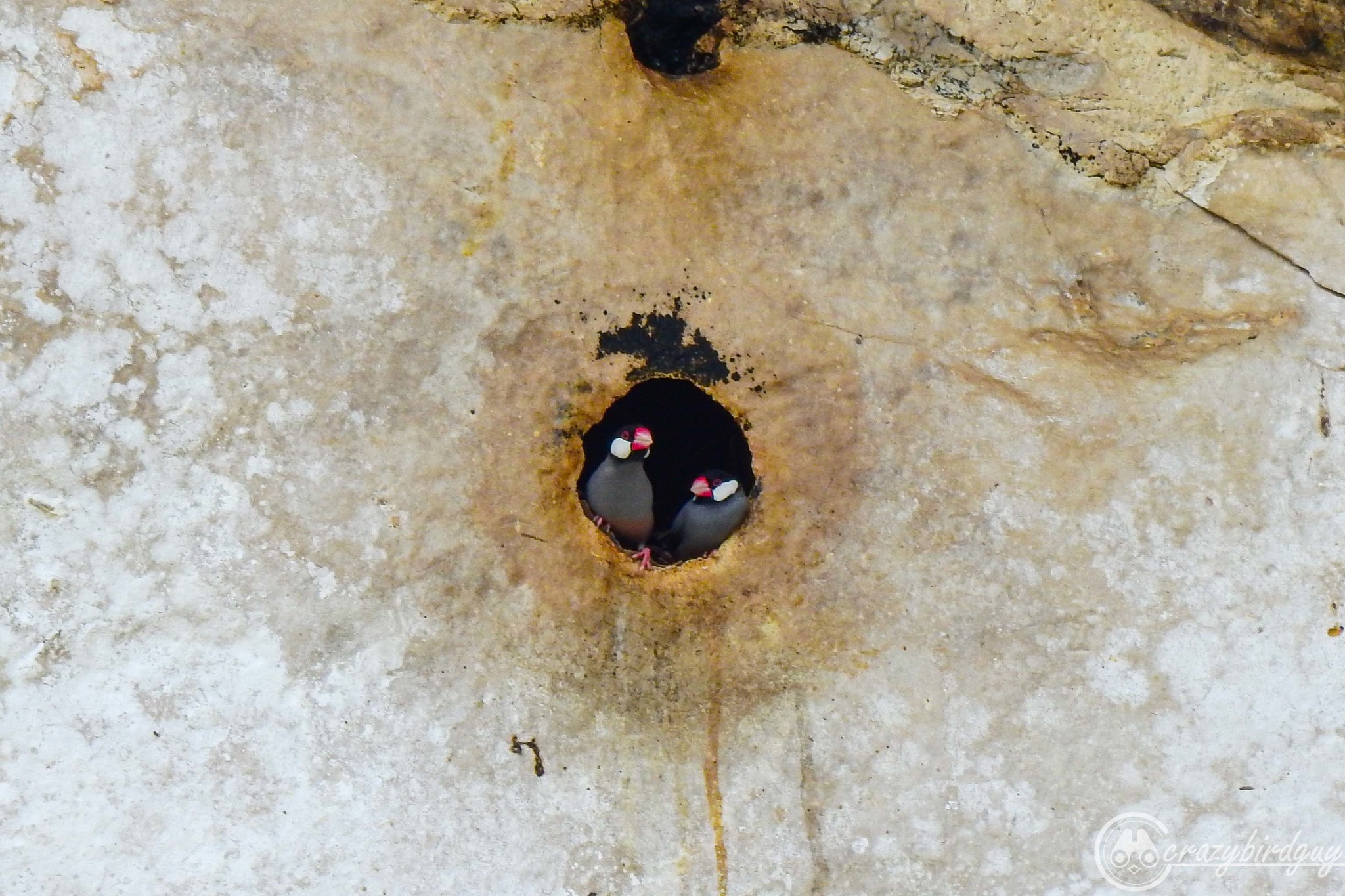
Highly gregarious species that feeds mainly on grain and seeds. Nests are constructed in trees or buildings, with clutches of up to eight eggs. Produces chip calls and a rapid series of chip notes in song. Research indicates trill-calls vary acoustically based on behavioral context: faster, louder trills during aggressive interactions versus slower, softer trills during affiliative behavior. These vocal variations convey different intentions in social communication.
Conservation
Evaluated as Endangered on the IUCN Red List of Threatened Species. Global population estimated at fewer than 10,000 mature individuals and declining. Primary threats include habitat loss, hunting in some areas, trapping as an agricultural pest, and illegal collection for the pet trade. Listed on CITES Appendix II regulating international trade. Legal restrictions exist in some jurisdictions, including California, due to perceived agricultural threats.
Culture
Has been a popular cage bird in Asia for centuries, first documented during China's Ming Dynasty and later in Japan from the 17th century. Frequently depicted in Japanese paintings and prints. Meiji-era writer Natsume Sōseki authored an essay about his pet Java sparrow. Remains a valued species in Asian aviculture, particularly in China, Taiwan, and Japan where it is not regulated. Multiple color varieties have been bred in captivity including white, silver/opal, fawn/isabel, pastel, cream, and agate.
Source: Wikipedia · CC BY-SA 3.0
Taxonomy
- Order
- Passeriformes
- Family
- Estrildidae
- Genus
- Padda
- eBird Code
- javspa
Distribution
Java and Bali (where now rare); introduced widely, including St. Helena (south Atlantic), Pemba and Unjuga (Zanzibar), United Arab Emirates, Bangkok (Thailand), Malayan Peninsula, northern Borneo, Taiwan, Philippines, Fiji, Hawaii, and Puerto Rico
Data Sources
Species description from Wikipedia, licensed under CC BY-SA 3.0.
Bird images and sounds sourced from GBIF, contributed by citizen scientists worldwide under Creative Commons licenses.
Taxonomy data from AviList 2025.