White-headed Duck
Oxyura leucocephala
白头硬尾鸭
Introduction
A small diving duck (Oxyura leucocephala) in the family Anatidae. Breeds in Spain, North Africa, and across western and central Asia. Inhabits lakes and ponds with open water and dense marginal vegetation, including artificial water bodies. Distinguished by its diving behavior and reluctance to fly, preferring to swim for cover when threatened. Omnivorous diet primarily consisting of aquatic vegetation with some animal matter. Currently rated as endangered due to significant population decline over the past decade from habitat loss, pollution, hunting, and hybridization with introduced ruddy ducks.
Description
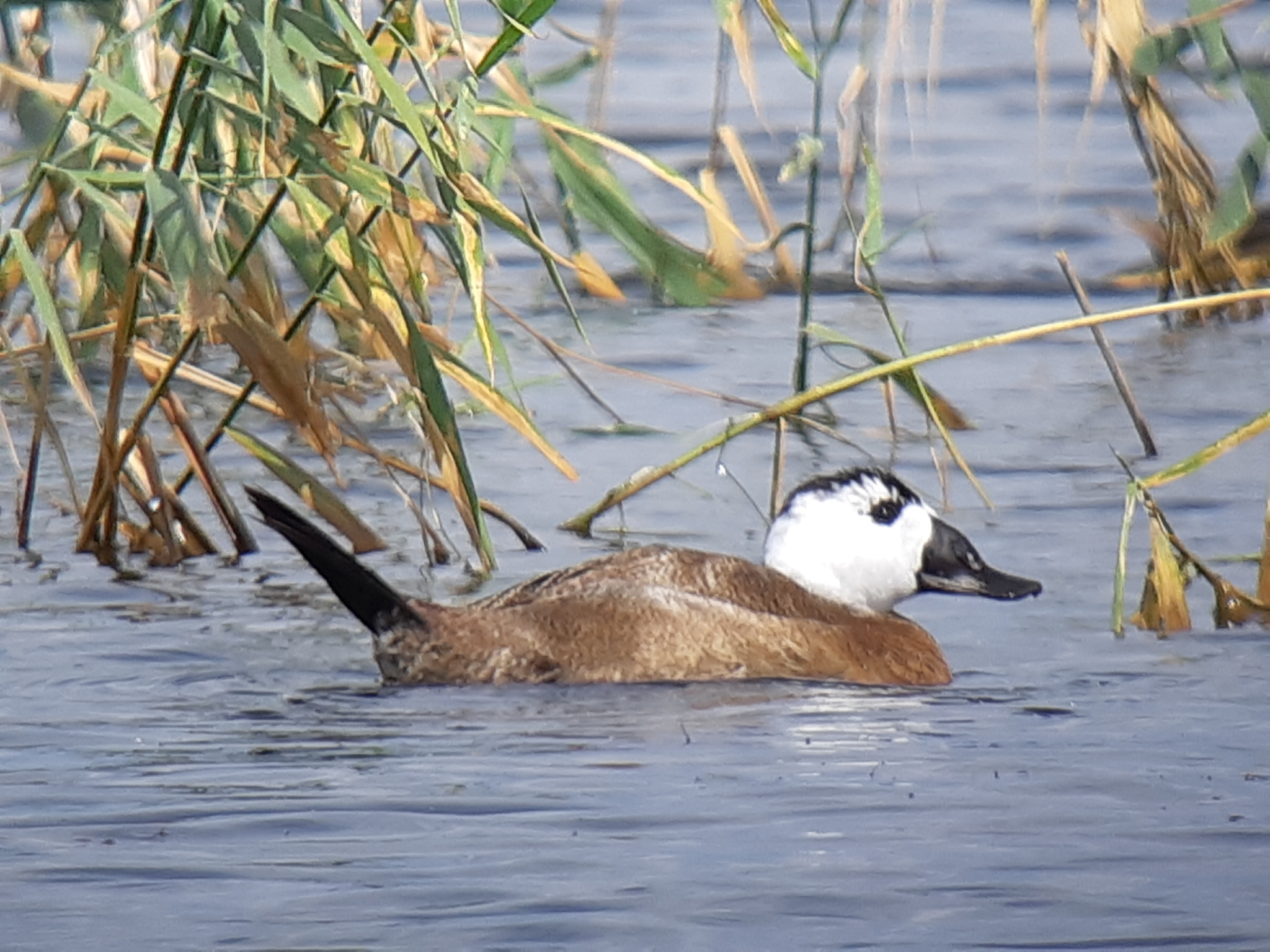
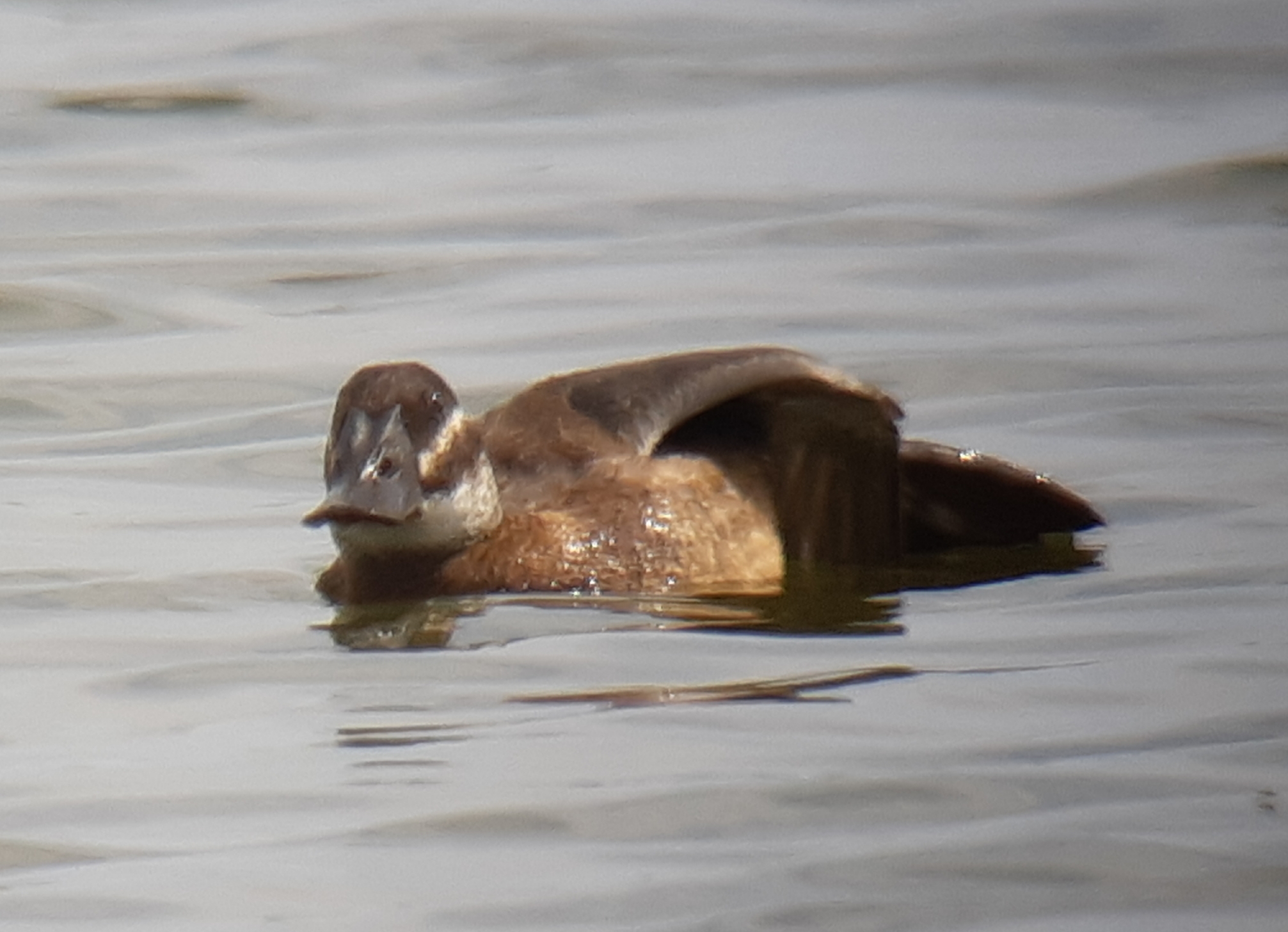
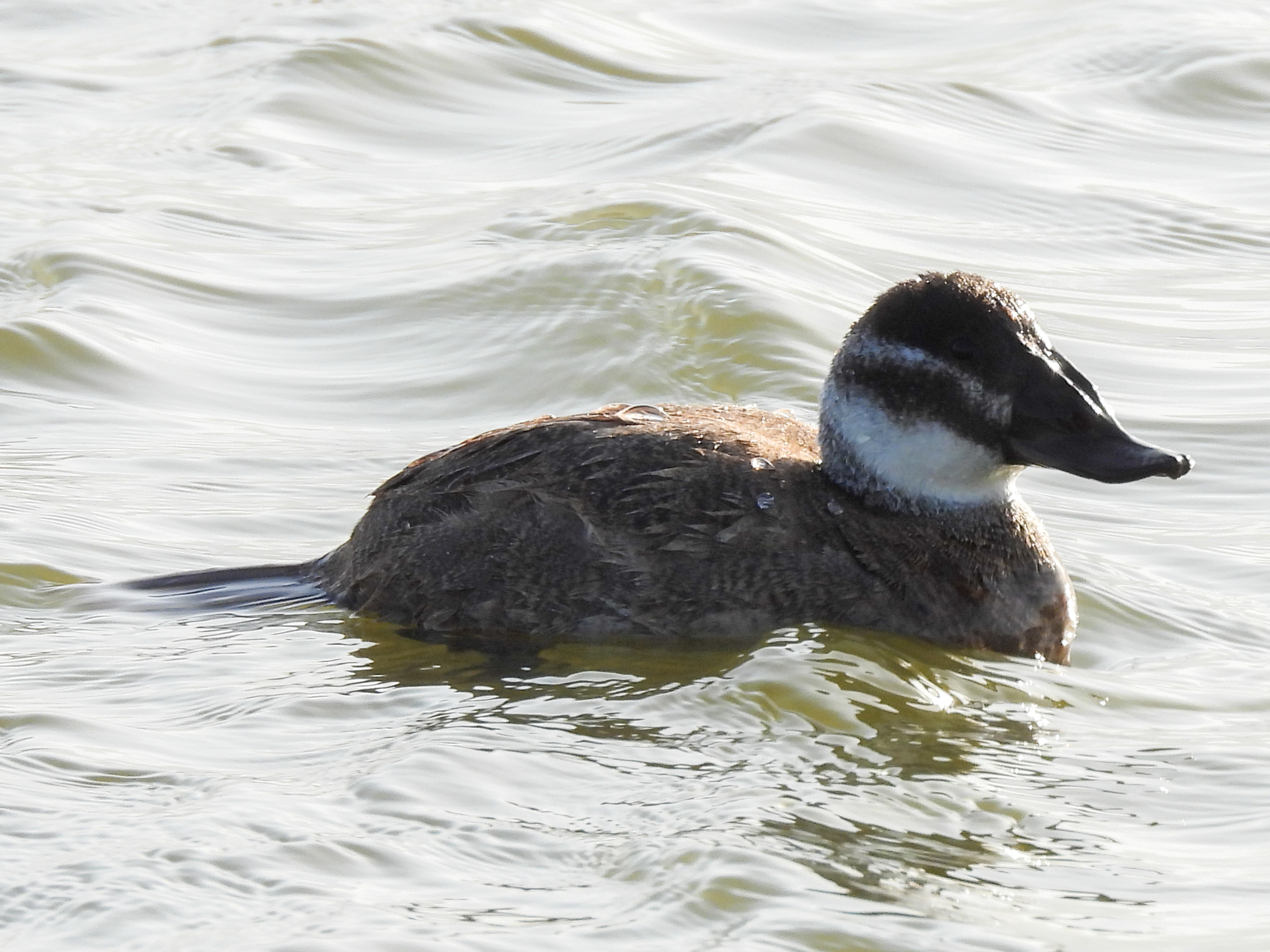
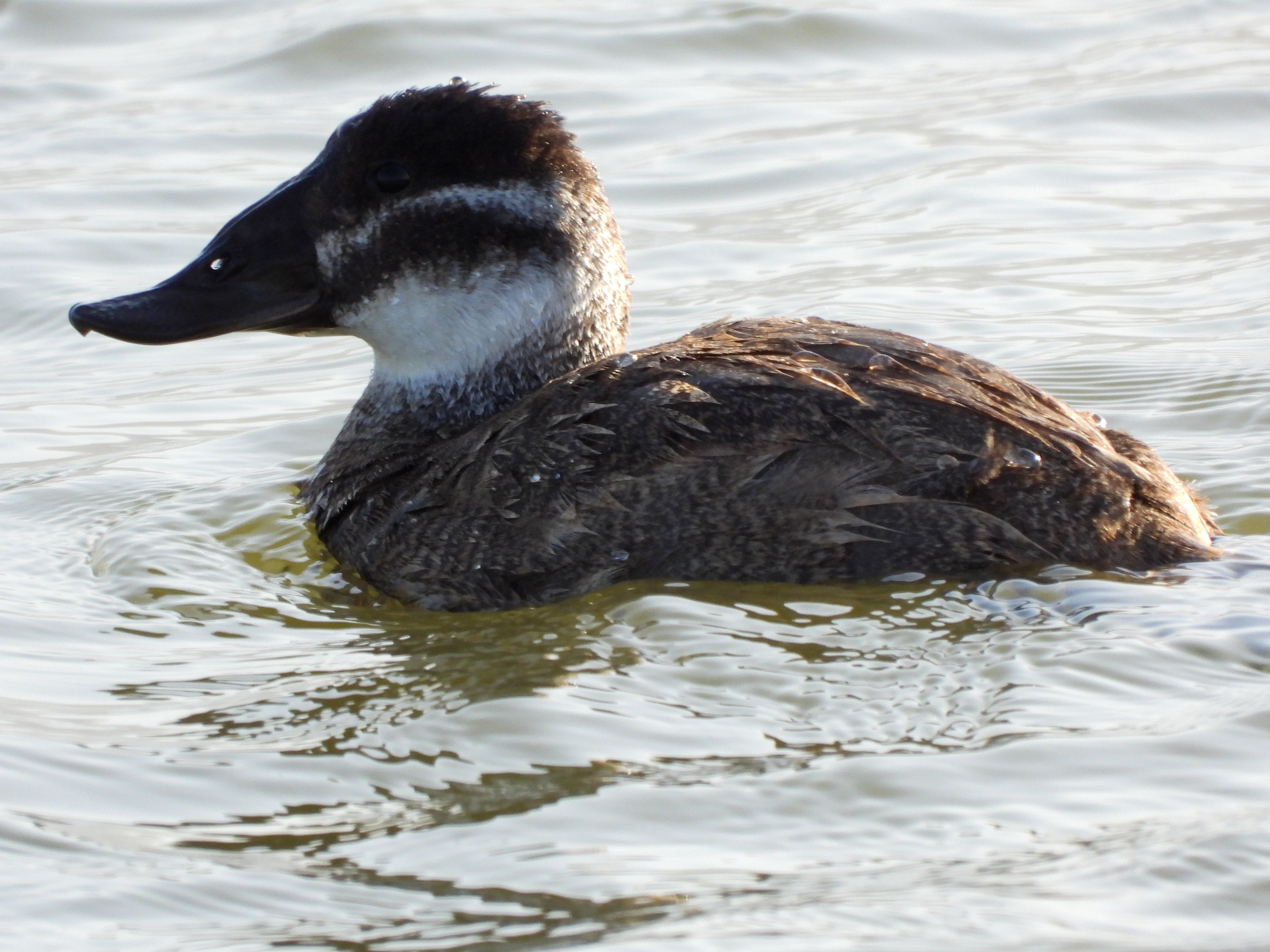
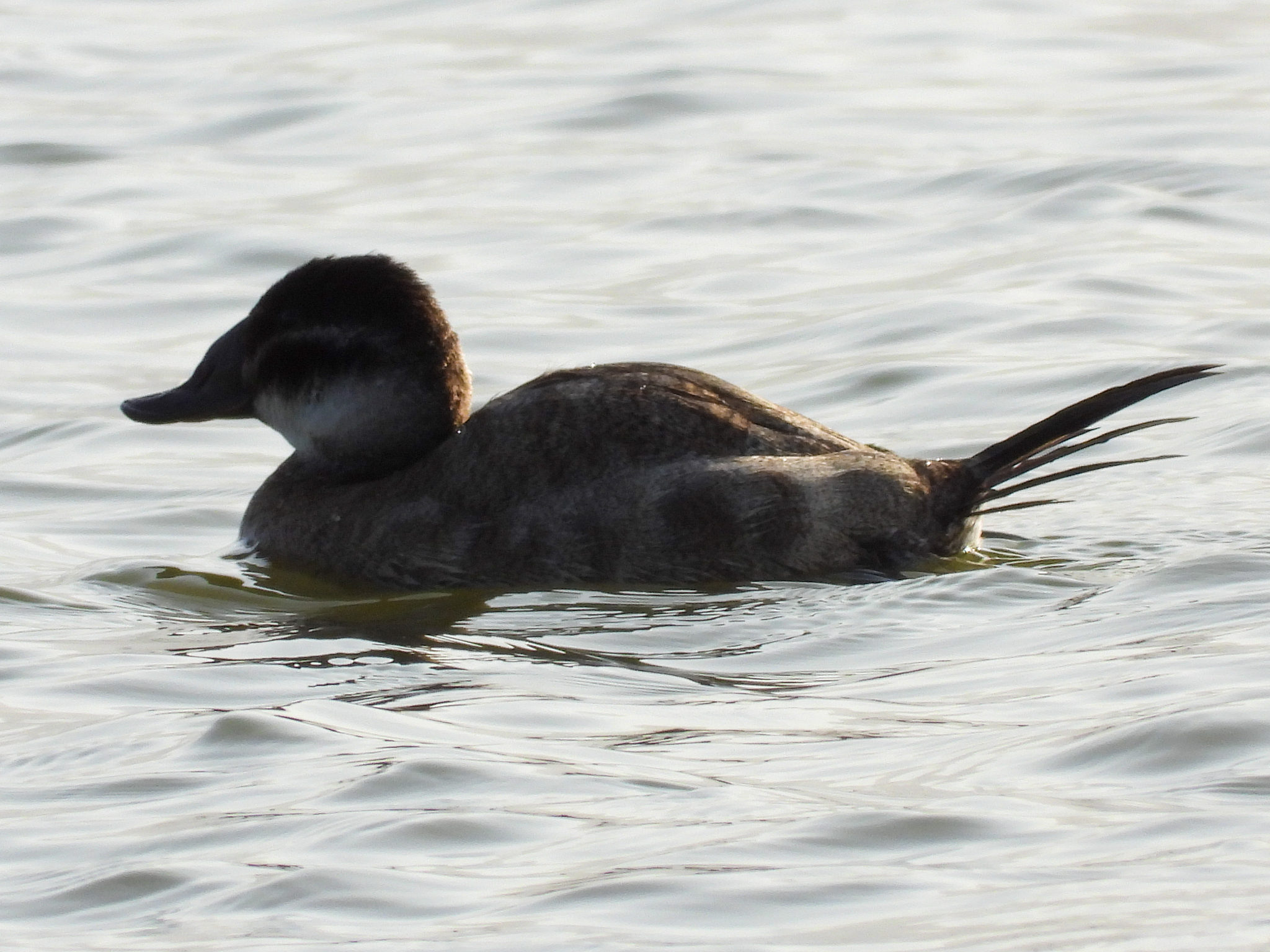
A compact diving duck measuring 43-48 cm in length and weighing 580-750 g. Males have a distinctive white head with black cap and neck, blue bill, and reddish-grey body plumage. Females are more subdued with grey-brown body, white face, dark bill, and a darker cap and cheek stripe. The tail is often held stiffly upright when swimming. Western populations are slightly larger with darker ventral coloration than eastern populations.
Identification
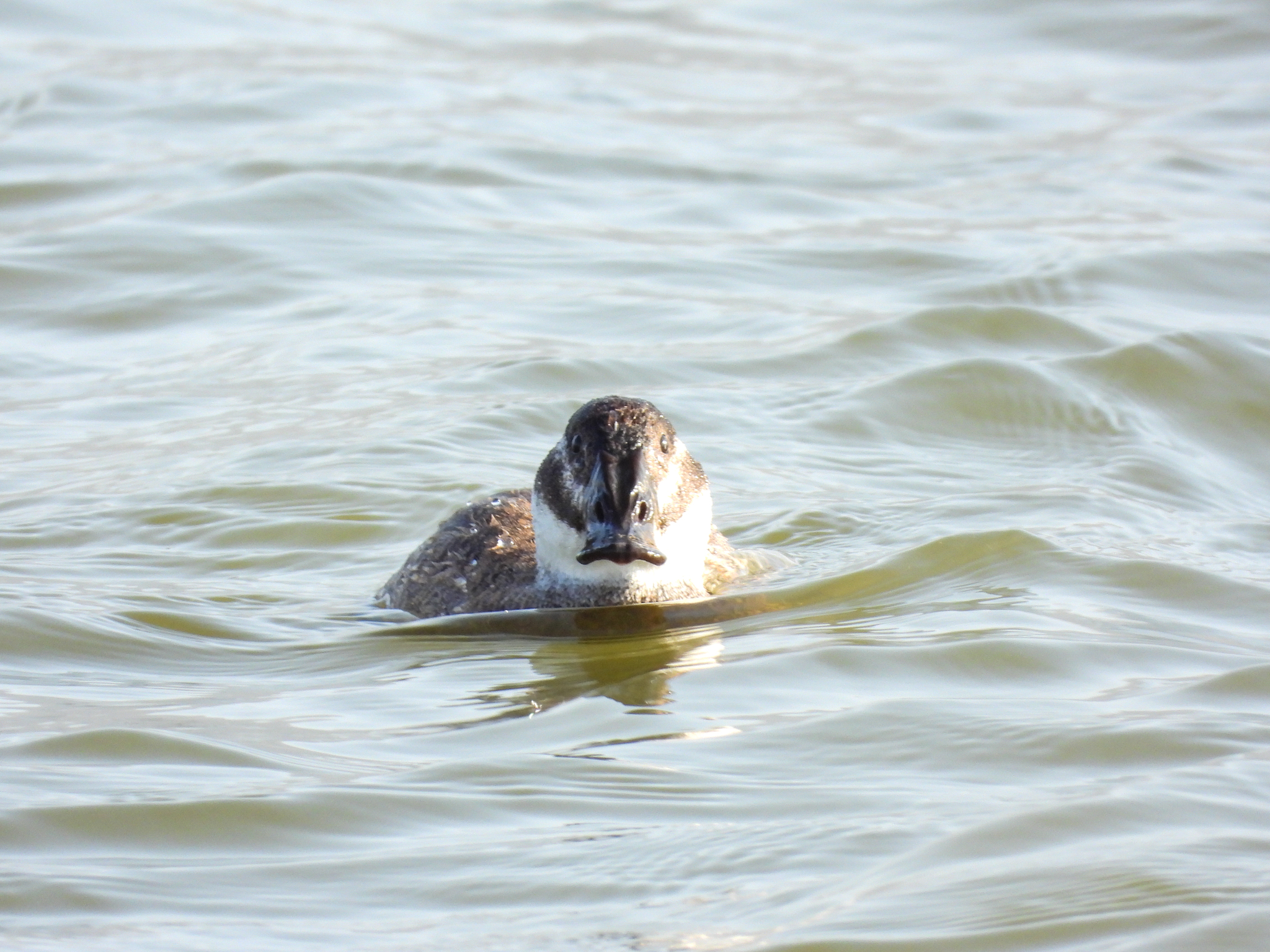
Adult males are unmistakable with their white head, black cap, and blue bill. Females can be identified by their white face, dark cap, and dark bill contrasting with the grey-brown body. Similar to the ruddy duck, but distinguished by the white-headed male's different head pattern and the female's white face. Hybrids with ruddy ducks occur and may show intermediate characteristics between the two species.
Distribution & Habitat
Breeds in Spain, North Africa, and across western and central Asia. Inhabits large, open water bodies such as lakes and ponds with dense stands of aquatic vegetation for shelter and nesting. Individuals are occasionally recorded well north of the breeding range, though some records may represent escapes from captivity. The largest populations occur in central Asia.
Behavior & Ecology
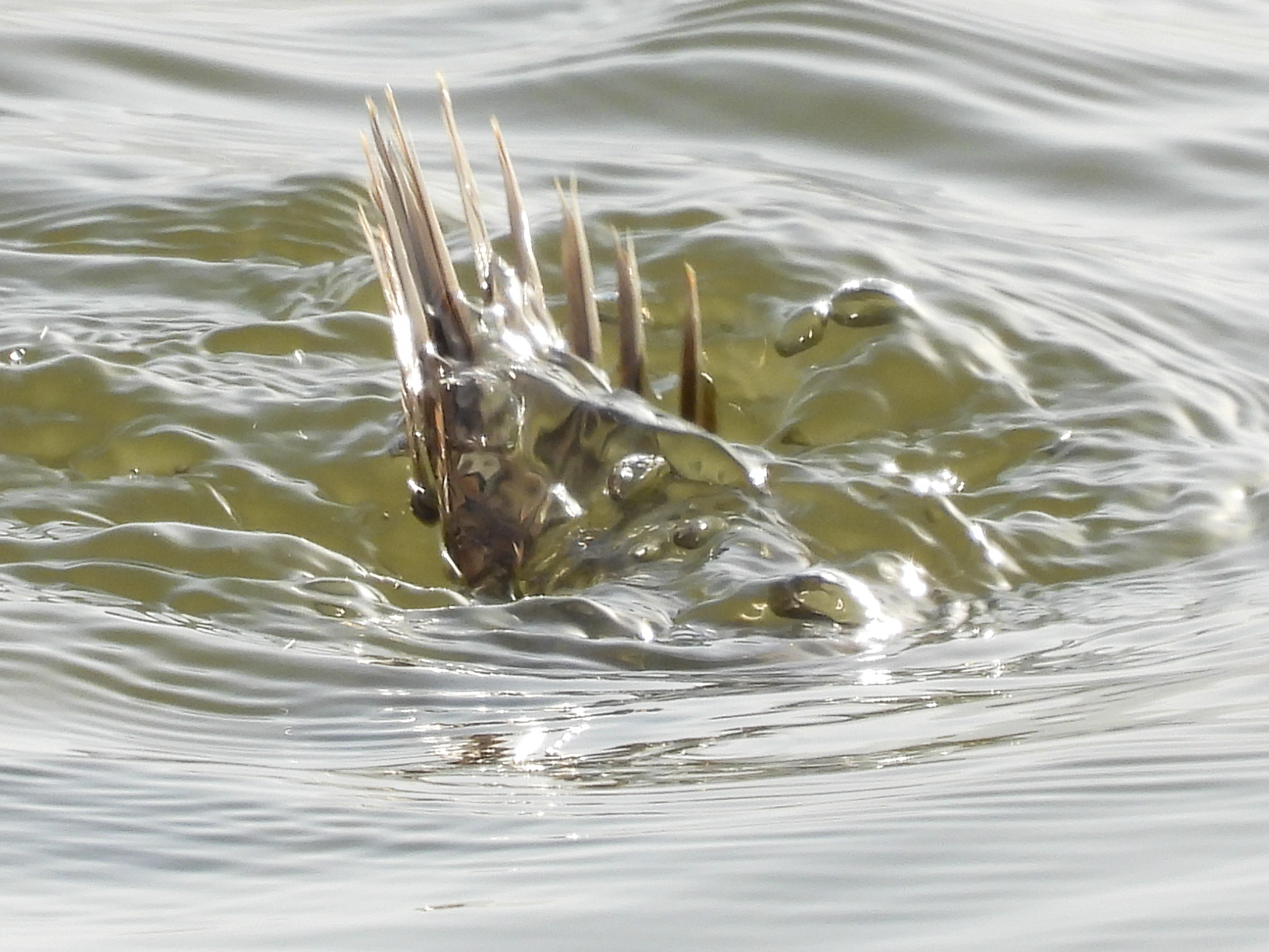
Feeds by diving and swimming underwater, consuming aquatic vegetation and invertebrates. Omnivorous with plant material predominating. Extremely reluctant to fly, typically swimming rapidly away from threats to take cover in dense vegetation. Nesting occurs among aquatic plants. Social behavior includes small flocks outside breeding season.
Conservation
Rated as endangered by the IUCN due to substantial population decline over the past decade. Primary threats include habitat loss, degradation, and pollution of wetland habitats, along with hunting. A significant emerging threat is hybridization with the introduced North American ruddy duck in Spain, which has led to eradication efforts of the latter species in western Europe. Protected under the Agreement on the Conservation of African-Eurasian Migratory Waterbirds (AEWA).
Culture
No cultural significance or folklore mentioned in the source material.
Source: Wikipedia · CC BY-SA 3.0
Taxonomy
- Order
- Anseriformes
- Family
- Anatidae
- Genus
- Oxyura
- eBird Code
- whhduc1
Distribution
patchily distributed Mediterranean basin to central Asia
Data Sources
Species description from Wikipedia, licensed under CC BY-SA 3.0.
Bird images and sounds sourced from GBIF, contributed by citizen scientists worldwide under Creative Commons licenses.
Taxonomy data from AviList 2025.