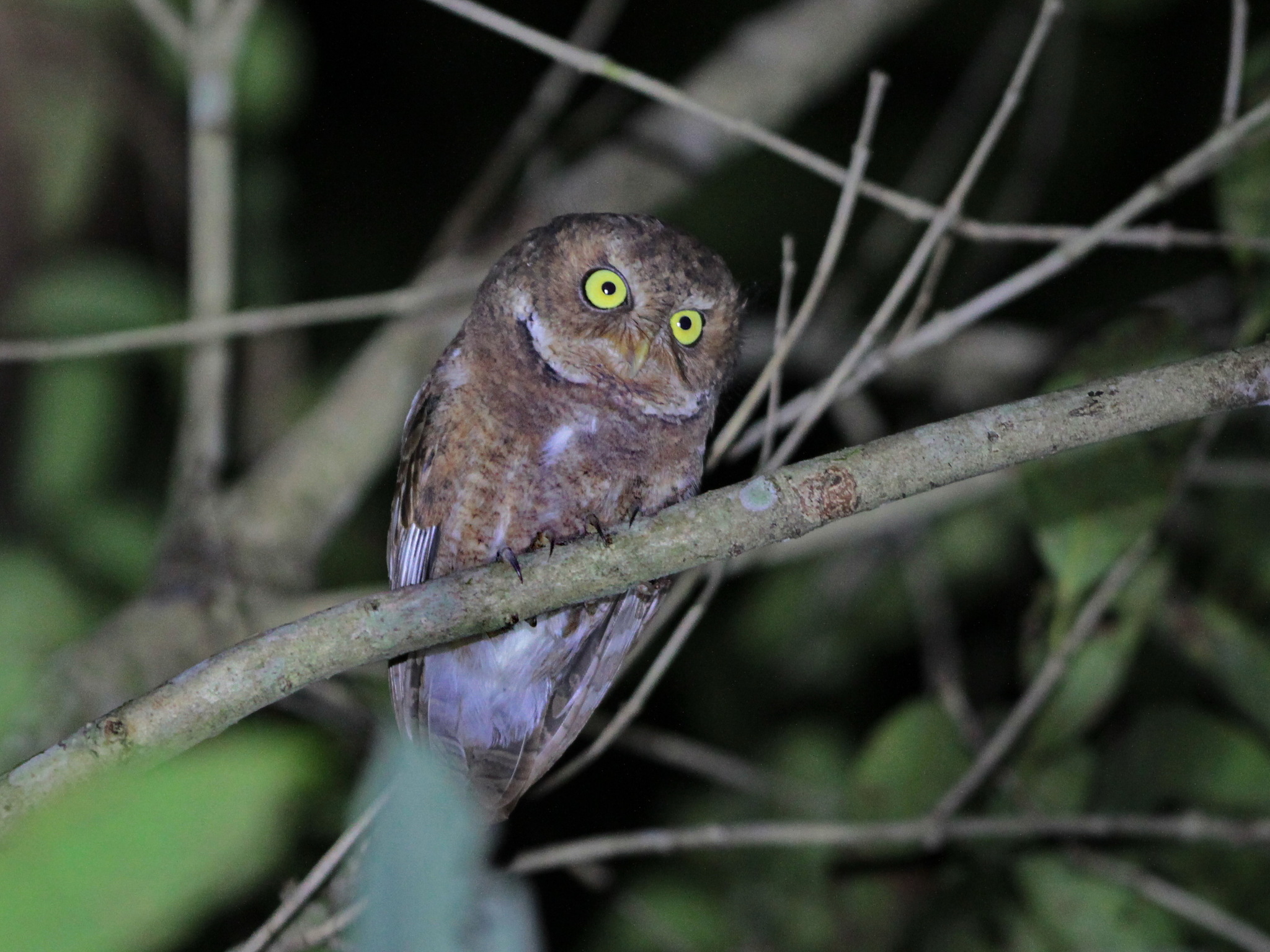
Mountain Scops Owl
Otus spilocephalus
黄嘴角鸮
Introduction
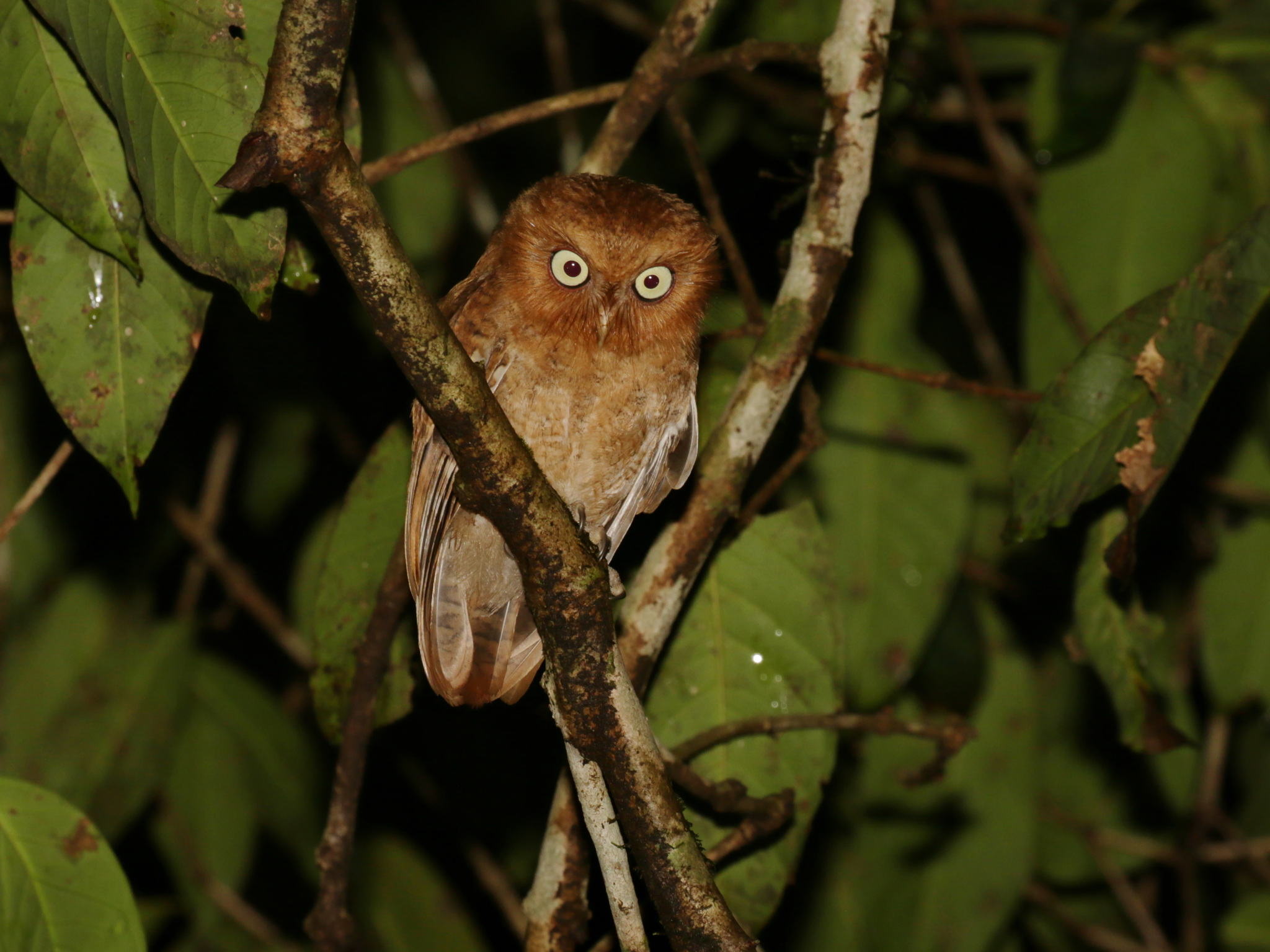
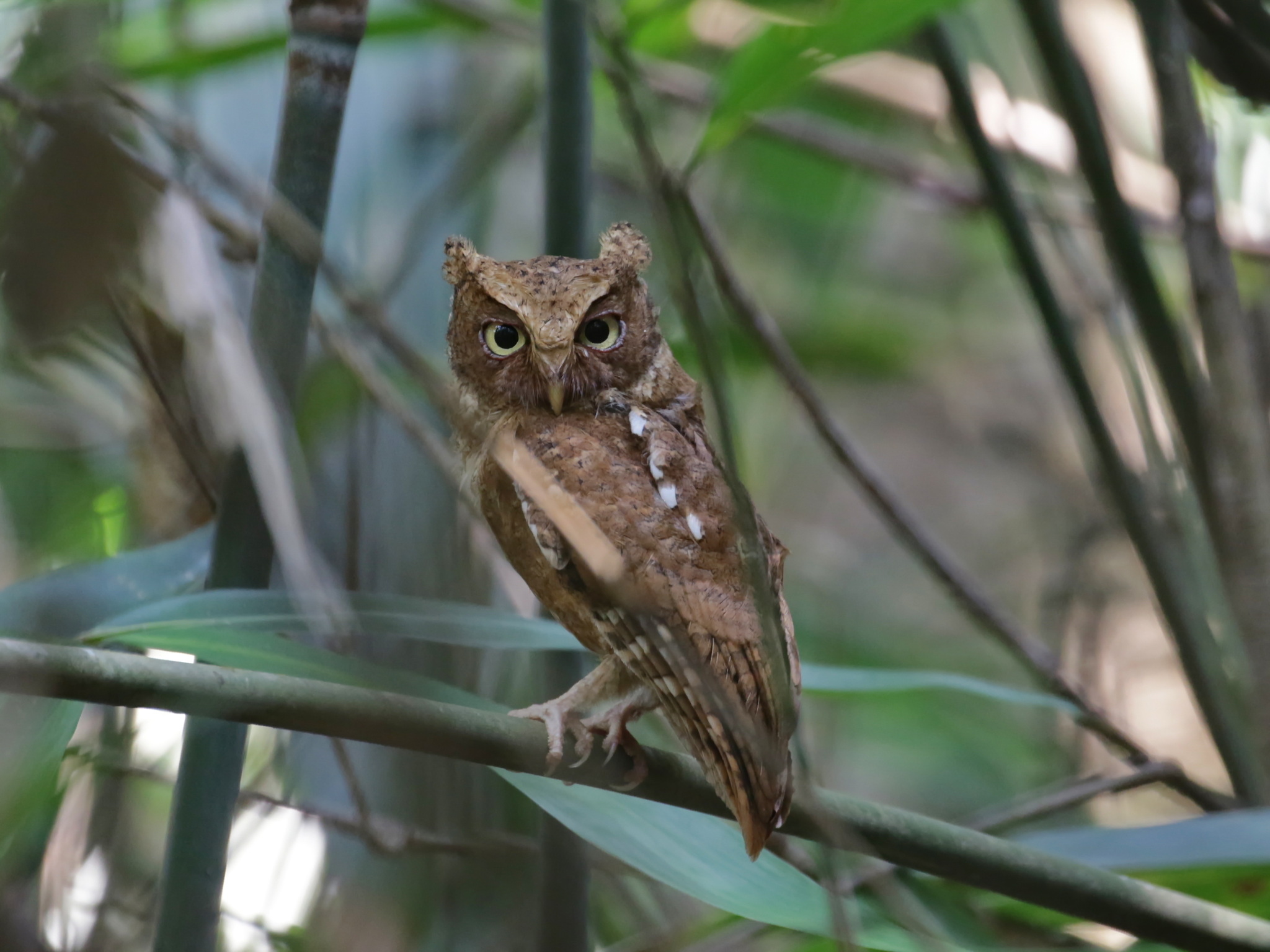
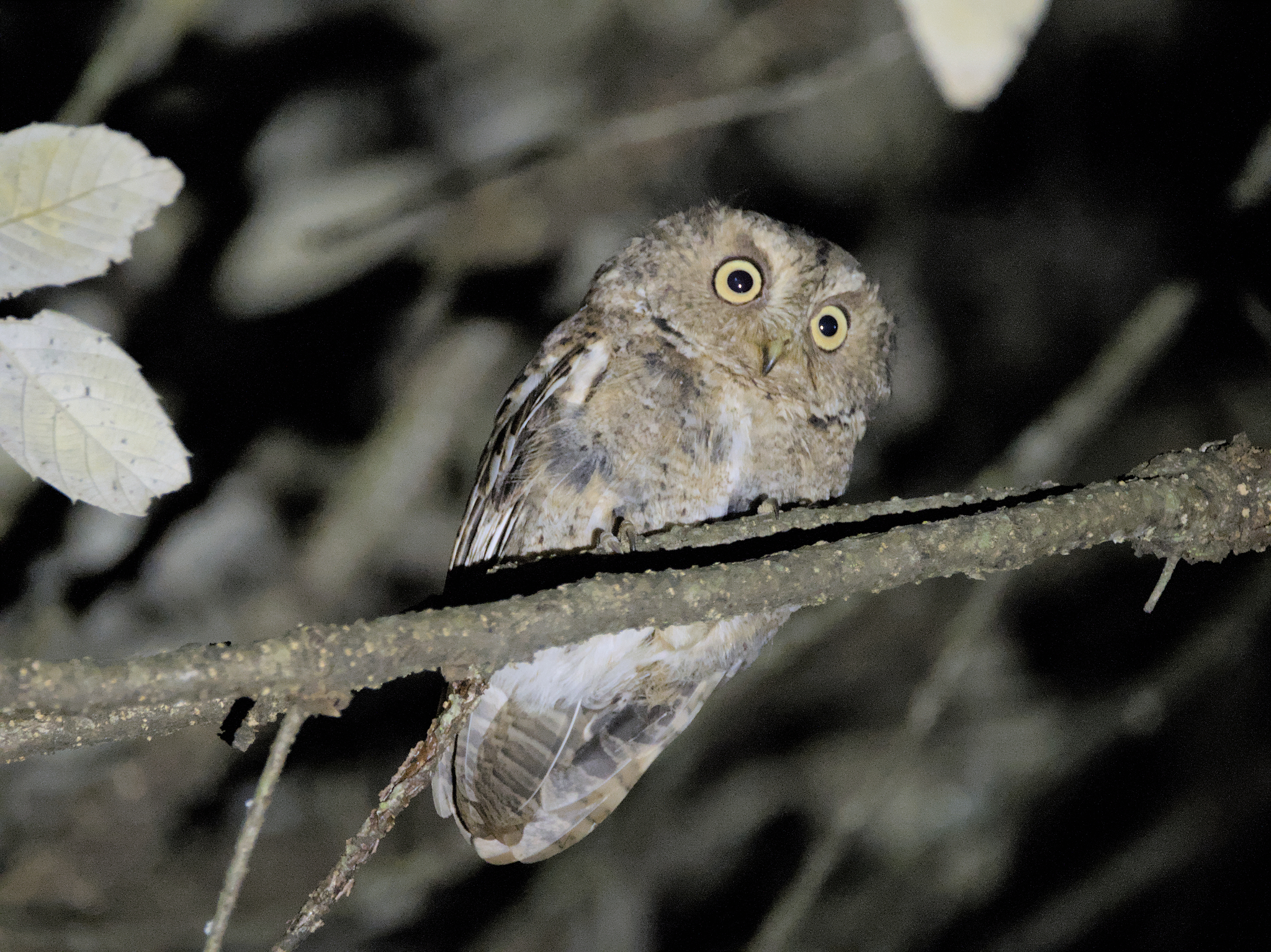
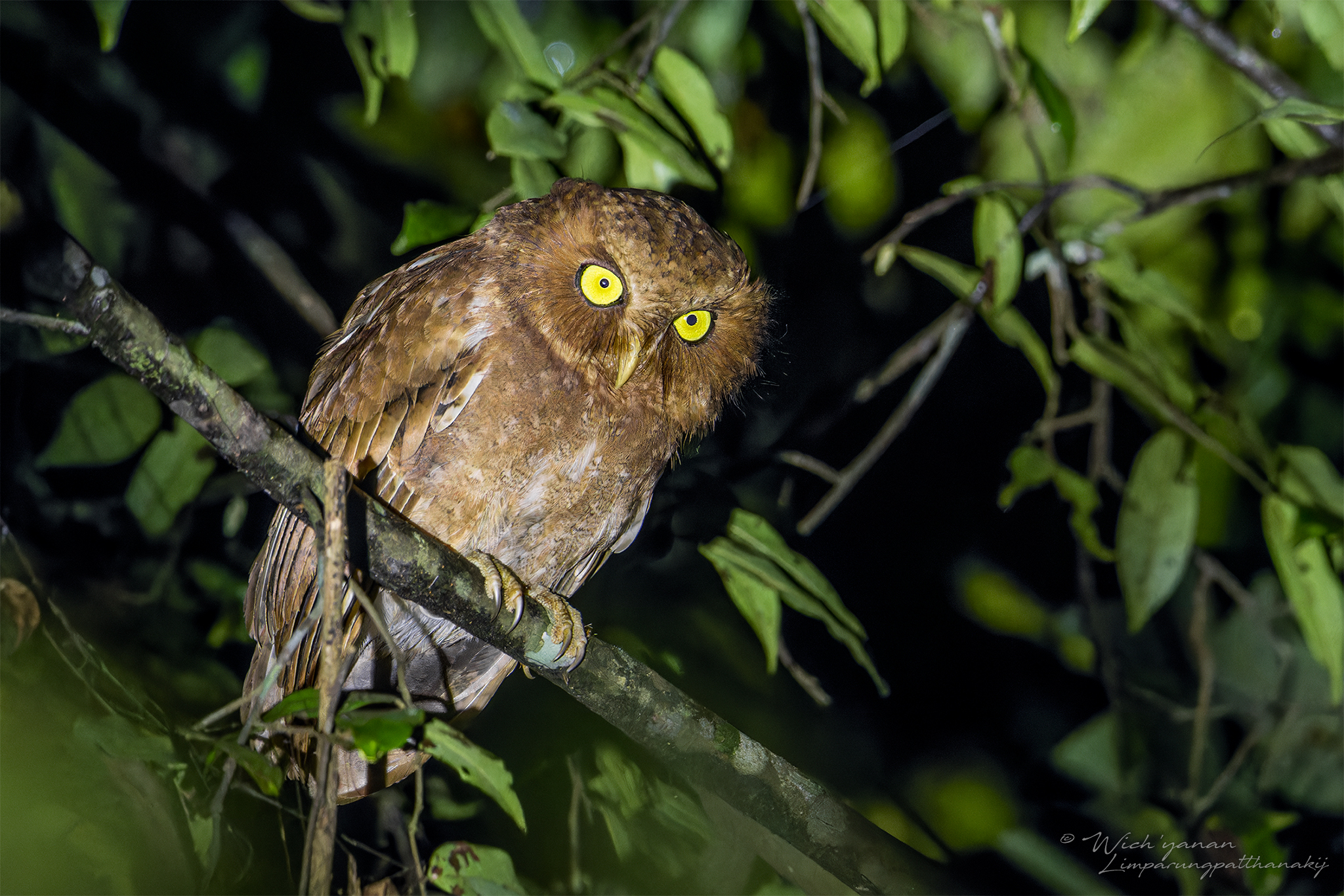
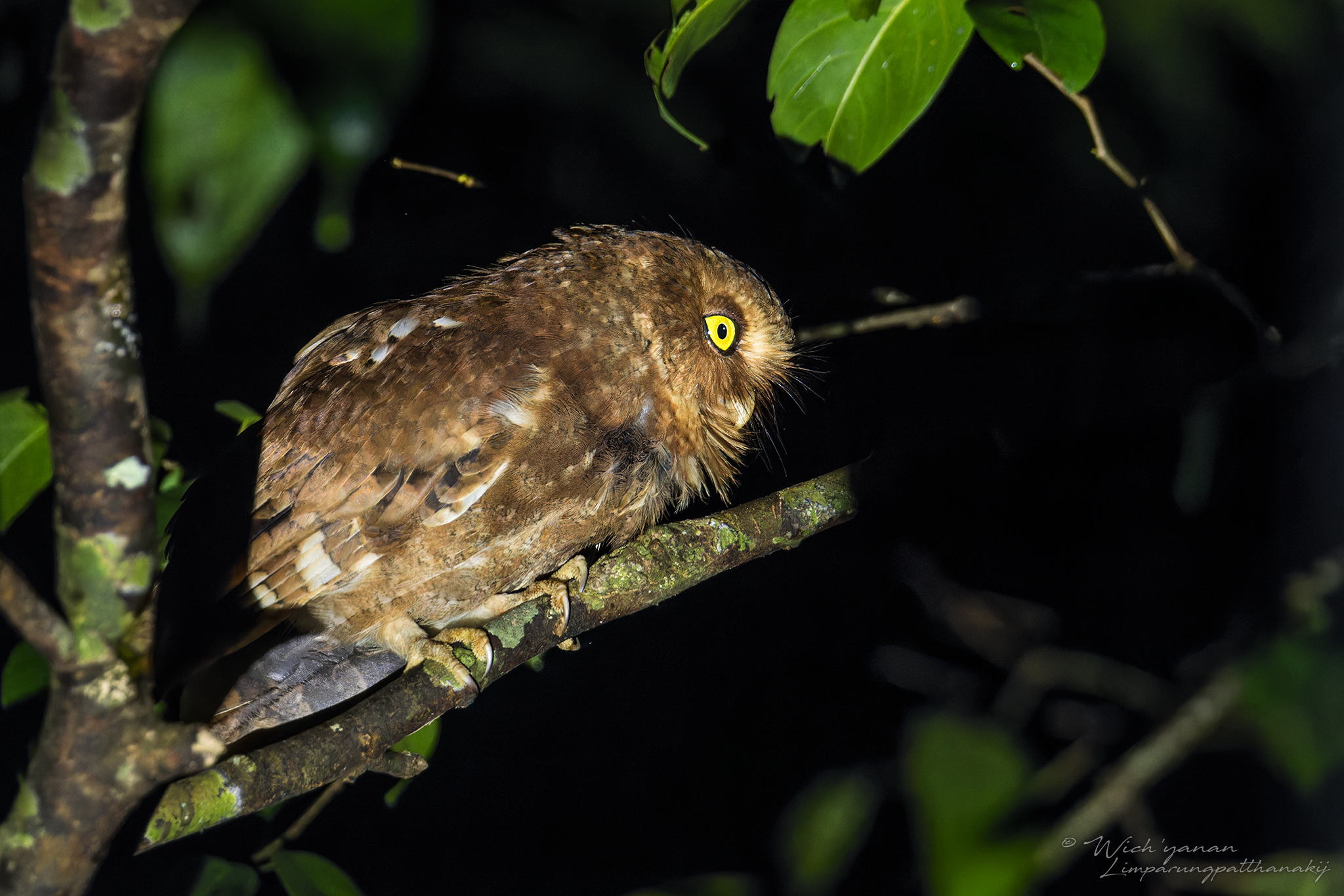
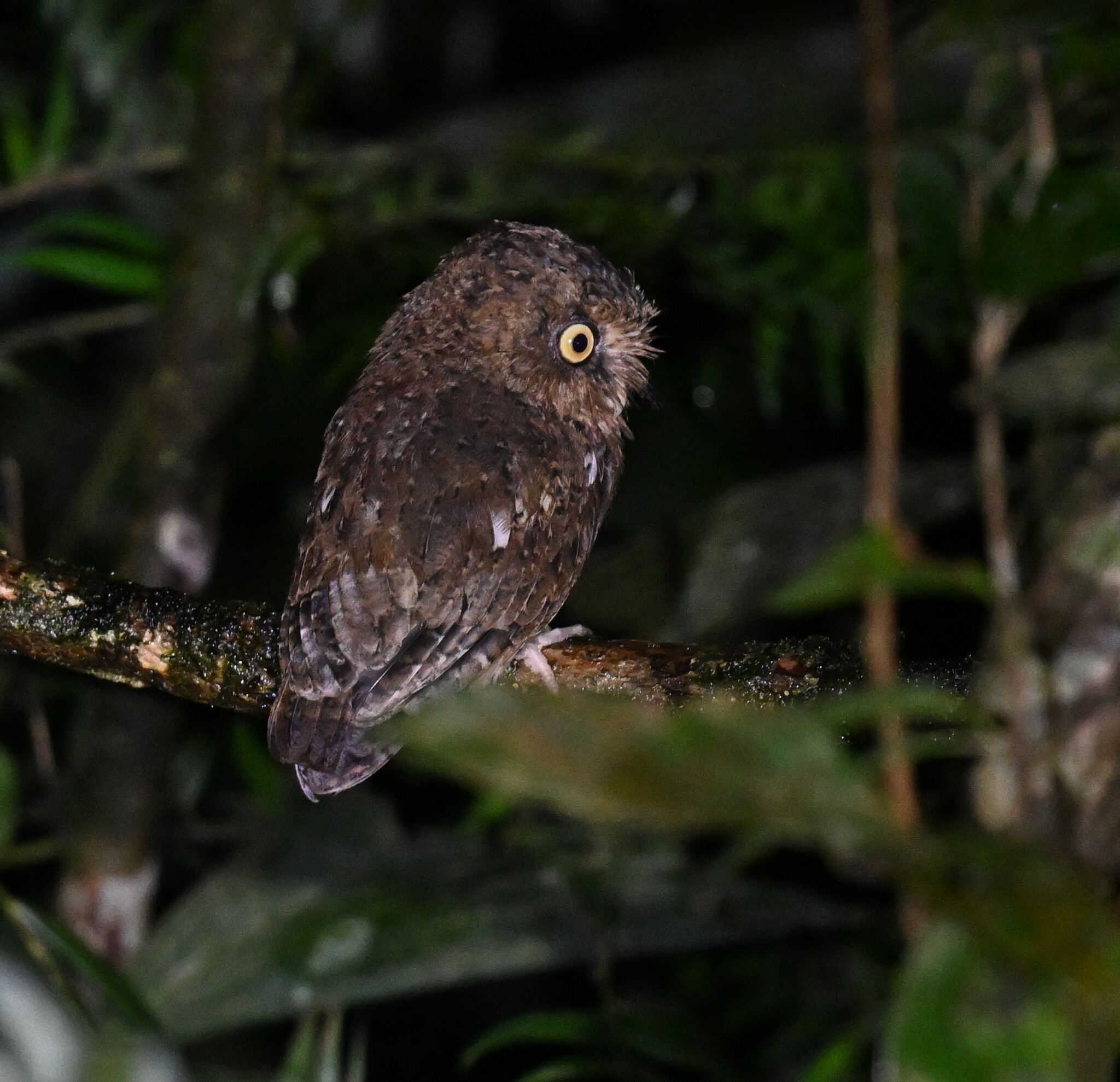
Mountain scops owl (Otus spilocephalus) is a species of owl in the family Strigidae. Its range extends across the Himalayas, southern China, Indochina and mountains of western Malesia, including Bhutan, Pakistan, India, Malaysia, Nepal, Taiwan, and Thailand. The nominate subspecies of the eastern Himalayas has distinct more russet plumage. It is an altitudinal migrant.
Description
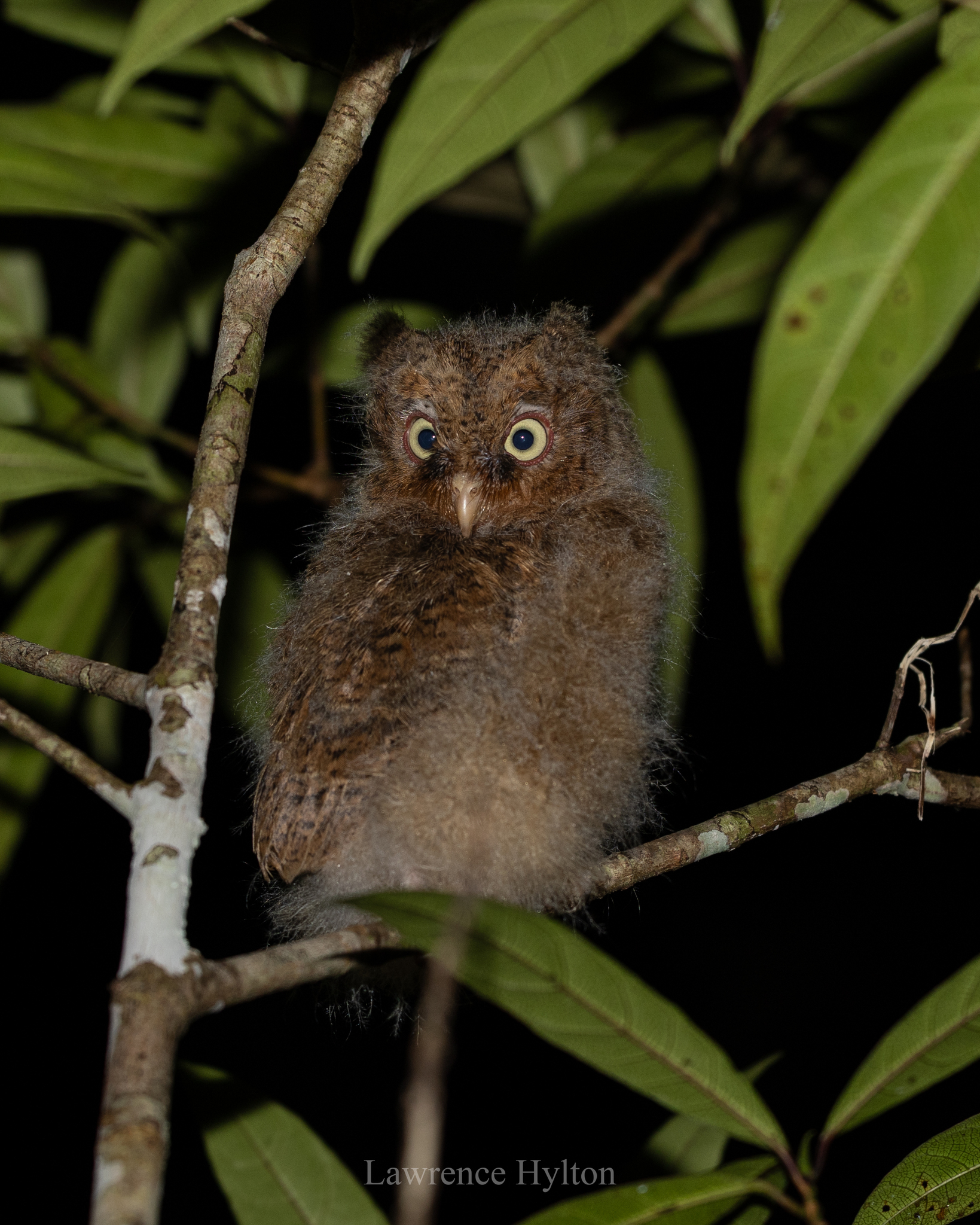
As a scops owl, this species is small and compact with prominent ear tufts. The plumage is spotted, giving rise to the alternative common name of spotted scops owl. The nominate subspecies found in the eastern Himalayas displays a more russet coloration compared to other populations.
Distribution & Habitat
Found across the Himalayas, southern China, Indochina and mountains of western Malesia. Range includes Bhutan, Pakistan, India, Malaysia, Nepal, Taiwan, and Thailand. Inhabits mountain forests and is an altitudinal migrant, moving to different elevations seasonally.
Behavior & Ecology
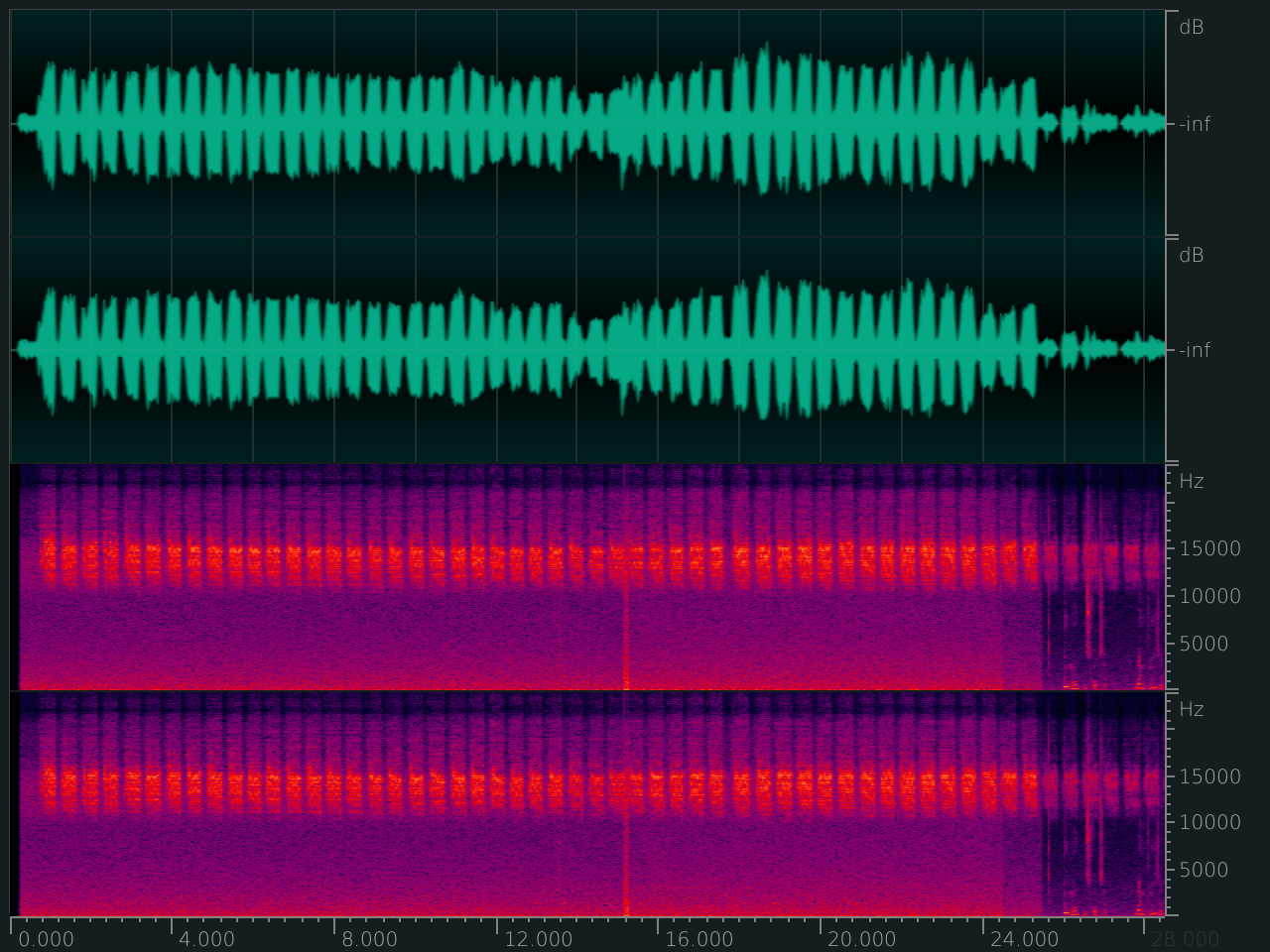
Vocalizations consist of a short high-pitched call described as a two-note whistle, sounding like 'plew-plew' or 'he-he'. Female songs are rarely heard. Calls vary between different populations, allowing identification of a bird's geographic origin. No other behavioral information provided.
Source: Wikipedia · CC BY-SA 3.0
Taxonomy
- Order
- Strigiformes
- Family
- Strigidae
- Genus
- Otus
- eBird Code
- mosowl2
Vocalizations
Subspecies (8)
-
Otus spilocephalus hambroecki
Taiwan
-
Otus spilocephalus huttoni
western Himalayas (northern Pakistan to central Nepal)
-
Otus spilocephalus latouchi
northern Thailand and Laos to southeastern China and Hainan
-
Otus spilocephalus luciae
mountains of Borneo
-
Otus spilocephalus siamensis
mountains of southern Thailand to southern Vietnam
-
Otus spilocephalus spilocephalus
Himalayas (central Nepal to Arunachal Pradesh and Myanmar)
-
Otus spilocephalus vandewateri
mountains of Sumatra
-
Otus spilocephalus vulpes
mountains of Malay Peninsula
Data Sources
Species description from Wikipedia, licensed under CC BY-SA 3.0.
Bird images and sounds sourced from GBIF, contributed by citizen scientists worldwide under Creative Commons licenses.
Taxonomy data from AviList 2025.