
Japanese Scops Owl
Otus semitorques
北领角鸮
Introduction
This species is a small owl belonging to the scops owl genus. It occurs across East Asia from Japan through Korea and China to Russia's Far East, inhabiting forested and mountainous regions. The species has ear tufts, which are display feathers rather than true ears, used in communication. It is nocturnal, emerging after dark to hunt insects and small mammals in open areas. During breeding season, males become more vocal at dusk and dawn. The species occurs in human-modified landscapes including parks and gardens near villages and is considered widespread and common across much of its range.
Description
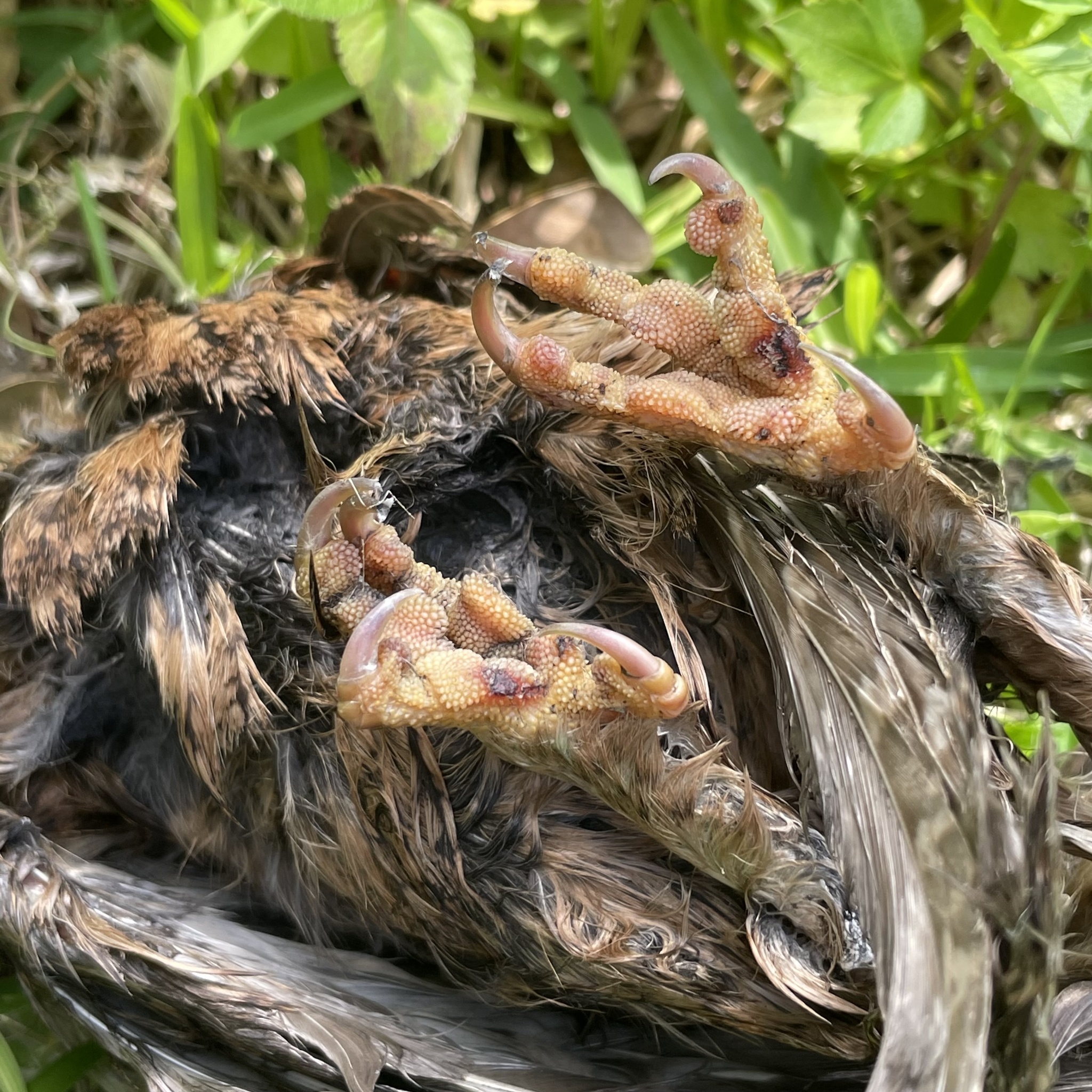
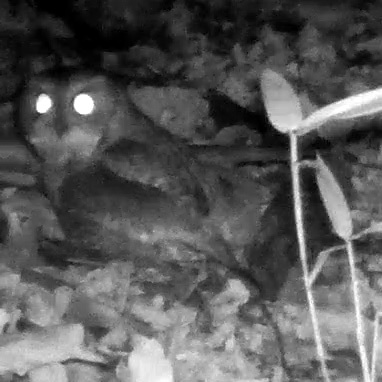
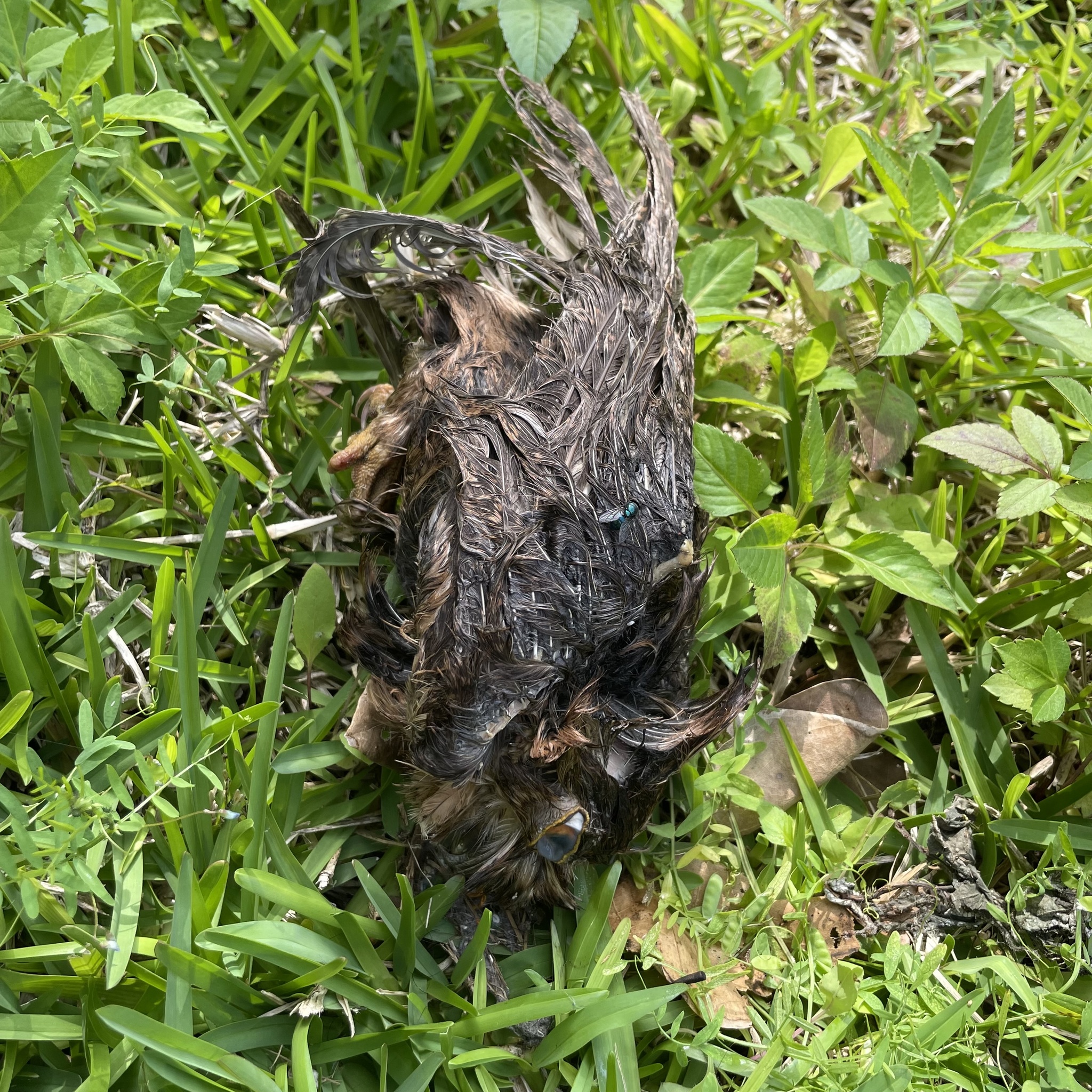
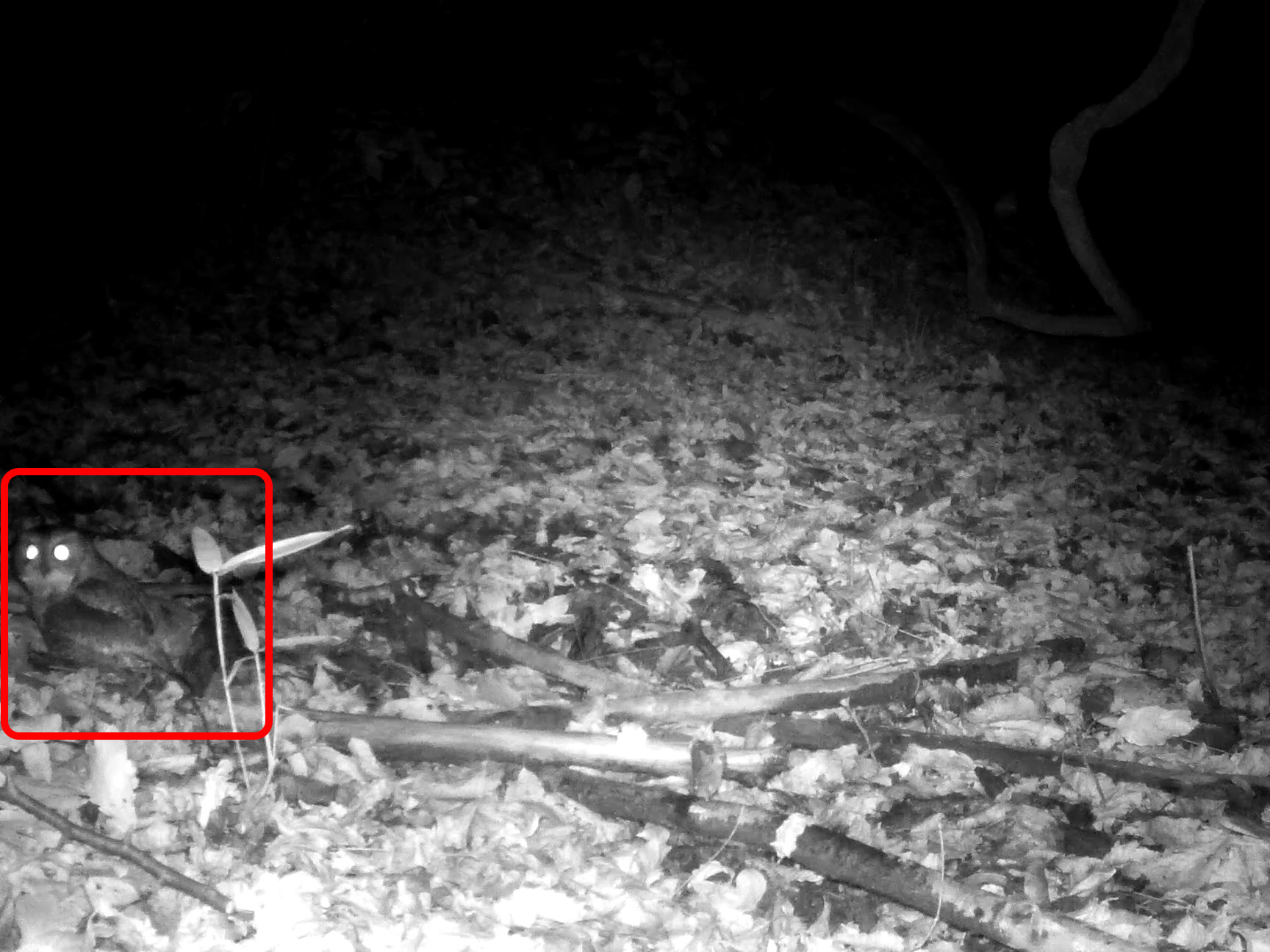
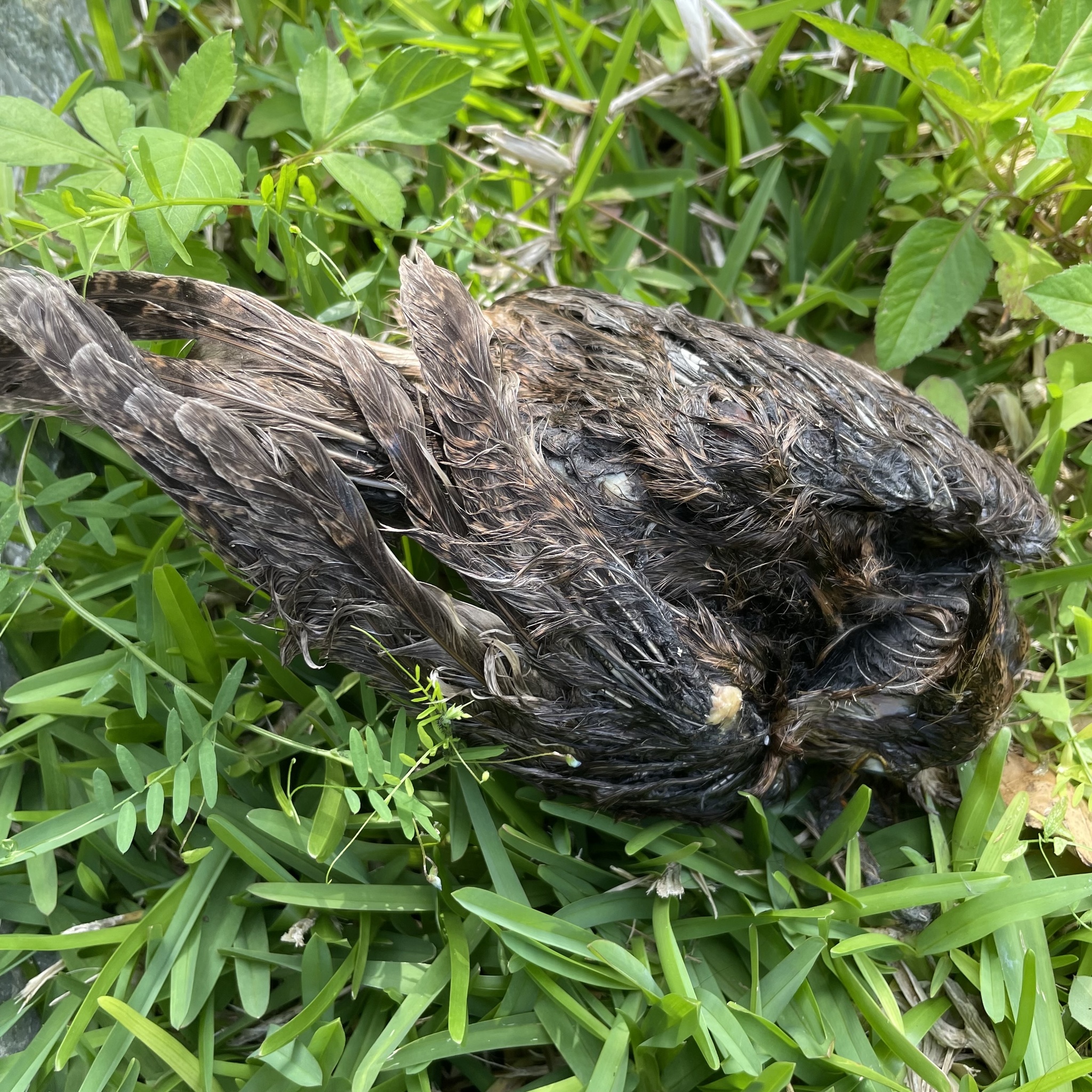
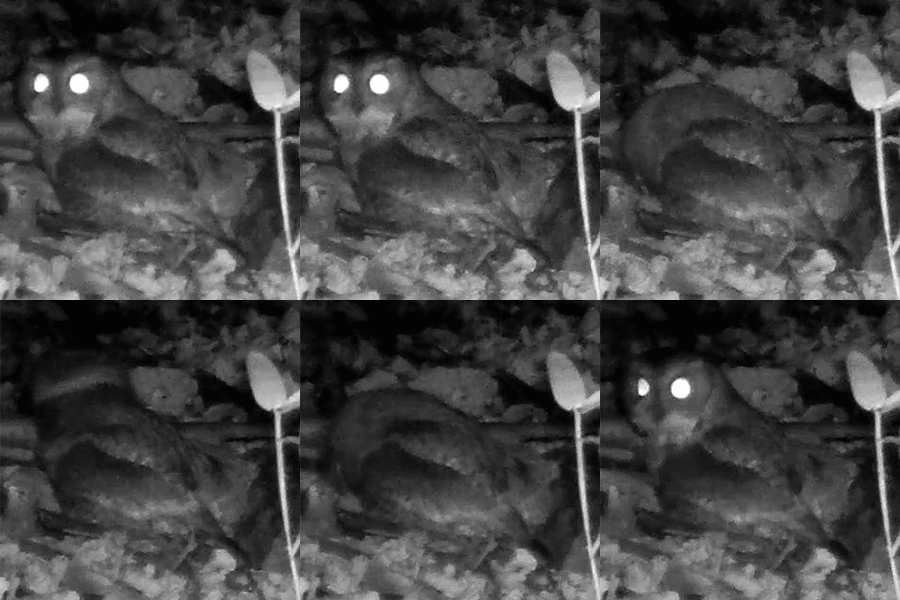
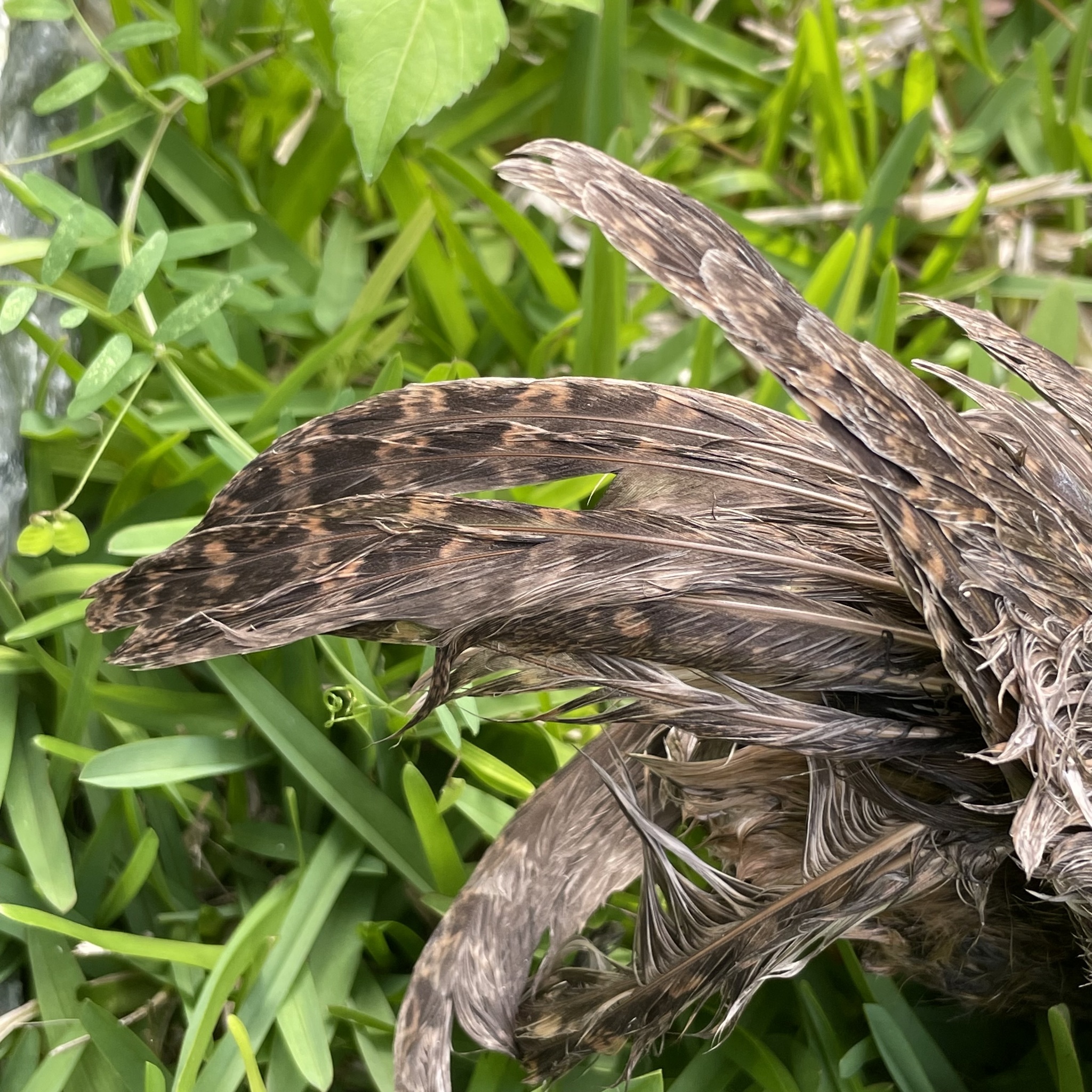
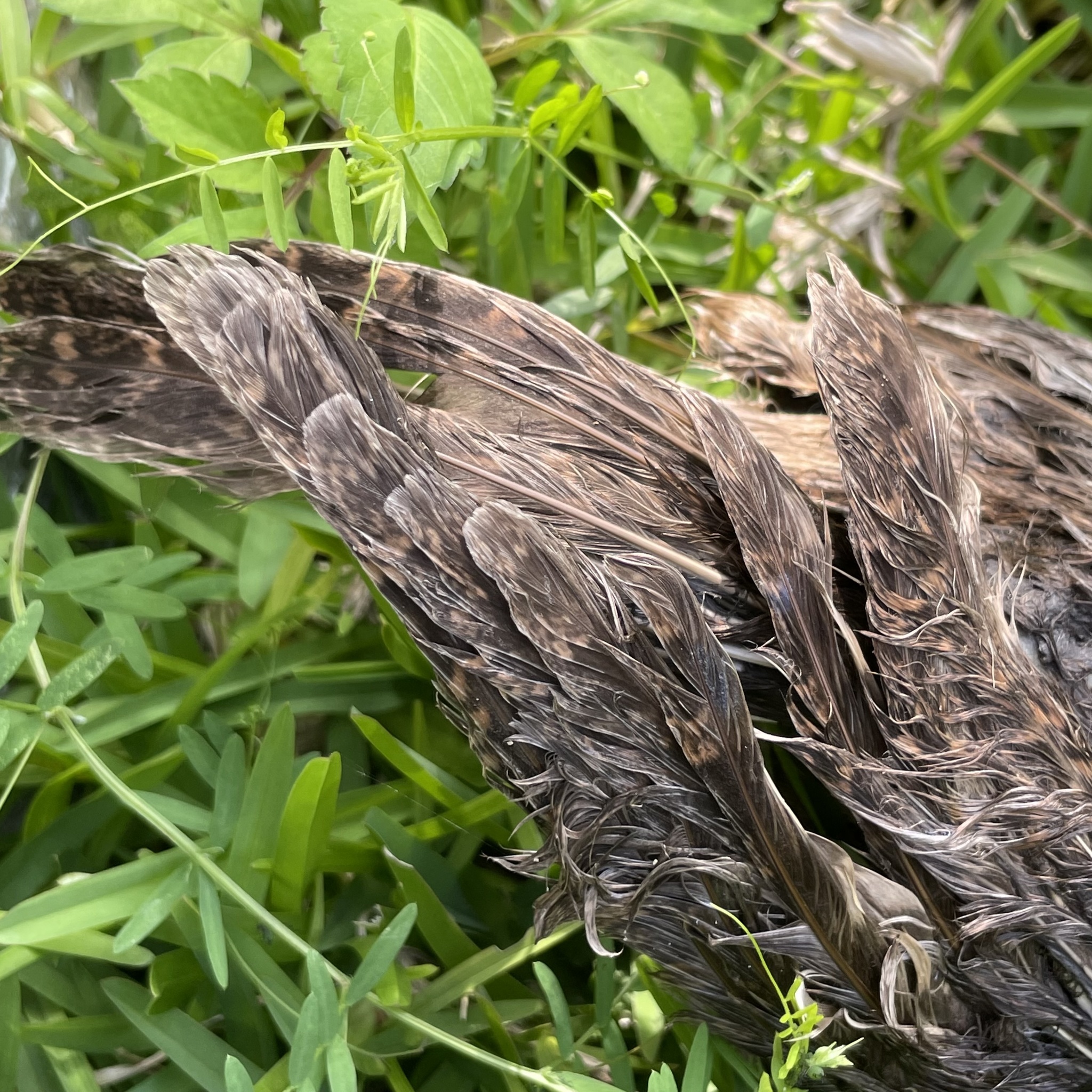
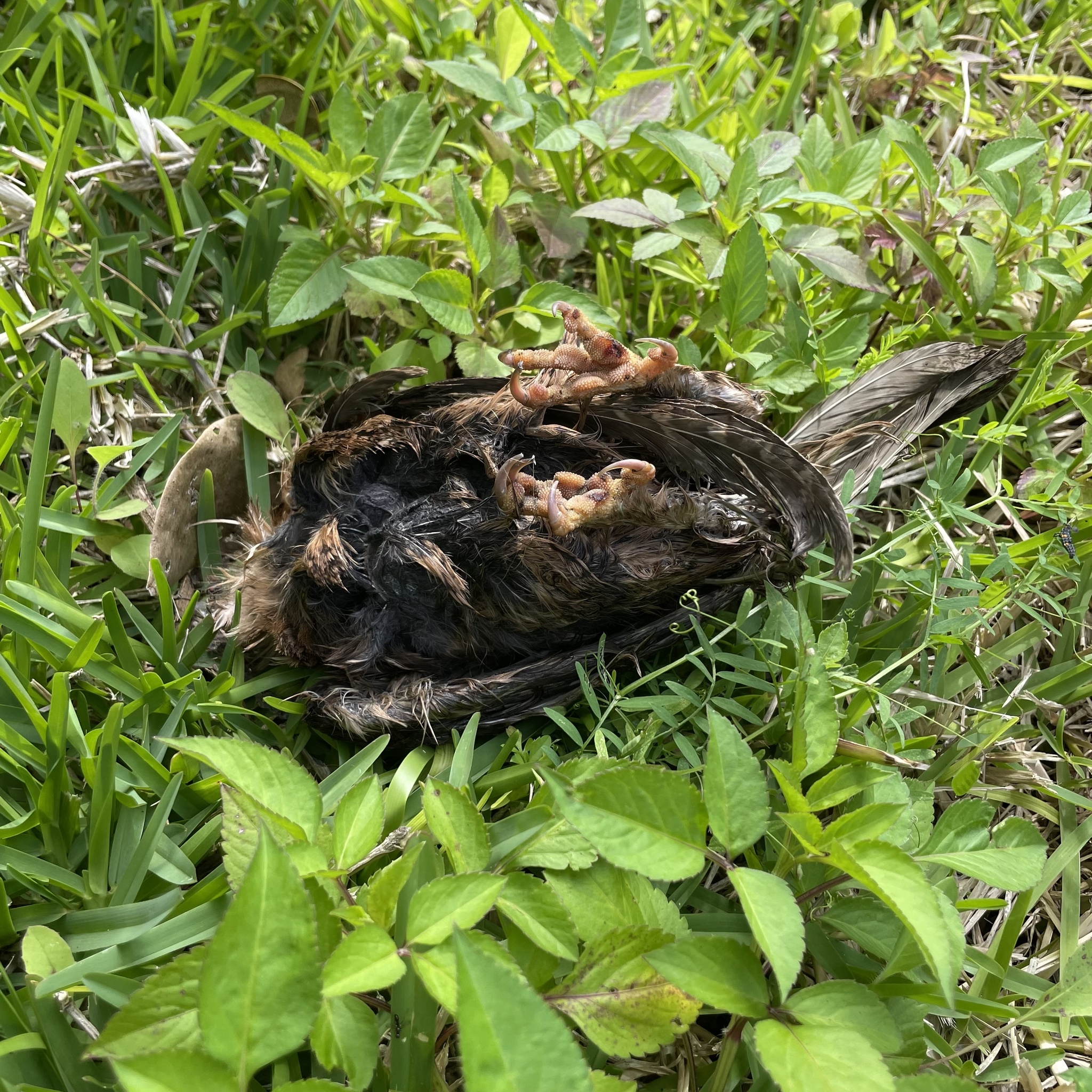
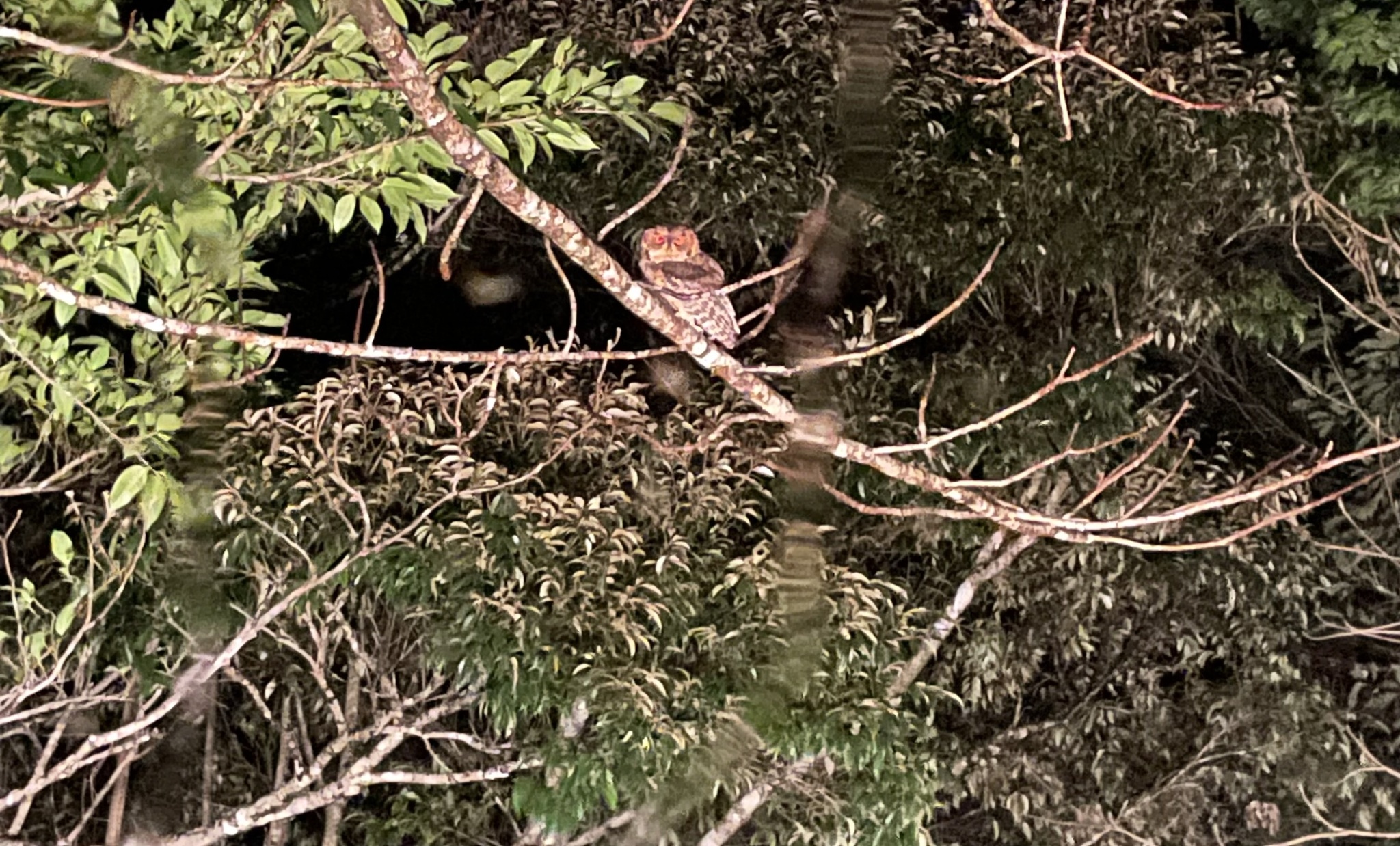
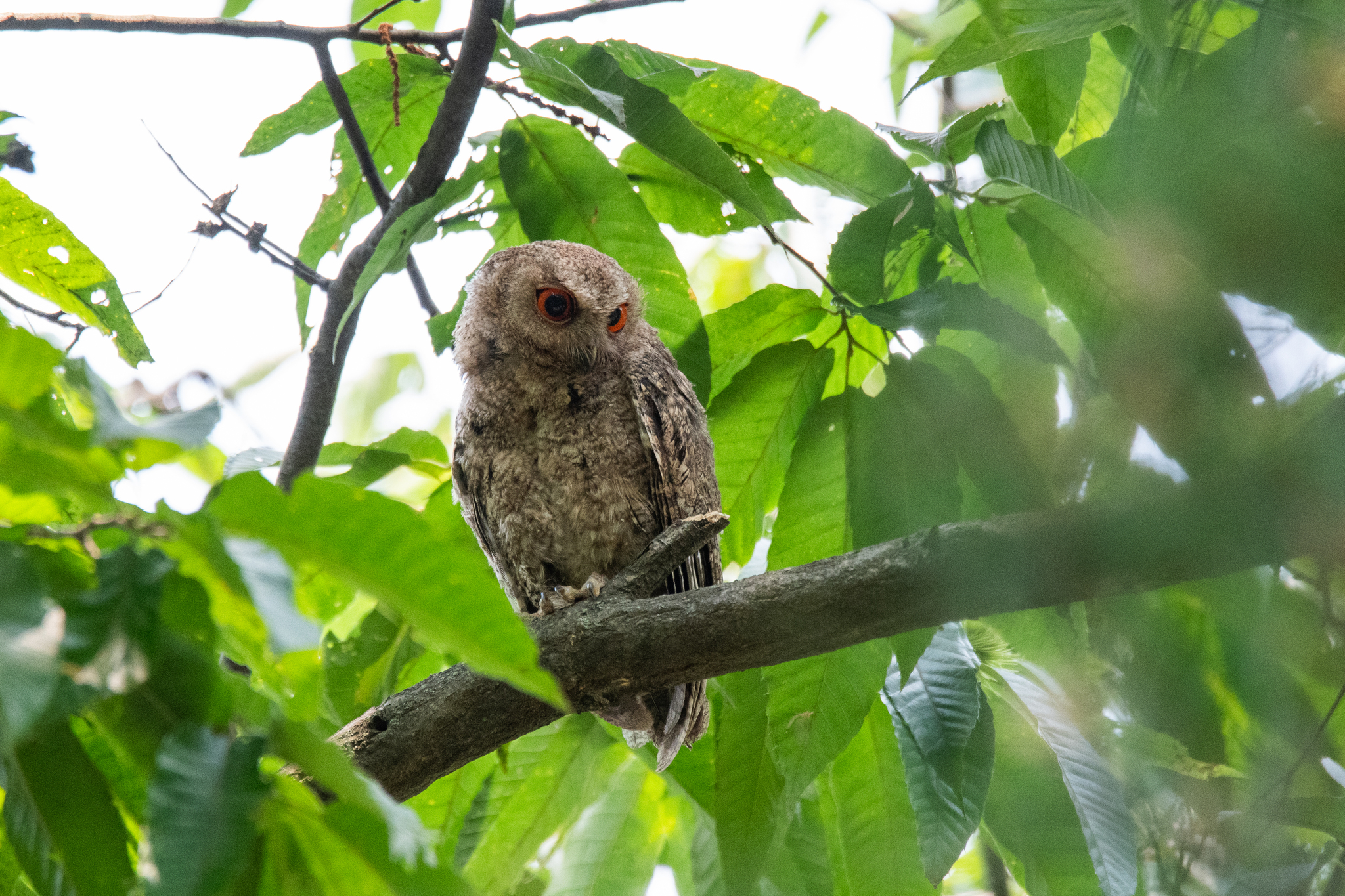
This small owl measures 16.5–30 centimeters in length with a wingspan of 60–66 centimeters and weighs between 130–200 grams. Its plumage displays a camouflage pattern of gray and brown that closely resembles tree bark, providing excellent concealment when roosting against trunks during daylight hours. The species possesses prominent ear tufts typical of scops owls, a pale gray-brown facial disc, and distinctive intense red eyes. The wings are notably long and pointed, measuring 153–196 millimeters. Additional features include green feet with feathered toes and a green bill. Flight speeds can reach 80 kilometers per hour, making this an agile aerial predator.
Identification
This species presents identification challenges due to similarities with related scops owls. It is frequently confused with the collared scops-owl, which is notably smaller and whiter overall. The northern white-faced owl is also whiter in appearance, though roughly the same size as this species. The gray-brown plumage and red eyes serve as key distinguishing features, though good views are often difficult to obtain due to the owl's effective camouflage and nocturnal habits. Vocalizations can aid identification, with males giving repeated deep 'whook' calls.
Distribution & Habitat
This owl inhabits forested habitats across Japan, Korea, China, and Russia's Far East, including lowland forests, wooded plains, forested hillsides, woodlands, and mountains at elevations from sea level to 900 meters. The species also occurs in parks and gardens within villages. While primarily resident, it undertakes small-scale seasonal movements, typically descending to lower elevations during winter. Three subspecies are recognized: O. s. ussuriensis in northeast China, southeast Siberia, and Korea; O. s. semitorques across the Korean Peninsula, Kuril Islands, Hokkaido, and southern Japan to Yakushima; and O. s. pryeri throughout the Izu and Ryukyu Islands.
Behavior & Ecology
This carnivorous owl feeds primarily on invertebrates including insects, millipedes, centipedes, and crustaceans, supplemented by small rodents such as voles and mice. The diet also includes small birds, frogs, lizards, snakes, and fish. Hunting occurs primarily in flight, though the owl will also perch to hunt, using auditory cues to detect prey. The species is monogamous, forming pairs during breeding season from March to July. Nests are established in tree cavities or nest boxes, often reusing old nests from other birds. Females lay clutches of 2–5 eggs, incubated for 3–4 weeks. Fledglings achieve flight at 4–6 weeks. Vocalizations include screeches, meows, hoots, chatters, and repeated 'whook' calls, with screeches used primarily for predator deterrence.
Conservation
This species holds a Least Concern assessment on the IUCN Red List, with a stable population trend across its extensive range. While common in many areas and tolerant of human proximity, significant threats exist in parts of its range, particularly in Korea. Anthropogenic impacts including traffic accidents, habitat destruction, hunting, and poisoning pose ongoing concerns that could negatively affect long-term population numbers. Conservation efforts focus on maintaining suitable habitat and mitigating human-wildlife conflicts.
Culture
In Japanese culture, owls symbolize good luck, wisdom, and protection against misfortune. This species and other scops-owls appear frequently in traditional Japanese art, including pottery and paintings. Their unique and mysterious appearance has also made them common subjects in Japanese literature and films. The owl's cultural significance extends to its representation as a protective talisman against various misfortunes, contributing to its enduring presence in Japanese artistic and cultural traditions.
Source: Wikipedia · CC BY-SA 3.0
Taxonomy
- Order
- Strigiformes
- Family
- Strigidae
- Genus
- Otus
- eBird Code
- jasowl1
Subspecies (3)
-
Otus semitorques pryeri
Hachijo Island (southern Izu Islands) and southern Ryukyu Islands (Okinawa to Iriomote, southern Japan)
-
Otus semitorques semitorques
southern Kuril Islands and Hokkaido southward to Yakushima Island
-
Otus semitorques ussuriensis
Sakhalin Island, Ussuriland, and northeastern China
Data Sources
Species description from Wikipedia, licensed under CC BY-SA 3.0.
Bird images and sounds sourced from GBIF, contributed by citizen scientists worldwide under Creative Commons licenses.
Taxonomy data from AviList 2025.