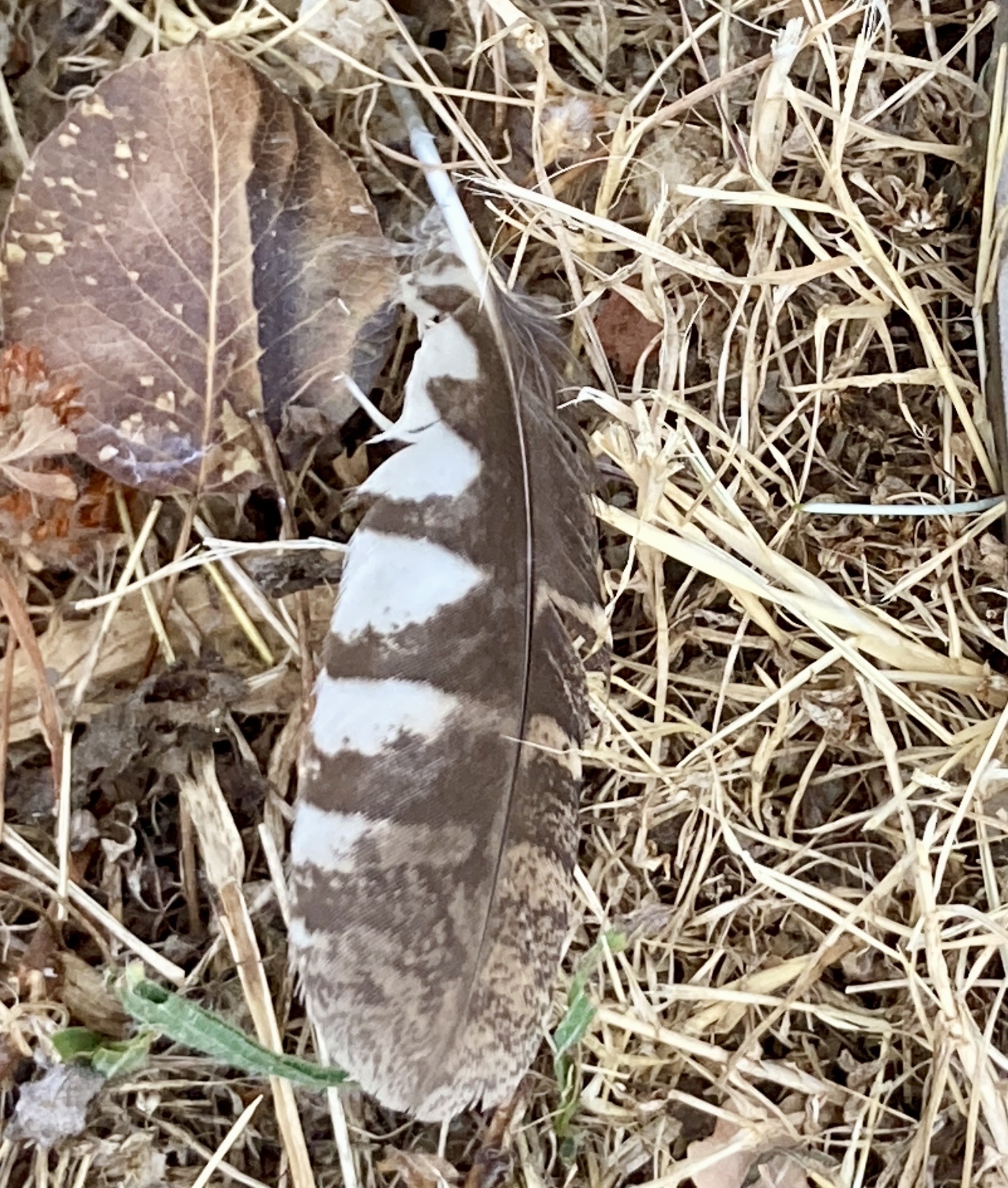
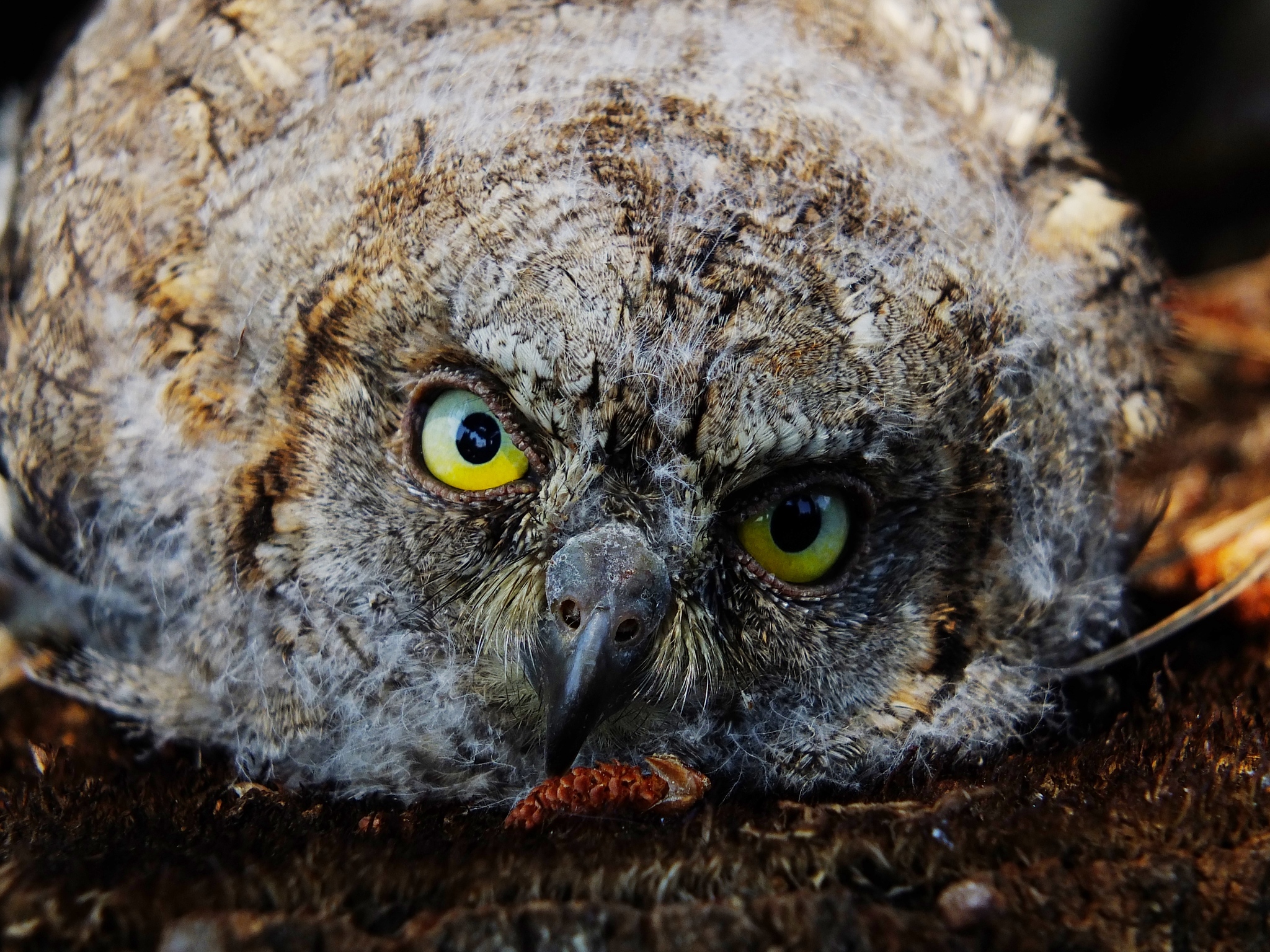
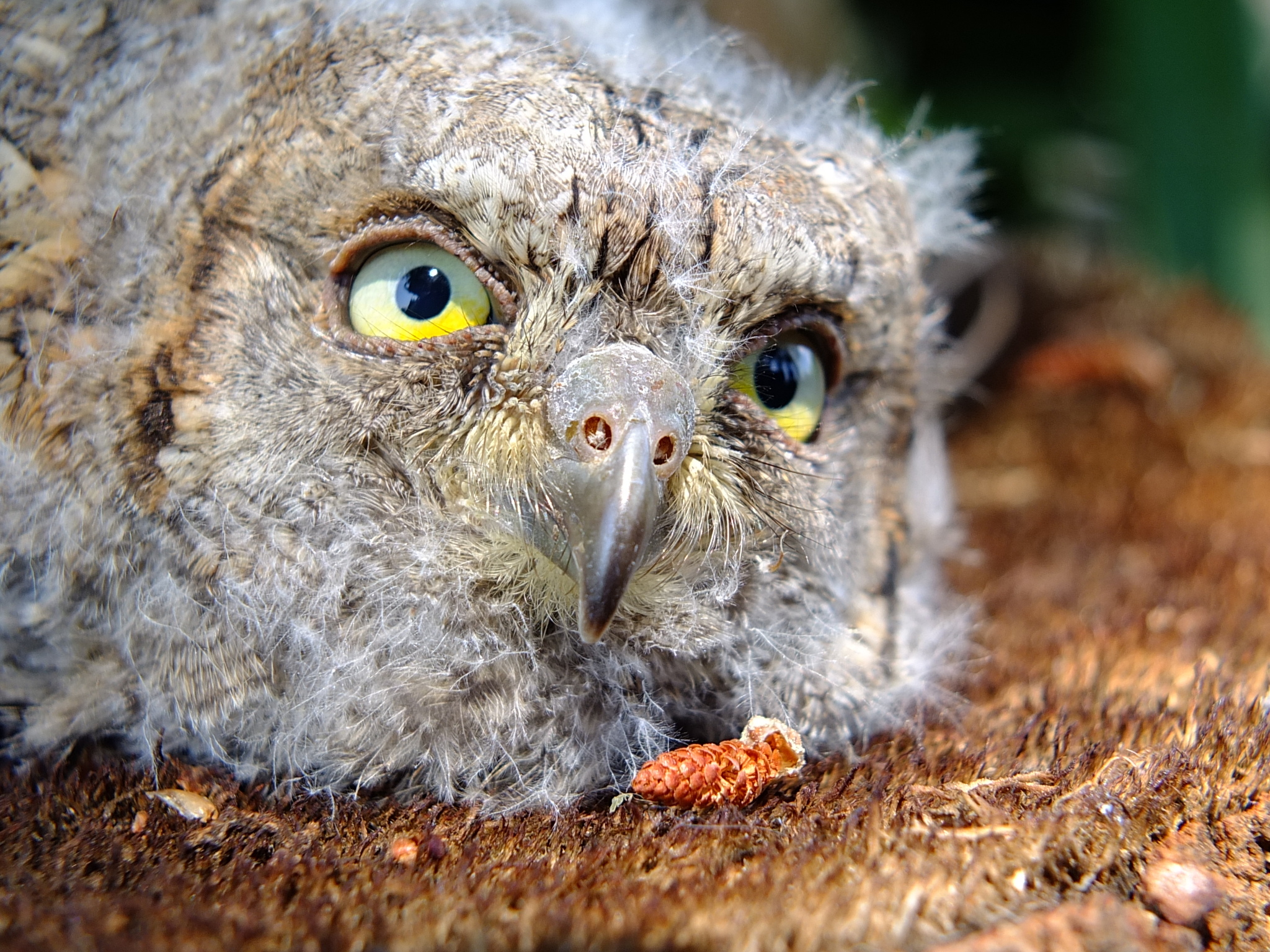
Eurasian Scops Owl
Otus scops
西红角鸮
Introduction
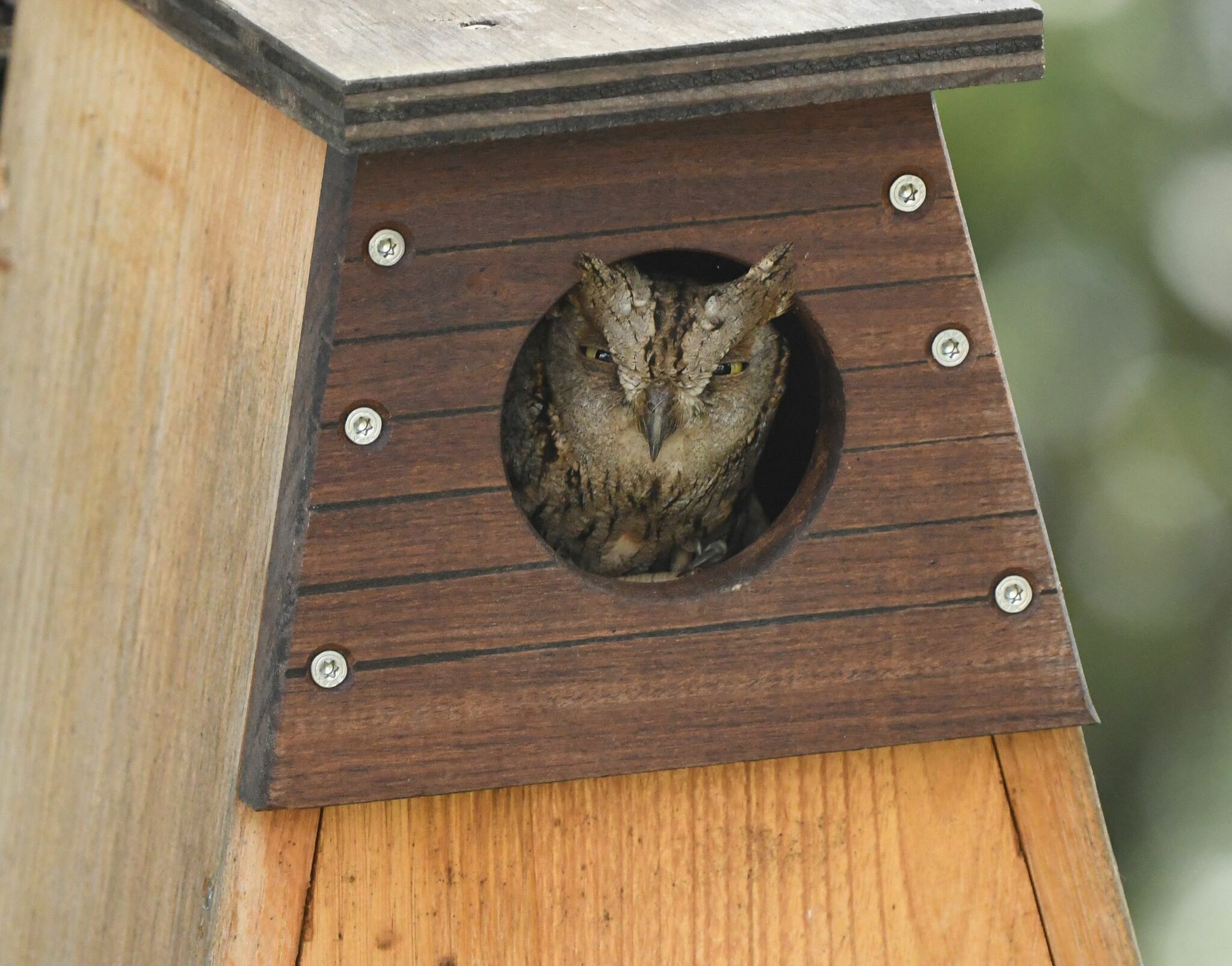
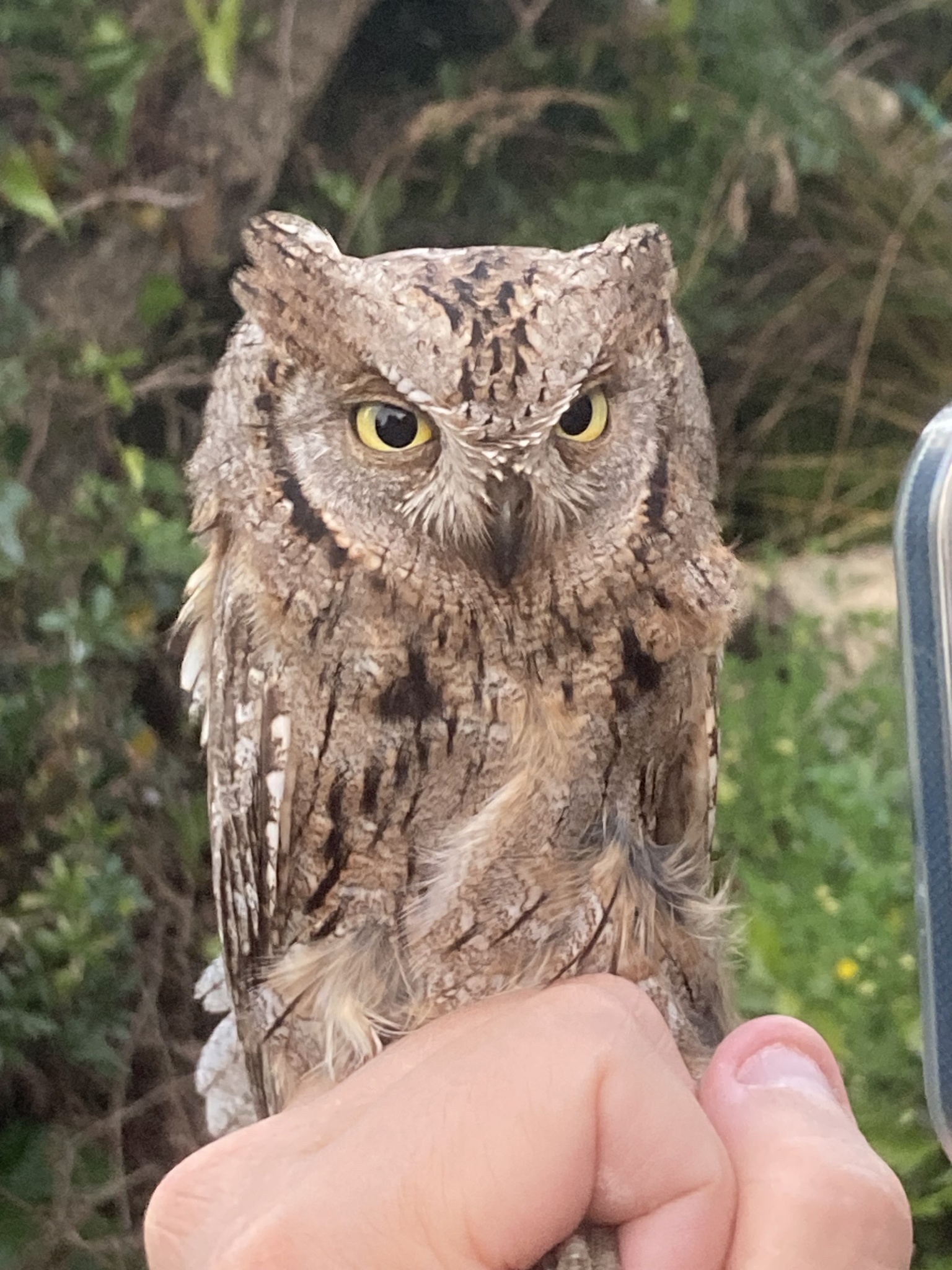
Small owl in the typical owl family Strigidae. Breeding range extends from southern Europe eastwards through western and central Asia to southern Siberia and the western Himalayas. Migratory species that winters in sub-Saharan Africa, though populations in parts of Mediterranean Europe are resident year-round. Inhabits open woodland, parks, and gardens. Distinguished by small ear-tufts, predominantly grey-brown plumage, and strong direct flight on long narrow wings reflecting migratory behavior.
Description
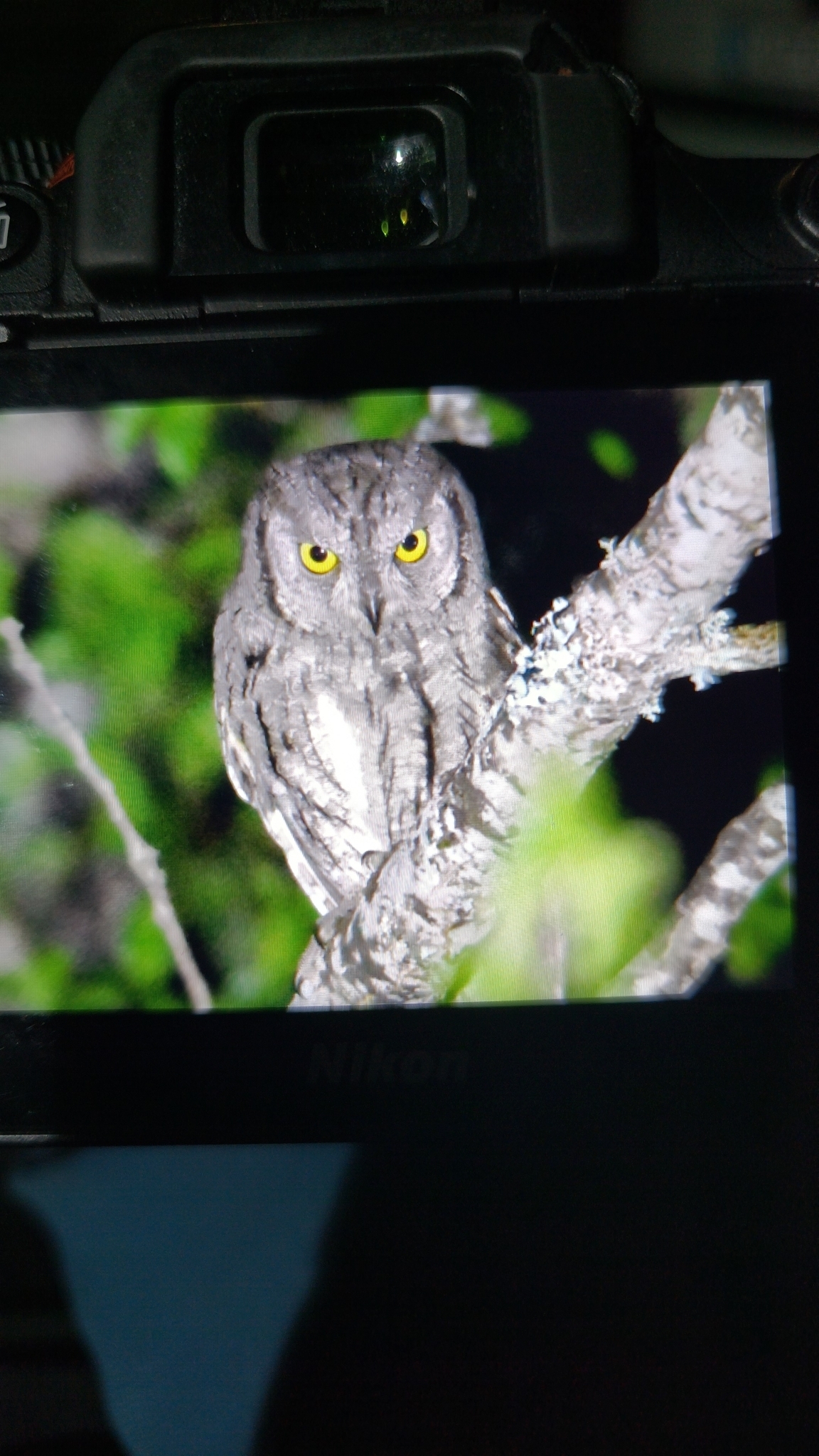
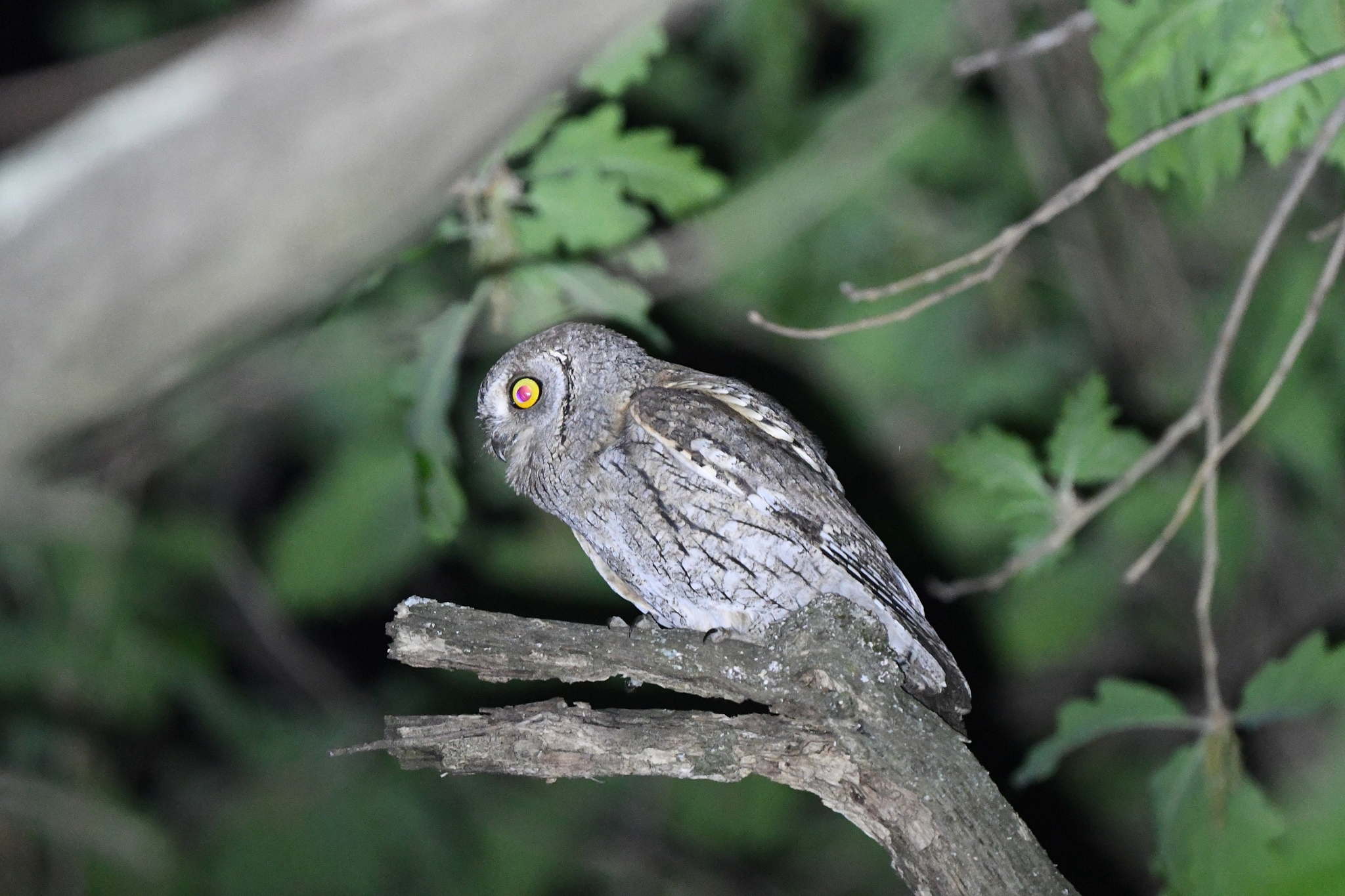
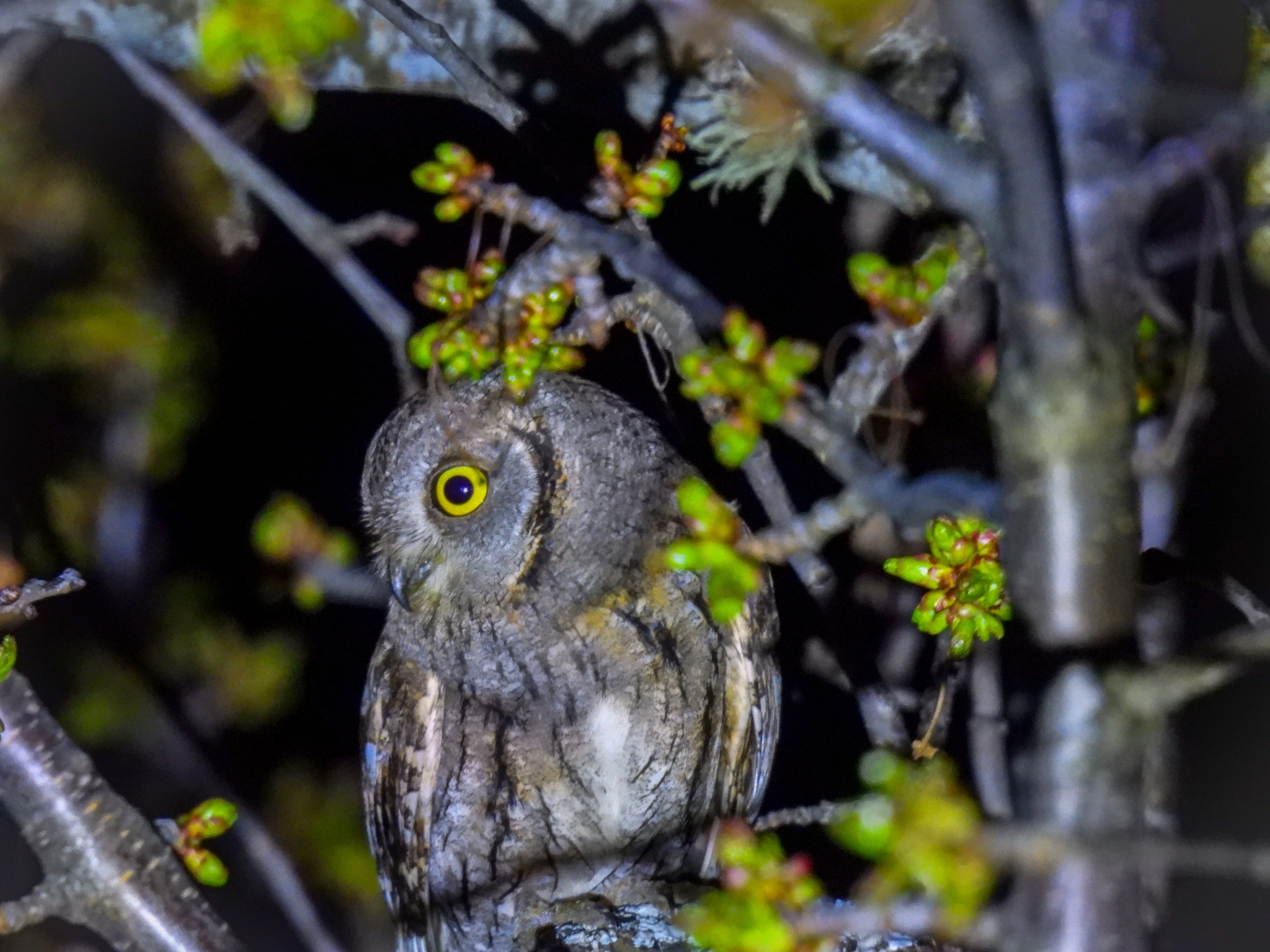
Small, compact owl measuring 19–21 cm (7.5–8.3 in) in length with a wingspan of 47–54 cm (19–21 in). Smaller than the little owl. Perches upright with characteristic small ear-tufts. Plumage is predominantly grey-brown overall, featuring a paler face, underparts, and distinctive shoulder line. Flight is strong and direct on long, narrow wings, an adaptation for long-distance migration.
Distribution & Habitat
Breeds across southern Europe eastwards into western and central Asia. Migratory population winters in southernmost Europe and sub-Saharan Africa. Resident year-round in parts of Mediterranean Europe. A rare vagrant north of the breeding range, occurring mainly as a spring overshoot. First recorded in eastern India near Kolkata in October 2021. Not typically found outside breeding season when not calling.
Behavior & Ecology
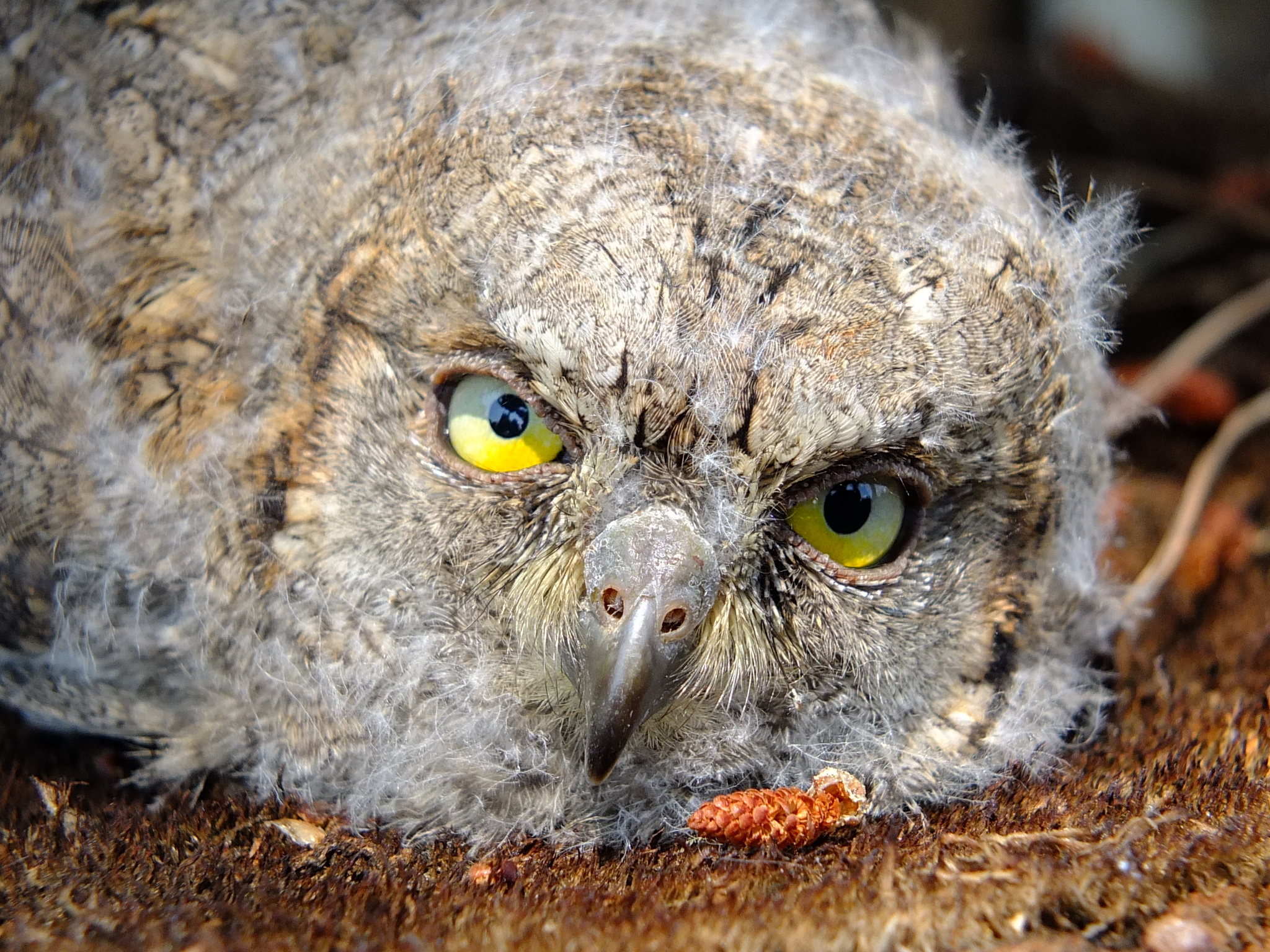
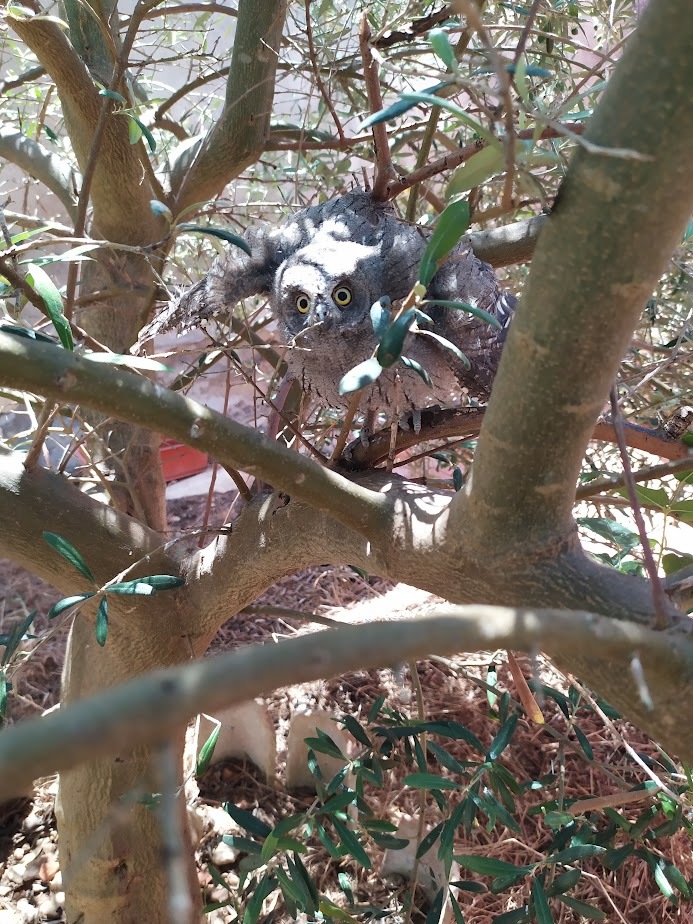
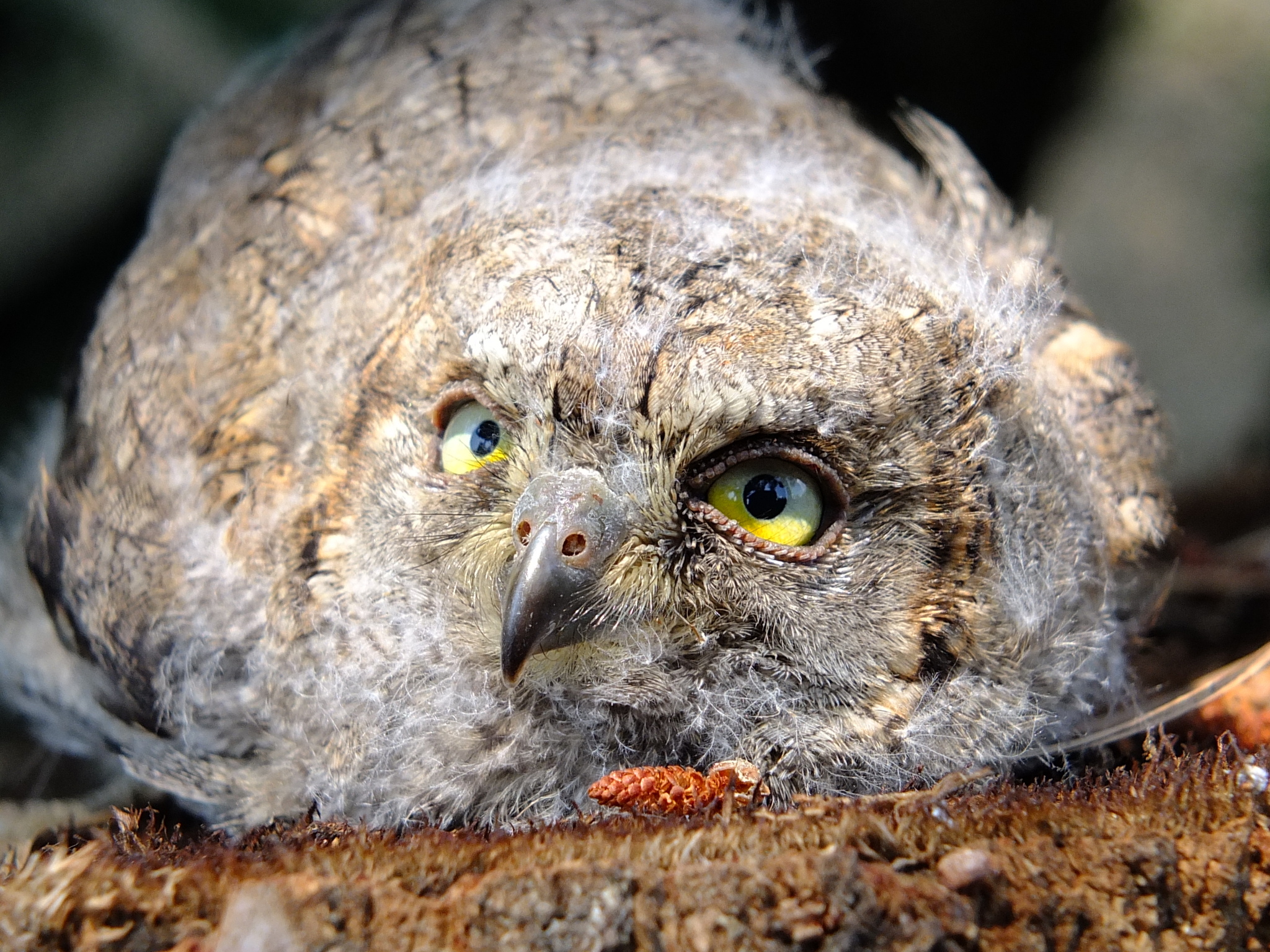
Nocturnal hunter of small invertebrates, particularly insects. Breeding occurs in open woodland, parks, and gardens. Nest is typically a cavity in a tree or wall, sometimes using old nests of other species. Clutch size is 4-5 white eggs measuring 31 mm × 27 mm and weighing about 13 g. Female incubates alone for 24-25 days. Both parents care for and feed the young, which fledge at 21-29 days and become independent at 30-40 days. Vocalization is a deep whistle given by both sexes, reminiscent of midwife toad calls.
Source: Wikipedia · CC BY-SA 3.0
Taxonomy
- Order
- Strigiformes
- Family
- Strigidae
- Genus
- Otus
- eBird Code
- eursco1
Subspecies (5)
-
Otus scops cycladum
southern Greece and Crete, southern Türkiye, Israel, and Jordan
-
Otus scops mallorcae
Iberian Peninsula, Balearic Islands, northern Morocco, Algeria, and Tunisia
-
Otus scops pulchellus
Volga River to Lake Baikal and southward to Altai and Tien Shan Mountains
-
Otus scops scops
France and Mediterranean islands to Volga River, northern Greece, and Transcaucasia
-
Otus scops turanicus
Iraq through Iran and southern Transcaspia to northwestern Pakistan
Data Sources
Species description from Wikipedia, licensed under CC BY-SA 3.0.
Bird images and sounds sourced from GBIF, contributed by citizen scientists worldwide under Creative Commons licenses.
Taxonomy data from AviList 2025.