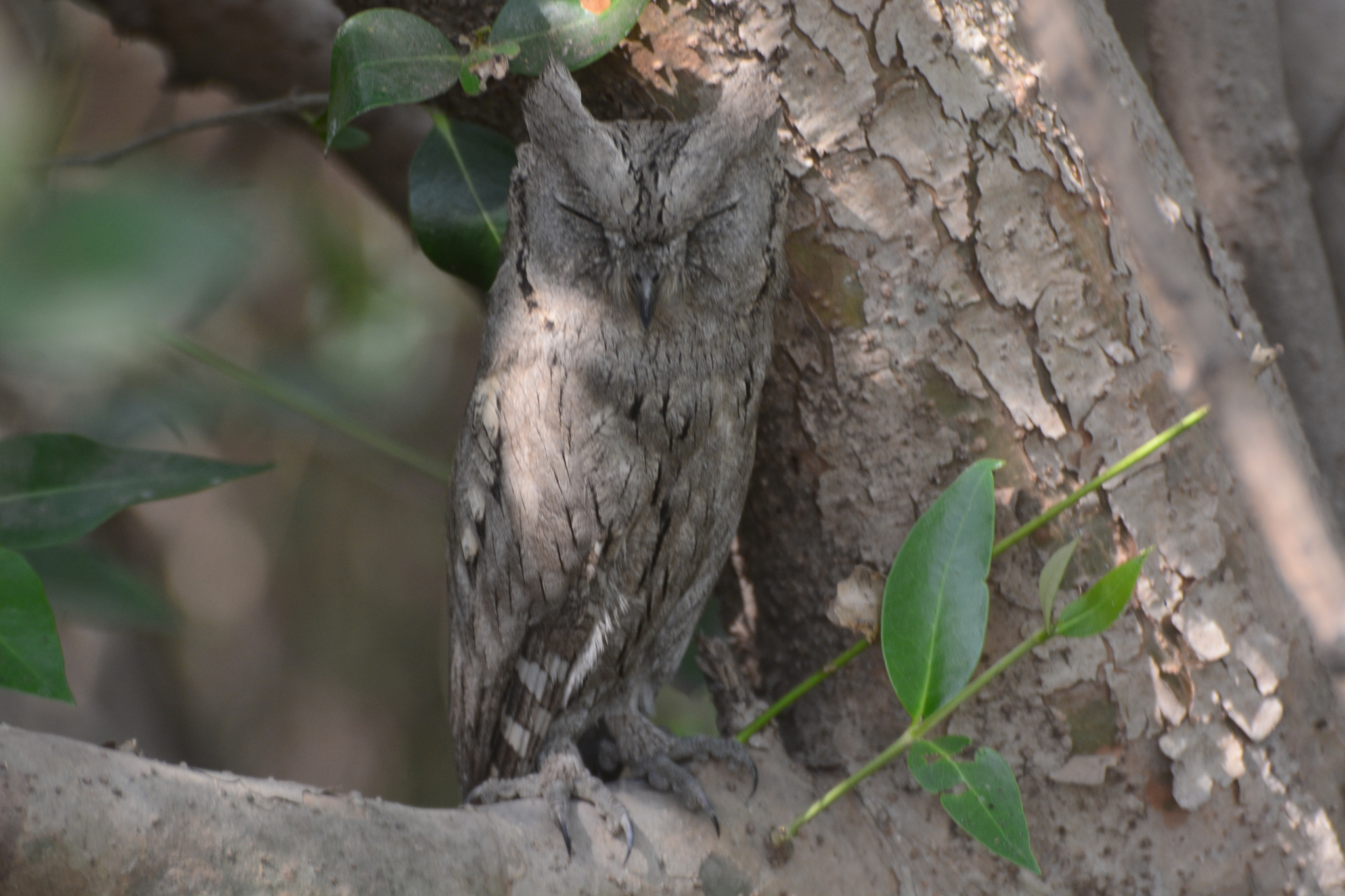
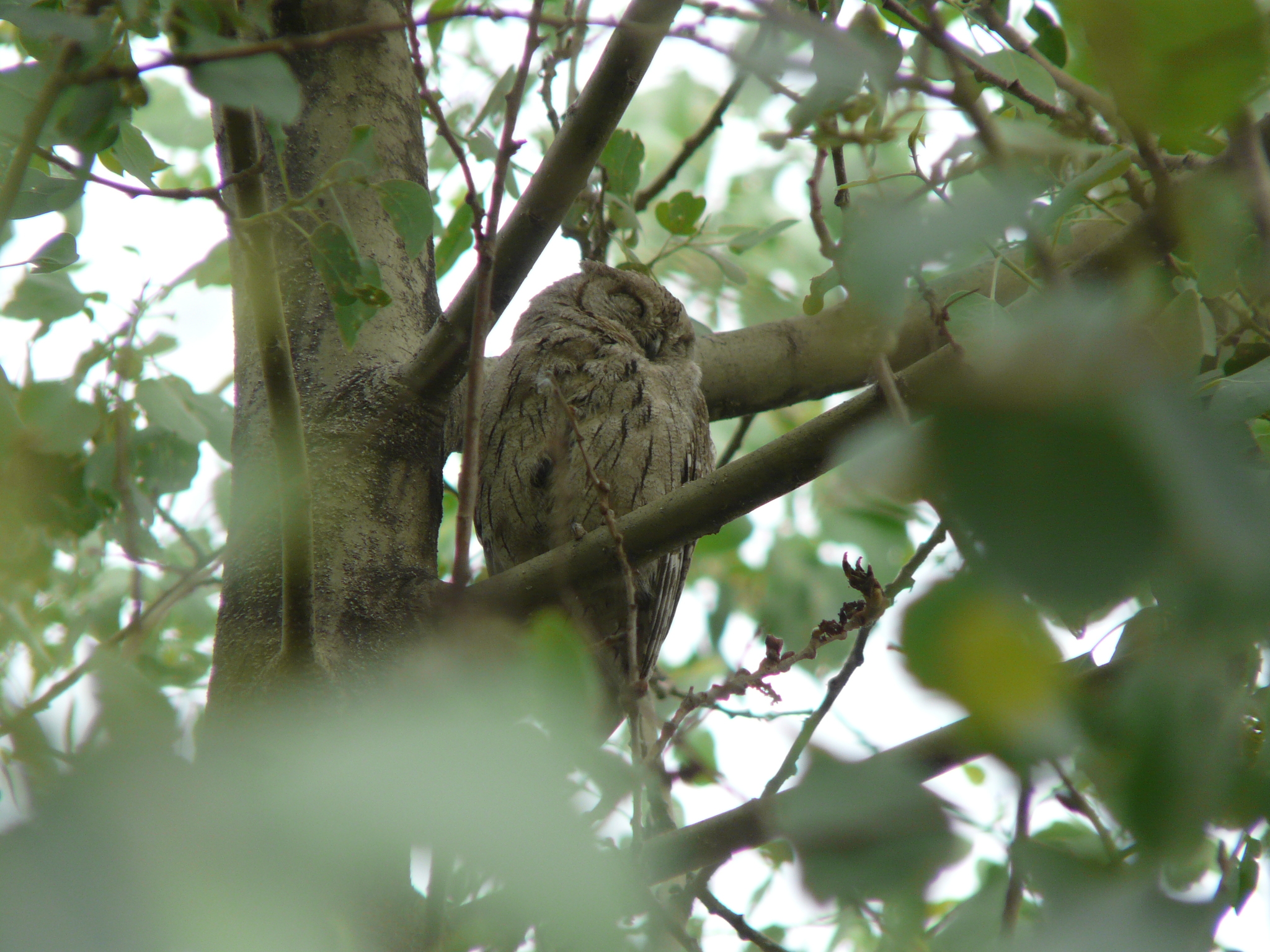
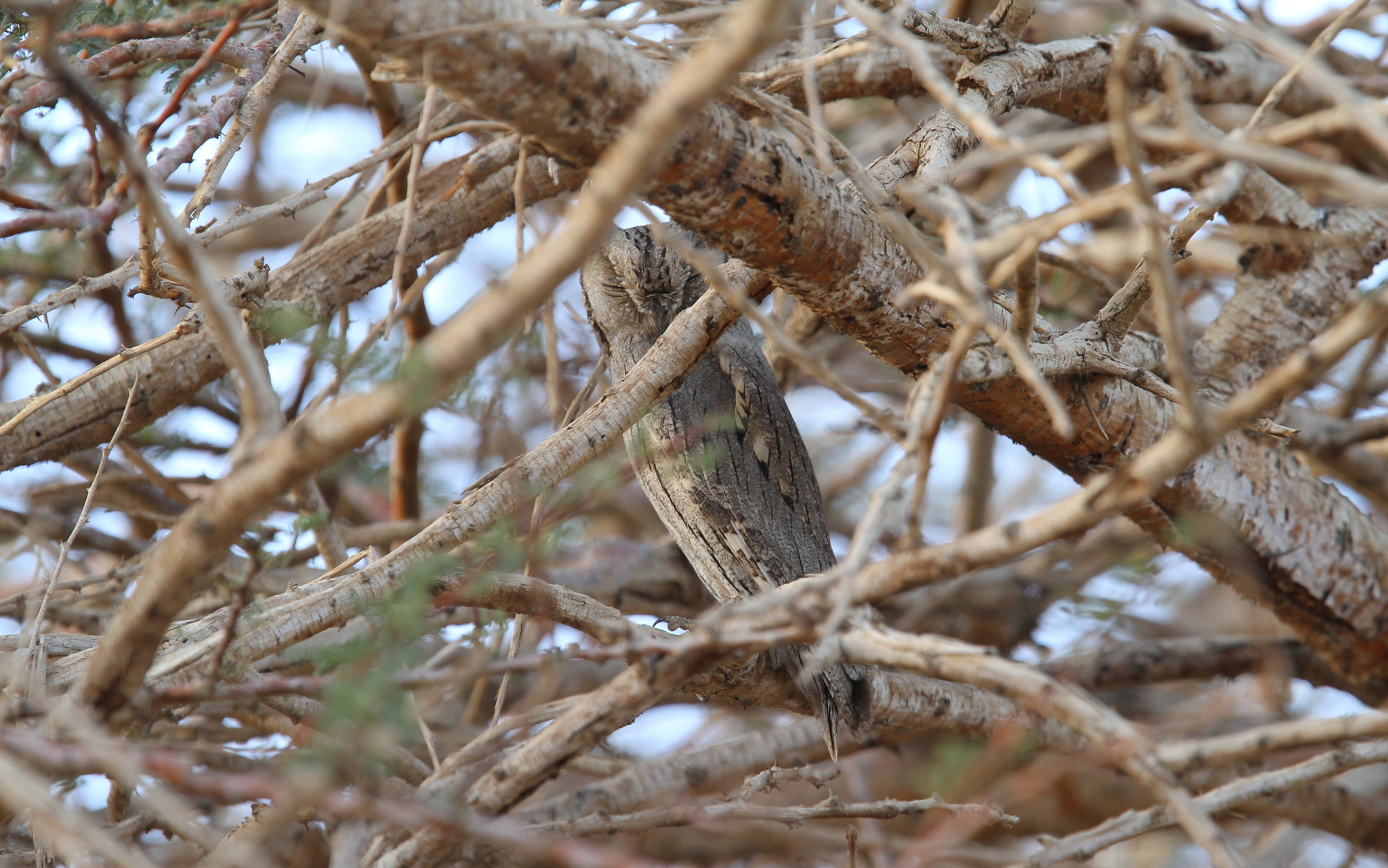
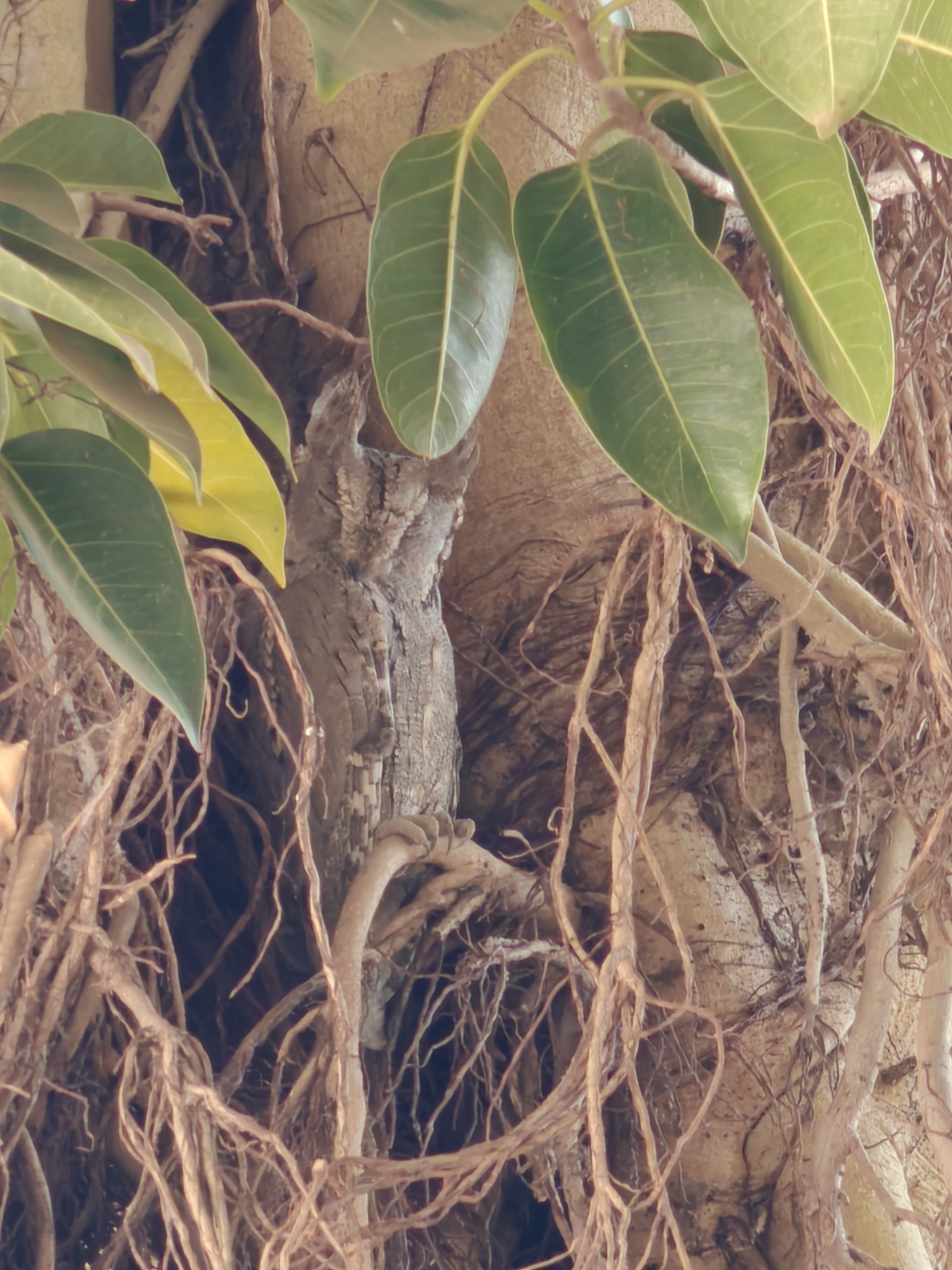
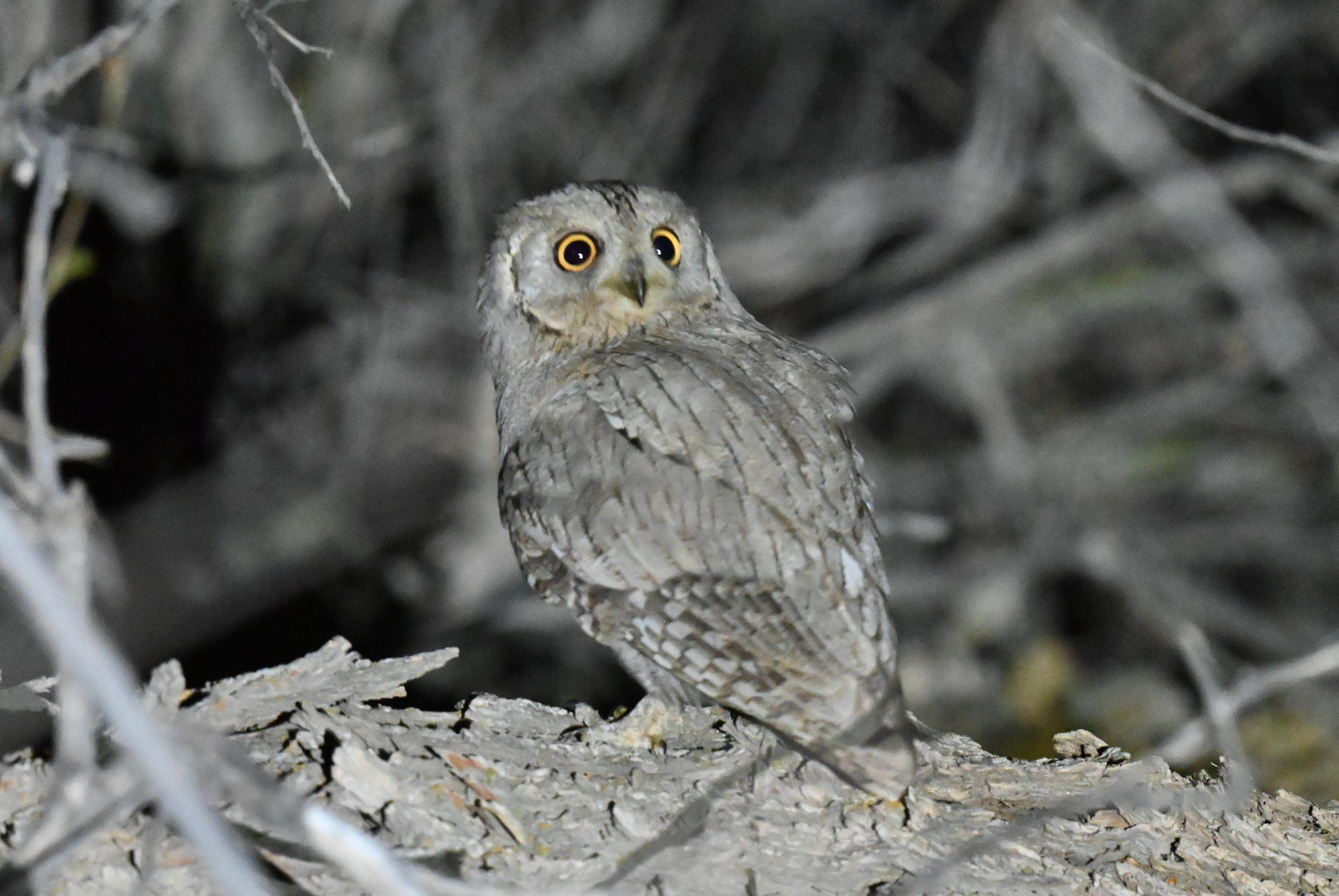
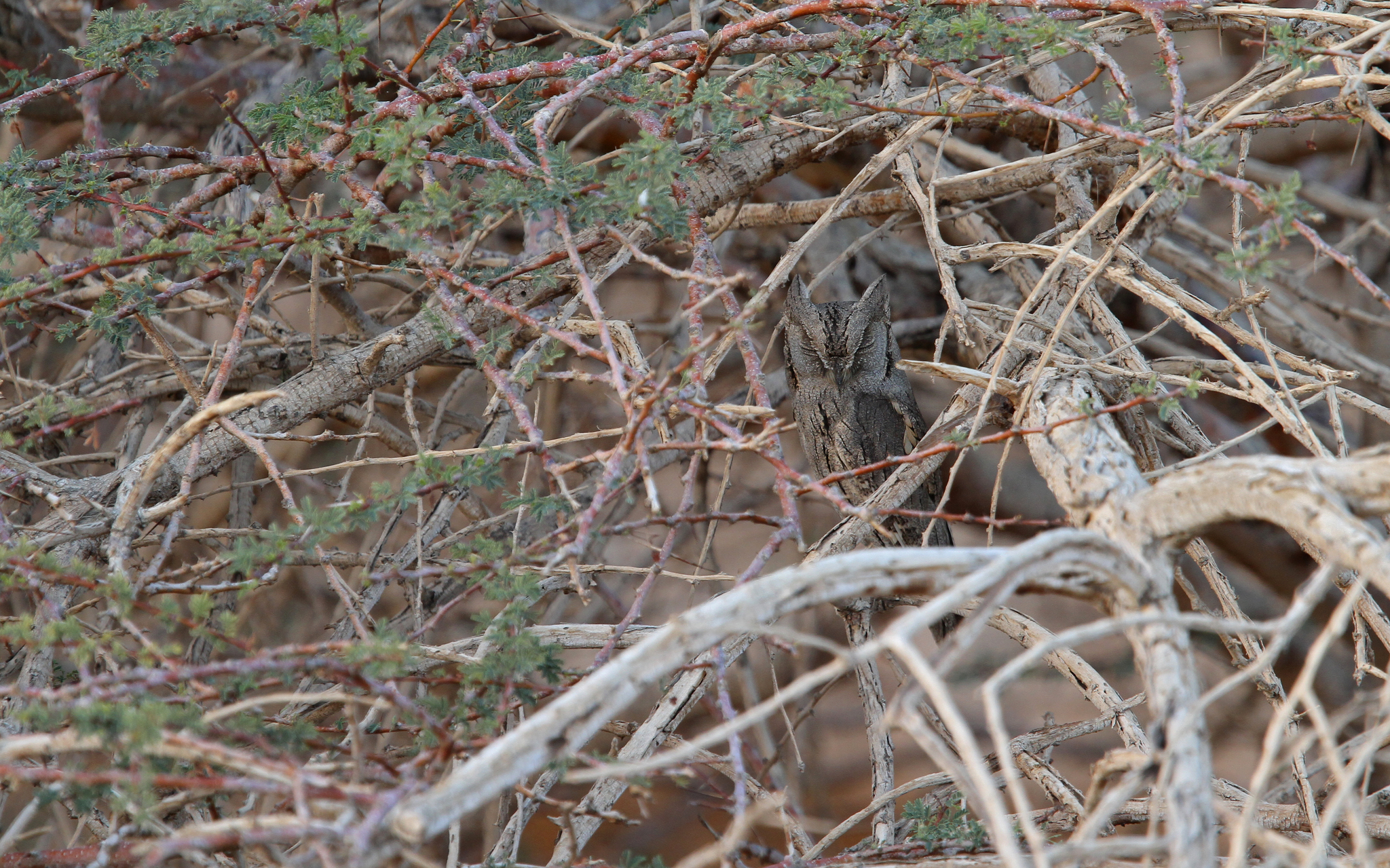
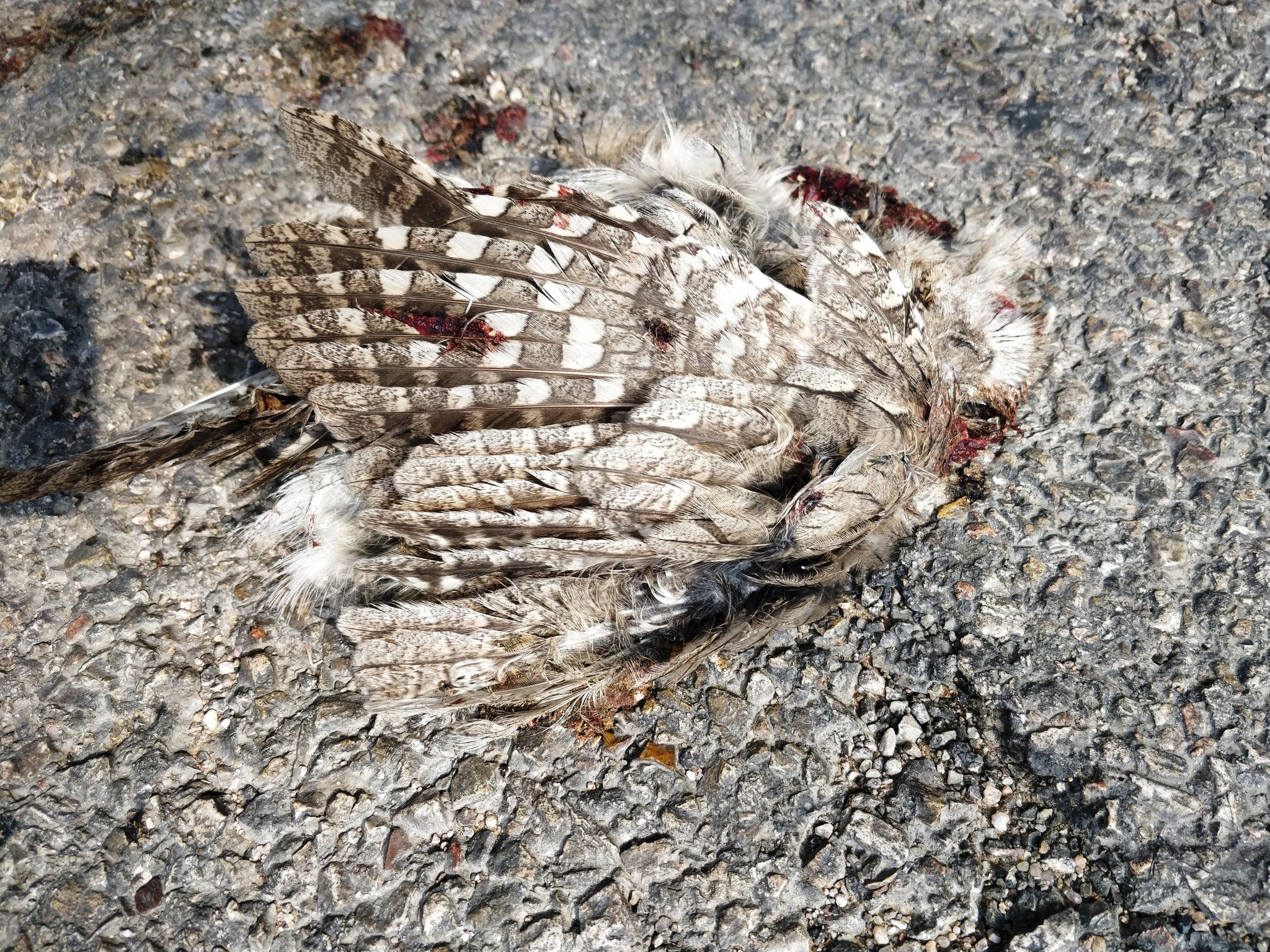
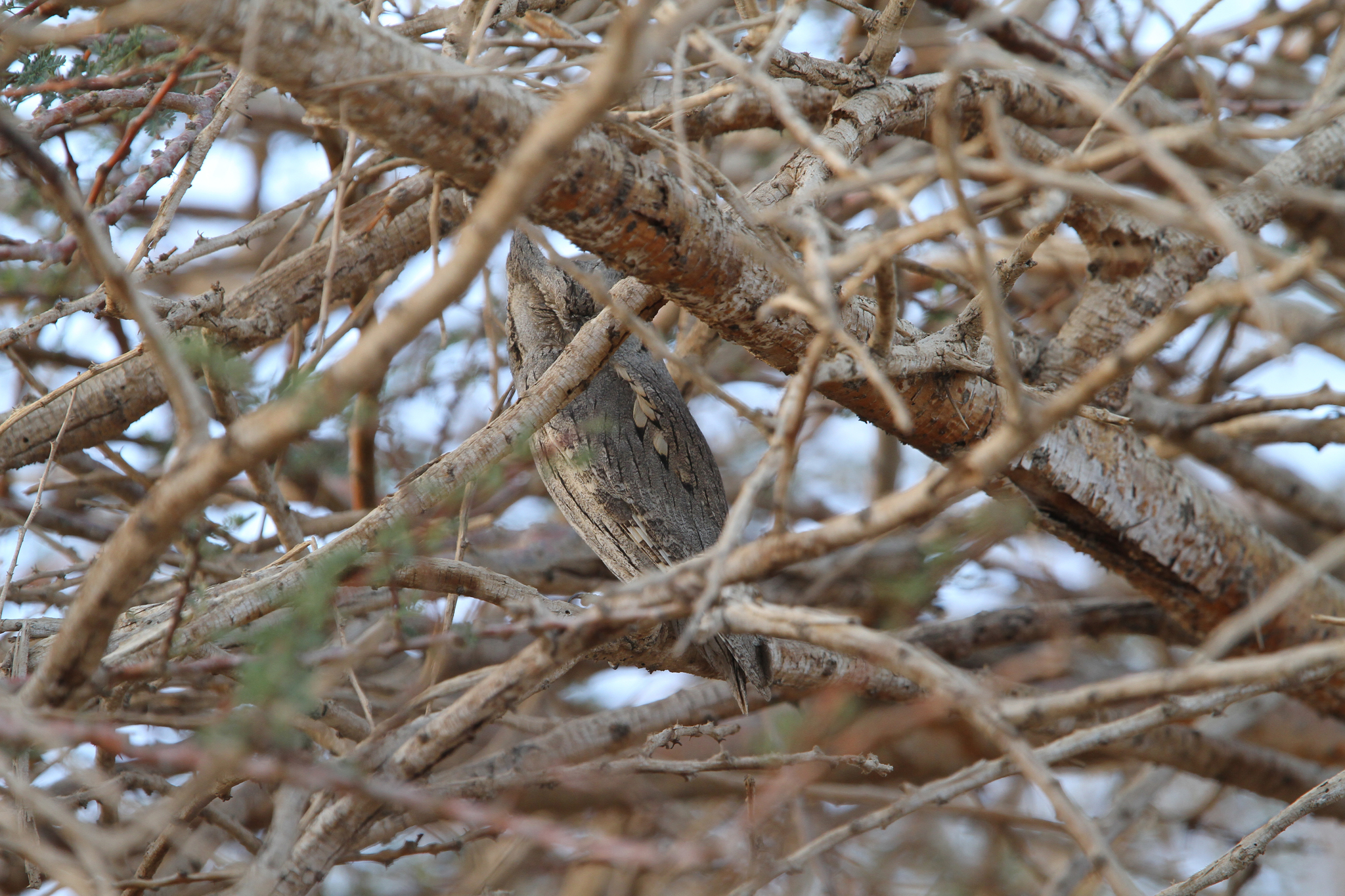
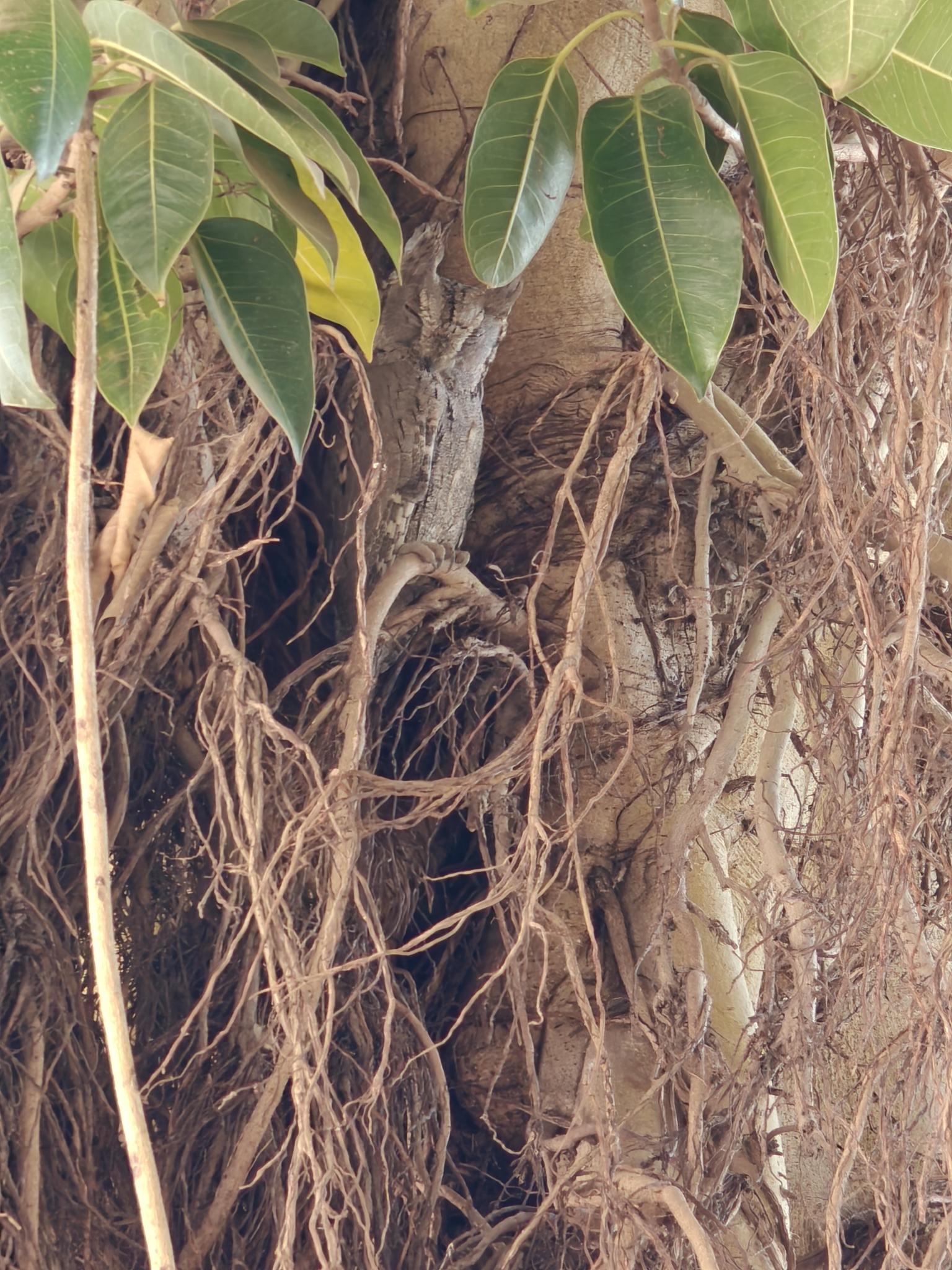
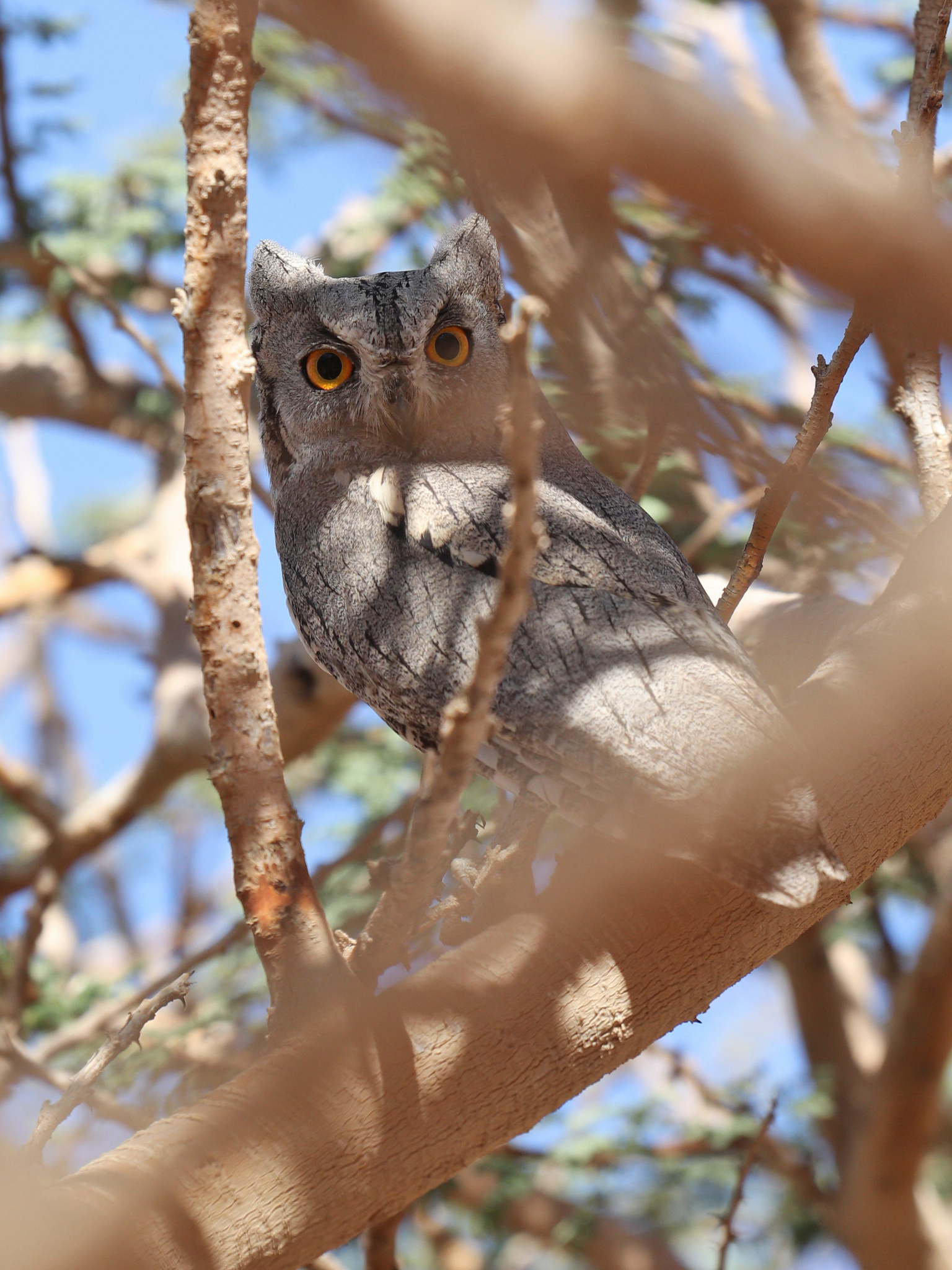
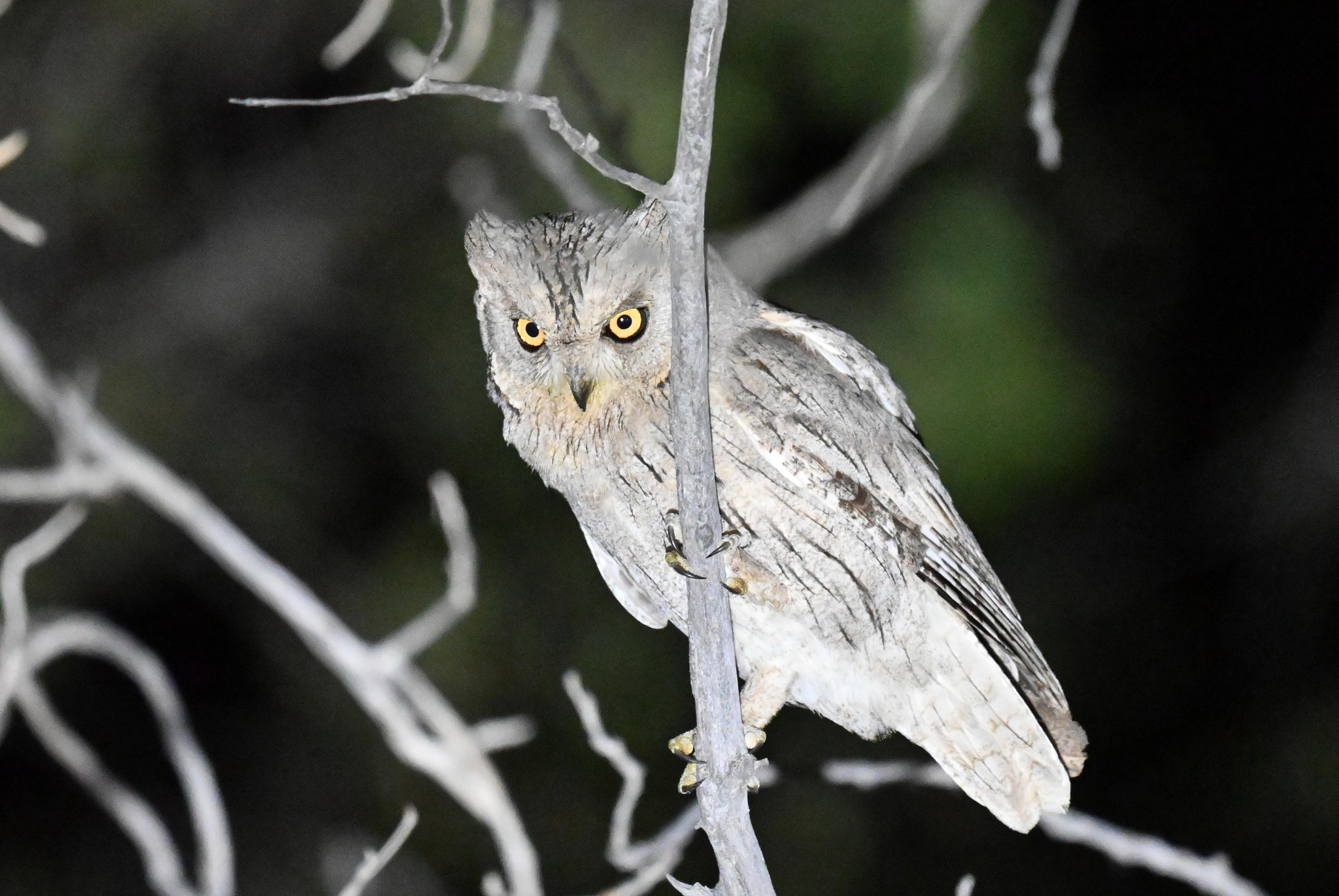
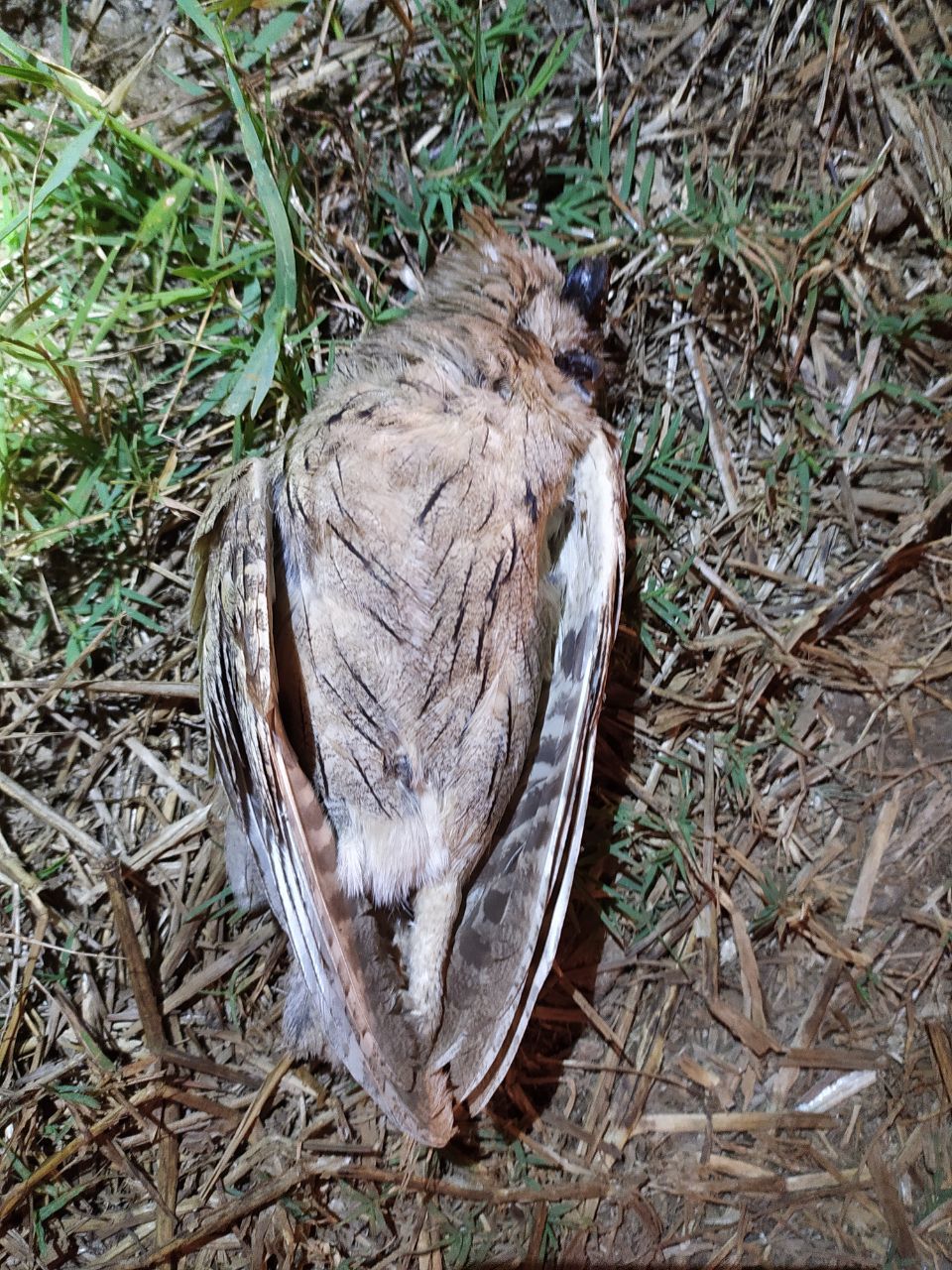
Pallid Scops Owl
Otus brucei
纵纹角鸮
Introduction
A small scops owl (Otus brucei) ranging from the Middle East to west and central Asia. Inhabits semi-open country with trees and bushes. Primarily insectivorous but also takes lizards, spiders, and small mammals; occasionally diurnal. New populations discovered in Israel (Rift Valley, over 400 pairs) and Jordan in recent years.
Description
A small-eared owl similar in appearance to the Eurasian scops owl. Distinguished by more distinct streaks on the back and less intricate overall markings compared to its relative.
Identification
Similar to the Eurasian scops owl but separable by its more prominent streaking on the upperparts and less complex patterning. The paler, streakier appearance contrasts with the more intricately marked Eurasian species.
Distribution & Habitat
Breeds from the Middle East through west and central Asia. Winter range extends to the Arabian Peninsula, Egypt, and Pakistan. Estimated breeding range covers 6,190,000 km²; non-breeding range 3,560,000 km². Recently discovered populations in Israel's Rift Valley and Jordan's palm plantations. Regular records from Gujarat, Madhya Pradesh, and Rajasthan in India, with a single Kerala record.
Behavior & Ecology
Diet consists primarily of insects, supplemented by lizards, spiders, and small mammals. Capable of taking bats and flying insects on the wing. Occasionally active during the day. Breeding occurs April–June; 4–6 eggs laid in tree cavities such as woodpecker holes. Incubation lasts approximately 27 days; juveniles fledge at 30 days. Call is a series of low, hollow, dove-like notes.
Conservation
Not evaluated
Culture
Not evaluated
Source: Wikipedia · CC BY-SA 3.0
Taxonomy
- Order
- Strigiformes
- Family
- Strigidae
- Genus
- Otus
- eBird Code
- pasowl3
Subspecies (4)
-
Otus brucei brucei
eastern Aral Sea to Kyrgystan and Tajikistan
-
Otus brucei exiguus
Israel to Iraq, southern Iran, Oman, southern Afghanistan, and western Pakistan
-
Otus brucei obsoletus
southern Türkiye to northern Syria, northern Iraq, Uzbekistan, and northern Afghanistan
-
Otus brucei semenowi
southern Tajikistan to western China, eastern Afghanistan, and northern Pakistan
Data Sources
Species description from Wikipedia, licensed under CC BY-SA 3.0.
Bird images and sounds sourced from GBIF, contributed by citizen scientists worldwide under Creative Commons licenses.
Taxonomy data from AviList 2025.