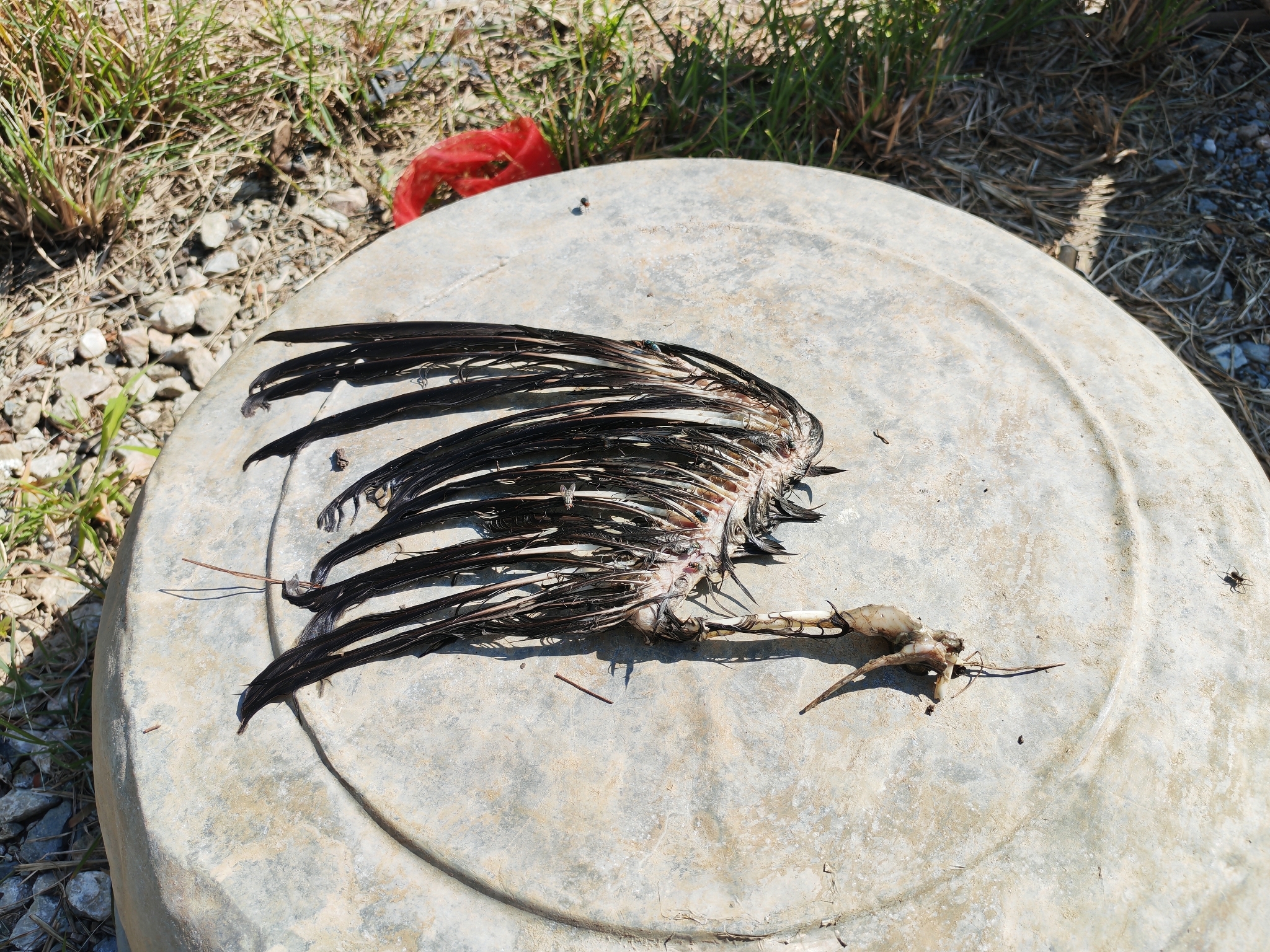
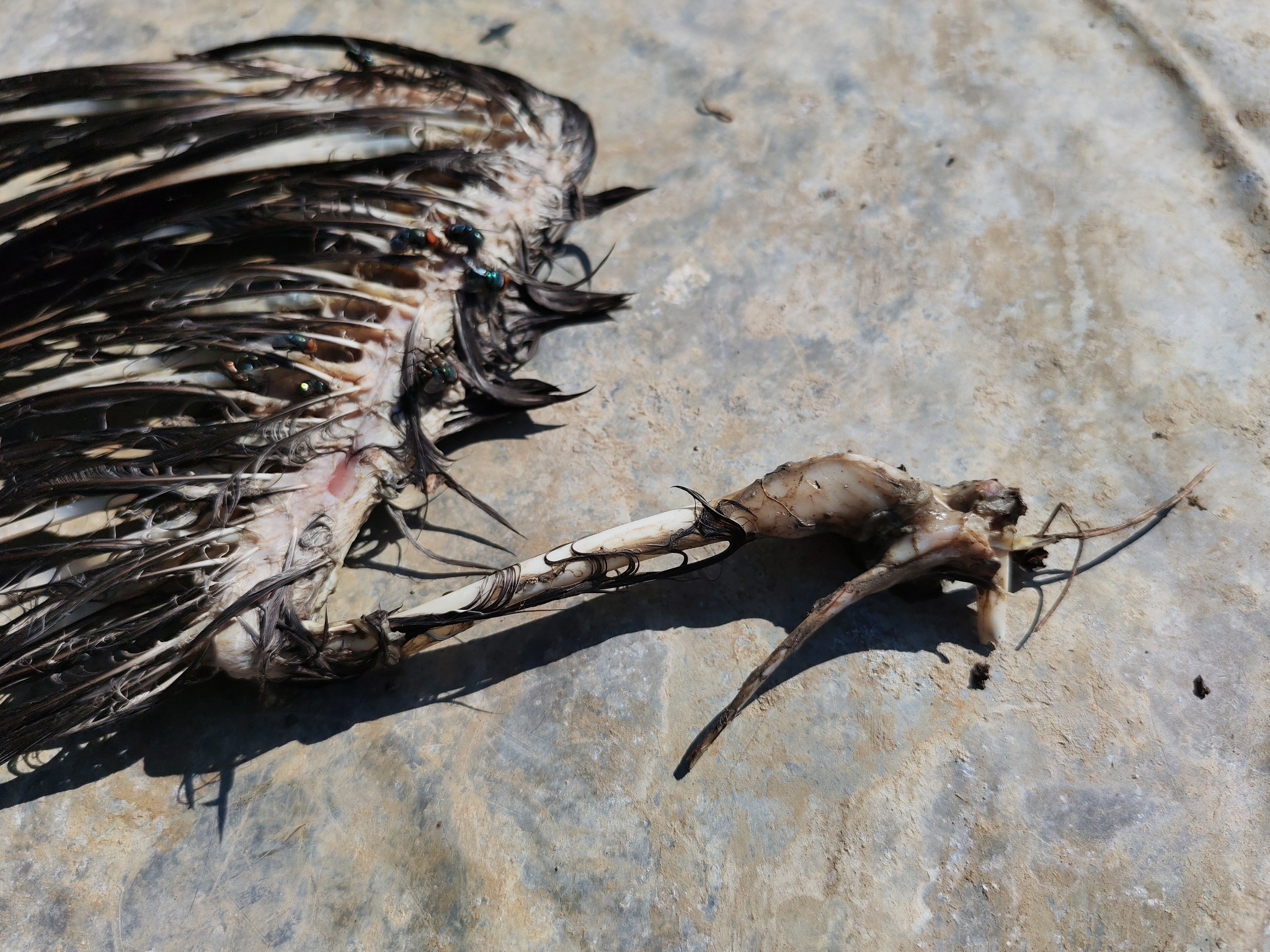
White-eared Night Heron
Oroanassa magnifica
海南鳽
Description
Length 54–56 cm. Male is mostly blackish-brown with chestnut neck-sides, yellow lores, black beak, and yellow-orange eyes. Head and nape are blackish. Postocular stripes and throat are white. Underparts are brown with white streaks. Tarsi are green. Female is similar but has less distinctly patterned head and neck, with whitish streaks on back and wings. Juvenile resembles female but has browner plumage with buff spots.
Identification
Distinctive features include white postocular stripes, chestnut neck-sides, and yellow lores contrasting with blackish-brown plumage. The combination of white throat and postocular stripes helps distinguish it from other night herons. Both sexes and juveniles can be identified by the characteristic white streaks on underparts and the yellowish loral area.
Distribution & Habitat
Occurs in southern China, northern Vietnam, India, Cambodia, and Bangladesh. Range size is approximately 2,180,000 km². By 2001, only about 20 localities were recorded; surveys between 2001 and 2011 discovered it in over 30 additional localities. Found in subtropical or tropical forests and rivers, with some records from human-modified habitats. Recent camera-trap records include Cardamom Mountains (2017), Valmiki National Park (2018), Namdapha National Park (2025), and Sundarbans (2022).
Behavior & Ecology
Predominantly nocturnal. Feeds on fish, shrimps, and invertebrates. Territorial call is a deep, raspy 'whoaa' lasting about 0.3 seconds, repeated every 5–15 seconds. Breeding recorded in Vietnam and China with clutch size of 3–5 eggs. Hatching observed in May in China with approximately 25-day incubation period. Fledging occurs more than two months after hatching, longer than most heron species. Nest is a circular tray. Breeding appears earlier in Vietnam than in China.
Conservation
IUCN Red List status is Near-threatened. Previously classified as Critically Endangered in the 1990s and Endangered in 2000. Population estimated at 1,500 to 15,000 mature individuals, small, fragmented and declining. Threats include deforestation, hunting, overfishing, and water pollution. Listed as Class II protected species in China. Occurs in protected areas including Chebaling National Nature Reserve and Ba Be National Park.
Culture
No cultural information available.
Source: Wikipedia · CC BY-SA 3.0
Taxonomy
- Order
- Pelecaniformes
- Family
- Ardeidae
- Genus
- Oroanassa
- eBird Code
- wenher1
Distribution
southeastern China (from southeastern Sichuan southward to central Yunnan, eastward to southern Anhui, Zhejiang, Guangdong, and Hainan) and northern Vietnam
Data Sources
CBR Notes: 由Gorsachius属移入Oroanassa属,学名由Gorsachius magnificus改为Oroanassa magnifica(Hruska et al. 2023)
Species description from Wikipedia, licensed under CC BY-SA 3.0.
Bird images and sounds sourced from GBIF, contributed by citizen scientists worldwide under Creative Commons licenses.
Taxonomy data from AviList 2025.