


Sooty Tern
Onychoprion fuscatus
乌燕鸥
Introduction
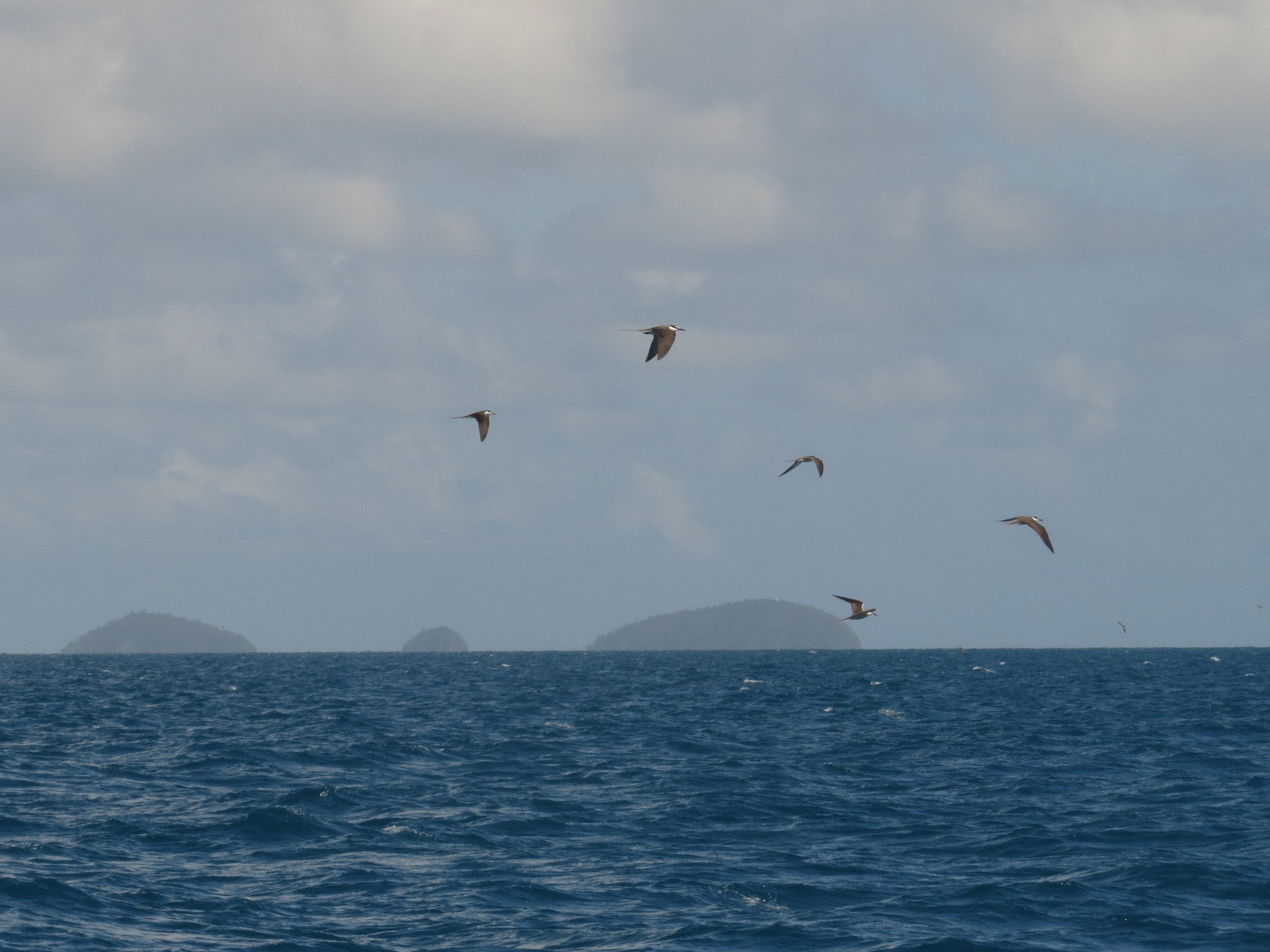
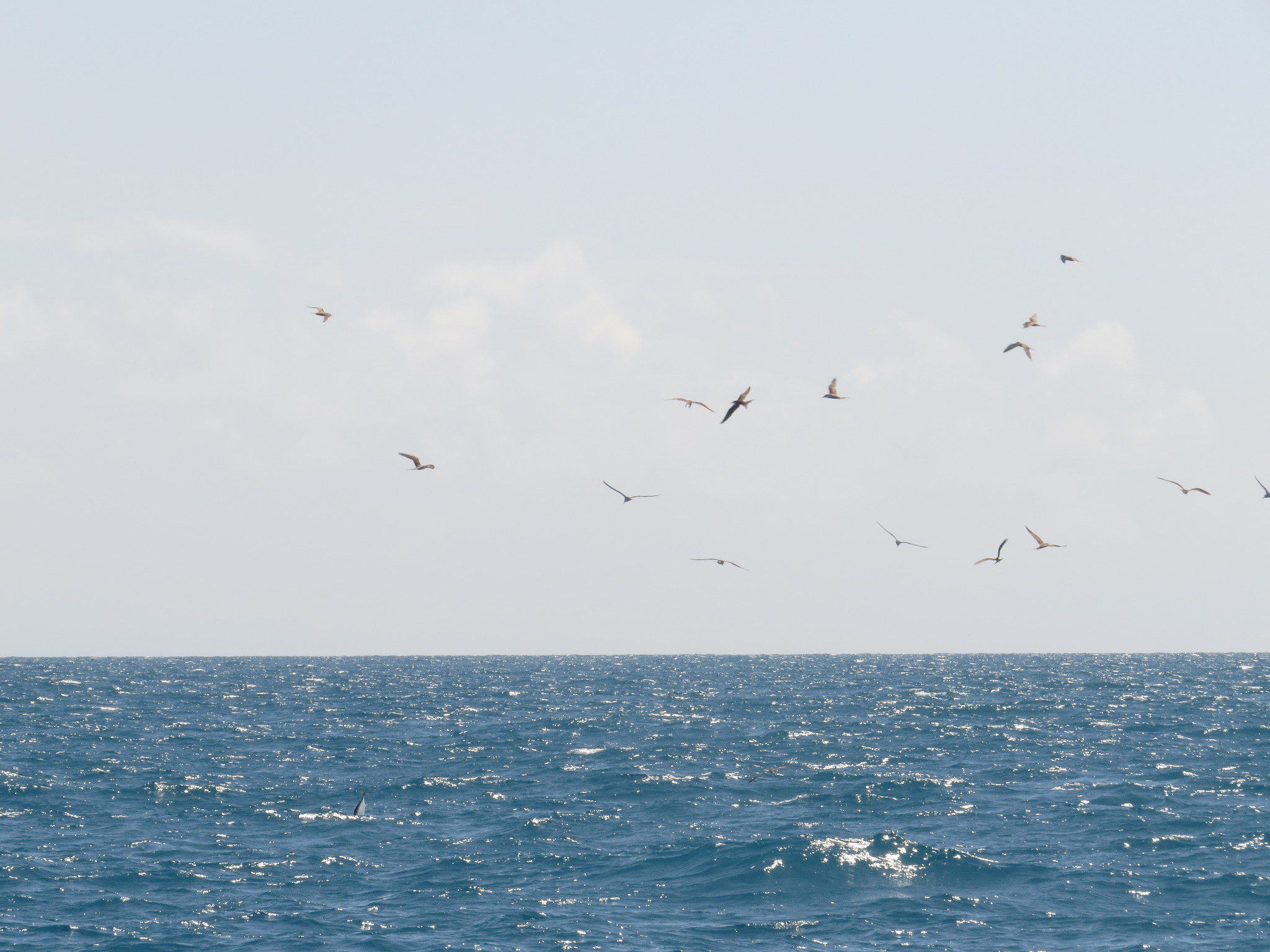
The species inhabits all major tropical ocean basins. It breeds on remote islands in massive colonies and is almost entirely marine, remaining at sea for extended periods of three to ten years. Unlike most terns, it comes to shore only to nest. Its feathers lack the waterproofing oils present in other seabirds, rendering it unable to float on water and susceptible to drowning if it lands on the surface. The species feeds by skimming fish from the ocean surface, often in large flocks far offshore. Its call is described as "wide-a-wake." It is common throughout its range.
Description
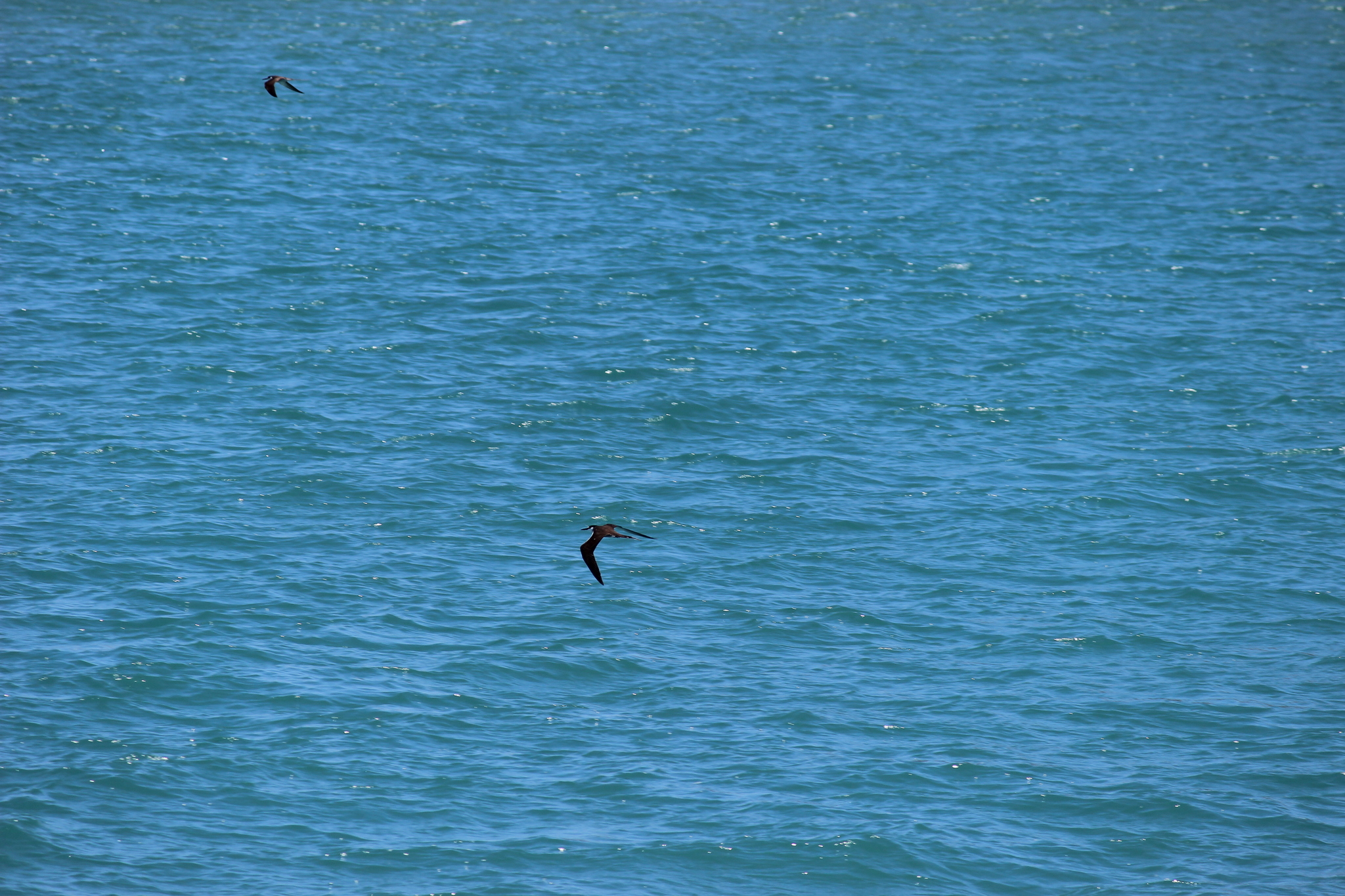
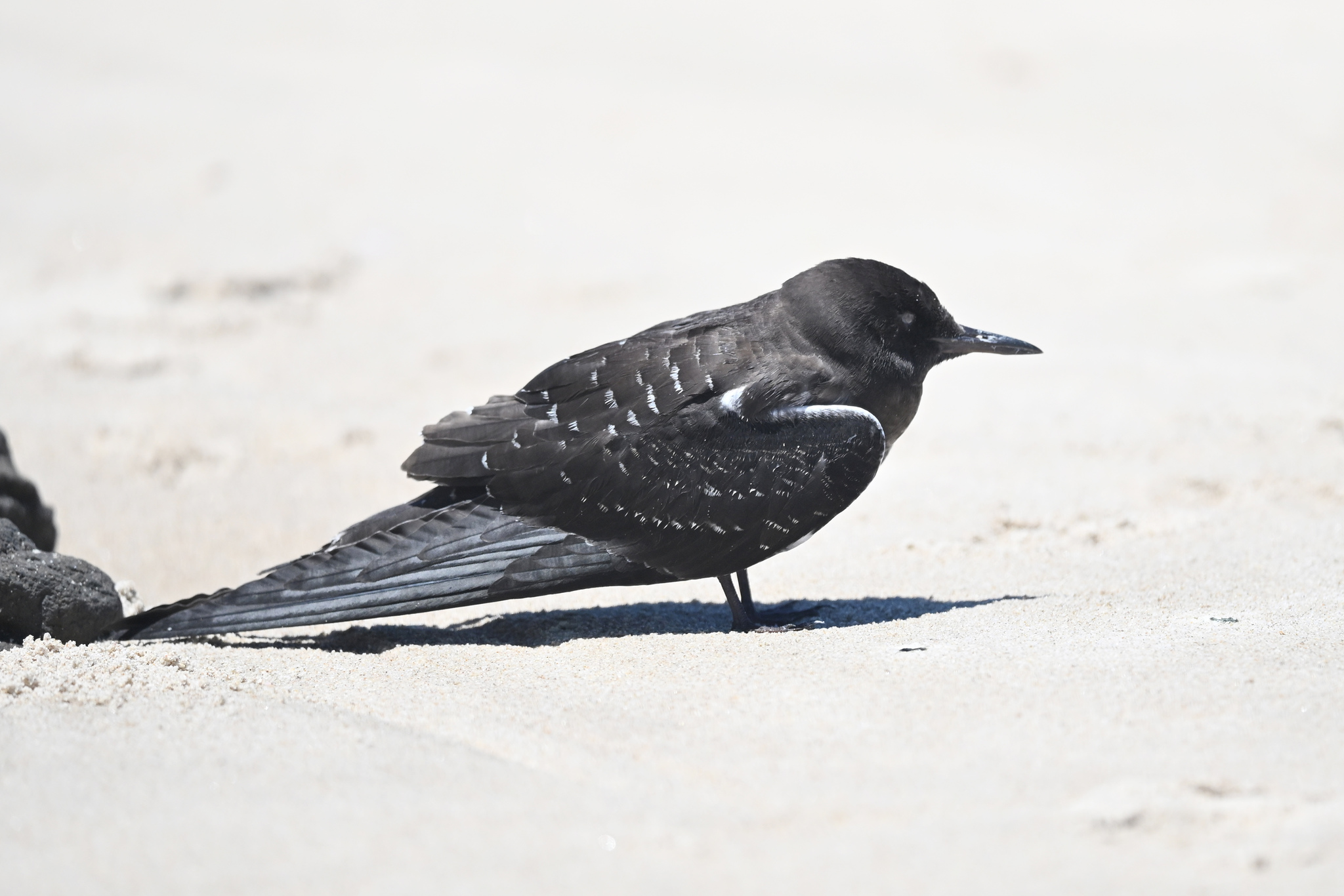
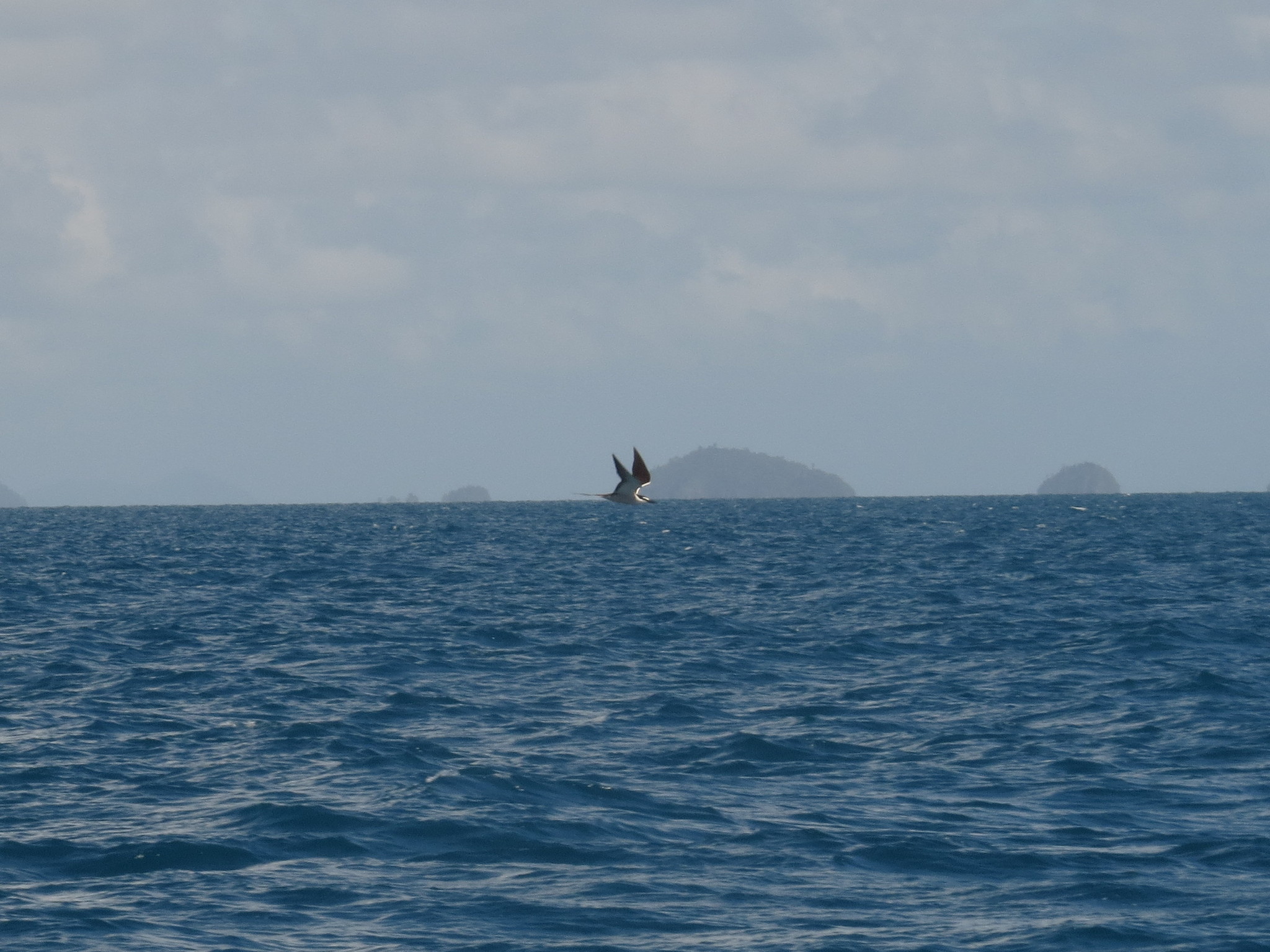
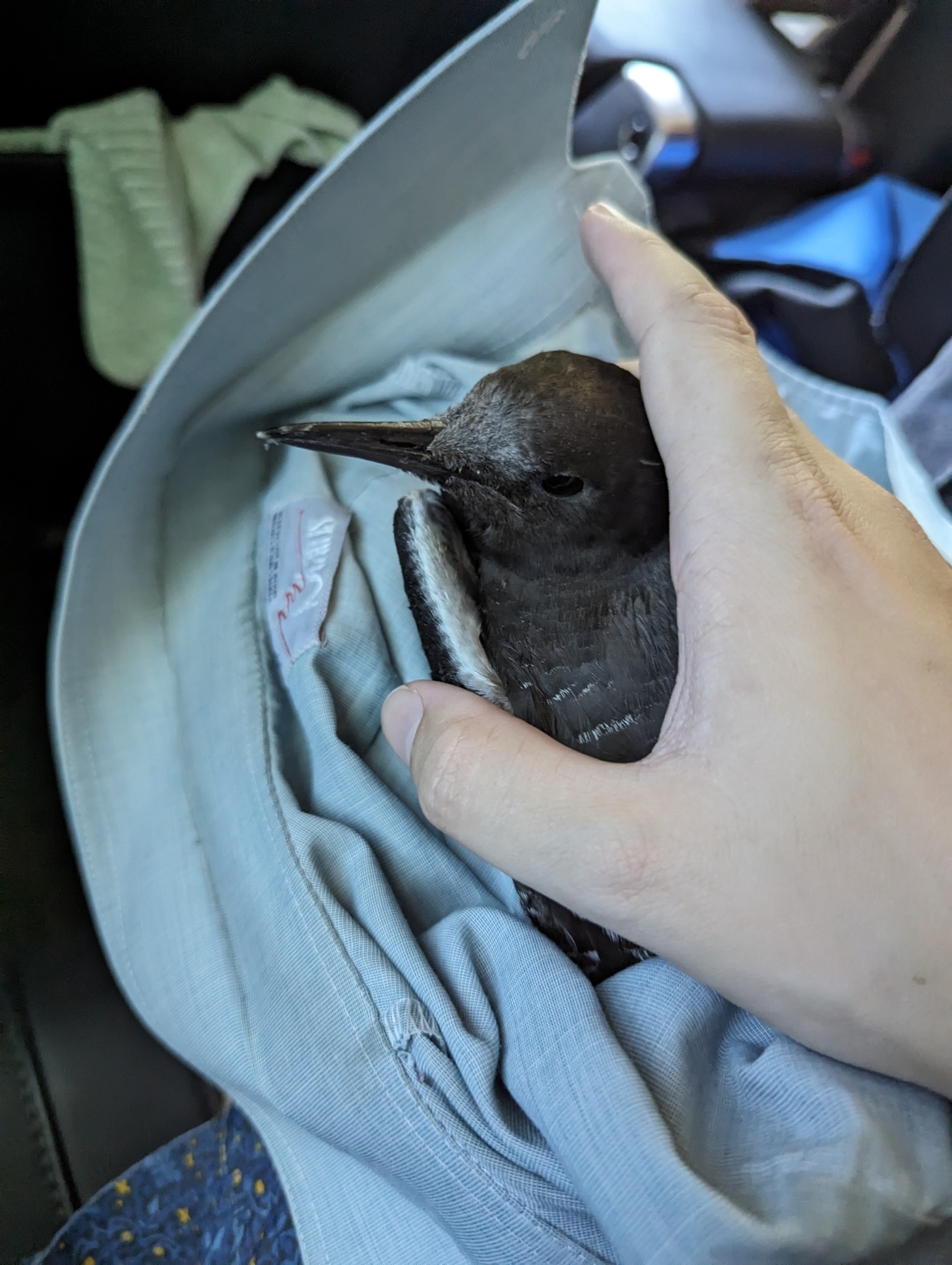
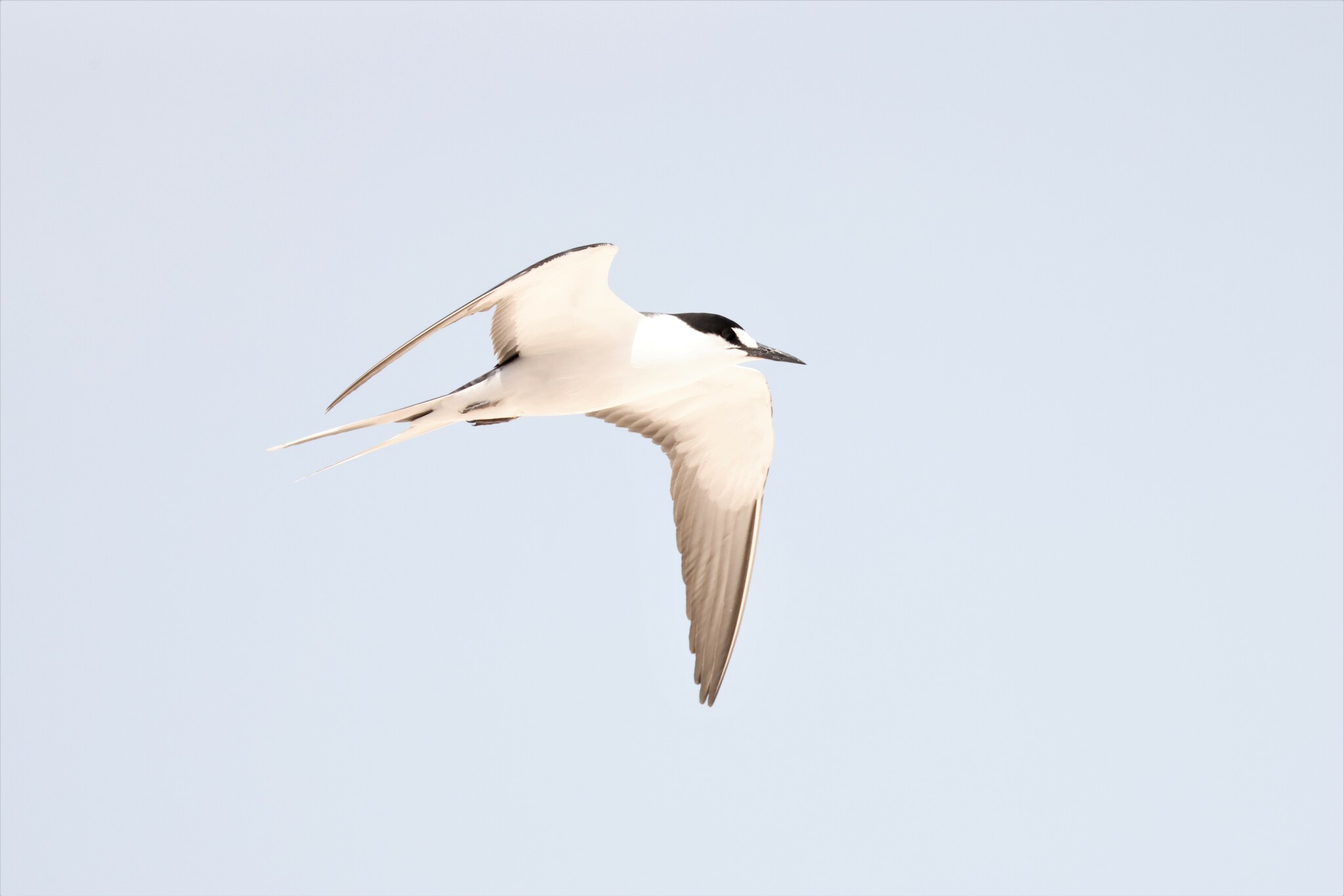
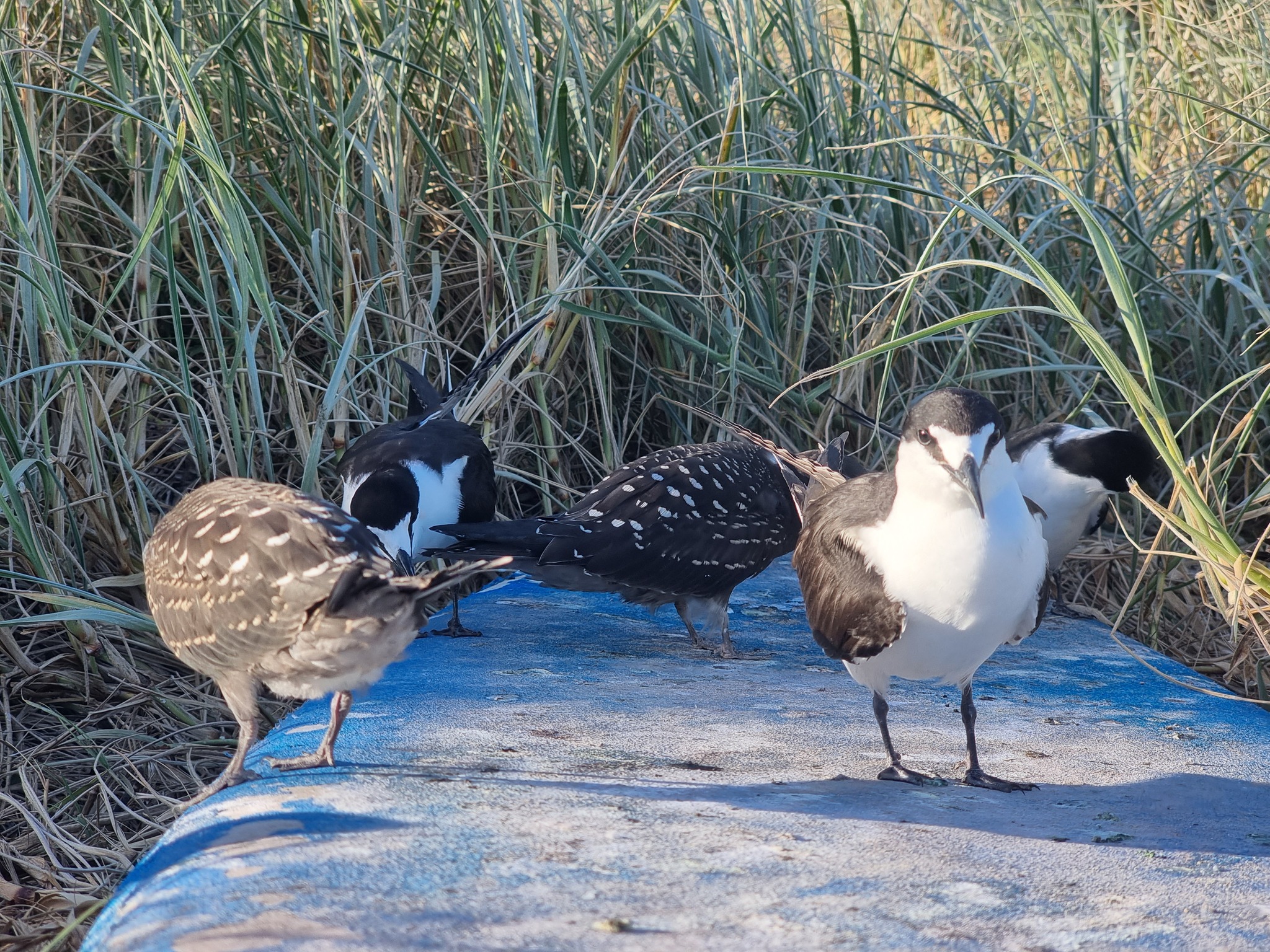
A medium-large tern comparable in size to the Sandwich Tern, measuring 36–45 cm in length with an impressive wingspan of 82–94 cm. The wings and tail are notably long, contributing to its graceful, buoyant flight. Adults have black to dark blackish-brown upperparts contrasting sharply with pure white underparts, and a distinctive white forehead that extends as a broad patch. The moderately deeply forked tail is black with white outer edges—more forked than Thalasseus terns but less so than most Sterna terns. The legs and bill are black. Juveniles are grey-black overall with narrow pale fringes on the upperpart feathers, creating a scaly appearance, and are whitish only on the lower belly. This is a long-lived species with an average lifespan of 32 years.
Identification
This species is distinctive and unlikely to be confused with most terns. The only real identification challenge involves the similar bridled tern, which is smaller and has a darker back. This species shows a broader white forehead than the bridled tern and lacks the pale neck collar that characterises that species. The all-dark upperparts combined with white underparts and white forehead are diagnostic in the field. The call is another useful identification feature: a loud, piercing 'wide-a-wake' (sometimes rendered as ker-wack-a-wack), along with a harsh alarm call described as kvaark.
Distribution & Habitat
This bird breeds across tropical waters worldwide, with populations in the Atlantic Ocean from the Caribbean to the Gulf of Mexico, throughout the Indian Ocean from the Red Sea to Indonesia, across the western and central Pacific including Hawaii and French Polynesia, and in the eastern Pacific from Guadalupe Island to the Galápagos Islands. It nests colonially on rocky and coral islands throughout the equatorial zone. The species is highly dispersive and migratory, wintering more widely through tropical oceans. It is strictly marine and is found inland only after severe storms, though such occurrences are rare. It is a very rare vagrant to western Europe, with only a handful of records.
Behavior & Ecology
Breeding occurs in massive colonies on islands, where the species nests in ground scrapes or holes, laying a single egg typically in the afternoon. It feeds by picking fish from the ocean surface, often foraging in large flocks. The diet consists almost entirely of fish taken in marine environments. This bird spends virtually its entire life at sea due to its non-waterproof feathers, which prevent it from floating. It can remain airborne for three to ten years continuously. The call is a loud, piercing 'wide-a-wake' that gives rise to one of its common names, along with a harsh alarm call kvaark.
Conservation
The IUCN lists this species as Least Concern. It is considered an exceptionally common bird throughout its vast range with no evidence of significant population decline. While it faces no major threats at present, hurricanes can devastate small breeding colonies, as has been observed on cays off the San Andrés Islands of Colombia. The species' wide distribution and large population size contribute to its secure conservation status.
Culture
Colloquially known as 'wideawake' or 'wideawake tern' due to its loud call, the species also bears the Hawaiian name 'ewa 'ewa, roughly meaning 'cacophony.' In most of Polynesia, it is called manutara or similar, meaning 'tern-bird,' reflecting the fact that wherever Polynesian seafarers traveled, they encountered these birds in staggering numbers. On Easter Island, this species and the spectacled tern are collectively known as manutara and played a central role in the tangata manu ('birdman') ritual: the champion who retrieved the first manutara egg from Motu Nui islet would become that year's birdman, granting his clan prime access to resources. In the Marquesas Islands, dishes using its eggs are considered a delicacy.
Source: Wikipedia · CC BY-SA 3.0
Taxonomy
- Order
- Charadriiformes
- Family
- Laridae
- Genus
- Onychoprion
- eBird Code
- sooter1
Vocalizations
Subspecies (6)
-
Onychoprion fuscatus crissalis
islands off western Mexico, Central America, and Colombia, and Galapagos
-
Onychoprion fuscatus fuscatus
Senegal (erratic) and Gulf of Guinea; South Atlantic Ocean to Ascension and St. Helena (tropical Atlantic Ocean); Gulf of Mexico and Caribbean
-
Onychoprion fuscatus luctuosus
islas Salas y Gómez and Desventuradas (off northern Chile)
-
Onychoprion fuscatus nubilosus
southern Red Sea and the Malagasy region through Indian Ocean eastward to Ryukyu Islands (southern Japan) and Philippines
-
Onychoprion fuscatus oahuensis
Bonin Islands to Hawaiian Islands and southward to Kiritimati (Line Islands)
-
Onychoprion fuscatus serratus
New Guinea, Torres Strait islands, and western and northern Australia eastward through Norfolk and Kermadec islands, and the southern Pacific to Easter Island
Data Sources
Species description from Wikipedia, licensed under CC BY-SA 3.0.
Bird images and sounds sourced from GBIF, contributed by citizen scientists worldwide under Creative Commons licenses.
Taxonomy data from AviList 2025.