Helmeted Guineafowl
Numida meleagris
珠鸡
Introduction
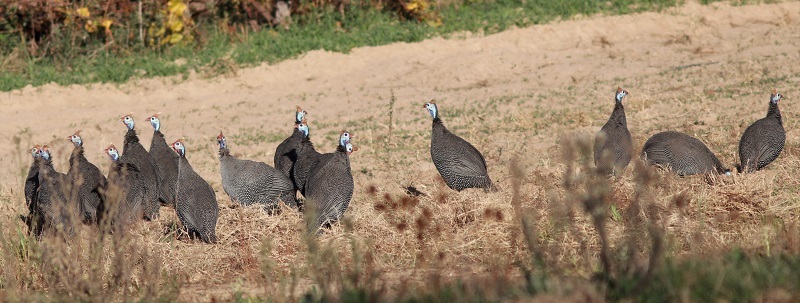
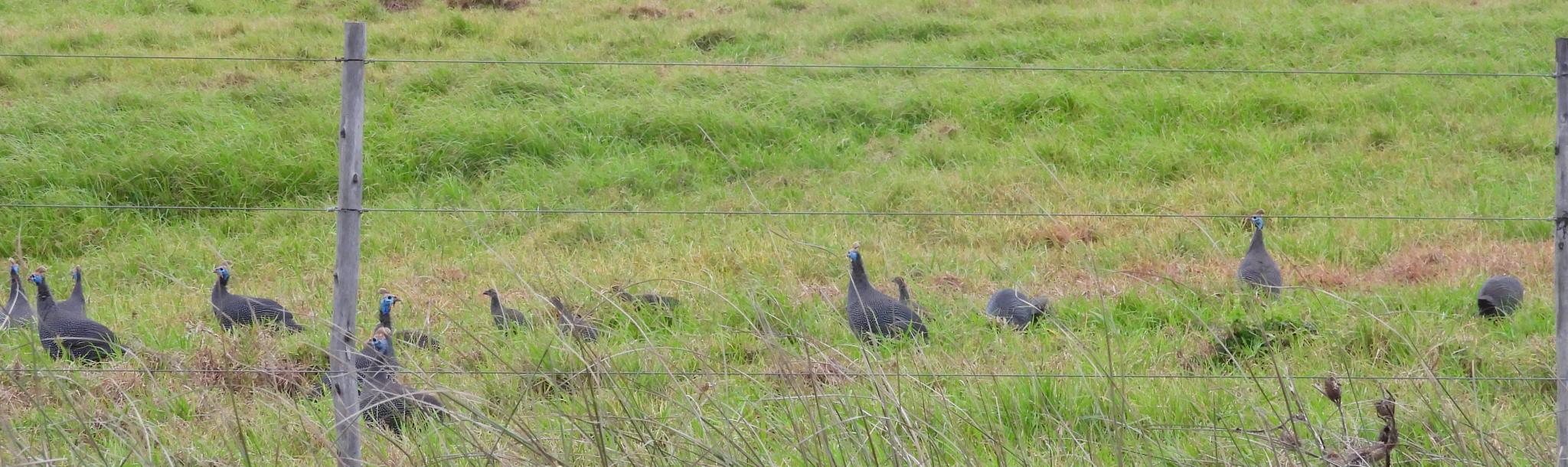
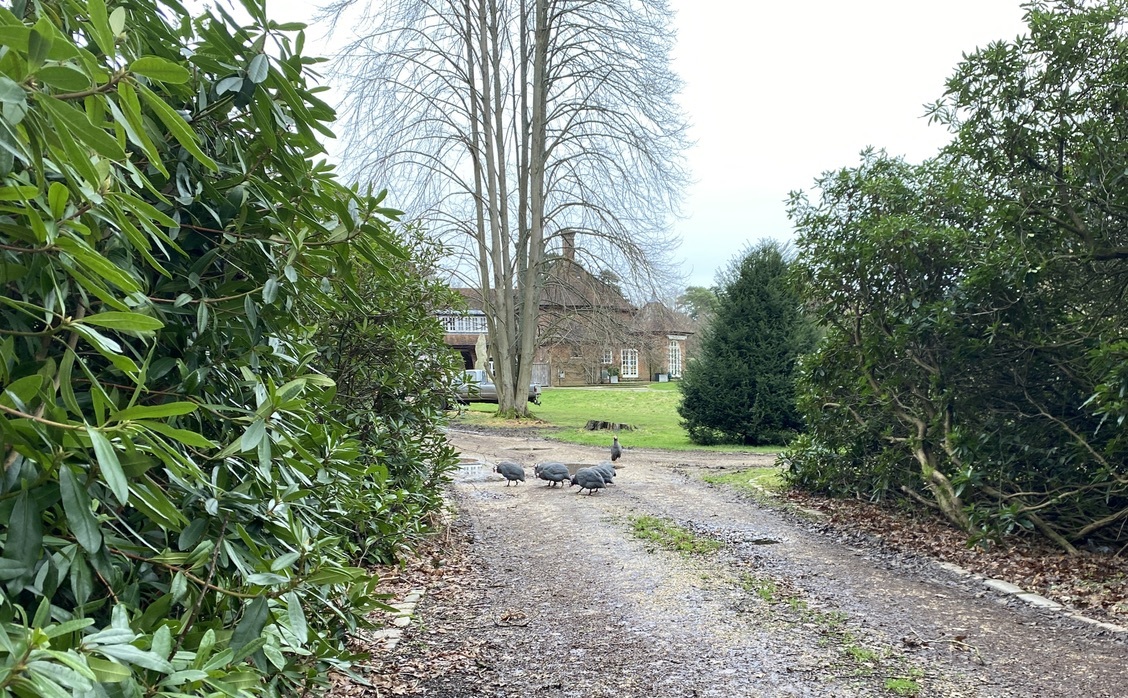
The helmeted guinea fowl (Numida meleagris) is the best known member of the guinea fowl family (Numididae) and the only species in the genus Numida. It is native to Africa, mainly south of the Sahara, and has been widely introduced as a domesticated species to the West Indies, North America, Colombia, Brazil, Australia and Europe. This gregarious species forms flocks of about 25 birds outside the breeding season and roosts communally. It is particularly noted for consuming large quantities of ticks, which might otherwise spread Lyme disease. Domesticated populations descended from introduced birds are now widely established in many regions.
Description
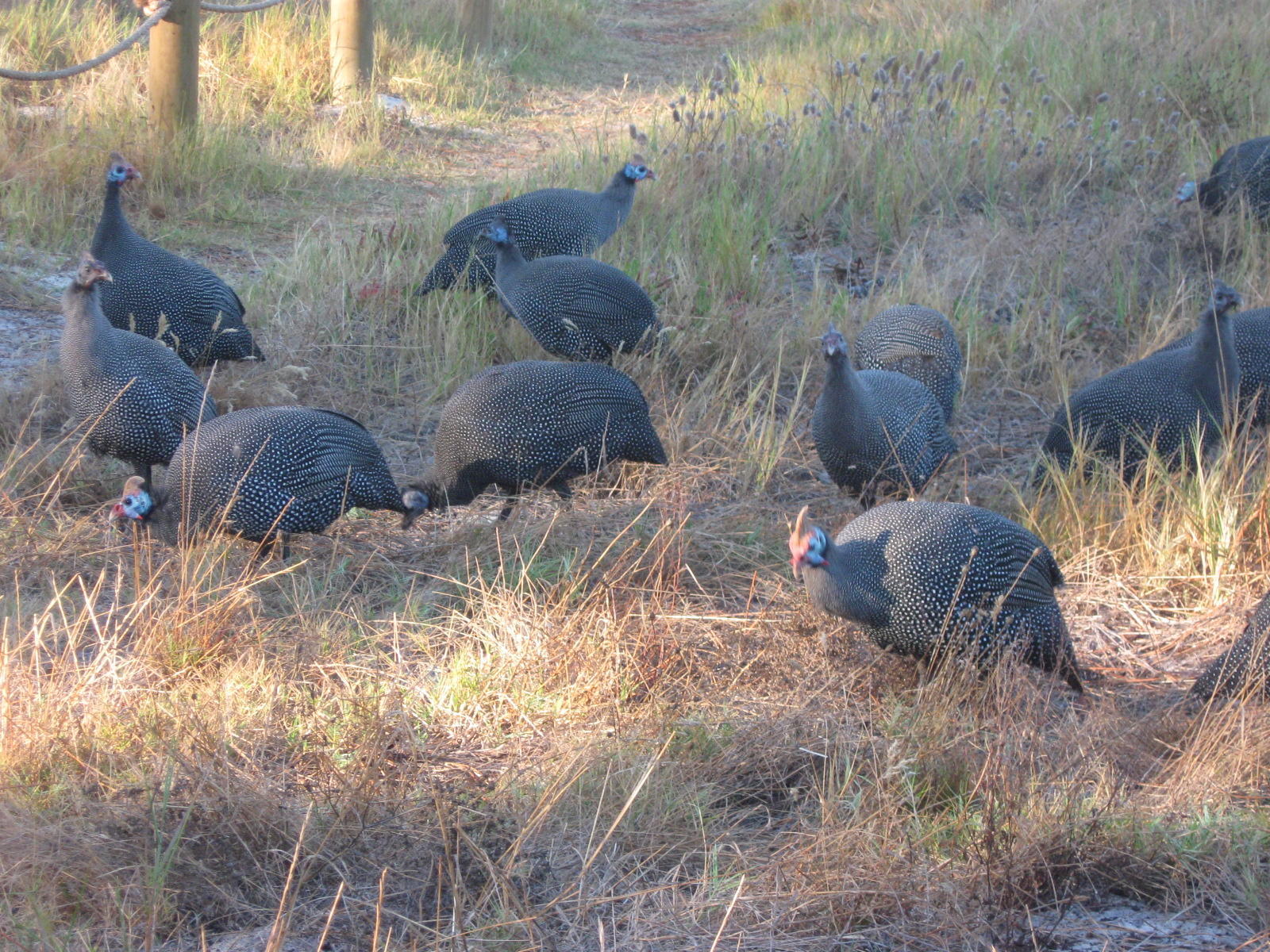
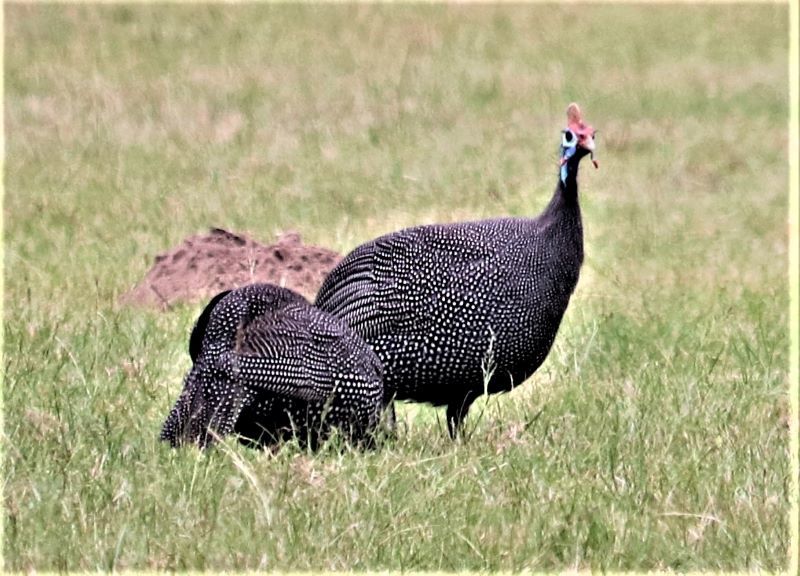
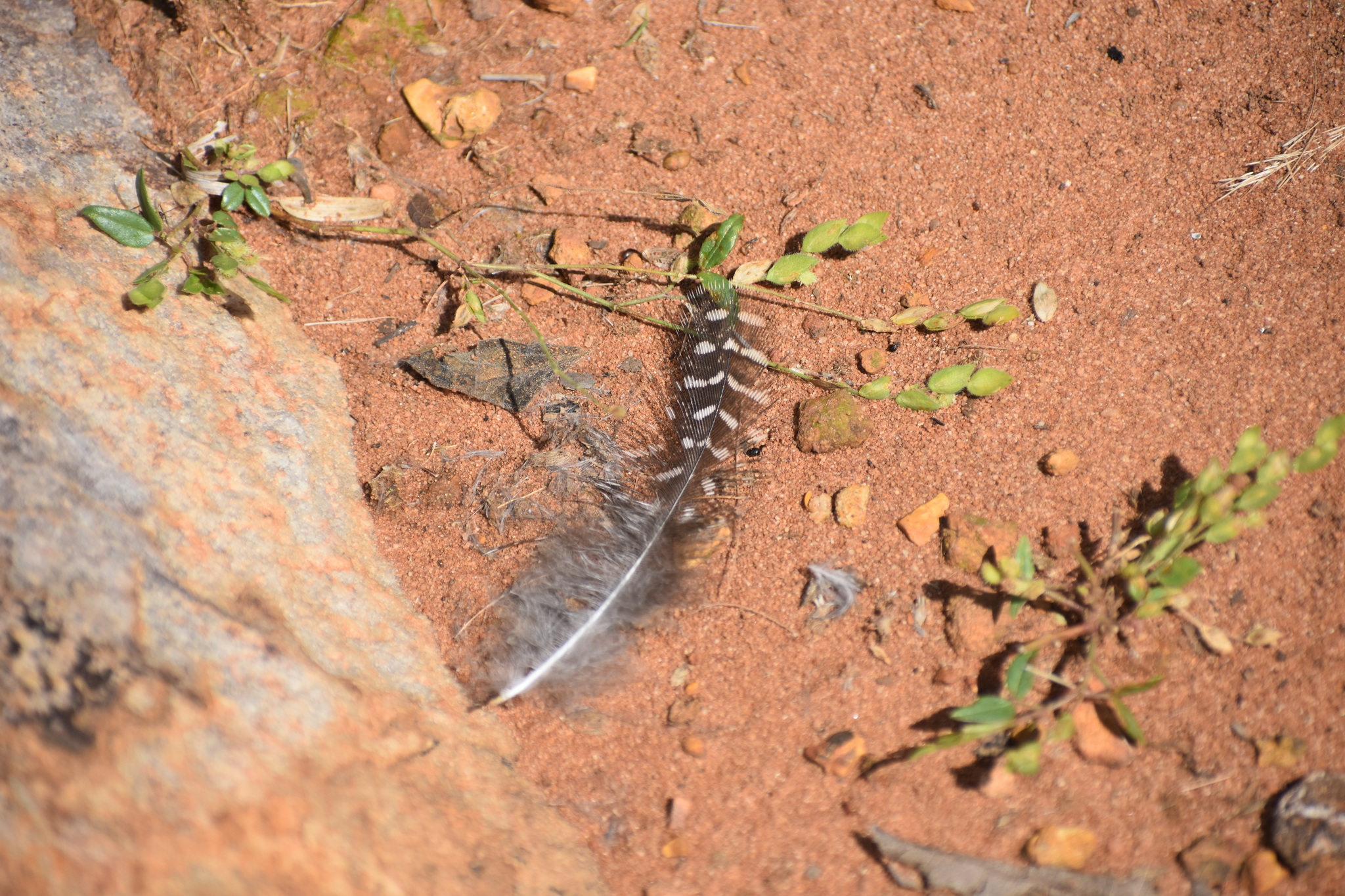
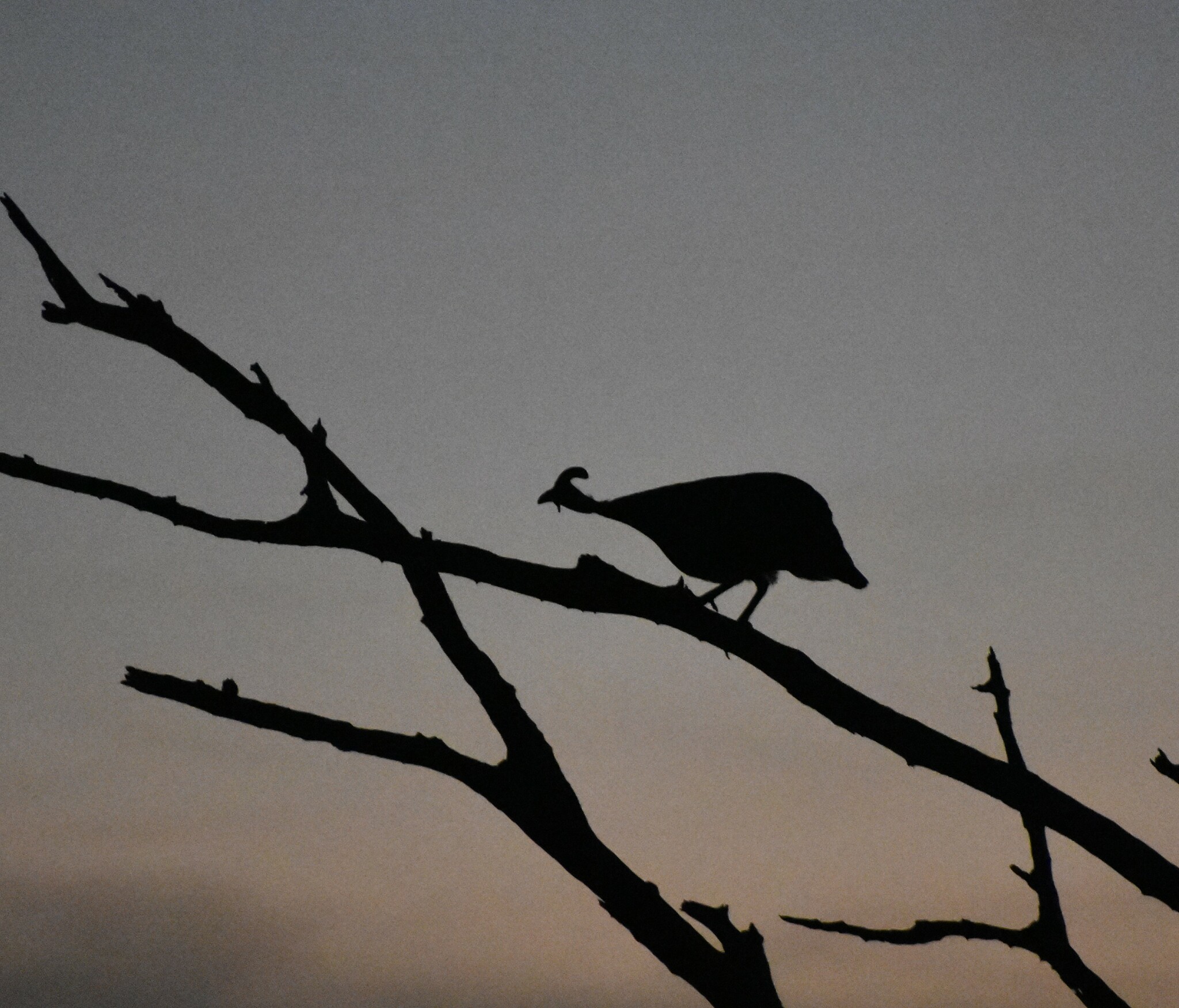
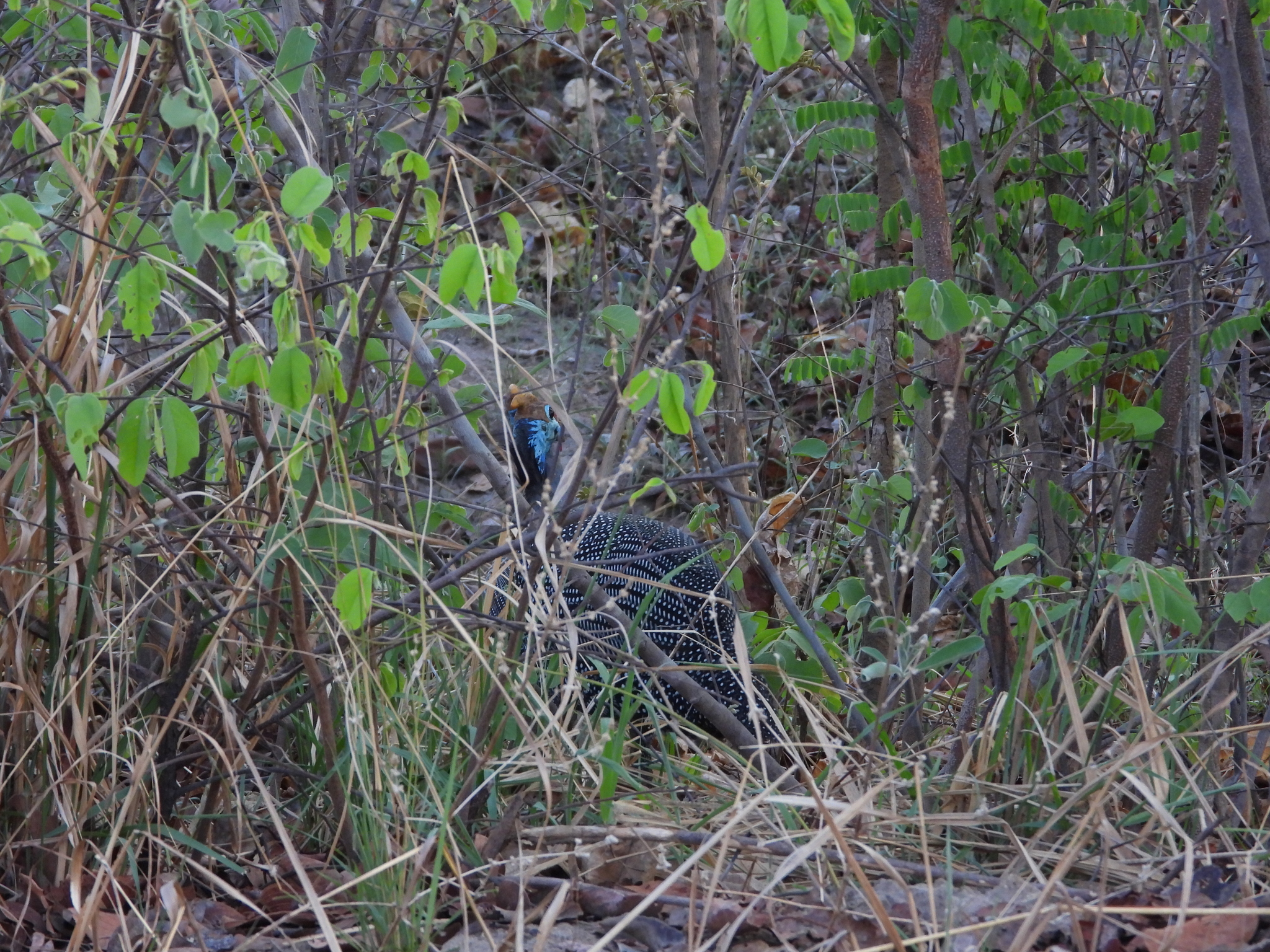
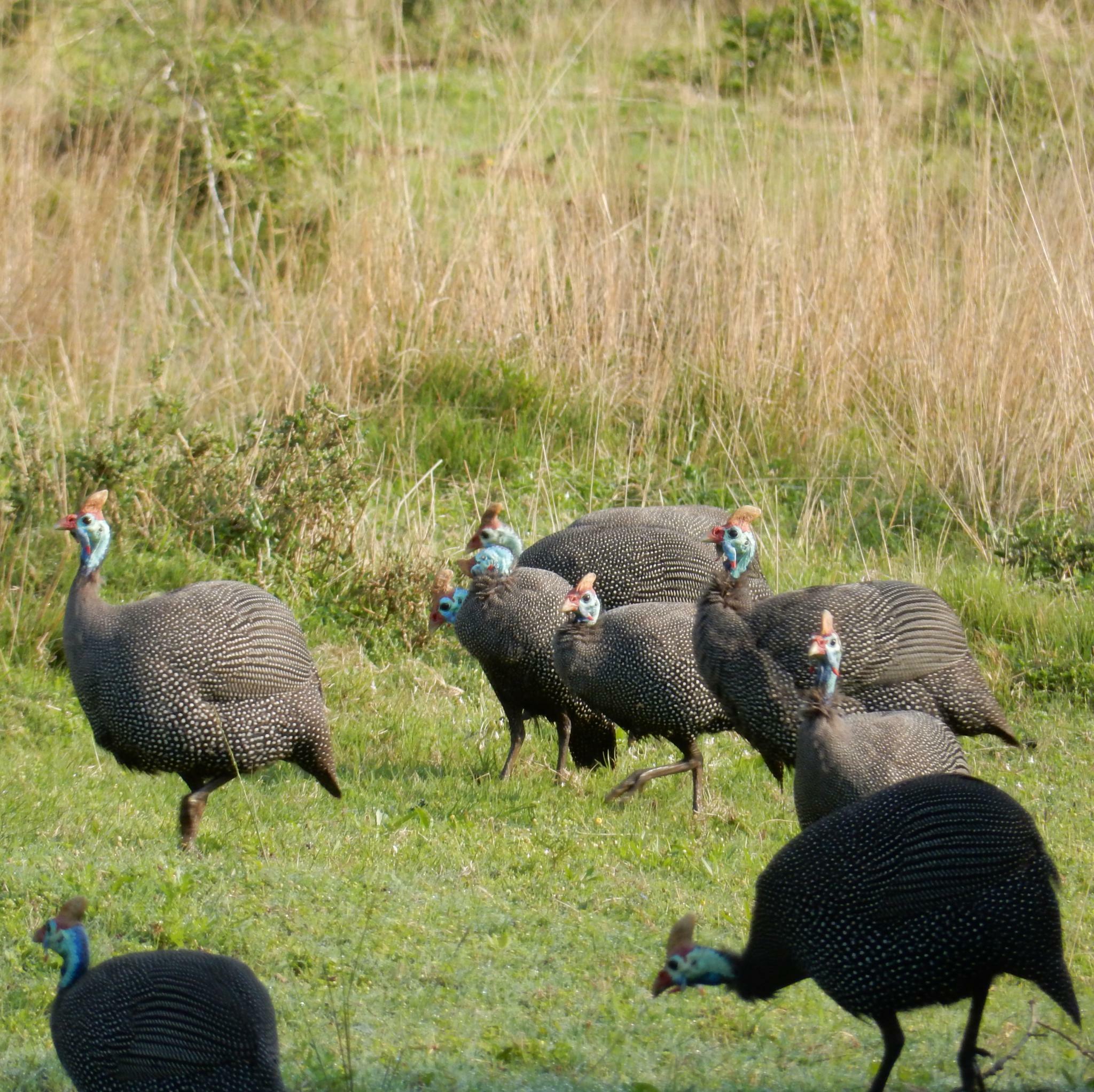
A large bird measuring 53 to 58 cm in length and weighing approximately 1.3 kg, with a round body and small head. The plumage is gray-black speckled with white throughout. The unfeathered head is decorated with a dull yellow or reddish bony casque (knob), and bare facial skin displays red, blue, or black hues. The wings are short and rounded, and the tail is likewise short. Subspecies vary primarily in the shape, size, and coloration of the casque and facial wattles.
Distribution & Habitat
Native range encompasses Africa south of the Sahara, with nine recognized subspecies occupying different regional territories. Introduced populations now occur throughout the West Indies, North America, South America (Colombia, Brazil), Australia, and Europe. The species breeds in warm, fairly dry, and open habitats with scattered shrubs and trees, including savanna and farmland environments.
Behavior & Ecology
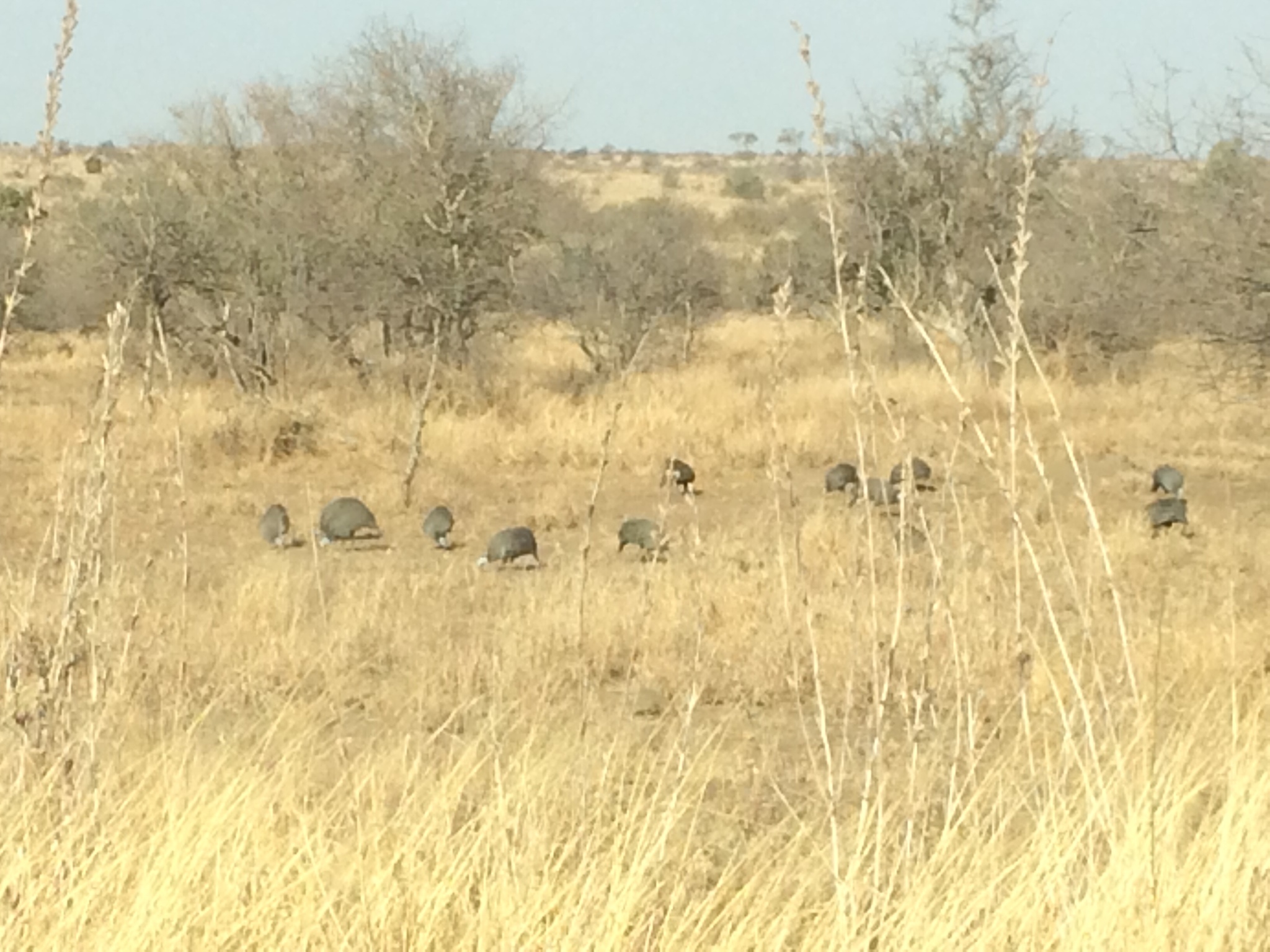
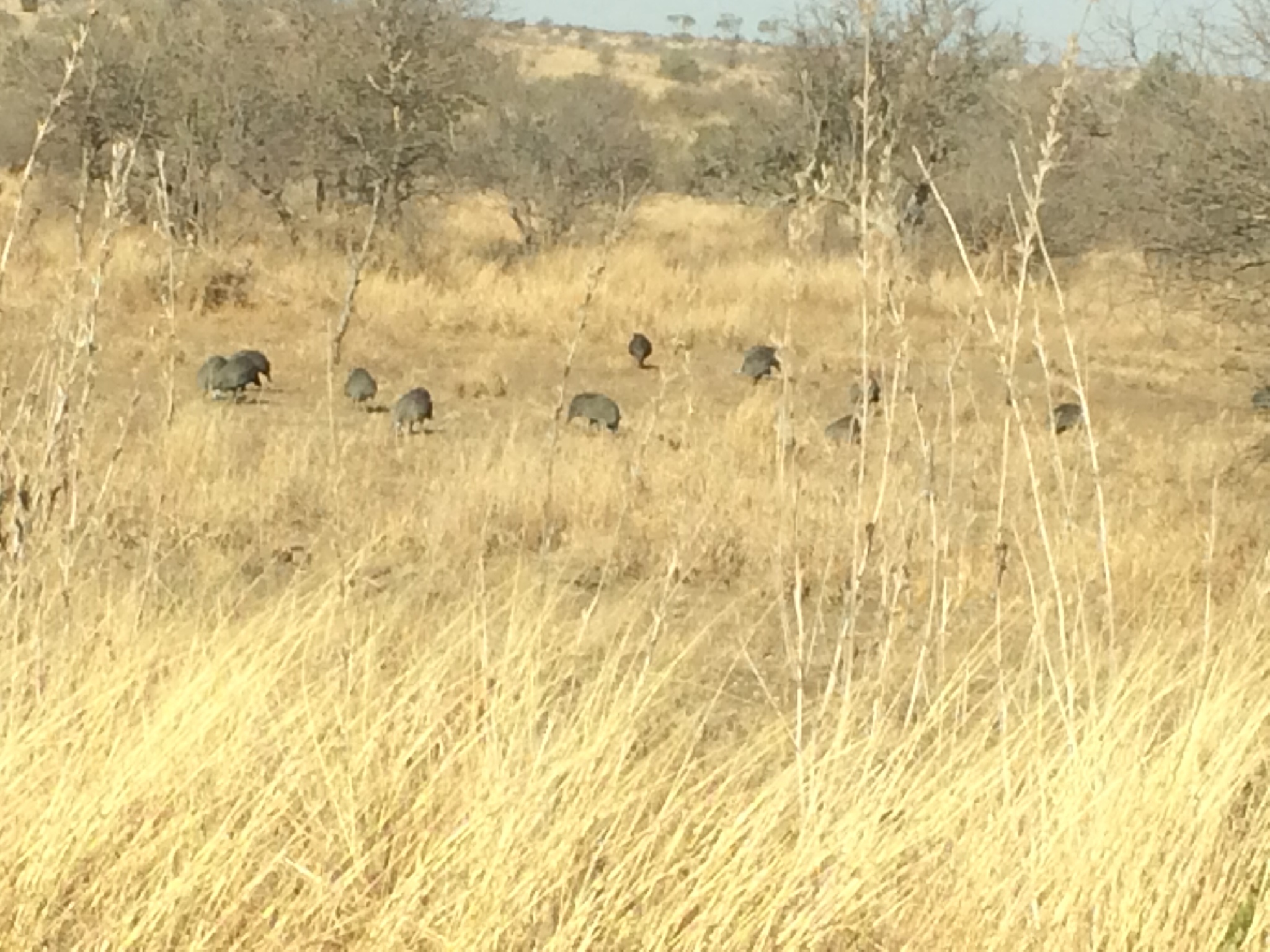
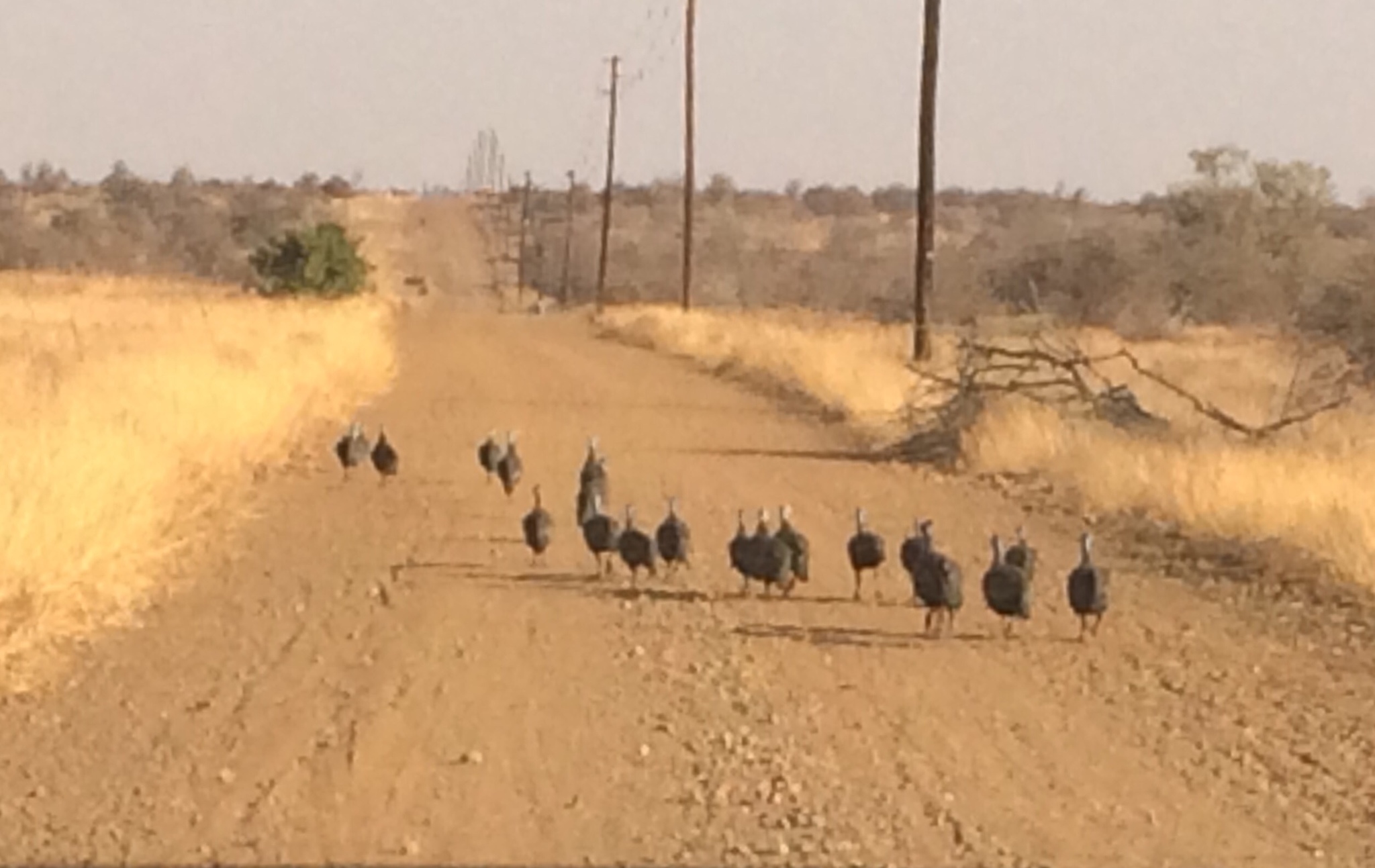
Gregarious and terrestrial, forming flocks of approximately 25 birds outside the breeding season with communal roosting. Prone to run rather than fly when disturbed, capable of walking 10 km or more daily. Makes loud, harsh calls when alarmed. Diet varies seasonally: nonbreeding season consists of corn, tubers, seeds, and agricultural spillage; breeding season comprises over 80% invertebrates, particularly beetles. Builds a well-hidden, unlined scrape nest. Clutch size is typically 6 to 12 eggs, incubated by the female for 26 to 28 days. Males display aggression toward each other with ritualized fighting behavior. Lifespan reaches up to 12 years in the wild.
Conservation
Domesticated populations are widespread and not considered threatened. The species is not evaluated on the IUCN Red List in this context.
Culture
In the early days of European colonization of North America, the native wild turkey (Meleagris gallopavo) was confused with this species. The scientific name shares the Greek root 'meleagris' (meaning guinea fowl) between both species, though it serves as the species name for the guinea fowl and the genus name for the turkey.
Source: Wikipedia · CC BY-SA 3.0
Taxonomy
- Order
- Galliformes
- Family
- Numididae
- Genus
- Numida
- eBird Code
- helgui
Vocalizations
Subspecies (9)
-
Numida meleagris coronatus
eastern South Africa
-
Numida meleagris galeatus
western Africa to southern Chad, central Democratic Republic of the Congo, and northern Angola
-
Numida meleagris marungensis
southern Congo basin to western Angola and Zambia
-
Numida meleagris meleagris
eastern Chad to Ethiopia, northern Democratic Republic of the Congo, Uganda, and northern Kenya
-
Numida meleagris mitratus
Tanzania to eastern Mozambique, Zambia, and northern Botswana
-
Numida meleagris papillosus
southern Angola to Botswana and Namibia
-
Numida meleagris reichenowi
Kenya and central Tanzania
-
Numida meleagris sabyi
northwestern Morocco between Oum Er-Rbia and Sebou rivers (possibly extinct)
-
Numida meleagris somaliensis
northeastern Ethiopia and Somalia
Data Sources
Species description from Wikipedia, licensed under CC BY-SA 3.0.
Bird images and sounds sourced from GBIF, contributed by citizen scientists worldwide under Creative Commons licenses.
Taxonomy data from AviList 2025.