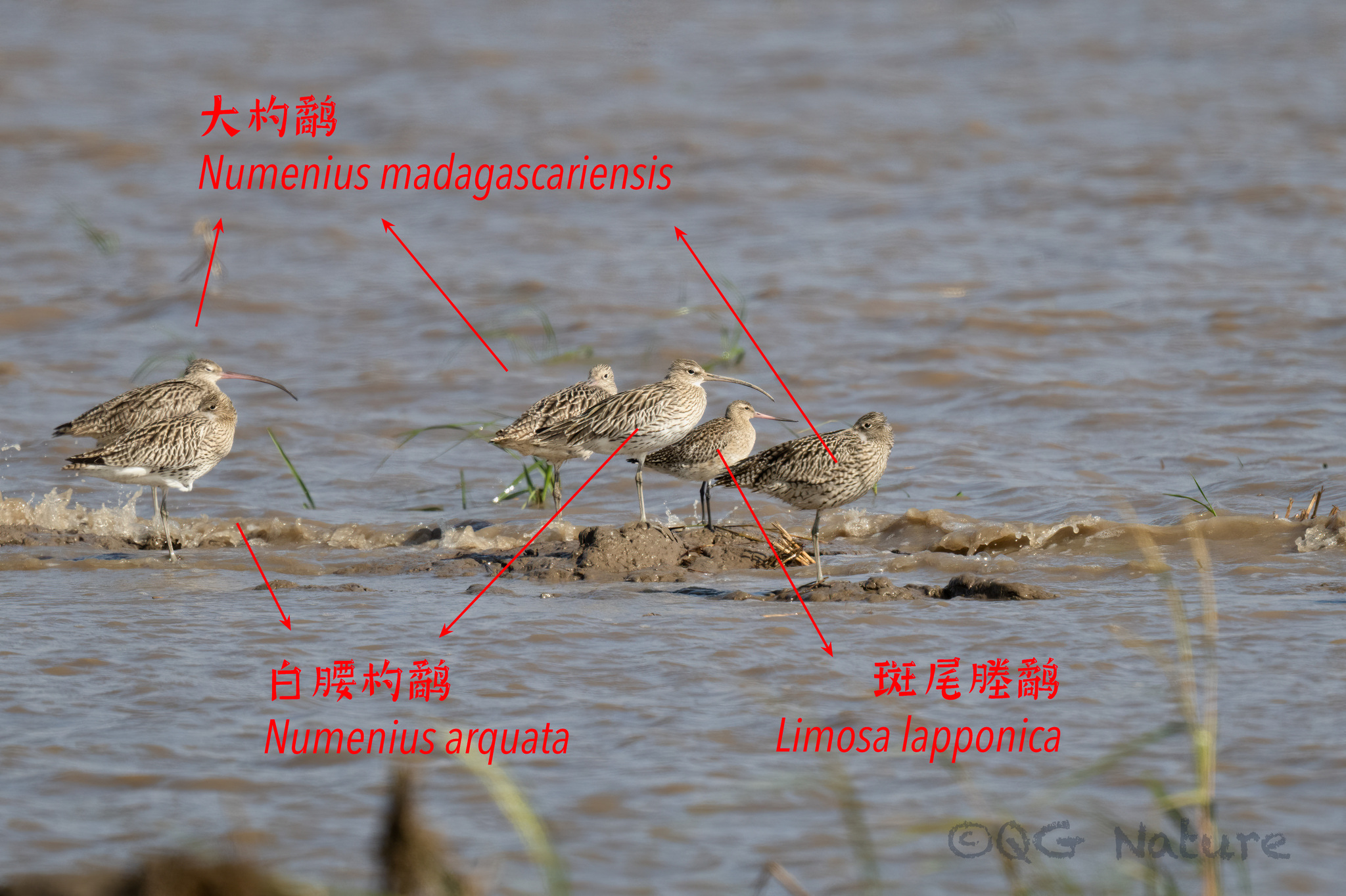
Eurasian Curlew
Numenius arquata
白腰杓鹬
Introduction
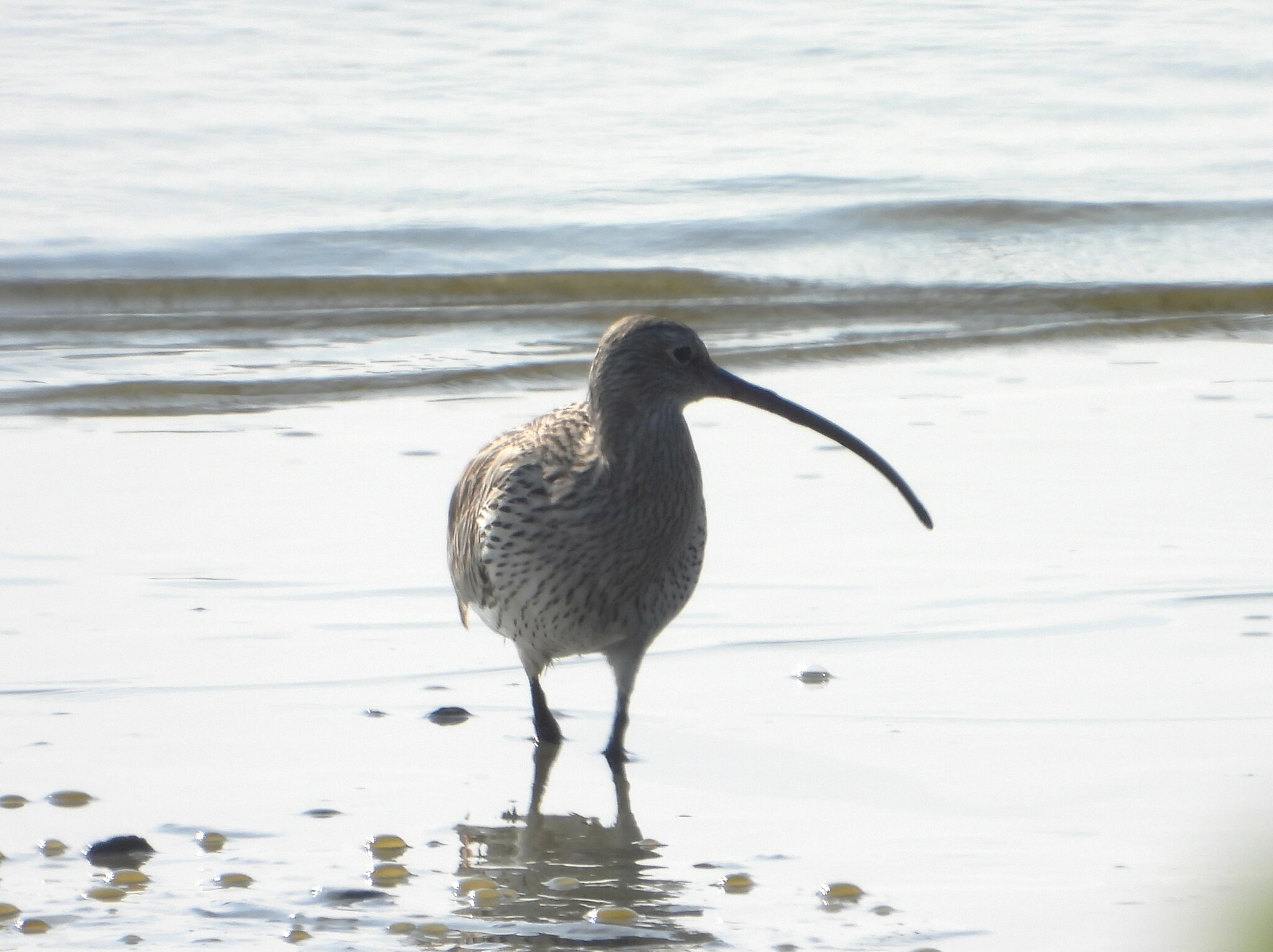
A very large wader in the family Scolopacidae. One of the most widespread curlew species, breeding across temperate Europe and Asia. Characterized by extremely long, curved bill and distinctive whistling call. The largest wader in its range. Classified as Near Threatened by the IUCN due to rapid population declines, particularly in Western Europe.
Description
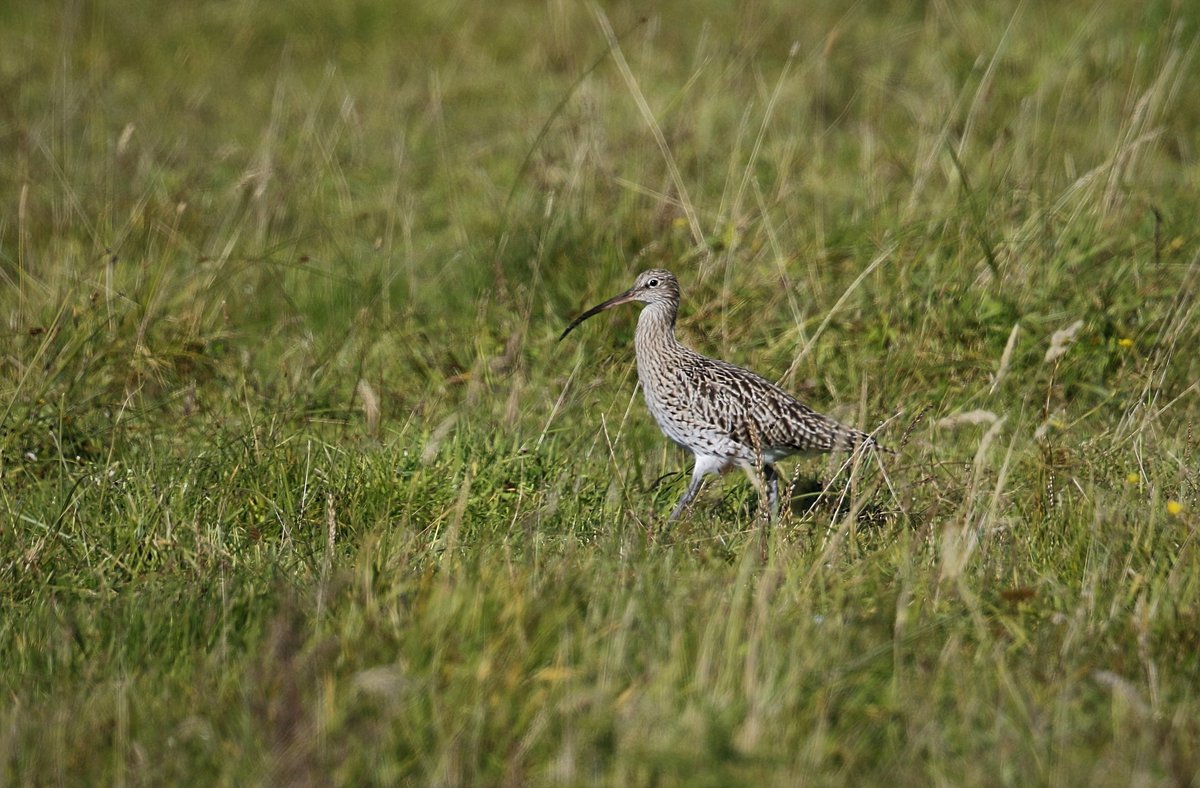
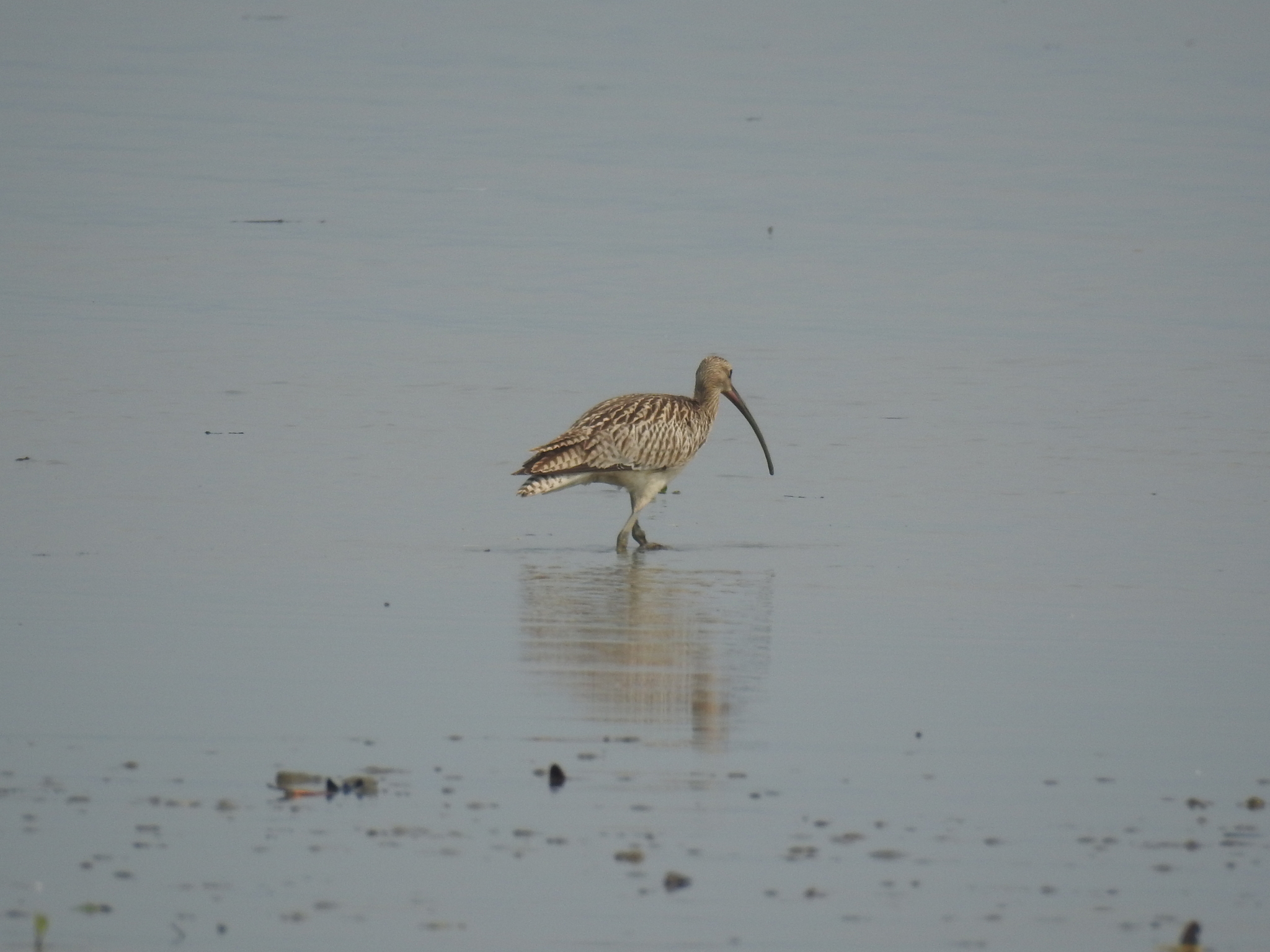
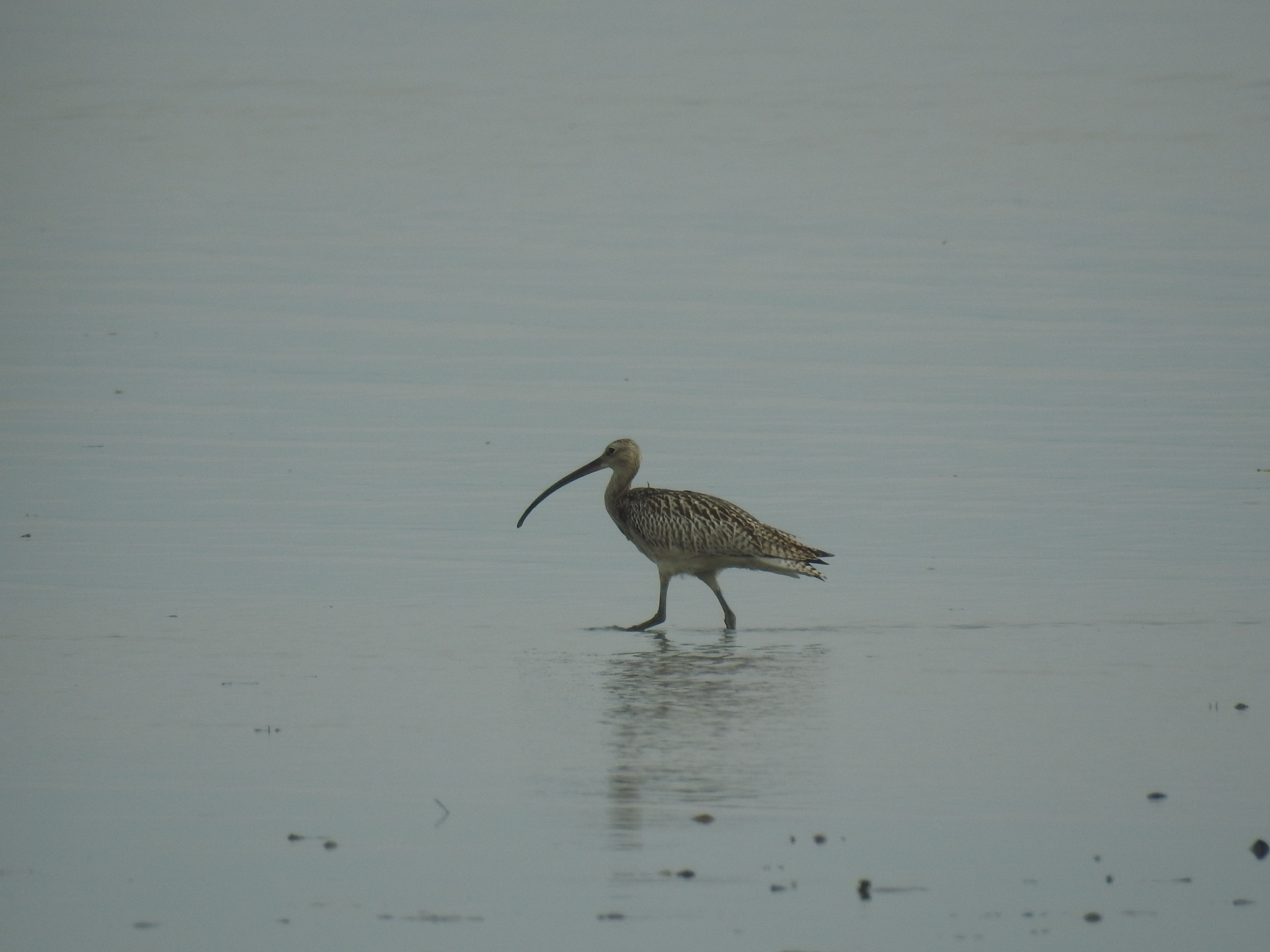
Body length 50-60 cm with wingspan of 89-106 cm and body weight of 410-1,360 g. Plumage is mainly greyish-brown with white back and greyish-blue legs. The most distinguishing feature is the very long curved bill. Males and females appear identical, though females typically have longer bills. The familiar call is a loud curloo-oo.
Identification
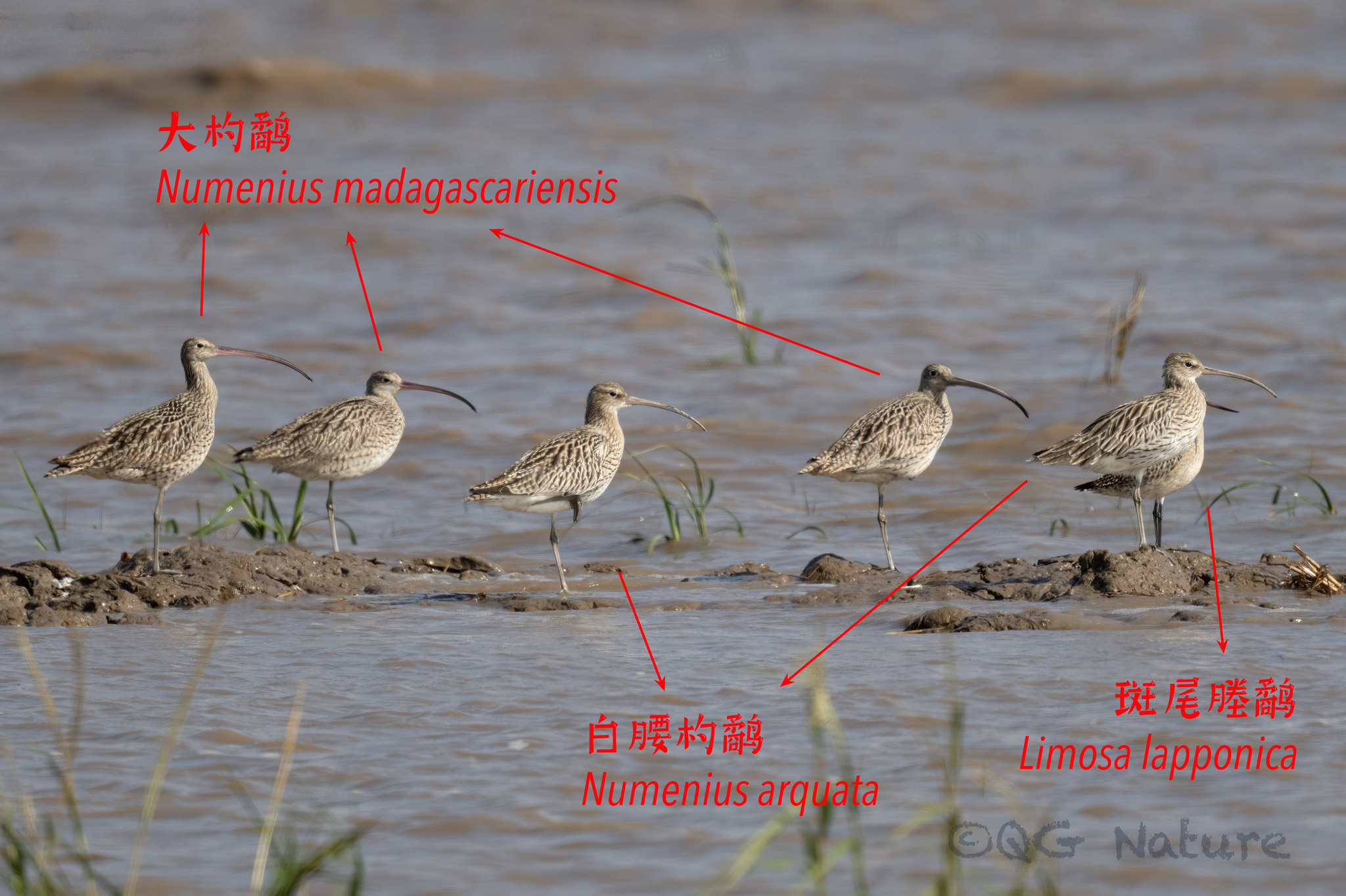
Larger than similar species with proportionately longer bill. Compared to Eurasian whimbrel, which is smaller with a shorter bill showing a kink rather than smooth curve. In flight, may be confused with bar-tailed godwits in winter plumage, but godwits have smaller bodies, slightly upturned beaks, and legs that don't extend far beyond tail tips. The curlew's feet are notably longer, forming a conspicuous projection.
Distribution & Habitat
Migratory over most of range, wintering in Africa, southern Europe, and south Asia. Present year-round in milder climates of Ireland, United Kingdom, and adjacent European coasts. Vagrant individuals occasionally reach Nova Scotia and the Marianas. Breeds across temperate Europe and Asia. Local populations affected by habitat changes including drainage of marshes, moorland reclamation, and afforestation.
Behavior & Ecology
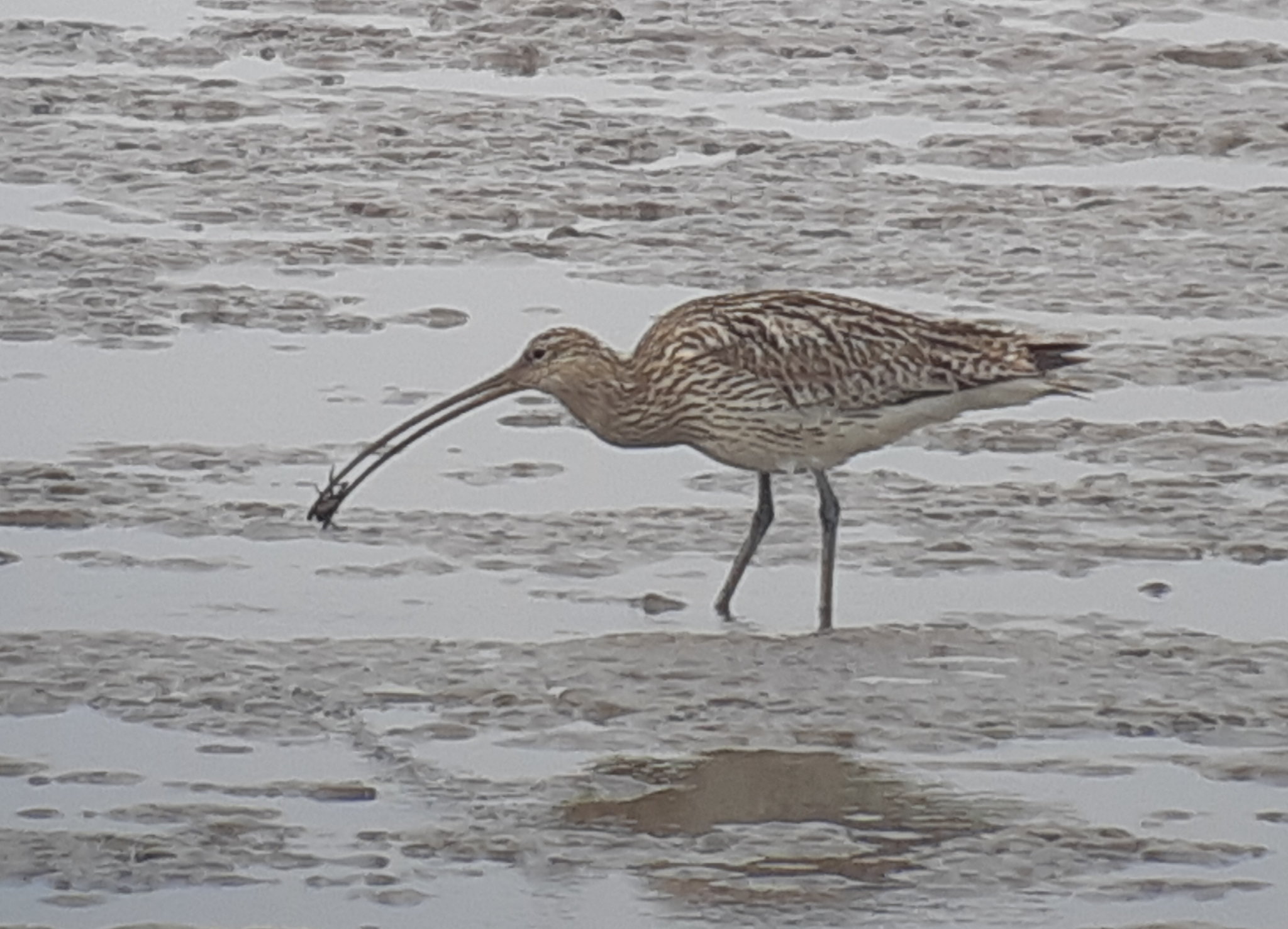
Generally wary but highly gregarious outside breeding season. Forages by probing soft mud for small invertebrates and occasionally picks crabs and earthworms from surface. Nests are bare scrapes in meadows; clutch size is four eggs laid in April or May. Both adults incubate for approximately four weeks. Often nests near kestrel nests for predator protection.
Conservation
IUCN Near Threatened status (promoted from Least Concern in 2008) due to very rapid population declines. The UK and Ireland hold approximately one-quarter of the global population. In the 20 years to 2016, populations declined over 50% in England and Scotland, over 80% in Wales, and over 90% in Ireland. Listed on the UK red list of most endangered species at end of 2015. Threats include arable farming and afforestation reducing natural grassland habitats. Covered under AEWA.
Culture
In Scotland, known locally as 'whaup' in Scots. The English name 'curlew' is imitative of the bird's call, possibly influenced by Old French 'corliu' meaning messenger. First recorded in 1377 in Langland's Piers Plowman.
Source: Wikipedia · CC BY-SA 3.0
Taxonomy
- Order
- Charadriiformes
- Family
- Scolopacidae
- Genus
- Numenius
- eBird Code
- eurcur
Subspecies (3)
-
Numenius arquata arquata
breeds British Isles to Ural Mountains; winters to western Africa
-
Numenius arquata orientalis
breeds from central Siberia eastward to northeastern China (central Heilongjiang); winters along coasts of eastern and southern Africa, Madagascar, and eastward through southern Asia to eastern China and southern Japan, southward to Philippines and Greater Sundas
-
Numenius arquata suschkini
breeds in western Russia (lower Volga Valley and Urals eastward to southwestern Siberia) and northern Kazakhstan; winters along coasts of sub-Saharan Africa and southwestern Asia
Data Sources
Species description from Wikipedia, licensed under CC BY-SA 3.0.
Bird images and sounds sourced from GBIF, contributed by citizen scientists worldwide under Creative Commons licenses.
Taxonomy data from AviList 2025.