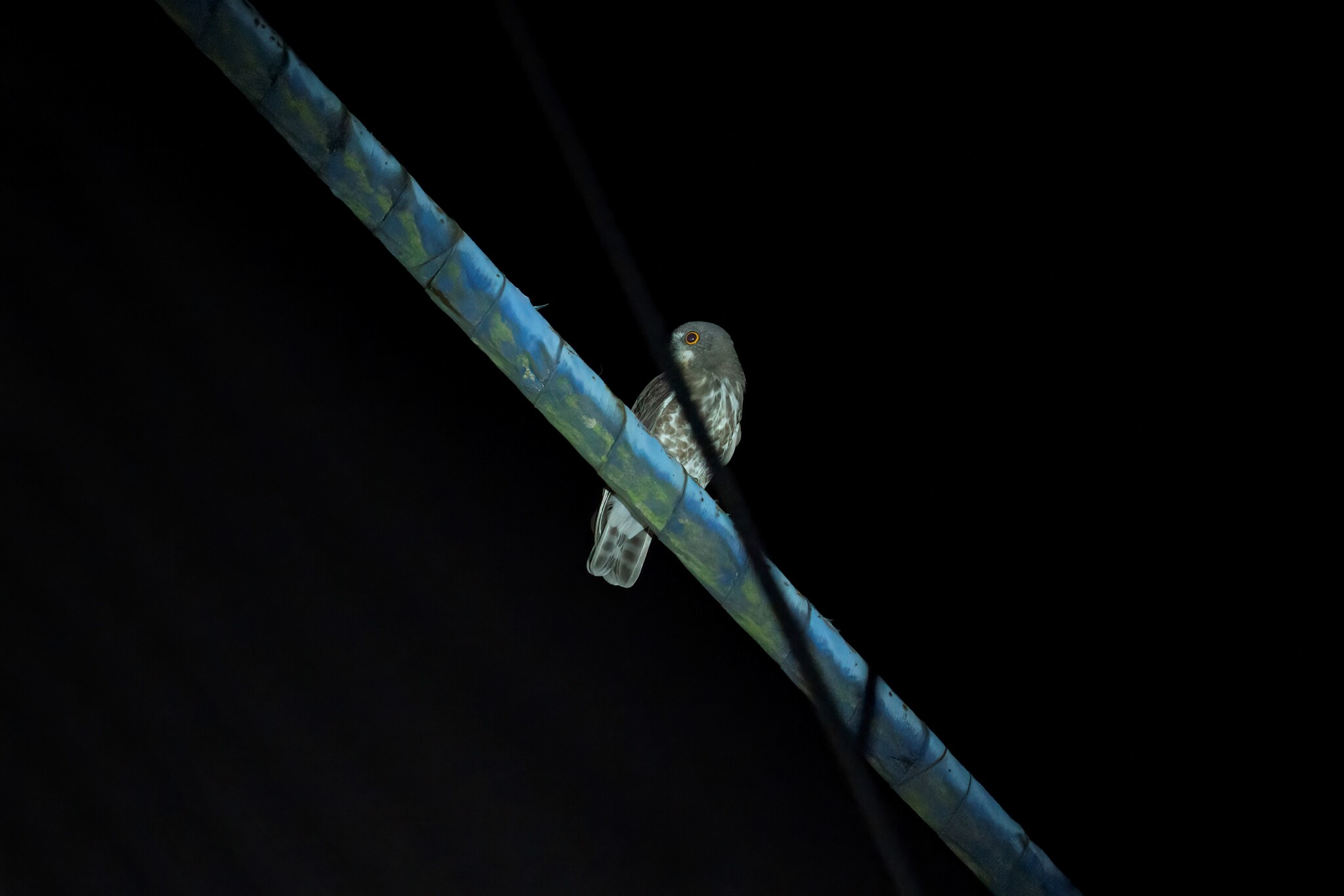
Brown Boobook
Ninox scutulata
鹰鸮
Introduction
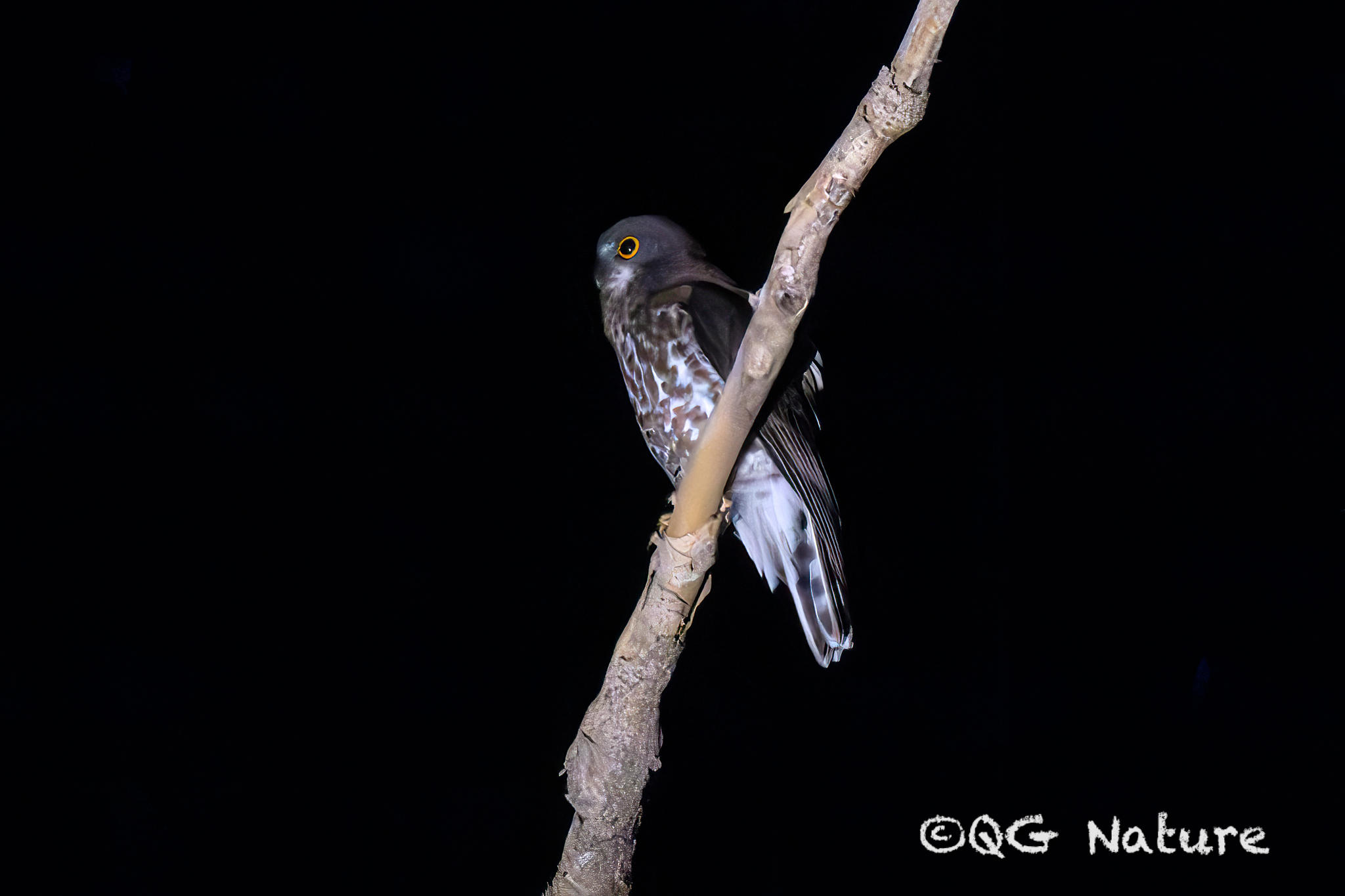
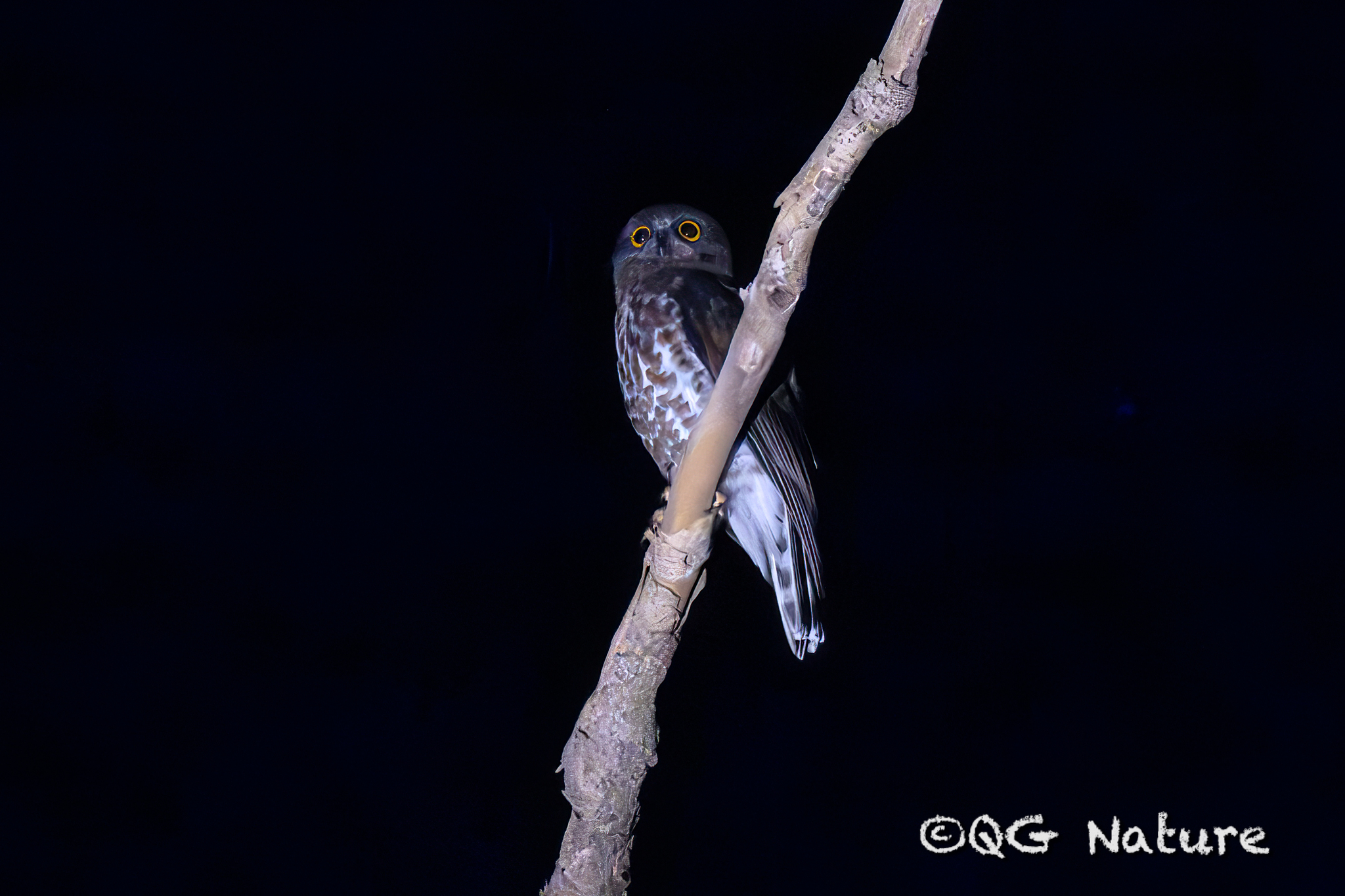
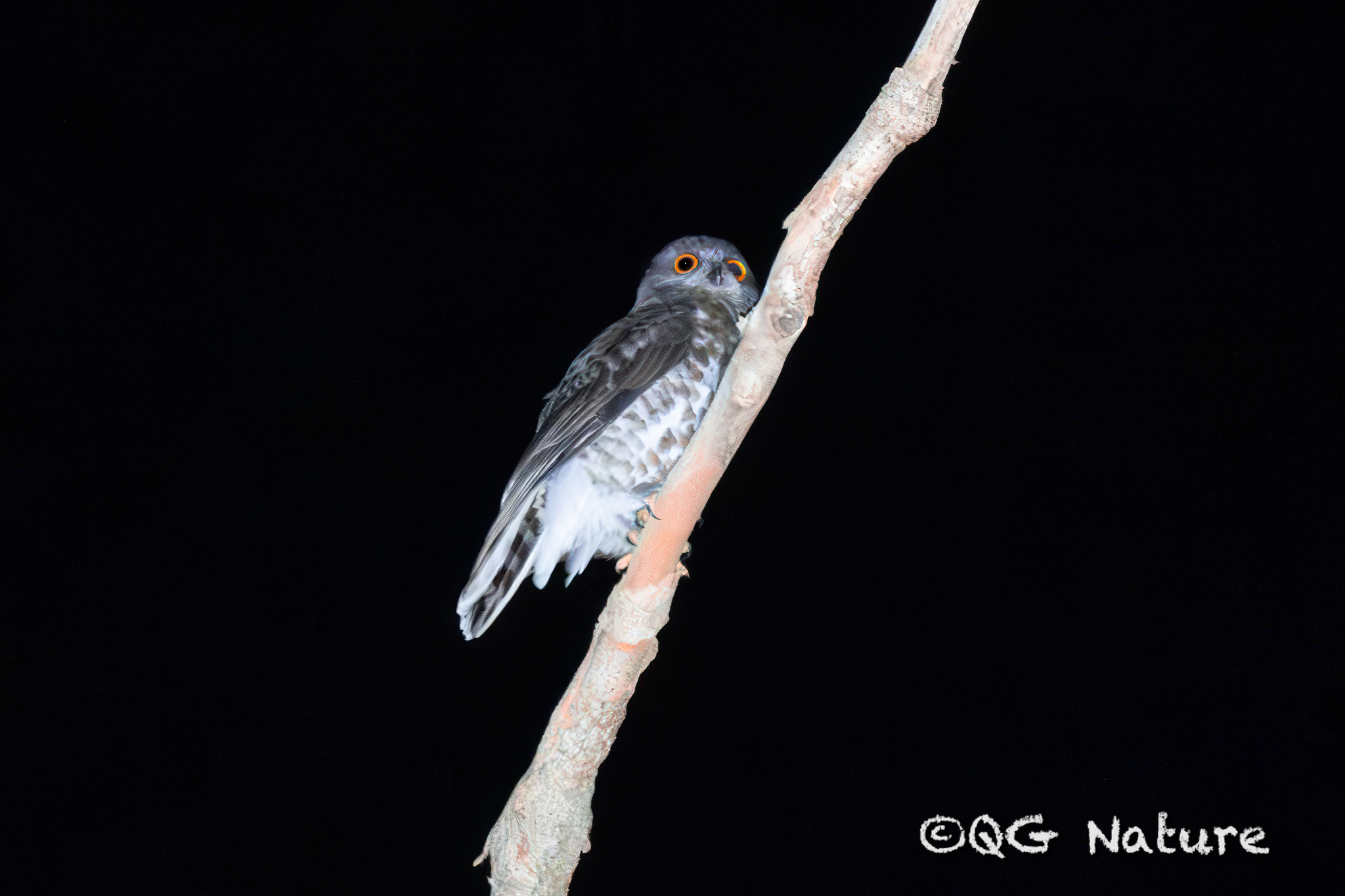
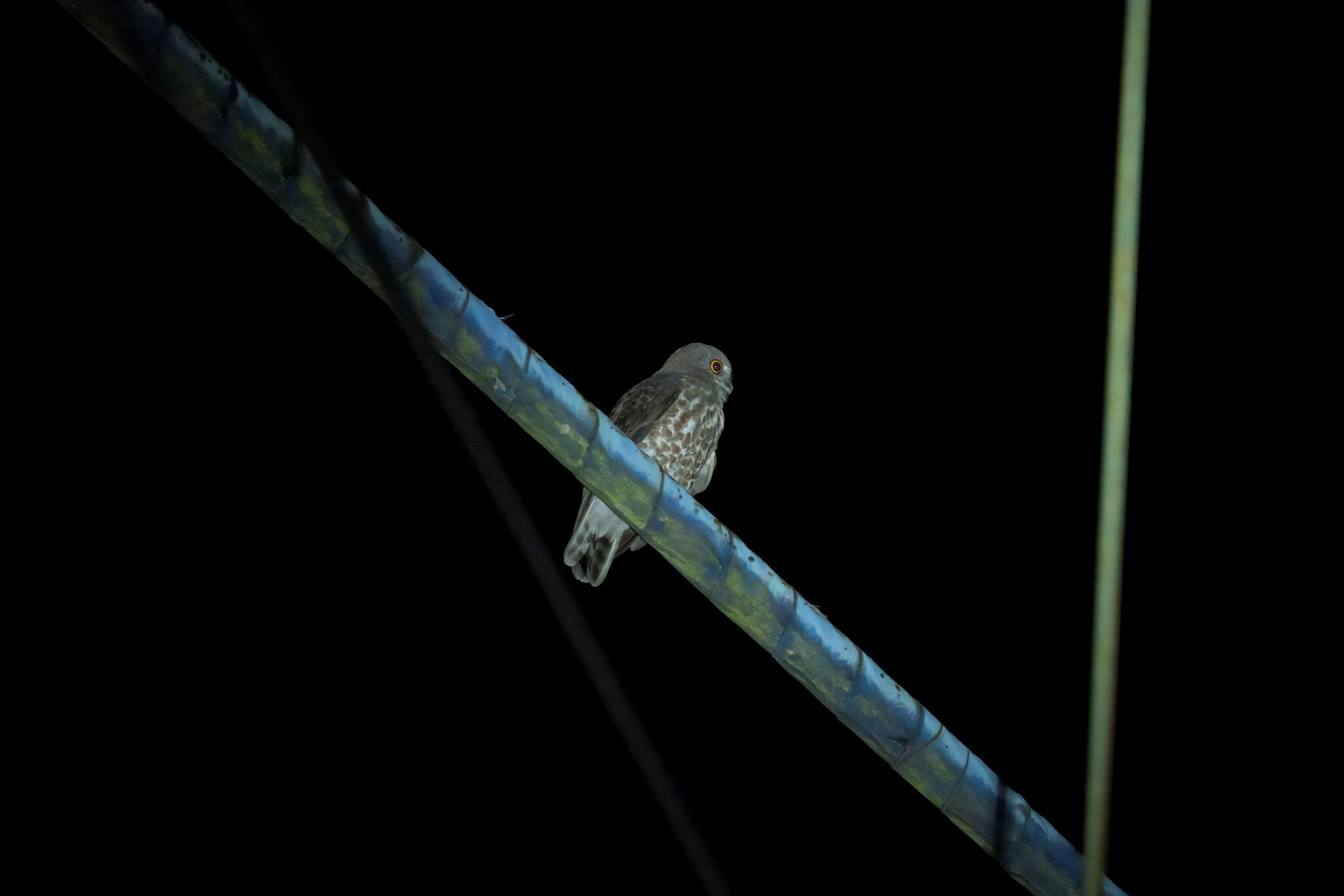
A medium-sized owl in the family Strigidae (typical owls). Resident breeder across tropical south Asia from India, Sri Lanka, Bhutan, Bangladesh, and Nepal east through western Indonesia to south China. Inhabits well-wooded country and forest. Distinguished by its hawk-like appearance with a long tail and absence of a distinct facial disk. Despite being highly nocturnal, often located by the small birds that mob it while roosting in trees. Lays three to five eggs in tree hollows.
Description
A medium-sized owl measuring 32 cm in length. The most distinctive feature is its hawk-like silhouette, created by a long tail and the lack of a pronounced facial disk typical of many owls. The upperparts are dark brown with a barred tail. Underparts appear whitish with reddish-brown streaking, though the Andaman Islands subspecies differs with entirely dark brown underparts. The species possesses notably large yellow eyes. Males and females are similar in appearance.
Identification
Key identification features include the hawk-like shape with long tail and absence of facial disk, which distinguishes it from most other owls. The combination of dark brown upperparts, whitish underparts with reddish-brown streaking, and large yellow eyes are diagnostic. The relatively slim profile and long tail create a silhouette more reminiscent of a hawk than a typical owl, particularly when seen in flight.
Distribution & Habitat
Resident breeder throughout tropical south Asia from India, Sri Lanka, Bangladesh, Nepal, and Bhutan east through Myanmar, Thailand, and Indochina to western Indonesia and south China. Also occurs on Borneo, the Malay Peninsula, the Philippines (Palawan), and various islands including the Andaman, Nicobar, and Natuna islands. Inhabits well-wooded country and forest areas. Two accidental records exist in the western hemisphere: a photographed individual on St. Paul Island, Alaska (August 2007) and a dead specimen found on Kiska Island in 2008.
Behavior & Ecology
Strictly nocturnal but detectable by the mobbing behavior of small birds surrounding its daytime roost. Diet consists primarily of large insects, frogs, lizards, small birds, and mice. Breeding occurs in tree hollows where three to five eggs are laid. The territorial call is a repeated low soft, musical oo-uk...ooo-uk... typically vocalized at dusk and dawn. Common in urban and suburban areas including cities like Colombo, Sri Lanka.
Conservation
IUCN conservation status and population trends are not assessed in available sources.
Culture
Cultural significance and folklore references are not documented in available sources.
Source: Wikipedia · CC BY-SA 3.0
Taxonomy
- Order
- Strigiformes
- Family
- Strigidae
- Genus
- Ninox
- eBird Code
- brnhao1
Vocalizations
Subspecies (9)
-
Ninox scutulata borneensis
Borneo and North Natuna Islands
-
Ninox scutulata burmanica
eastern Assam to southern Yunnan, northern Malay Peninsula, Thailand, and Indochina
-
Ninox scutulata hirsuta
southern India and Sri Lanka
-
Ninox scutulata isolata
Car Nicobar (Nicobar Islands)
-
Ninox scutulata javanensis
western Java
-
Ninox scutulata lugubris
northern India to western Assam and central peninsular India
-
Ninox scutulata palawanensis
Palawan (southwestern Philippines)
-
Ninox scutulata rexpimenti
Great Nicobar (Nicobar Islands)
-
Ninox scutulata scutulata
southern Malay Peninsula, Riau Archipelago, Sumatra, and Bangka Island
Data Sources
Species description from Wikipedia, licensed under CC BY-SA 3.0.
Bird images and sounds sourced from GBIF, contributed by citizen scientists worldwide under Creative Commons licenses.
Taxonomy data from AviList 2025.