Egyptian Vulture
Neophron percnopterus
白兀鹫
Introduction
Small Old World vulture in the monotypic genus Neophron. Widely distributed from the Iberian Peninsula, North Africa, West Asia to India. Inhabits dry plains and lower hills, up to 2,000m in Himalayas and 2,300m in Armenia. Distinguished by contrasting underwing pattern and wedge-shaped tail in flight. One of the few bird species known to use tools: tossing pebbles to break large eggs and using twigs to roll wool for nests. Populations declined significantly in the 20th century; some island populations are endangered by hunting, accidental poisoning, and collision with power lines.
Description
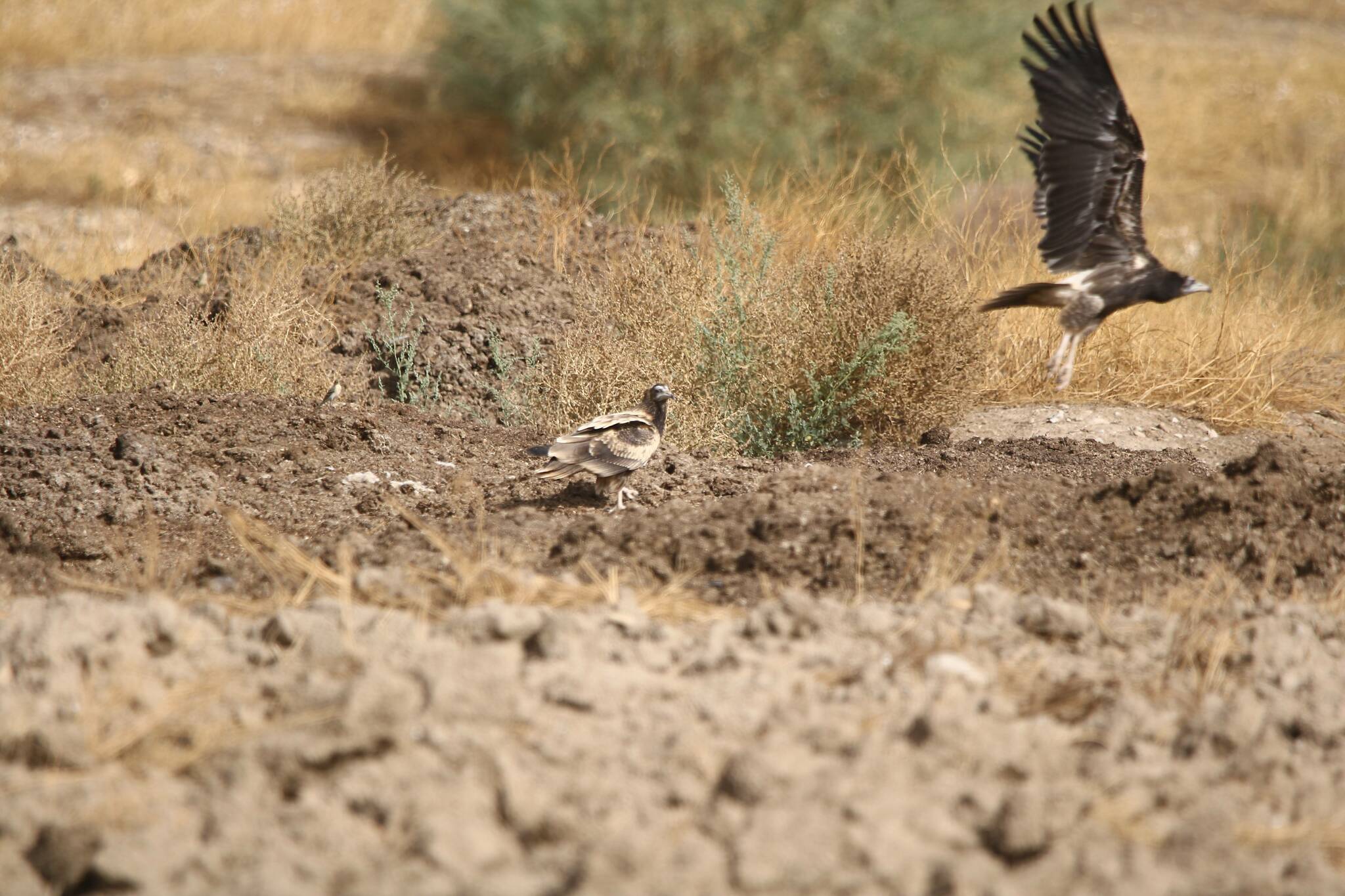
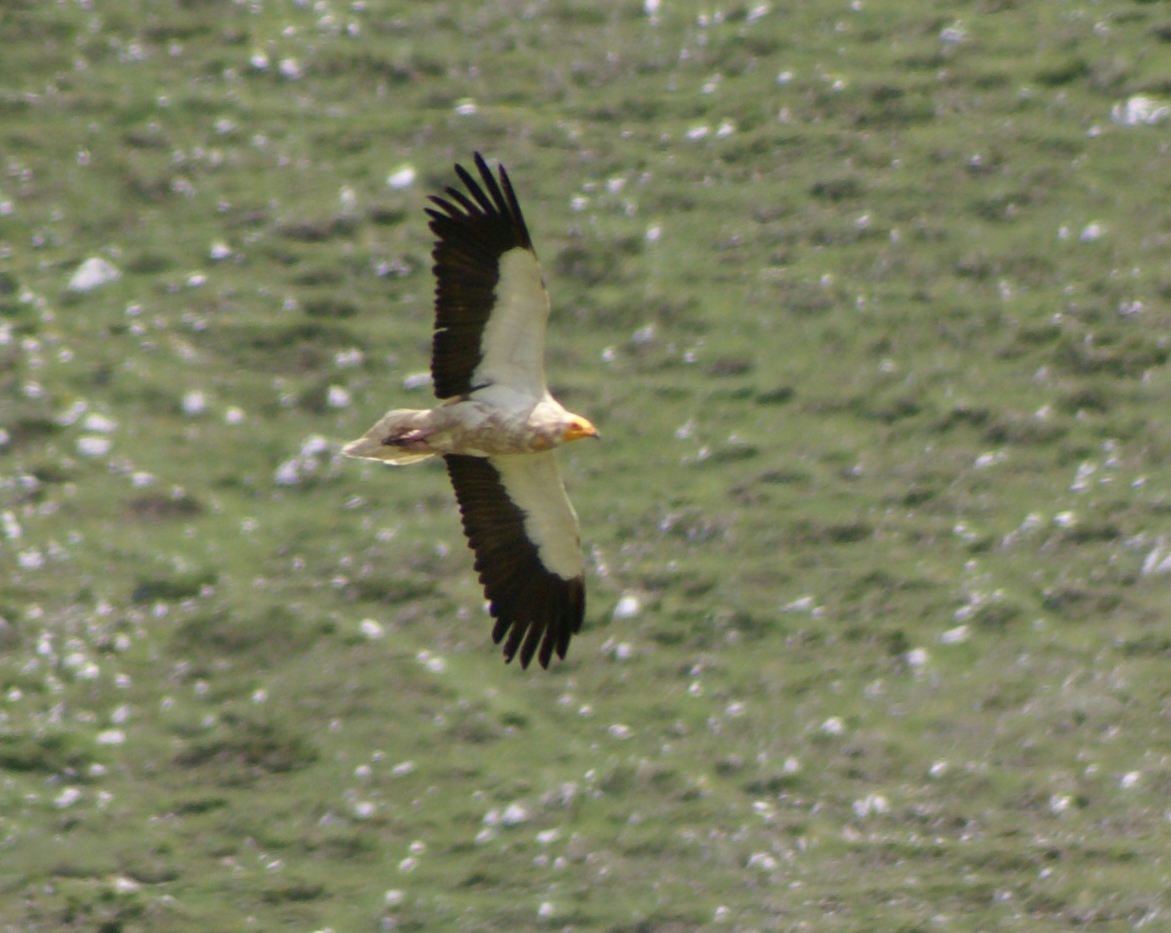
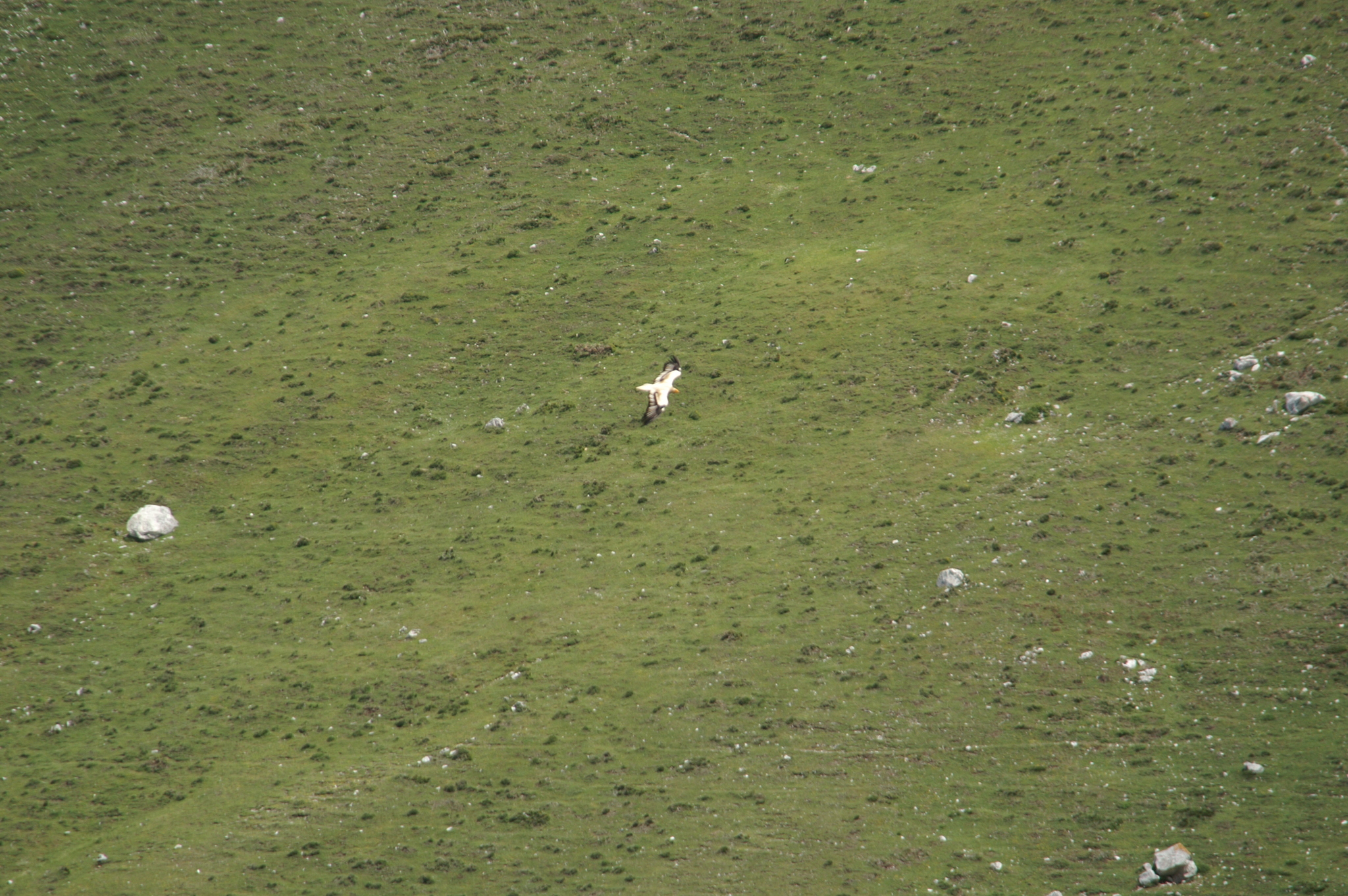
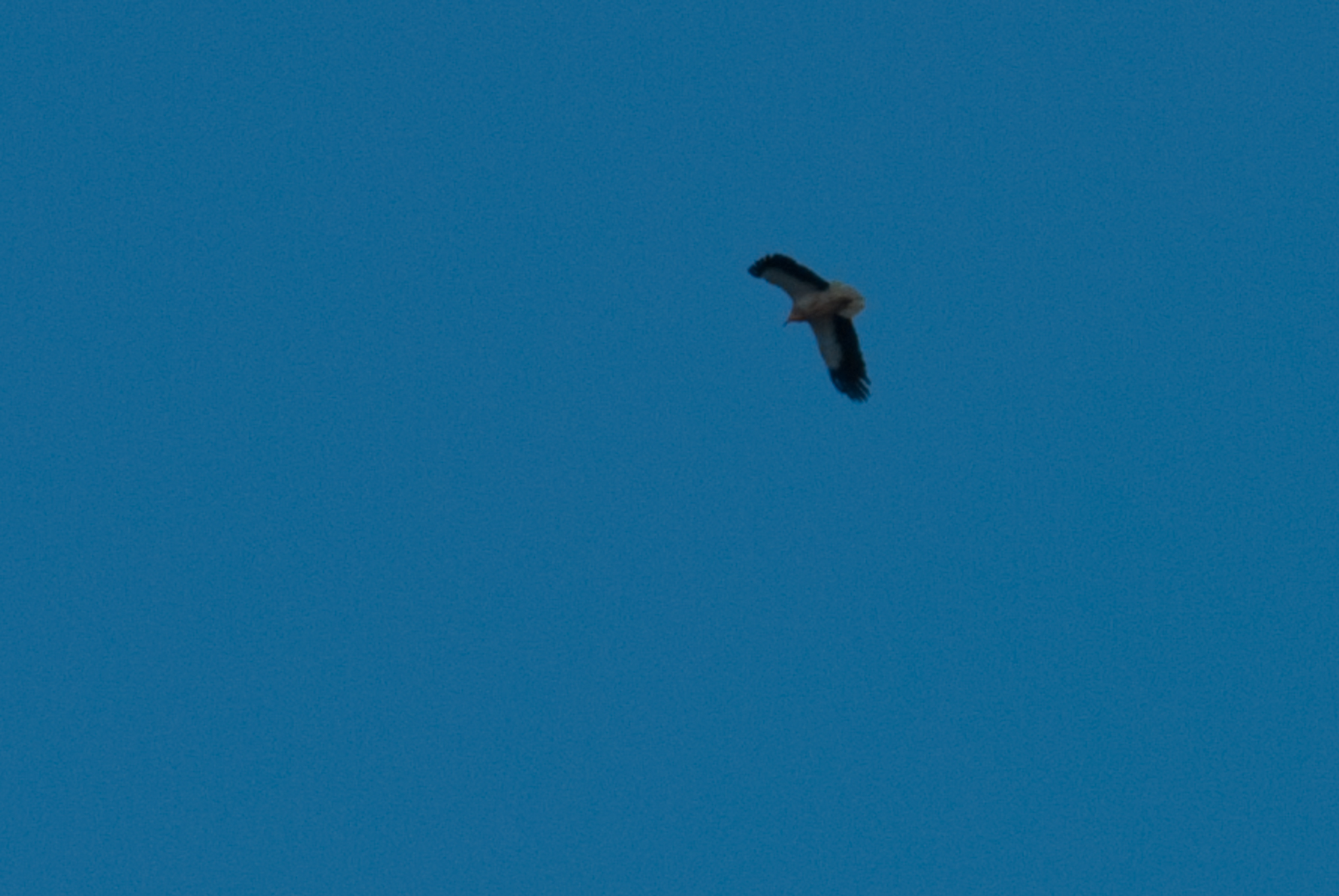
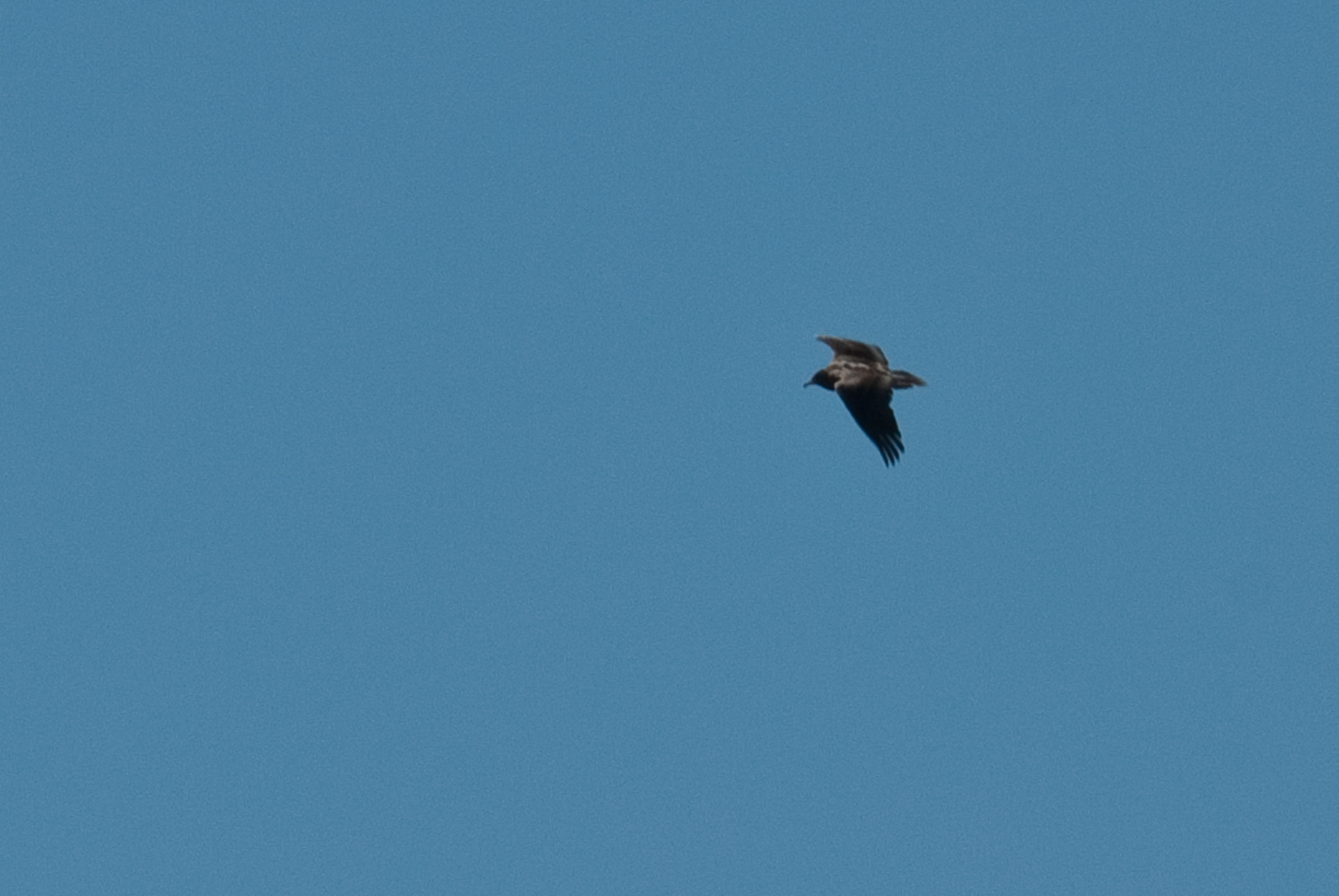
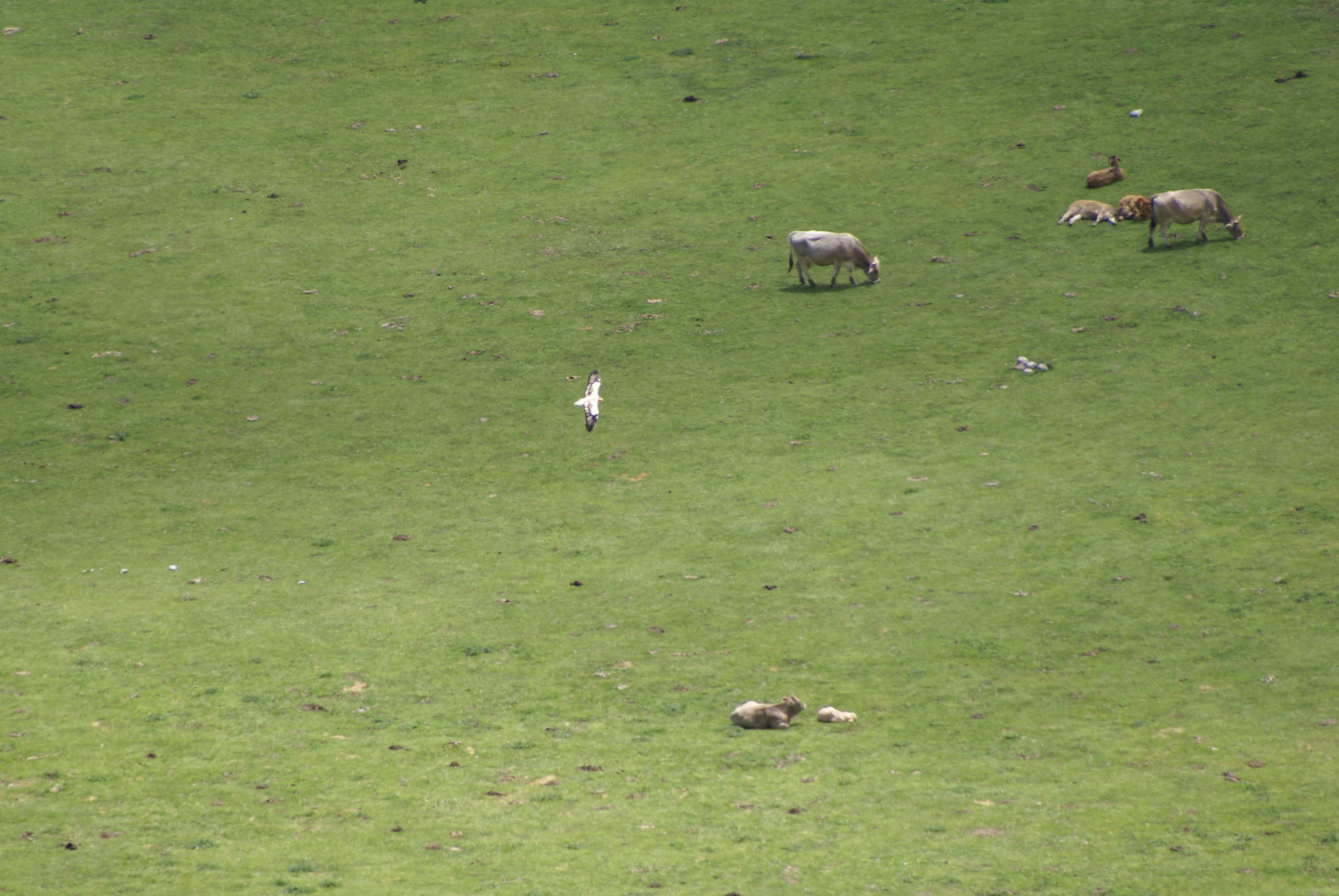
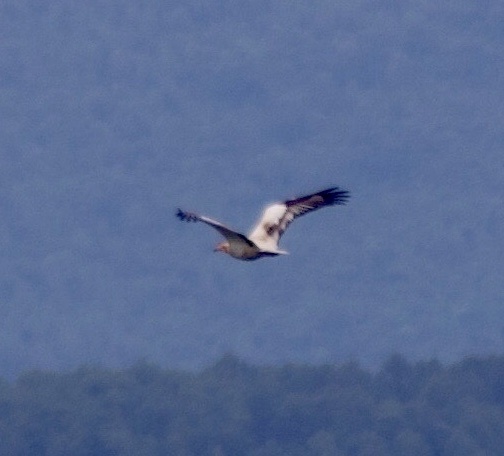
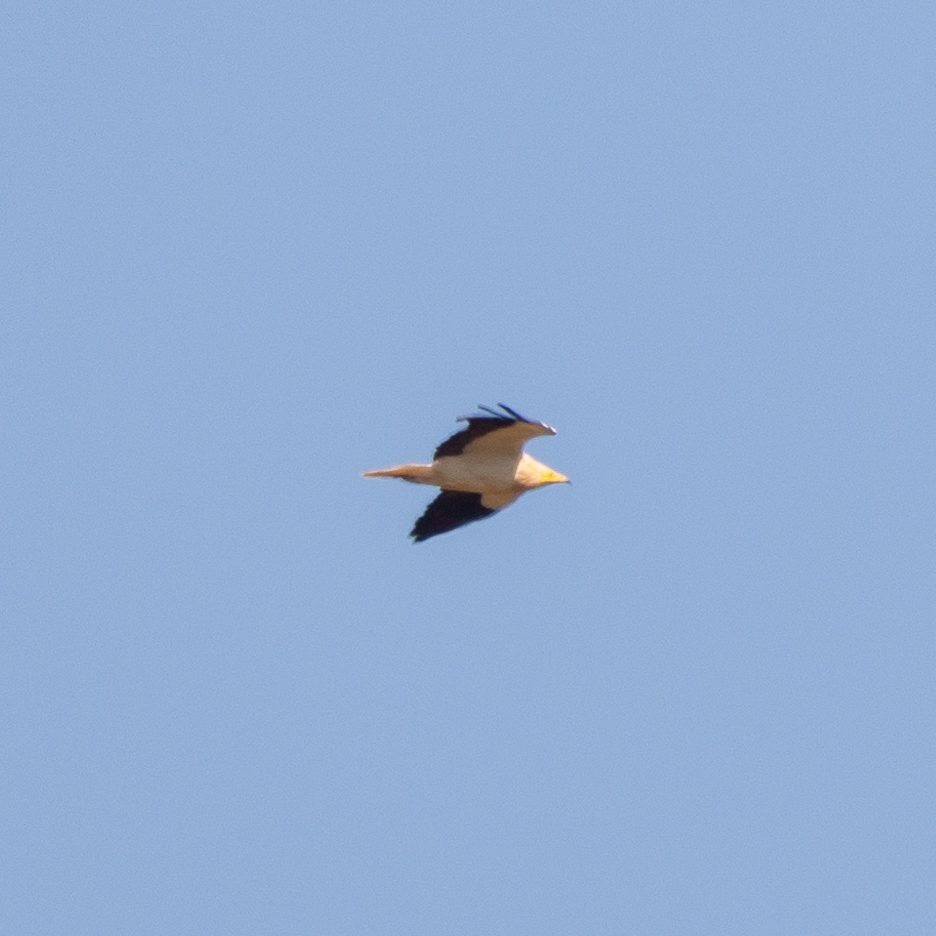
Adult plumage is white with black flight feathers. Wild birds appear soiled with a rusty or brown shade derived from mud or iron-rich soil; captive birds maintain clean white plumage. The bill is slender, long, and hooked at the tip, black in the nominate subspecies but pale or yellowish in the Indian subspecies. The yellow facial skin is unfeathered down to the throat. Neck feathers form long hackles. Wings are pointed with the third primary longest; the tail is wedge-shaped. Legs are pink in adults, grey in juveniles. Claws are long and straight with slight webbing between the third and fourth toes. Sexes appear identical in plumage, though breeding males have deeper orange facial skin and females average 10-15% heavier. Juveniles are blackish or chocolate brown with black and white patches. Adult plumage is attained after about five years.
Identification
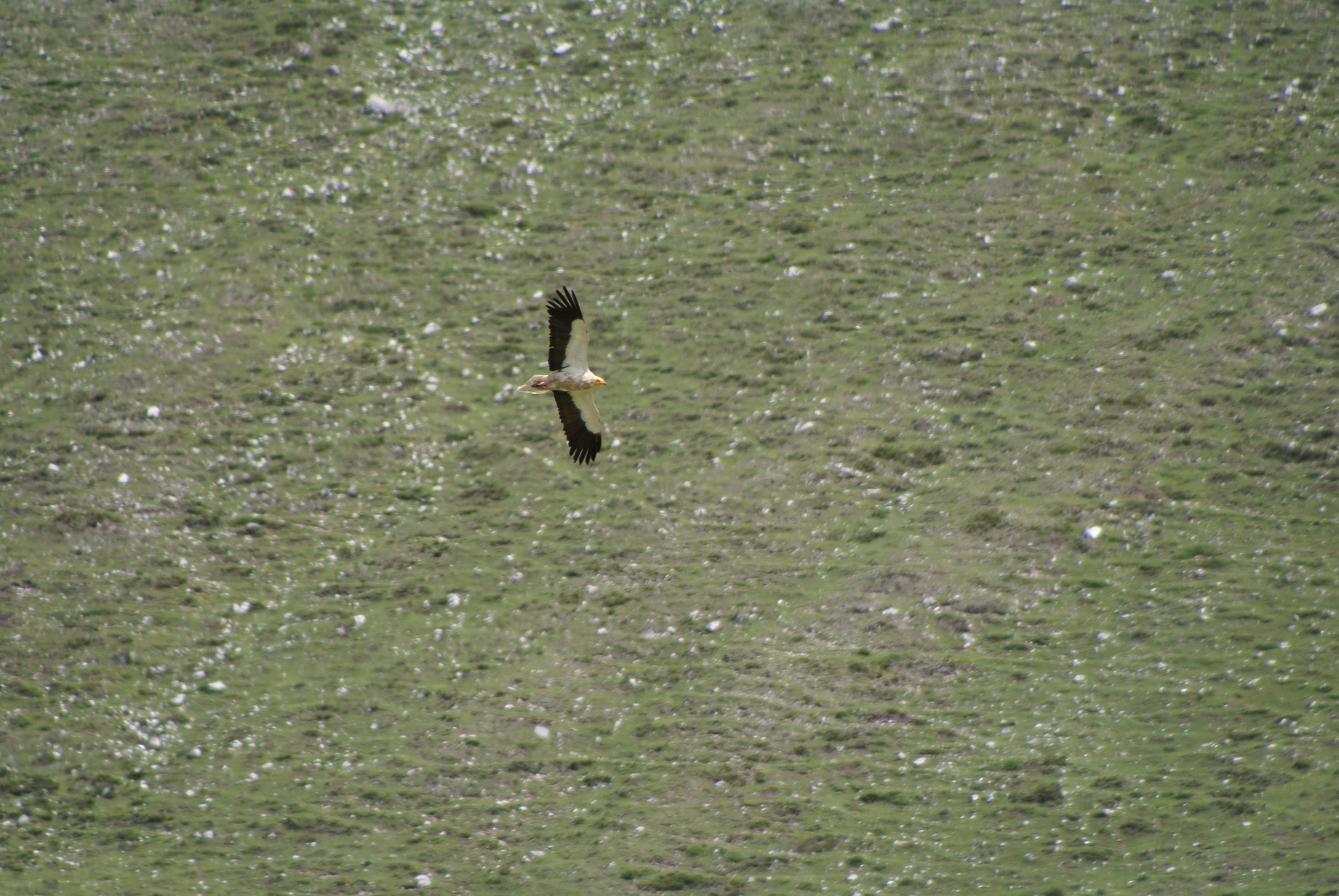
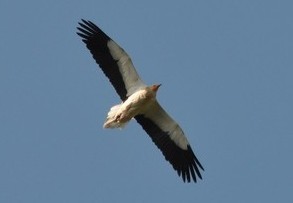
Distinctive in flight with contrasting black-and-white underwing pattern and wedge-shaped tail. The small size and white plumage separate it from larger vulture species. The pale or yellowish bill distinguishes the Indian subspecies N.p. ginginianus from the darker-billed nominate subspecies. The Canary Island subspecies N.p. majorensis is larger and non-migratory. Compared to similar species, it has a more slender bill and longer neck hackles.
Distribution & Habitat
Breeding range extends from southern Europe and northern Africa east through the Middle East, Central Asia, and northwestern India. Occurs mainly on dry plains and lower hills. Temperate European populations migrate south to Africa in winter, crossing the Strait of Gibraltar or via the Levant. Some African birds move north into Europe in summer; vagrants have reached England, Ireland, and southern Sweden. Migrants can cover 500 km daily, traveling 3,500 to 5,500 km to reach the Sahel. Breeding occurs on rocky cliff ledges, building ledges, or large trees. Rare vagrants have occurred in Sri Lanka.
Behavior & Ecology
Feeds primarily on carrion but also preys on small mammals, birds, reptiles, and bird eggs. Breaks large eggs by tossing pebbles onto them; prefers rounded stones. The only Old World vulture that regularly feeds on faeces, obtaining carotenoids that produce bright yellow facial coloration. Tends to stay on the periphery at carcasses until larger vultures depart. Mostly silent but makes high-pitched mewing notes at the nest and screeching at carcasses. Monogamous with pair bonds maintained across multiple seasons. Nests are untidy twig platforms lined with rags on cliffs, buildings, or tree forks. Clutch size is typically two eggs, incubated for about 42 days. Young fledge after 90-110 days and remain dependent for at least one month. Roosts communally on large trees, buildings, or cliffs, often near feeding areas.
Conservation
IUCN Red List status is Endangered. European and Middle Eastern populations halved between 1980 and 2001. Indian populations declined 35% annually since 1999. In Spain, 50% of European population is concentrated but faces threats from lead accumulation, pesticides, and electrocution. Wind farms and poorly designed power lines pose collision and electrocution risks, particularly in east Africa. The Canary Island population declined 30% between 1987-1998, now restricted to Fuerteventura and Lanzarote with only 130 individuals including 25-30 breeding pairs. Threats include intentional poisoning, lead ingestion from carcasses, and Diclofenac toxicity. Conservation measures since 2012 include nest guarding, supplementary feeding, insulating power lines, and poison bait removal. Adult and juvenile survival rates have increased in monitored populations.
Culture
Mentioned in the Bible under the Hebrew name rachamah. In Ancient Egypt, the species was sacred to Isis and Mut, and served as a symbol of royalty. Protected by Pharaonic law, making the species common on Egyptian streets and giving rise to the name 'pharaoh's chicken.' The hieroglyph G1 in Gardiner's sign list is based on this vulture. In the Balkans, it is considered a herald of spring and a bird of good omen. In Sindh, the vulture's egg yolk is believed to cure snake bites and scorpion stings. A temple in southern India at Thirukalukundram was famed for a pair reputedly visiting for centuries, ceremonially fed by priests.
Source: Wikipedia · CC BY-SA 3.0
Taxonomy
- Order
- Accipitriformes
- Family
- Accipitridae
- Genus
- Neophron
- eBird Code
- egyvul1
Subspecies (3)
-
Neophron percnopterus ginginianus
Nepal and India (except northwest)
-
Neophron percnopterus majorensis
Canary Islands (Fuerteventura)
-
Neophron percnopterus percnopterus
Africa, southern Europe to northwestern India; Cape Verde Islands
Data Sources
Species description from Wikipedia, licensed under CC BY-SA 3.0.
Bird images and sounds sourced from GBIF, contributed by citizen scientists worldwide under Creative Commons licenses.
Taxonomy data from AviList 2025.