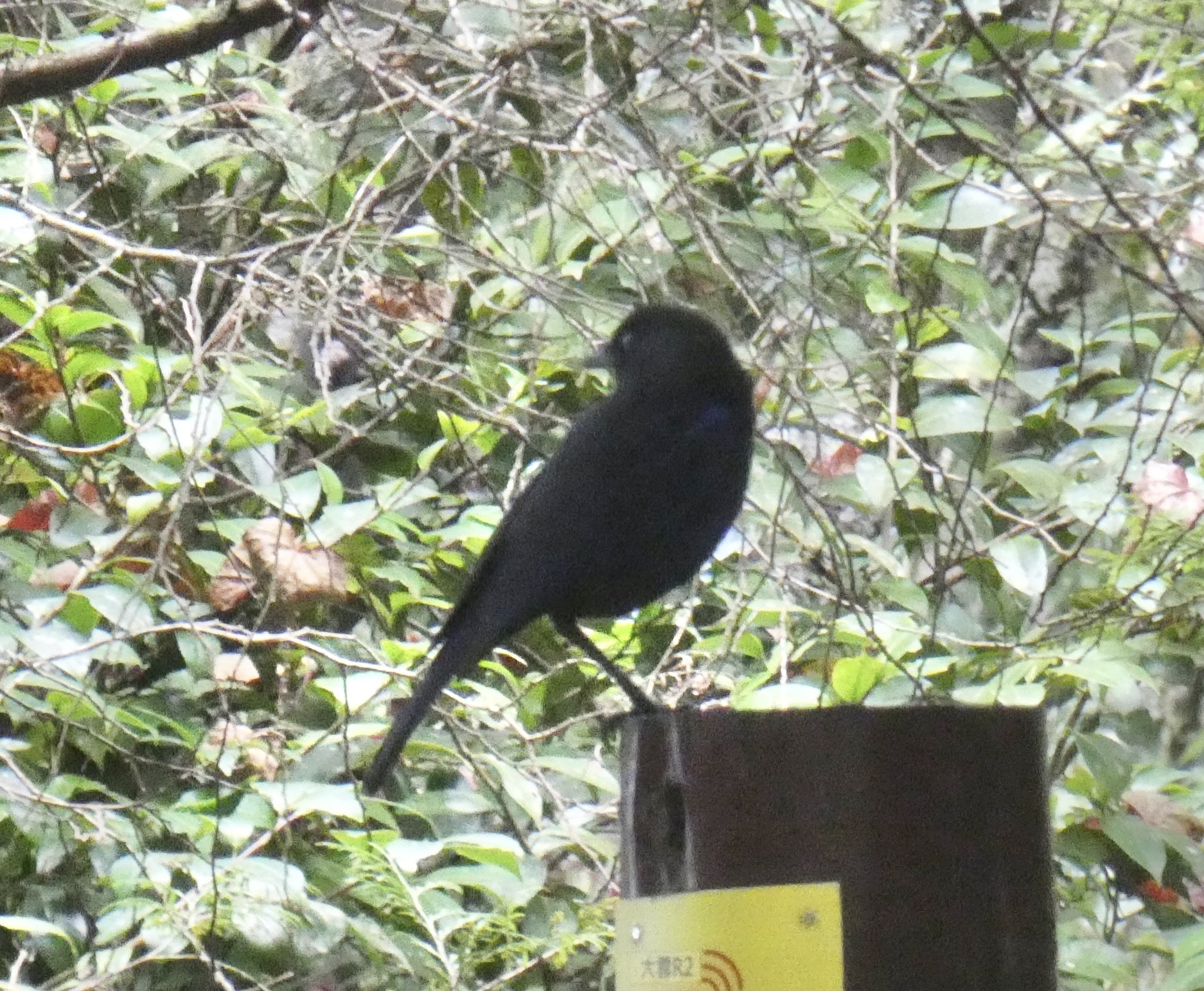
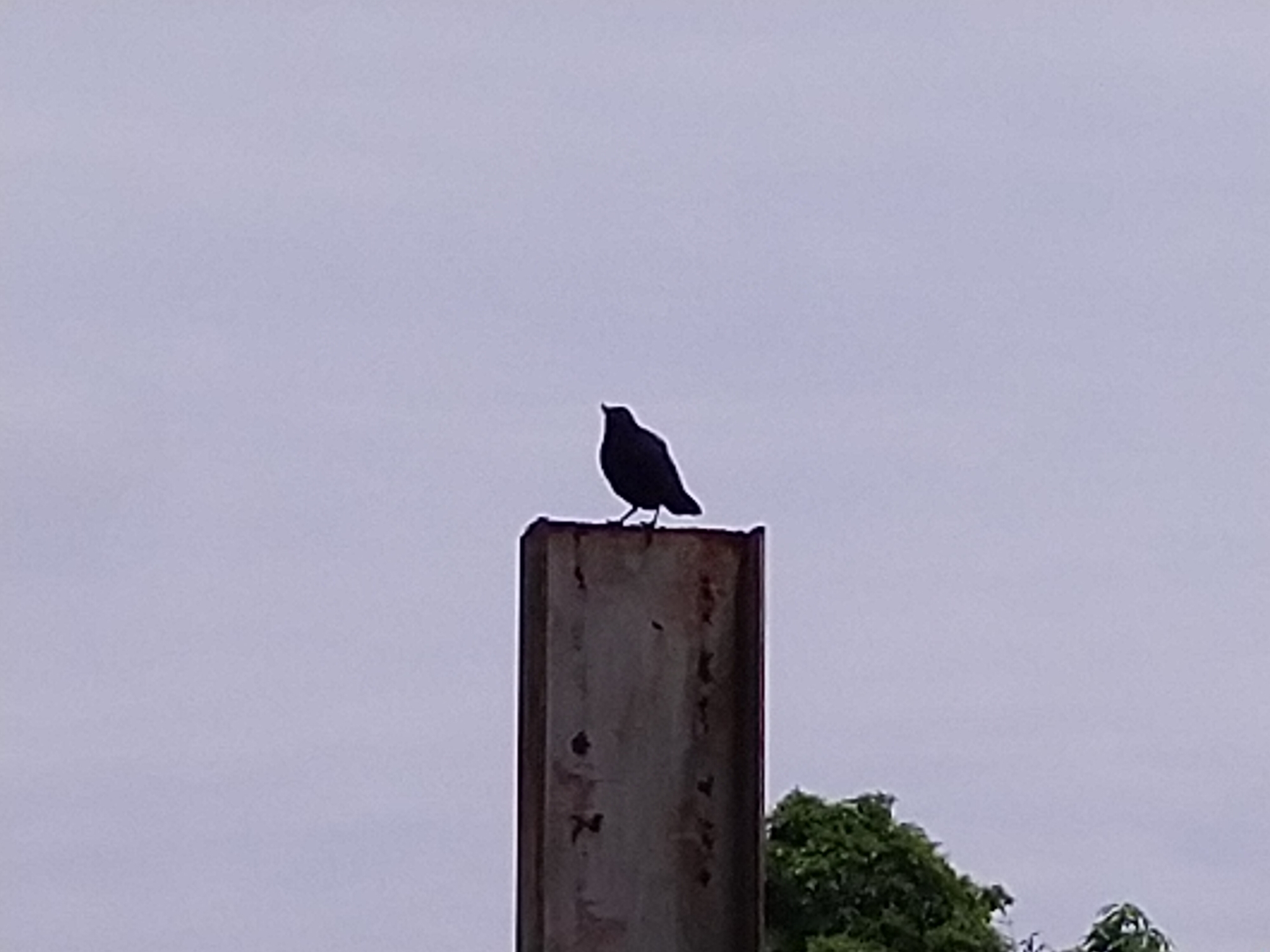
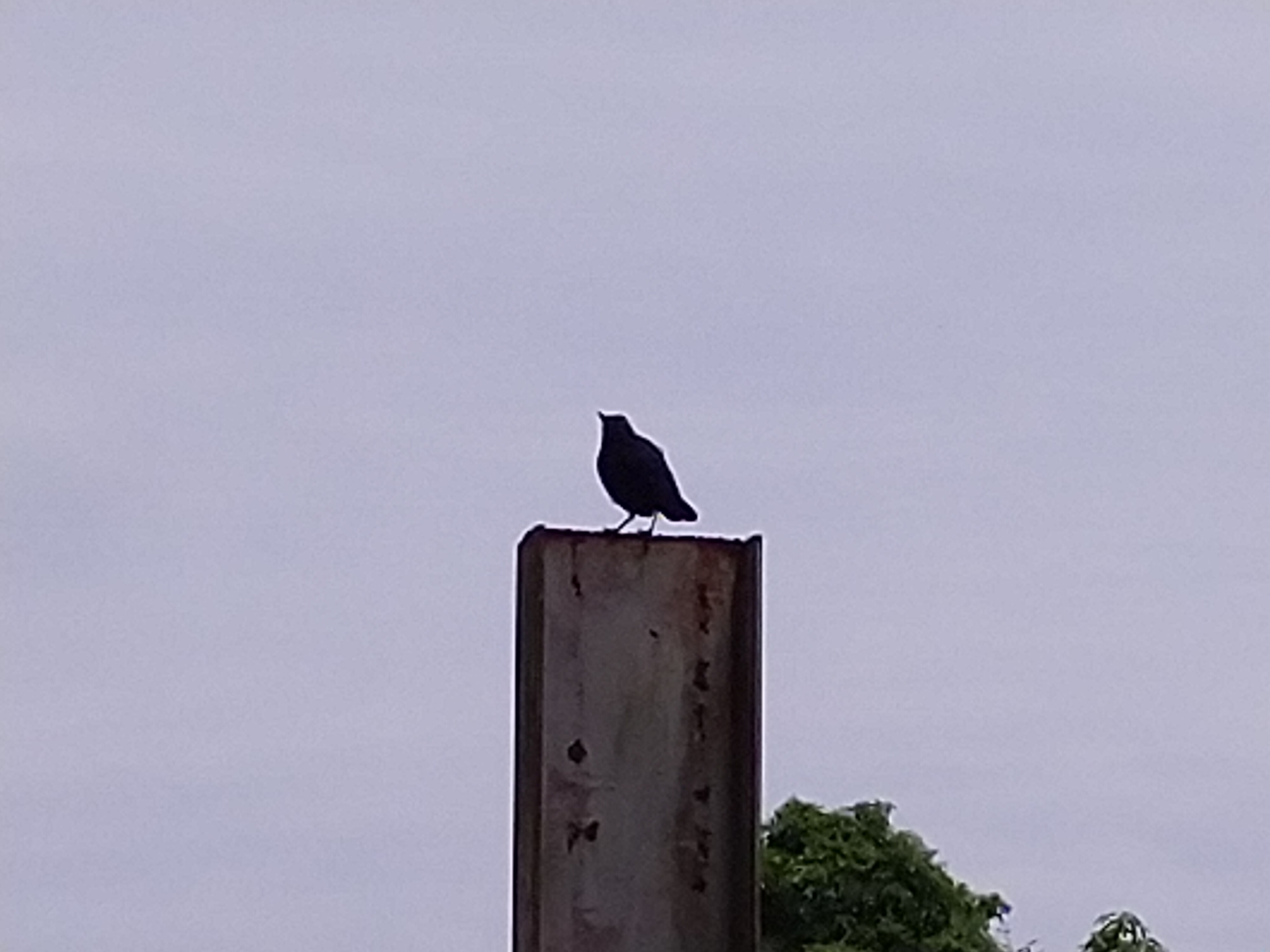
Taiwan Whistling Thrush
Myophonus insularis
台湾紫啸鸫
Introduction
A monotypic species in the family Muscicapidae. Endemic to Taiwan, inhabiting subtropical or tropical moist montane forests at elevations up to 2,700 m. Notable for its activity pattern, being most active at dawn and dusk as it jumps among rocks in forest streams. The species produces a distinctive sharp whistling call. Classified as Least Concern by the IUCN, though the population of 10,000 to 100,000 breeding pairs is suspected to be decreasing due to habitat destruction.
Description
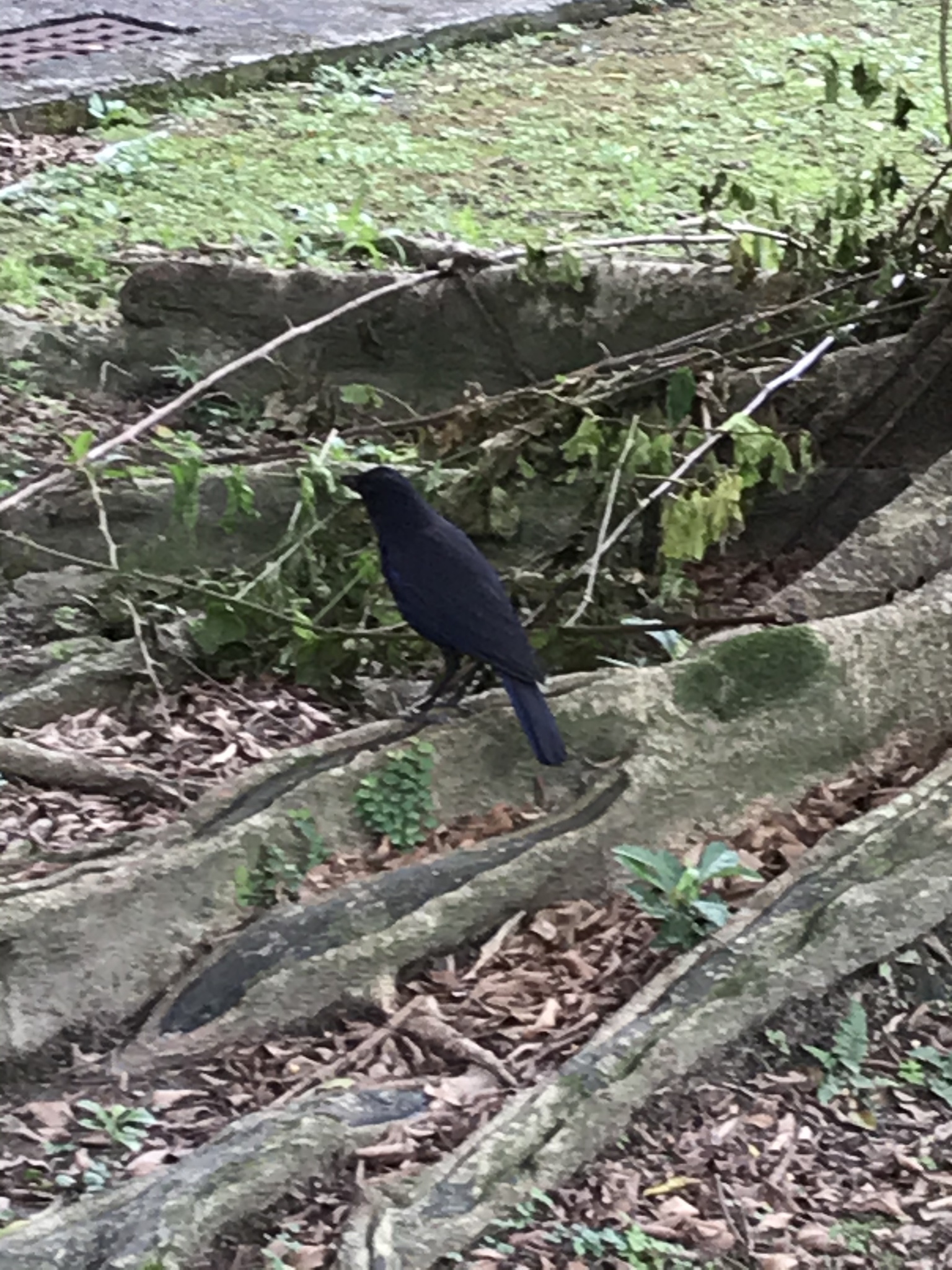
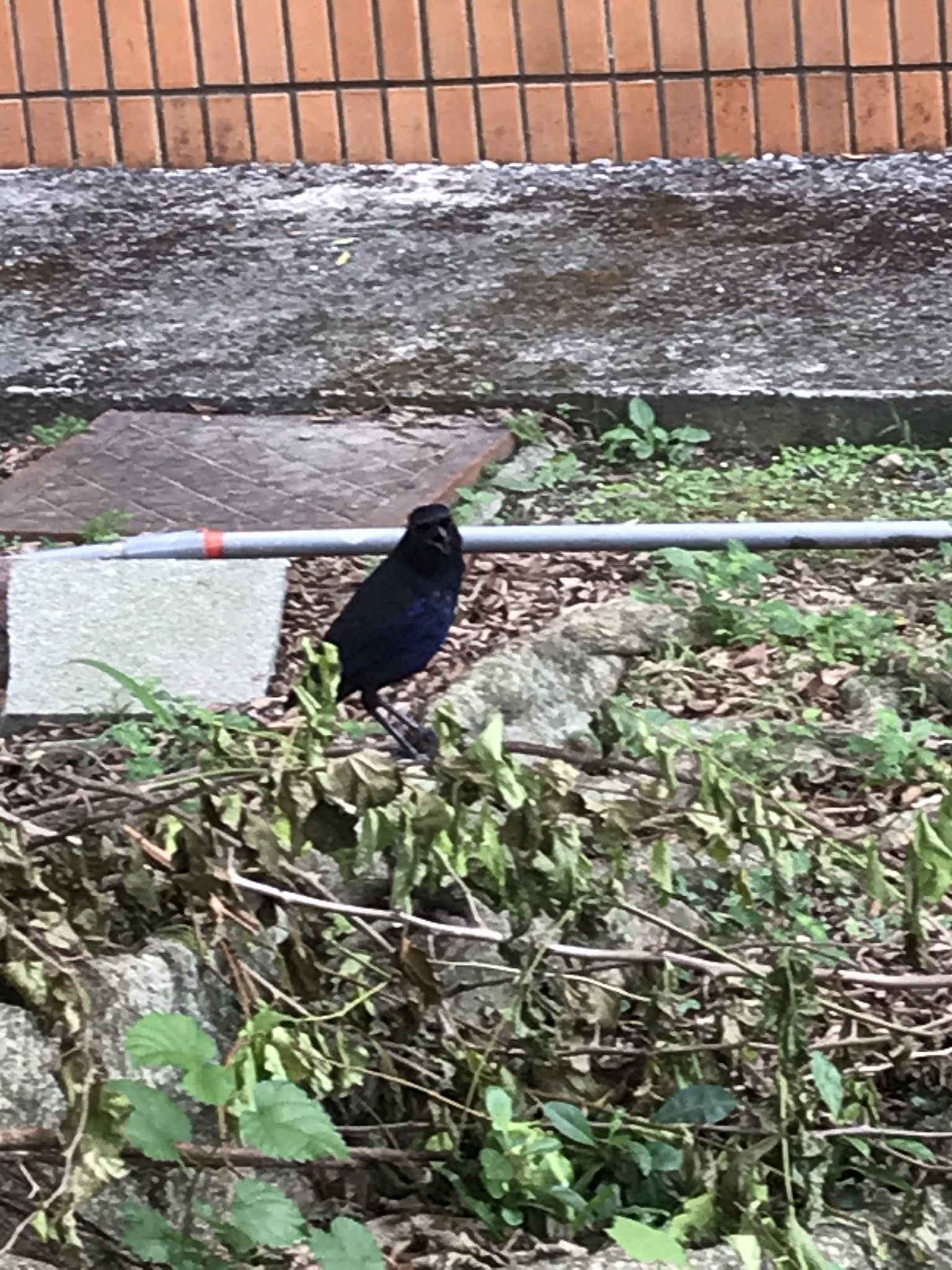
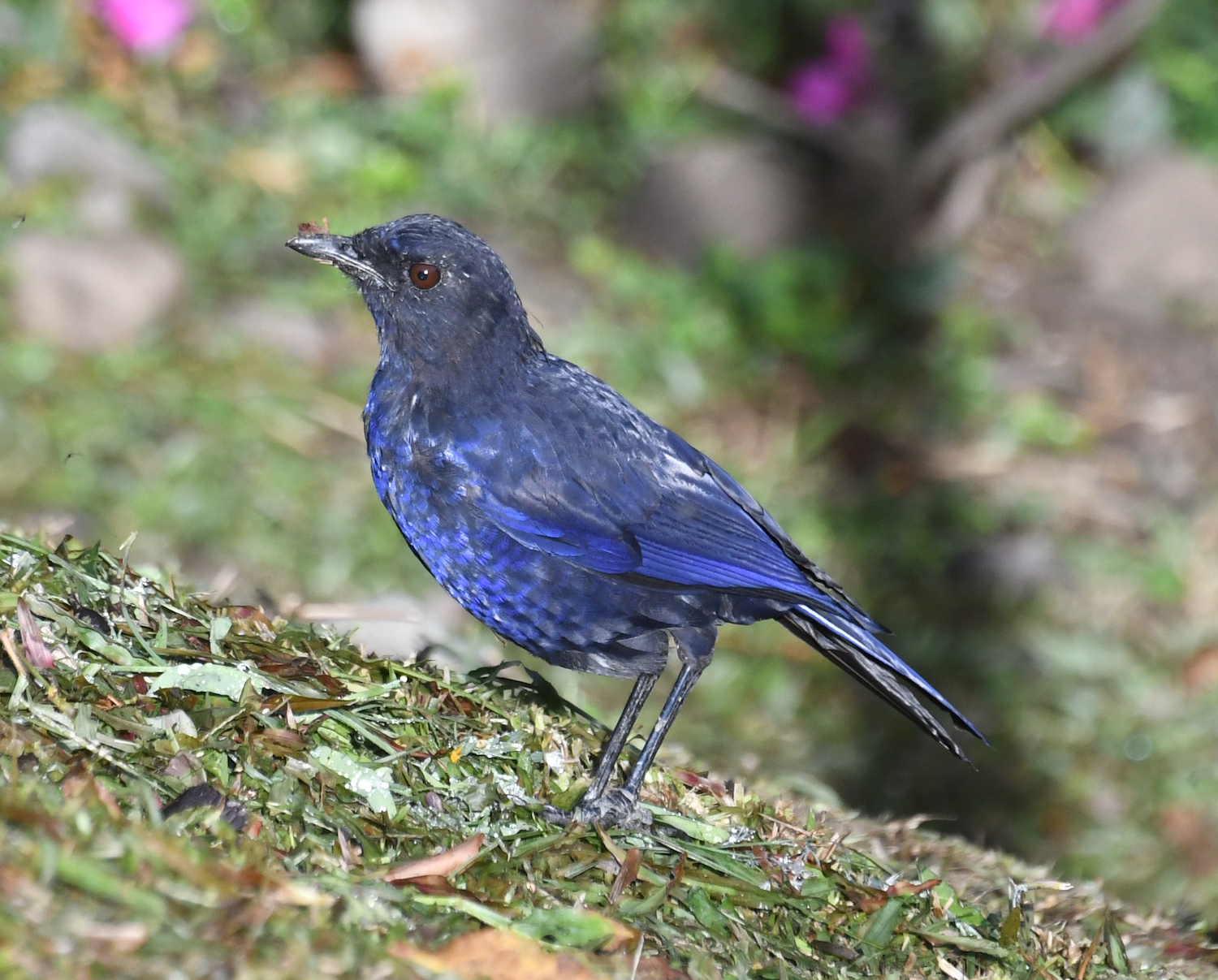
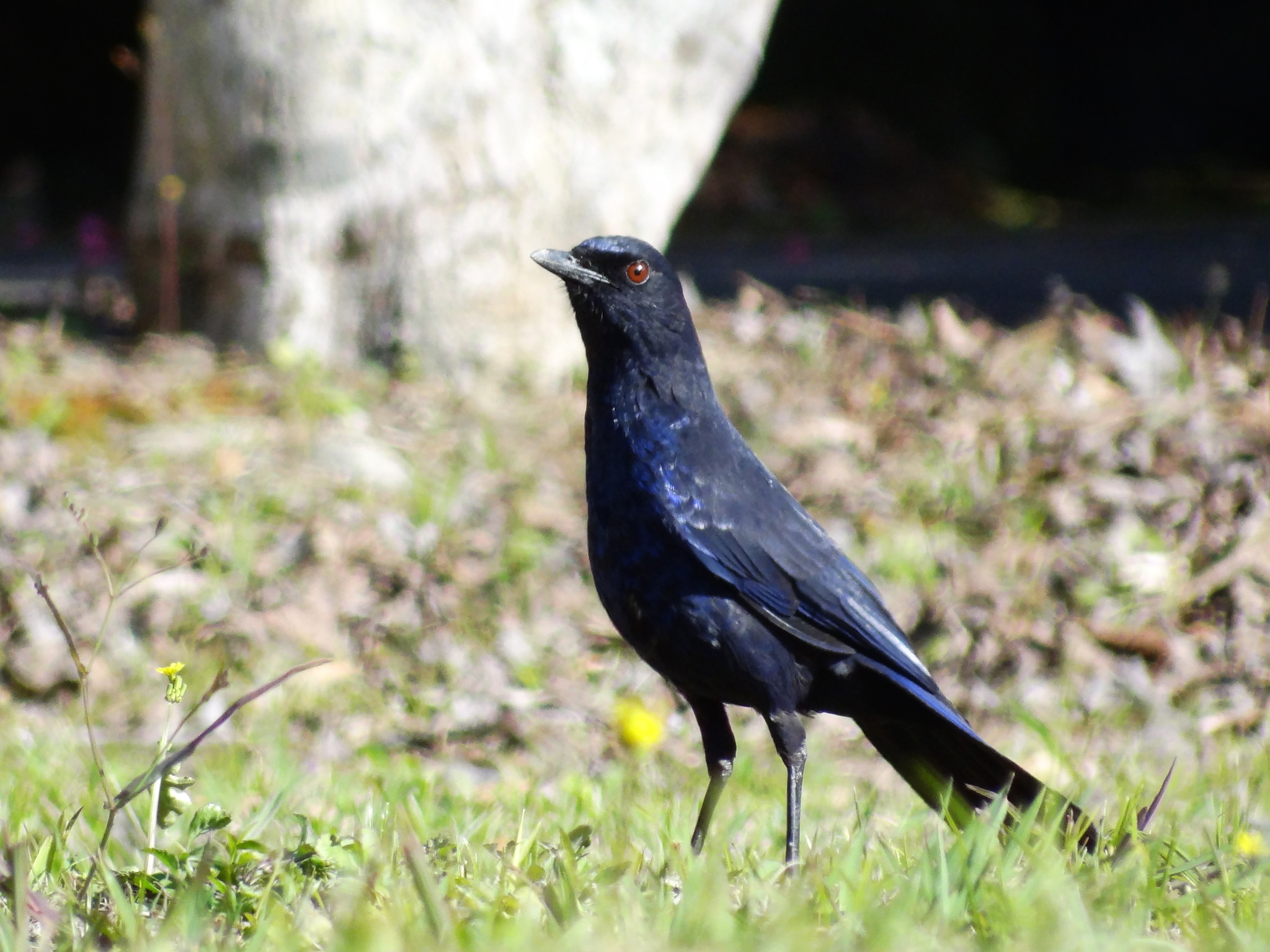
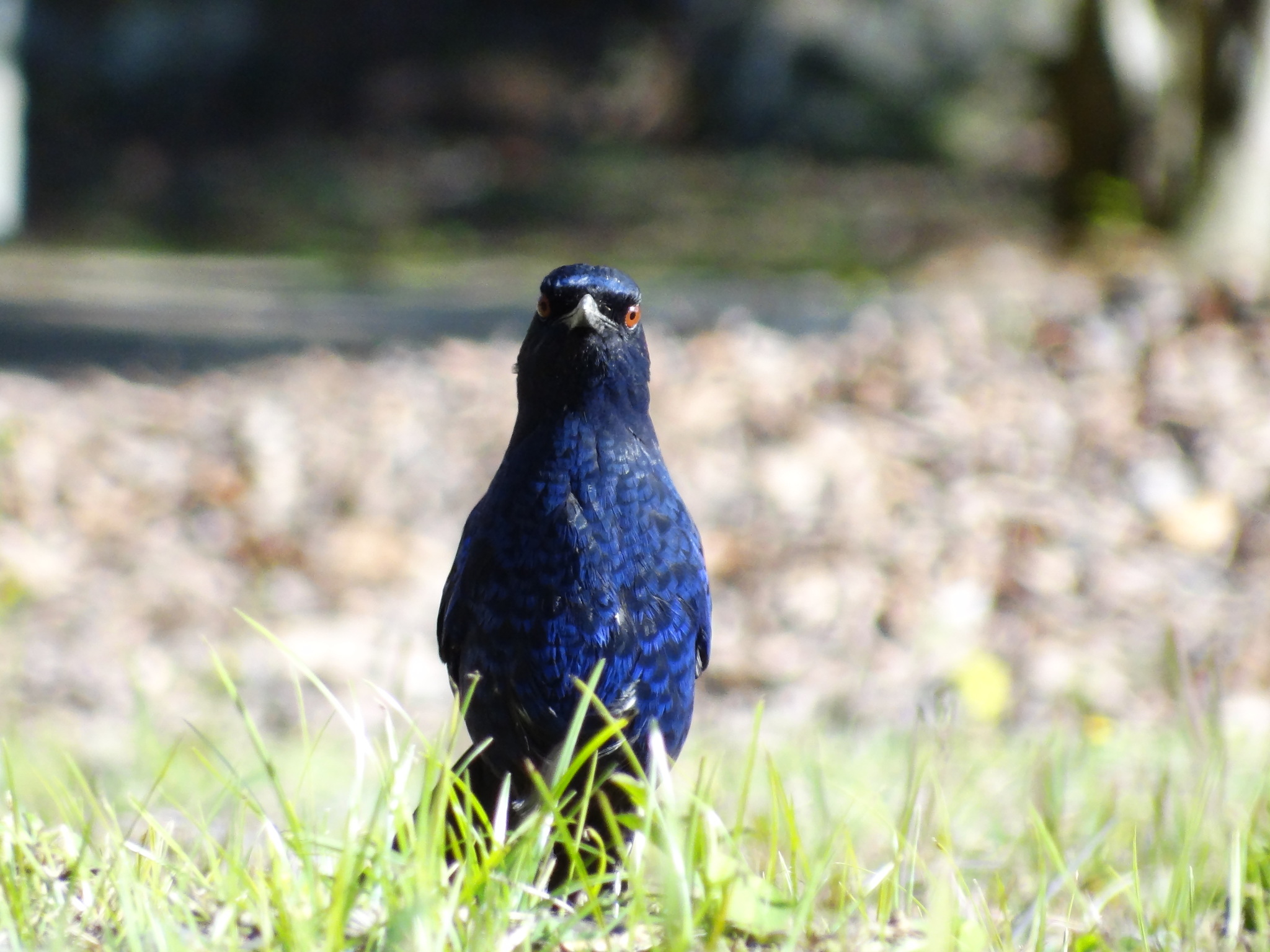
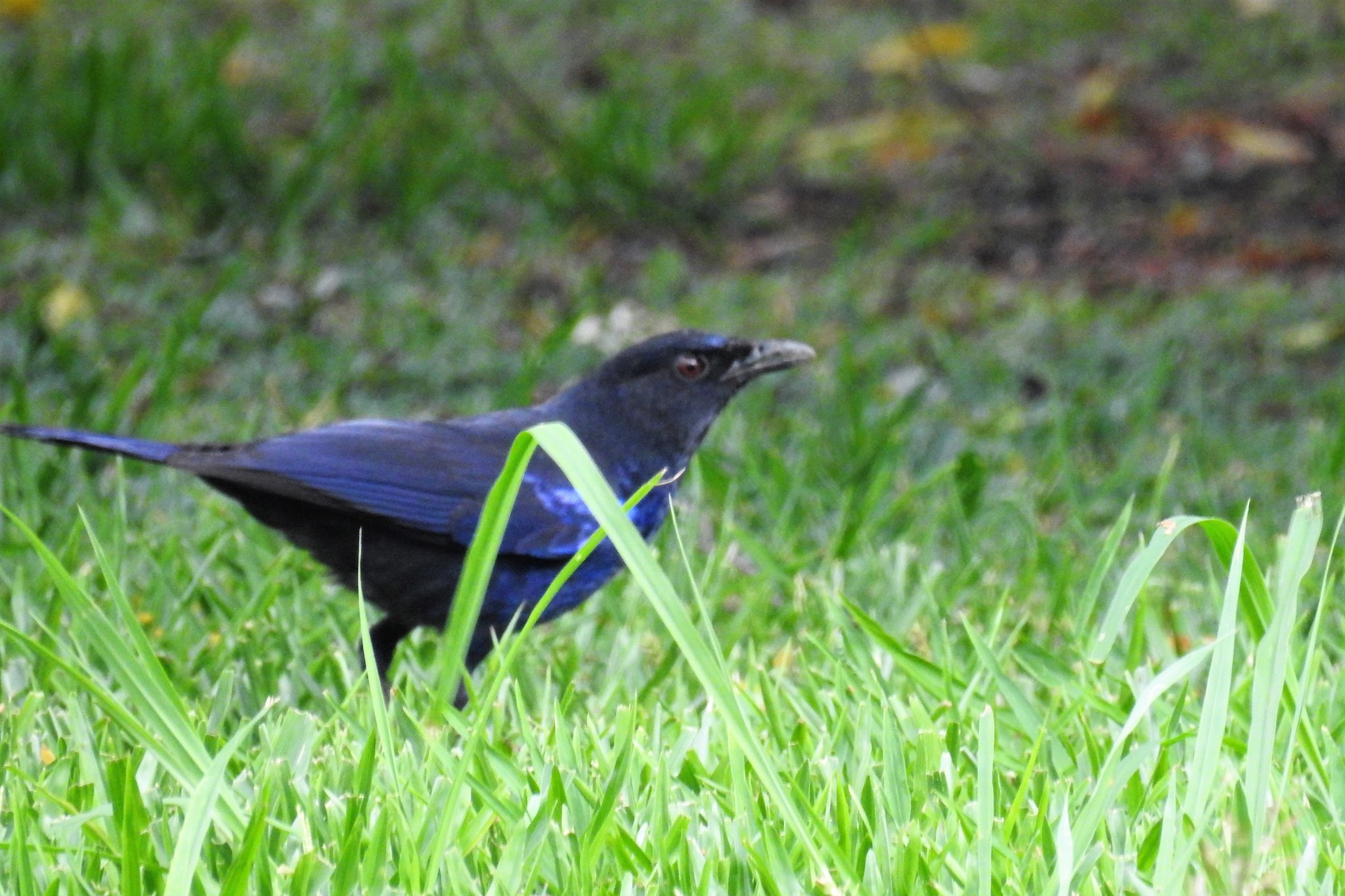
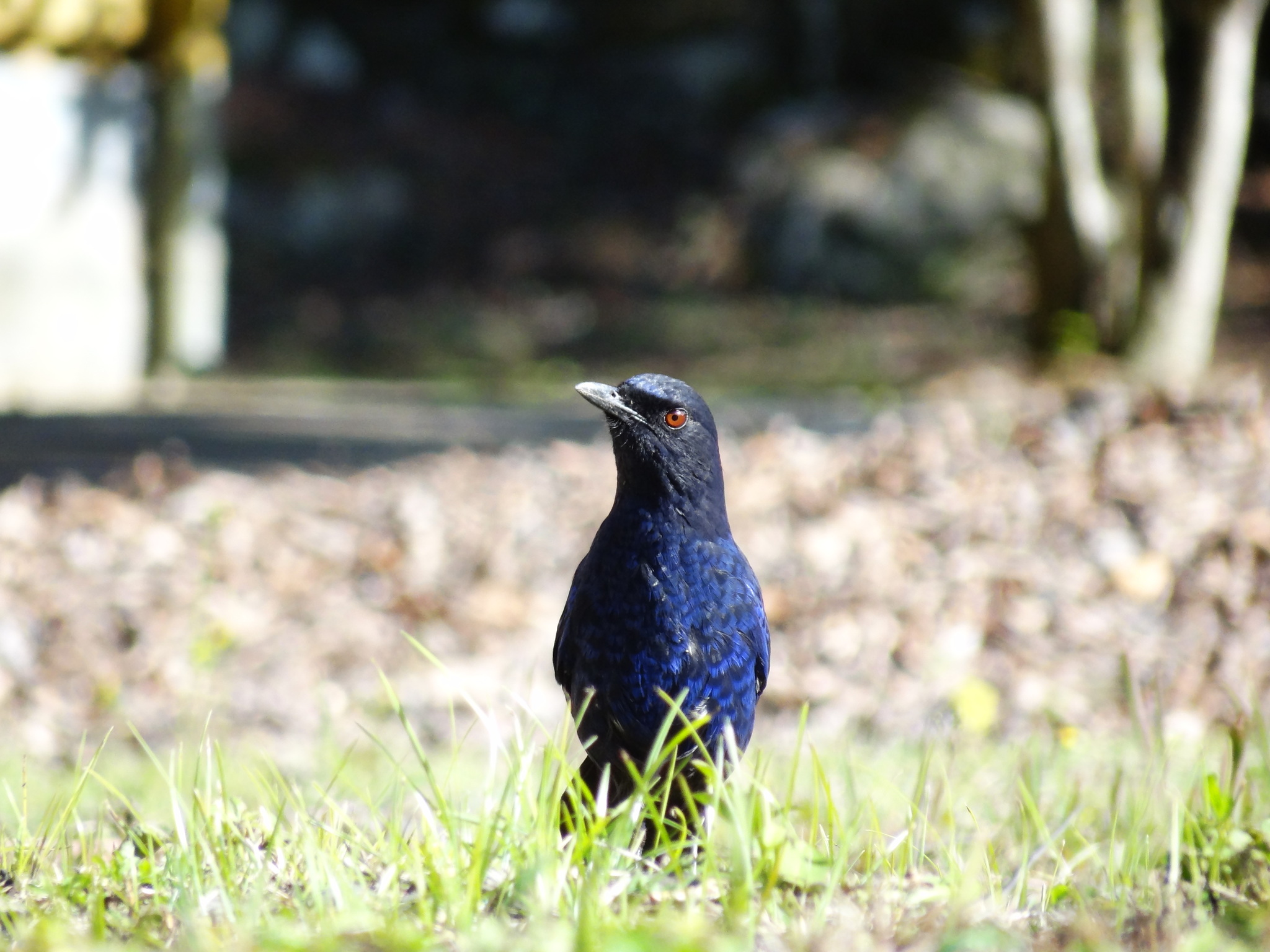
A medium-sized thrush measuring 28 to 30 cm in length with wings spanning 15 to 16 cm. The plumage is predominantly blackish-blue with navy and metallic blue highlights on some feathers. The underparts are blackish, while the neck, breast, and flanks appear scaled. Diagnostic features include deep red eyes and black lores, bill, and legs. Some underwing coverts display white bases. The sexes are similar in appearance. Juveniles are dull blackish with a bluish tinge and yellowish gape.
Identification
The combination of blackish-blue plumage with scaled underparts and deep red eyes is distinctive. The white-based underwing coverts may be visible in flight. The Taiwan Whistling Thrush can be distinguished from similar species by its restricted range (endemic to Taiwan), metallic blue feather highlights, and red eye color.
Distribution & Habitat
Endemic to the island of Taiwan. Inhabits subtropical and tropical moist montane forests throughout its range. Found at elevations from lowland areas up to 2,700 meters (8,900 feet). No migratory behavior reported; considered a resident species throughout Taiwan.
Behavior & Ecology
Primually active at dawn and dusk. Forages by jumping among rocks in forest streams, capturing prey including shrimp, earthworms, insects, frogs, reptiles, and fish. Exhibits a distinctive behavior of opening and closing the tail while perched on rocks. Vocalizations include a sharp whistle described as screee and a loud, melodious song. Breeding season runs from late March to early September with two broods per season. Nests are constructed in rock holes, tree cavities, or human structures using twigs, roots, stems, and moss. Clutches contain 2 to 4 pinkish eggs with brownish or greyish markings. Incubation lasts 12 to 14 days, performed by the female. Chicks are altricial and leave the nest after approximately 21 days. Both parents participate in feeding nestlings.
Conservation
IUCN Red List assessment: Least Concern. Population estimated at 10,000 to 100,000 breeding pairs. Population trend is suspected to be decreasing. Primary threat is habitat destruction from deforestation and human development. Previously listed under Taiwan's Wildlife Conservation Act but was removed from the protected species schedule in 2008.
Source: Wikipedia · CC BY-SA 3.0
Taxonomy
- Order
- Passeriformes
- Family
- Muscicapidae
- Genus
- Myophonus
- eBird Code
- fowthr1
Distribution
mountain streams of Taiwan
Vocalizations
Data Sources
Species description from Wikipedia, licensed under CC BY-SA 3.0.
Bird images and sounds sourced from GBIF, contributed by citizen scientists worldwide under Creative Commons licenses.
Taxonomy data from AviList 2025.