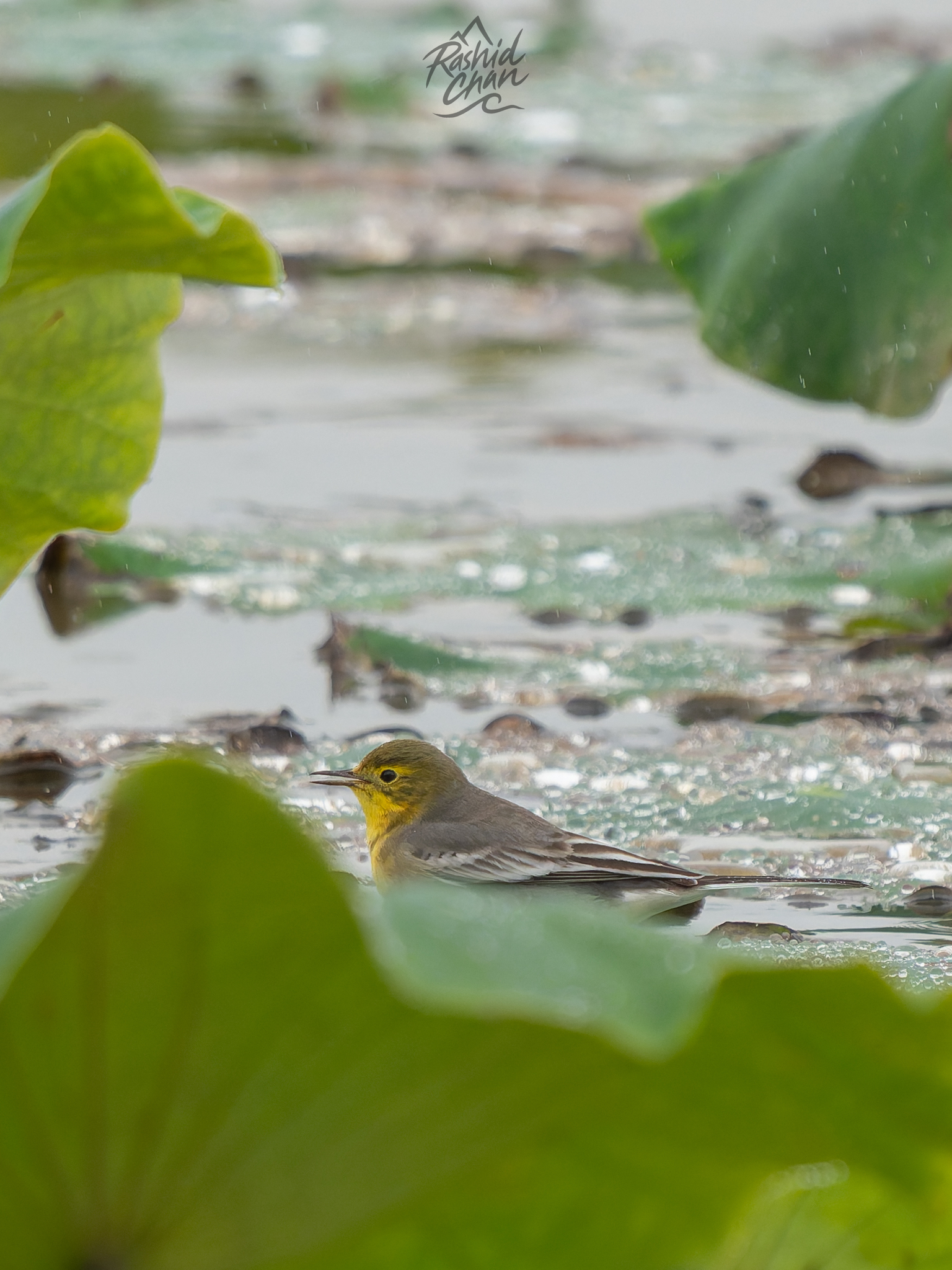

Citrine Wagtail
Motacilla citreola
黄头鹡鸰
Introduction
This small songbird breeds across central Asia and favors open wetland habitats. Males in breeding plumage have lemon-yellow underparts and head with dark upperparts. The species exhibits characteristic tail-wagging behavior. It winters in high-altitude wetlands in South Asian highlands. The range is expanding westward, with records as a vagrant in western Europe. It occurs in protected wetland reserves throughout its range.
Description
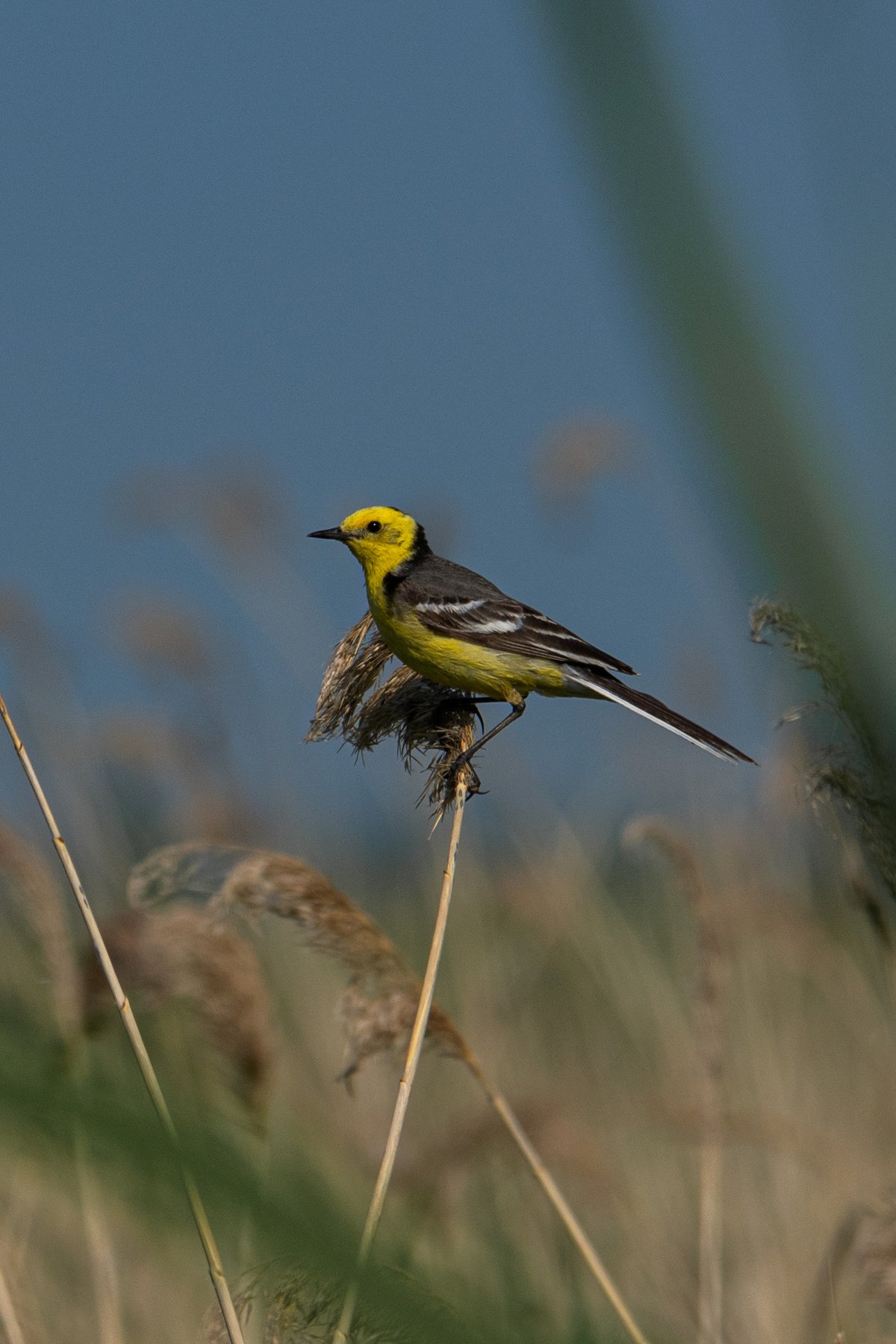
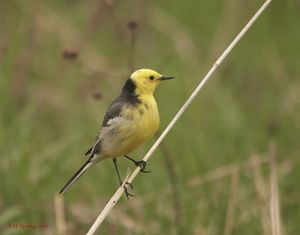
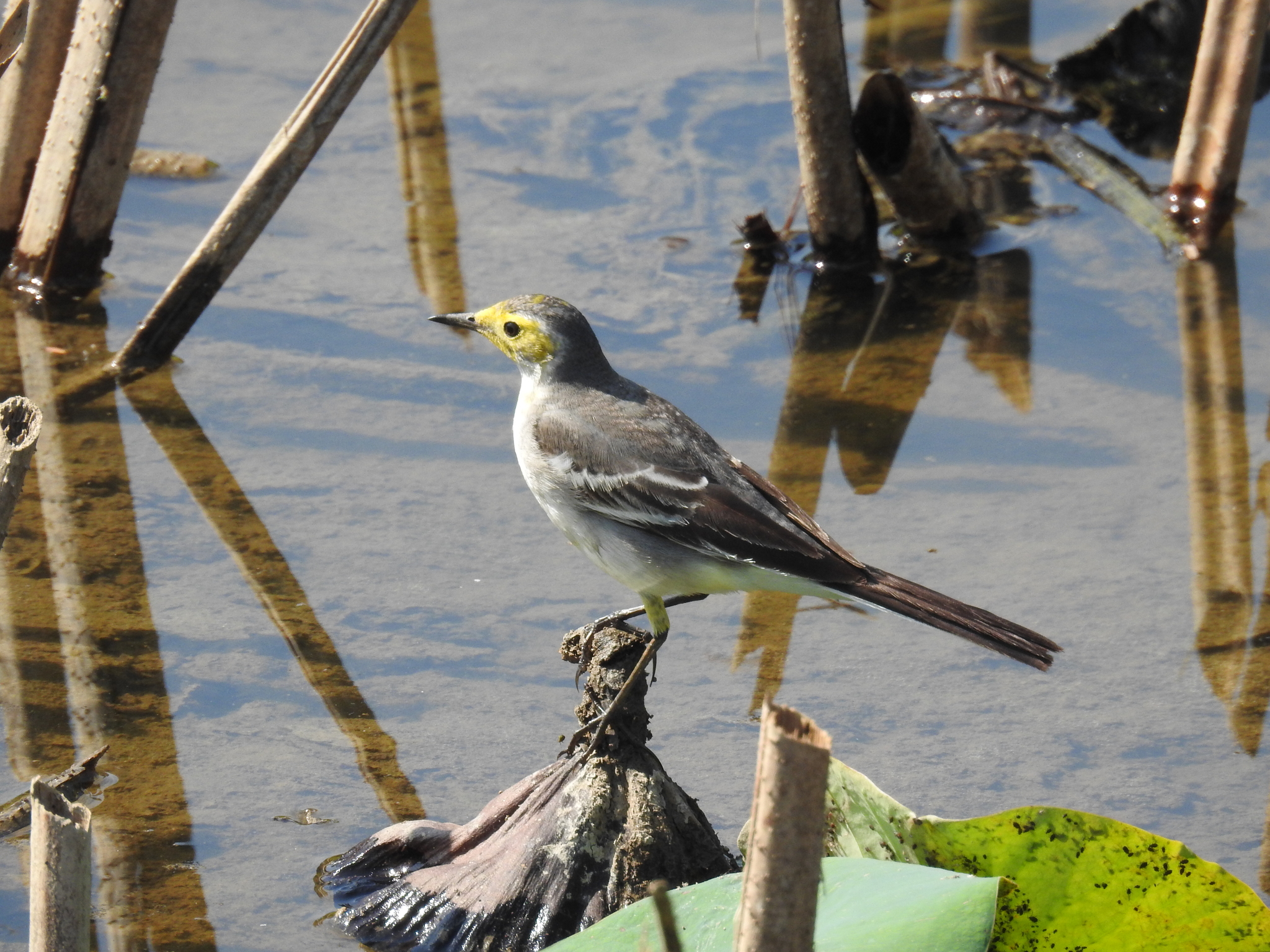
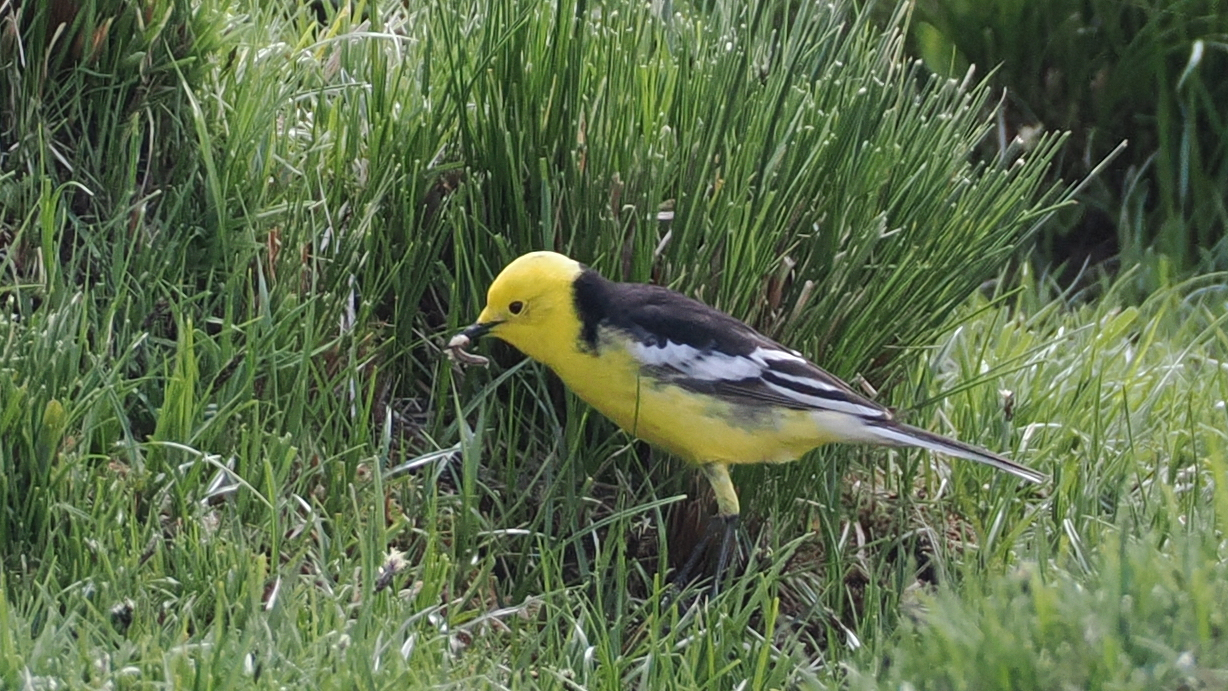
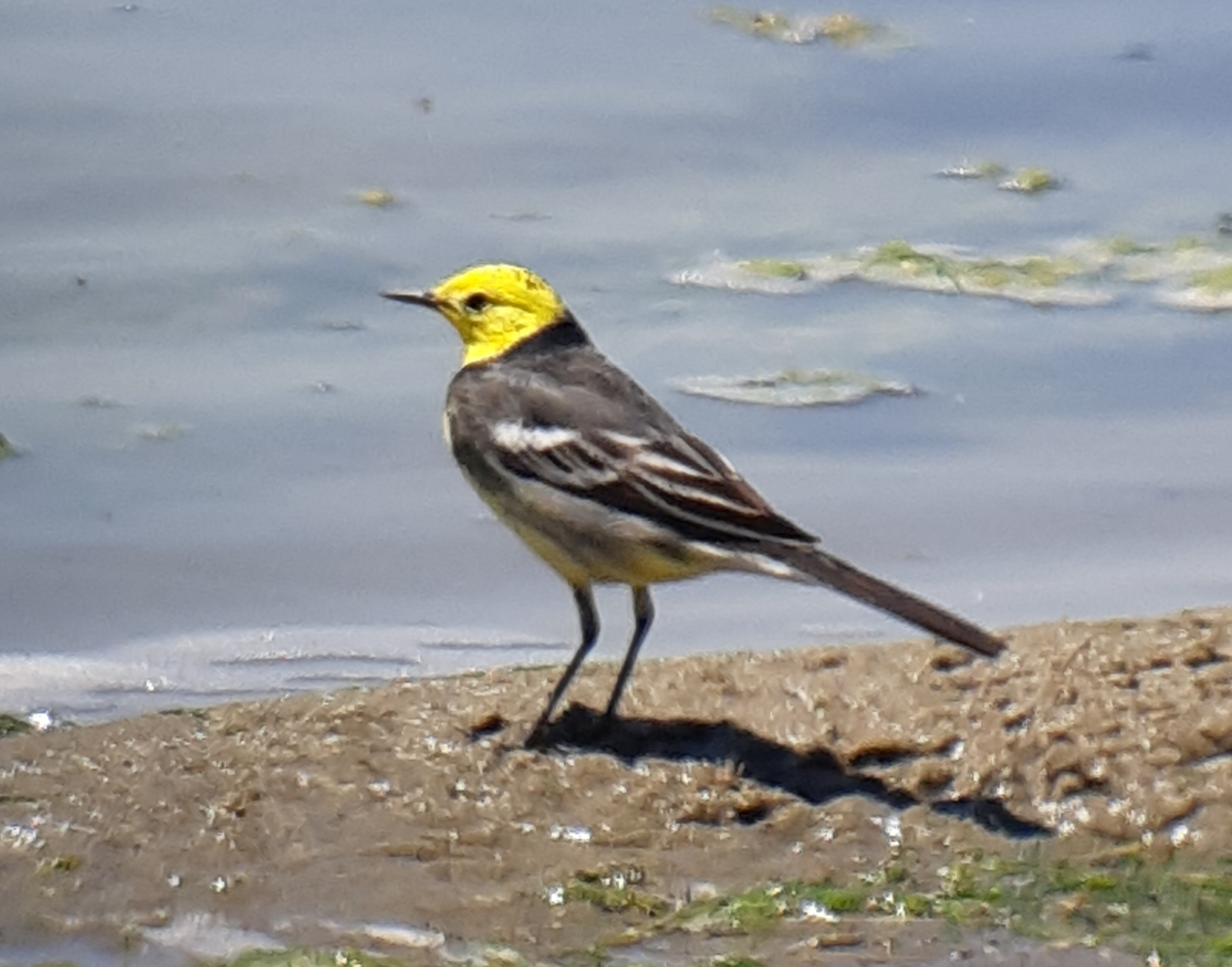
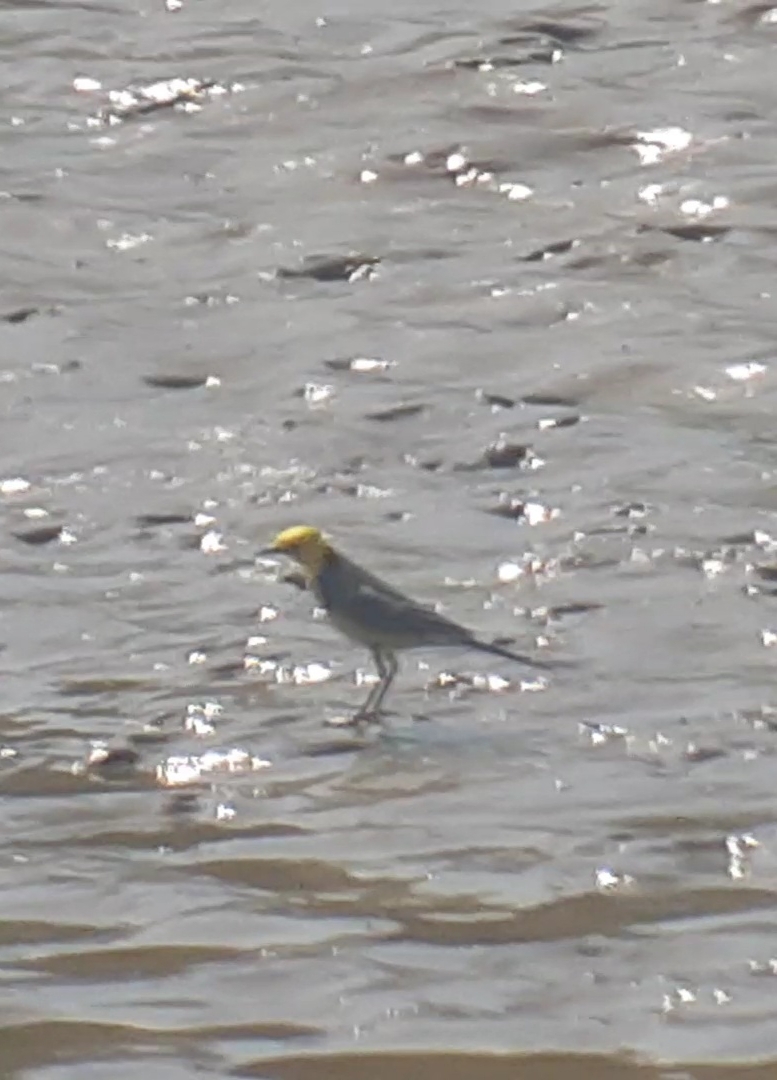
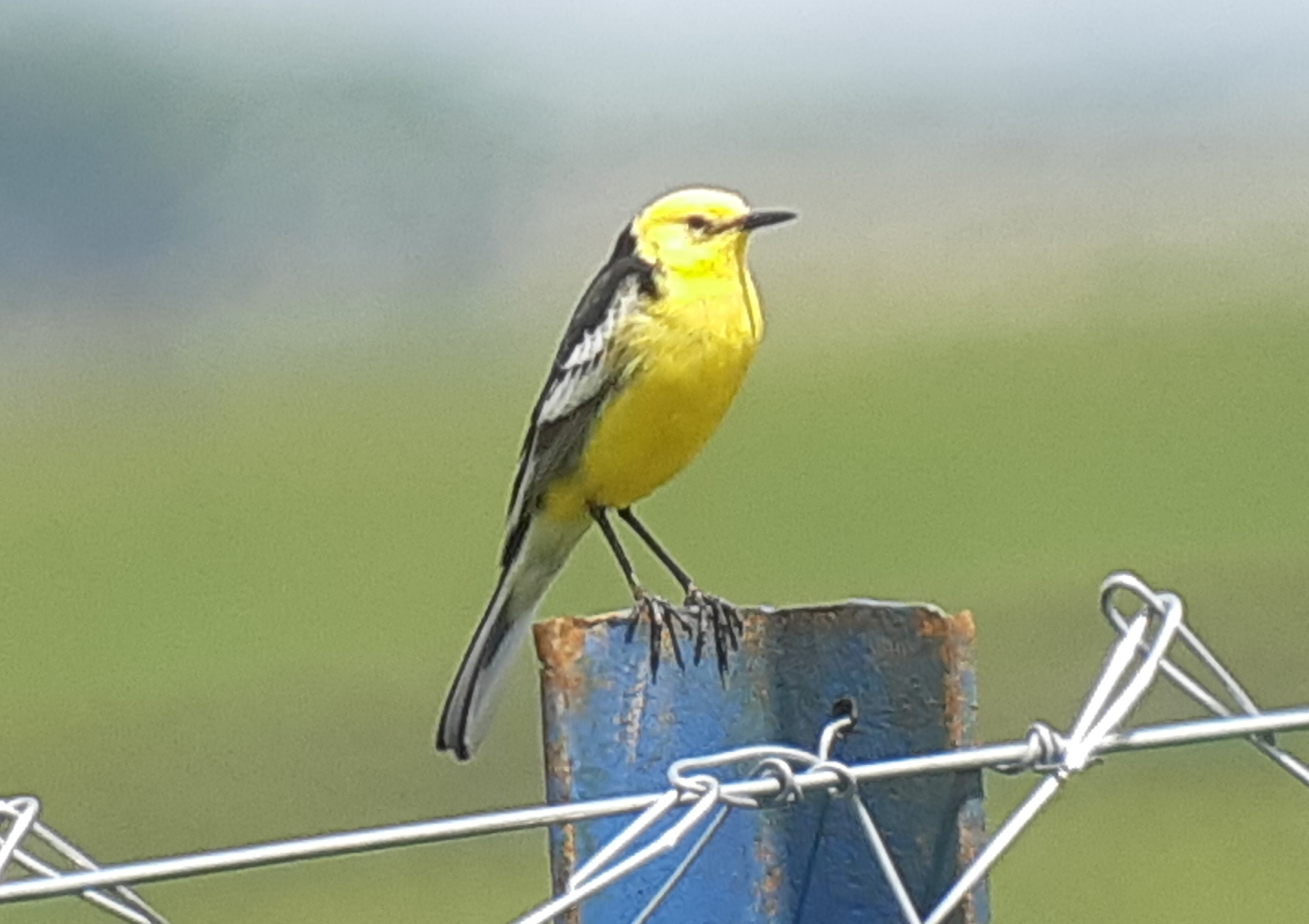
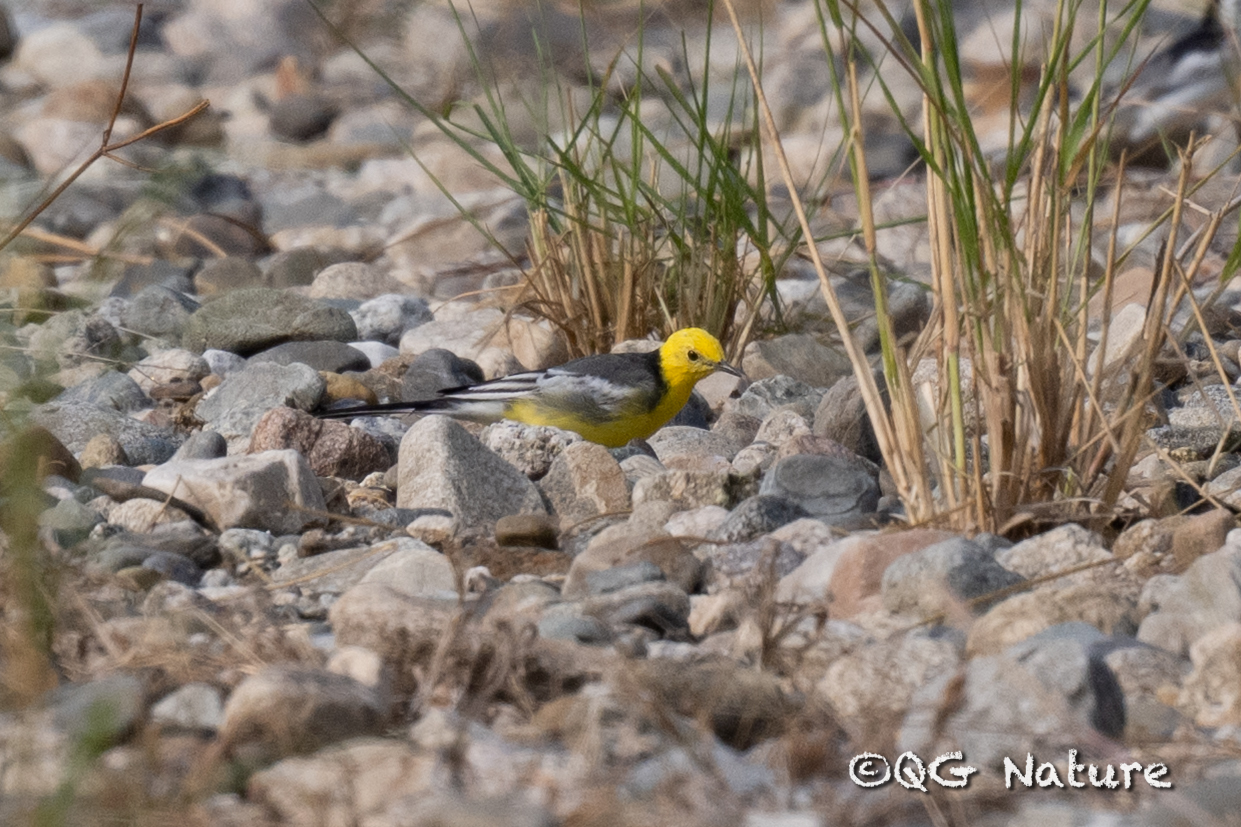
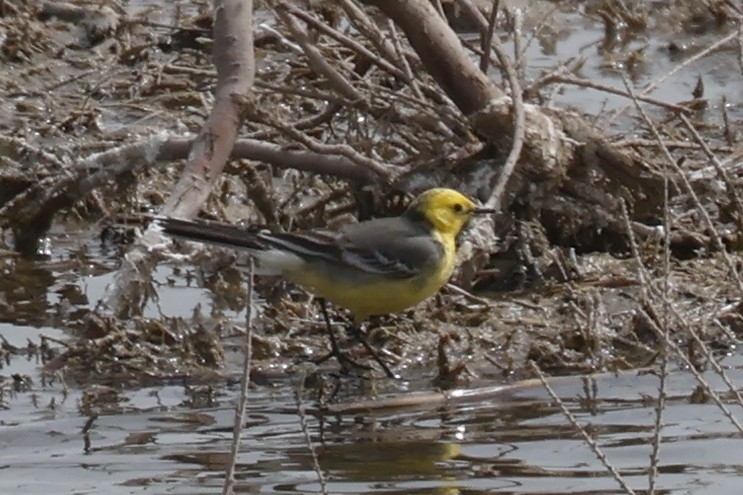
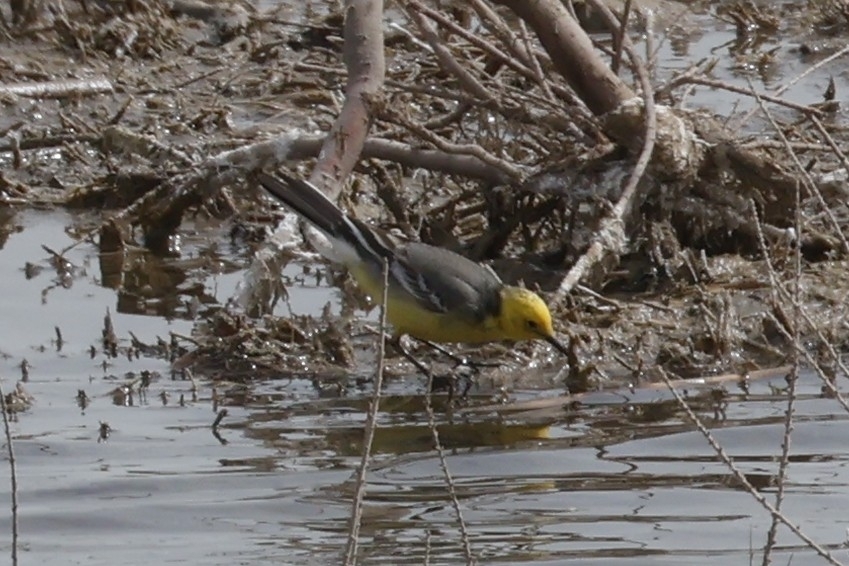
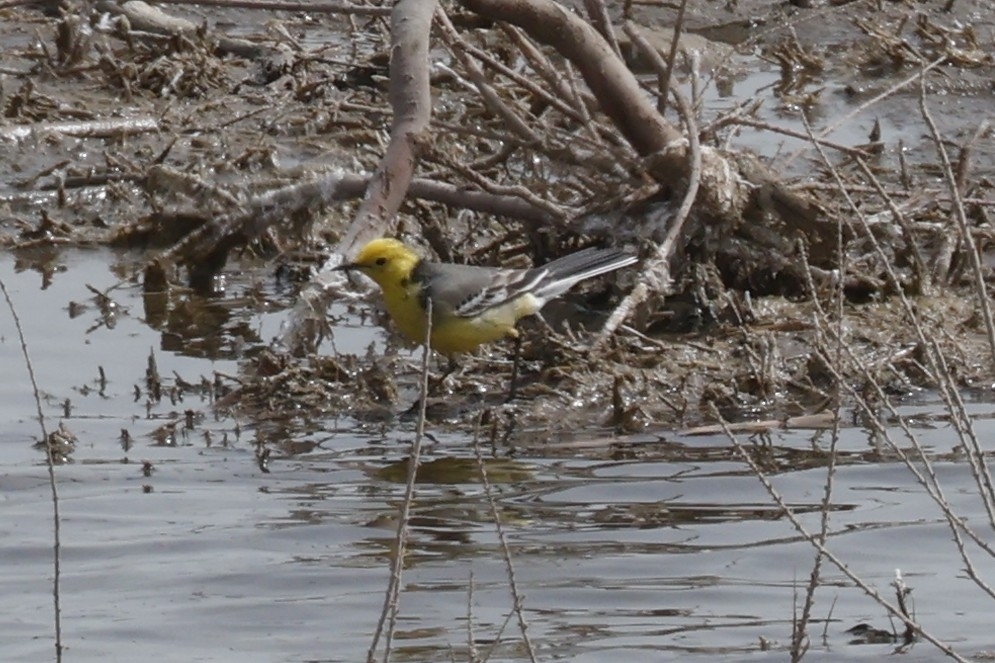
A slender, elegant wagtail measuring 15.5-17 cm in length, this species displays the distinctive long, black-and-white tail that characteristically wags constantly. Adult males in breeding plumage are predominantly grey or black above with white patches on the wing feathers, while the underparts and entire head display bright yellow plumage, save for the black nape. In winter, the yellow underparts become paler with white dilution, and the head takes on a brownish tone with a yellowish eyebrow stripe. Females resemble faded versions of winter-plumaged males, appearing overall more subdued in coloration with muted yellow tones.
Identification
This species forms part of a complex with eastern and western yellow waggails, making identification challenging. The breeding male's combination of entirely yellow head with black nape and dark upperparts helps distinguish it from yellow waggail relatives. The bright lemon-yellow coloration is more extensive than in similar species. Females and immatures are best identified by their habitat preferences and the characteristic tail-wagging behavior, though separation from yellow waggail females requires careful examination of wing patterns and head markings.
Distribution & Habitat
This species breeds throughout the central Palearctic region, occupying wet meadows and tundra habitats. It undertakes a southward migration to winter in South Asia, with a particular preference for highland areas. The species' range has been expanding progressively westward in recent decades. While still a rare visitor to western Europe, occurrences there are increasing. Individual vagrants follow established migration flyways rather than becoming lost en route, as demonstrated by records in Bhutan where passing individuals rarely linger.
Behavior & Ecology
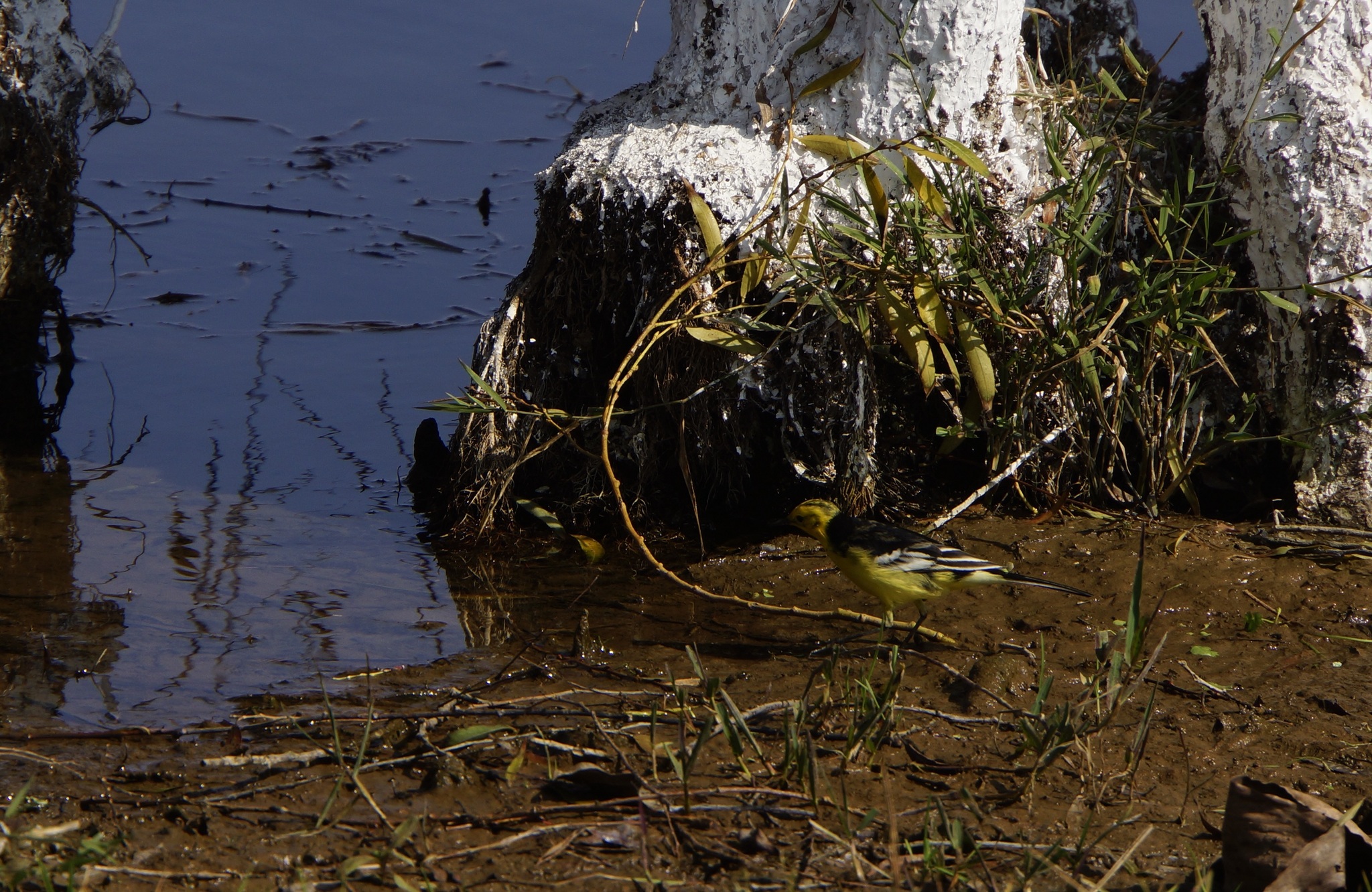
An insectivorous species inhabiting open country near water sources, particularly wet meadows and bogggy areas. It forages actively by walking or running along the ground in pursuit of insects. The species nests on the ground, constructing a well-concealed cup nest among vegetation. Clutches typically contain 4-5 speckled eggs. No specific vocalization information is provided, though like other waggails it likely produces thin, high-pitched calls.
Source: Wikipedia · CC BY-SA 3.0
Taxonomy
- Order
- Passeriformes
- Family
- Motacillidae
- Genus
- Motacilla
- eBird Code
- citwag
Subspecies (2)
-
Motacilla citreola calcarata
breeds eastern Iran to northern Afghanistan, Tibet, southern China, and Myanmar; winters to Indian subcontinent and southeastern Asia
-
Motacilla citreola citreola
breeds northern and eastern Europe eastward to central Siberia, Mongolia, and northeastern China; winters to Indian subcontinent and southeastern Asia
Data Sources
Species description from Wikipedia, licensed under CC BY-SA 3.0.
Bird images and sounds sourced from GBIF, contributed by citizen scientists worldwide under Creative Commons licenses.
Taxonomy data from AviList 2025.