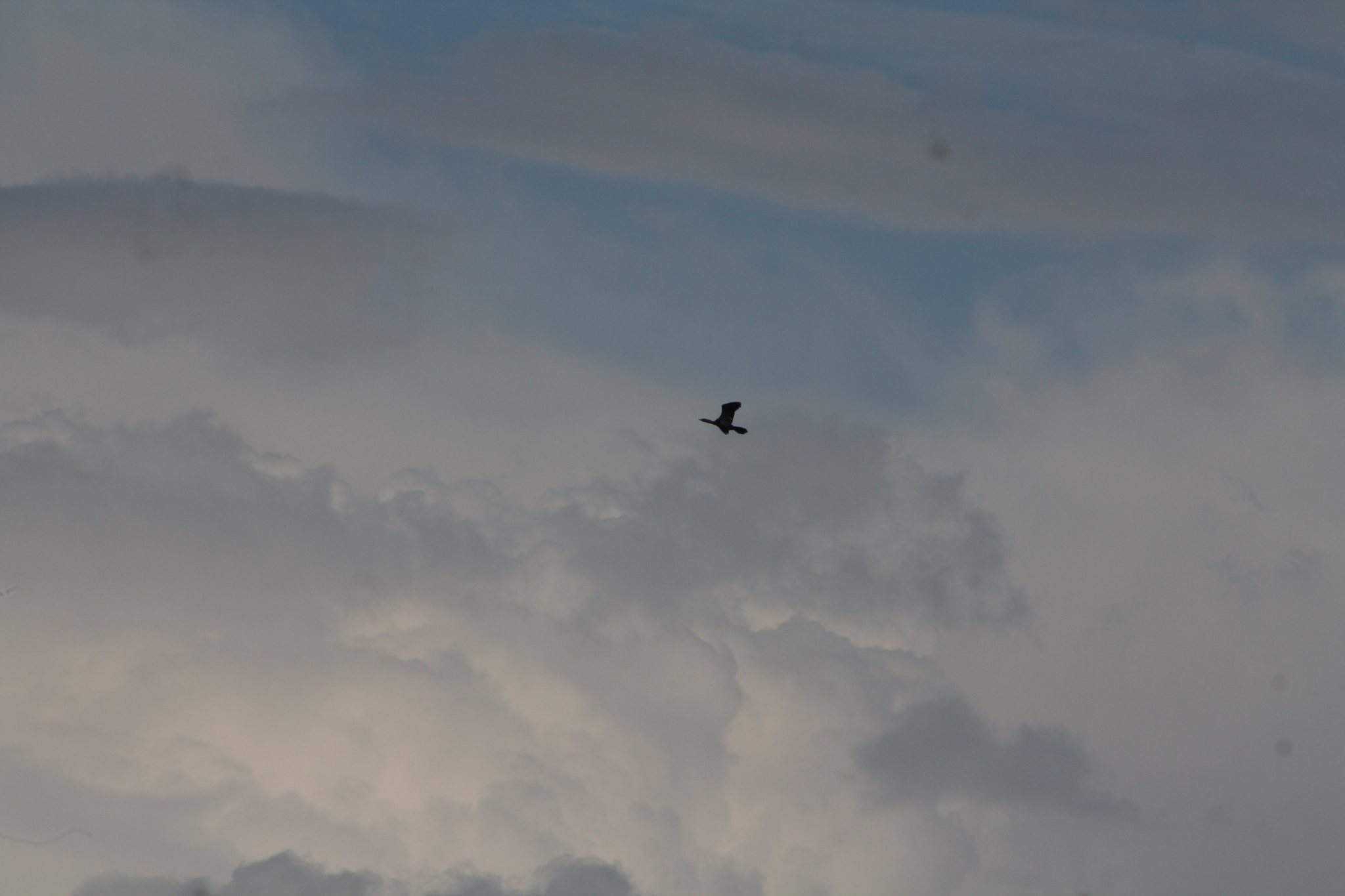
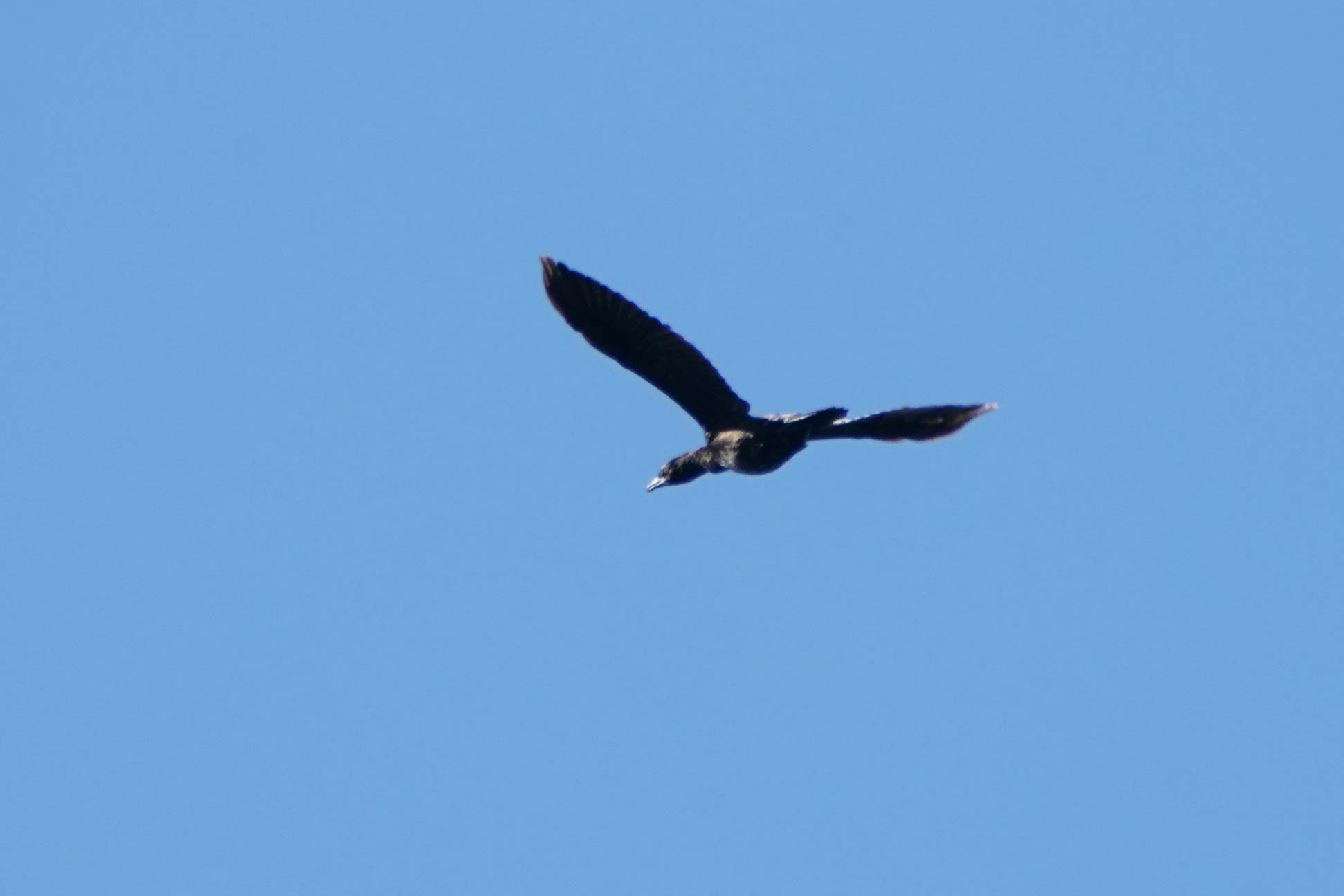
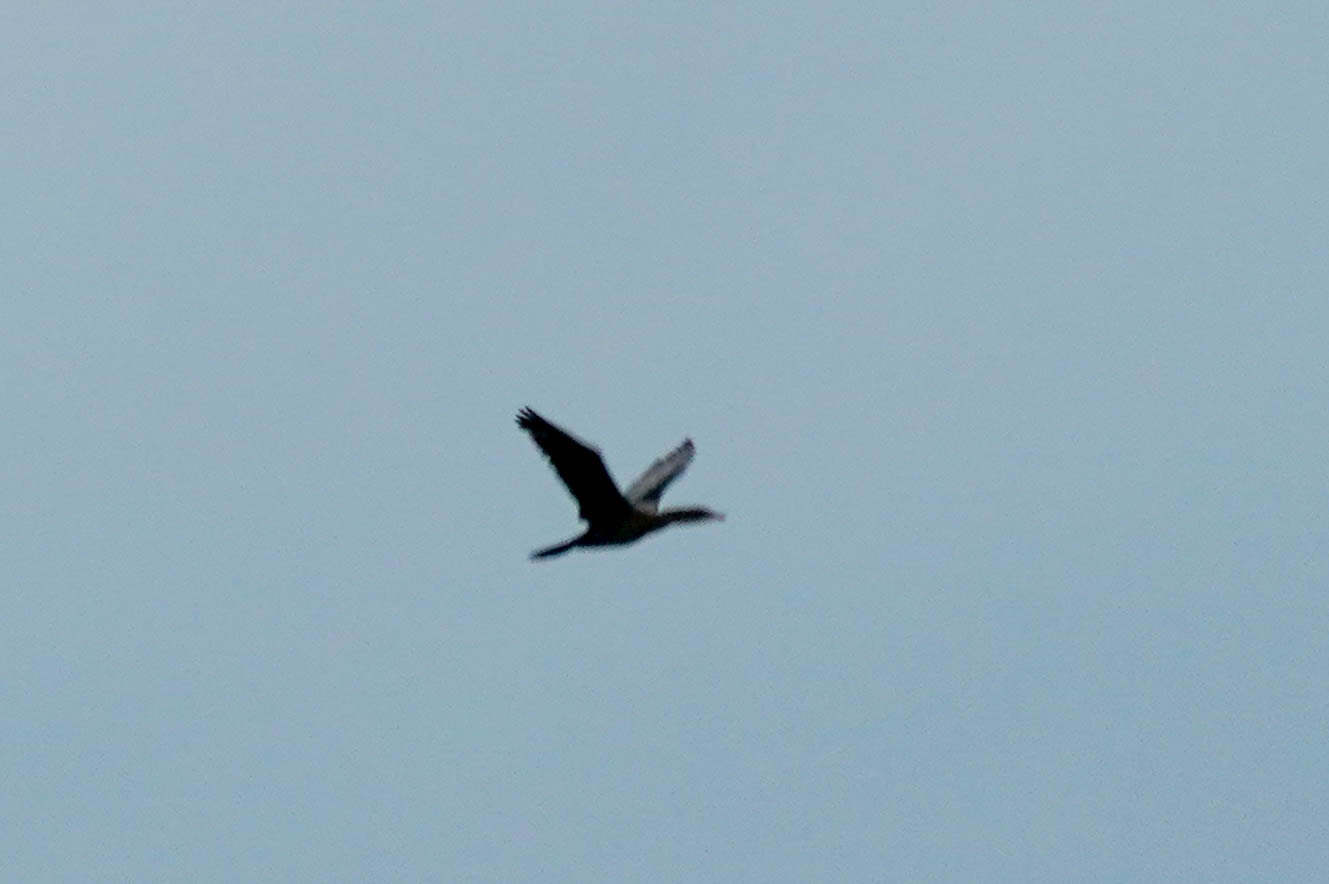
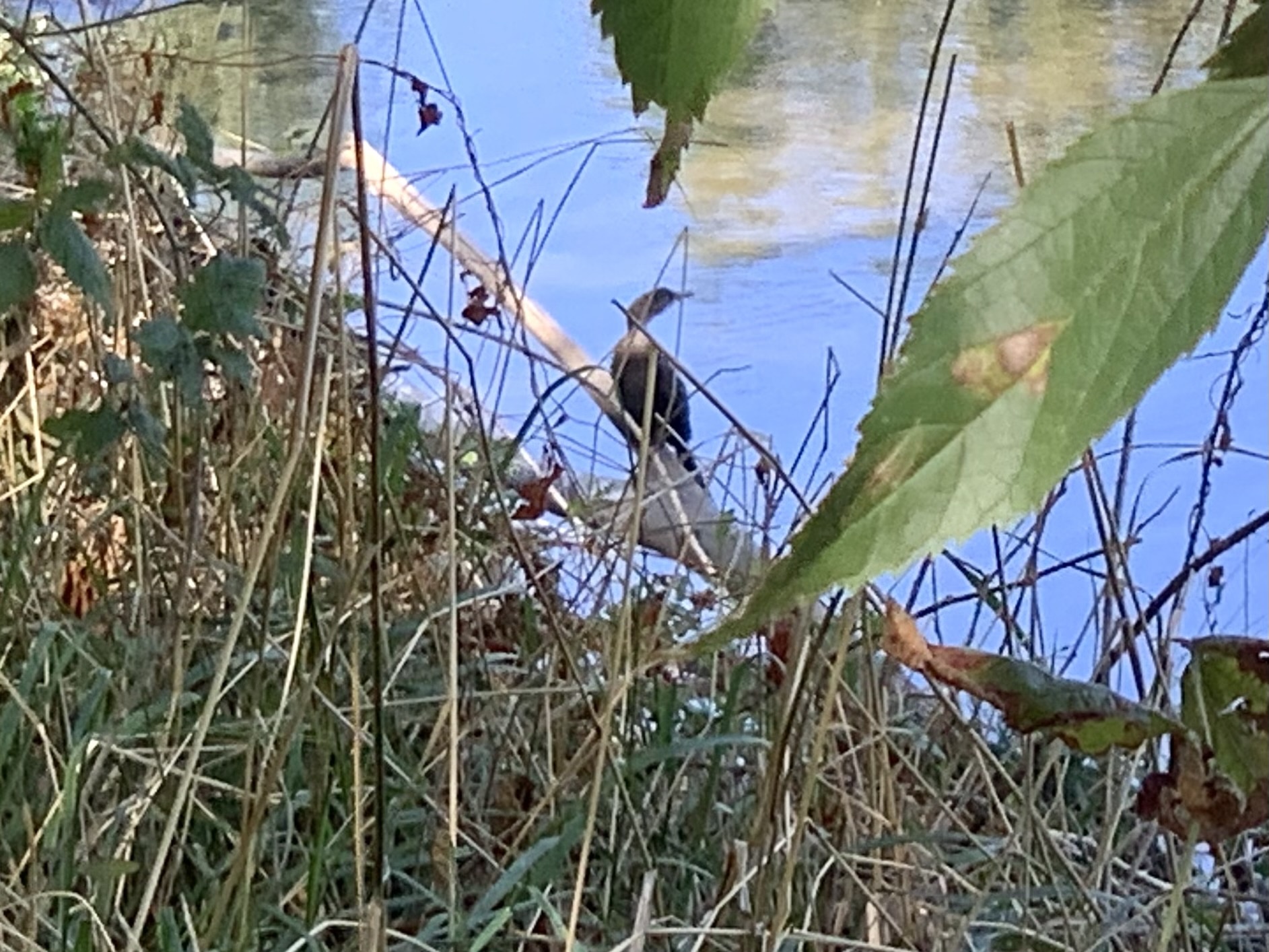
Pygmy Cormorant
Microcarbo pygmaeus
侏鸬鹚
Introduction
A small waterbird in the Phalacrocoracidae family. Breeds in southeastern Europe and southwestern Asia, from east of Italy east to Kazakhstan, Tajikistan, Turkmenistan, and Uzbekistan. Populations in the northern parts of its range are partially migratory, wintering further south within the breeding range. Rare vagrant to western Europe. Classified as Vulnerable on the IUCN Red List due to wetland drainage, habitat degradation, and other threats. Global population estimated at 85,000-180,000 individuals, with 74-94% occurring in Europe.
Description
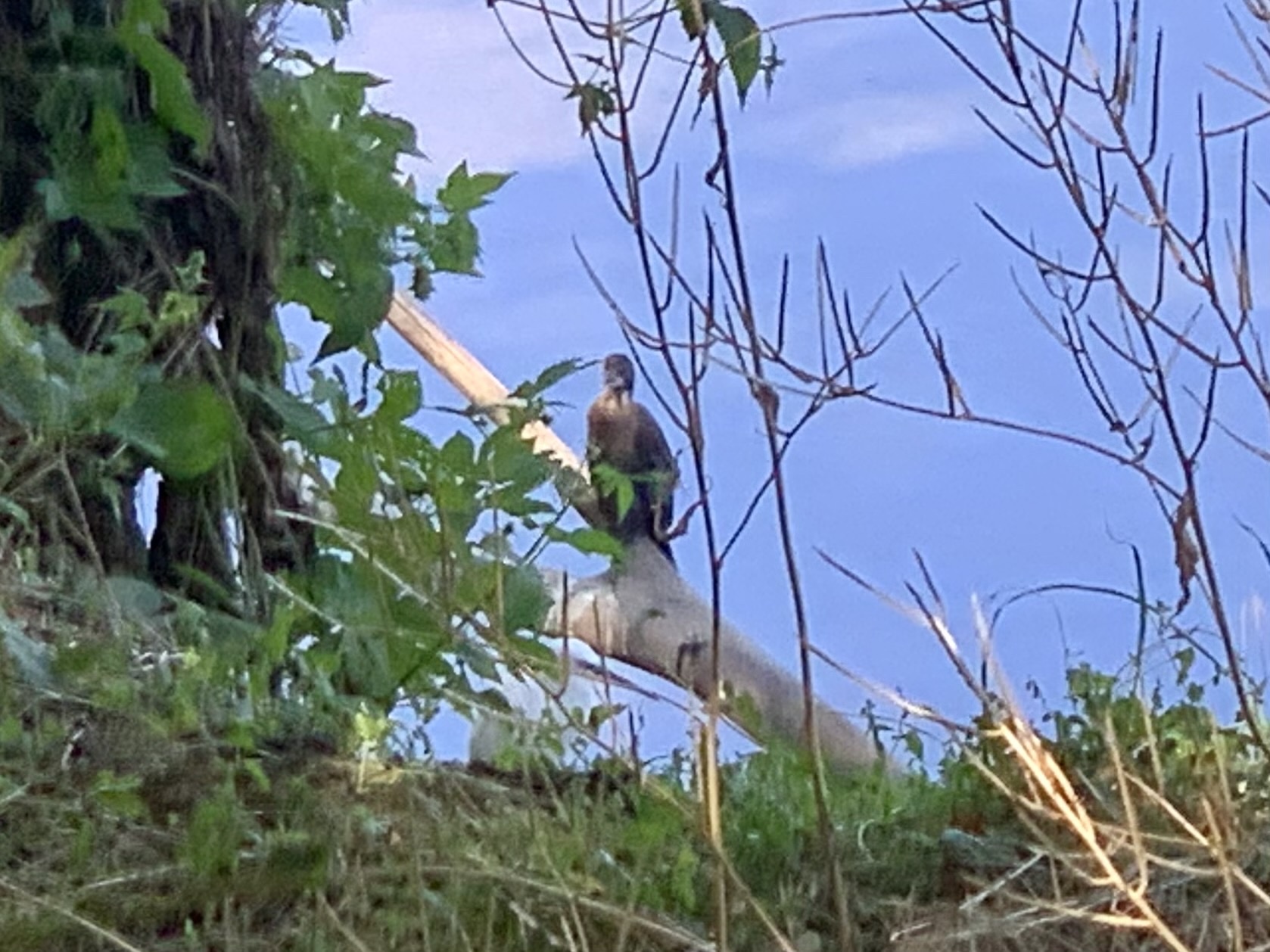
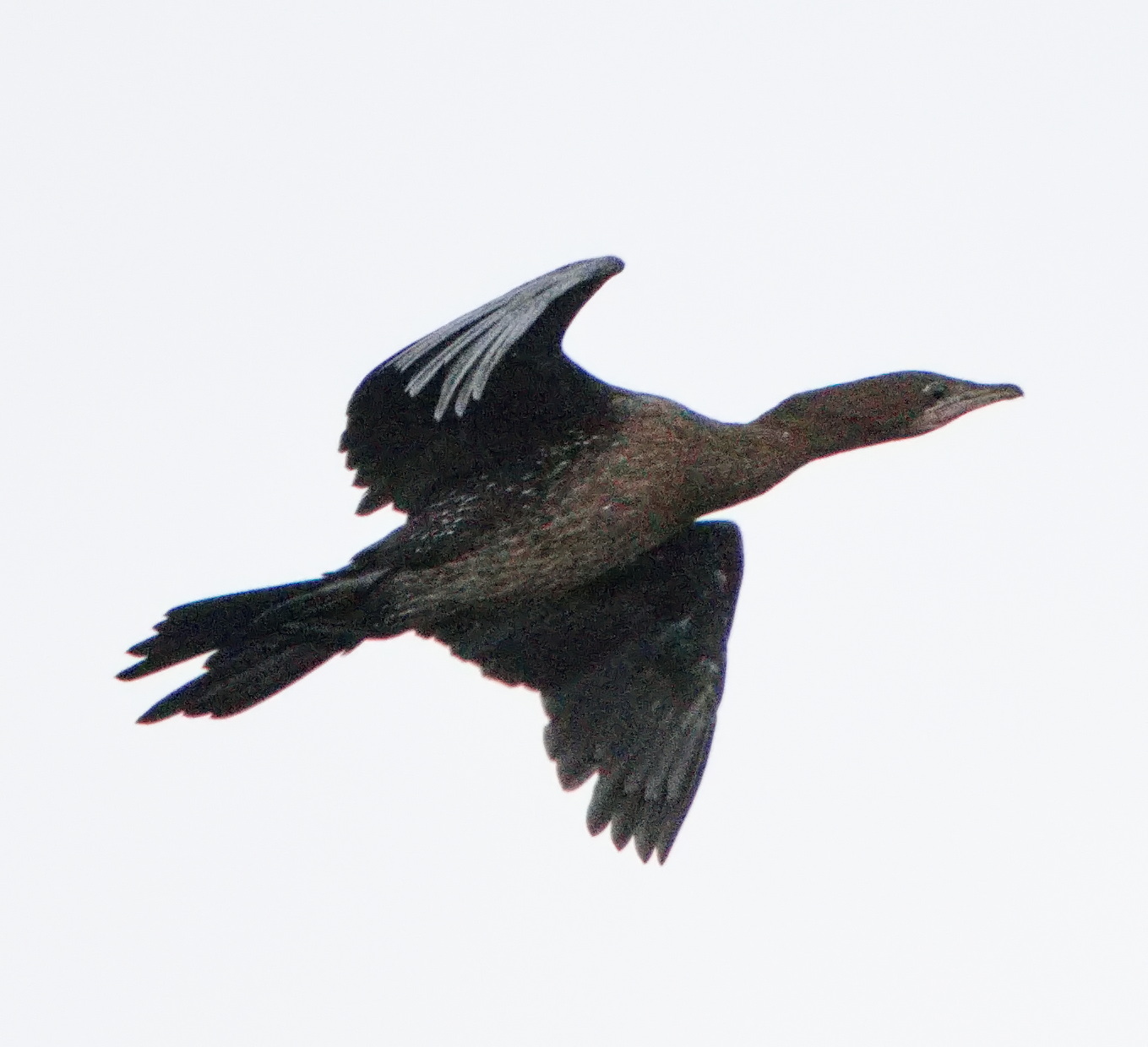
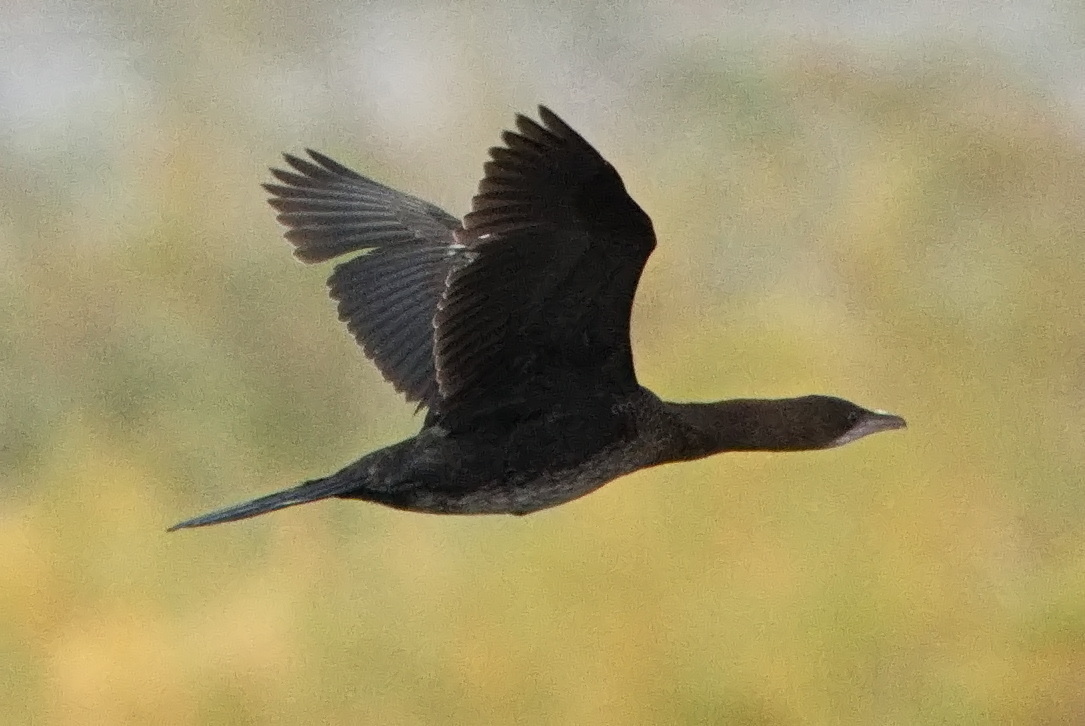
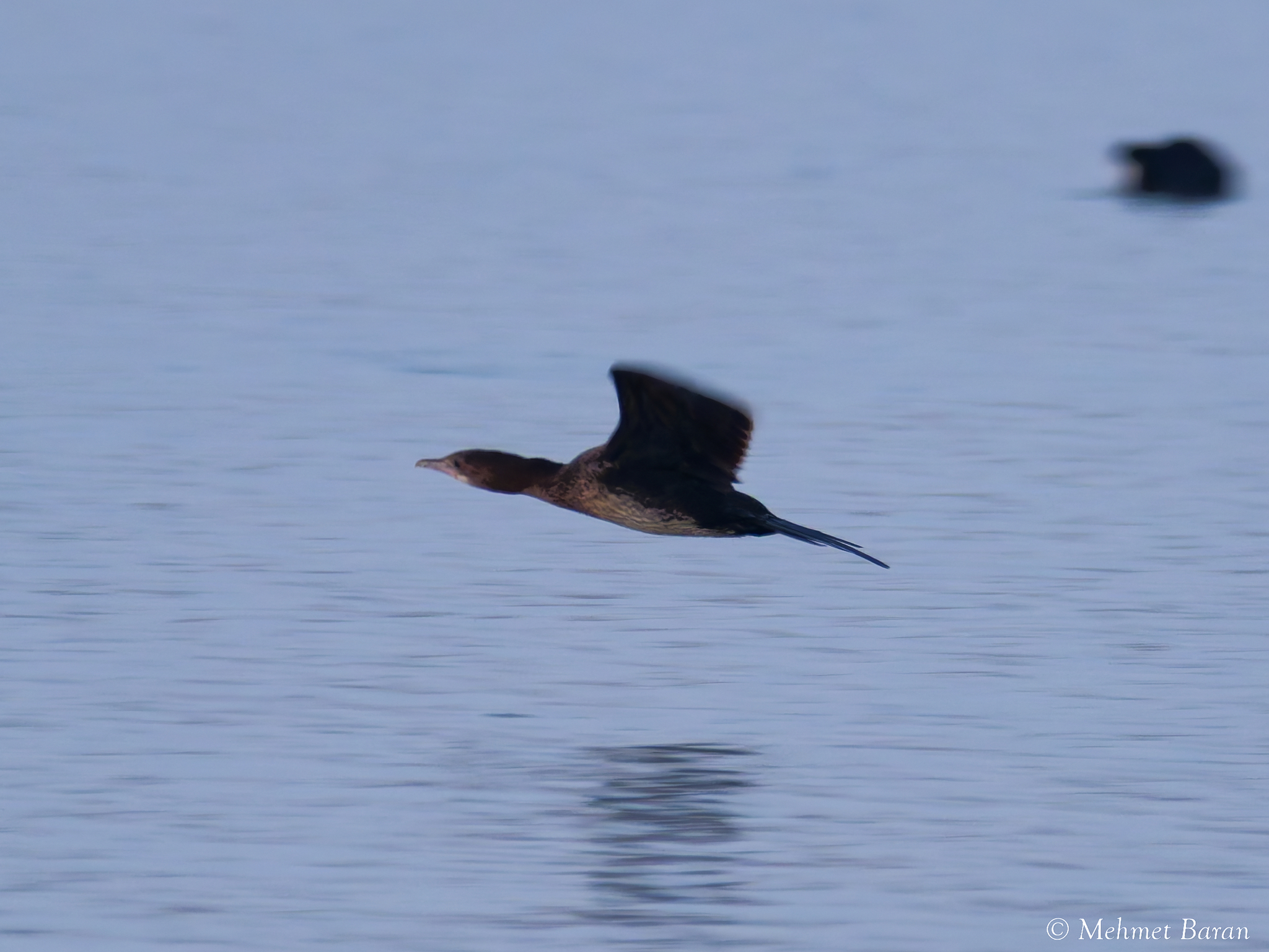
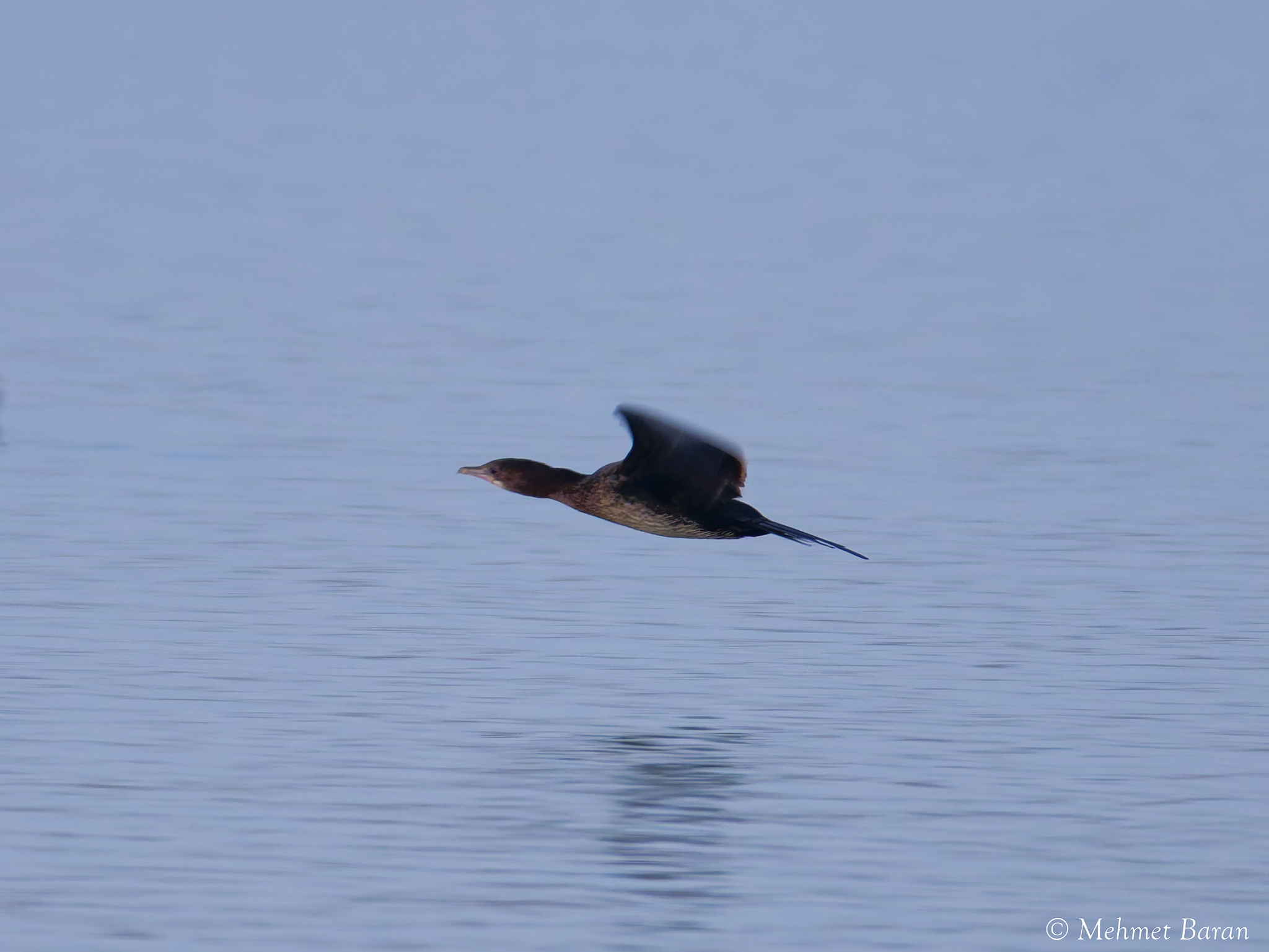
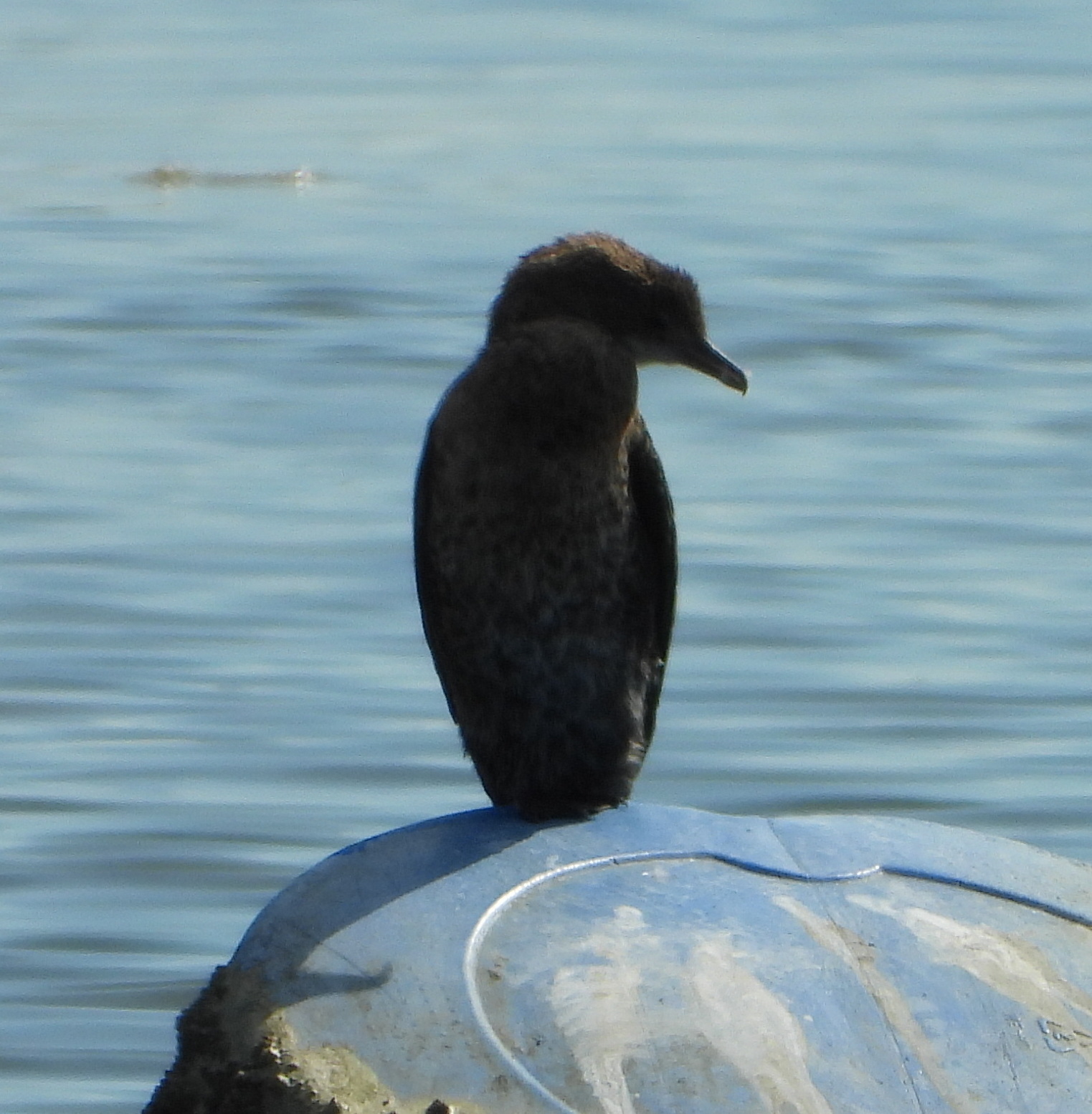
A small cormorant with a length of 64-78 cm, characterized by its lighter build and notably long tail. The plumage is dark overall. Compared to other cormorants, it appears more delicate and compact in structure.
Identification
Distinguished from the great cormorant and common shag by its much smaller size, lighter build, and long tail. These combination of traits make it relatively straightforward to identify when seen alongside larger cormorant species.
Distribution & Habitat
Occurs from southeastern Europe (east of Italy) through the Balkan countries, Turkey, Cyprus, and southwestern Asia including Iran, Iraq (Tigris-Euphrates river system), Azerbaijan, Palestine, and Syria, east to Central Asian republics. The largest European populations are found in Albania, Greece, Bulgaria, Romania, and the Danube Delta, which hosts the largest colony of approximately 4,000 pairs. Romania supports 11,500-14,000 breeding pairs and 1,500-4,000 wintering individuals.
Behavior & Ecology
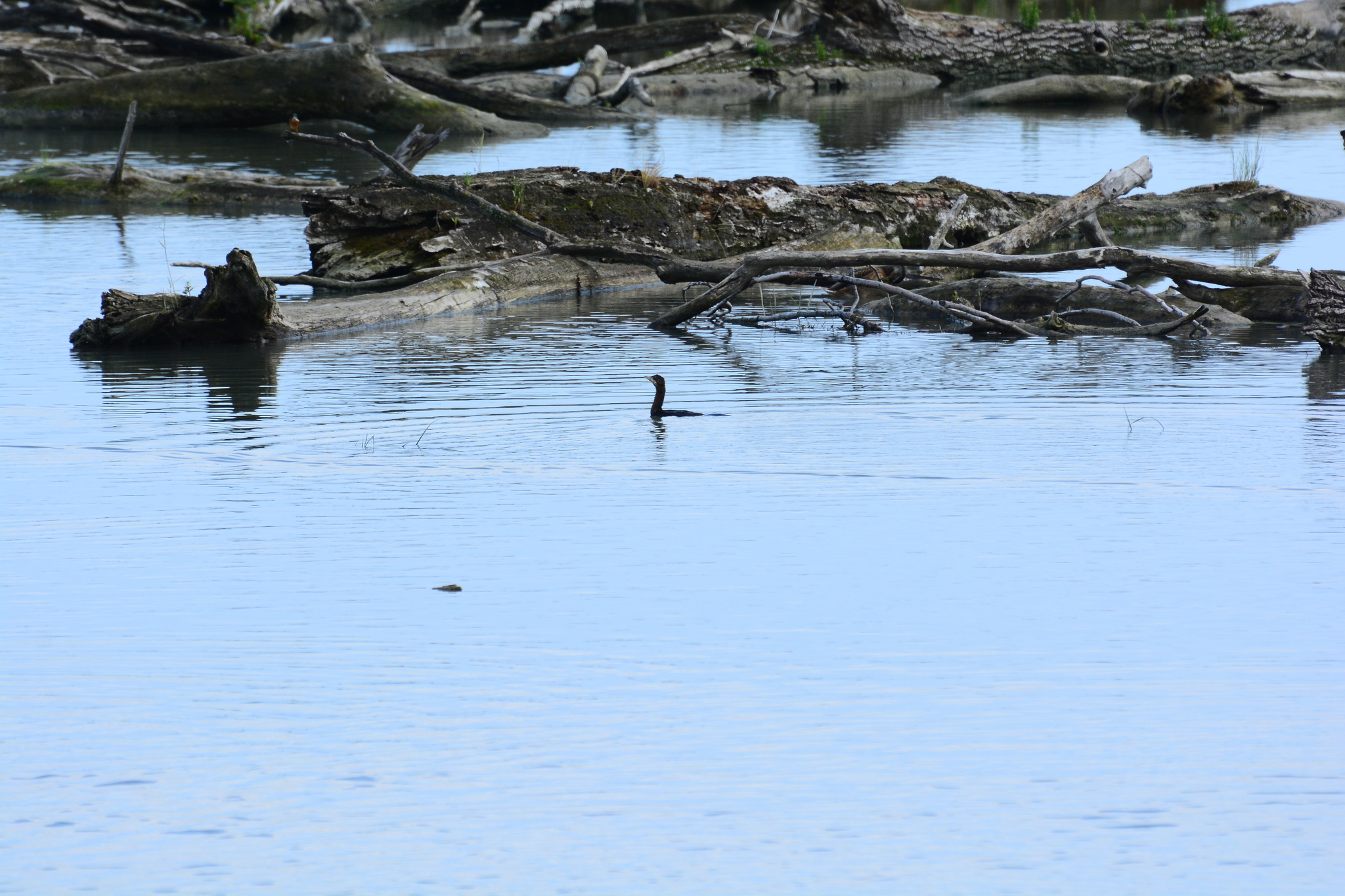
Inhabits pools with abundant vegetation, lakes, and river deltas; avoids mountainous, cold, and dry areas. Frequently uses rice fields and other flooded areas with trees and shrubs. During winter, occurs in estuaries and barrier lakes with higher salinity. Nests in dense vegetation, trees, shrubs, and willows, occasionally in reeds on small floating islets. Both parents incubate for 27-30 days; young become independent after 70 days. Feeds mainly on small fish and aquatic animals, often hunting in groups. Frequently shares habitat with egrets, herons, and spoonbills. Perches in trees between feeding bouts.
Conservation
Classified as Vulnerable on the IUCN Red List. The global population is estimated at 85,000-180,000 individuals (Wetlands International, 2006). Major threats include drainage and degradation of wetlands and associated woodlands, water pollution, human disturbance, poaching, and drowning in fishing nets. The species is persecuted by fishermen due to perceived competition for fish and damage to nets. In Romania, agricultural drainage projects in the 1960s caused significant population declines. A canalization scheme in the Danube Delta, commenced in 2004 despite protected status, poses ongoing threat to the largest colony. Also hunted for recreation and commercially traded in Iran. Listed in Annex I of the EU Birds Directive and covered by AEWA.
Culture
In Iran, the species is commercially traded for cooking purposes. No other significant cultural or folklore associations noted.
Source: Wikipedia · CC BY-SA 3.0
Taxonomy
- Order
- Suliformes
- Family
- Phalacrocoracidae
- Genus
- Microcarbo
- eBird Code
- pygcor2
Distribution
inland lakes and rivers of southeastern Europe to central Asia
Data Sources
Species description from Wikipedia, licensed under CC BY-SA 3.0.
Bird images and sounds sourced from GBIF, contributed by citizen scientists worldwide under Creative Commons licenses.
Taxonomy data from AviList 2025.