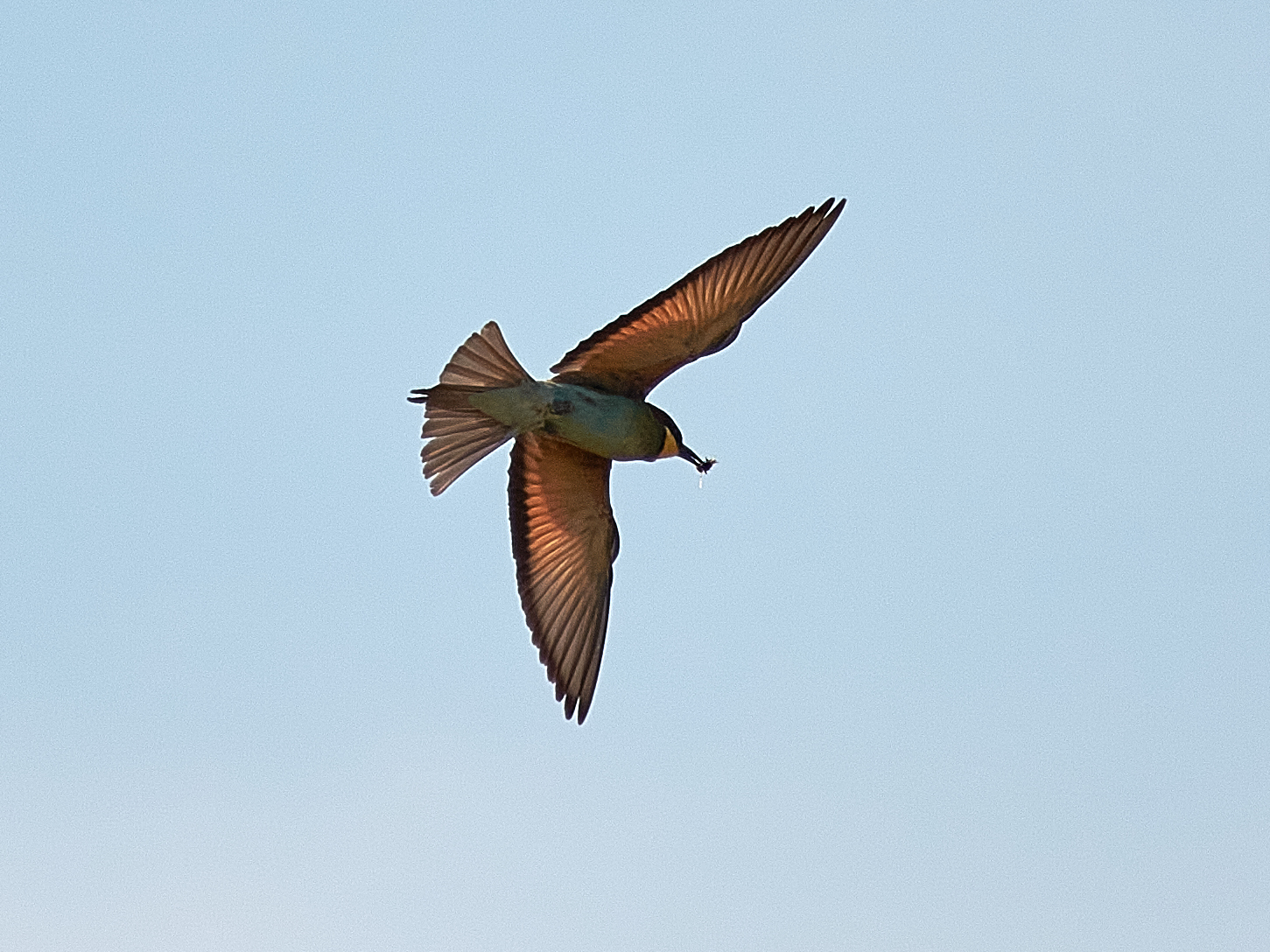
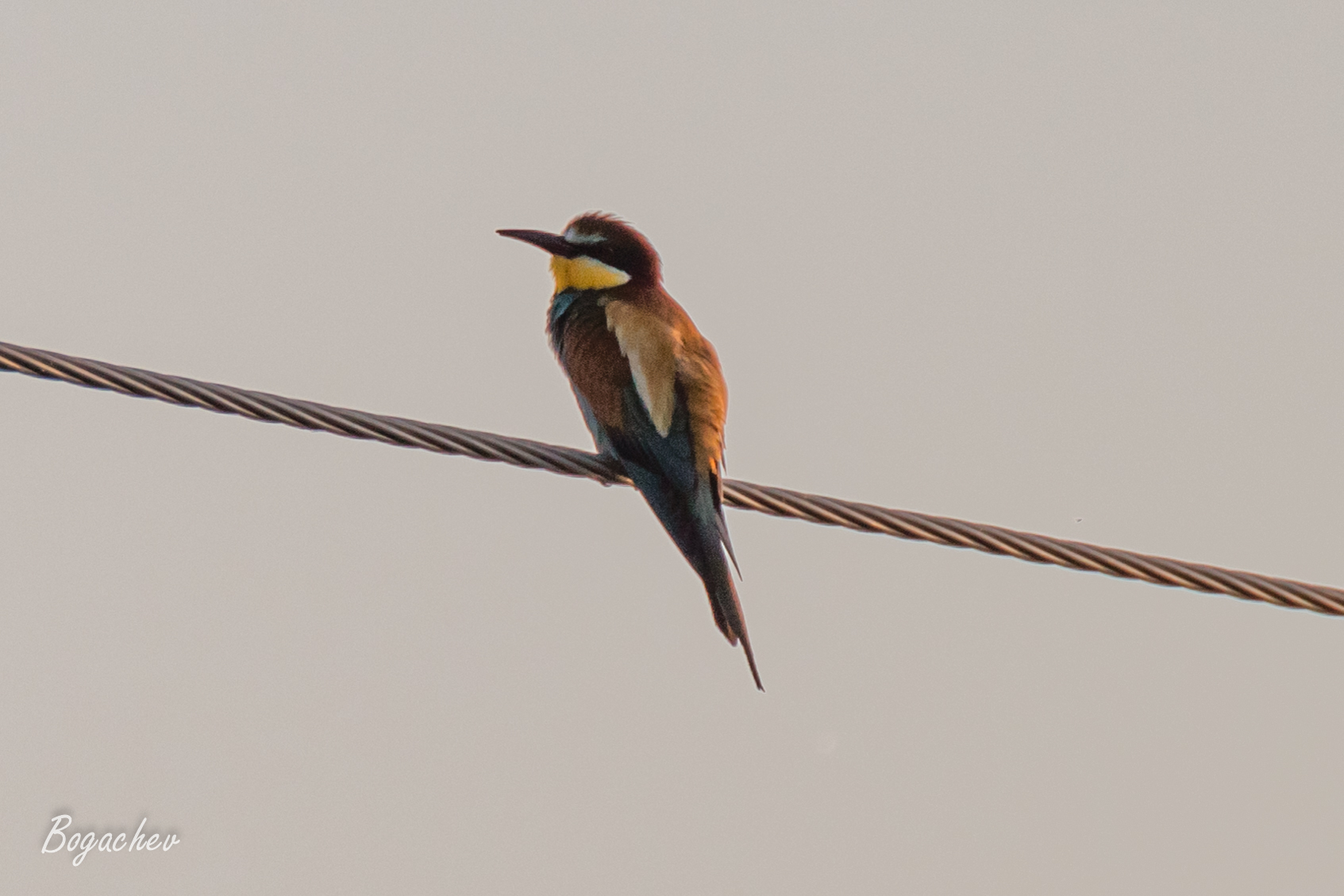
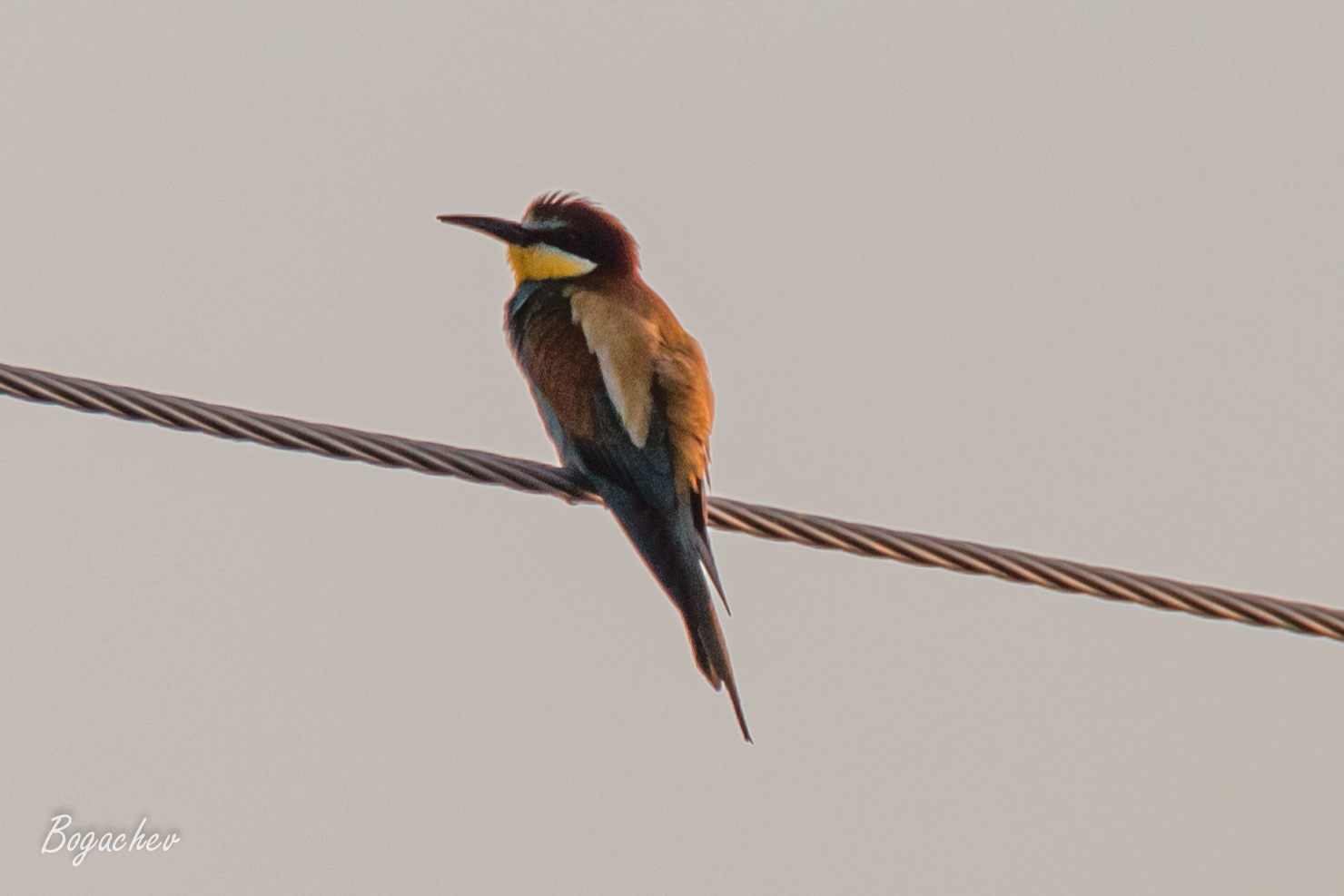
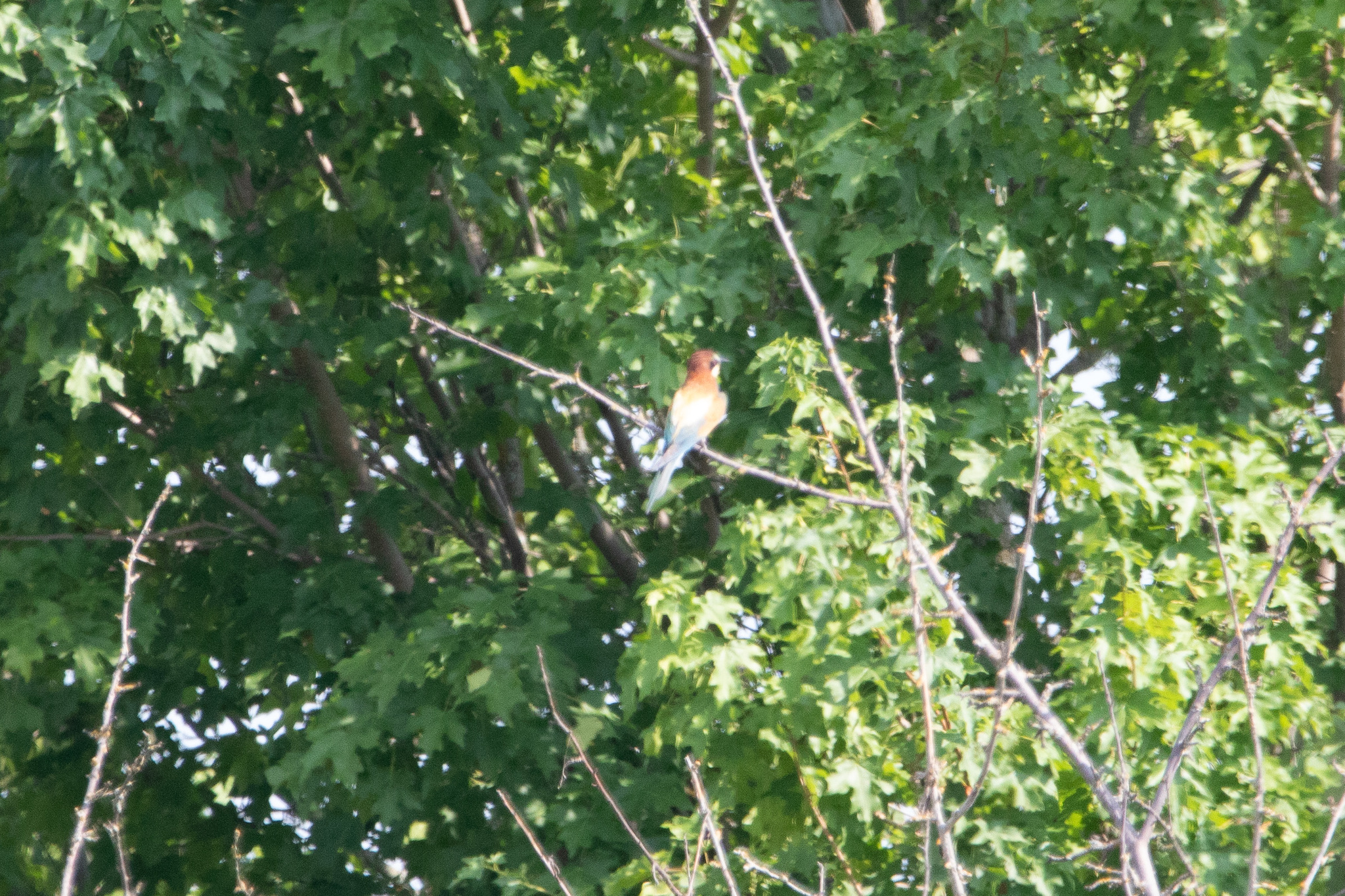
European Bee-eater
Merops apiaster
黄喉蜂虎
Introduction
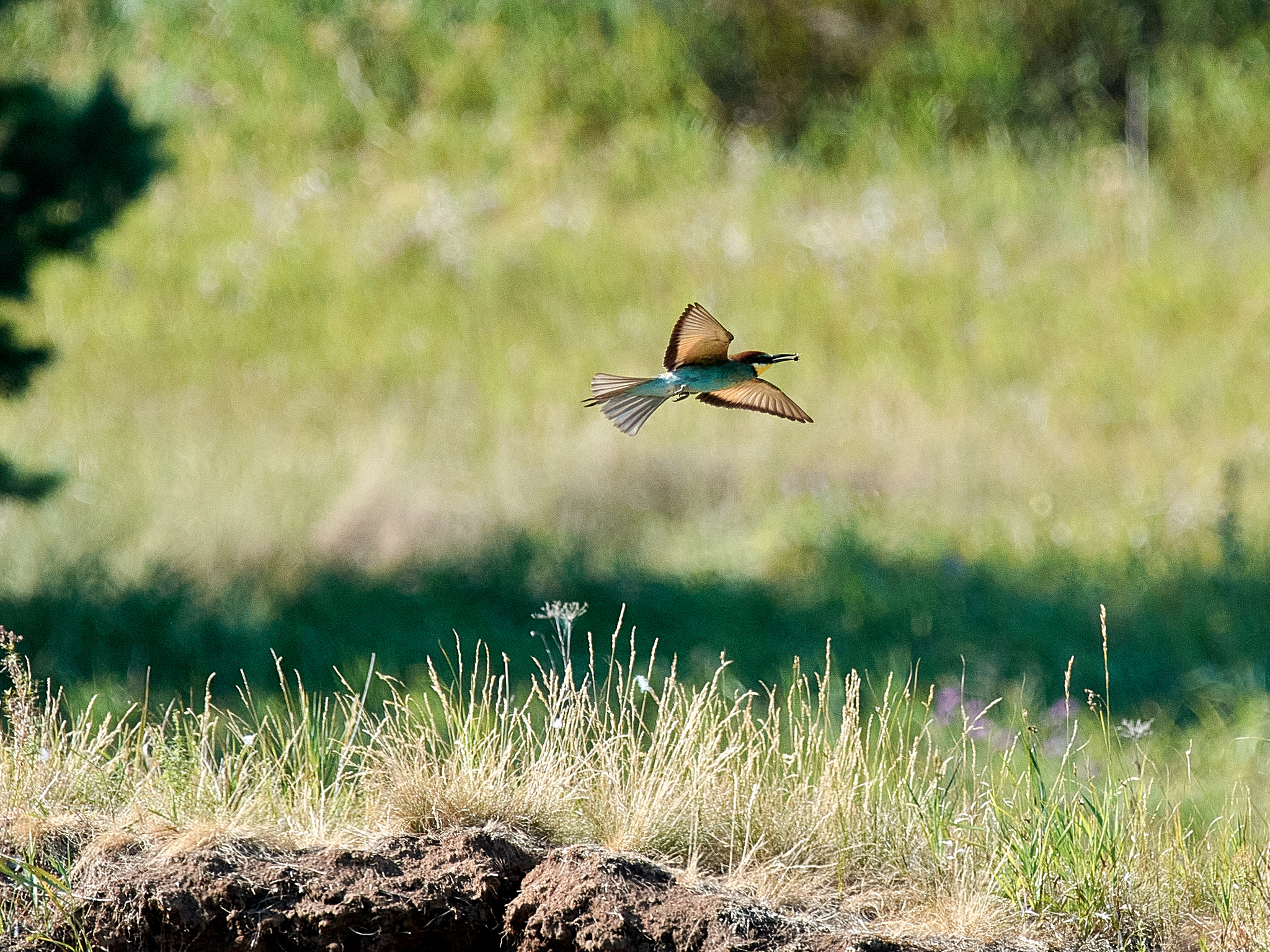
A bird species in the bee-eater family, Meropidae. It breeds in southern and central Europe, northern and southern Africa, and western Asia. Except for the resident southern African population, this species is strongly migratory, wintering in tropical Africa. It occurs as a spring overshoot north of its usual range, with occasional breeding in northern Europe. The species predominantly eats insects, especially bees, wasps, and hornets, catching them in flight from open perches and removing the sting before consumption.
Description
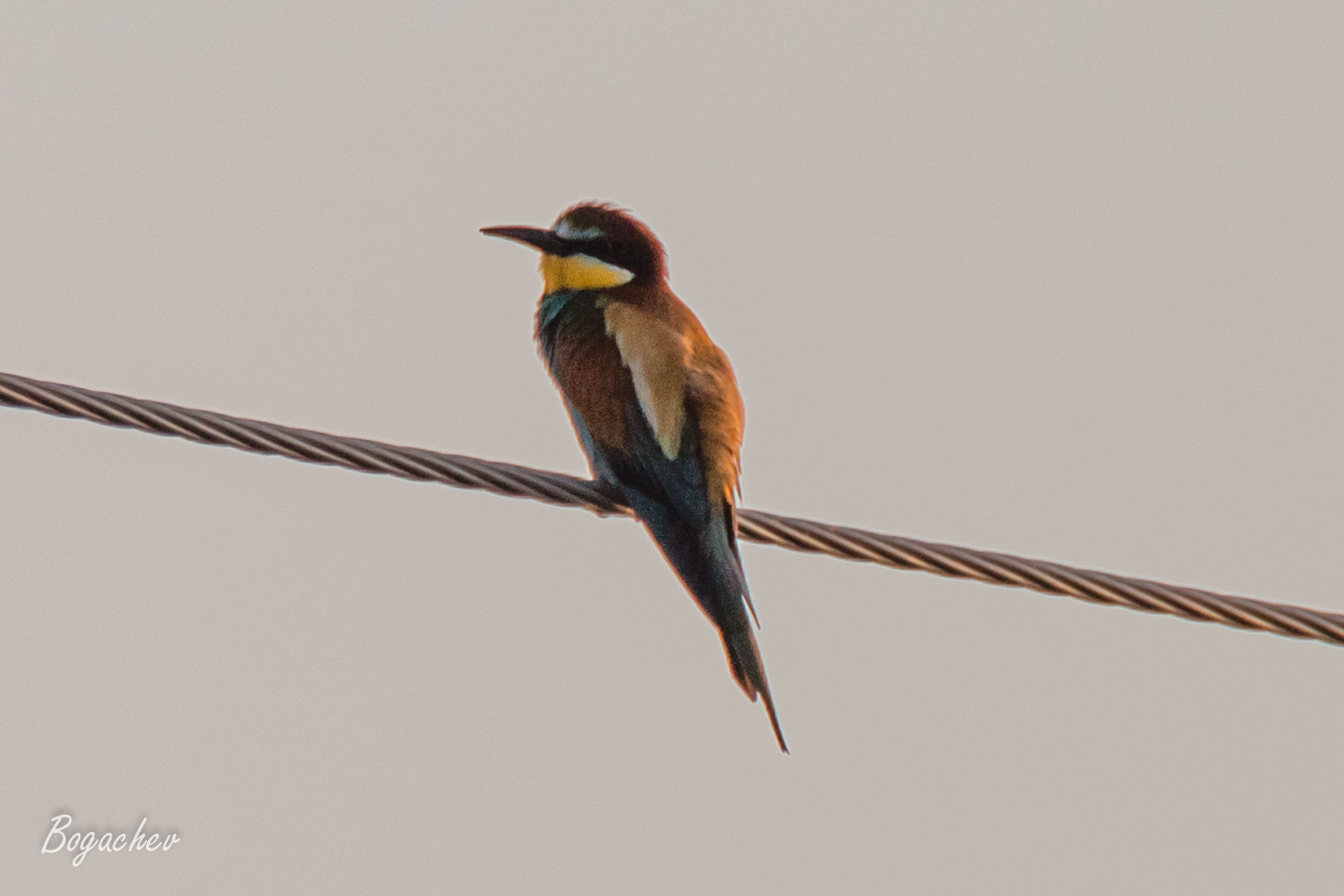
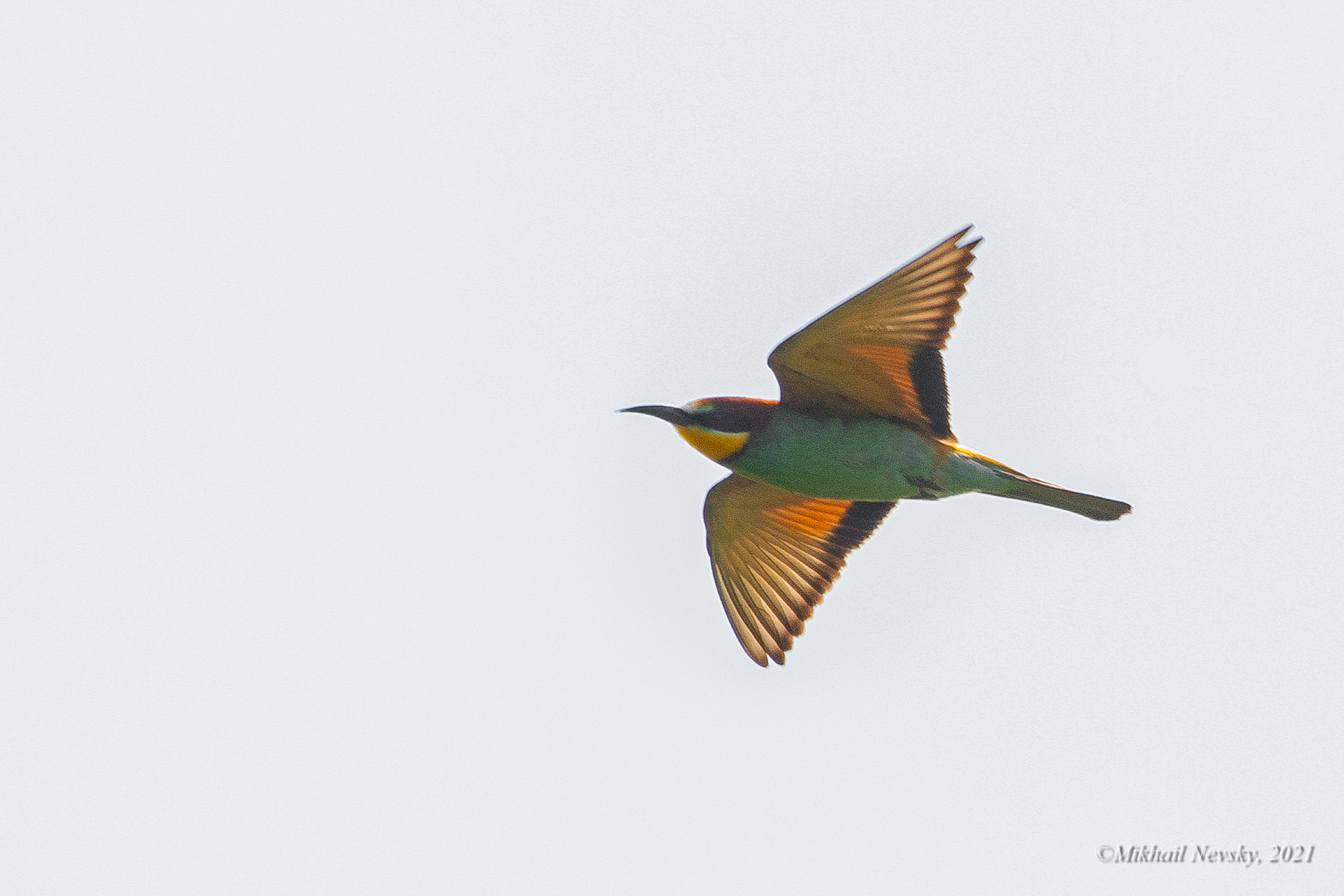
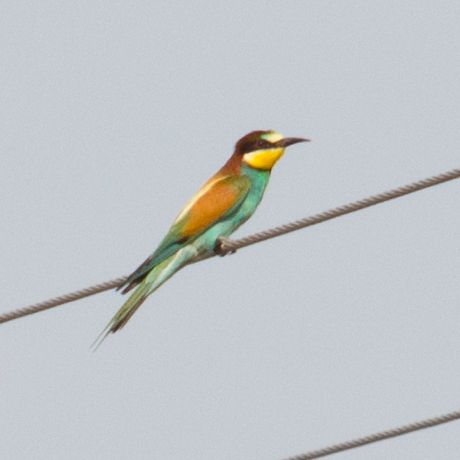
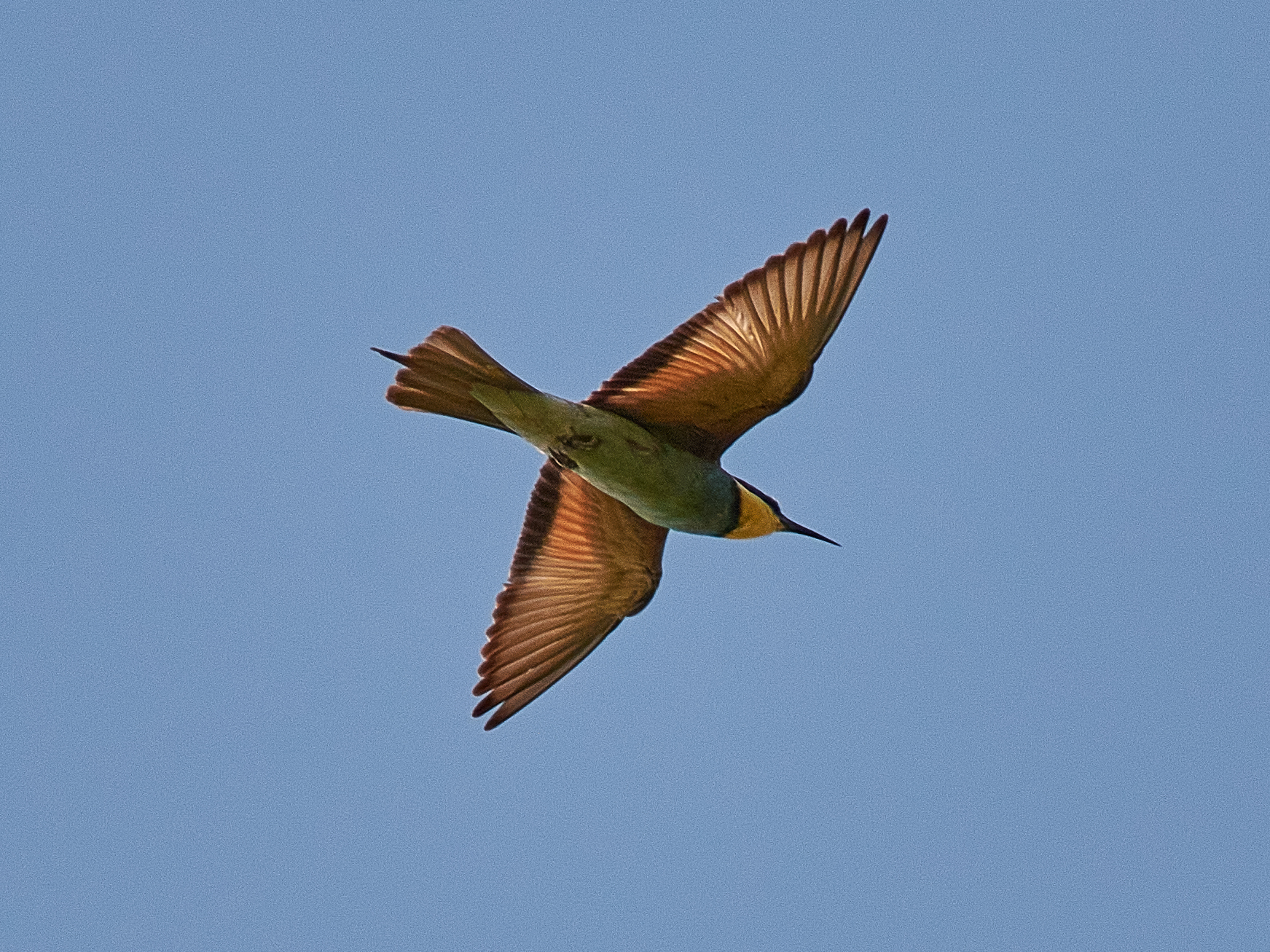
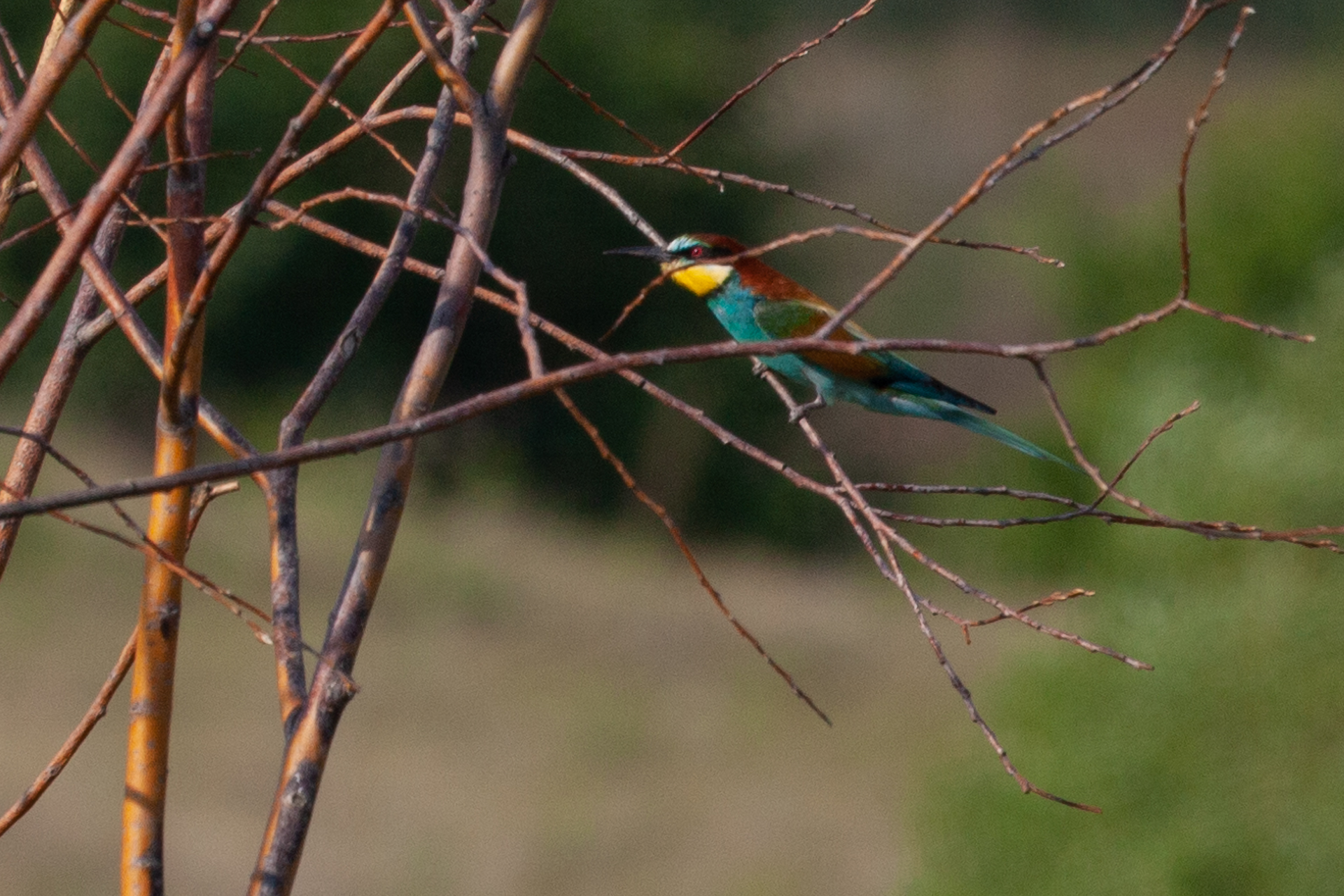
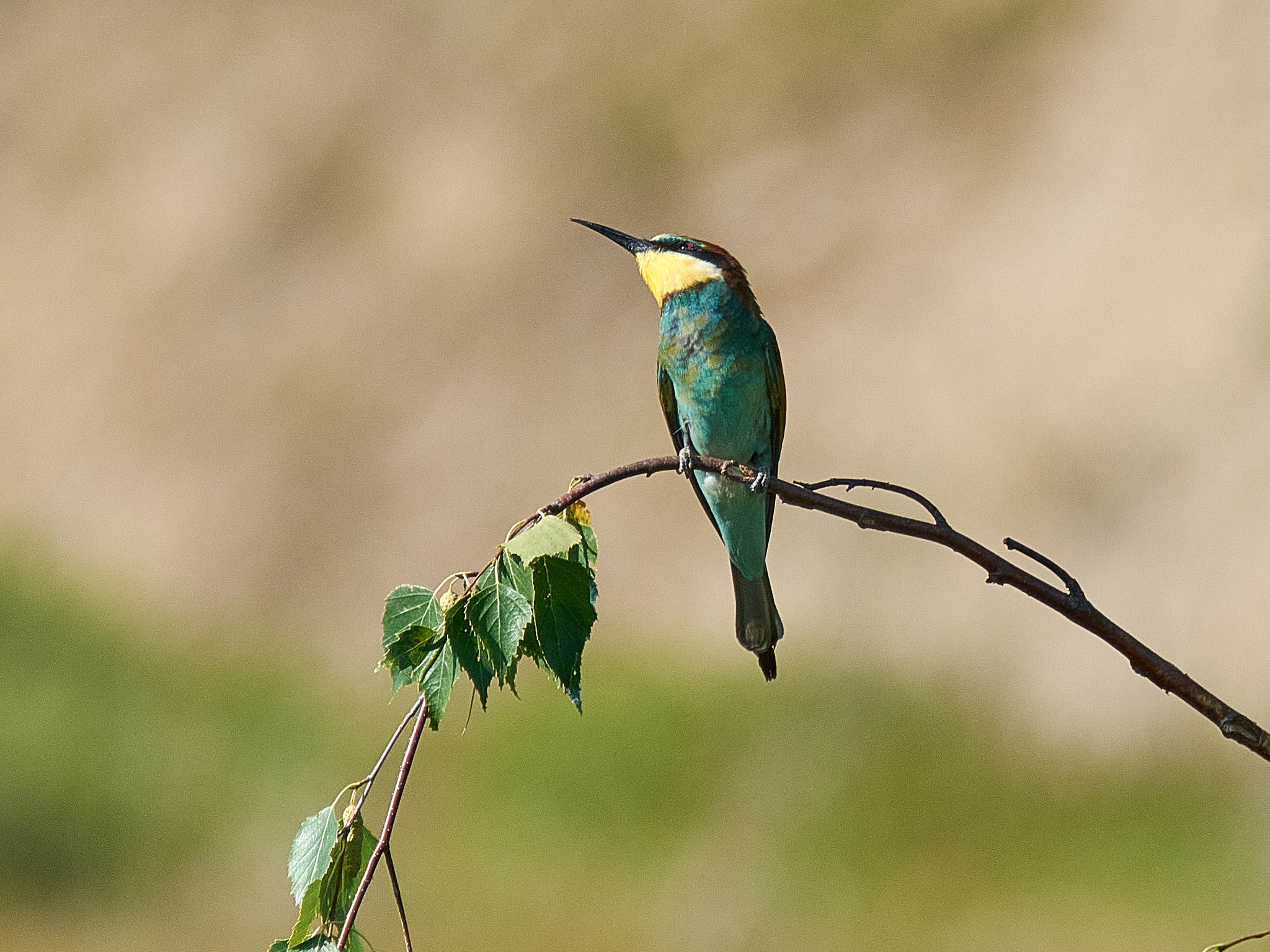
A richly coloured, slender bird with brown and yellow upper parts, green wings, and a black beak. It reaches 27–29 cm in length including the two elongated central tail feathers, and weighs 44–78 g with an average of 52 g. Sexes appear similar, though females typically have greener rather than gold feathers on the shoulders. Non-breeding plumage is much duller with a blue-green back and lacks the elongated central tail feathers. Juveniles resemble non-breeding adults but with less colour variation. Adults undergo a complete moult from June to September, with an additional moult into breeding plumage during winter in Africa.
Identification
The combination of brown and yellow upper parts with green wings and the distinctive elongated central tail feathers distinguish this species from similar bee-eaters. The lack of these tail feathers in non-breeding plumage can cause confusion with juvenile birds. The female's greener shoulder feathers compared to the male's golden coloration provide a subtle distinguishing mark. The overall colourful plumage and slender build are characteristic features of this species.
Distribution & Habitat
Breeds across southern and central Europe, northern and southern Africa, and western Asia. The southern African population is resident, while the remainder is strongly migratory, wintering in tropical Africa. Spring overshoots occur north of the usual breeding range, with occasional breeding documented in northern Europe. It inhabits open country in warmer climates, particularly areas with suitable nesting sites near river shores.
Behavior & Ecology
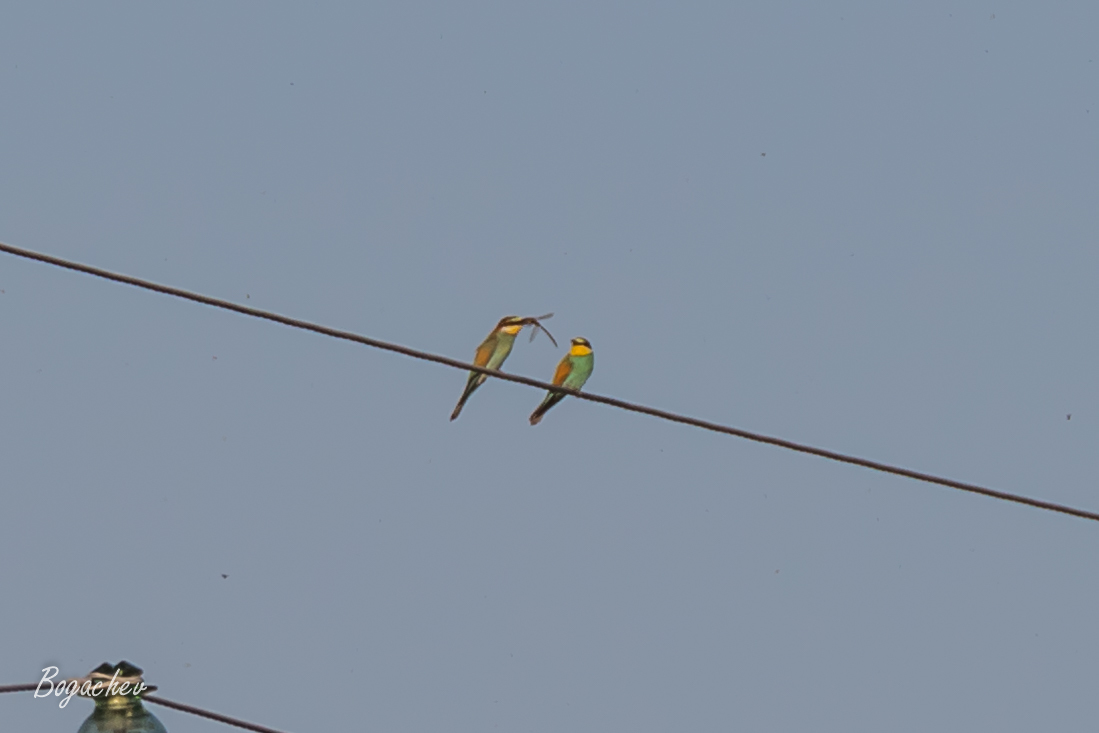
Gregarious species that nests colonially in sandy banks, preferably near river shores, beginning around May. Nests are made in relatively long tunnels where 5–8 spherical white eggs are laid in early June. Both parents brood the eggs for approximately three weeks and share parental duties. Most males are monogamous, though occasional bigamy occurs. During courtship, males feed large items to females. The call is a distinctive, mellow, liquid, and burry prreee or prruup. Diet consists predominantly of insects, especially bees, wasps, and hornets, caught in flight from open perches. The species can consume around 250 bees daily. Hymenoptera, primarily honey bees, comprise 69.4% to 82% of the diet in some regions, though the impact on local bee populations is minimal (less than 1% of worker bees). Birds feed and roost communally.
Conservation
IUCN conservation status and population trends are not detailed in this article.
Culture
This species has been depicted in various artistic representations, including a stamp issued by Moldova and a painting by English ornithologist John Gould.
Source: Wikipedia · CC BY-SA 3.0
Taxonomy
- Order
- Coraciiformes
- Family
- Meropidae
- Genus
- Merops
- eBird Code
- eubeat1
Distribution
breeds southern Palearctic; winters to sub-Saharan Africa and western India
Data Sources
Species description from Wikipedia, licensed under CC BY-SA 3.0.
Bird images and sounds sourced from GBIF, contributed by citizen scientists worldwide under Creative Commons licenses.
Taxonomy data from AviList 2025.