Black Lark
Melanocorypha yeltoniensis
黑百灵
Introduction
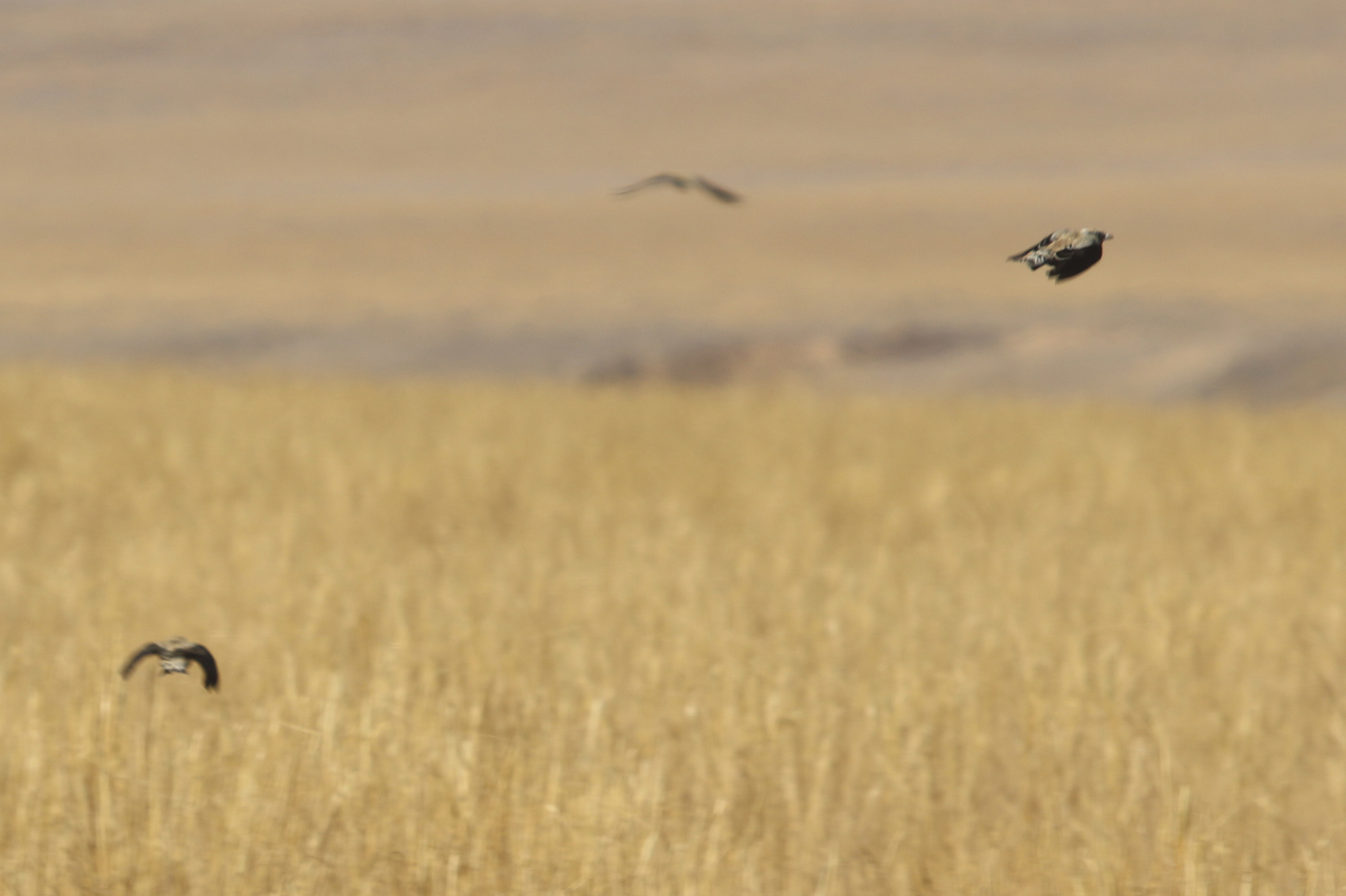
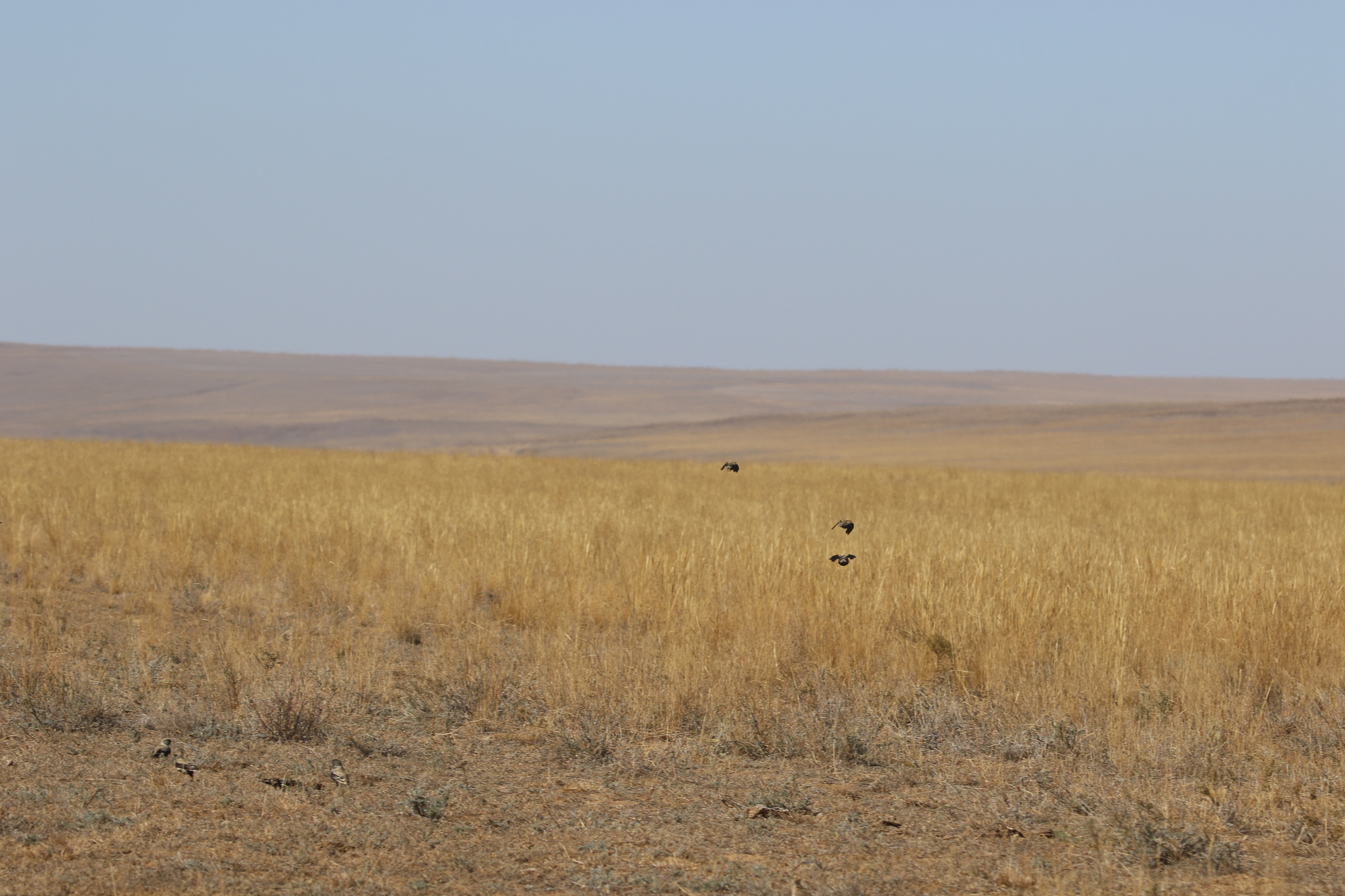
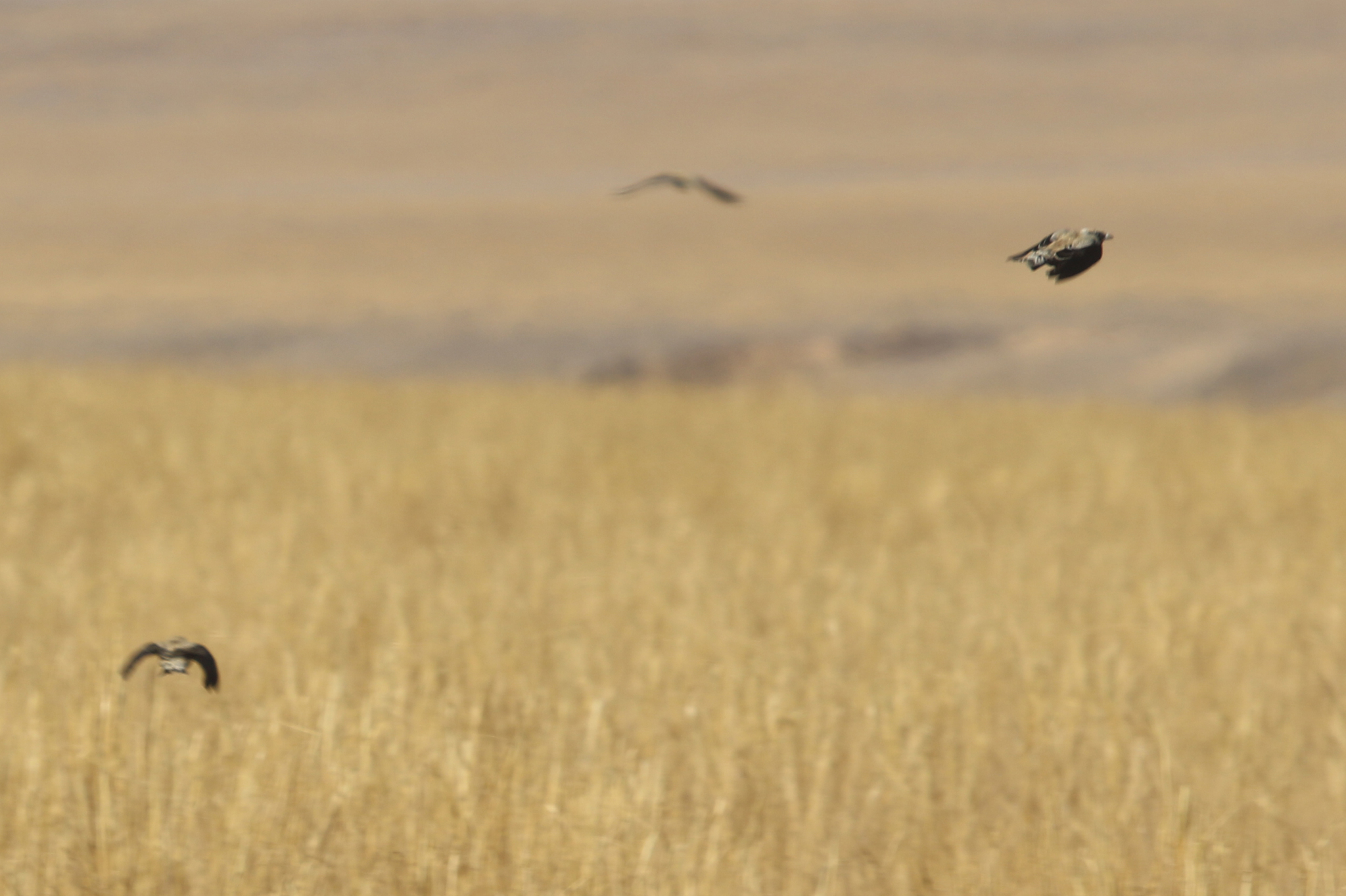
A lark species in the family Alaudidae. It breeds in south-eastern Russia and Kazakhstan. This bird inhabits open steppe environments, often near water. The species exhibits pronounced sexual dimorphism, with males being entirely black while females are cryptically colored. It is partially migratory, with northern populations moving south-east for winter.
Description
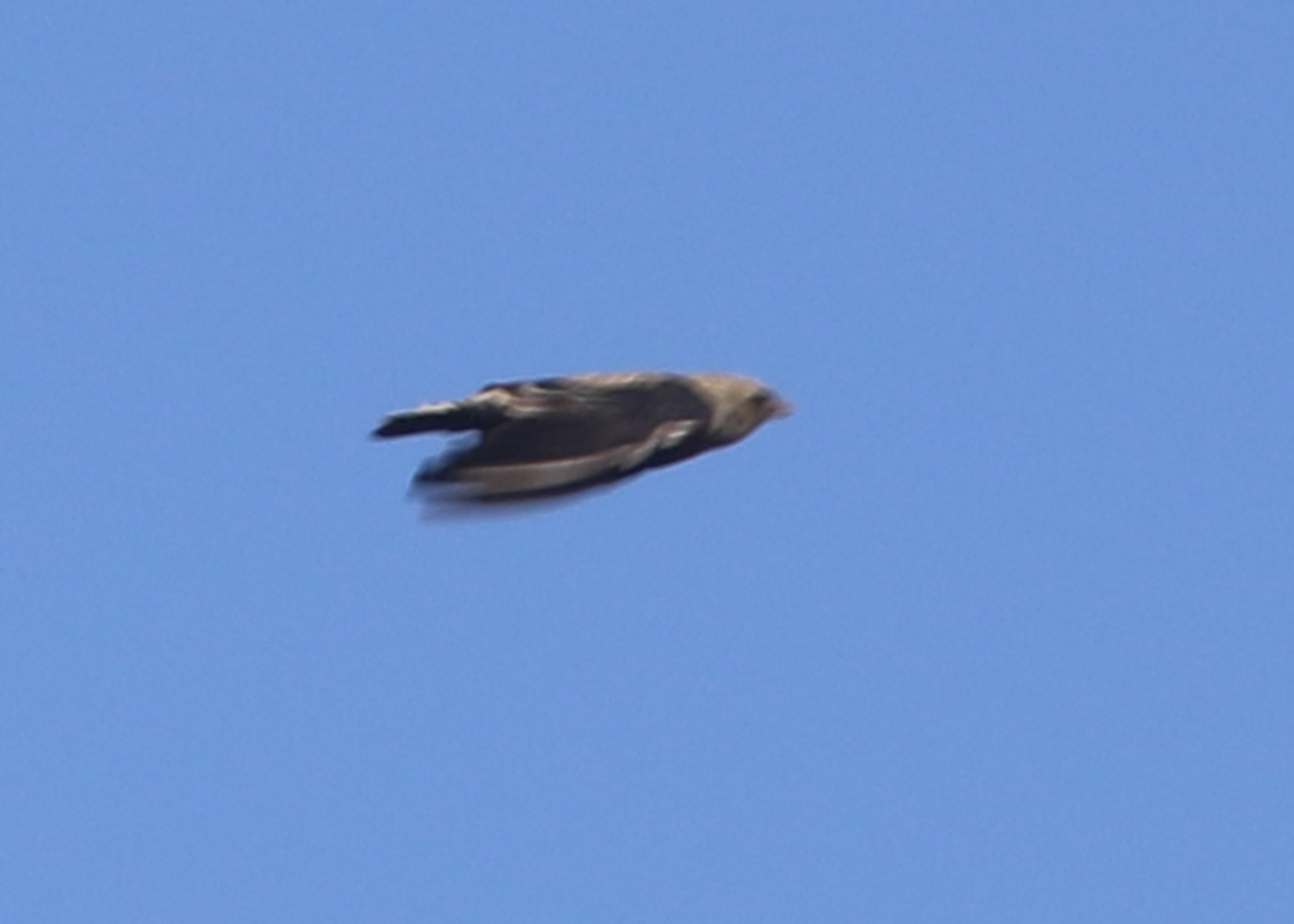
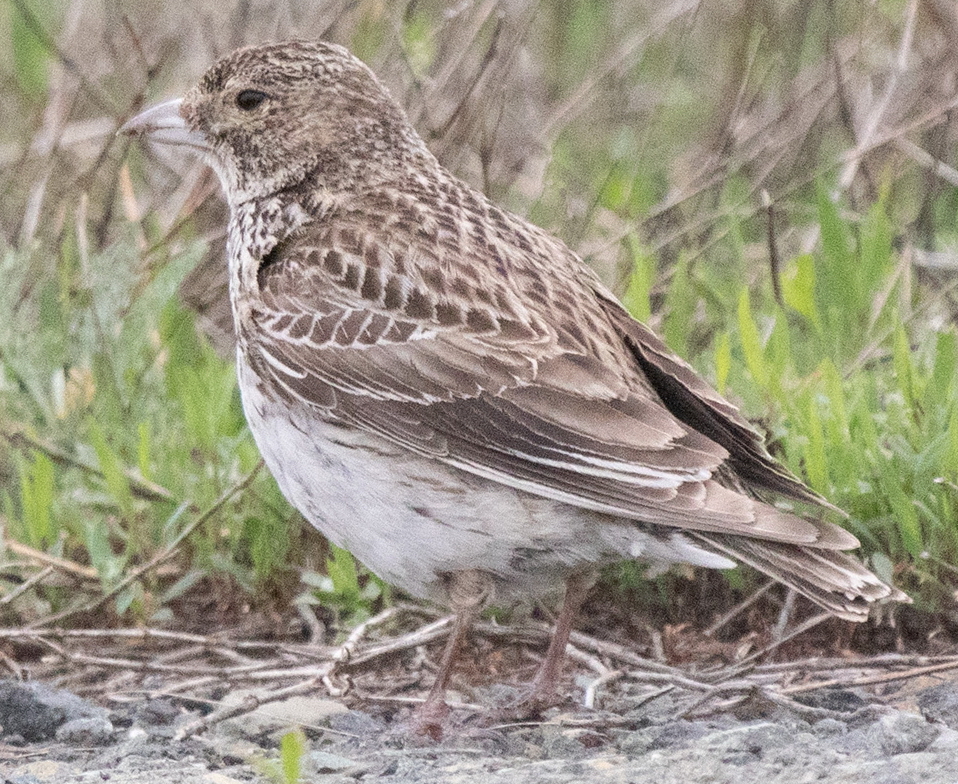
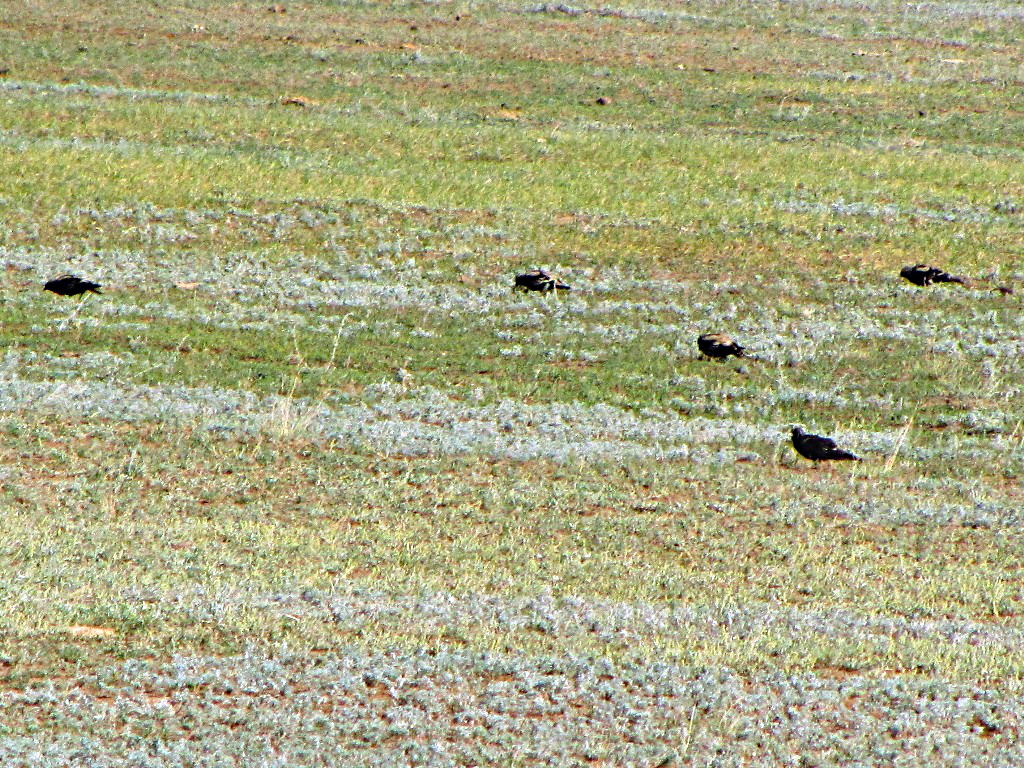
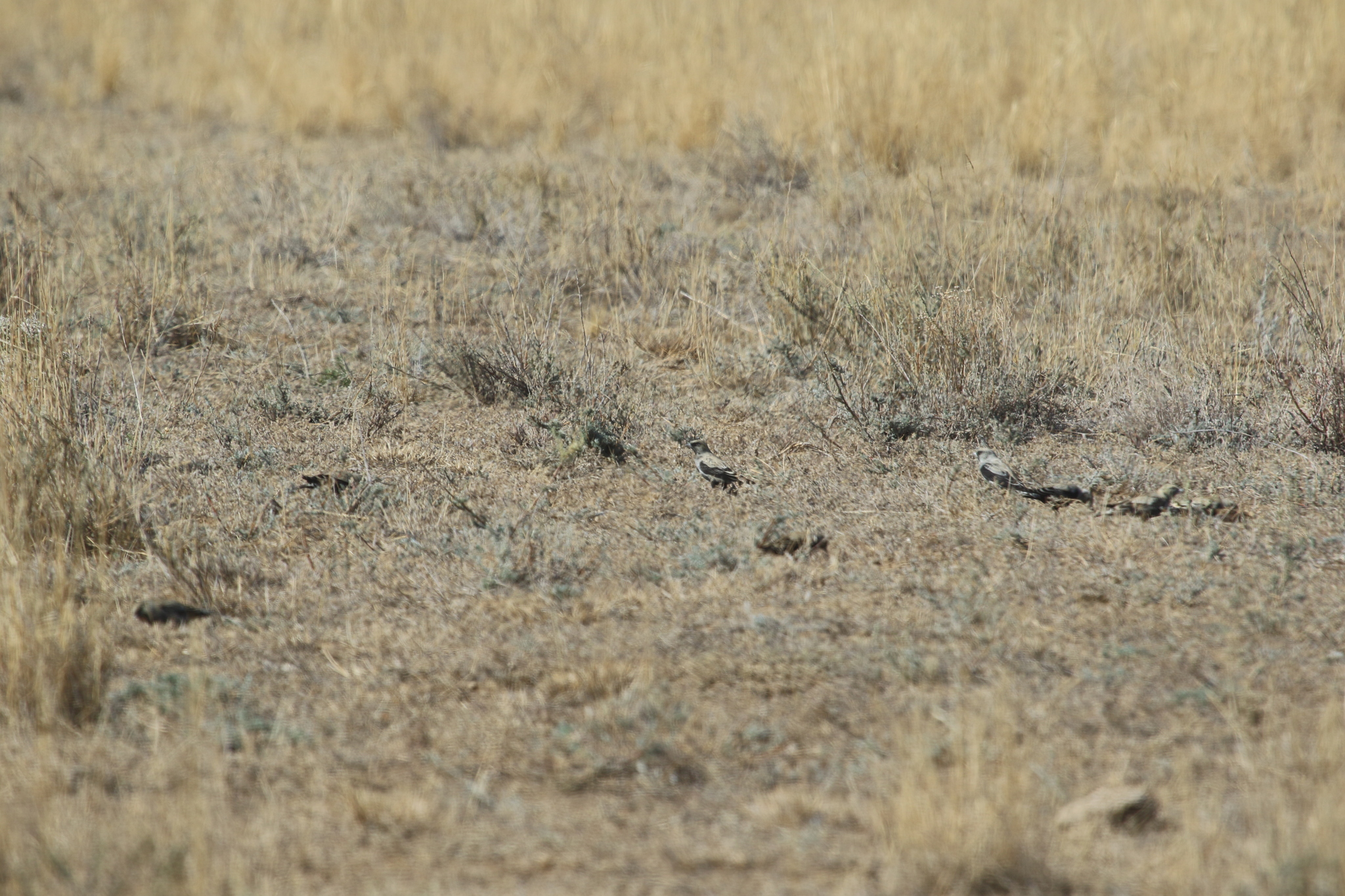
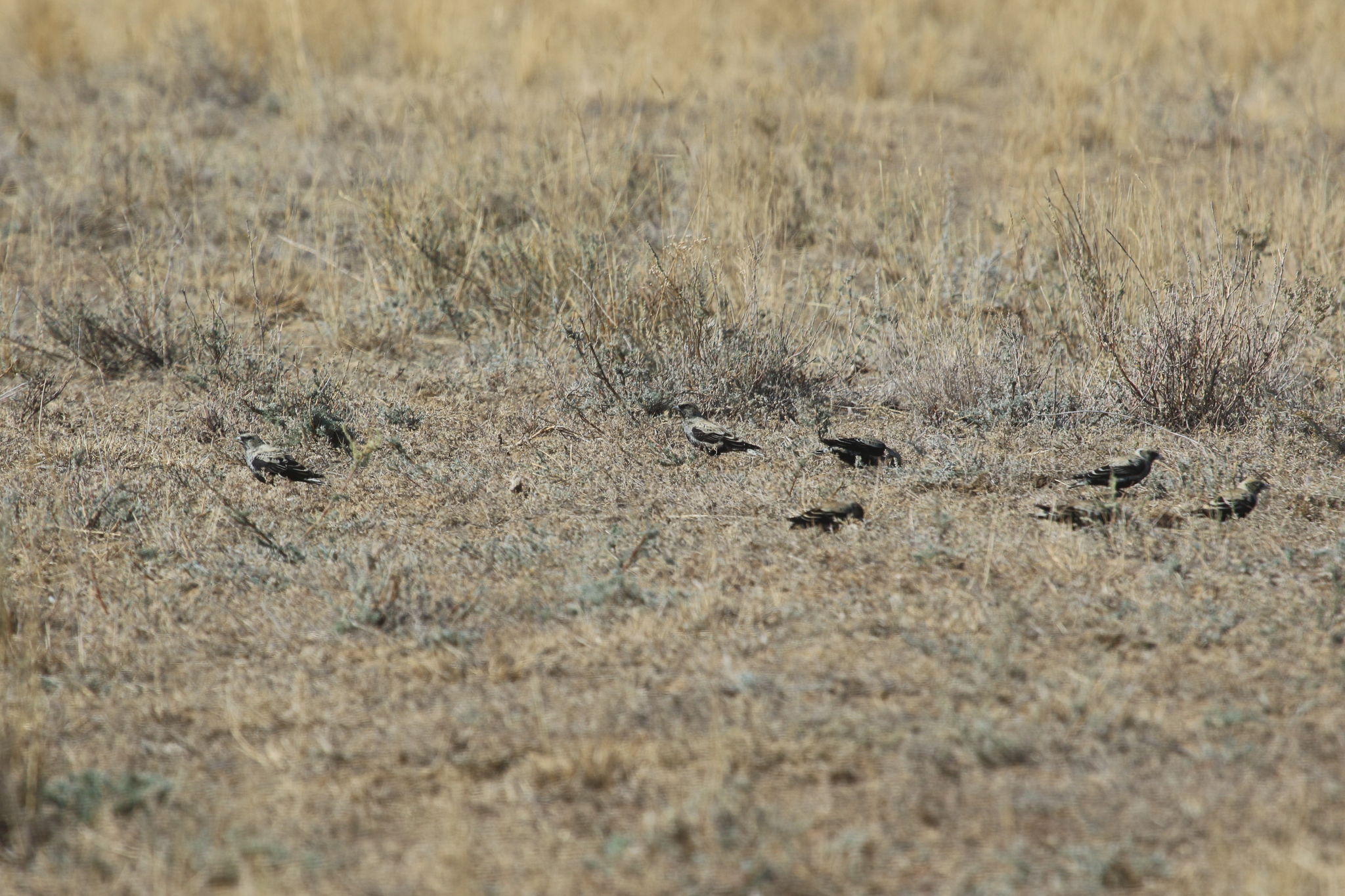
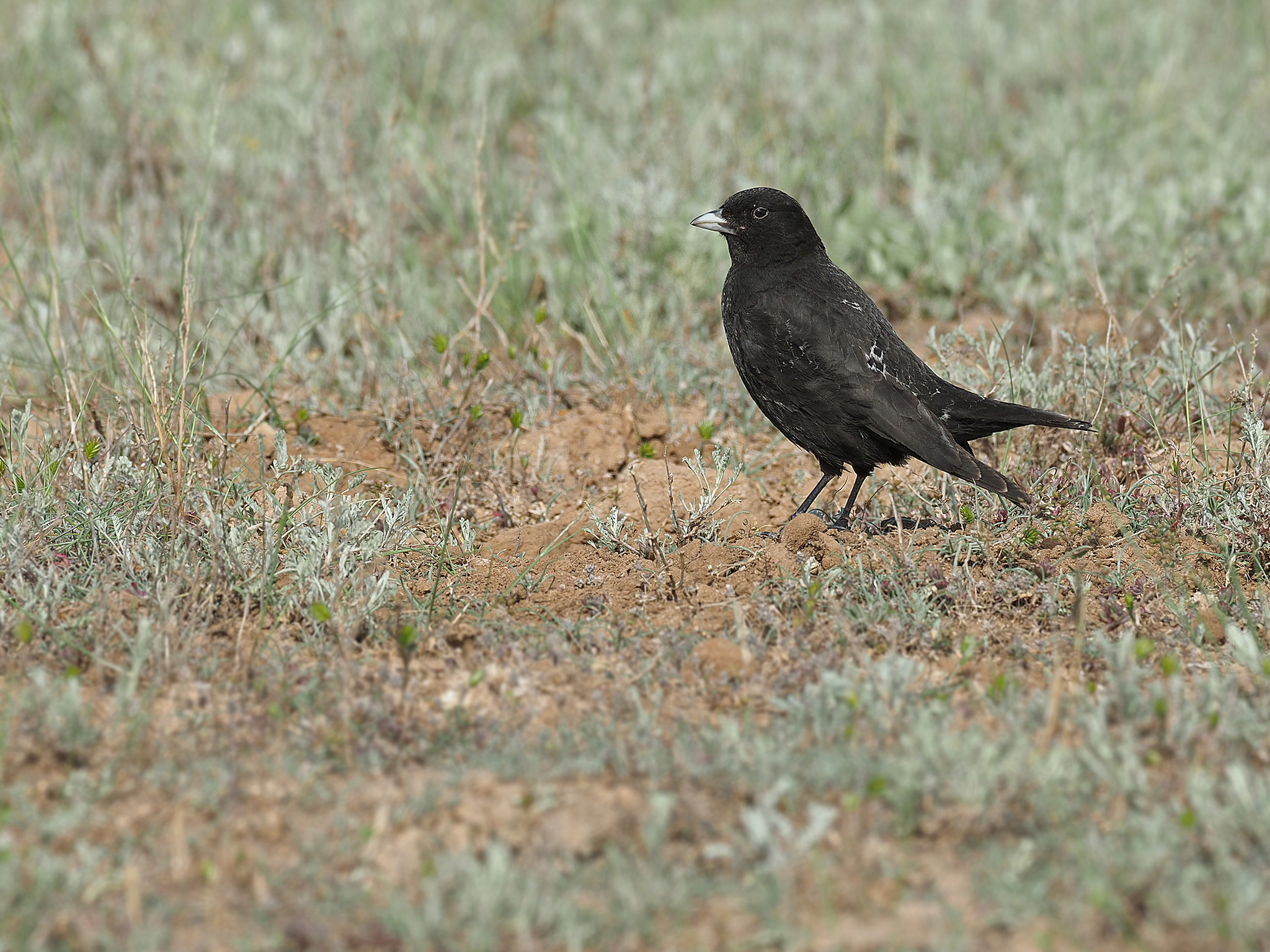
A large, robust lark measuring 18–20.5 cm (7.1–8.1 in) in length. Adult males are unmistakable, being entirely black with pale feather fringes on the back and having a yellowish or pink bill. Females are cryptically colored, being dark-blotched grey above and paler below, with black legs and underwing. The song resembles a frantic version of the Eurasian skylark's song.
Distribution & Habitat
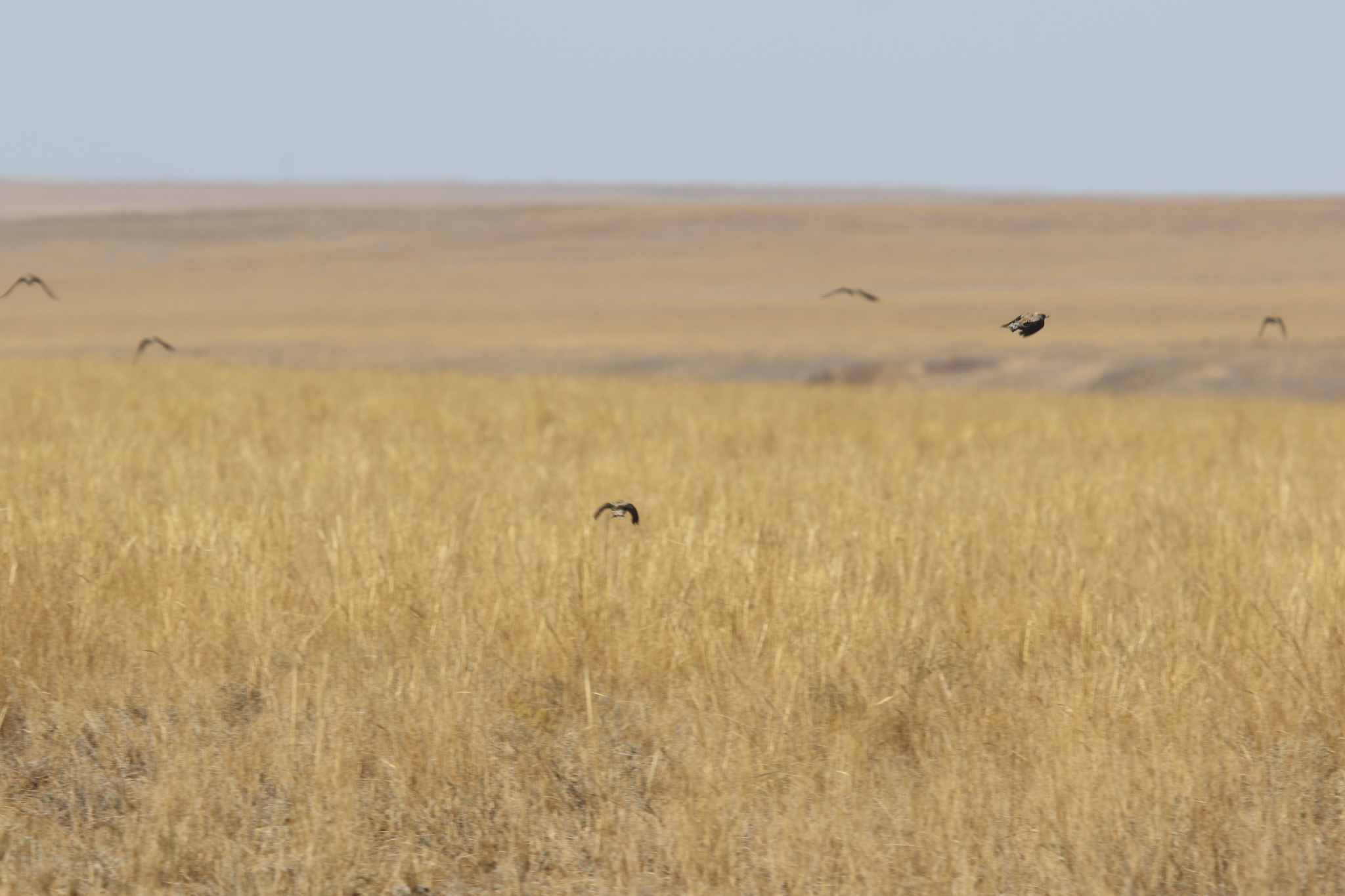
Breeds across south-eastern Russia and Kazakhstan in open steppe habitats, typically near water. The species is partially migratory, with birds from the northwest of the breeding range moving south-east to winter further into Russia and neighboring countries, reaching as far as the northern Black Sea coasts of southern Ukraine. It is a very rare vagrant elsewhere in Europe, with scattered records from countries including Italy, Austria, Germany, Greece, Poland, Finland, Sweden, Bulgaria, Britain, and Malta.
Behavior & Ecology
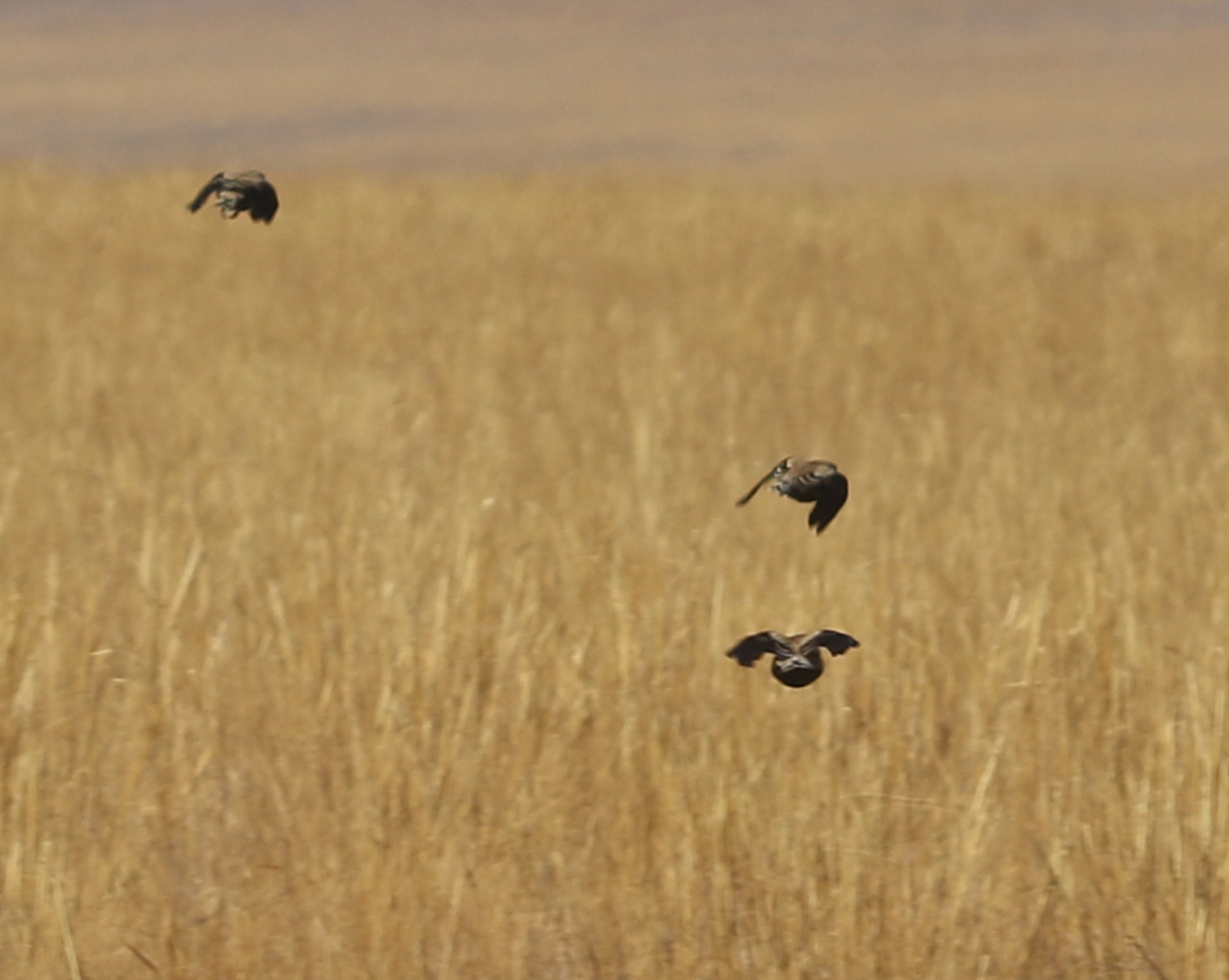
Nests on the ground, laying 4–5 eggs. Diet consists of seeds and insects, with insects being particularly important during the breeding season. The species is gregarious in winter, forming flocks. The song is described as resembling a frantic version of the Eurasian skylark's song.
Source: Wikipedia · CC BY-SA 3.0
Taxonomy
- Order
- Passeriformes
- Family
- Alaudidae
- Genus
- Melanocorypha
- eBird Code
- blalar1
Distribution
breeds steppes of southern Russia and southwestern Siberia; winters to Black Sea region
Data Sources
Species description from Wikipedia, licensed under CC BY-SA 3.0.
Bird images and sounds sourced from GBIF, contributed by citizen scientists worldwide under Creative Commons licenses.
Taxonomy data from AviList 2025.