Calandra Lark
Melanocorypha calandra
草原百灵
Introduction
A passerine bird in the lark family Alaudidae. Breeds in warm temperate regions around the Mediterranean, extending east through Turkey into northern Iran and southern Russia. Replaced further east by the bimaculated lark. Four subspecies are recognized: western calandra lark (M. c. calandra) in southern Europe and northwestern Africa to Turkey, Transcaucasia and northwestern Iran; eastern calandra lark (M. c. psammochroa) from northern Iraq and Iran to Turkmenistan and Kazakhstan; M. c. gaza from eastern Syria and southeastern Turkey to southwestern Iran; and Levant calandra lark (M. c. hebraica) from south-central Turkey and northwestern Syria to Israel and western Jordan.
Description
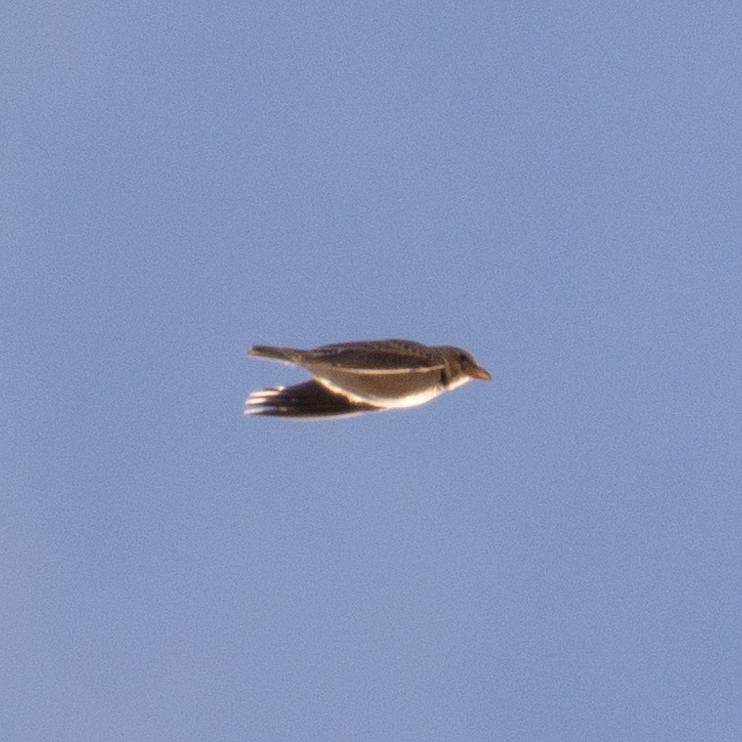
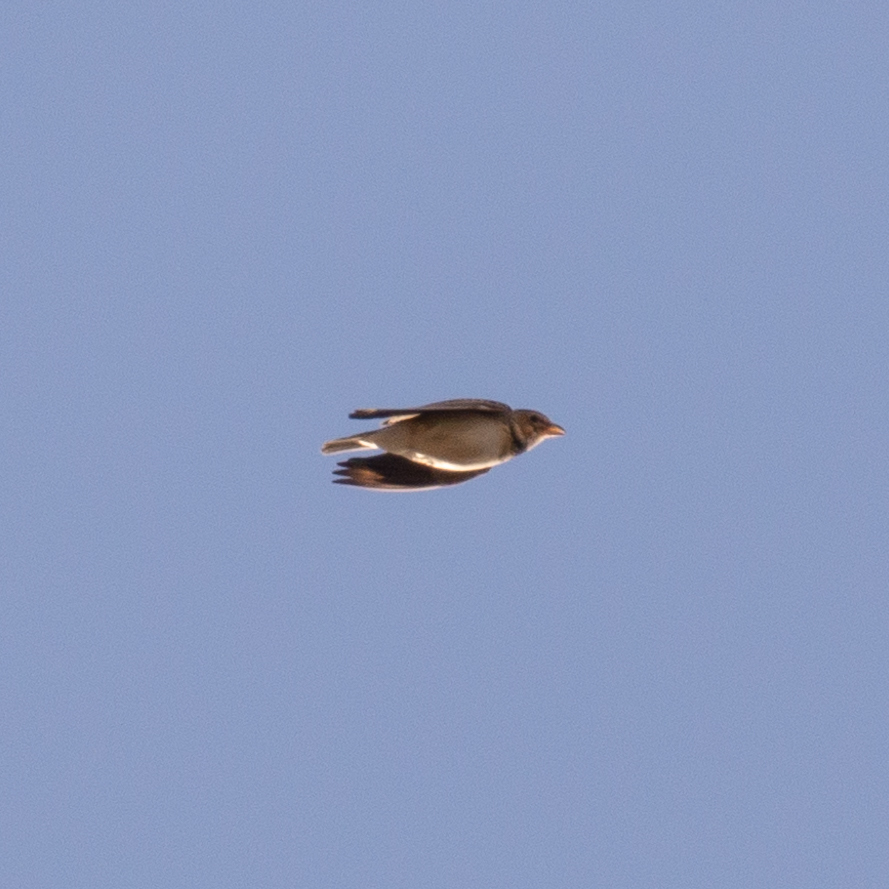
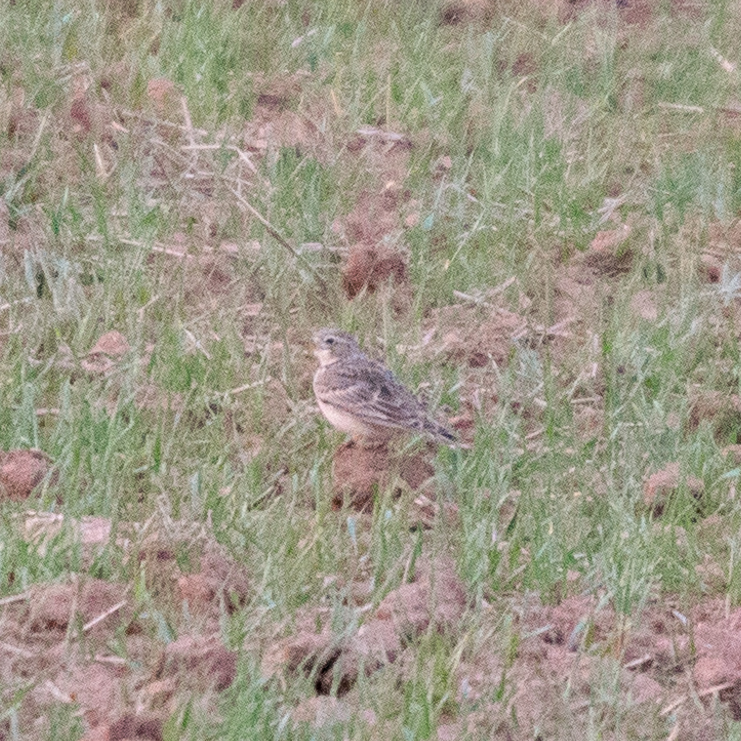
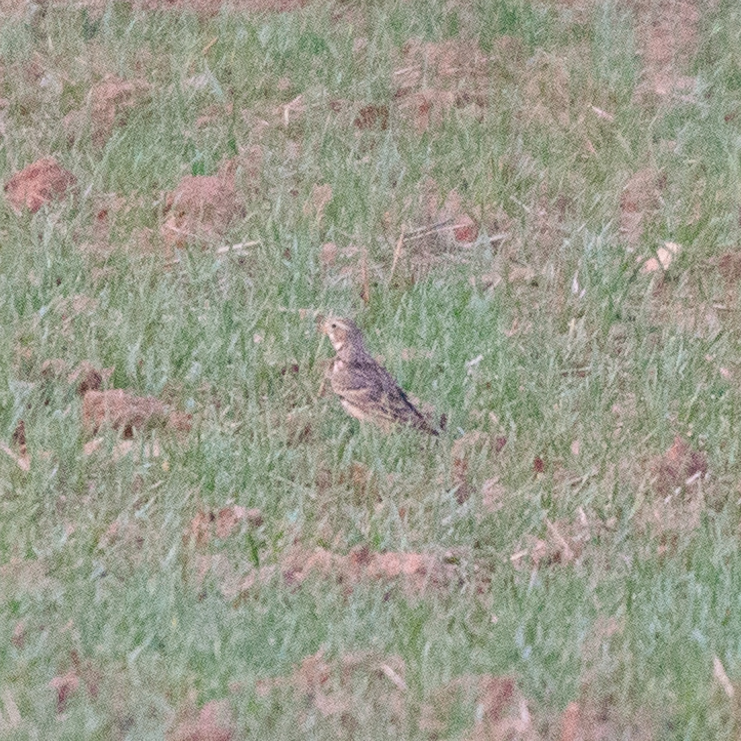
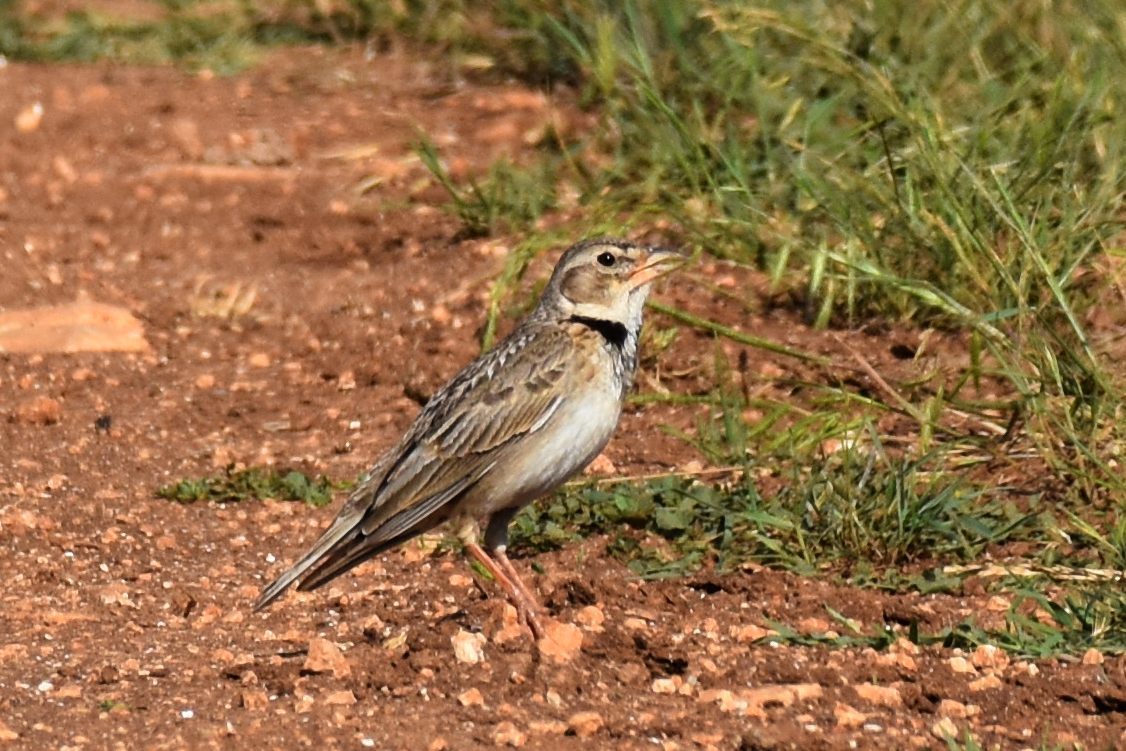
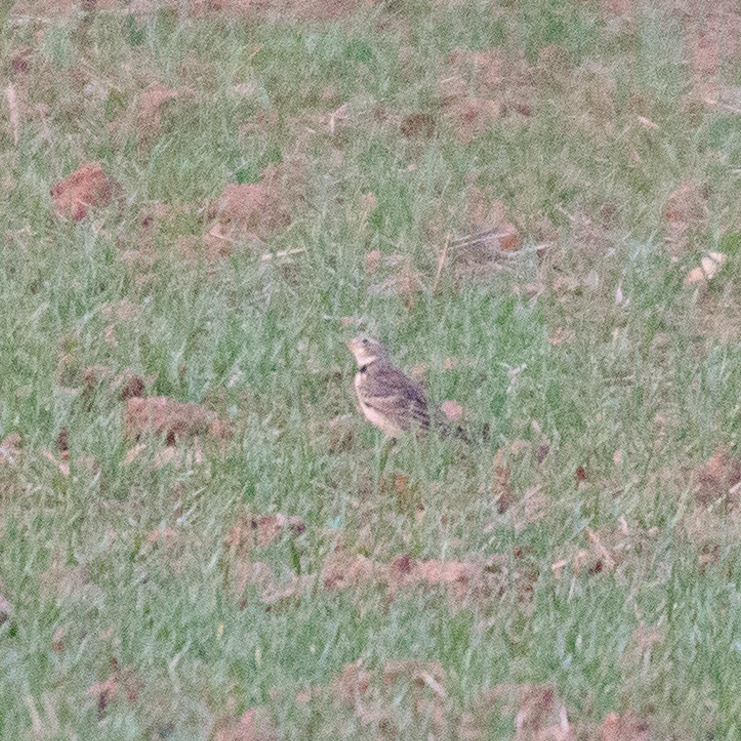
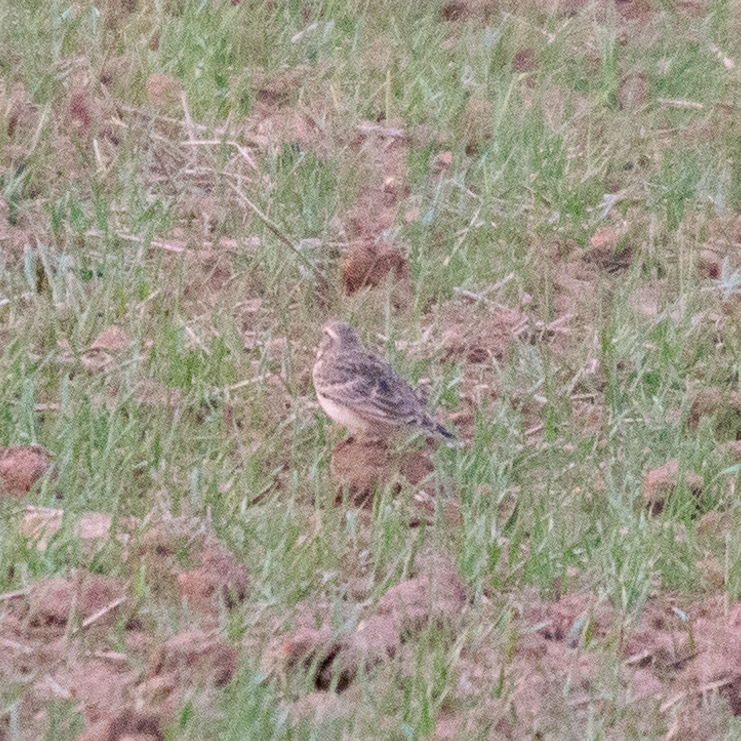
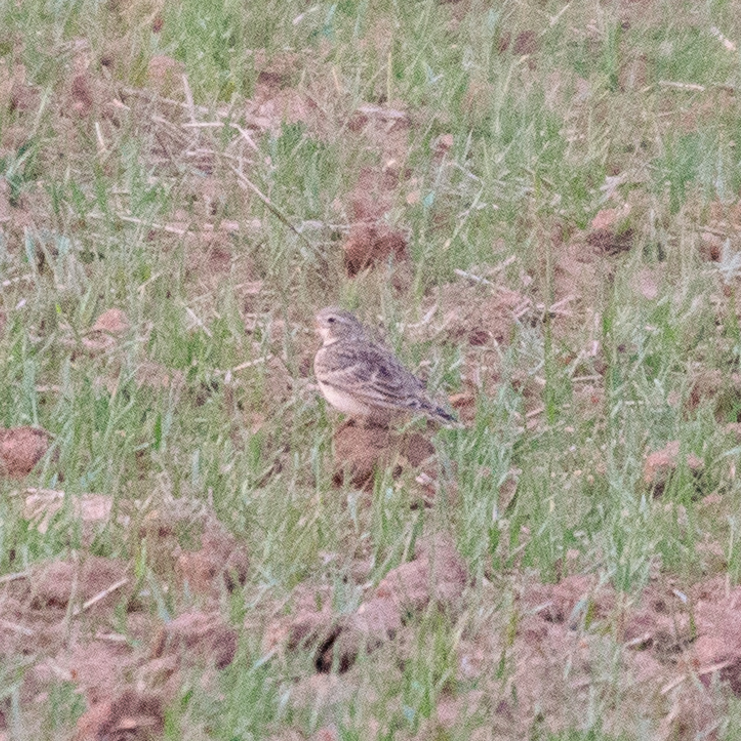
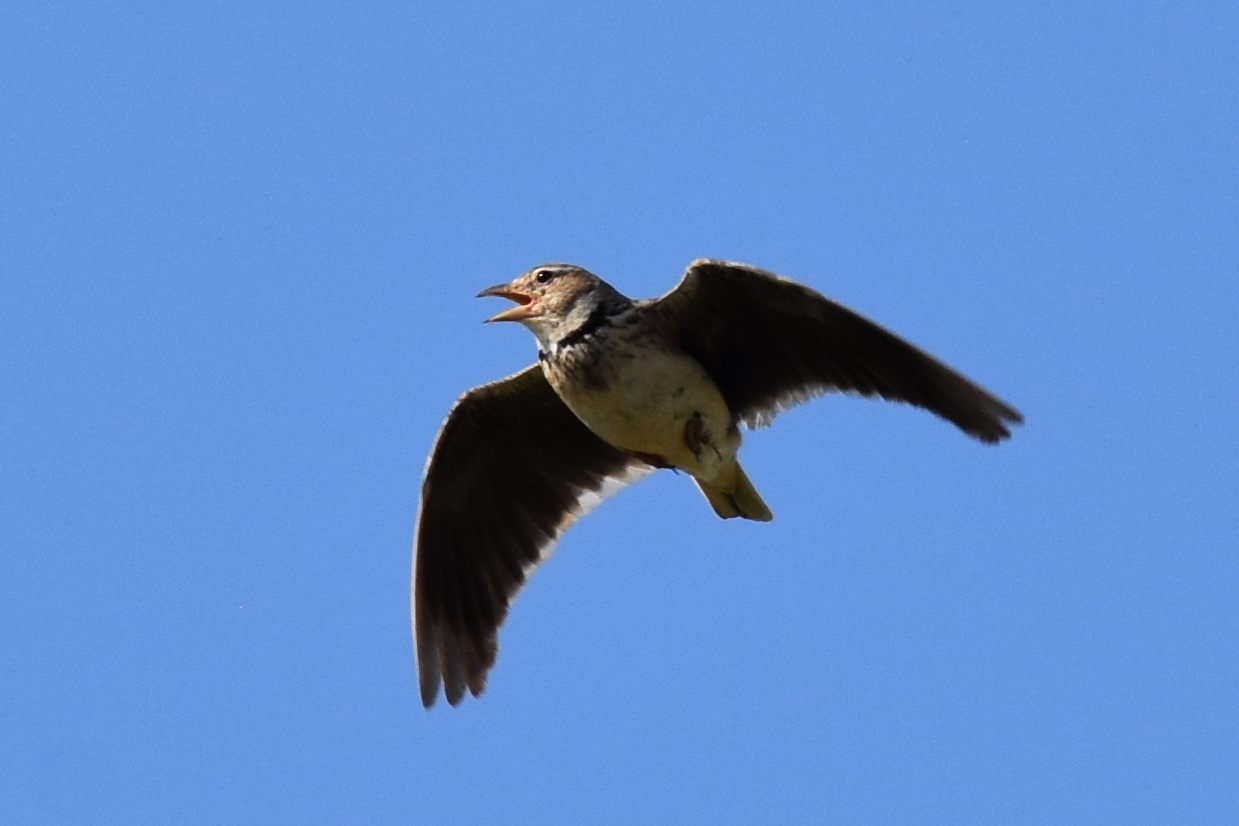
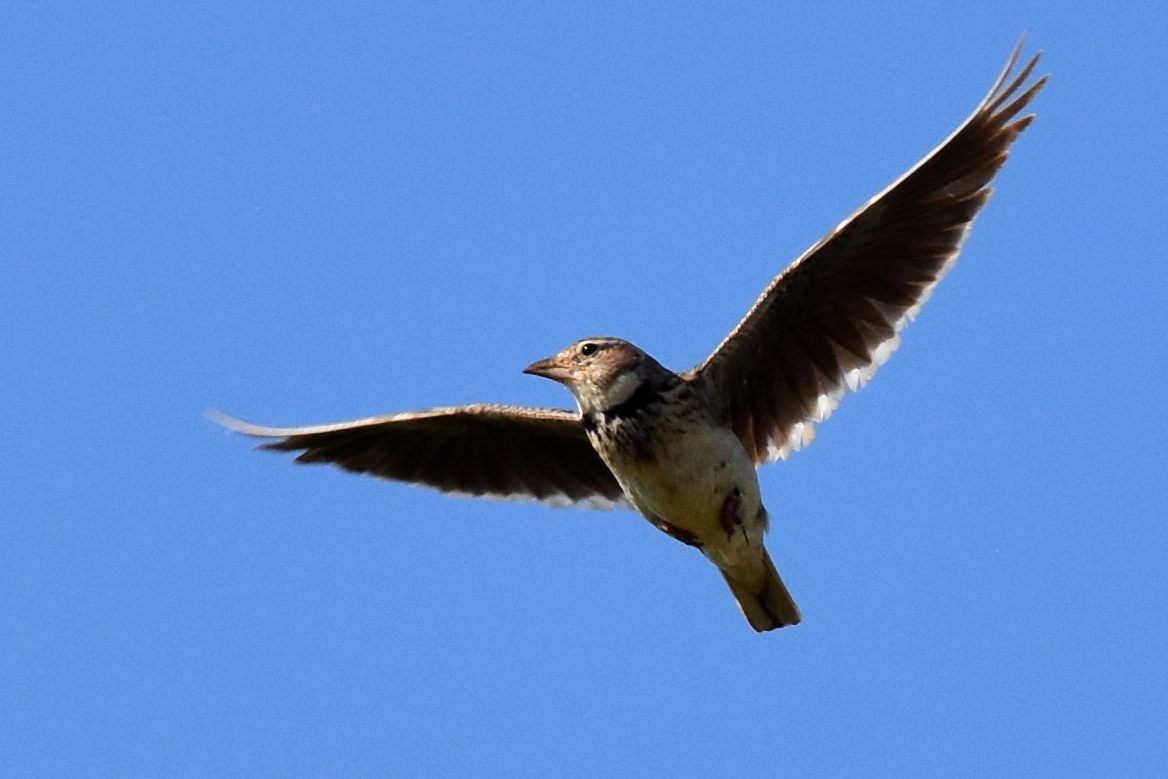
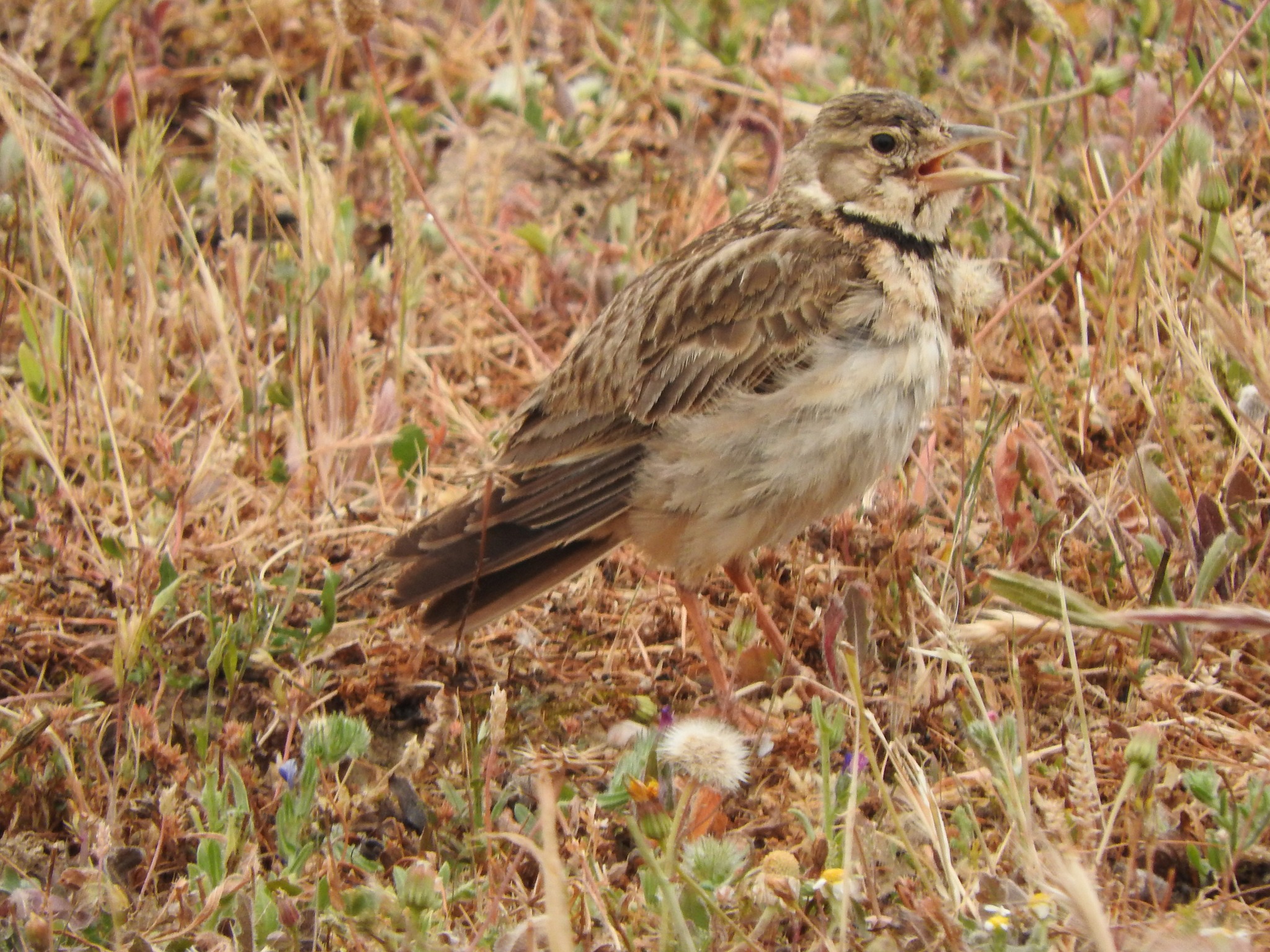
A large, robust lark measuring 17.5–20 cm in length. Plumage is predominantly streaked greyish brown above and white below, with distinctive large black patches on the breast sides. Features a white supercilium. In flight, shows short broad wings that are dark underneath, and a short tail with white edges. These wing and tail patterns distinguish it from its more easterly relatives.
Identification
Large size and robust build distinguish this species from similar larks. The combination of streaked greyish-brown upperparts, white underparts with black breast patches, and white supercilium are key field marks. In flight, the short broad dark wings and white-edged tail separate it from related Melanocorypha species found further east.
Distribution & Habitat
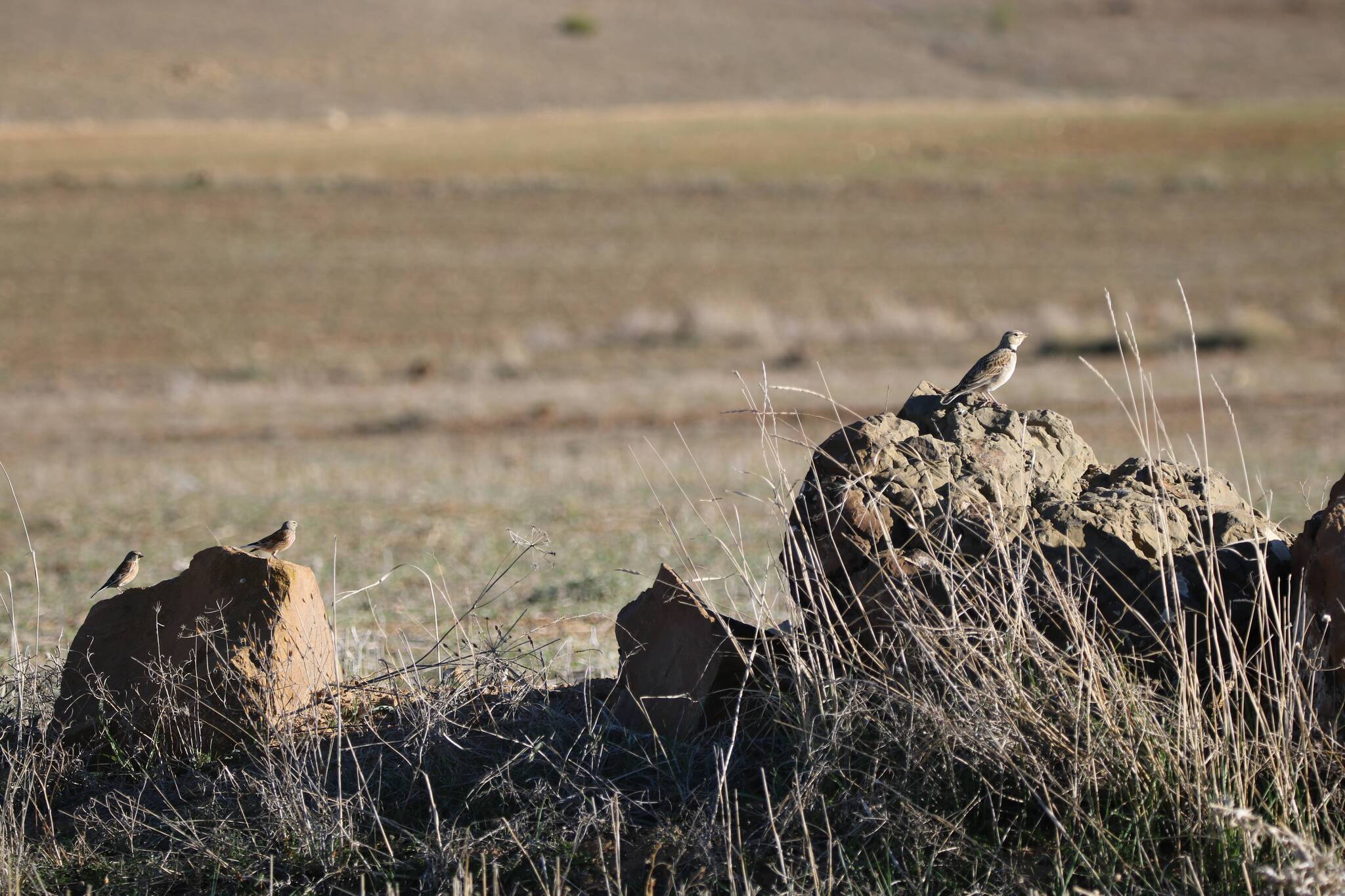
Mainly resident in the western part of its range, but Russian populations are migratory, moving south in winter to the Arabian Peninsula and Egypt. A very rare vagrant to western Europe. Inhabits open cultivation and steppe landscapes, from dry pastures and cereal cultivations to true steppe with dense grass cover. In cultivated areas, prefers fallows, long-fallows, and field edges, particularly unirrigated legumes and barley fields.
Behavior & Ecology
Monogamous species that breeds from early April to July. Nests on the ground in shallow depressions, often under grass tussocks, constructed from grass stems and small leaves lined with softer material. Clutches contain three to six eggs. Diet is seasonal: primarily insects in summer, switching to seeds and grass shoots in winter. Mediterranean populations are resident and form large flocks in autumn and winter. Eastern populations are migratory or partially migratory. Song resembles a slower version of the skylark's song.
Culture
The species has cultural significance throughout its range due to its musical song, which was formerly prized. Featured in the Tuscan proverb 'Canta come una calandra' (he or she sings like a lark). Appears in the Spanish ballad 'Romance del prisionero', where the prisoner's only means of knowing dawn breaks is through hearing its song.
Source: Wikipedia · CC BY-SA 3.0
Taxonomy
- Order
- Passeriformes
- Family
- Alaudidae
- Genus
- Melanocorypha
- eBird Code
- callar1
Vocalizations
Subspecies (4)
-
Melanocorypha calandra calandra
Mediterranean basin to eastern Türkiye, northwestern Iran, Transcaucasia, and Urals
-
Melanocorypha calandra gaza
southeastern Türkiye to eastern Syria, Iraq, and southwestern Iran
-
Melanocorypha calandra hebraica
south-central Türkiye, adjacent northwestern Syria to Israel, Palestine, and western Jordan
-
Melanocorypha calandra psammochroa
northern Iraq and northern Iran to Turkmenistan and eastern Kazakhstan
Data Sources
Species description from Wikipedia, licensed under CC BY-SA 3.0.
Bird images and sounds sourced from GBIF, contributed by citizen scientists worldwide under Creative Commons licenses.
Taxonomy data from AviList 2025.