Bimaculated Lark
Melanocorypha bimaculata
双斑百灵
Introduction
This species breeds in warm temperate countries eastwards from Turkey into Central Asia, ranging from west-central Turkey to southern Kazakhstan, Kyrgyzstan, northeastern Iran, and northern Afghanistan. It is also found in northern Israel, Lebanon, western Syria, and northern Iraq. As the eastern counterpart of the calandra lark, it is a large, robust bird of stony semi-desert and higher altitude cultivation. The species is mainly migratory, wintering in northeast Africa and ranging widely throughout the greater Middle East to Pakistan, India, and Tibet. It is gregarious in winter and appears as a very rare vagrant to western Europe.
Description
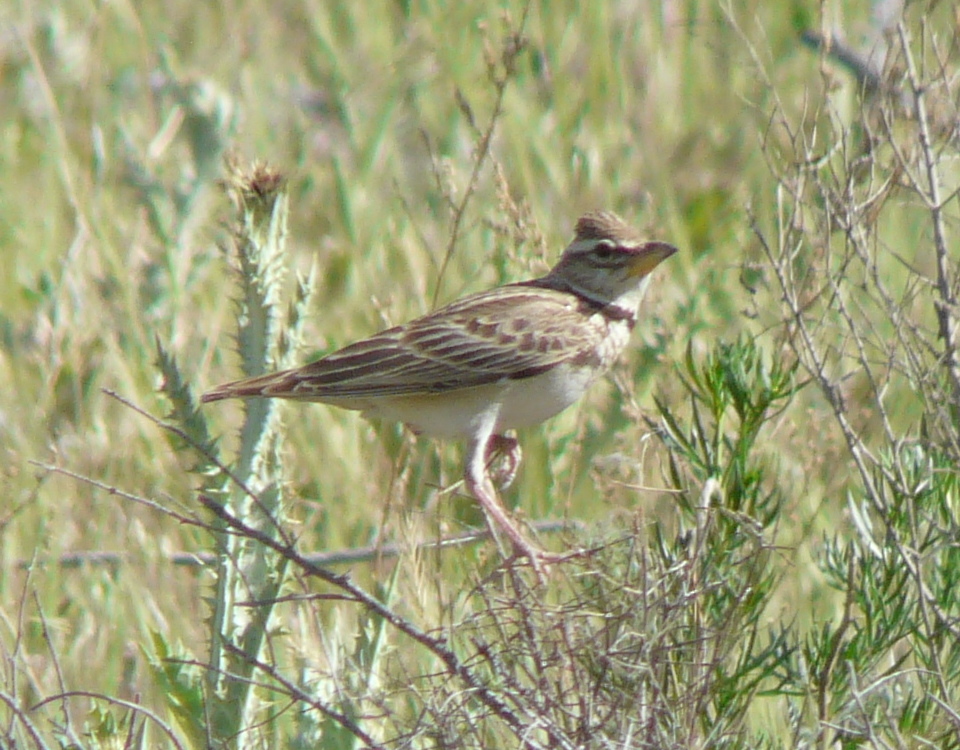
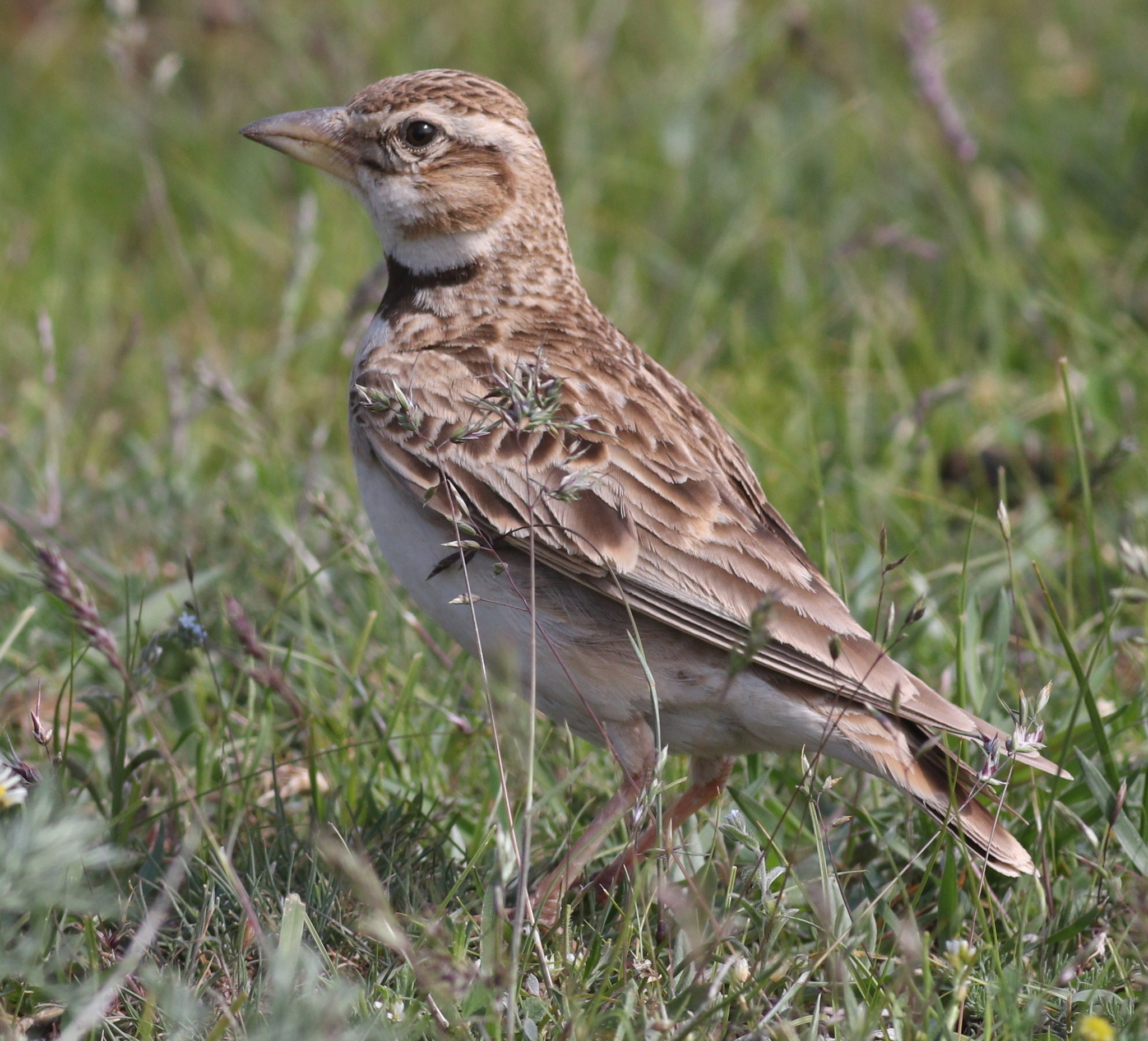
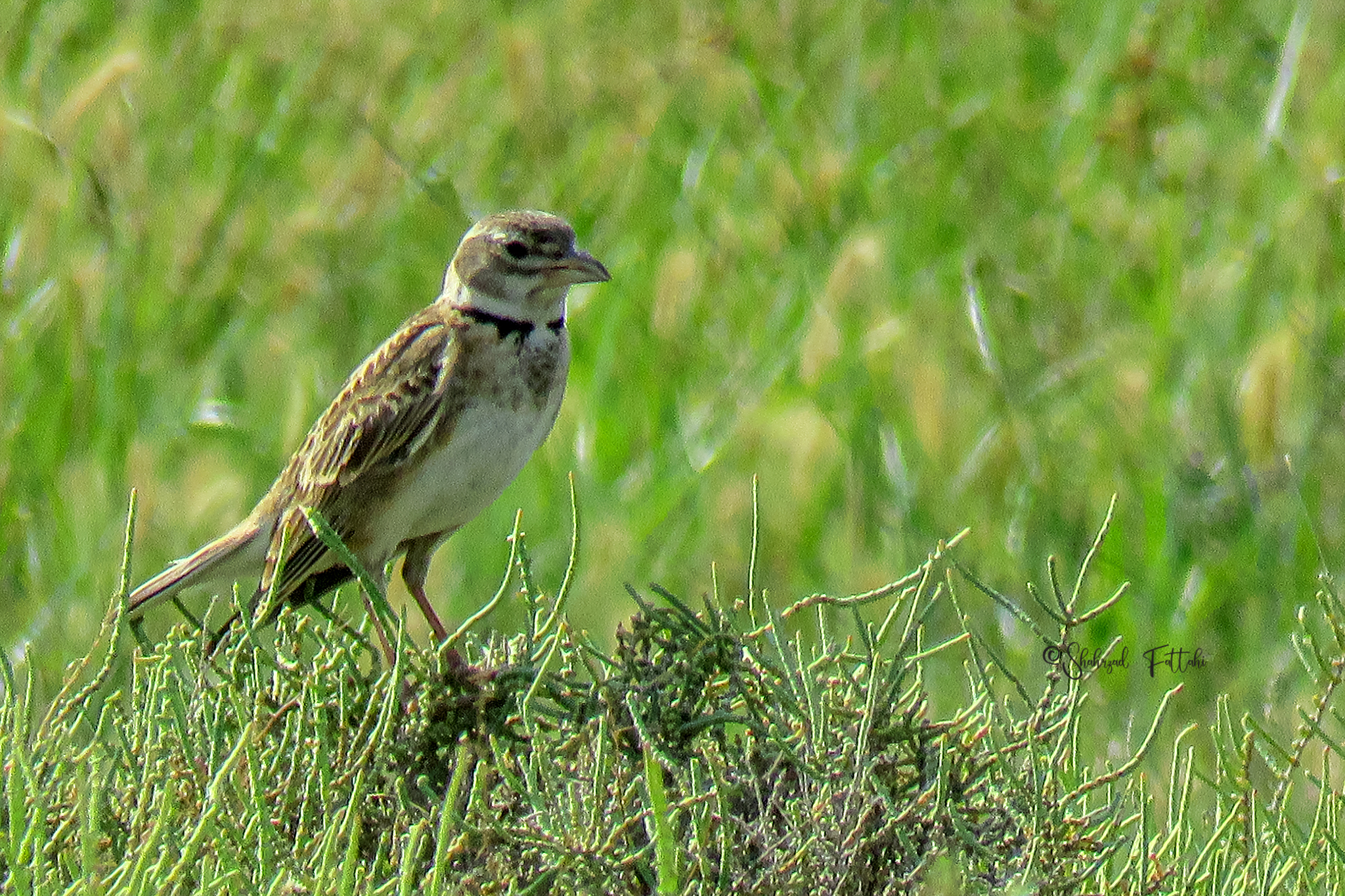
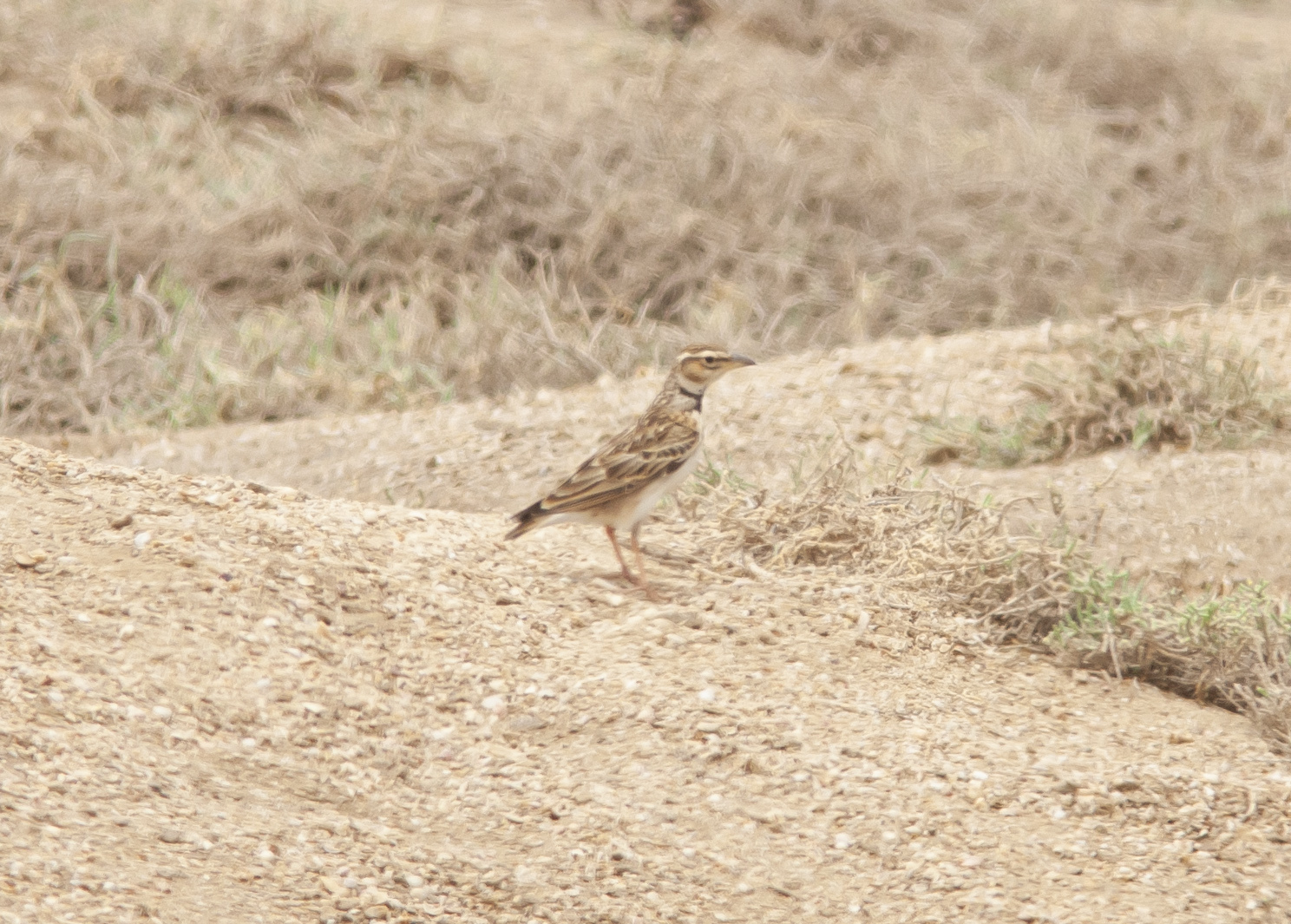
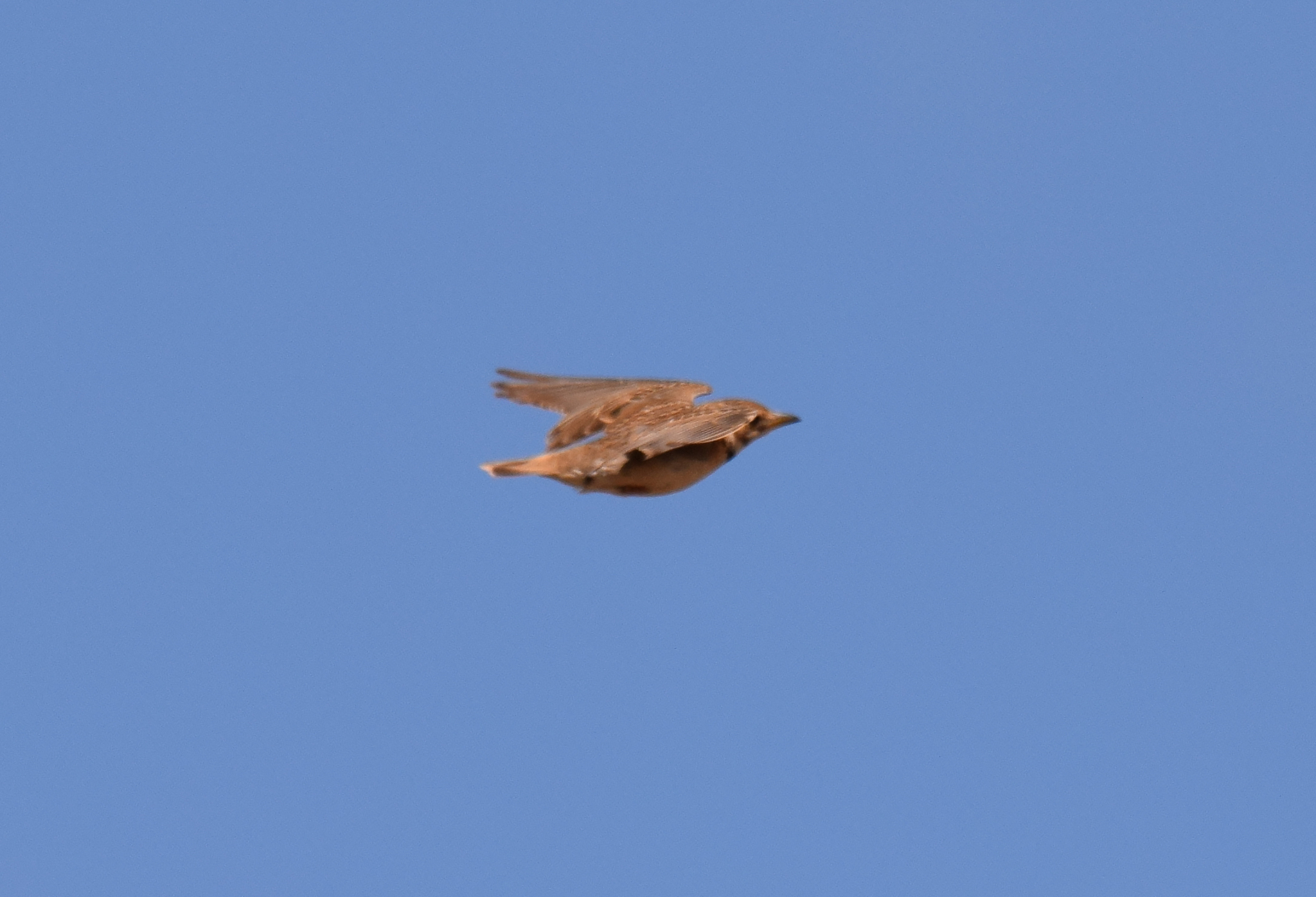
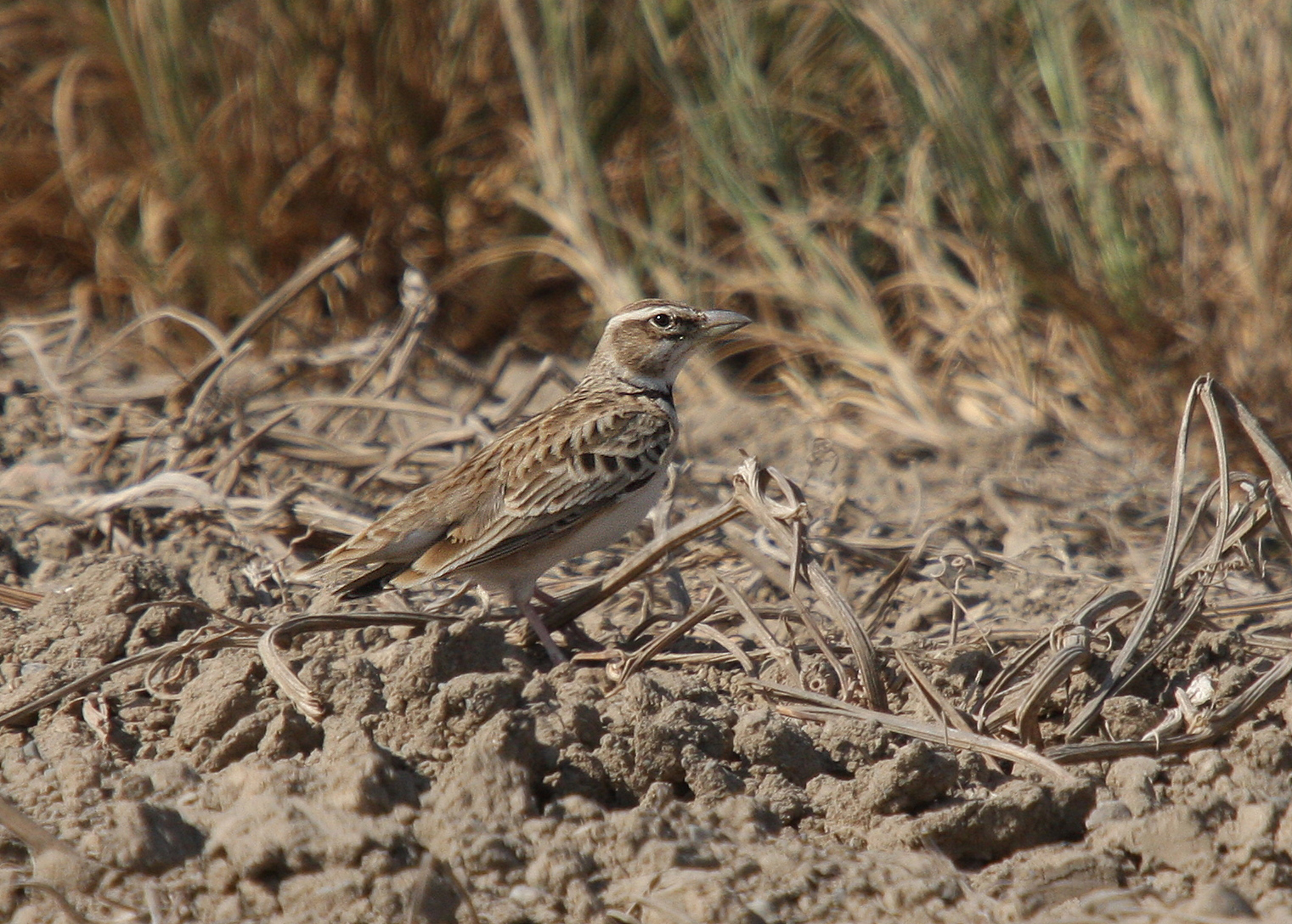
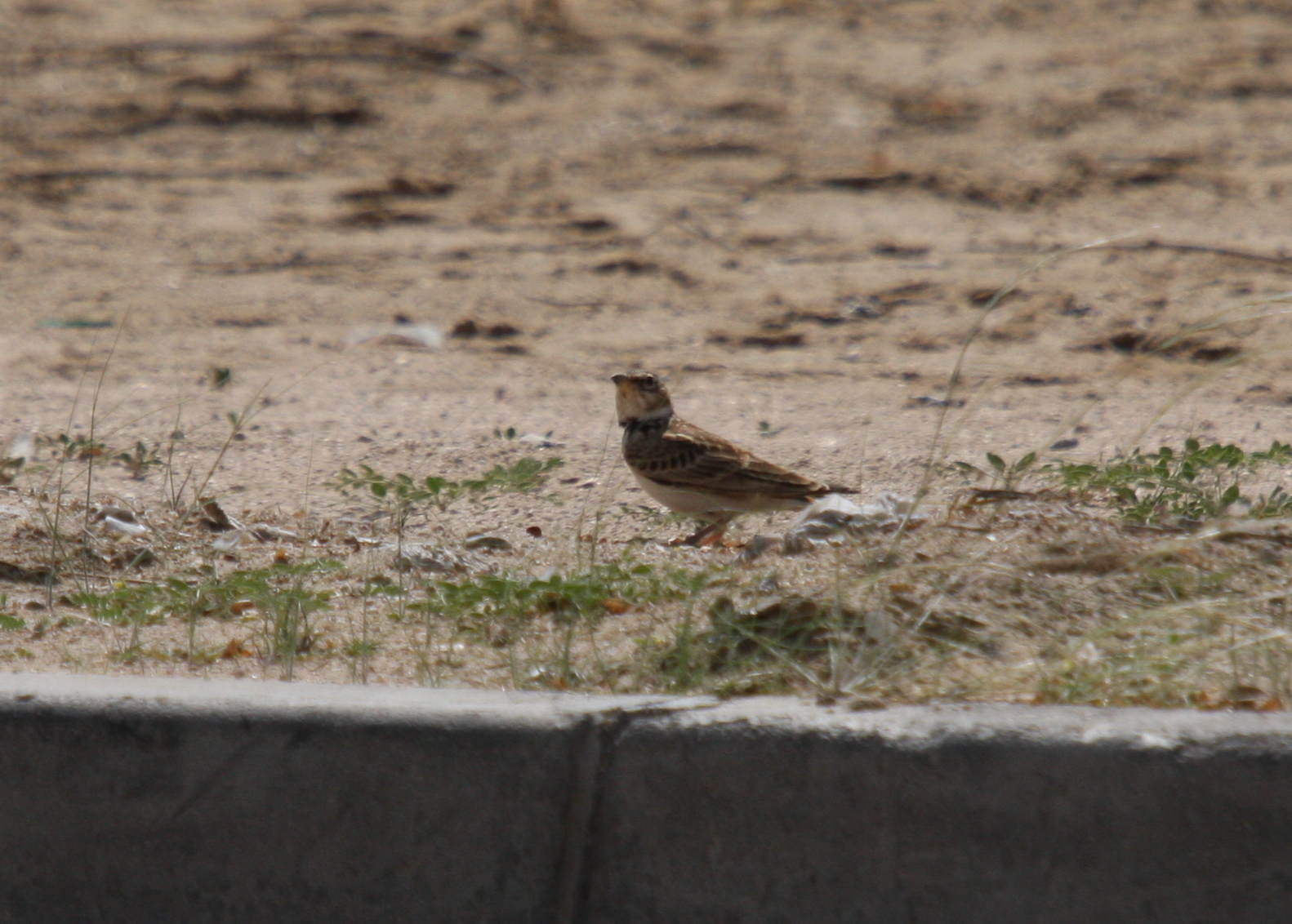
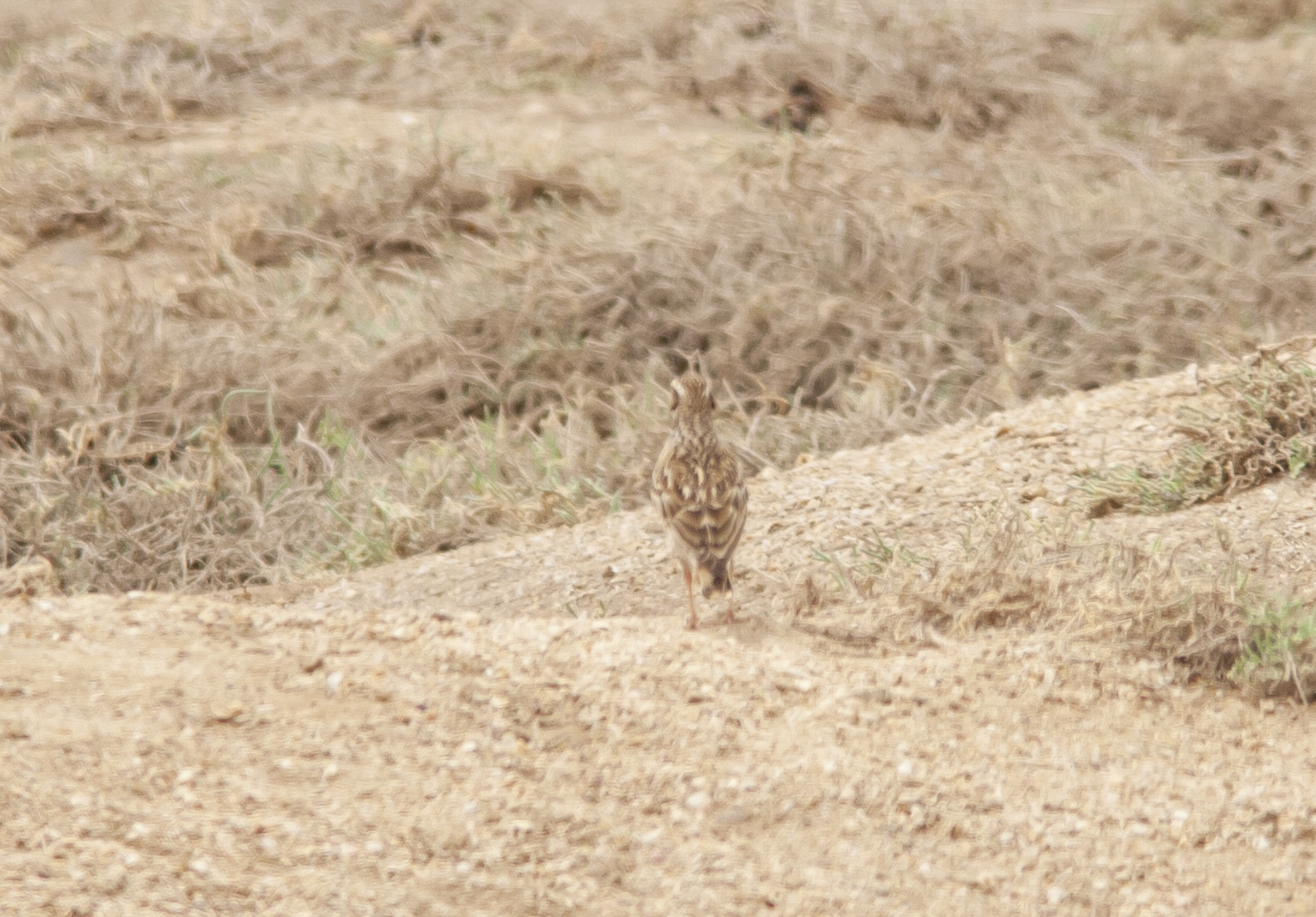
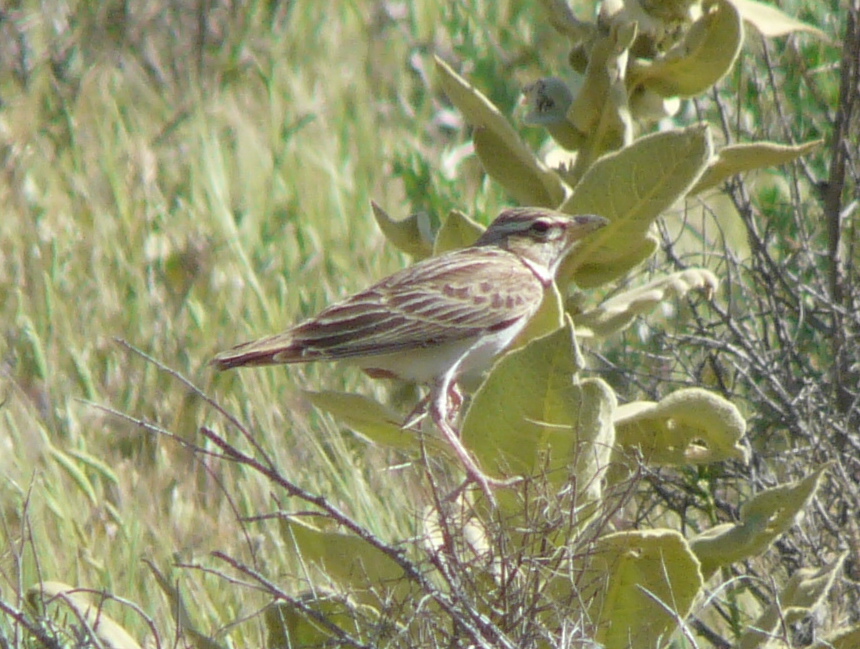
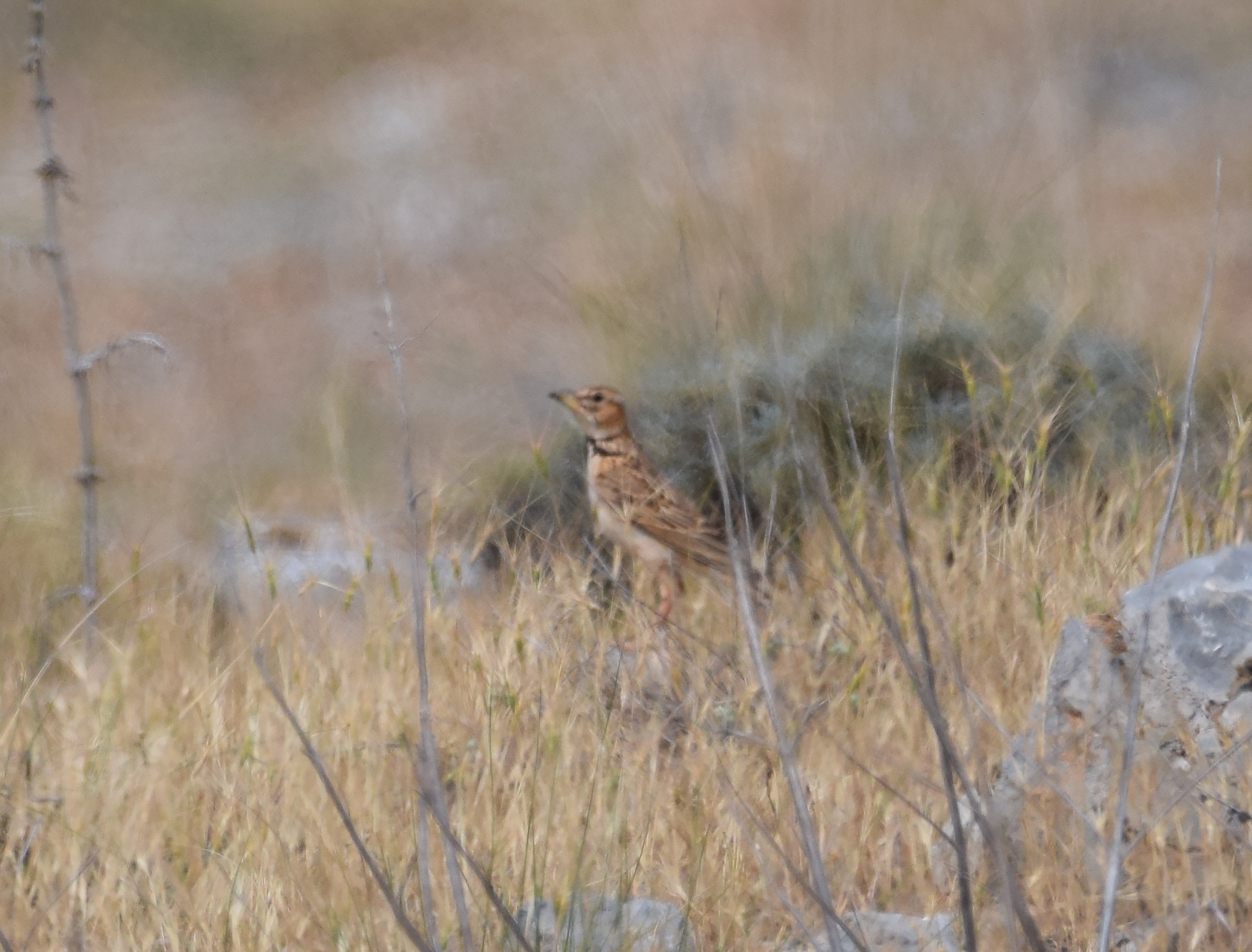
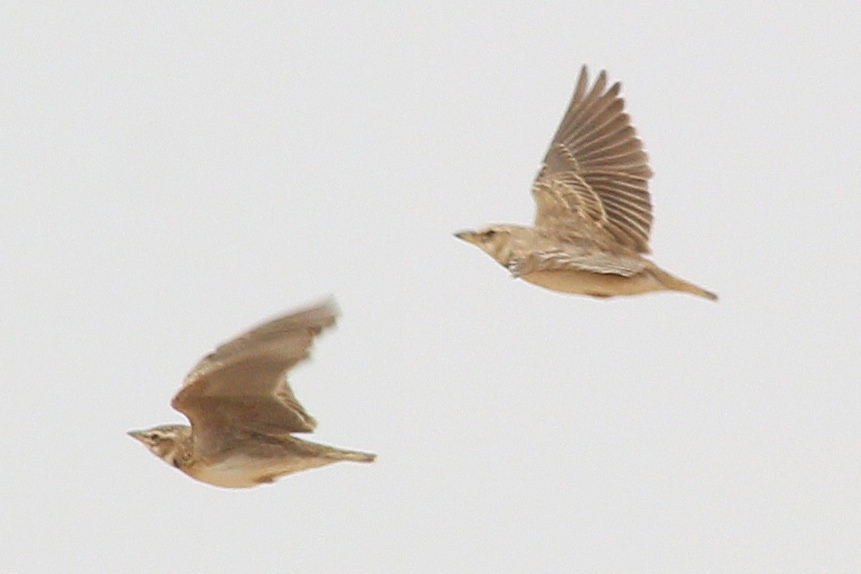
A large, robust lark measuring 16-18 cm in length. The plumage is mainly streaked grey above and white below, giving it an undistinguished appearance on the ground. It possesses two small black patches on the breast sides, which give the species its name, and a prominent white supercilium. In flight, it shows short, broad wings that are grey-brown below, and a short tail with a white tip but lacking white edges.
Identification
The combination of large size, streaked grey upperparts, white underparts, and distinctive black breast patches distinguishes this species. The short, broad wings and white-tipped tail without white edges are key field marks. The wing and tail patterns serve to distinguish it from its more westerly relative, the calandra lark.
Distribution & Habitat
Breeding range extends from west-central Turkey across Central Asia to southern Kazakhstan, Kyrgyzstan, northeastern Iran, and northern Afghanistan, with isolated populations in northern Israel, Lebanon, western Syria, and northern Iraq. It winters in northeast Africa and ranges widely throughout the greater Middle East to Pakistan, India, and Tibet. A very rare vagrant to western Europe. Inhabits stony semi-desert and higher altitude cultivation areas.
Behavior & Ecology
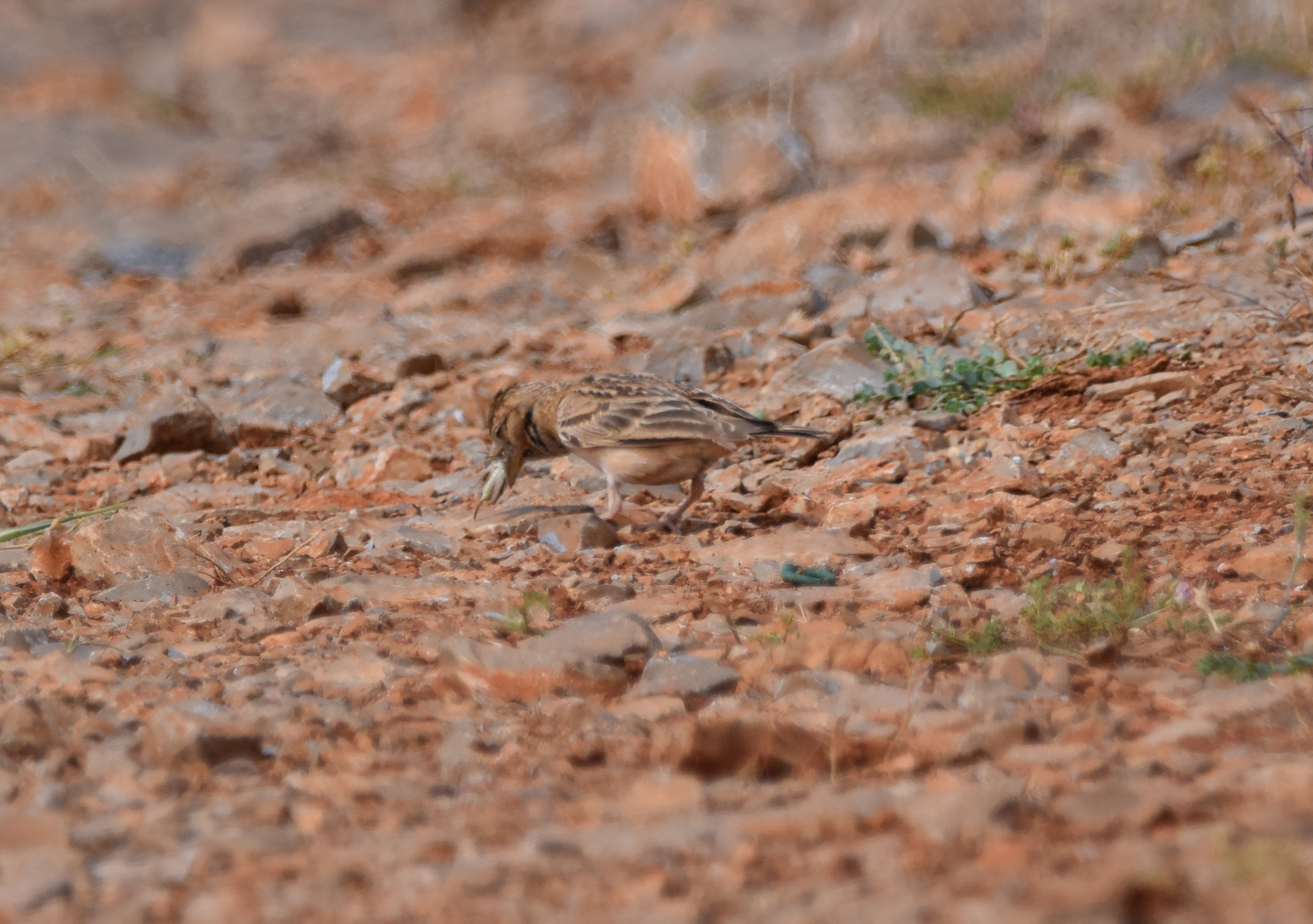
Nests on the ground, laying 3-4 eggs. Diet consists of seeds and insects, with insects forming a larger part of the diet during the breeding season. Gregarious in winter, forming flocks. The song is described as a harder version of that of the calandra lark.
Source: Wikipedia · CC BY-SA 3.0
Taxonomy
- Order
- Passeriformes
- Family
- Alaudidae
- Genus
- Melanocorypha
- eBird Code
- bimlar1
Distribution
breeds Türkiye to Iran and Afghanistan; winters to northeastern Africa and India
Data Sources
CBR Notes: 中文名由二斑百灵改为双斑百灵
Species description from Wikipedia, licensed under CC BY-SA 3.0.
Bird images and sounds sourced from GBIF, contributed by citizen scientists worldwide under Creative Commons licenses.
Taxonomy data from AviList 2025.