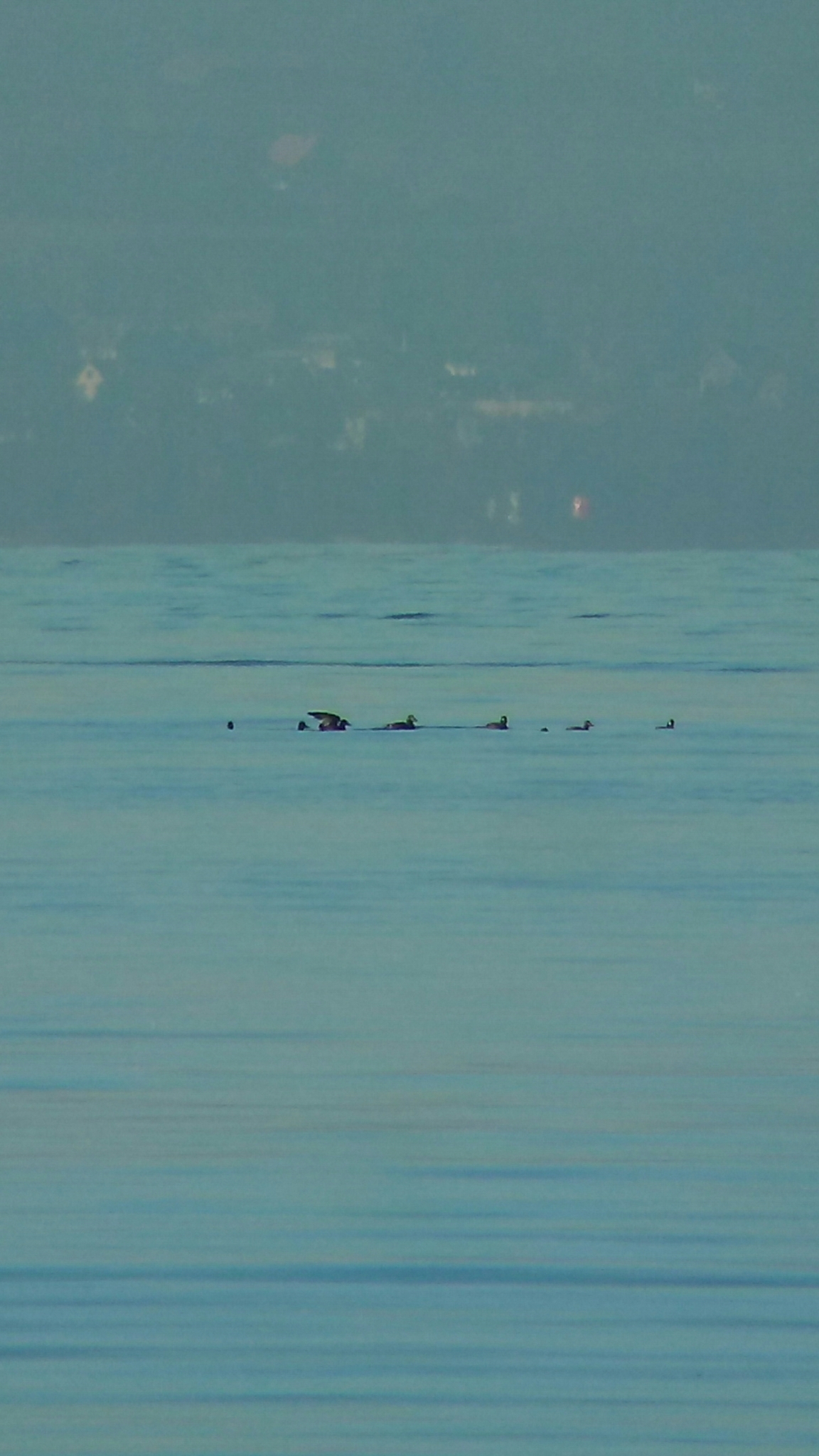
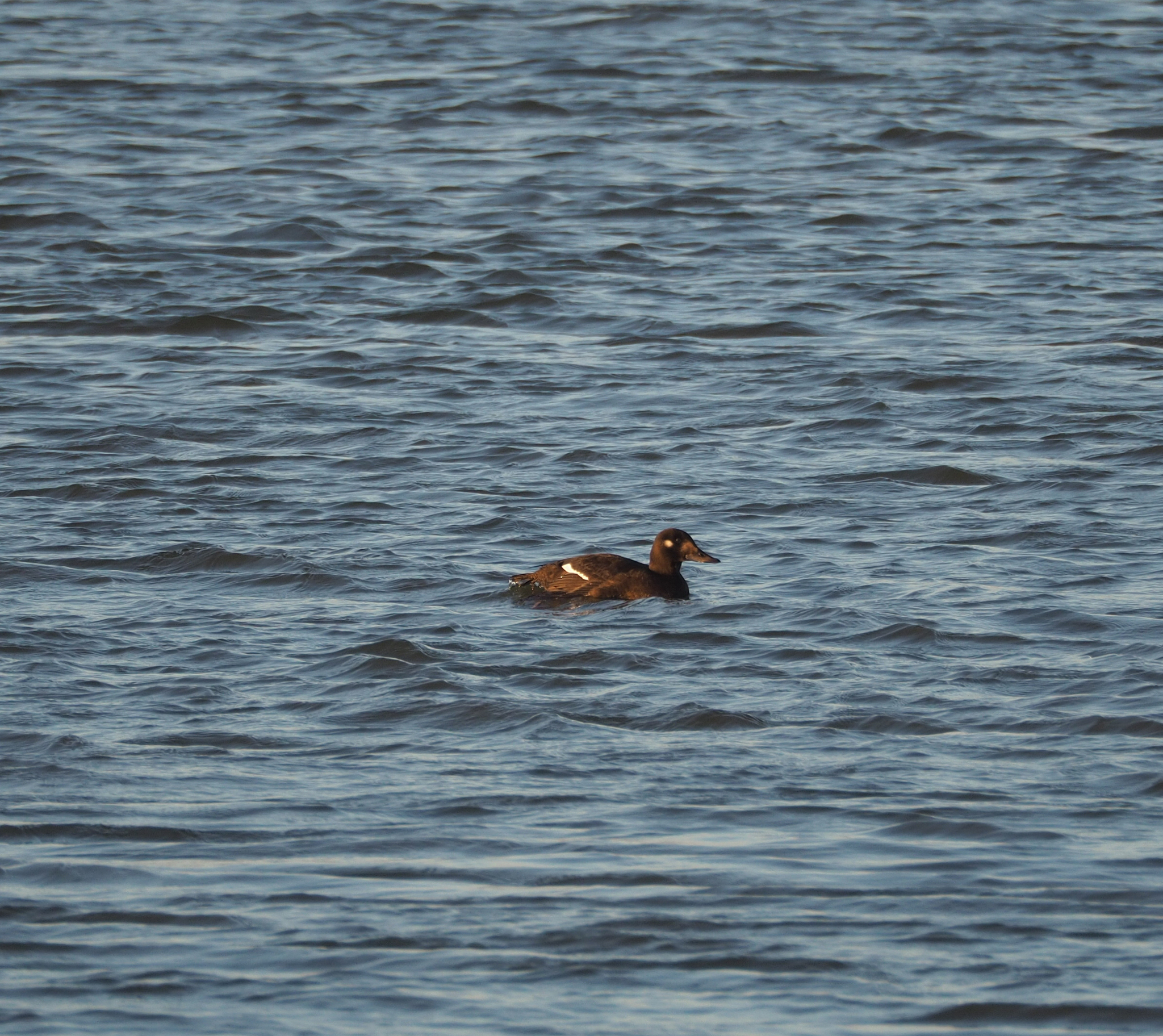
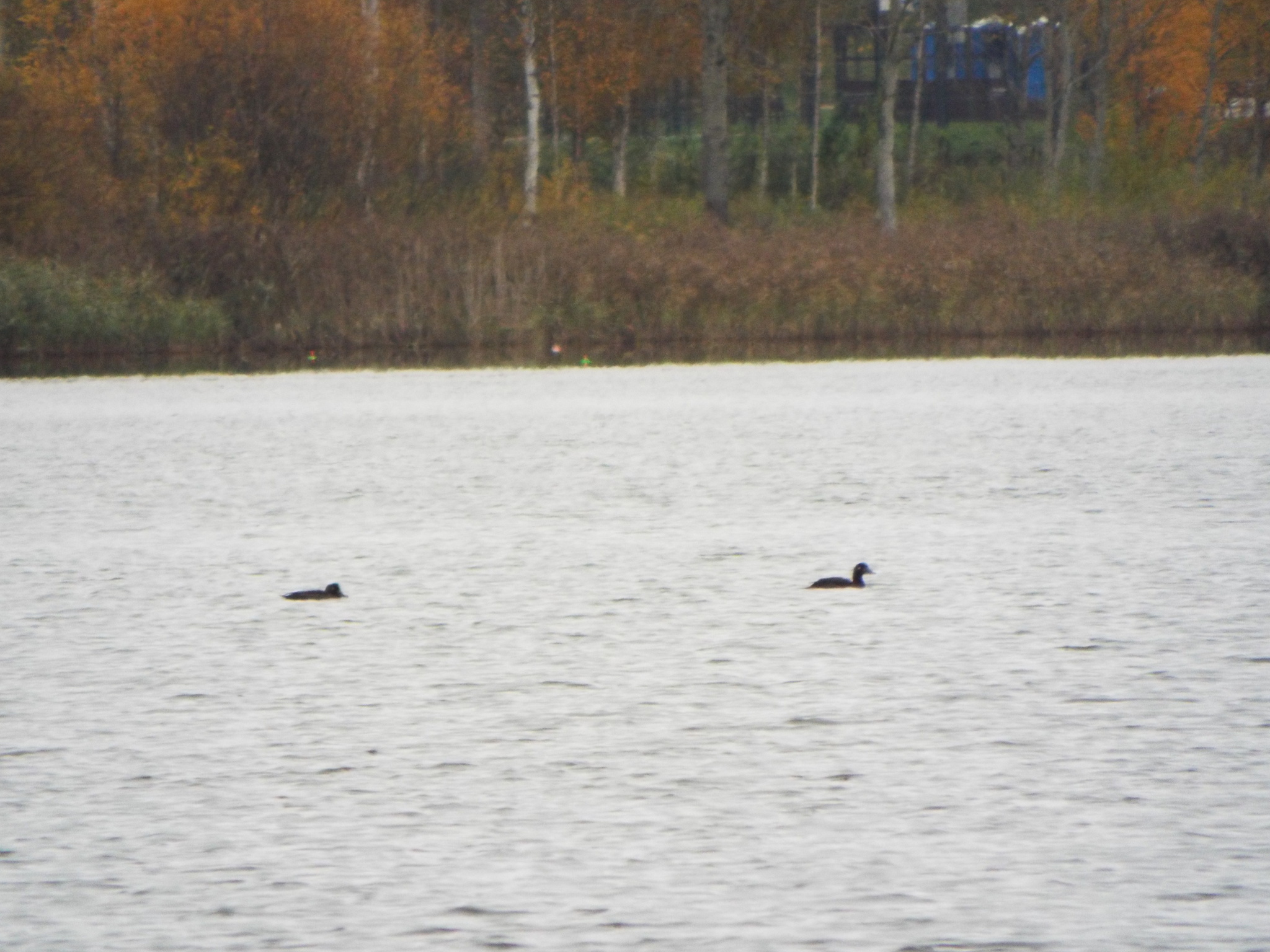
Velvet Scoter
Melanitta fusca
丝绒海番鸭
Introduction
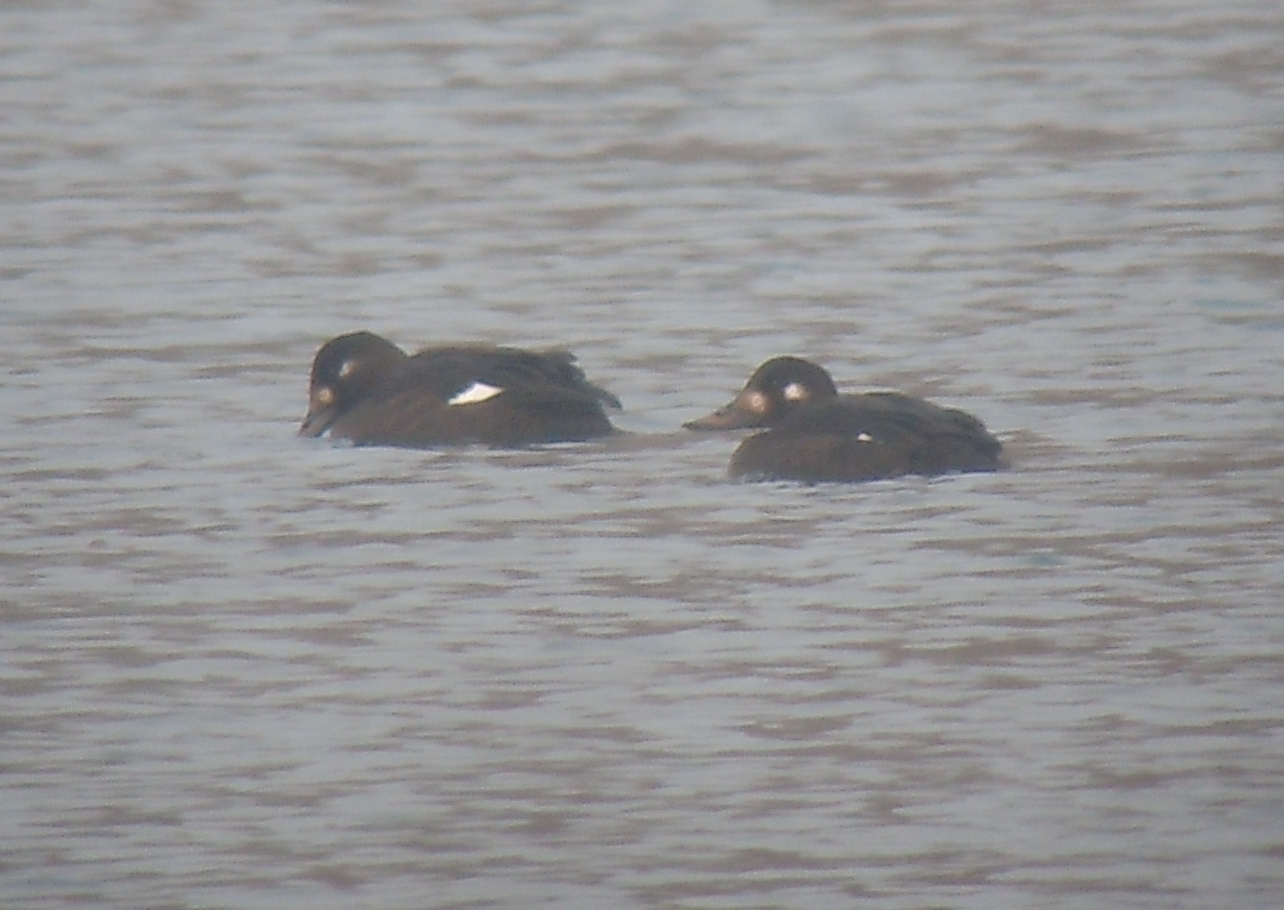
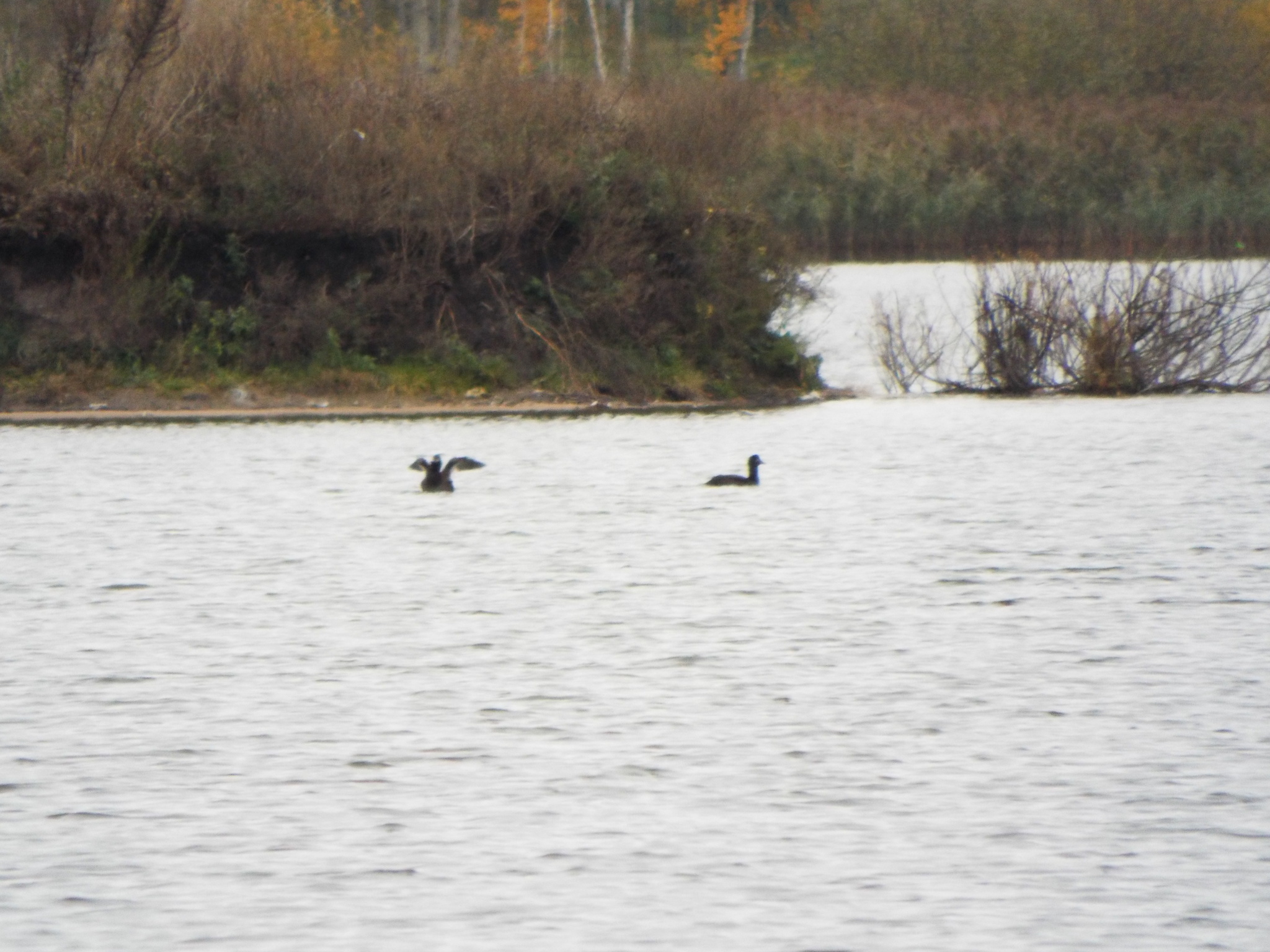
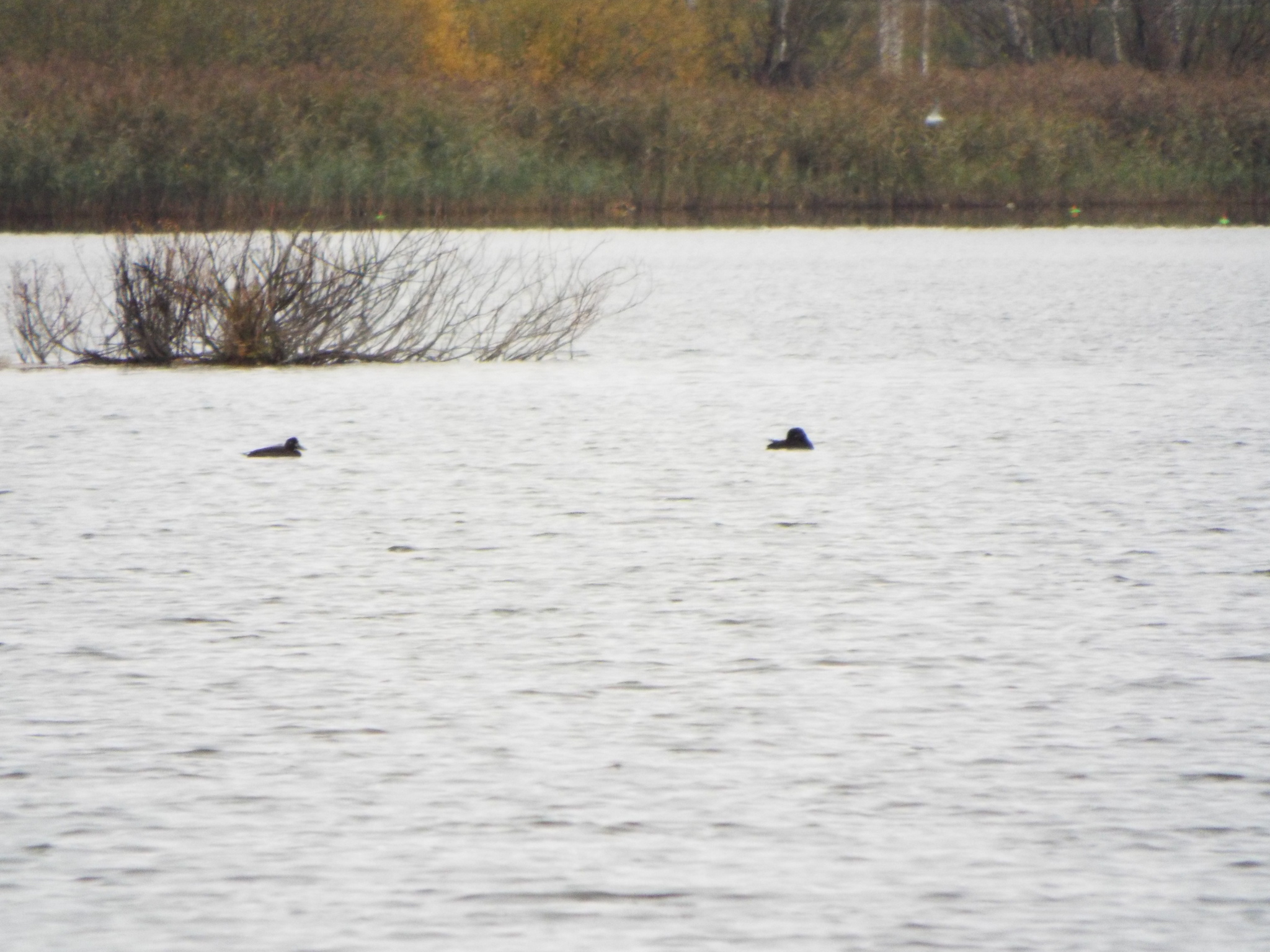
Monotypic within its genus, this sea duck breeds across northern Europe and western Siberia. Winter flocks form large, compact groups on coastal waters. Adult males display glossy black plumage with bold white wing patches and facial markings; females show more subdued coloring. Conservation concern exists; key breeding sites include Lake Tabatskuri in Georgia, representing one of the last strongholds in the Caucasus region.
Description
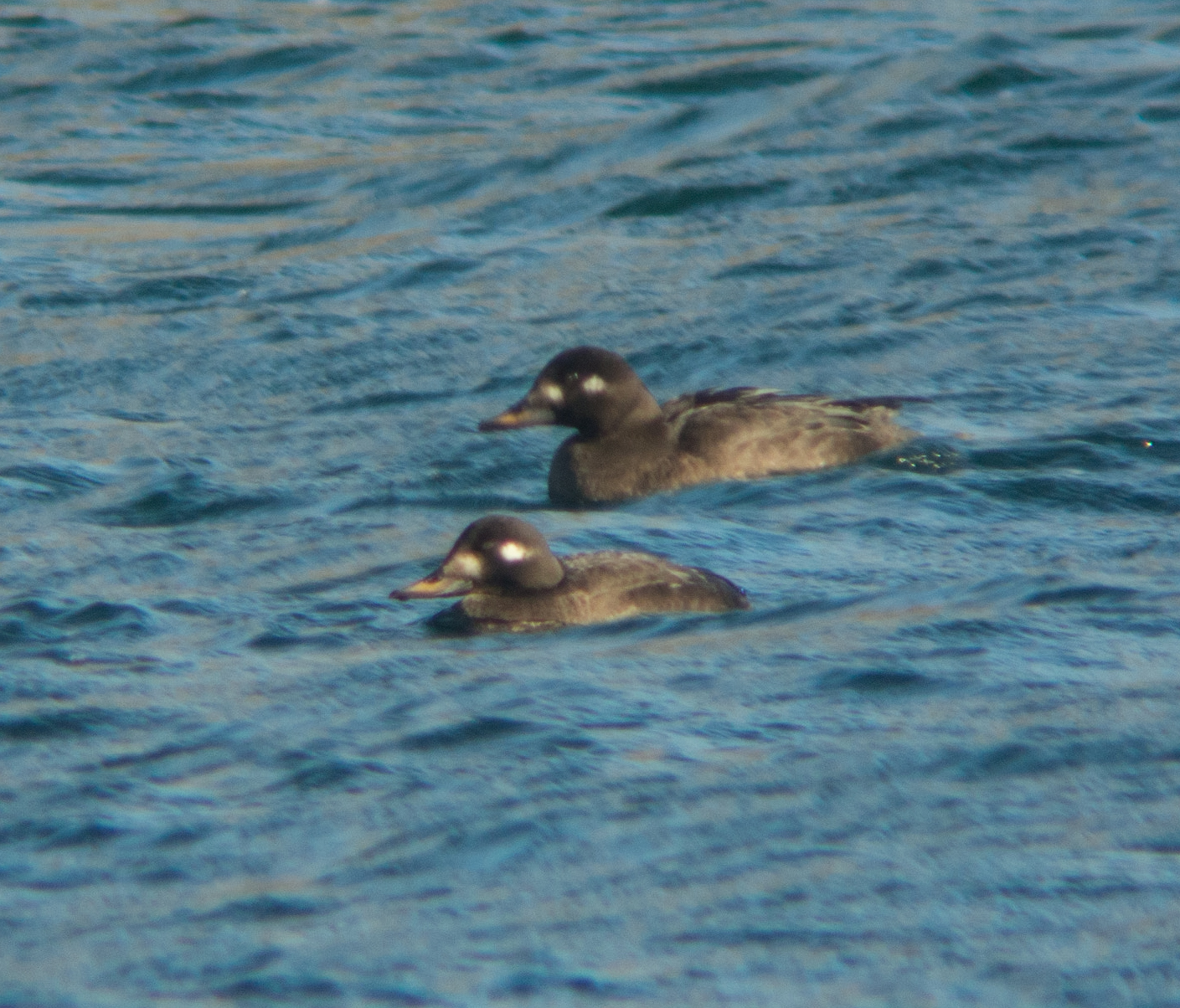
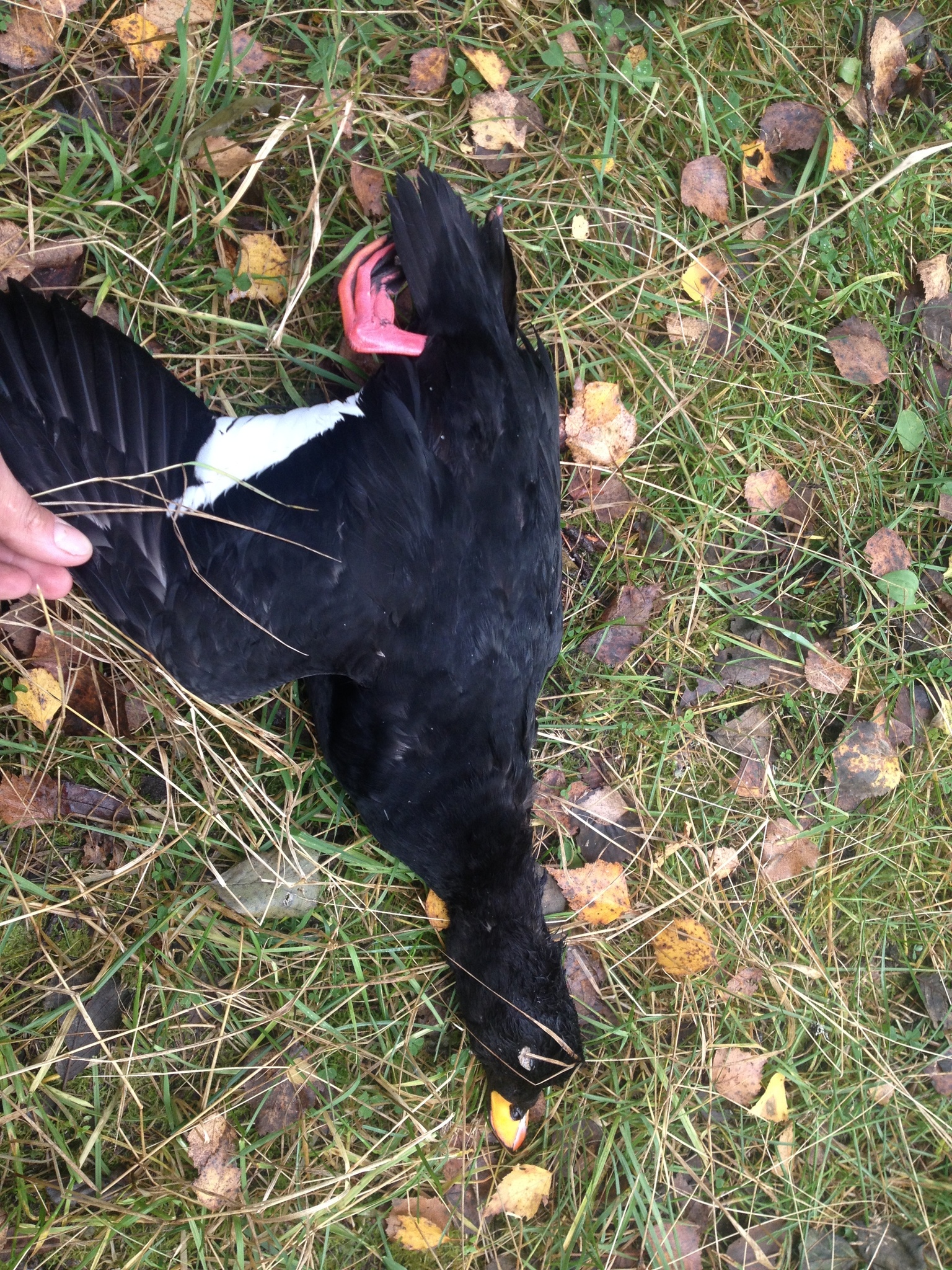
A large sea duck measuring 51–56 cm in length with a wingspan of 90–99 cm. The species shows a robust structure with a thick neck, long broad bill, and pointed tail. Adult males are uniformly glossy black with prominent white wing patches and a small white mark behind the eye. The bill shows orange coloration at the base and along the sides. Adult females are browner and duller overall, lacking the male's iridescence, though they share the same body shape and wing pattern. Both sexes show the characteristic heavy bill structure typical of scoters.
Identification
Males are distinctive among European sea ducks due to the combination of all-black plumage with large white wing panels and the small white subocular patch. Females can be more challenging, resembling the common scoter but appearing bulkier with a stouter bill structure. Formerly considered conspecific with the white-winged scoter of North America and Stejneger's scoter of eastern Siberia, separation from these relatives requires careful attention to bill shape and facial pattern. The velvet scoter shows more extensive white in the wing than the common scoter, creating a useful field mark.
Distribution & Habitat
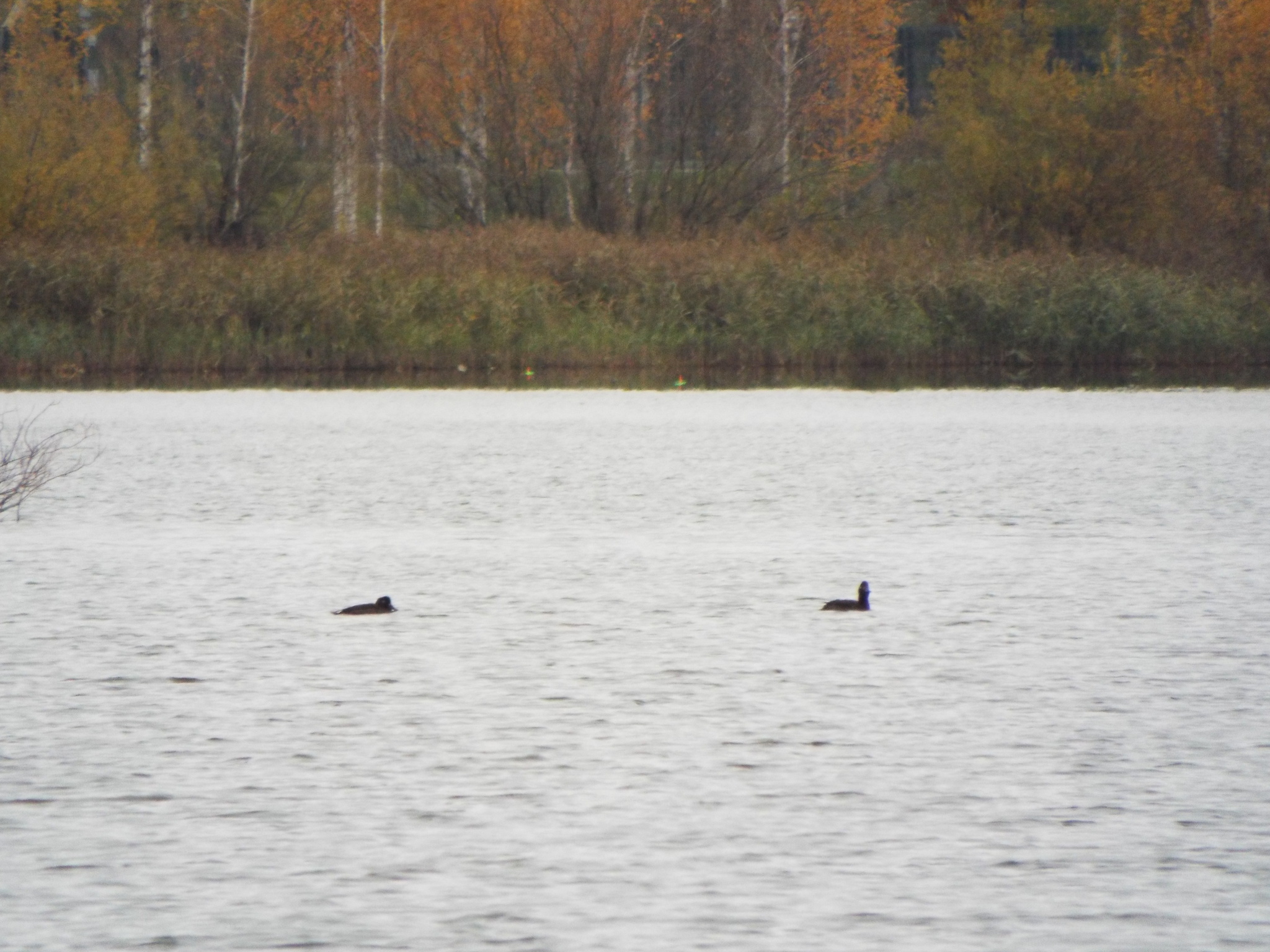
Breeds across northern Europe from Norway eastwards through Siberia to the Yenisey River basin, with an isolated population in northeast Kazakhstan. The Caucasus population at Lake Tabatskuri represents the species' southern breeding limit. Wintering grounds extend south to include Great Britain, the Baltic Sea, and the Black and Caspian Seas, with smaller numbers reaching France and northern Spain. Shows strong fidelity to coastal waters where it forms dense, tightly packed flocks that typically take off in synchronized waves.
Behavior & Ecology
Breeding occurs near the sea, lakes, or rivers in woodland or tundra habitats. The female constructs a well-concealed nest lined with down, typically producing 7–9 creamy white eggs measuring 72 mm by 48 mm. Incubation lasts 27–28 days, and the precocial young become independent after 30–40 days, with first breeding at two years of age. Feeding involves diving for crustaceans and molluscs. Birds form large, compact flocks outside the breeding season, displaying coordinated movement patterns.
Conservation
Classified as Vulnerable by the IUCN, this species faces significant conservation challenges. The Caucasus breeding population at Lake Tabatskuri shows alarmingly low numbers, with only 25–35 breeding pairs recorded in 2017–2018 studies. Threats include competition for nesting sites, gull predation, and disturbance from fishing activities. The species is protected under the Agreement on the Conservation of African-Eurasian Migratory Waterbirds, reflecting international concern for its declining numbers across its range.
Culture
No specific cultural significance or folklore is documented for this species.
Source: Wikipedia · CC BY-SA 3.0
Taxonomy
- Order
- Anseriformes
- Family
- Anatidae
- Genus
- Melanitta
- eBird Code
- whwsco3
Distribution
breeds northern Europe from Norway to Yenisey River (central Siberia) and northeastern Kazakhstan, also Türkiye and Georgia; winters to Baltic Sea, Denmark, and eastern coast of Britain
Data Sources
Species description from Wikipedia, licensed under CC BY-SA 3.0.
Bird images and sounds sourced from GBIF, contributed by citizen scientists worldwide under Creative Commons licenses.
Taxonomy data from AviList 2025.